 TechOffice
The Emergence of Chat Automation: A New Era in Personal Messaging In today's fast-paced digital landscape, effective communication is paramount. To streamline messaging, a groundbreaking feature known as Chat Automation has been introduced, allowing users to integrate their own bots that can respond to messages automatically on their behalf. This new offering is particularly beneficial for private chats, enabling a more efficient and personalized communication experience. Feature Overview The Chat Automation feature is designed to enhance user interaction in a controlled manner. Here are the key aspects of this functionality: Custom Bots: Users can create their own bots that will autonomously answer messages. This feature allows for a tailored response mechanism, ensuring that users can curate their chat experience. Private Chat Integration: The bot operates exclusively in private chat environments, safeguarding user interactions while still providing valuable automated responses. Customizable Access: Users have the option to restrict which chats their bot can access. This customization empowers users to limit the bot’s activities, creating a balance between automation and control. Exclusion Parameters: Further enhancing user control, there is an option to specify which chats should be excluded from the bot’s reach, effectively allowing users to customize their privacy settings. Navigating the Settings Accessing and configuring Chat Automation is straightforward. Users simply need to follow these steps: Navigate to Settings . Select Account . Here, users will find the options to set up their automated bot. Why This Matters The introduction of Chat Automation marks a significant development in messaging technology. With an exponential increase in digital communications, the demand for efficient management tools has surged. Bots equipped with automation capabilities not only save time but also enhance the quality of messaging interactions. This feature is particularly valuable for professionals who manage numerous private chats and seek to maintain responsiveness without compromising on engagement quality. By allowing for personal customization, users can ensure that their interactions remain authentic while leveraging the benefits of automation. Conclusion Chat Automation represents a significant leap forward in personal messaging technology. By enabling users to deploy customizable bots, the feature encapsulates the essence of modern communication: efficiency paired with personalization. As this technology continues to evolve and integrate into daily messaging practices, it promises to redefine how individuals connect and engage in the digital age. Feature Description Custom Bots Users can create bots that respond to messages automatically. Private Chat Usage Bots operate exclusively in private chat environments. Customizable Access Users can restrict bot access to specific chats. Exclusion Parameters Options to specify which chats should be excluded from bot activity. As advancements in technology continue to shape our communication landscapes, features like Chat Automation will play a crucial role in enhancing efficiency and personalization in our interactions.
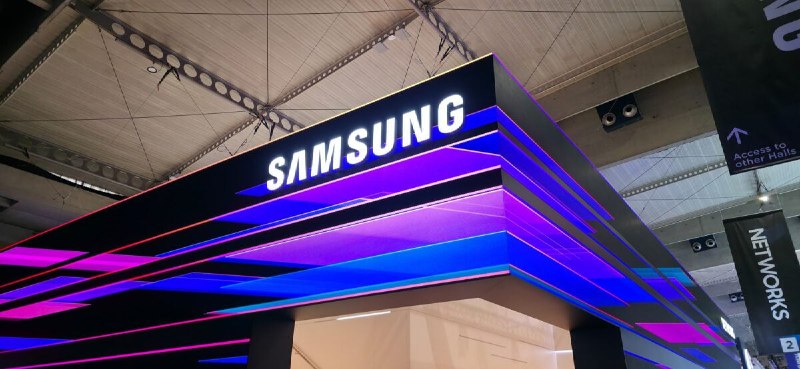
Samsung Explores Potential US Listing Following Rivals' Successful Fundraising In a notable strategic move, Samsung Electronics is reportedly contemplating the possibility of listing its shares on a U.S. stock exchange. This consideration arises in the wake of a rival tech firm successfully raising an impressive $26.5 billion in funding, a development that has undoubtedly caught the attention of the South Korean technology giant. Context of the Decision The decision for Samsung to explore a U.S. listing can be seen as a direct response to the competitive landscape within the global technology market. The rival company, which recently completed its funding round, has demonstrated the potential for substantial investment opportunities within the American financial markets. This fundraising success not only underlines the investor appetite for technology stocks but also signals growing international interest in companies that are adept at innovation and growth. Key Reasons Behind the Listing Consideration Market Expansion: A U.S. listing would enable Samsung to tap into a larger pool of investors, enhancing its visibility and presence in a crucial market. Valuation Boost: Historically, companies listed on U.S. exchanges tend to achieve higher valuations compared to those on other markets, which can be an attractive proposition for Samsung. Increased Liquidity: Access to a more diverse investor base can improve the liquidity of Samsung shares, ultimately benefiting existing shareholders. Competitive Positioning: By engaging with the U.S. market, Samsung can strengthen its competitive positioning against global rivals that are already well-established in this arena. Potential Implications for Samsung A U.S. listing could usher in several implications for Samsung, ranging from increased funding capabilities to enhanced brand prestige. This move could also reflect the company's long-term ambitions to not only solidify its position as a leading technology provider but also to diversify its capital resources in an ever-evolving market environment. Comparative Overview of Recent Fundraising Activities Company Funds Raised (in billions) Primary Market Listing Status Samsung Electronics – South Korea Under Consideration for US Listing Rival Company 26.5 United States Listed Conclusion As Samsung Electronics weighs the benefits associated with a potential U.S. listing, the decision could represent a significant shift in its operational strategy. With the tech sector becoming increasingly competitive, aligning financial pursuits with market realities is essential for sustained growth and innovation. The implications of such a move could resonate well beyond the stock market, impacting the broader tech ecosystem. In summary, while Samsung's exploration of a U.S. listing remains at a preliminary stage, the momentum in the industry clearly suggests that the company must adapt to evolving market dynamics to maintain its competitive edge.
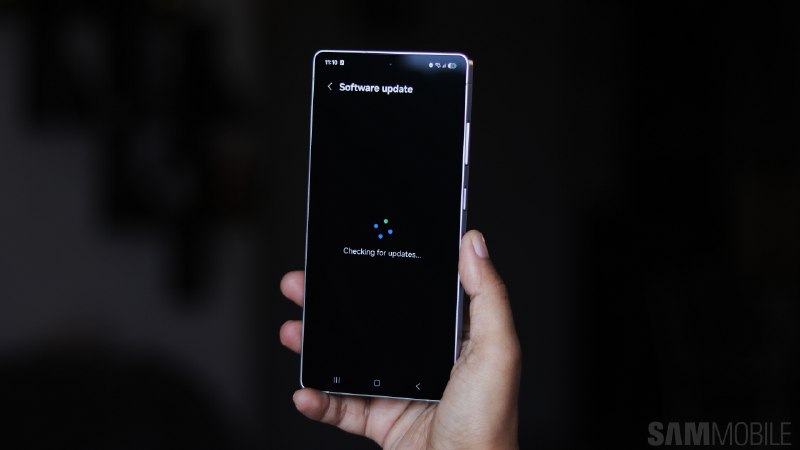
Galaxy S25 Series Marks Global Rollout of July 2026 Security Update In a significant move for mobile security and user experience, Samsung has announced the global rollout of the July 2026 security update for its Galaxy S25 series. This development underscores the company’s commitment to ensuring that its devices remain secure and up-to-date with the latest security protocols. What’s New in the Update? The July 2026 security update for the Galaxy S25 series focuses on enhancing system security and patching vulnerabilities that could potentially compromise user data. Here are some key features of this update: Enhanced security features aimed at protecting personal and financial information. Bug fixes that enhance device stability and overall performance. Improvements to pre-existing applications and system services. Why Regular Security Updates Matter Regular security updates are essential in today's digital landscape. Major reasons to prioritize updates include: Protection Against Vulnerabilities: Cyber threats are constantly evolving, and timely updates are crucial to protect devices from newly discovered flaws. Improved Stability: Updates not only enhance security but also often improve the overall user experience by fixing bugs and improving software performance. User Confidence: A robust security posture increases user trust and satisfaction. Global Reach and Availability The July 2026 update is being rolled out globally, ensuring that users from various regions can benefit from the enhanced security protocols. Samsung has always been proactive in providing timely updates, and this move continues to reinforce its reputation in the competitive smartphone market. How to Update Your Device For Galaxy S25 series users eager to install the latest security update, here’s a streamlined process: Open Settings on your Galaxy S25. Scroll down and select Software Update . Tap on Download and Install . If an update is available, you will see prompts to begin the installation process. Follow the on-screen instructions to complete the update. Conclusion The July 2026 security update for the Galaxy S25 series not only improves the security framework of these devices but also reflects Samsung's ongoing commitment to mobile security. As users increasingly rely on their smartphones for personal and professional activities, such updates become crucial in maintaining device integrity and user trust. Summary of Key Features Feature Description Security Enhancements Updates to combat new vulnerabilities. Bug Fixes Addressing performance issues to improve user experience. Application Improvements Updates to system apps for better functionality. As the tech landscape continues to evolve, staying informed about the latest updates is vital for maximizing the potential of your devices.

Revolutionizing Smart Glasses: A Deep Dive into Samsung's Galaxy Glasses Battery Specifications The realm of augmented reality (AR) has been rapidly evolving, yet it has been plagued by critical challenges, particularly regarding battery performance. Recently leaked battery specifications for Samsung's upcoming Galaxy Glasses have sparked discussions across the tech community, suggesting a potential shift in how smart glasses are designed and utilized. Here, we explore why these newly revealed battery specs could usher in a new era for smart glasses. Understanding the Battery Specifications The leaked information indicates that Samsung has made significant advancements in battery technology for its Galaxy Glasses. The battery specifications are crucial, as they directly impact the usability and practicality of smart glasses in daily life. Below is a summary table detailing the leaked battery specs: Specification Details Capacity 500 mAh Charging Time 1.5 hours Usage Time Up to 12 hours (standby) Type Lithium-polymer Impact on User Experience The improvements in battery capacity and efficiency are paramount for enhancing user experience. Let us examine the implications of these specifications in detail: Extended Usage: With a reported capacity of 500 mAh, users can expect to use the Galaxy Glasses for extended periods without the need for constant recharging. A maximum standby time of 12 hours places the device in a competitive range, comparable to other leading AR headsets. Rapid Charging: The ability to fully charge within 1.5 hours ensures that downtime is minimized. In a fast-paced world, this feature could be a game-changer for professionals who rely on quick usability. Battery Technology: The use of lithium-polymer batteries allows for slimmer designs without sacrificing power. This aspect is crucial in keeping the glasses lightweight and stylish. The Market Response The potential advantages presented by the Galaxy Glasses' battery specifications are likely to affect the market significantly. Not only does Samsung aim to compete with existing products such as Google Glass and Microsoft HoloLens, but it also strives to break new ground in AR wearables. Industry experts predict that Samsung's advancements could pressure competitors to innovate and enhance their products, particularly in battery life and charging technology. Additionally, enhanced battery performance may lead to broader acceptance of AR technology among consumers who have previously been deterred by concerns surrounding usability and convenience. Conclusion: A Potential Paradigm Shift The leaked battery specifications of Samsung's Galaxy Glasses paint a positive picture for the future of smart eyewear. By addressing one of the most critical pain points in AR technology—battery life—Samsung may well be on the brink of launching a device that is not only functional but also desirable for a broader audience. As we await further announcements from Samsung, it is clear that these developments could pave the way for transformations in not just smart glasses but the entire AR landscape, making their future usages more feasible and commonplace.
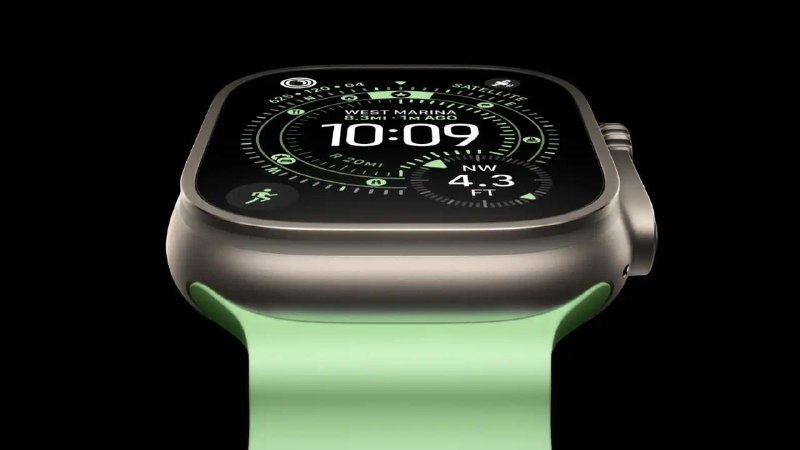
Apple Watch Set for Major Redesign in 2027 In an exciting turn of events for tech enthusiasts and Apple aficionados alike, recent insights from Weibo leaker Instant Digital indicate that Apple is planning a significant overhaul of the Apple Watch lineup, tentatively dubbed the "Apple Watch X," slated for release in 2027. This announcement renews long-standing speculation surrounding the future of the Apple Watch, particularly regarding its design and functionality. A Revolutionary Band Attachment Mechanism One of the most notable changes expected with the new Apple Watch X is a completely redesigned band attachment mechanism. This adjustment will result in a complete incompatibility with existing Apple Watch bands, allowing Apple to maximize internal space. The primary advantage of this redesign is the potential for a larger battery, which could greatly enhance the device's usability and longevity. For prospective buyers, the leaker offers practical advice: those considering an upgrade to the anticipated Apple Watch X in 2027 should think twice before investing in additional bands compatible with the current models. Additional Rumored Features Beyond the band redesign, there are several other exciting advancements rumored for the Apple Watch X: Next-Generation OLED Display Technology: Enhanced display performance is anticipated, providing sharper images and better energy efficiency. New Health Sensor Array: A revamped health sensor setup located on the underside of the device is expected to offer more precise health monitoring capabilities. This year’s flagship model, the Apple Watch Series 12, is primed to deliver only minor, incremental updates, maintaining the design established by the Series 10. This cautious approach suggests that Apple may be reserving substantial innovation for the much-anticipated 2027 release. A Look Back at Past Rumors It is noteworthy that rumors surrounding a major redesign, particularly linked to the concept of the Apple Watch X, have been circulating since 2023, coinciding with the device's 10th anniversary. However, many of these speculations never materialized, as Apple ultimately chose to release the Series 10 instead. Given this history, industry watchers are advised to approach the 2027 timeline with some skepticism. Conclusion The potential evolution of the Apple Watch, especially with anticipated enhancements in battery life and display technology, excites both consumers and industry analysts. As we await further confirmations and leaks about the Apple Watch X, this moment serves as a reminder of Apple's continued commitment to innovation—a hallmark that has defined its product ecosystem. Feature Apple Watch Series 12 Apple Watch X (Expected 2027) Design Similar to Series 10 Complete redesign Band Compatibility Compatible with existing bands Incompatible with current bands Battery Standard battery life Enhanced battery capacity Display Technology Current OLED technology Next-gen OLED technology Health Sensors Standard sensors New sensor array on case's underside As the tech landscape evolves, the anticipation for Apple's next steps in wearable technology continues to grow. For now, consumers are advised to weigh their options wisely while keeping an eye on the horizon for what promises to be a groundbreaking release in 2027.

HyperOS 3.3 A17 Update: What's New and Improved In a significant move to enhance user experience, the latest update of HyperOS, version 3.3 A17, has officially been released. This update comes packed with a variety of new features and improvements aimed at elevating device performance and user satisfaction. The HyperOS team encourages users to explore the advancements that the new OS version offers. Below is a detailed overview of the new updates. Key Features of HyperOS 3.3 A17 Performance Enhancements: Optimizations have been made to improve the overall performance of devices running HyperOS, ensuring smoother operation and faster response times. User Interface Updates: The UI has been refined for a more intuitive navigation experience, making it easier for users to access essential features and tools. Security Features: Enhanced security protocols have been integrated into the operating system to safeguard user data and provide a more secure environment. New Applications: The update includes new applications that offer users additional functionality and utility, expanding the capabilities of their devices. Community Engagement Alongside the release of HyperOS 3.3 A17, the development team encourages users to participate in community engagement. This platform facilitates discussions, feedback, and feature requests, enabling the HyperOS team to tailor future updates specifically to user needs. Users can join the community at the official @Techoffice_officiall channel. Summary of Key Improvements Feature Description Performance Improved device operation and response times. User Interface Refined design for better navigation. Security Enhanced protocols for data protection. Applications Introduction of new applications for better utility. Conclusion The update to HyperOS 3.3 A17 represents a significant milestone in the operating system's evolution, reflecting the development team's commitment to meeting user needs through continuous improvements. The combination of enhanced performance, refined user interface, and added security measures positions HyperOS as a competitive player in the operating system market. Users are encouraged to update to the latest version and engage with the community for an enriched experience.
OpenAI Responds to Apple's Trade Secret Lawsuit In a recent development that has captured the attention of the tech industry, OpenAI has issued a response to a lawsuit filed by Apple. The lawsuit accuses OpenAI of allegedly stealing trade secrets to develop its artificial intelligence products. This legal battle comes at a time when both companies are at the forefront of AI innovation, utilizing proprietary technologies that have significant implications for the future of the industry. OpenAI's Position In a statement regarding the lawsuit, OpenAI firmly asserted, “We have no interest in other companies' trade secrets. We remain focused on building innovative technology that empowers people everywhere.” This declaration highlights OpenAI's commitment to ethical practices and transparency in its technological pursuits. Background of the Dispute While details of Apple’s lawsuit remain under wraps, the tech giant has long been known for its rigorous protections surrounding its intellectual property. The use of trade secrets is a critical aspect of their competitive strategy. Apple's entry into the AI space has recently intensified, prompting a closer examination of the boundaries between innovation and proprietary information. The Implications for the Tech Industry The outcome of this legal tussle could have far-reaching implications not only for Apple and OpenAI but also for the wider technology landscape. Legal Precedents: The lawsuit could set legal precedents regarding the use of trade secrets in technology development. Innovation Ethics: This case raises ethical questions surrounding the balance between competitive advantage and fostering innovation. Collaborative Ventures: Potential impacts on future partnerships or collaborations within the tech sector may emerge, particularly in AI and machine learning. Industry Reactions The tech community has been closely monitoring the situation, with experts weighing in on possible outcomes. Many are keen to see how the case will affect the ongoing rivalry between established firms and pioneering startups in the AI domain. Conclusion As Apple and OpenAI navigate this legal challenge, the need for clear guidelines in the tech industry regarding trade secrets and innovation has never been more pressing. All eyes will remain on this prominent case as it unfolds, with implications that could resonate far beyond the confines of the courtroom. Company Status Focus Area OpenAI Responded to lawsuit AI Technology Development Apple Filed lawsuit Protection of Trade Secrets
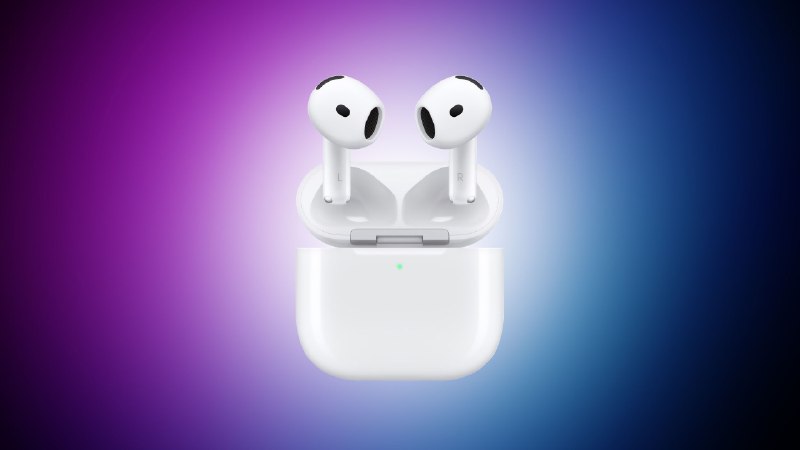
Amazon Announces Significant Discounts on AirPods: A Limited-Time Offer In a bid to attract tech enthusiasts and audiophiles alike, Amazon has launched a promotion that slashes prices by $30 on four distinct models of Apple’s highly sought-after AirPods. This enticing offer is available this week only, paving the way for customers to upgrade their audio experience at a remarkable value. The Models on Discount The promotional discount encompasses a range of AirPod models, catering to diverse user preferences and requirements. Below is a summary of the discounted models: Model Original Price Discounted Price Discount Amount AirPods (2nd Generation) $159.00 $129.00 $30.00 AirPods (3rd Generation) $179.00 $149.00 $30.00 AirPods Pro (1st Generation) $249.00 $219.00 $30.00 AirPods Pro (2nd Generation) $299.00 $269.00 $30.00 Why Choose AirPods? The popularity of AirPods can be attributed to their seamless integration with Apple’s ecosystem, delivering a hassle-free experience for users with iPhones, iPads, and Macs. Consider the following features that make AirPods a preferred choice: Sound Quality: AirPods are known for their premium audio performance, providing rich sound and deep bass. Noise Cancellation: The Pro models are equipped with Active Noise Cancellation technology, allowing for an uninterrupted listening experience. Ease of Use: With automatic pairing and intuitive controls, users can effortlessly switch between devices. Battery Life: AirPods offer impressive battery life, with several hours of listening time on a single charge and extended play with the charging case. Conclusion This week’s discount represents a noteworthy opportunity for consumers to purchase AirPods at a reduced price, making high-quality audio more accessible. Whether you are looking for basic wireless earbuds or a more advanced audio solution with noise cancellation, Amazon's sale enables a variety of options to meet diverse needs. For those interested, it is advisable to act swiftly as limited-time promotions like this often experience high demand, leading to stock shortages. In the rapidly evolving world of technology, discounted pricing on sought-after gadgets such as AirPods presents a unique opportunity that tech enthusiasts do not want to miss.

New Developments on the iPhone Ultra: Battery Capacity Insights Recent reports have emerged regarding Apple's highly anticipated iPhone Ultra, shedding light on its expected battery capacity. Contrary to previous speculations, it appears that the smartphone will sport a smaller battery than many had hoped for, with a capacity of 4,883 mAh. This figure is notably lower than earlier estimates that suggested Apple was experimenting with much larger battery options, ranging between 5,400 mAh and 5,800 mAh. Battery Expectations vs. Reality The discrepancy between anticipated and actual battery capacities has left many tech enthusiasts and industry analysts surprised. Initially, the potential introduction of a battery exceeding 5,400 mAh raised expectations for enhanced performance and longer usage times. However, this recent revelation indicates a shift in Apple's design and engineering priorities for the iPhone Ultra. Feature Previous Estimates Reported Capacity Battery Size 5,400 mAh to 5,800 mAh 4,883 mAh Implications of the Smaller Battery Size The decision to implement a smaller battery may stem from several factors, including design constraints, weight considerations, or advancements in battery efficiency technologies. Apple has been known for its meticulous approach to balancing performance with aesthetics, and this move could align with their broader objectives to create a sleeker and more compact device. Furthermore, a smaller battery could also indicate Apple's commitment to optimizing power consumption through software enhancements and hardware improvements, potentially offering an experience that measures up to users' expectations despite a reduced capacity. Conclusion As the launch date for the iPhone Ultra approaches, consumers and tech analysts alike will be keen to observe how Apple addresses the challenges of battery life and efficiency. While the confirmation of a 4,883 mAh battery comes as a disappointment to some, it also opens up discussions about the changing landscape of smartphone technology, where optimization and design harmony take precedence over mere specifications. Stay tuned for further updates as more information comes to light about this groundbreaking device.

Google Health App Update Version 5.03: A New Era in Health Tracking In a significant advancement for health enthusiasts and casual users alike, Google has launched the latest update for its Health app, now at version 5.03. This update brings a host of enhancements and new features aimed at helping users achieve a comprehensive understanding of their daily health metrics. Available for immediate download, the updated app introduces functionalities that cater to both physical activity tracking and sleep management, underscoring its commitment to user wellness. Key Features of Google Health 5.03 The latest update comes packed with features that not only refresh the interface but also extend the app's capabilities. Below, we delve into the most notable enhancements introduced in the update: Expanded "Today" Tab : One of the most notable improvements is the enhancement of the "Today" tab. This key section now offers users a more extensive overview of their daily health metrics, emphasizing detailed statistics related to: Physical activity Sleep patterns Other health metrics Naps Tracking Feature : The update introduces a dedicated feature for tracking naps, which provides users with a more nuanced understanding of their overall sleep quality. This addition aims to present a balanced view of both nighttime and daytime sleep. User Experience and Benefits The Google Health app has emerged as a prominent tool for individuals seeking to monitor their health and wellness comprehensively. With version 5.03, users can expect an evolution in how they interact with their health data. Here are some benefits of the newest features: Comprehensive Insights : The improved "Today" tab allows users to visualize their health journey better. More detailed statistics facilitate informed decision-making regarding personal health goals. Enhanced Sleep Analysis : By including nap tracking, users can capture the full spectrum of their sleep behaviors, leading to better rest and wellness strategies. Feature Description Expanded "Today" Tab Offers detailed insights into physical activity, sleep, and other health metrics. Naps Tracking Enables users to log their naps, contributing to overall sleep data. Maximizing the Update's Potential As with any software update, maximizing the benefits of the new features requires user engagement. It is highly recommended that users take a moment to explore the app’s settings and preferences to tailor the experience to their individual health needs. This proactive approach ensures that all features, notably the advanced tracking capabilities, are utilized effectively. Conclusion The Google Health app update to version 5.03 represents a substantial improvement aimed at offering users deeper insights into their health and wellness. By refining the "Today" tab and introducing the ability to track naps, Google continues to demonstrate its commitment to transforming health monitoring into an accessible and comprehensive task for everyone. As the emphasis on personal wellness grows in importance, tools like the Google Health app are invaluable assets for anyone striving for a healthier lifestyle.
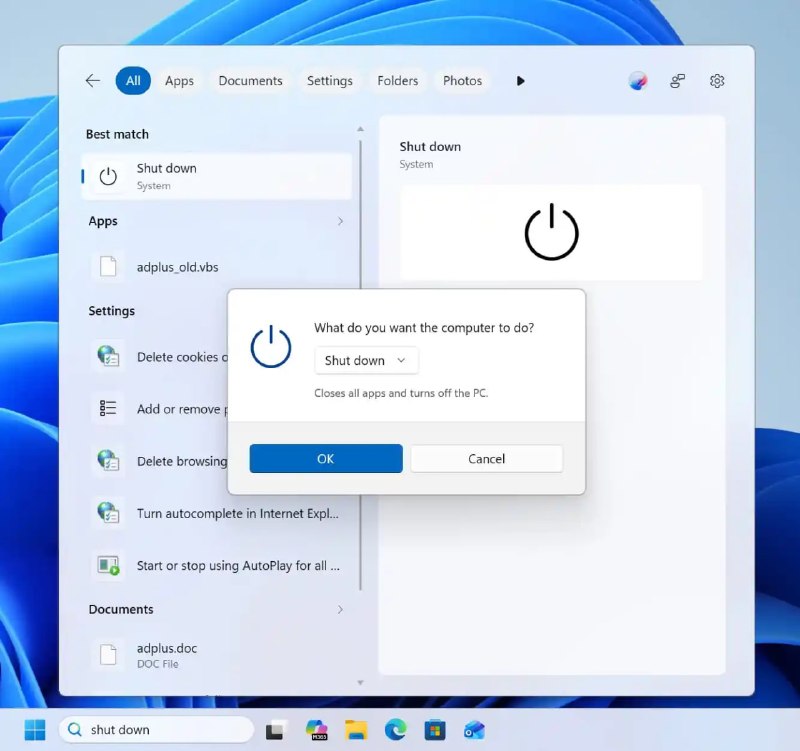
Windows 11 Introduces a Modern Shut Down Dialog In a bid to enhance user experience, Microsoft is rolling out a significant update to Windows 11 that includes a modernized Shut Down dialog. This innovative feature is set to streamline the process for users opting to shut down or restart their machines through the enhanced Search functionality of the operating system. Details of the Update The new Shut Down dialog appears exclusively when users select the Shut Down or Restart options from the improved Search experience. This marks a departure from the traditional dialog box that many users have relied upon in previous versions of Windows. Current Limitations While the modern Shut Down dialog represents a step forward, it is important to note that this update is currently limited to the Search functionality. Users still utilizing the classic desktop shortcut, activated by the Alt + F4 command, will encounter the older Shut Down dialog. This distinction highlights the gradual approach Microsoft is taking in rolling out new features, suggesting that further integration of this modern design may be forthcoming in future updates. Implications for Users This transition to a modern Shut Down dialog signifies Microsoft's intent to create a more cohesive and user-friendly interface across Windows 11. As users become accustomed to this revised experience, it is likely to enhance overall satisfaction and streamline daily operations. Summary of Changes Feature Current Behavior New Behavior Shut Down Dialog (via Search) Old dialog interface Modernized dialog interface Shut Down Dialog (via Alt + F4) Old dialog interface Old dialog interface Availability Limited to desktop shortcuts Available through improved Search Conclusion As Microsoft continues to refine Windows 11, the introduction of a modern Shut Down dialog is a welcome development for many users. While its current limited application signifies the initial stage of this transition, there is potential for more widespread updates that further integrate this modern design into the overall Windows experience. Staying informed about these changes will allow users to fully capitalize on the evolving capabilities of their operating systems.
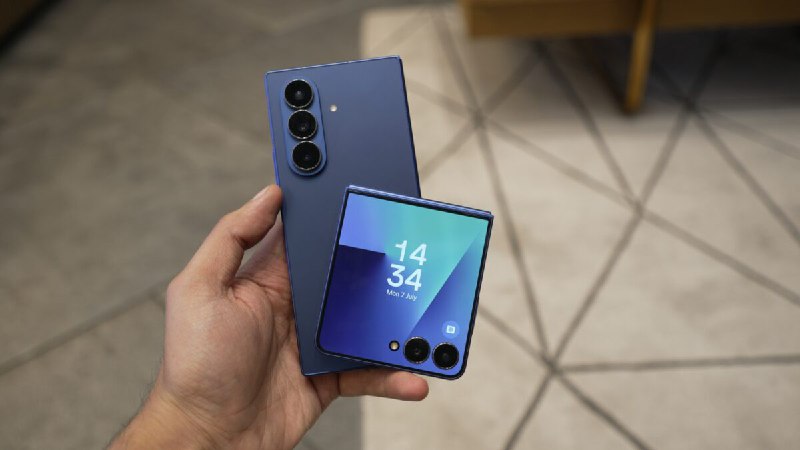
Concerns Arise Over Storage Upgrades for Galaxy Z Flip 8 and Z Fold 8 Pre-Orders Samsung, a leader in the smartphone sector, has recently ignited a wave of concern among customers who have pre-ordered the highly anticipated Galaxy Z Flip 8 and Galaxy Z Fold 8 devices. At the heart of the issue is the absence of promised free storage upgrades, leading to a flurry of questions among potential buyers regarding their options for storage enhancement post-purchase. The Context of Samsung's Pre-Order Strategy Traditionally, Samsung has employed pre-order incentives to attract customers, with free storage upgrades being a particularly appealing offer that has attracted many to pre-order their devices. This year, however, news has emerged suggesting that these incentives may not apply to the Galaxy Z Flip 8 and Z Fold 8. Customer Concerns and Uncertainty The lack of clarity surrounding the availability of free storage upgrades has left many users apprehensive. Consumers who have eagerly awaited the release of Samsung's latest foldable devices are now left to ponder significant questions: Will there be an option to upgrade the storage capacity after purchase? If so, what will be the cost associated with this upgrade? How will this affect the overall value proposition of the devices? Comparison of Storage Options For a clearer understanding, let's take a look at the storage configurations available for the Galaxy Z Flip 8 and Z Fold 8. The following table summarizes the storage variations offered: Device Base Storage Maximum Storage Free Storage Upgrade (Previous Models) Galaxy Z Flip 8 128 GB 256 GB Yes Galaxy Z Fold 8 256 GB 512 GB Yes Potential Implications for Consumers The absence of free storage upgrades may dissuade potential customers from pre-ordering the devices. Consumers generally seek to maximize their value; thus, an unclear upgrade path could result in hesitancy. Furthermore, as smartphone storage becomes increasingly essential for media consumption and app usage, the inability to upgrade storage post-purchase could lead to dissatisfaction among users over time. Conclusion As Samsung prepares to roll out the Galaxy Z Flip 8 and Z Fold 8, the company's handling of pre-order perks, specifically regarding storage upgrades, will undoubtedly be scrutinized closely. Customers have expressed their concerns on various platforms, and Samsung may need to address these issues proactively to maintain its reputation in the competitive smartphone market. In the coming weeks, as more information is released, consumers will be eager to find out if Samsung will provide solutions to alleviate these concerns or if they must adapt to the absence of much-anticipated free upgrades.
Apple Files Lawsuit Against OpenAI Over Alleged Trade Secret Theft In a significant legal development within the tech industry, Apple Inc. has initiated a lawsuit against OpenAI, alongside its hardware chief. The lawsuit alleges that OpenAI engaged in unethical practices by encouraging Apple employees to divulge confidential information pertaining to Apple's future products. This revelation has raised eyebrows and sparked debates about ethics in the competitive field of artificial intelligence and technology. Details of the Allegation The crux of Apple's lawsuit lies in the claim that OpenAI unlawfully acquired proprietary trade secrets, which are vital for the development of its own artificial intelligence products. According to Apple, these trade secrets were intended to remain confidential and not be disclosed to external entities. Accusations: OpenAI allegedly enticed Apple employees to share confidential details regarding Apple's future innovations. Impact: The purported information leak was instrumental to OpenAI's efforts in creating competitive AI technology. Legal Rationale: Apple asserts that such actions violate trade secret laws protecting proprietary information. The Broader Context of AI Development The lawsuit comes at a time when the race for AI superiority is intensifying among major tech companies. With advancements occurring at breakneck speed, organizations like Apple and OpenAI are fiercely competing to develop cutting-edge products that leverage artificial intelligence capabilities. As a result, the boundaries of ethical behavior regarding information sharing and competition are being tested. Potential Implications of the Lawsuit If found in violation of the allegations, OpenAI could face significant repercussions, not only in terms of financial penalties but also in its reputation within the tech industry. This lawsuit could set a crucial precedent regarding intellectual property rights and the protection of trade secrets in an era where information is an invaluable asset. Aspect Apple's Position OpenAI's Position Nature of Allegation Trade secret theft Denies any wrongdoing Encouragement of Disclosure Claims OpenAI encouraged leaks Claims to have engaged in lawful recruiting Legal Action Seeking damages for trade secret violations Prepared to defend against accusations Conclusion The lawsuit brought forth by Apple against OpenAI underscores the heightened stakes and ethical dilemmas present in the technology sector, particularly related to artificial intelligence. As the case unfolds, all eyes will be on the court’s ruling, which could have wide-reaching effects on the industry’s adherence to intellectual property laws and the competitive landscape. Both companies command significant influence in the tech arena, and the outcome may very well define the future of their interactions and the evolving nature of trade secrets in the age of innovation.
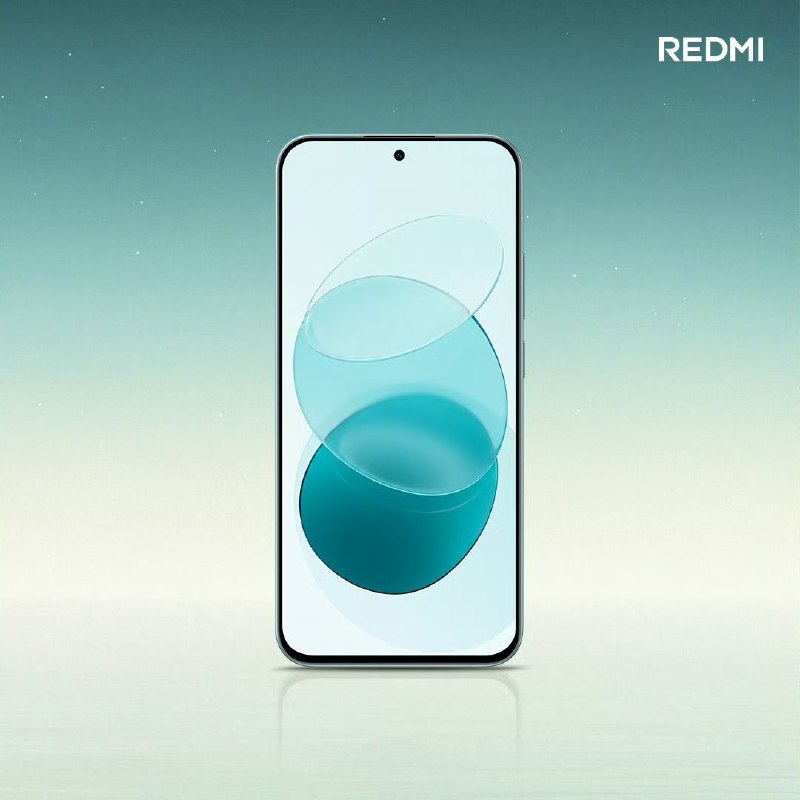
Introducing the Redmi Note 17: A Refreshing Light Green Experience The smartphone market continues to innovate and expand, with manufacturers consistently introducing new models that blend technology with aesthetic appeal. One noteworthy addition to this landscape is the Redmi Note 17 , which has recently caught the attention of consumers and tech enthusiasts alike. This device not only stands out due to its striking Light Green color option but also boasts a host of features that make it a compelling choice for users seeking a balance between performance and style. Overview of the Redmi Note 17 The Redmi Note series has established itself as a staple in the mid-range smartphone segment, offering value-packed devices that cater to a broad audience. The Redmi Note 17 further strengthens this reputation by combining cutting-edge technology with an elegant design. Let’s delve into the specifics: Feature Description Color Variants Light Green, Black, White Display 6.5-inch Full HD+ LCD Processor MediaTek Dimensity 1200 RAM 6GB/8GB options Storage 128GB/256GB expandable Camera Rear: Quad 108MP + 8MP + 5MP + 2MP Battery 5000mAh with 67W fast charging Striking Aesthetic: The Light Green Color Color plays a pivotal role in product design, especially in consumer electronics. The Light Green variant of the Redmi Note 17 is designed to appeal to a demographic keen on expressing individuality through technology. This refreshing shade not only enhances its visual presentation but also sets it apart from the more conventional color options available in the market. Performance and Capability Under the hood, the Redmi Note 17 is powered by the capable MediaTek Dimensity 1200 processor. This chipset, known for its efficient performance and integrated 5G capabilities, ensures that users can navigate through multitasking, gaming, and streaming activities with ease. Coupled with options for 6GB or 8GB of RAM , the device is built to handle a myriad of tasks without a hitch. Photography Features In an era where social media and photography are intertwined, the Redmi Note 17 rises to the occasion with its impressive camera setup. The quad-camera module on the rear includes: 108MP Wide-angle camera for stunning detail 8MP Ultra-wide camera for immersive landscapes 5MP Macro lens for extreme close-ups 2MP Depth sensor for portrait shots This combination provides versatility for photography enthusiasts, enabling them to capture high-quality images in various environments. Battery and Charging The Redmi Note 17 is equipped with a robust 5000mAh battery that supports all-day usage, even for intensive users. Its fast-charging capability, with 67W charging, ensures that users spend less time tethered to a power source, thus enhancing mobility and convenience. Conclusion The Redmi Note 17 , with its alluring Light Green finish and impressive specifications, positions itself as a formidable contender in the mid-range smartphone market. Its balance of aesthetics, performance, and practicality is tailored for consumers who value both functionality and style in their devices. As the smartphone industry continues to evolve, the Redmi Note 17 stands out as an emblem of modernity and trendiness.

Apple Set to Launch First Touchscreen MacBook Pro with M5 Pro and M5 Max Chips In a significant technological advance, Apple is poised to unveil its first-ever touchscreen MacBook Pro, combining cutting-edge hardware with innovative design. Renowned tech journalist Mark Gurman from Bloomberg has reported that the new models will be powered by the M5 Pro and M5 Max chips, strategically bypassing the anticipated next-generation M6 processors. Release Timeline and Model Specifications The introduction of these novel MacBook Pro models is expected between late 2026 and early 2027. These devices will be available in two prominent sizes: 14 inches and 16 inches, internally referred to by the codenames K114 and K116, respectively. Feature K114 (14-inch) K116 (16-inch) Processor M5 Pro M5 Max Display OLED, Touch Support OLED, Touch Support Chassis Design Redesigned, Thinner Redesigned, Thinner Expected Pricing ~$4,000+ ~$4,000+ Innovative Features The upcoming MacBook Pro will introduce several key features aimed at enhancing user experience: Touchscreen OLED Display: This will be the first instance of touchscreen functionality in a Mac, offering improved interaction. Dynamic Island: Mirroring a feature first introduced with the latest iPhones, this innovative design element is intended to boost user engagement. Redesigned, Thinner Chassis: Apple aims to create a sleeker profile, enhancing portability and aesthetic appeal. Looking to the Future: Second Generation Touchscreen MacBooks In parallel to the rollout of the first touchscreen MacBook Pros, Apple is reportedly in the testing phase for a second generation of these devices, powered by the anticipated M7 Pro and M7 Max chips. These future models will be designed with advanced neural engines specifically optimized for artificial intelligence workloads. The expected release timeline for this second generation is late 2027, with Apple opting to skip the M6 Pro and M6 Max entirely in its product roadmap. Conclusion As Apple prepares to launch its first touchscreen MacBook Pro, the industry anticipates a shift in how users interact with MacOS, enabling a more tactile experience. With its advanced M5 chips, an impressively redesigned chassis, and innovative features such as a touch-enabled OLED display and Dynamic Island, Apple appears set to redefine the laptop experience once again.

Gemini in Chrome Expands to a Significant New Market In a landmark development for both users and developers alike, Google's Gemini has officially made its entry into the widely popular Chrome browser. This significant expansion opens doors to new opportunities, innovating users' browsing experiences, and enhancing productivity. With its powerful generative AI capabilities, Gemini is poised to redefine the landscape of web browsing. The Genesis of Gemini Originally introduced as an experimental AI model, Gemini was designed to provide intelligent assistance across various applications. The core focus of Gemini lies in its ability to understand contextually relevant information, generating insights that can help users navigate the vast resources available on the internet more effectively. What This Expansion Means The integration of Gemini into the Chrome environment signifies a substantial milestone for Google. With Chrome being the world's most widely-used web browser, the addition of Gemini enhances its functionality by offering users advanced tools for research, content creation, and problem-solving. Features of Gemini in Chrome Context Awareness: Gemini can interpret user queries more intelligently, delivering tailored responses that align with specific needs. Natural Language Processing: The AI's ability to understand and respond in natural language makes it easier for users to interact with their browser. Customizable Tools: Users can tweak Gemini's features to suit their individual workflows, thus maximizing productivity. Enhanced Search Capabilities: With Gemini, users can extract more relevant results and insights from their search queries. Targeting a Diverse User Base This expansion is not merely a technical advancement but a strategic move to cater to a diverse range of users, from students to professionals. By leveraging Gemini's capabilities, users can optimize their online experience, whether they are conducting research for academic purposes or generating content for business needs. Potential Impacts on Productivity The introduction of Gemini in Chrome could lead to notable productivity improvements. To evaluate the potential impacts, we can draw comparisons between traditional browsing methods and those enhanced by Gemini. Feature Traditional Browsing Browsing with Gemini Search Results Relevance Low High Processing Time Long Short User Engagement Moderate High Content Generation Manual Automated Future Prospects As Google continues to refine Gemini and integrate it into various services, the potential for future enhancements is limitless. With machine learning and artificial intelligence capabilities continuing to advance, users can expect a smarter, more intuitive browsing experience. This integration could pave the way for further AI applications in everyday tasks, addressing both current user demands and envisioning future needs. Conclusion The rollout of Gemini within the Chrome browser represents a pivotal achievement for Google and signifies a new age of intelligent web browsing. By harnessing the power of modern AI technology, Gemini promises to enhance user experiences, streamline workflows, and catalyze changes in how we interact with information online. As this technology evolves, it will undoubtedly set a benchmark for future innovations in the digital landscape.

Exciting Opportunity: Over $2 Million in Rewards Pool for World Cup Competitors In an exhilarating initiative that promises to engage millions of players worldwide, a remarkable rewards pool exceeding $2 million is now open for competition in the upcoming World Cup. This venture not only aims to amplify the excitement of the tournament but also invites players from diverse backgrounds to partake in potentially lucrative opportunities. The Rewards Structure The competition is designed to attract a wide array of participants, from casual fans to seasoned competitors. Here’s a breakdown of the rewards structure: Reward Tier Amount Eligibility Criteria Grand Prize $1,000,000 Top performer in final standings Second Place $500,000 Runner-up in competitive rankings Third Place $250,000 Third-ranked competitor Participation Bonuses $250,000 Randomly distributed among all entrants Challenge Prizes $1,000,000 Various challenges throughout the tournament Why Participate? Inclusive Environment: The competition is open to everyone, breaking down barriers and allowing players from all walks of life to join in the excitement. Chance of Winning: With over $2 million in prizes, participants have a substantial chance of winning, whether through their performance or in random draws. Enhancing Fan Engagement: This initiative deepens viewer engagement, making them more than just spectators but active participants in the World Cup festivities. How to Get Involved To seize this opportunity, interested players can register to compete through official channels associated with the World Cup events. Clear instructions on participation, eligibility, and competition rules will be provided, ensuring a seamless entry experience. Conclusion As millions gear up for what promises to be an electrifying World Cup season, the introduction of this rewards pool stands as a testament to the growing intersection of sports and interactive engagement. Competing for a share of over $2 million not only enriches the experience of the tournament but also cultivates a vibrant community of enthusiasts driven by friendly competition and the thrill of victory. Don’t miss out on this unique opportunity to claim your rewards and be a part of the excitement.

Comparative Analysis of iOS 26 and iOS 27: Storage Requirements The evolution of Apple's operating system, iOS, has seen significant changes in its storage requirements over the iterations. As users prepare for the latest releases, it is essential to understand the impact of these updates on device storage. This report highlights the growing size of iOS updates, specifically comparing iOS 26, iOS 27, and the upcoming iOS 27 Public Beta. Storage Requirements Overview Here’s a detailed breakdown of the storage requirements for each iOS version: iOS Version Storage Requirement iOS 26 10 GB iOS 27 20 GB iOS 27 Public Beta Up to 34 GB (with reports of some updates at 33 GB) Growth in Storage Requirements iOS 26: The initial requirements started at a modest 10 GB. This version focused on stability and introduced several new features but did not demand excessive storage. iOS 27: A significant leap to 20 GB marked the introduction of more advanced functionalities, enhancements, and security features. iOS 27 Public Beta: Entering the public beta phase, the storage requirement escalated to 34 GB for some users, indicating the addition of even more features, bug fixes, and potentially greater performance improvements. Implications for Users The increase in storage requirements has direct implications for users, particularly those with devices that have limited space. As iOS iterations evolve, users may need to manage their devices more proactively to accommodate these updates: Users should consider clearing out unnecessary files and apps to free up space. Backing up data to cloud services can prevent loss during the update process. Understanding device compatibility is essential to ensure a smooth transition with new updates. Conclusion As the iOS operating system advances, the growing storage requirements reflect Apple’s commitment to delivering a rich user experience loaded with features and enhancements. Users must stay informed about these changes to ensure their devices remain capable of supporting the latest updates without disruption. The continued evolution of mobile operating systems necessitates a balance between innovation and users’ practical storage capabilities.

Bambu Lab A2L Review: A Game Changer for Large-Format 3D Printing The world of 3D printing is experiencing a significant evolution, with advanced technologies and user-friendly designs making it more accessible to hobbyists and professionals alike. At the forefront of this transformation is the Bambu Lab A2L, a large-format 3D printer that promises to redefine the standards of the industry. This review delves into the features, performance, and overall experience of the A2L, showcasing why it stands out in the competitive market of 3D printing. Introduction to the Bambu Lab A2L Bambu Lab has gained traction for its innovative designs and commitment to pushing the boundaries of technology. The A2L is a continuation of this ethos, providing users with a spacious build volume and numerous features that facilitate large-scale printing with precision. Key Features of the Bambu Lab A2L Large Build Volume: The A2L boasts an impressive build volume, allowing users to print larger models without compromising on quality. Advanced Printing Technology: Incorporating AMS (Automated Material System) capabilities, the A2L supports multiple materials and color options, increasing versatility. User-Friendly Interface: The printer features a responsive touchscreen interface that simplifies navigation and setup for users of all experience levels. Dual-Feed System: This feature allows for seamless switching between materials, enhancing printing capabilities for complex designs. Precision and Reliability: Engineered with robust mechanics and software optimizations that ensure high-quality prints consistently. Specifications Overview Feature Specification Build Volume 300 x 300 x 300 mm Printing Technology Fused Deposition Modeling (FDM) Max Nozzle Temperature 300°C Layer Resolution 0.1 mm to 0.4 mm Connectivity USB, Wi-Fi Performance Evaluation The Bambu Lab A2L not only shines in its specifications but also excels in performance. Users have reported smooth operation and reliable printing, even with complex geometries. The adaptive slicing technology optimizes print quality while reducing print times, delivering a balance between efficiency and detail. Print Quality One of the most critical aspects of any 3D printer is its print quality. The A2L impresses with crisp details, accurate dimensions, and excellent layer adhesion. This high standard is upheld across various materials, making it a versatile option for different projects. Ease of Use Setup for the A2L is straightforward, thanks to intuitive software and a well-designed user interface. Even those new to 3D printing will find the learning curve manageable. The printer's features, such as automatic bed leveling and calibration, contribute significantly to a hassle-free printing experience. Pros and Cons Pros Cons Generous large-format printing capabilities Initial cost may be high for beginners User-friendly software and interface Requires regular maintenance Impressive print quality across materials May take time to master all advanced features Conclusion In summary, the Bambu Lab A2L emerges as a formidable contender in the large-format 3D printing sector. Its combination of an expansive build volume, high-quality print results, and user-centric design makes it suitable for both enthusiasts and professionals. While it may be on the higher end of the price spectrum, the benefits it offers justify the investment, particularly for those looking to explore the vast possibilities of large-scale 3D printing. As the technology continues to evolve, Bambu Lab's A2L sets a new benchmark for what users can expect from a 3D printer. Whether you're printing prototypes, artistic designs, or practical models, the A2L is equipped to deliver outstanding results with ease.
HyperOS 3.1: A Comprehensive Update The much-anticipated update to HyperOS, version 3.1, has been officially released, ushering in a new wave of features and improvements aimed at enhancing user experience and operational efficiency. This update is particularly significant as it reaffirms HyperOS’s commitment to innovation in the rapidly evolving tech landscape. What's New in HyperOS 3.1 Enhanced User Interface: The update includes significant modifications to the user interface, making it not only more visually appealing but also more intuitive. Users can expect smoother transitions and improved visibility across various functions. Performance Optimizations: HyperOS 3.1 introduces several performance enhancements that aim to boost speed and reliability, ensuring a seamless experience even under heavy usage conditions. New Features: The update introduces a series of exciting new features designed to enhance user engagement and productivity. Although specific features have not yet been disclosed, the development team indicates a focus on functionality that meets user needs. Security Updates: With cybersecurity concerns continuously on the rise, HyperOS 3.1 addresses critical vulnerabilities, thereby reinforcing the operating system's security protocols to better protect user data. Community Engagement: Users are encouraged to join the official community at @Techoffice_officiall. This initiative aims to foster user feedback and collaboration, providing a platform for discussions, updates, and support. Community Involvement The development team behind HyperOS recognizes the importance of user feedback and community involvement in shaping the software. By actively engaging with users through social media platforms and forums, they aim to create a more user-centric environment conducive to further enhancements and troubleshooting. Summary of Key Features in HyperOS 3.1 Feature Description Enhanced User Interface Improved aesthetic and intuitive navigation for better user experience. Performance Optimizations Developments that increase speed and reliability of the system. New Features Upcoming functionalities aimed at enhancing user productivity. Security Updates Critical updates installed to prevent security vulnerabilities. Community Engagement Active user involvement via the official social media channel. Conclusion As HyperOS 3.1 launches, it reflects the ongoing commitment of its developers to innovate and respond to user needs. With significant updates addressing both functionality and security, this version promises to provide users with an improved operating environment. Community interaction remains vital, as it ensures that future updates will be reflective of user preferences and requirements. Be sure to follow @Techoffice_officiall to stay updated on news and seek assistance as needed.
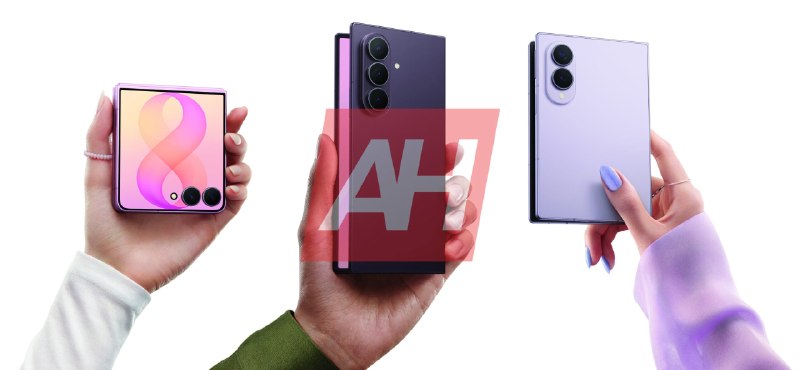
Exclusive Preview of Samsung's Newest Devices: Galaxy Z Fold 8, Flip 8, Watch 9, and Watch Ultra 2 Samsung continues to innovate within the foldable smartphone and smartwatch markets, unveiling an exciting new lineup consisting of the Galaxy Z Fold 8, Galaxy Z Flip 8, Galaxy Watch 9, and Watch Ultra 2. This article delves into the specifics of these devices, highlighting their features, capabilities, and two exclusive color options available online. Galaxy Z Fold 8: The Ultimate Productivity Tool The Galaxy Z Fold 8 promises to enhance the user experience for multitaskers and mobile professionals. Sporting a sleek design, this iteration of Samsung's flagship foldable device offers improved durability and functionality. Here are some standout features: Display: The Z Fold 8 features a larger 7.6-inch main display with a 120Hz dynamic refresh rate, supporting smoother transitions and enhanced graphics. Camera System: Equipped with a triple-camera setup, it includes a main 50MP sensor, ultra-wide, and telephoto lenses, taking smartphone photography to new heights. Battery Life: With improved battery management, users can expect a longer lifespan between charges. Processor: Powered by the latest Snapdragon chipset, the Z Fold 8 ensures lightning-fast performance for everything from gaming to productivity apps. Galaxy Z Flip 8: Style Meets Functionality The Galaxy Z Flip 8 is designed to appeal to a younger, more fashion-conscious audience. This device brings together cutting-edge technology in a compact, stylish form. Key features include: Foldable Display: It boasts a 6.7-inch AMOLED display that offers vibrant colors and deep contrast, easily viewable even in bright sunlight. Customization: Samsung is allowing greater user flexibility with customizable clock faces and notification interactions on the now larger cover display. Camera Enhancements: The Z Flip 8 comes with a dual-camera system, including a 12MP main lens and a 12MP ultra-wide lens, perfect for selfies and group shots. Color Options: The device will be available in two new online-exclusive color variations, making it stand out in the market. Galaxy Watch 9 and Watch Ultra 2: Redefining Wearable Technology In addition to the smartphones, Samsung's new smartwatch lineup includes the Galaxy Watch 9 and Watch Ultra 2. These devices are more than just timekeepers; they are sophisticated health and fitness companions: Health Monitoring: Both watches come with advanced health sensors, including heart rate monitoring, sleep tracking, and blood oxygen levels. Customization Options: Users can choose from a range of customizable watch faces and bands, allowing for personal expression. Durability: Designed for active lifestyles, the new models boast improved water and dust resistance ratings. Exclusive Color Options In an effort to attract a wider audience, Samsung has introduced two online-exclusive colors for the Galaxy Z Flip 8, which enhance its aesthetic appeal: Device Color Option Galaxy Z Flip 8 Sunset Gold Galaxy Z Flip 8 Ocean Blue Conclusion As Samsung prepares to launch the Galaxy Z Fold 8, Flip 8, Watch 9, and Watch Ultra 2, it is clear that their focus remains on innovation and user experience. With unique features and customization options, these devices are well-positioned to capture the interest of both tech enthusiasts and fashion-conscious consumers alike. The exclusive color options further elevate the appeal, ensuring that users can express their individuality through their technology.

OpenAI Enters Hardware Market with Innovative Smart Speaker In a significant move that underscores the growing intersection of artificial intelligence and consumer electronics, OpenAI has announced its intention to launch its very first hardware product: a portable smart speaker. This device is expected to push the boundaries of interactive technology, combining OpenAI's cutting-edge AI algorithms with a user-friendly design tailored for everyday use. The Rise of Smart Speakers The smart speaker market has grown exponentially over the last few years, fueled by the increasing demand for hands-free voice assistance, personalized experiences, and smart home integration. Major players, including Amazon and Google, have already established their products as household names. OpenAI's entry into this competitive landscape signals a new era of AI-driven capabilities. What to Expect from OpenAI's Smart Speaker While specific details remain largely speculative, the upcoming smart speaker is anticipated to feature the following: Advanced Natural Language Processing: Leveraging OpenAI's renowned language models to offer intuitive and contextual conversations. Portability: A design that prioritizes portability, making it easy for consumers to incorporate AI assistance into any aspect of their daily lives. Integration with Smart Ecosystems: Compatibility with other smart devices, creating a cohesive lifestyle management system. Adaptive Learning: The ability to learn from user interactions and adapt to preferences over time. Comparative Analysis of Current Smart Speakers Feature Amazon Echo Google Nest Apple HomePod OpenAI Smart Speaker Voice Assistant Alexa Google Assistant Siri OpenAI's AI Assistant Natural Language Processing Moderate Good Moderate Advanced Portability Moderate Good Moderate High Smart Home Integration Wide Compatibility Wide Compatibility Limited Compatibility Expected High Compatibility Adaptive Learning Basic Limited Basic Promised Advanced Features Industry Implications and Future Prospects The introduction of OpenAI's smart speaker is not merely about entering a new market; it represents a broader movement towards increasingly intelligent home assistants that can understand and cater to user needs in more sophisticated ways. With its strong emphasis on AI-driven interactions, OpenAI is likely to set new benchmarks that may compel existing players to innovate further. As consumers grow more accustomed to smart technology, the demand for products that enhance day-to-day life will only increase. The success of OpenAI's smart speaker may hinge on its ability to provide unique features and seamless user experiences that distinguish it from established options. Conclusion OpenAI's venture into the hardware domain with a portable smart speaker is a promising development that highlights the continual evolution of AI technology in consumer electronics. As the launch date approaches, the tech community will be keenly observing how this product reshapes user experiences and influences industry standards.
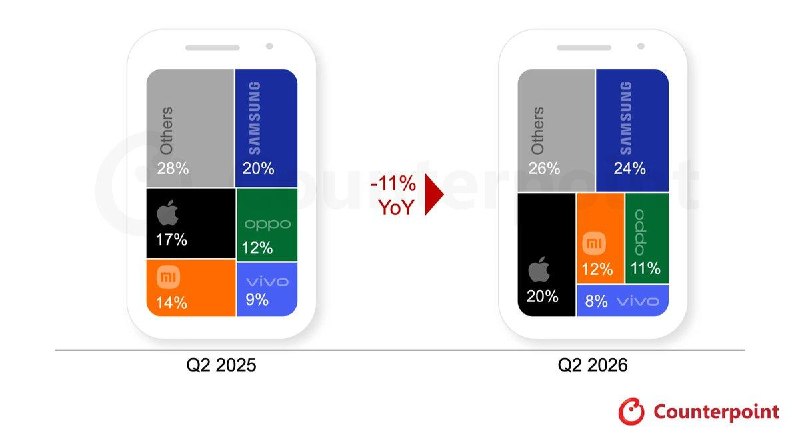
Global Smartphone Shipments Hit 13-Year Low, Major Players Adapt In a notable turn of events within the smartphone industry, global shipments have declined significantly, marking an 11% drop year-over-year (YoY) and plunging to a level not seen in 13 years. This report, released by Counterpoint Research, highlights the evolving landscape of the smartphone market and the strategic responses by leading manufacturers. Market Overview The decline in shipments is a stark reminder of the challenges facing the smartphone market. As consumer demand fluctuates and companies grapple with economic uncertainties, manufacturers are forced to adapt swiftly to changing conditions. The recent data reveals a diversification of market shares among leading brands, showcasing how competition remains fierce, even in downturns. Top Manufacturers and Their Performance Brand Market Share (%) Year-Over-Year Change (%) Samsung 24 N/A Apple 20 +3 Xiaomi 12 -double-digit OPPO 11 -sharp decline vivo 8 -double-digit Google N/A +16 Huawei N/A +6 Samsung: A Return to the Top Samsung has successfully reclaimed its position as the world's leading smartphone manufacturer, securing 24% of the overall market share. Despite the overall decline in shipments, Samsung's effective product lineup and strategic marketing have allowed the company to maintain its dominance. Apple's Record Performance Apple has also made headlines by achieving a remarkable 20% market share in the second quarter, a 3% increase YoY. The company’s continued innovation and loyal customer base have played a crucial role in this growth, further solidifying its standing in the competitive market. Challenges for Other Brands While Samsung and Apple have exhibited resilience, other major players are experiencing notable declines: Xiaomi: With a 12% market share, the company has encountered a double-digit decline in shipments. OPPO: Capturing 11% of the market, OPPO is also grappling with a sharp decline. vivo: Holding 8% of the market, vivo sees a continued downturn reflected in double-digit decreases. Emerging Competitors: Google and Huawei On a more positive note, both Google and Huawei have reported growth in their shipments. Google saw a 16% increase YoY, reflecting its efforts to carve out a niche in the smartphone arena through premium hardware and software synergy. Meanwhile, Huawei experienced a 6% growth, suggesting resilience in markets where it has been traditional stronghold. Conclusion As the global smartphone market confronts significant challenges, adaptability is the cornerstone of success. With notable shifts in market share among leading brands, Samsung and Apple continue to navigate these turbulent waters successfully, while others are compelled to innovate and adjust their strategies in response to this downturn. As the industry evolves, the focus will undoubtedly shift to how these manufacturers will harness technology and consumer trends to regain momentum.

Samsung Galaxy S26 Series One UI 9 Beta 4 Changelog Overview Samsung continues to enhance its user experience through incremental updates, and the latest iteration, One UI 9 Beta 4, introduces significant fixes and improvements specifically aimed at the Galaxy S26 series. As users eagerly embrace innovation and performance, this update showcases Samsung’s commitment to addressing bugs and enhancing functionality. Below is a comprehensive overview of the changes included in this version. Version Information Version Code Name One UI 9 ZZG4 Bug Fixes and Improvements The following enhancements have been made in the One UI 9 Beta 4 update, aimed at improving user experience and system stability: Lock Screen Clock Size: Resolved an issue where the clock size appeared abnormal when users rotated the lock screen horizontally or vertically. Privacy Display Routine: Improved functionality when toggling the ON/OFF state via the Quick Panel or Settings. This fix is particularly beneficial while the Privacy Display routine is active. Navigation Bar Visibility: Addressed a bug that caused the navigation bar to disappear under certain conditions during gaming, ensuring uninterrupted gameplay. Quick Panel Performance: Enhanced UI performance relating to the Quick Panel, specifically during the processes of opening and closing. Timer Notification Stability: Fixed a critical issue where timer notification numbers were cut off, alongside overall UI stabilization in the Live notification feature. Bluetooth Audio Volume Routine: Improved the Bluetooth audio media volume routine action which was previously non-functional when connecting to a vehicle's Bluetooth system through the Routines app. Conclusion The One UI 9 Beta 4 update for the Galaxy S26 series not only fixes critical bugs but also enhances the overall user experience. With an emphasis on performance and usability, Samsung demonstrates its responsiveness to user feedback and commitment to delivering a seamless mobile experience. As the tech landscape continues to evolve, updates like these are crucial for maintaining a competitive edge and ensuring customer satisfaction.

Samsung's Latest Galaxy Watches: Promising Innovations and User-Centric Improvements Samsung has once again demonstrated its commitment to innovation and user satisfaction with the introduction of its latest line of Galaxy Watches. These new smartwatches not only enhance functionality but also focus on improving the overall user experience, catering to both fitness enthusiasts and everyday consumers. Enhanced Features for the Modern User In this latest iteration, Samsung has focused on several key areas, from health tracking to battery life, ensuring that the new Galaxy Watches meet the demands of a diverse user base. Here are some of the standout features: Improved Health Monitoring: The watches come equipped with advanced sensors that offer more accurate health tracking capabilities, including heart rate, oxygen saturation, and sleep patterns. Extended Battery Life: Users can expect a longer battery life due to optimized power management and efficient hardware integration, allowing for extended use without frequent recharging. Customizable User Interfaces: The new Galaxy Watches support a variety of watch faces and customization options, allowing users to tailor their smartwatch experience to their personal preferences. Enhanced Connectivity: Featuring improved Bluetooth and Wi-Fi connections, these watches offer seamless integration with smartphones, allowing for better notifications and app functionalities. Targeting Fitness Enthusiasts Samsung has not overlooked the fitness community in its latest offerings. The new Galaxy Watches introduce several features specifically designed for fitness enthusiasts: Advanced Workout Tracking: With support for multiple workout modes, users can track their performance across various activities such as running, cycling, and swimming. Coaching and Insights: The built-in coaching features provide users with real-time feedback and insights to enhance their performance and reach fitness goals. Integration with Health Apps: Users can connect seamlessly with popular health and fitness applications, allowing for a more holistic view of their health data. User Experience: Beyond Functionalities Samsung recognizes that usability is as important as functionality. Therefore, the new Galaxy Watches are designed with a strong emphasis on user experience: Intuitive Navigation: The user interface is designed to be intuitive, making it easier for users to navigate through apps and settings. Durable Design: With a focus on durability, the new models feature improved water and dust resistance ratings, appealing to users in various environments. Personalization Options: Users can customize notifications and app layout, enabling them to prioritize what matters most to them. Comparison of Key Features Feature Galaxy Watch 4 Galaxy Watch 5 Health Monitoring Standard Sensors Advanced Sensors with Oxygen Saturation Tracking Battery Life 24 Hours Up to 40 Hours Water Resistance IP68 IP68 + Military Standard Custom Watch Faces Limited Selection Wider Variety with Custom Options Conclusion Samsung's new Galaxy Watches blend cutting-edge technology with user-friendly features, making them an attractive option for both tech-savvy consumers and those seeking a reliable smartwatch for health and fitness tracking. By prioritizing enhancements that address user needs, Samsung not only solidifies its place in the smartwatch market but also sets the stage for future innovations. As users continue to demand more from their wearable technology, Samsung's latest offerings appear well-equipped to satisfy those evolving expectations.
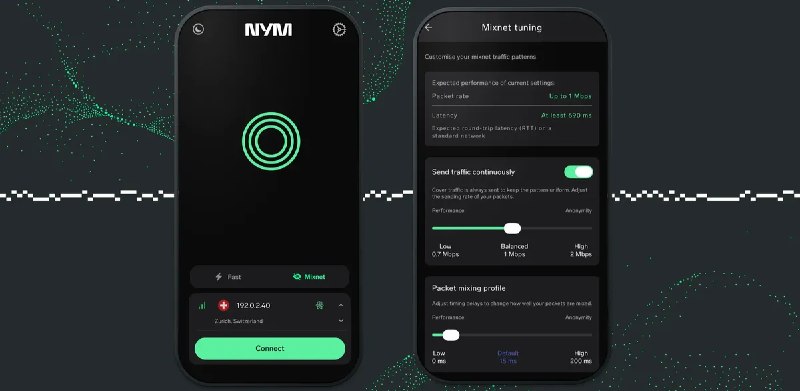
Major iOS Update from NymVPN: New Features and Unanswered Questions NymVPN, a prominent player in the VPN industry, has recently rolled out a significant update for its iOS application. This update introduces several innovative features designed to enhance user experience and bolster privacy. Notable among these enhancements are the implementation of Mixnet Tuning, the introduction of Server Families, and the addition of app icon disguises. However, despite these exciting developments, some uncertainties linger regarding the extent of certain improvements. Overview of New Features The latest update aims to refine the functionality of the NymVPN service while addressing key user concerns about privacy and internet security. Below is a detailed breakdown of the newly introduced features: Feature Description Mixnet Tuning A feature that allows users to customize their privacy settings for improved data security, enhancing anonymity during online activities. Server Families This addition organizes servers into distinct categories, which should help in navigating server options and optimizing connection speeds. App Icon Disguises An innovative way to enhance user privacy by allowing users to alter the appearance of the app icon, thereby masking their VPN usage. Mixnet Tuning Explained Mixnet Tuning is a standout feature of this update. Designed to offer a tailored privacy experience, this functionality enables users to adjust their settings based on personal needs and preferences. This allows for a higher level of confidentiality while browsing, as the app can adapt to varying threat levels and online behavior. Understanding Server Families The introduction of Server Families marks a significant improvement in how users can manage their connections. By categorizing servers, NymVPN aims to streamline the selection process, making it easier for users to choose servers that fit their specific needs, whether that’s for speed, location, or security level. This change is expected to enhance user experience by minimizing confusion when selecting from a wide range of servers. App Icon Disguises: A New Layer of Privacy In today's digital age, maintaining privacy is of utmost concern for many users. The ability to disguise the app icon serves as a clever solution to this issue. By allowing users to alter the visual representation of the VPN app, NymVPN introduces an additional layer of secrecy. This feature is particularly useful in situations where users might prefer to keep their VPN usage private from those around them. Unanswered Questions: The Scale of Improvements While the announcement of these features has generated excitement among users, some questions remain regarding the scale and impact of these improvements. Industry experts are scrutinizing the effectiveness of Mixnet Tuning, the practicality of Server Families, and the true extent of privacy offered by app icon disguises. Users are eager to understand how these features translate into real-world applications and whether they fulfill their promises of enhanced privacy and usability. Conclusion The latest iOS update from NymVPN marks an ambitious step forward in the realm of mobile privacy solutions. With features like Mixnet Tuning, Server Families, and app icon disguises, the company is aiming to set a new standard in the VPN industry. However, the full potential of these updates will only be realized when they are put to the test in the field. As users begin to explore these enhancements, ongoing feedback will undoubtedly shed light on their effectiveness and overall impact on privacy protection.

HyperOS System UI Plugin Update: Version v17.1.5.23.0 The advent of significant software updates continues to shape the landscape of technology, particularly in the realm of user interfaces. Recently, the HyperOS development team announced a fresh update to the HyperOS System UI Plugin, significantly dubbed version v17.1.5.23.0 . This update is poised to enhance user experience and update older functionalities. Overview of HyperOS HyperOS has garnered attention for its innovative approach to operating systems, leveraging advanced features that cater to tech enthusiasts and everyday users alike. With a strong focus on adaptability and performance, the operating system is increasingly becoming a preferred platform across geographical boundaries, particularly in China and beyond. Update Highlights The latest iteration of the System UI Plugin brings forth a set of enhancements and fixes aimed at optimizing user interaction. Below are some of the key aspects of this update: Performance Improvements: The update focuses on reducing lag and enhancing responsiveness, allowing for a smoother user experience. Bug Fixes: Several bugs identified in previous versions have been addressed, ensuring a more stable environment for users. New Features: Introduction of additional customization options for users, allowing for a tailored interface that meets individual preferences. Localization Enhancements: Improved language support makes HyperOS more accessible to a wider audience, enhancing usability for non-native speakers. Technical Specifications For developers and tech-savvy users, here is a technical breakdown of the update: Feature Description Version v17.1.5.23.0 Release Date Recent Update Key Enhancements Performance, Bug Fixes, New Features, Localization Target Audience General Users, Tech Enthusiasts, Developers Impact on Users The roll-out of v17.1.5.23.0 is anticipated to make a significant impact on user engagement with the HyperOS platform. By addressing critical areas of concern and focusing on user interface refinement, HyperOS is taking proactive steps to meet the evolving needs of its user base. This update not only improves operational efficiency but also enhances user satisfaction through an intuitive design. Conclusion As technology continues to evolve, updates such as the one for the HyperOS System UI Plugin signify the importance of iterative improvements. By regularly updating its system and addressing user feedback, HyperOS is aligning itself with industry standards while also setting the benchmark for future innovations. Users are encouraged to take full advantage of the new features and improvements in v17.1.5.23.0 to enjoy an optimally customized and efficient user experience.
Apple Set to Launch Its First Touchscreen MacBook Pro with M5 Pro and M5 Max Chips In a ground-breaking move that is set to reshape the landscape of its flagship products, Apple is preparing to introduce the first-ever touchscreen MacBook Pro models. According to reliable sources within the industry, specifically Bloomberg's Mark Gurman, these innovative laptops will harness the power of Apple's existing M5 Pro and M5 Max chips, opting to bypass the forthcoming M6 series entirely. Expected Launch Timeline The new models are anticipated to reach consumers between late 2026 and early 2027. These touchscreen MacBooks will be available in two sizes, specifically 14-inch and 16-inch configurations, and are identified by their internal codenames: K114 and K116. Key Features of the New MacBook Pro The upcoming touchscreen MacBook Pro is expected to feature several cutting-edge enhancements that mark a significant evolution in Apple's laptop offerings: OLED Display with Touch Support: This will be the first Mac to incorporate a touch-enabled OLED display, providing vibrant colors and improved contrast ratios. Dynamic Island: Similar to the technology seen in the latest iPhone models, the Dynamic Island feature is expected to be integrated into the new MacBook Pro, facilitating more immersive user interactions. Redesigned, Thinner Chassis: The laptops will sport a slimmer profile, enhancing portability without compromising performance. Pricing: The anticipated starting price is projected to be around $4,000, reflecting the high-end specifications and novel features. Looking Ahead: Generation Two of Touchscreen MacBooks In addition to the upcoming release, Apple is already in the testing phase for a second generation of touchscreen MacBook Pros. These future models will be powered by the M7 Pro and M7 Max chips, which will come equipped with enhanced neural engines optimized for artificial intelligence workloads. This next iteration is expected to debut in late 2027, further escalating the competition in the premium laptop segment. Feature Touchscreen MacBook Pro (M5 Series) Future Touchscreen MacBook Pro (M7 Series) Chip M5 Pro / M5 Max M7 Pro / M7 Max Display Type OLED (Touch Support) Enhanced OLED Launch Date Late 2026 - Early 2027 Late 2027 Pricing Starting at ~$4,000 To be determined Conclusion As Apple ventures into the realm of touchscreen MacBooks, the implications of this move are profound. By integrating advanced technologies and eye-catching features like the OLED display and Dynamic Island, Apple is setting new standards in laptop design and functionality. With a planned timetable that extends from the introduction of the M5 series to the eventual arrival of the M7 series, the company is positioning itself for a robust future in an increasingly competitive tech market.
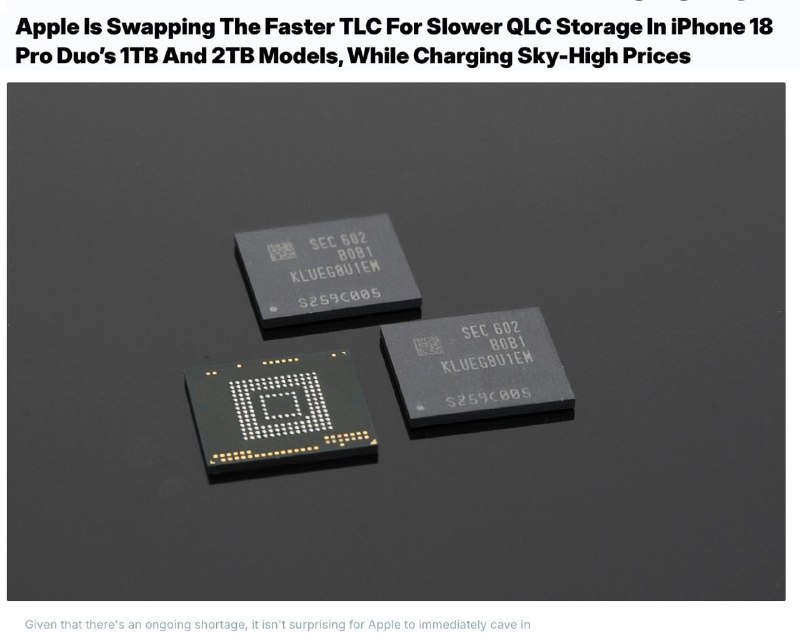
iPhone 18 Pro: Price Increases Amid Performance Decreases for Flash Storage In a concerning twist for prospective buyers of Apple's upcoming flagship devices, recent leaks suggest that the iPhone 18 Pro and Pro Max may come equipped with slower flash storage options, despite their expected higher price tags. This revelation, initially put forth by Wccftech and corroborated by leaker Reptalicant, raises questions about Apple's priorities in balancing cost and performance. Storage Configurations: What to Expect The iPhone 18 Pro models are anticipated to follow a tiered storage approach, with varying technologies underpinning the internal memory, particularly across different capacities: 256GB and 512GB Models: These variants will utilize fast Triple-Level Cell (TLC) storage from established manufacturers such as SK hynix, Kioxia, and SanDisk. This technology allows three bits of information to be stored in each memory cell, providing a blend of speed and durability consistent with past models. 1TB Model: This version is set to shift primarily to a Quad-Level Cell (QLC) chip, specifically the SK hynix's BC8Q-1T. This chip offers four bits per cell, which, although allowing for higher capacities, invariably compromises speed and durability. A Samsung TLC chip may serve as a rare exception in this configuration. 2TB Model: The situation worsens for this variant, as it is expected to incorporate the SK hynix's BC8Q-2T, a QLC chip originally designed for server applications. According to Reptalicant, this chip is particularly deficient in random 4K performance, a critical metric for everyday smartphone users. In contrast, the 2TB iPhone 17 Pro Max boasts traditional TLC storage, highlighting a stark deviation from expected flagship standards. Economic Factors Behind the Downgrade The rationale behind these changes appears to be connected primarily to the rising costs associated with memory modules. Reports indicate that the cost of a 256GB flash module has surged from approximately $13 with the iPhone 17 Pro to about $51 for the iPhone 18 Pro. This substantial increase in cost prompts an examination of Apple's pricing strategy, particularly in relation to the expected base prices for the 18 Pro and Pro Max, projected to be $1399 and $1499 respectively. Model Storage Type Performance Cost per Unit 256GB TLC (SK hynix, Kioxia, SanDisk) Fast and Durable $51 512GB TLC (SK hynix, Kioxia, SanDisk) Fast and Durable $51 1TB QLC (SK hynix's BC8Q-1T) Slower, Less Durable Not disclosed 2TB QLC (SK hynix's BC8Q-2T) Significantly Slower Not disclosed Implications for Consumers The apparent downgrade in storage technology presents a troubling scenario for consumers looking for cutting-edge performance in their devices. The mismatch between escalating prices and declining performance metrics raises ethical questions regarding value for money. As Apple seemingly prioritizes its profit margins over customer experience, potential buyers will need to weigh these factors carefully. In conclusion, while fans eagerly await the release of the iPhone 18 Pro, this information casts an uneasy shadow over what is expected to be a flagship device. With rising costs and downgrading technology, the stakes have never been higher for consumers who are prepared to invest substantially in Apple's latest offerings.
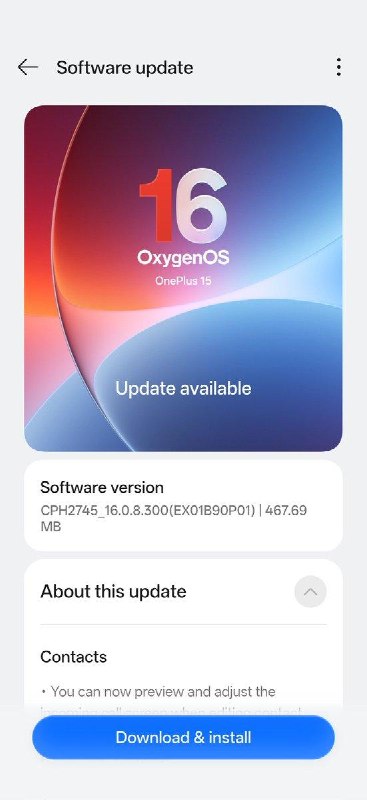
Exciting New Update for OnePlus 15 Users The tech community is abuzz following the announcement of a significant update for the OnePlus 15, a flagship device known for its top-notch performance and user-friendly experience. This update, shared enthusiastically by @OnePlusAdda, promises to enhance various aspects of the device, thereby improving overall user satisfaction. Overview of the Update The latest software update for the OnePlus 15 introduces a range of new features and optimizations designed to refine the user experience. From system performance improvements to bug fixes, this update is poised to make a substantial difference for users. Key Features and Improvements Performance Enhancements: The update includes optimizations that enhance the speed and responsiveness of the device, ensuring a smoother user interface. Camera Improvements: Numerous modifications to camera software are expected to result in higher quality photos and improved low-light performance. User Interface Enhancements: A refreshed design and improved navigation options have been introduced for a more intuitive experience. Battery Optimization: Power management enhancements aim to prolong battery life, making it more efficient for day-to-day tasks. Security Updates: The update features the latest security patches to protect user data and enhance device security. Device Specifications Comparison Feature Before Update After Update Performance Speed Stable Enhanced Camera Quality Good Improved User Interface Standard Refreshed Battery Life Day-long Prolonged Security Recent Updated Conclusion The newly announced update for the OnePlus 15 is an exciting development for users who seek an optimized and enriched smartphone experience. With improvements in performance, camera capabilities, and battery management, this update lays the groundwork for OnePlus to maintain its reputation for delivering high-quality devices. Those who use the OnePlus 15 can look forward to taking full advantage of these enhancements, ultimately leading to a more satisfying and productive smartphone experience. Stay tuned for further updates as OnePlus continues to enhance its device offerings, ensuring that users receive the best possible technology at their fingertips.