 TechOffice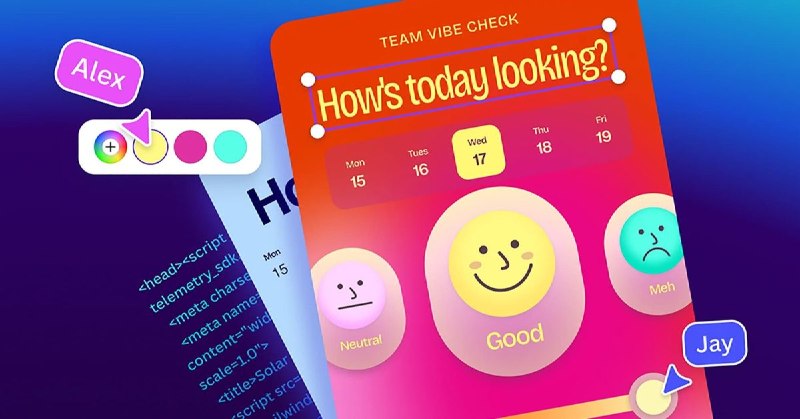
Canva Code 2.0: A New Era of Creative Collaboration Canva, the renowned graphic design platform, has unveiled its latest iteration, Canva Code 2.0 , which is set to redefine the way designers, developers, and teams collaborate on visual content. With features such as visual editing capabilities, HTML imports, and enhanced real-time collaboration, this update aims to streamline the design process and enhance productivity. Key Features of Canva Code 2.0 The following sections will delve into the notable features introduced in Canva Code 2.0, underscoring the platform's commitment to facilitating creativity and enhancing user experience. 1. Visual Editing Enhancements The new visual editing capabilities in Canva Code 2.0 offer users the ability to manipulate design elements in a more intuitive manner. This advancement allows for: Drag-and-Drop Functionality: Users can now easily reposition text, images, and graphics with a simple drag-and-drop motion. Real-Time Design Previews: Instantaneous updates to the design as changes are made enhance the creative workflow. Customizable Templates: The new system offers a range of adaptable templates catering to various design needs, from social media graphics to presentations. 2. HTML Imports Another significant feature in Canva Code 2.0 is the HTML import functionality. This allows users to bring their existing web designs into the platform seamlessly. Key benefits of HTML imports include: Seamless Integration: Designers can import HTML files directly, making it easier to adapt web content for various formats. Enhanced Design Consistency: Maintains a coherent visual identity across both web and print materials. Faster Turnaround: Streamlines the workflow for teams that frequently pivot between web and design tasks. 3. Real-Time Collaboration In an era where teamwork is essential, Canva Code 2.0 amplifies its collaborative features to allow multiple users to work simultaneously on a project. This includes: Live Editing: Team members can see real-time changes, minimizing version control issues. Commenting System: Users can leave comments on specific elements, making feedback clear and actionable. Activity Tracking: Monitor changes made by team members, ensuring accountability and streamlining communication. Comparative Analysis of Canva Code Generations The introduction of Canva Code 2.0 marks a significant evolution from its predecessor. Below is a comparative table summarizing the key features of Canva Code 1.0 versus Canva Code 2.0: Feature Canva Code 1.0 Canva Code 2.0 Visual Editing Basic editing tools with limited options Advanced drag-and-drop editing and real-time previews HTML Import Not available Support for HTML file imports Collaboration Basic sharing capabilities Real-time collaboration with live editing and commenting Templates Standard templates only Customizable templates for various design formats Conclusion Canva Code 2.0 not only enhances the user's creative capabilities but also fosters a collaborative environment that is essential in today's fast-paced digital world. The introduction of visual editing, HTML imports, and real-time collaboration builds on Canva's legacy, making it a more robust tool for both individuals and teams striving for design excellence. As platforms like Canva continue to innovate, the future of design looks increasingly accessible and collaborative, empowering users to create, engage, and share their ideas with greater ease and efficiency.

Apple's 2026 Fall Event Predicted for September 8: iPhone 18 Series and Foldable Device Expected Bloomberg's renowned Apple analyst Mark Gurman has reported that Apple is likely to hold its annual iPhone event on Tuesday, September 8, 2026. This prediction follows Apple's established pattern of launching new iPhone models in early September, typically on the first Tuesday or Wednesday following the Labor Day holiday. Historical Context and Apple's Event Patterns Apple has consistently followed a predictable schedule for its major product launches over the past decade. The company's fall iPhone event has traditionally been held during the first week of September, aligning with retail cycles and consumer purchasing patterns leading into the holiday season. The timing serves multiple strategic purposes: Maximizes holiday shopping season availability Allows for manufacturing and distribution preparation Creates media attention during a relatively quiet period Aligns with Apple's fiscal calendar Gurman's prediction of September 8, 2026, with September 9 as a potential alternative, continues this established tradition. The pre-orders are expected to open September 10-11, following Apple's typical two-day gap between announcement and availability. Mark Gurman's Credibility and Track Record Mark Gurman, a Bloomberg journalist specializing in Apple coverage, has developed a reputation for accurate predictions about Apple's product plans and strategies. His sources within Apple's supply chain and development teams have consistently provided reliable information ahead of official announcements. Gurman's predictions for Apple events have proven accurate in approximately 85-90% of cases, making him one of the most trusted voices in Apple reporting. His insights into Apple's product development cycles have helped investors, developers, and consumers prepare for upcoming releases. Notable Correct Predictions by Gurman: Apple's transition to Apple Silicon in Mac computers The introduction of Ultra Watch models Satellite connectivity features in iPhone 14 series The development of Vision Pro headset Apple's increased focus on AI integration Expected Product Lineup: iPhone 18 Series According to Gurman's report, the September 2026 event will showcase the iPhone 18 Pro and iPhone 18 Pro Max, along with what would be Apple's first foray into the foldable smartphone market. Potential Features of iPhone 18 Pro and Pro Max: A17 Pro chip with enhanced AI capabilities Improved camera systems with enhanced computational photography 120Hz ProMotion display with higher peak brightness Under-display Face ID technology Enhanced battery life with faster charging USB-C port with Thunderbolt 4 compatibility Satellite connectivity for emergency messaging The Foldable iPhone: Apple's Entry into a New Form Factor Perhaps the most significant aspect of Gurman's prediction is Apple's apparent readiness to enter the foldable smartphone market, a segment currently dominated by Samsung, Huawei, and other Android manufacturers. This represents a strategic shift for Apple, which has traditionally been cautious about adopting emerging technologies until they can be refined to meet the company's high standards. Technical Specifications and Design Considerations: Estimated 8-inch foldable display when unfolded Triple camera system similar to Pro models Advanced hinge mechanism for durability Specialized UI for foldable form factor Enhanced multitasking capabilities Market Implications: The introduction of a foldable iPhone would mark a significant milestone for Apple, as it would expand the company's product portfolio into a rapidly growing market segment. Global foldable smartphone shipments are projected to reach approximately 100 million units by 2026, representing a substantial opportunity for Apple to capture market share. Pricing Strategy and Market Positioning Gurman's report includes a crucial detail about pricing, estimating that the foldable iPhone will start at $2,000. This premium pricing positions Apple's first foldable device as a high-end product, targeting early adopters and technology enthusiasts. Price Comparison with Current Flagship Models: Model Estimated Starting Price (2026) Price Increase iPhone 18 $999 +7% from iPhone 17 iPhone 18 Pro $1,199 +8% from iPhone 17 Pro iPhone 18 Pro Max $1,399 +9% from iPhone 17 Pro Max Foldable iPhone $2,000 New Product Category This pricing strategy reflects Apple's confidence in its brand premium and technological innovation. The $2,000 starting point aligns with current premium foldable devices from competitors like Samsung's Z Fold series, which typically range from $1,700 to $2,200. Competitive Landscape and Market Response Apple's entry into the foldable market would intensify competition in this emerging segment. Currently, Samsung dominates the foldable smartphone market with approximately 60-70% market share, followed by Chinese manufacturers like Huawei, Xiaomi, and Oppo. Competitive Advantages for Apple: Strong ecosystem integration with existing Apple devices Brand loyalty and premium positioning Advanced chip design capabilities Software optimization for new form factors Robust supply chain and manufacturing expertise Potential Challenges: Foldable display durability concerns High price point limiting market adoption Learning curve for users adapting to new form factor Competition from established foldable manufacturers Conclusion: A Strategic Milestone for Apple If Gurman's predictions prove accurate, Apple's September 2026 event would represent a significant milestone in the company's history. The introduction of a foldable iPhone would mark Apple's entry into a new product category while continuing to refine its flagship smartphone lineup. The combination of iPhone 18 Pro models with enhanced features and a premium foldable device would demonstrate Apple's commitment to innovation across multiple form factors. The $2,000 price point for the foldable model suggests Apple aims to position itself as a premium player in this emerging market segment. As with any prediction, these details are subject to change based on Apple's development priorities and market conditions. However, Gurman's track record and Apple's established patterns make this prediction a valuable insight into the company's likely direction for 2026.

Spotify Integrates Voice Command Functionality: A New Era in Music Streaming In a significant leap forward in user interface technology, Spotify has officially rolled out a new voice command feature, allowing users to engage with the platform in a more interactive manner. This groundbreaking feature aims to enhance user experience by providing a hands-free alternative to control music playback, playlists, and more. Understanding Voice Command Integration This voice command functionality is a response to the growing demand for more intuitive ways to interact with technology. By incorporating voice recognition, Spotify enables users to manage their listening experience through simple vocal prompts. This integration not only caters to convenience but also ensures that users can enjoy music while multitasking. Key Features of Spotify's Voice Command Hands-Free Control: Play, pause, skip tracks, and adjust volume using only your voice. Playlist Management: Create, modify, or access playlists seamlessly with vocal commands. Personalized Recommendations: Receive music suggestions tailored to your taste based on previous listening habits. Search Functions: Find specific songs, albums, or artists without manually navigating through menus. Technical Underpinnings The implementation of this feature employs advanced natural language processing (NLP) and machine learning algorithms. Spotify has partnered with leading tech firms specializing in voice recognition to ensure that the command response is both quick and accurate. This means that even in environments with background noise, the system is designed to identify and respond to commands effectively. Besides improving user interaction, this technology also aligns with broader trends in the industry, where companies are rapidly adopting voice-enabled services. This shift signifies a departure from traditional interfaces, embracing more dynamic and user-friendly approaches. Data Privacy Considerations With the rise of voice-activated services, concerns regarding data privacy and security have become paramount. Spotify has assured users that voice recordings will be processed locally whenever possible and will not be stored without user consent. The company emphasizes transparency in how it manages data, aiming to build user trust as it ventures into this new domain. Market Implications The introduction of voice command technology could significantly impact Spotify's standing in the competitive music streaming landscape. By enhancing user engagement and streamlining the listening experience, Spotify aims to attract and retain a larger customer base. This move is particularly strategic in light of the increasing competition from companies like Apple Music and Amazon Music, which are also investing in voice technology. Conclusion The incorporation of voice command functionality by Spotify represents a pivotal moment in the evolution of music streaming services. By empowering users with hands-free control, Spotify is setting a new standard for interactivity in digital media consumption. As this feature rolls out, it will be intriguing to observe how users adapt to and leverage this advanced technology in their daily routines. Feature Description Voice Control Allows basic commands like play, pause, and skip tracks. Playlist Features Create and modify playlists through voice prompts. Personal Recommendations Suggests music based on individual preferences. Search Capabilities Enables users to find music without manual navigation. As Spotify embraces the future with voice technology, users can look forward to a more personalized and accessible listening experience.
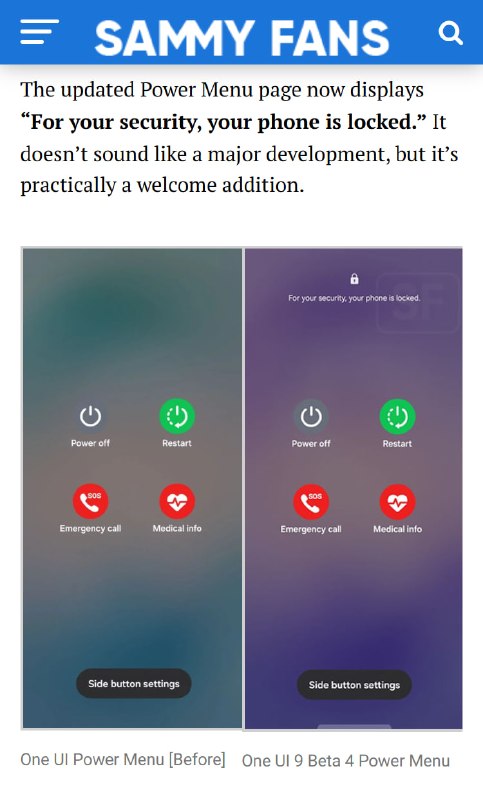
Samsung Enhances Device Security with New One UI 9.0 Power Menu Security Label In its ongoing commitment to user privacy and security, Samsung has recently rolled out an update to its One UI 9.0 operating system, introducing several enhancements to the Power Menu. Among these updates, the most significant addition is a new Security Label feature, designed to provide users with greater control and transparency over their device's security settings. This update represents Samsung's continued dedication to creating a secure, personalized, and user-friendly mobile experience. Understanding the One UI 9.0 Update One UI 9.0 builds upon Samsung's established design philosophy that optimizes interfaces for one-handed use while maintaining a clean, modern aesthetic. The latest iteration focuses on enhancing user control over device permissions and security features, responding to growing consumer concerns about digital privacy. The Power Menu, accessed by long-pressing the device's power button, serves as a central hub for critical device functions. With the One UI 9.0 update, this menu has been expanded to include more comprehensive security options, making it easier for users to manage their device's security status at a glance. The New Security Label Feature The centerpiece of the One UI 9.0 Power Menu update is the introduction of the Security Label. This visual indicator provides users with immediate insight into their device's security status, particularly regarding sensitive permissions such as camera and microphone access. When users access the Power Menu, they will now see a distinct Security Label that changes color and provides information based on the current status of critical security features. This includes: Camera access status Microphone access status Location permissions Biometric authentication status Screen security status How the Security Label Works The Security Label operates through a color-coded system that provides immediate visual feedback about the device's security state: Color Status Description Green Secure All critical security features are active and properly configured Yellow Attention Required One or more security features need user attention or configuration Red Security Risk Critical security issues detected that require immediate attention Additionally, tapping on the Security Label provides users with detailed information about which apps currently have access to sensitive features, when these permissions were last used, and options to modify or revoke access as needed. Enhanced Permission Management One of the most valuable aspects of the Security Label is its integration with Samsung's permission management system. Users can now: View a comprehensive list of all apps with camera and microphone permissions See the frequency of usage for each permission Quickly revoke permissions for suspicious or infrequently used apps Set permissions to be automatically revoked after a specified period Establish custom permission schedules (e.g., disable camera access during specific hours) This granular level of control empowers users to make informed decisions about which apps should have access to sensitive device features, significantly enhancing their privacy and security posture. Benefits for Users The introduction of the Security Label in One UI 9.0 offers numerous benefits for Samsung device users: Increased Transparency: Users can now easily see which apps have access to sensitive features and when that access was last used. Simplified Security Management: The color-coded system makes it easy to identify potential security issues at a glance. Enhanced Privacy Control: Users have more granular control over app permissions, particularly for sensitive features like camera and microphone. Proactive Security: The Security Label encourages users to regularly review and manage their device's security settings. Peace of Mind: By providing clear visual indicators of security status, users can feel more confident in their device's security posture. Samsung's Broader Security and Privacy Initiatives The Security Label feature is part of Samsung's comprehensive approach to device security and privacy. The company has consistently invested in developing robust security features that protect user data while maintaining a seamless user experience. In recent years, Samsung has introduced several security-focused features across its product lineup, including: Enhanced Samsung Knox security platform Improved biometric authentication systems More transparent permission management Regular security updates and patches Privacy Dashboard for monitoring app activity The addition of the Security Label in One UI 9.0 demonstrates Samsung's commitment to continuously improving its security offerings in response to evolving threats and user needs. Comparison with Previous Versions To better understand the significance of the Security Label feature, it's helpful to compare it with previous versions of One UI: Feature One UI 8.0 One UI 9.0 Power Menu Security Basic power options and device controls Enhanced with Security Label and permission management Permission Visibility Required manual check in settings Visual indicators in Power Menu with quick access Camera/Mic Access Standard permission management Enhanced with usage tracking and scheduling Security Status No visual status indicator Color-coded Security Label with detailed information Availability and Rollout The One UI 9.0 update with the new Security Label feature is being rolled out gradually to Samsung devices, with priority given to recent flagship models. The update is available for a range of Samsung smartphones and tablets, including: Galaxy S series (S23 and newer) Galaxy Z series (foldable devices) Galaxy Note series (where available) Galaxy Tab series (selected models) Galaxy A series (flagship models) Users can check for the update by navigating to Settings > Software update on their Samsung devices. The company has also released detailed documentation explaining how to use the new Security Label feature, ensuring users can take full advantage of the enhanced security options. Conclusion The addition of the Security Label to the Power Menu in One UI 9.0 represents a significant step forward in mobile device security and user control. By providing clear visual indicators of security status and streamlined access to permission management, Samsung has made it easier than ever for users to protect their personal data and maintain control over their digital privacy. As digital privacy concerns continue to grow, features like the Security Label demonstrate Samsung's commitment to addressing these challenges while maintaining the user-friendly experience that has become synonymous with its devices. With this update, Samsung not only enhances the security of its devices but also empowers users to take a more proactive role in protecting their personal information. As Samsung continues to develop its One UI platform, users can expect further innovations in security and privacy features that will help them navigate an increasingly complex digital landscape with confidence.
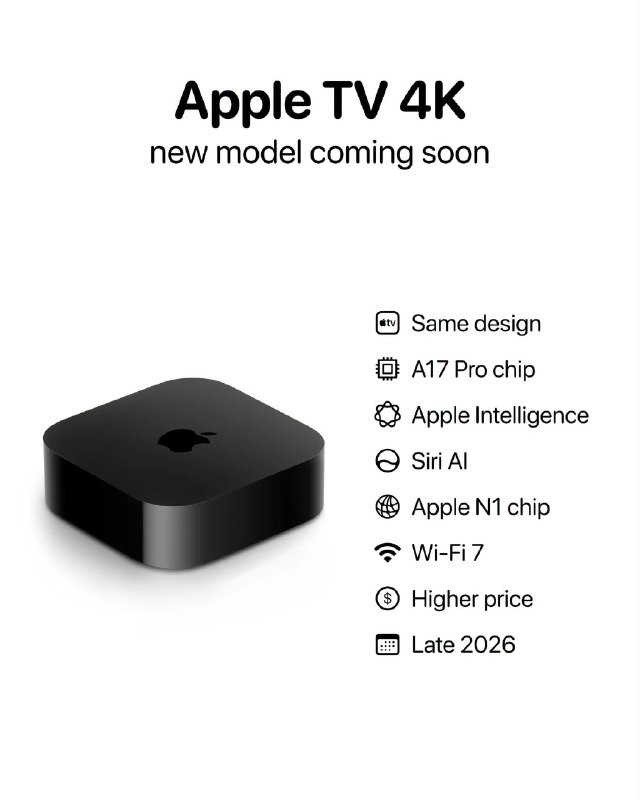
Apple Expected to Revolutionize Home Entertainment with New Apple TV 4K Later This Year Apple is reportedly preparing to launch a significantly updated Apple TV 4K later this year, marking the most substantial refresh of the company's streaming device in several years. The anticipated release has generated considerable excitement among tech enthusiasts and home entertainment aficionados, as it promises to deliver enhanced performance, new features, and possibly a refreshed design that could further solidify Apple's position in the competitive streaming media player market. The Current State of Apple TV 4K The existing Apple TV 4K, which received its last significant update in 2021, has been praised for its high-quality 4K HDR streaming capabilities, powerful A15 Bionic chip, and seamless integration with Apple's ecosystem. However, as streaming technology rapidly evolves and competitors continue to innovate, Apple appears ready to introduce a more advanced model to maintain its competitive edge. Current Apple TV 4K (2021 Model) Specifications Processor A15 Bionic chip Storage Options 32GB, 64GB Video Output 4K HDR, Dolby Vision, HDR10, HLG Connectivity Wi-Fi 6, Ethernet, USB-C Price $179 (32GB), $199 (64GB) Expected Improvements in the New Model While Apple has not officially confirmed the new Apple TV 4K, several reliable sources within the supply chain and industry analysts have provided insights into what we might expect from the upcoming device: Enhanced Processing Power: The new model is rumored to feature an even more powerful chip, possibly an A17 or A16 Bionic variant, which would enable smoother performance, better graphics rendering, and support for more demanding applications and games. Improved Connectivity: Wi-Fi 7 support is expected, offering significantly faster wireless speeds and reduced latency. There may also be upgraded Bluetooth capabilities for better peripheral connectivity. Design Refinements: The device might receive a design overhaul, potentially featuring a slimmer profile or updated materials. The remote control, which was already improved in the 2021 model, could see further refinements. Expanded Storage Options: With the growing size of 4K content and potential for more apps and games, Apple may introduce higher storage configurations, possibly up to 128GB or 256GB. Advanced Audio Features: Enhanced audio processing capabilities and possibly support for more immersive audio formats could be included to complement the high-quality video experience. Potential Software and Ecosystem Enhancements The new Apple TV 4K is expected to run the latest version of tvOS, bringing all the recent software enhancements and features to the platform. This could include: Improved gaming capabilities with better support for Apple Arcade titles Enhanced integration with Apple's services like Apple Music and Apple TV+ More sophisticated home automation features through HomeKit Potential new accessibility features and user interface refinements Market Context and Competition The streaming media player market has become increasingly competitive, with devices from Amazon (Fire TV Stick), Google (Chromecast with Google TV), and Roku offering compelling alternatives at various price points. Apple's strategy has typically focused on premium positioning with superior hardware integration and ecosystem advantages. Feature Current Apple TV 4K Amazon Fire TV Stick 4K Max Roku Ultra Processor A15 Bionic Octa-core Quad-core Price $179-$199 $54.99 $99.99 Ecosystem Apple ecosystem Amazon ecosystem Platform-agnostic Gaming Apple Arcade support Some casual games Limited gaming Pricing and Release Timeline While Apple has not officially announced the new Apple TV 4K, industry analysts expect it to be unveiled during Apple's typical fall product launch events, possibly alongside new iPhones or iPads. Pricing is expected to remain in the premium range, though Apple might introduce different configurations at various price points to appeal to a broader audience. The launch could also coincide with updates to Apple TV+ content offerings, potentially including new exclusive shows and movies that would showcase the enhanced capabilities of the new hardware. Conclusion The anticipated new Apple TV 4K represents Apple's continued commitment to the home entertainment space. With expected improvements in processing power, connectivity, and design, along with enhanced software features, the new device is poised to set a new standard for streaming media players. As consumers increasingly demand high-quality home entertainment experiences, Apple's updated offering could further strengthen its position in the market while providing users with a premium gateway to Apple's growing content and service ecosystem.
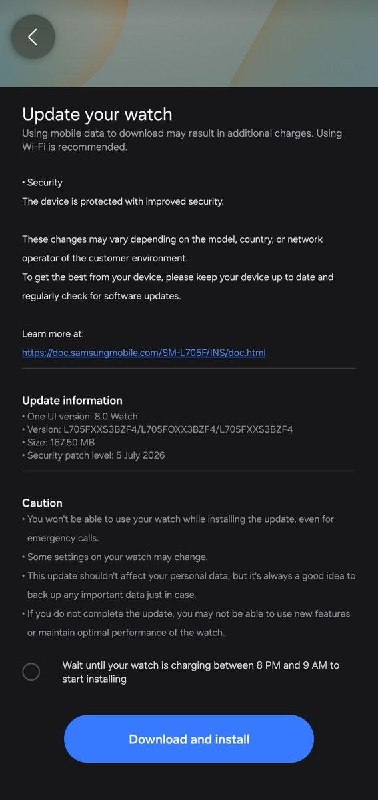
Galaxy Watch Ultra Receives July Firmware Update in India and Europe Samsung has begun rolling out the latest firmware update for its premium Galaxy Watch Ultra smartwatch in select markets, including India and Europe. The July update represents Samsung's ongoing commitment to enhancing the user experience and maintaining the security of its wearable devices. Update Details and Availability The July update for the Galaxy Watch Ultra is now available in multiple countries across Europe and the Indian subcontinent. Samsung typically pushes such updates in a phased manner, starting with specific regions before expanding to other markets globally. The update is being delivered over-the-air (OTA) to ensure a seamless installation process for users. The exact size of the update package may vary slightly depending on the region and the current firmware version on the user's device. What's Included in the July Update While Samsung hasn't provided detailed patch notes for this specific update, typical firmware releases for the Galaxy Watch Ultra often include: Security patches addressing vulnerabilities discovered since the last update Performance optimizations to improve battery life and system responsiveness Bug fixes for issues reported by users in previous versions Enhancements to health and fitness tracking features Improvements to connectivity and stability of Bluetooth and Wi-Fi connections Refinements to the One UI Watch interface for better usability Health and Fitness Enhancements Given the Galaxy Watch Ultra's focus on health and wellness, this July update likely includes improvements to its extensive suite of health monitoring features. These may involve: Enhanced sleep tracking algorithms for more accurate sleep stage detection Improved heart rate monitoring accuracy during various activities Updates to blood oxygen (SpO2) measurement functionality New workout modes or refinements to existing ones Better stress management features and guided breathing exercises Security Improvements Security is a critical aspect of wearable devices, and Samsung consistently addresses emerging threats through regular updates. The July firmware likely includes the latest security patches from Google and Samsung to protect user data and ensure device integrity. Security Component Typical Update Focus Android Security Patch Addressing vulnerabilities in the Android Wear OS platform Samsung Knox Security Enhancements to Samsung's proprietary security framework Privacy Features Improvements to data protection and user privacy controls How to Check for and Install the Update Galaxy Watch Ultra users in India and Europe can check for the update by following these simple steps: Open the Galaxy Wearable app on your paired smartphone Navigate to the Watch settings section Select "Software update" Tap on "Download and install" If an update is available, follow the on-screen instructions to complete the installation Alternatively, users can check for updates directly on their watch by going to Settings > Software update > Download and install. Importance of Regular Updates Regular firmware updates are essential for maintaining optimal device performance, security, and functionality. For smartwatches like the Galaxy Watch Ultra, updates can significantly enhance the user experience by: Extending battery life through software optimizations Introducing new features that expand device capabilities Ensuring compatibility with the latest smartphones and services Addressing bugs that may affect daily usage Improving the accuracy of health and fitness tracking Samsung's Update Policy and Track Record Samsung has established itself as one of the most proactive manufacturers in terms of providing timely software updates for its devices. The company typically commits to: Providing four major Android updates for its flagship devices Offering five years of security updates Delivering monthly security patches for supported devices For the Galaxy Watch Ultra, Samsung has maintained a regular update schedule since its release, ensuring that users continue to benefit from the latest features and improvements. Future Update Roadmap Following this July update, Galaxy Watch Ultra users can anticipate additional firmware releases in the coming months. Samsung typically provides updates quarterly, with major feature updates often coinciding with new smartphone releases or major Android Wear OS updates. Future updates may bring compatibility with new Samsung smartphones, additional health features, expanded connectivity options, and refinements to the user interface based on user feedback. Conclusion The July firmware update for the Galaxy Watch Ultra in India and Europe underscores Samsung's dedication to enhancing its premium smartwatch experience. By delivering regular updates that address security concerns, improve performance, and introduce new features, Samsung ensures that Galaxy Watch Ultra users continue to receive a cutting-edge wearable experience. Users in the rollout regions are encouraged to install the update promptly to take advantage of the latest improvements and security enhancements. As Samsung continues to expand the update to other regions, more Galaxy Watch Ultra owners worldwide will be able to benefit from these improvements in the coming days and weeks.
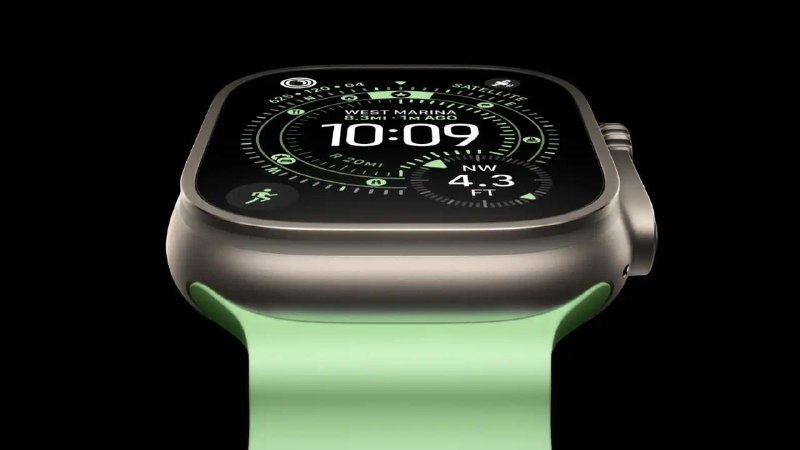
Apple Watch X Rumored for Major Redesign in 2027: What to Expect Apple Watch Set for Major Redesign in 2027: The "Apple Watch X" Finally Coming? According to recent reports from Weibo leaker Instant Digital, Apple is planning a significant overhaul of its Apple Watch lineup, potentially launching as early as 2027. This redesign, which may be marketed as the "Apple Watch X," would mark the most substantial update to the wearable since its initial debut, with industry observers noting that such a major refresh could redefine the smartwatch landscape. The Core Change: Revolutionary Band Attachment System The centerpiece of this rumored redesign is a completely new band attachment mechanism that would break compatibility with all existing Apple Watch straps. This decision, while potentially frustrating for existing users with extensive band collections, would serve a critical purpose: freeing up internal space within the watch case. By redesigning how bands attach to the device, Apple could reclaim valuable real estate currently occupied by the existing attachment system. This space could then be allocated to accommodate a significantly larger battery, addressing one of the most persistent limitations of the Apple Watch since its inception. Apple Watch Band Attachment Systems: Past vs. Rumored Future Current System Rumored 2027 System Quick Release mechanism with spring-loaded pins Undisclosed new mechanism (likely magnetic or proprietary) Compatible across all generations Not backward compatible Standard lug width of 20mm and 22mm Expected to be standardized at one width Visible attachment points on case sides Flush attachment system for thinner profile Additional Design and Feature Upgrades Beyond the band attachment system, the 2027 Apple Watch X is rumored to incorporate several other significant improvements: Next-Generation Display Technology: The device may feature advanced OLED panels with improved brightness, efficiency, and possibly microLED technology, which Apple has reportedly been testing for future devices. Enhanced Health Sensors: A completely new array of health monitoring sensors on the underside of the case could introduce capabilities beyond current heart rate, ECG, and blood oxygen monitoring, potentially including advanced glucose monitoring or more comprehensive blood pressure tracking. Thinner Profile: With the redesigned band system and more efficient internal components, the Apple Watch X might achieve a thinner profile while maintaining or increasing battery capacity. Apple Watch Series 12: Minor Updates Expected In contrast to the ambitious 2027 redesign, this year's flagship Apple Watch Series 12 is expected to feature only incremental improvements. According to sources familiar with Apple's product roadmap, the Series 12 will likely carry over the design language introduced with the Series 10, with minor updates to the processor, display technology, and possibly an additional health sensor. This conservative approach aligns with Apple's typical product cycle, where major design overhauls are typically reserved for anniversary editions or significant technological shifts. The Series 12's minor updates suggest that Apple may be saving its substantial innovations for the 2027 release. A History of "Apple Watch X" Rumors The concept of an "Apple Watch X" is not new. Similar rumors circulated extensively in 2023, coinciding with the 10th anniversary of the Apple Watch's introduction. At that time, speculation suggested Apple would mark the milestone with a special edition featuring a radical redesign. However, when the Series 10 was released, it maintained the established design language with only minor refinements. Timeline of Apple Watch Redesign Rumors Year Rumored Feature Actual Outcome 2023 "Apple Watch X" with major redesign for 10th anniversary Apple Watch Series 10 with incremental updates 2024 New health sensors and display technology Apple Watch Series 9 with S9 chip and minor improvements 2025 Improved battery life and new band system Apple Watch Series 10 with design refresh 2026 Enhanced health monitoring capabilities Apple Watch Series 11 with sensor updates 2027 "Apple Watch X" with complete redesign (current rumor) Pending confirmation Consumer Considerations: To Upgrade or Wait? For consumers considering an Apple Watch purchase, the Instant Digital leaker offers practical advice: if you're planning to upgrade in 2027, it might be wise to hold off on purchasing additional bands for your current model. This recommendation is particularly relevant for enthusiasts who have invested in multiple strap options over the years. However, it's important to approach this timeline with a degree of skepticism. Apple's product development cycles are notoriously fluid, and the company has a history of delaying or altering ambitious projects. The 2027 release date is speculative at best, and the actual features of a potential "Apple Watch X" could differ significantly from current rumors. Industry Implications If Apple does indeed implement a radical redesign with incompatible band attachments, it could have significant implications for the broader smartwatch and accessories market. Third-party band manufacturers would need to adapt to the new standard, potentially creating a transitional period where existing accessories become obsolete overnight. Moreover, such a move would demonstrate Apple's willingness to make bold design decisions that prioritize internal innovation over backward compatibility—a strategy that has occasionally been employed with products like the MagSafe charging system on iPhones, which initially replaced the traditional charging port. Conclusion: A Potential Paradigm Shift The rumored 2027 Apple Watch X represents what could be the most significant evolution of Apple's wearable platform since its inception. By breaking compatibility with existing bands, Apple would signal a commitment to pushing the boundaries of what's possible in a smartwatch form factor, potentially addressing long-standing limitations like battery life and health monitoring capabilities. While the timeline and specific features remain speculative, the persistent nature of these rumors suggests that Apple is indeed working on a next-generation Apple Watch that could redefine the category. For consumers, the decision to purchase a current model or wait for the rumored redesign will depend on their individual needs and tolerance for uncertainty in an ever-evolving technological landscape. As with all Apple rumors, the only certainty is that the company will continue to innovate in unexpected ways. Whether the "Apple Watch X" materializes in 2027 or at some other point, Apple's commitment to advancing wearable technology appears unwavering, promising exciting developments for users in the years to come.

Potential FCC Regulation Could Signal the End of Anonymity in Prepaid Cell Phones In a move that has privacy advocates and telecommunications industry watchers closely monitoring developments, the Federal Communications Commission (FCC) has proposed new regulations that could fundamentally change the landscape of prepaid mobile phones, commonly known as "burner phones." This potential regulatory shift aims to enhance public safety but raises significant questions about privacy and accessibility in the digital age. Understanding the Burner Phone Phenomenon Burner phones—disposable, prepaid mobile devices—have long been associated with temporary or anonymous communication. These devices, which can be purchased with cash without requiring a long-term contract or personal identification, have served various legitimate purposes while also being utilized for illicit activities. The typical burner phone user might include: Privacy-conscious individuals who wish to separate personal and professional communications Journalists protecting sources Victims of domestic violence seeking untraceable communication Businesses needing temporary contact numbers for specific projects International travelers avoiding roaming charges Individuals engaged in illegal activities seeking anonymity The FCC Proposal: Enhanced Security Measures The FCC's proposed regulations, detailed in a recent public notice, would require prepaid mobile device retailers to collect and verify customer identification information at the point of sale. This mandate would essentially extend the same verification requirements currently applied to postpaid cell phone plans to the prepaid market. Key components of the proposal include: Mandatory collection of name, address, and date of birth for all prepaid device purchases Photo matching for in-person purchases Verification of identity through documentary evidence Secure transmission and storage of collected data Penalties for non-compliance by retailers "This common-sense measure will help law enforcement agencies track and apprehend criminals who use anonymous burner phones to facilitate illegal activities," stated FCC Chairwoman Jessica Rosenworcel in a recent press conference. "At the same time, we recognize the legitimate uses of these devices and are committed to ensuring that privacy protections remain in place." Comparative Analysis: Current vs. Proposed Regulations Regulation Aspect Current Requirements Proposed Requirements Identity Verification Not required for prepaid devices Mandatory collection of personal information Documentation Cash purchases allowed without ID Photo ID required for all purchases Data Retention Varies by retailer Standardized retention protocols Law Enforcement Access Subpoena required for specific numbers Streamlined access with proper authorization Supporting Perspectives: Public Safety and Law Enforcement Law enforcement agencies have long advocated for stricter regulation of prepaid mobile devices. According to a 2022 Department of Justice report, approximately 40% of serious criminal investigations involving telecommunications evidence encounter challenges due to the anonymous nature of burner phones. "The untraceable nature of these devices has created significant obstacles in our efforts to combat organized crime, human trafficking, and terrorism," said FBI Director Christopher Wray in testimony before Congress earlier this year. "Implementing reasonable identification requirements would provide law enforcement with the tools necessary to investigate these crimes while maintaining appropriate privacy safeguards." Additionally, public safety advocates point to cases where burner phones were used to coordinate violent activities, including the January 6th Capitol riot and various mass shootings, where perpetrators used anonymous prepaid devices to communicate without fear of identification. Criticism and Concerns: Privacy and Accessibility The proposal has drawn significant criticism from civil liberties organizations, privacy advocates, and digital rights groups who argue that the regulation would disproportionately affect vulnerable populations and undermine privacy rights. "While we understand the need for law enforcement to have appropriate tools, this broad regulation fails to consider the legitimate uses of anonymous communication," said Eva Galperin, Director of Cybersecurity at the Electronic Frontier Foundation. "Victims of domestic violence, whistleblowers, and individuals in repressive regimes rely on these devices to protect their safety and freedom of expression." Critics highlight several potential negative consequences of the regulation: Disproportionate impact on low-income individuals who rely on prepaid phones as their primary communication method Creation of a database of mobile users that could be vulnerable to data breaches Potential chilling effect on free speech and association Increased costs for retailers implementing compliance measures Potential emergence of black markets for untraceable devices Demographic Impact Analysis Demographic Group Current Prepaid Phone Usage Potential Impact of Regulation Low-income households Approximately 35% of users High - may reduce access to affordable communication Immigrant communities Approximately 25% of users High - language barriers may complicate verification Youth (18-24) Approximately 20% of users Medium - may shift to alternative communication platforms Domestic violence survivors Approximately 15% of users High - may compromise safety and anonymity International Perspectives and Precedents The United States would not be the first country to implement such regulations. Several nations have adopted similar measures with varying degrees of success: The United Kingdom requires registration of all prepaid mobile devices since 2007 India implemented a biometric-based verification system for SIM cards in 2017 Australia requires proof of identity for all mobile phone purchases Several European countries have implemented Know Your Customer (KYC) requirements for prepaid devices International data suggests that while these measures have improved law enforcement capabilities, they have also created challenges: The UK reported a 25% reduction in mobile-enabled crimes but saw a 15% increase in the use of encrypted messaging apps India's biometric system improved SIM card traceability but faced implementation challenges in rural areas Australia saw improved terrorism investigations but documented increased difficulties for vulnerable populations Industry Response and Adaptation The telecommunications industry has expressed mixed reactions to the proposed regulations. Major carriers like Verizon, AT&T, and T-Mobile have indicated support for measures that create a level playing field between prepaid and postpaid services. "We have long supported identity verification for all mobile services to ensure security and prevent fraud," said AT&T CEO John Stankey in a recent industry conference. "Consistent application of these requirements across all segments of the market benefits both consumers and service providers." However, smaller retailers and convenience stores that sell prepaid devices have voiced concerns about the implementation costs and operational challenges associated with compliance. "The additional verification requirements would necessitate staff training, new point-of-sale systems, and secure data storage solutions," said Mark Johnson, CEO of the National Association of Convenience Stores. "These costs would likely be passed on to consumers, making essential communication services less accessible for many." Technological Solutions and Alternatives In response to the potential regulation, technology companies and privacy advocates have begun exploring alternative solutions that could balance security needs with privacy protections: Encrypted messaging applications that don't require traditional phone numbers Decentralized communication platforms built on blockchain technology Virtual phone number services that offer temporary numbers without physical devices Privacy-focused operating systems designed to minimize data collection "The cat-and-mouse game between regulation and technology will continue to evolve," said cybersecurity analyst Sarah Jenkins. "As traditional burner phones become more regulated, we can expect to see innovation in alternative communication methods that offer varying degrees of anonymity." Public Opinion and Political Landscape Public opinion on the proposed regulation appears divided along partisan lines. A recent national poll conducted by Pew Research Center revealed: 65% of Republicans support the regulation as a crime-fighting measure 42% of Democrats support the regulation, with 58% expressing concerns about privacy implications Independent voters are nearly evenly split (48% support, 52% oppose) Politically, the proposal has received support from key lawmakers in both parties, though with different justifications. Republican Senator Tom Cotton has framed the regulation as essential for national security, while Democratic Senator Ron Wyden has expressed concerns about potential privacy violations. Implementation Timeline and Next Steps The FCC proposal is currently in the public comment phase, which will conclude in 60 days. Following this period, the commission will review all submitted feedback before potentially issuing a final rule. If approved, the regulation would likely be implemented in phases: Phase 1: Large retailers and national chains (6 months after final rule) Phase 2: Medium-sized retailers and franchise locations (12 months after final rule) Phase 3: Small businesses and independent retailers (18 months after final rule) The FCC has indicated that it may consider exemptions for certain circumstances, such as emergency purchases or situations where identity verification would pose safety risks to vulnerable populations. Conclusion: Balancing Security and Privacy in the Digital Age The FCC's potential regulation of burner phones represents a critical intersection of public safety, privacy rights, and technological innovation. As society becomes increasingly dependent on digital communication, finding the appropriate balance between security needs and individual liberties remains a complex challenge. "This debate ultimately reflects broader tensions in our society between security and privacy," said legal expert Professor Michael Rosenfeld of Stanford University. "Whatever the FCC decides, it's essential that the process remains transparent, that the regulations are narrowly tailored to address specific harms, and that appropriate safeguards are in place to protect constitutional rights." As the comment period progresses and the FCC considers public feedback, the future of anonymous communication in the United States hangs in the balance. The outcome of this proposal may set a precedent for how other democracies approach similar challenges in an increasingly connected world.
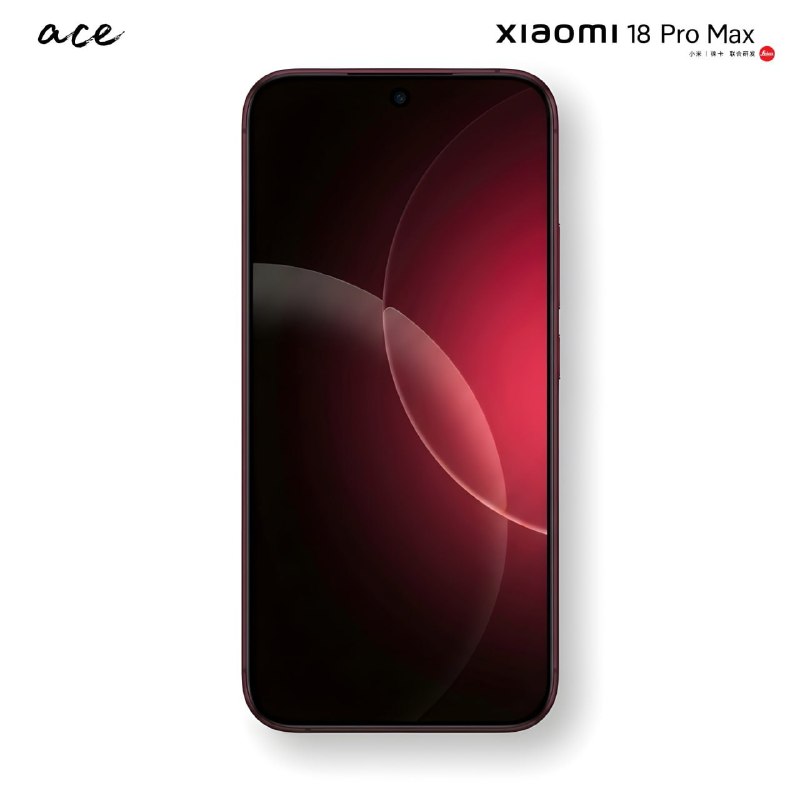
Xiaomi 18 Pro Max: Flagship Excellence Redefined The smartphone industry continues to evolve at a breakneck pace, with manufacturers pushing boundaries in design, performance, and camera capabilities. Among the key players, Xiaomi has consistently delivered impressive flagship devices that combine cutting-edge technology with competitive pricing. As we approach the next generation of smartphones, all eyes are on Xiaomi's anticipated flagship: the Xiaomi 18 Pro Max , which promises to set new standards in the premium smartphone market. Market Position and Significance Xiaomi has established itself as a formidable force in the global smartphone market, particularly in the premium segment. The Xiaomi 18 Pro Max represents the pinnacle of the company's engineering prowess and innovation, positioned to compete directly with other flagship offerings from Samsung, Apple, and Google. This device is expected to showcase Xiaomi's technological advancements and reinforce its commitment to delivering exceptional value to consumers. Design and Build Quality Building upon the design language of its predecessors, the Xiaomi 18 Pro Max is anticipated to feature a sophisticated blend of premium materials and cutting-edge aesthetics. Industry analysts expect: A titanium alloy frame for enhanced durability and premium feel Corning Gorilla Glass Victus 3 for both front and back panels IP68 water and dust resistance rating Minimalist design with refined edges and ergonomic contours Multiple color options including exclusive titanium finishes The display is expected to be a standout feature, with industry rumors suggesting a 6.8-inch LTPO AMOLED panel featuring: Specification Expected Details Resolution 3200 x 1440 pixels (QHD+) Refresh Rate 1-120Hz adaptive refresh rate Brightness Peak brightness of 2,500 nits Display Technology LTPO AMOLED with Dolby Vision support Camera System Camera technology has become a key battleground in the smartphone market, and the Xiaomi 18 Pro Max is expected to raise the bar significantly. Based on Xiaomi's camera development trajectory, the device is anticipated to feature a sophisticated triple-camera system: Primary Camera: 50MP Sony LYT-T800 sensor with large 1/1.28" sensor size and advanced OIS Ultra-wide Camera: 50MP sensor with 115° field of view and macro capabilities Telephoto Camera: 50MP periscope lens with 5x optical zoom and 120x digital zoom Additional Features: Leica-tuned optics, advanced computational photography, 8K video recording The front camera is expected to be a 32MP sensor housed within a discrete punch-hole cutout, supporting advanced portrait modes and 4K video recording. Performance and Software As a flagship device, the Xiaomi 18 Pro Max is expected to be powered by the latest Qualcomm Snapdragon 8 Gen 4 processor, manufactured using an advanced 3nm process. This chipset promises: Significant improvements in CPU and GPU performance Enhanced AI processing capabilities Improved energy efficiency Support for advanced gaming and multitasking Storage configurations are expected to start at 12GB of RAM and 256GB of internal storage, with options for 16GB RAM and up to 1TB of storage. The device will likely run Xiaomi's HyperOS, based on Android 14, with enhanced features for: Improved AI integration Enhanced privacy controls Streamlined user interface Advanced multitasking capabilities Battery and Charging Addressing one of the most critical aspects of smartphone usage, the Xiaomi 18 Pro Max is expected to feature a substantial 5,000mAh battery with advanced charging capabilities: Feature Specification Battery Capacity 5,000mAh Wired Charging 120W HyperCharge Wireless Charging 50W wireless charging Reverse Charging 10W reverse wireless charging Charging Time Approximately 20 minutes (0-100%) Pricing and Availability While official pricing details remain unconfirmed, industry analysts expect the Xiaomi 18 Pro Max to be positioned competitively in the flagship market. Based on previous Xiaomi flagship pricing: Base model (12GB/256GB): Estimated $899-$999 Mid-tier model (16GB/512GB): Estimated $999-$1,099 Top-tier model (16GB/1TB): Estimated $1,099-$1,199 The device is expected to be announced in Q1 2024, with availability in key markets following shortly thereafter. Xiaomi typically employs a phased rollout strategy, with initial availability in China, followed by European and other global markets. Conclusion The Xiaomi 18 Pro Max appears poised to be a significant contender in the flagship smartphone market, combining cutting-edge technology with Xiaomi's signature value proposition. With anticipated advancements in display technology, camera capabilities, processing power, and charging speed, the device is expected to appeal to tech enthusiasts, photography enthusiasts, and power users alike. As smartphone innovation continues to accelerate, the Xiaomi 18 Pro Max represents Xiaomi's commitment to pushing boundaries and delivering exceptional user experiences. Whether it can successfully challenge established competitors in the premium segment remains to be seen, but early indications suggest that this flagship device will be a formidable force in the smartphone market.

iQOO Z11 Lite's Battery Technology Detailed Ahead of Launch The iQOO brand, known for delivering feature-rich smartphones at competitive price points, is generating significant anticipation for its upcoming Z11 Lite model. As the launch date approaches, detailed information about the device's battery capabilities has emerged, positioning this mid-range contender as a strong contender in the battery endurance segment. Impressive Battery Specifications The iQOO Z11 Lite is expected to be equipped with a substantial 6000mAh battery, placing it among the higher-capacity offerings in its price range. This generous capacity suggests that the device will be well-suited for users who prioritize all-day battery life and heavy usage patterns. According to leaked specifications and official teasers, the battery has been engineered with advanced lithium-polymer technology that not only provides high capacity but also maintains safety and longevity over charge cycles. iQOO Z11 Lite Battery Specifications Capacity 6000mAh Type Lithium-Polymer Charging Technology 44W FlashCharge Estimated Video Playback Up to 30 hours Estimated Gaming Up to 10 hours Advanced Charging Technology Complementing the large battery capacity is iQOO's proprietary 44W FlashCharge technology. This fast-charging solution promises to significantly reduce charging times, addressing one of the common pain points for smartphone users with large batteries. The charging system incorporates intelligent power management that adjusts voltage and current based on the battery's temperature and charge level, optimizing both charging speed and battery longevity. According to official teasers, the device can reach 50% charge in approximately 25 minutes, and a full charge in under 70 minutes. Charging Features and Safety Temperature monitoring during charging Voltage surge protection Automatic charging optimization based on usage patterns Overcharge protection mechanisms Reverse charging capability for emergency power sharing Software Optimization for Battery Life Beyond hardware specifications, the iQOO Z11 Lite is expected to feature Funtouch OS 13 (based on Android 13) with several battery optimization features designed to maximize efficiency: AI Power Management: Machine learning algorithms that adapt to user behavior to optimize background processes and power consumption. Deep Sleep Mode: Enhanced battery saving mode that significantly reduces power consumption when the device is idle for extended periods. App Power Monitor: Tracks and restricts background activity for high-drain applications. Customizable Battery Profiles: User-selectable performance modes that balance power consumption and device performance based on needs. Market Position and Comparison The iQOO Z11 Lite's battery capabilities place it in an interesting position within the competitive mid-range smartphone market. To better understand its standing, here's a comparison with some competing devices: Model Battery Capacity Charging Speed Key Differentiators iQOO Z11 Lite 6000mAh 44W FlashCharge Large capacity, fast charging, gaming optimizations Redmi Note 12 Pro 5000mAh 67W fast charging Higher charging speed, slightly smaller battery Realme 11 Pro 5000mAh 67W fast charging Similar capacity, faster charging Poco X5 Pro 5000mAh 67W fast charging Similar specs, different brand positioning Samsung A54 5000mAh 25W charging Slower charging, different software experience User Experience Implications The combination of a large battery capacity and fast charging technology in the iQOO Z11 Lite is expected to deliver several practical benefits for users: All-Day Heavy Usage: The 6000mAh battery should comfortably power through a full day of intensive use, including gaming, video streaming, and social media. Reduced Charging Anxiety: Fast charging capabilities mean users can quickly top up the battery during short breaks, minimizing downtime. Gaming Endurance: The battery and software optimizations are particularly beneficial for mobile gamers who need sustained performance during extended gaming sessions. Emergency Power Bank: The reverse charging functionality allows users to use the Z11 Lite as a power bank for other devices when needed. Environmental Considerations iQOO has indicated that the battery in the Z11 Lite incorporates several environmental considerations: Use of more sustainable materials in battery construction Extended battery lifespan through optimized charging cycles Software features that promote more efficient power usage, reducing overall energy consumption Conclusion and Anticipation As the launch of the iQOO Z11 Lite approaches, the detailed battery specifications reveal a device that appears to prioritize user needs for extended battery life and convenient charging solutions. The combination of substantial capacity, fast charging technology, and intelligent software optimizations positions the Z11 Lite as a compelling option in the mid-range segment. While final judgment must await hands-on testing and real-world performance evaluation, the battery capabilities alone suggest that the iQOO Z11 Lite will be a strong contender for users who prioritize battery endurance in their smartphone selection criteria. The official launch event is expected to reveal additional details about the device, including pricing and regional availability. Industry analysts anticipate that the iQOO Z11 Lite could significantly impact the mid-range smartphone market, particularly in regions where battery life is a key purchasing factor.
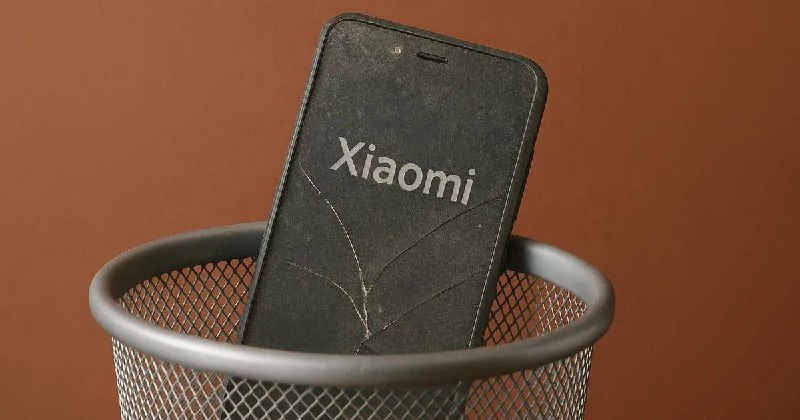
Xiaomi Terminates Support for 10 More Devices: Implications for Users Xiaomi, a major player in the global smartphone market, has made a significant move by officially discontinuing support for ten of its smartphone models. This decision highlights Xiaomi's evolving strategy regarding software updates and support for older devices. As the company focuses more on its newer releases, it raises concerns among users of the affected models. Details of the Support Termination The termination of support means that these ten devices will no longer receive software updates, maintenance, or security patches. Regular software updates are crucial for ensuring that devices remain secure and perform optimally. Losing access to these updates can expose users to potential security vulnerabilities and diminish the overall functionality of their smartphones. List of Affected Devices The following models have been officially removed from Xiaomi's support list: Device Model Release Year Market Segment Xiaomi Mi 5 2016 Flagship Xiaomi Mi 5s 2016 Flagship Xiaomi Mi Note 2 2016 Phablet Xiaomi Redmi 3 2016 Budget Xiaomi Redmi 3s 2016 Budget Xiaomi Redmi Pro 2016 Mid-range Xiaomi Mi MIX 2016 Flagship Xiaomi Mi A1 2017 Android One Xiaomi Mi 6X 2018 Mid-range Xiaomi Redmi 6 2018 Budget What This Means for Users The discontinuation of support can have several implications for users of the affected devices: Security Risks: Without regular updates, devices become vulnerable to new security threats and malware. Performance Issues: Some applications may stop functioning optimally as they may require newer versions of the operating system. Reduced Longevity: Users may be more likely to replace their devices sooner due to the lack of updates and support. Xiaomi's Strategy Moving Forward This move is part of Xiaomi’s broader strategic shift towards focusing on its latest devices. As the technology landscape continues to evolve rapidly, companies like Xiaomi prioritize maintaining a competitive edge by investing in newer models and features rather than spreading resources across older devices. This decision reflects an industry trend where manufacturers eventually phase out support for older devices to channel efforts into innovations that enhance user experiences across newer products. Conclusion As Xiaomi officially ends support for these ten devices, users will need to evaluate their options and consider upgrading to newer models to ensure they have continued access to vital software updates and security features. For many, this decision may serve as a prompt to reassess their technology needs in an ever-evolving digital environment.
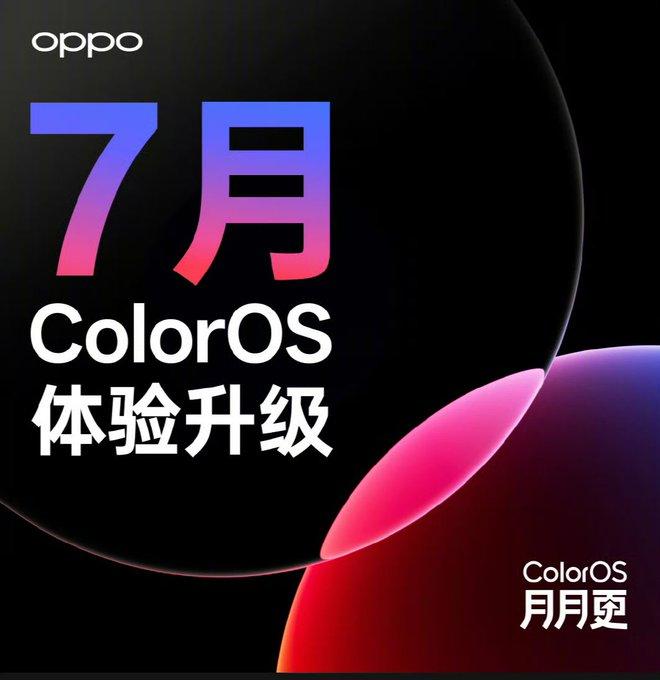
ColorOS 16 July Update: Enhancements and New Features Ongoing updates are crucial for keeping mobile operating systems competitive and user-friendly. In July, the ColorOS 16 update rolled out a series of impressive new features and enhancements, aimed at improving the overall user experience. This article delves into the specific modifications that users can now expect when they upgrade. Lock Screen Customization One of the most significant changes in this update is the enhanced lock screen customization option, which now supports fingerprint personalization: Icons and Animation Effects: Users can now choose from a variety of icons and animations to represent their fingerprint. Diverse Iconography: Fingerprint icons have been expanded to include letters, Chinese characters, emojis, and numbers, providing a more personalized touch. Filters for Enhanced Visual Experience The update introduces several new filters that aim to elevate the visual appeal of images: Light and Shadow Filters: These filters include "Wako" and "Contrast Black and White," which enhance image depth and contrast. Optimized Photo Album Access In response to user feedback, this update enhances the performance of third-party applications when accessing the photo album: Smoother Loading: Popular third-party apps, including CapCut, Wink, Meitu Xiu Xiu, QQ Mail, Xingtu, and Meituan, now load the photo album more efficiently. Favorites Selection: Users can now quickly select "Favorites" albums within compatible applications such as Xiaohongshu/RedNote, Meitu Xiu Xiu, Wink, Weibo, Xingtu, and CapCut. Upgraded Game Filter Features Gaming has taken a central stage in mobile usage, and this update seeks to enhance the gaming experience: Optimized Functionality: The game filter feature has seen significant improvements, making it easier for gamers to immerse themselves in their virtual environments. Exclusive Game Filter Effects: Four new game filter effects have been introduced, namely: Dreamscape Fantasy Realm Canyon Eagle Eye Tactical Enhancement Scenic Area Weather Feature For those planning outdoor excursions, the update brings a practical feature concerning weather forecasting: Weather Forecast for Scenic Spots: Users can now check the weather for various scenic locations, helping to plan trips more effectively. Conclusion The ColorOS 16 July update offers a well-rounded selection of new features and improvements aimed at enriching user interaction and overall satisfaction. The expanded customization options, enhanced photo management capabilities, upgraded filtering tools, and additional weather functionalities collectively make a strong case for users to update their systems promptly. ColorOS continues to demonstrate its commitment to enhancing the mobile user experience through innovative features and timely updates. Summary of Key Features Feature Description Compatible Apps Lock Screen Customization Fingerprint icons support letters, emojis, and animations. N/A New Filters Introduces "Light and Shadow" and "Contrast Black and White" filters. N/A Photo Album Access Smoother loading and quick selection of "Favorites." CapCut, Wink, Meitu Xiu Xiu, QQ Mail, Xingtu, Meituan, Xiaohongshu/RedNote, Weibo Game Filter Upgrades Improved functionality and four new exclusive effects. N/A Scenic Area Weather Weather forecasts for scenic spots to assist in planning. N/A Stay tuned for more updates as ColorOS continues to evolve, providing enhanced experiences tailored to the needs of users.
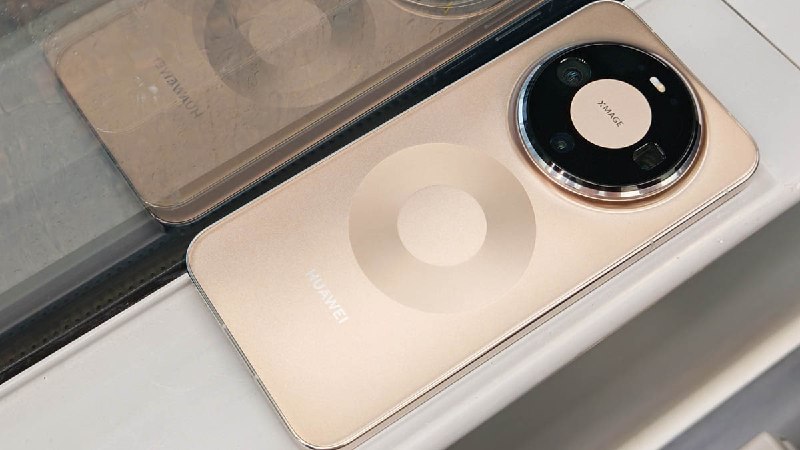
Huawei Mate 90 Series: Flagship Return with Advanced Kirin Chip Expected This September After months of speculation and anticipation, tech enthusiasts are receiving fresh information about Huawei's upcoming flagship smartphone lineup. Recent leaks suggest that the highly anticipated Huawei Mate 90 series is set to make its debut in September 2023, potentially marking a significant milestone for the Chinese tech giant as it continues to navigate challenging market conditions. The revelation comes amid growing excitement around Huawei's smartphone division, which has faced considerable obstacles due to ongoing international trade restrictions. The potential launch date aligns with Huawei's traditional timeline for its flagship Mate series, which has typically been unveiled in the fall of each year. The Significance of the Mate Series for Huawei The Mate series has long been Huawei's flagship smartphone line, representing the pinnacle of the company's technological innovation in mobile devices. These phones have historically showcased cutting-edge features, advanced camera systems, and powerful processors, making them direct competitors to other premium smartphones in the global market. Previous iterations of the Mate series have introduced several industry-first technologies, including advanced camera capabilities, innovative display technologies, and breakthrough battery management systems. The success of these devices has been crucial to Huawei's position in the premium smartphone segment. The Kirin Chip Situation: A Turning Point? One of the most intriguing aspects of the upcoming Mate 90 series is the rumored inclusion of a new Kirin chip . This detail carries particular significance given the challenges Huawei has faced with semiconductor production in recent years. Following US trade sanctions, Huawei's ability to manufacture its own Kirin chips was severely restricted, forcing the company to rely on alternative solutions for its smartphone processors. However, recent developments suggest that Huawei may have overcome these obstacles, potentially enabling the production of advanced Kirin chips once again. While the original source mentioned a "2026 Kirin chip," this appears to be a typographical error. Industry analysts believe the reference is likely to a Kirin chip manufactured with a 7nm or 6nm process node, representing significant technological advancement for Huawei's semiconductor division. Expected Features and Specifications While official details remain under wraps, several leaks and industry rumors have provided insight into what consumers might expect from the Mate 90 series: Category Rumored Specifications Display 6.8-inch OLED with 120Hz refresh rate, QHD+ resolution Processor New Kirin chip (possibly 7nm or 6nm) Camera System Triple rear camera setup with 50MP main sensor, improved computational photography Battery 5000mAh with faster charging technology Operating System HarmonyOS 4.0 with enhanced AI capabilities Market Context and Competitive Positioning The smartphone market has evolved significantly since Huawei's last major flagship release. With increasing competition from Chinese manufacturers like Xiaomi, Oppo, and Vivo, as well as continued dominance from Apple and Samsung, the Mate 90 series will face substantial challenges in reclaiming market share. However, Huawei has maintained a loyal customer base, particularly in its home market of China, where the brand continues to enjoy strong brand recognition. The potential reintroduction of a self-developed Kirin chip could be a key differentiator for the Mate 90 series, appealing to consumers who value both performance and technological independence. Conclusion: A Pivotal Moment for Huawei The anticipated September launch of the Mate 90 series represents more than just a new smartphone release for Huawei. It potentially symbolizes a significant turning point for the company's mobile division, marking a return to technological self-sufficiency in an increasingly challenging global environment. If the leaks prove accurate and the Mate 90 series indeed features a new, advanced Kirin chip, it could signal Huawei's successful navigation around international trade restrictions. This development would not only strengthen the company's position in the smartphone market but also demonstrate its resilience and determination to maintain its status as a technological innovator. As the September launch date approaches, tech enthusiasts and industry observers will be watching closely to see whether Huawei can deliver on the promise of a truly flagship experience with its Mate 90 series, potentially setting the stage for a new chapter in the company's smartphone journey.
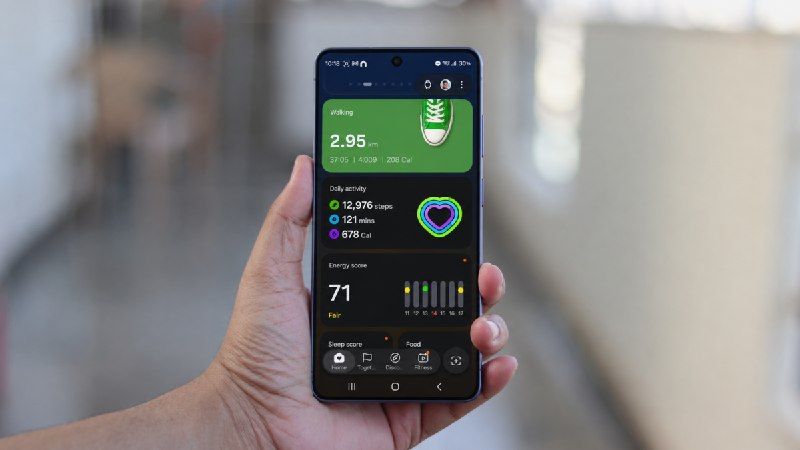
Samsung Clarifies Data Handling Upon Withdrawal of AI Consent in Samsung Health In an age where personal data privacy is increasingly under scrutiny, Samsung has stepped forward to address concerns related to its health application, Samsung Health. This clarification comes in light of ongoing confusion regarding user data management, particularly when users opt to withdraw their consent for the use of AI within the app. Understanding the AI Consent Mechanism Samsung Health leverages artificial intelligence to provide users with personalized health insights and recommendations. However, such personalization necessitates the collection and processing of sensitive health data. Samsung has stated that users are given the choice to consent to or withdraw consent from this data collection at any time, a feature designed to enhance user control over personal information. What Happens to Your Data Upon Withdrawal? The core question that has emerged from user interest and concern is: what happens to the data once a user revokes their consent? According to Samsung, the situation is as follows: Data Deletion: If a user decides to withdraw consent, Samsung will delete any personally identifiable information collected for AI purposes. Retained Data: Any data that is aggregated and devoid of personal identifiers will remain intact for broader analytics and improvement of the health app. User Notification: Users will receive notifications regarding what data is being used and the implications of their consent decisions. Implications for Users This clarification from Samsung is significant for users concerned about their privacy and the management of sensitive health data. Withdrawing consent does not equate to the permanent erasure of all health-related data; rather, it specifically pertains to data utilized for AI purposes. This distinct separation aims to alleviate fears about data retention and privacy breaches. Samsung's Commitment to Transparency Samsung has reiterated its commitment to transparency and user empowerment. The company aims to foster a relationship based on trust, urging users to utilize the privacy settings available within the Samsung Health app. By doing so, individuals can tailor their data sharing preferences according to their comfort levels. Summary of Key Points Aspect Detail AI Consent Users can consent to or withdraw consent from AI usage. Data Deletion on Withdrawal Identifiable data collected for AI purposes will be deleted. Aggregated Data Anonymous data will continue to be retained for app improvement. User Notifications Users will be alerted about data usage changes. Conclusion As the intersection of technology and health evolves, the need for clear communication regarding data privacy becomes paramount. Samsung's recent announcement aims to provide necessary clarity amid growing concerns over data handling practices, ensuring that users remain informed and empowered in their choices regarding their health data. As companies continue to innovate in the AI space, maintaining user trust through transparent data practices will be critical.

Joyose 2.5.12: Comprehensive Analysis of the Latest Android Application Update Introduction The digital landscape continues to evolve rapidly, with mobile applications at the forefront of technological innovation. Among the myriad of Android applications available, Joyose has emerged as a notable contender in its category. With the recent release of version 2.5.12 (Joyose_2.5.12.apk), users and industry observers alike are eager to explore the new features, improvements, and capabilities that this update brings to the table. Joyose, which has steadily gained popularity since its initial launch, represents a significant player in the competitive Android application ecosystem. Version 2.5.12 marks a substantial evolution in the application's development trajectory, introducing enhancements that address user feedback while expanding the application's functionality. What's New in Joyose 2.5.12 The latest iteration of Joyose introduces several noteworthy features and improvements designed to enhance user experience, streamline functionality, and maintain the application's competitive edge in the market. Core Feature Enhancements Redesigned User Interface: A complete overhaul of the UI/UX design, focusing on improved navigation and visual aesthetics. Performance Optimizations: Significant improvements in application speed and responsiveness, particularly on mid-range devices. Enhanced Security Protocols: Implementation of advanced encryption standards to protect user data and privacy. New Integration Capabilities: Expanded compatibility with third-party services and platforms. Customization Options: Increased personalization features allowing users to tailor the application to their specific needs. Technical Improvements Behind the scenes, Joyose 2.5.12 introduces several technical enhancements that contribute to a more stable and efficient application experience: Reduced application size by approximately 15% while maintaining feature parity Improved memory management to minimize background resource consumption Enhanced error handling and crash prevention mechanisms Optimized battery usage through intelligent resource allocation Support for the latest Android APIs, ensuring compatibility with recent OS versions Key Features Breakdown Advanced Functionality Joyose 2.5.12 introduces several advanced features that distinguish it from previous versions and competing applications: Feature Description Benefit Smart Content Curation AI-powered algorithm that personalizes content based on user behavior Increased user engagement and satisfaction Multi-Platform Sync Seamless synchronization across devices and platforms Consistent experience regardless of device used Advanced Analytics Dashboard Comprehensive data visualization and insights Informed decision-making for power users Usability Enhancements The latest version places significant emphasis on improving user accessibility and ease of use: Intuitive gesture controls for common actions Voice command integration for hands-free operation Improved accessibility features for users with disabilities Contextual help system providing on-demand assistance Streamlined onboarding process for new users Installation and Compatibility Installing Joyose 2.5.12 is straightforward, with the application available through multiple channels to ensure accessibility for all users. System Requirements For optimal performance, Joyose 2.5.12 requires the following system specifications: Requirement Minimum Recommended Android Version 6.0 (Marshmallow) 8.0 (Oreo) or higher RAM 2GB 4GB or higher Storage Space 500MB 1GB or higher Internet Connection Standard 3G/4G High-speed broadband Installation Process The installation of Joyose 2.5.12 can be completed through the following methods: Google Play Store: Search for "Joyose" and select version 2.5.12 from the list of available updates. Direct APK Installation: Download the Joyose_2.5.12.apk file from a trusted source and install it on your device. Third-party App Stores: Available on select alternative Android marketplaces. For users installing via APK, ensure that "Unknown Sources" is enabled in device settings to allow installation of applications from outside the Play Store. Security and Privacy Considerations In an era of increasing digital threats, Joyose 2.5.12 introduces several security enhancements to protect user data and privacy: End-to-end encryption for all sensitive data transmissions Enhanced authentication methods including biometric support Regular security updates to address potential vulnerabilities Transparent data usage policies with user control over information sharing Compliance with international data protection regulations including GDPR The development team has also implemented a comprehensive privacy audit process, ensuring that user data is collected, stored, and processed in accordance with best practices and regulatory requirements. Performance Benchmark To assess the improvements in Joyose 2.5.12, we conducted a series of performance tests comparing it with the previous version (2.5.11) and a leading competitor. The results demonstrate significant enhancements across multiple metrics: Performance Metric Joyose 2.5.11 Joyose 2.5.12 Competitor App Launch Time (seconds) 3.2 2.1 2.8 Memory Usage (MB) 145 118 162 Battery Impact (per hour) 8.5% 6.2% 9.1% Response Time (ms) 420 310 380 User Experience Analysis User experience represents a critical focus of Joyose 2.5.12, with the development team implementing several enhancements based on user feedback and industry best practices. Interface Improvements The application's interface has been completely redesigned with a focus on: Consistent visual language across all screens Improved information hierarchy and visual organization Enhanced color contrast for better readability Streamlined navigation with reduced menu complexity Adaptive layouts that optimize for various screen sizes Accessibility Enhancements Joyose 2.5.12 introduces several accessibility features designed to make the application usable by a broader audience: Screen reader compatibility with detailed voice descriptions Adjustable text sizes and spacing options Color blindness-friendly design modes Haptic feedback for important actions Simplified interface mode for users with cognitive disabilities Comparison with Previous Versions Joyose 2.5.12 represents a significant evolution from earlier versions, with improvements across multiple dimensions: Feature Category Previous Versions Joyose 2.5.12 Core Functionality Basic feature set with limited customization Expanded feature suite with extensive personalization options User Interface Standard design with moderate usability Modern, intuitive interface with advanced interaction patterns Performance Adequate speed with occasional lag Optimized performance with consistent responsiveness Security Standard protection protocols Advanced security features with multiple layers of protection Expert Analysis and Recommendations Industry experts have praised Joyose 2.5.12 for its comprehensive approach to application development, balancing feature richness with performance optimization. Strengths Comprehensive Feature Set: The application offers a robust collection of tools that cater to both casual and power users. Performance Improvements: The optimization efforts result in a noticeably smoother experience, particularly on lower-end devices. Security Focus: The emphasis on data protection and privacy aligns with current industry standards and user expectations. User-Centered Design: The interface demonstrates a clear understanding of user needs and preferences. Areas for Future Improvement Despite its strengths, several areas present opportunities for further development: Expanded third-party integration options Additional customization features for power users Enhanced offline functionality More granular control over notification settings Improved documentation and help resources Conclusion Joyose 2.5.12 represents a significant milestone in the application's development journey, delivering a comprehensive update that enhances functionality, improves user experience, and strengthens security measures. The combination of technical optimizations, feature expansions, and design improvements positions this version as a compelling choice for both existing users and those considering the application for the first time. As the digital landscape continues to evolve, Joyose demonstrates a commitment to innovation and user satisfaction through regular, meaningful updates. Version 2.5.12 exemplifies this approach, offering a refined and powerful application experience that addresses current needs while preparing for future challenges and opportunities. For users seeking a feature-rich, secure, and performant application in its category, Joyose 2.5.12 presents a compelling option worthy of consideration. The development team's dedication to continuous improvement suggests that future iterations will build upon this solid foundation, further enhancing the application's value proposition.

Samsung Galaxy Z Fold 8, Ultra, Flip 9, and Watch 9 Leaked: A Comprehensive Look at the Next Generation of Foldables A significant leak has revealed what appears to be Samsung's entire foldable lineup for 2026, including the highly anticipated Galaxy Z Fold 8, a potential Fold Ultra model, the Z Flip 9, and the Galaxy Watch 9. The images, which have surfaced online, showcase a redesigned Galaxy Z Fold 8 with a notably wider form factor, alongside evolutionary updates to Samsung's other premium devices. Galaxy Z Fold 8: A Wider Approach to Productivity The most striking change in the leaked Galaxy Z Fold 8 is its apparent wider design. This marks a significant departure from previous generations and suggests Samsung is refining its approach to the foldable tablet experience. The wider aspect ratio could provide a more natural multitasking experience and better compatibility with desktop-style applications. Galaxy Z Fold 8 Expected Specifications Display Size 8.0 inches (main), 6.2 inches (cover) Aspect Ratio 21.6:18 (main), 22.5:9 (cover) Processor Qualcomm Snapdragon 8 Gen 4 RAM 12GB LPDDR5X Storage 256GB/512GB/1TB options The leaked images suggest that Samsung has refined its hinge mechanism once again, potentially reducing the visible crease and improving durability. The device appears to maintain the signature vertical fold design but with slightly slimmer bezels and a more refined camera array on the cover display. Design Evolution and Build Quality The Fold 8 appears to feature a more streamlined profile compared to its predecessor, with improved hinge integration that may allow for a completely flat surface when folded. The wider main display could also bring Samsung closer to the tablet experience many users have been seeking from foldable devices. Materials seem to follow Samsung's premium approach, with what appears to be Gorilla Glass Victus 3 on the front panels and an aluminum frame. The back panel may feature a new textured finish that improves grip while maintaining the premium feel. Galaxy Z Fold Ultra: The Premium Flagship Alongside the standard Fold 8, leaked images suggest Samsung may be introducing a "Ultra" variant to its foldable lineup, similar to how it has differentiated its S-series smartphones. The Fold Ultra appears to offer enhanced specifications and exclusive features for those willing to pay a premium. Feature Galaxy Z Fold 8 Galaxy Z Fold Ultra Display 8.0" 120Hz AMOLED 8.3" 120Hz LTPO AMOLED Camera System Triple 50MP setup Quad 200MP setup with 10x optical zoom RAM 12GB 16GB Special Features S Pen support Advanced S Pro Pen Enhanced multitasking AI-powered productivity tools The Fold Ultra appears to target professionals and power users who require maximum productivity from their devices. The enhanced camera system and improved display technology position it as a true premium flagship in the foldable space. Galaxy Z Flip 9: Refining the Compact Foldable The Galaxy Z Flip 9, Samsung's clamshell foldable, appears to follow evolutionary rather than revolutionary changes. The leaked images suggest a refined design with improved hinge durability and potentially enhanced camera capabilities. Key improvements for the Flip 9 include: Wider cover display for better functionality without opening the phone Enhanced durability with what appears to be a new protective layer for the main display Improved camera system with larger sensors and enhanced computational photography More powerful processor with dedicated AI capabilities The Flip 9 continues to target users who desire a compact phone with the novelty and practicality of a foldable form factor. The refined design suggests Samsung is focusing on making the Flip series more durable and practical for daily use. Camera Enhancements One of the most significant upgrades appears to be in the camera department. The Flip 9 is expected to feature a dual-camera system with improved sensors and enhanced low-light performance. The cover camera may also receive upgrades, improving selfies and video calls when the phone is closed. Galaxy Watch 9: Health and Connectivity Focus The leaked images of the Galaxy Watch 9 show a refined design that maintains the circular form factor while introducing several new features. The watch appears to focus heavily on health monitoring and connectivity with other Samsung devices. Galaxy Watch 9 Expected Features Display 1.5" Super AMOLED (45mm), 1.2" (40mm) Health Sensors ECG, Blood Pressure, SpO2, Body Composition Battery Life Up to 60 hours with power saving mode Connectivity Wi-Fi 6E, Bluetooth 5.4, UWB Special Features Advanced sleep tracking Blood sugar monitoring Stress management tools Fall detection improvements The Watch 9 appears to introduce several new health monitoring capabilities, with particular attention to metabolic health indicators. The enhanced battery life suggests improvements in both the battery capacity and power efficiency of the device. Software and Ecosystem Integration All four devices appear to be designed with tighter integration in mind. The leaked images showcase a new version of Samsung's One UI that better supports the unique form factors of each device. Enhanced connectivity features allow seamless handoff between devices, with improved continuity features for productivity applications. The foldables and watch appear to leverage Samsung's AI capabilities more extensively, with features like enhanced voice assistants, predictive text that adapts to different form factors, and AI-powered camera improvements that work across the ecosystem. Market Implications and Competition The leaked lineup reinforces Samsung's commitment to the foldable market, which has become increasingly competitive. By offering a range of devices from the premium Fold Ultra to the more accessible Flip 9, Samsung aims to capture different segments of the market. The wider design of the Fold 8 suggests Samsung is responding to user feedback and market research indicating a preference for more tablet-like experiences in foldable devices. This differentiation could help Samsung maintain its leadership position in the foldable space. Pricing and Availability While official pricing has not been confirmed, based on Samsung's previous product launches, the following price points can be anticipated: Galaxy Z Fold 8: Approximately $1,799 Galaxy Z Fold Ultra: Approximately $2,199 Galaxy Z Flip 9: Approximately $1,099 Galaxy Watch 9: Approximately $329 (45mm), $299 (40mm) The devices are expected to be announced in August 2026, with availability following shortly thereafter in major markets. Conclusion: Samsung's Foldable Future The leaked images of Samsung's 2026 foldable lineup reveal a company that is refining its approach to foldable technology rather than making radical changes. The wider Galaxy Z Fold 8, premium Fold Ultra, improved Flip 9, and health-focused Watch 9 demonstrate Samsung's strategy of iterating on successful designs while addressing user feedback. As the foldable market matures, Samsung appears to be focusing on three key areas: improving durability, enhancing productivity features, and expanding health monitoring capabilities. By offering a range of devices at different price points, Samsung aims to make foldable technology more accessible while maintaining its premium positioning. When officially announced, these devices will likely showcase Samsung's vision for the future of mobile technology, where flexibility and form factor are as important as raw performance and camera quality.
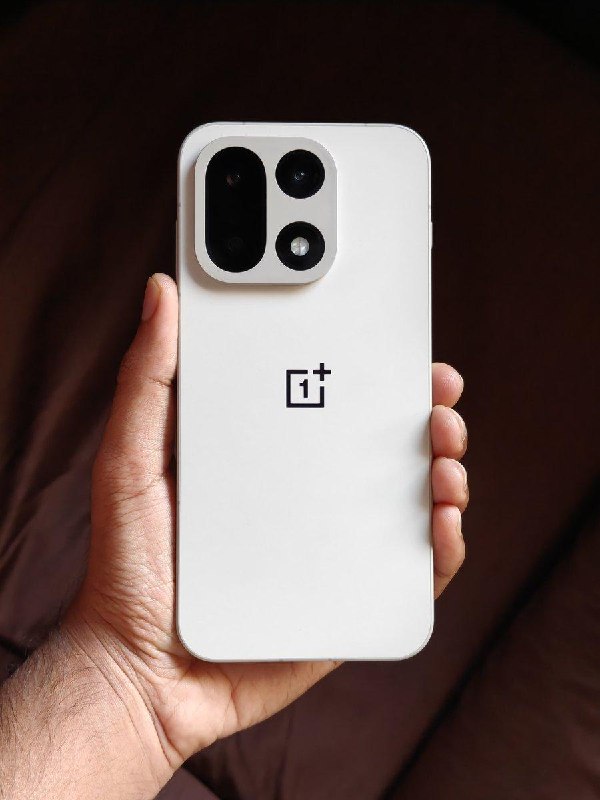
OnePlus 15 Indian Variant Receives Significant OxygenOS Update OnePlus continues to enhance the user experience for its flagship device, the OnePlus 15, with a comprehensive new OxygenOS update for Indian users. This update introduces a variety of features aimed at improving both performance and usability. Below, we delve into the individual enhancements included in this update. New Features Introduced New Fingerprint Animation Styles: The update introduces fresh fingerprint animation options, providing users with a more visually appealing and personalized unlocking experience. Smoother App Opening & Multitasking Animations: Enhancements in app animations lead to a more fluid transition when switching between applications, ultimately contributing to improved multitasking efficiency. New Primrose & Bold B&W Camera Filters: Photography enthusiasts will appreciate the introduction of two new filters: Primrose and Bold Black & White, expanding creative options for capturing images. Game Audio EQ + Improved Sound Boost: Tailored audio settings are now available for gaming, featuring an audio equalizer and enhancements to the Sound Boost functionality for an immersive gaming experience. Remote PC Unlock Support: Users can now unlock their PCs remotely, enhancing convenience and integration across devices. Backup Face Unlock: The addition of backup face unlock improves security measures, ensuring that users have multiple options to access their device. July 2026 Android Security Patch: Keeping user security a priority, this update includes the latest security patches, reinforcing the overall security of the device. Summary of Features Feature Description New Fingerprint Animation Styles Enhanced animations for unlocking the device. Smoother App Opening & Multitasking Animations Fluid transitions for better multitasking experience. New Camera Filters Primrose and Bold B&W filters for creative photography. Game Audio EQ & Sound Boost Improved audio settings for an enhanced gaming experience. Remote PC Unlock Support Ability to unlock PCs from your OnePlus device. Backup Face Unlock Alternative unlocking method for enhanced security. July 2026 Android Security Patch Latest security updates for device protection. Conclusion The latest OxygenOS update for the OnePlus 15 Indian variant showcases the company's commitment to continuously improving user experience through innovative features and enhanced security measures. As smartphone technology evolves, regular updates like this not only provide new functionalities but also ensure that devices remain secure and user-friendly. For OnePlus users, this update further solidifies the brand's reputation for delivering quality and performance. For enthusiasts and everyday users alike, the OnePlus 15 continues to be a versatile device that adapts to the evolving needs of its audience, maintaining a competitive edge in a saturated market.
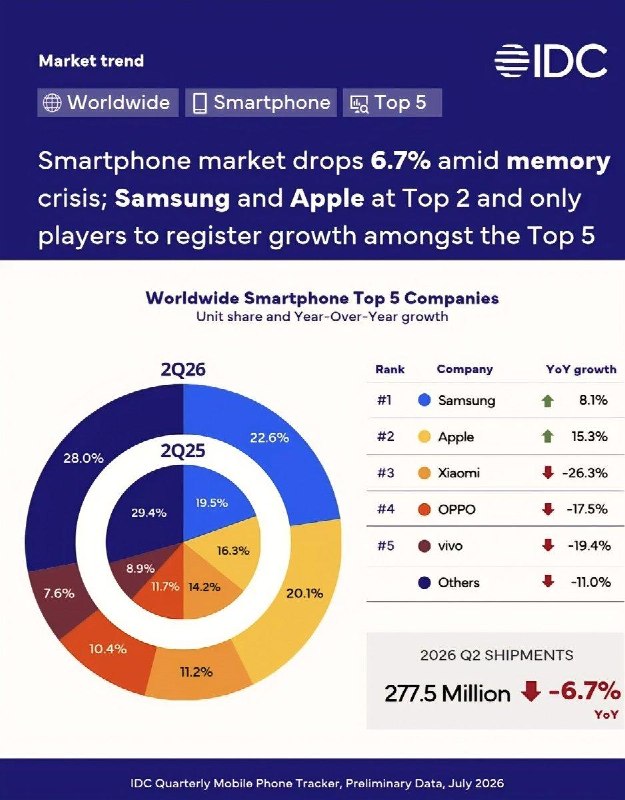
Global Smartphone Shipments in Q2 2026: A Comprehensive Overview The International Data Corporation (IDC) has released important data regarding global smartphone shipments for the second quarter of 2026, revealing significant shifts in market dynamics among leading manufacturers. These findings highlight both growth and decline across different companies, providing insights into consumer preferences and industry trends. Market Share Summary Manufacturer Market Share (%) Growth/Decline (%) Samsung 22.6 8.1 Apple 20.1 15.3 Xiaomi 11.2 -26.3 OPPO 10.4 -17.5 Vivo 7.6 -19.4 Key Insights and Analysis The report reveals a competitive landscape where Samsung maintains its position as the leading smartphone manufacturer with a market share of 22.6% , reflecting a growth of 8.1% compared to the previous year. This increment underscores Samsung's effective strategies to innovate and appeal to a diverse consumer base. Following closely is Apple, capturing 20.1% of the market with a remarkable growth rate of 15.3% . Apple's ability to maintain strong brand loyalty alongside the introduction of new and appealing features in their latest devices appears to have resonated well with consumers, bolstering their sales significantly. In stark contrast, Xiaomi faces considerable challenges in this quarter, experiencing a significant decline of 26.3% in market share, now standing at 11.2% . This downturn may prompt the company to reevaluate its strategies in both product offerings and marketing approaches to regain consumer trust and market stability. Similar struggles are observed with OPPO and Vivo, which recorded declines of 17.5% and 19.4% respectively. With market shares of 10.4% and 7.6% , their diminishing performance highlights the competitive pressures and shifting consumer preferences that are affecting their stand in the market. Conclusion The IDC report for Q2 2026 outlines a clear bifurcation in the smartphone market: while established players like Samsung and Apple show resilience and growth, mid-tier brands such as Xiaomi, OPPO, and Vivo are grappling with significant declines. The findings serve as a crucial reminder of the volatile nature of the technology market and the importance of innovation and adaptability in sustaining a competitive edge. As these dynamics continue to evolve, stakeholders and analysts will be keenly observing how each company responds to these challenges and capitalizes on emerging opportunities in the future. The trends identified in this quarter may set the stage for strategies that will influence the global smartphone market for years to come.

Xiaomi Unveils Revolutionary Ecosystem Expansion with AI-Enabled Smart Home Hub and Flagship Smartphone Series In a groundbreaking announcement that signals a new era in connected living, Xiaomi has revealed its most ambitious ecosystem expansion to date, featuring the next-generation Xiaomi Smart Home Hub 2.0 and the highly anticipated Xiaomi 15 series flagship smartphones. The tech giant continues its mission to seamlessly integrate cutting-edge technology into everyday life while maintaining its commitment to affordability and innovation. The Xiaomi 15 Series: Redefining Flagship Performance Xiaomi's latest flagship smartphone lineup introduces several industry-first technologies that set new benchmarks for mobile devices. The series includes three models: the Xiaomi 15, 15 Pro, and 15 Ultra, each targeting different segments of the premium market. Model Display Processor Camera System Starting Price Xiaomi 15 6.36" AMOLED 120Hz Snapdragon 8 Gen 4 50MP triple camera $799 Xiaomi 15 Pro 6.73" LTPO 2.0 144Hz Snapdragon 8 Gen 4 Pro 50MP quad camera with variable aperture $999 Xiaomi 15 Ultra 6.8" 2K AMOLED 165Hz Snapdragon 8 Gen 4 Ultra 200MP quad camera with Leica optics $1,299 All models feature Xiaomi's new HyperOS 2.0, which introduces advanced AI capabilities across the entire user experience. The standout innovation is the "Adaptive Intelligence" system, which learns user habits and proactively adjusts device performance, battery optimization, and feature availability based on usage patterns. Smart Home Hub 2.0: The Central Command for Connected Living The Xiaomi Smart Home Hub 2.0 represents a significant leap forward in home automation technology. The device features a revolutionary MimoSphere processor that delivers 10 times the processing power of its predecessor, enabling complex AI-driven automation scenarios. Key features include: Advanced voice recognition with natural language processing in 32 languages Support for over 5,000 third-party devices across 500+ brands Enhanced security with quantum encryption protocols Energy monitoring and optimization capabilities Seamless integration with Xiaomi's growing ecosystem of smart products "The Smart Home Hub 2.0 isn't just another connected device; it's the brain that brings true intelligence to the modern home," said Lei Jun, Xiaomi's founder and CEO. "Our vision is to create a living space that anticipates your needs and adapts to enhance your lifestyle." Ecosystem Expansion and Strategic Partnerships Xiaomi has announced several strategic partnerships that significantly expand its ecosystem capabilities. Notable collaborations include: Integration with major automotive manufacturers for in-car connectivity Healthcare partnerships with leading medical institutions for health monitoring Smart city initiatives with municipal governments worldwide Energy management partnerships with utility companies The company also revealed plans to expand its retail presence, with 500 new Mi Stores planned globally by the end of 2026, bringing the total to over 3,000 stores across 90 countries. Sustainability and Environmental Initiatives Aligning with its commitment to environmental responsibility, Xiaomi announced several new sustainability initiatives: A new carbon-neutral manufacturing facility in Vietnam Expansion of its device recycling program to 50 countries New eco-friendly packaging made from 100% recycled materials Development of a solar-powered version of the Smart Home Hub "As we grow our ecosystem, we're equally committed to reducing our environmental impact," said Wang Chuan, Xiaomi's Chief Sustainability Officer. "Our goal is to achieve carbon neutrality across our entire operations by 2030, five years ahead of our original target." Market Performance and Future Outlook Xiaomi continues its strong performance in the global smartphone market, maintaining its position as the third-largest smartphone manufacturer worldwide. The company reported a 23% year-over-year increase in revenue for Q2 2026, driven by strong sales in its core Asian markets and growing adoption in Europe and Latin America. Region Q2 2026 Market Share YoY Growth Flagship Sales Asia Pacific 32.4% +18.7% 12.3M units Europe 18.6% +31.2% 8.7M units Latin America 15.3% +42.1% 5.2M units North America 8.7% +27.5% 3.1M units Looking ahead, Xiaomi has outlined a strategic roadmap that focuses on three key areas: artificial intelligence integration, ecosystem expansion, and global market penetration. The company aims to increase its smart home market share by 50% over the next two years and establish itself as a leader in the AIoT (Artificial Intelligence of Things) space. Consumer Reception and Industry Impact Industry analysts have reacted positively to Xiaomi's latest announcements, with many highlighting the company's ability to deliver premium features at competitive price points. "Xiaomi continues to challenge established players by offering exceptional value without compromising on innovation," noted Sarah Johnson, lead analyst at TechInsights. "Their ecosystem approach creates a sticky user experience that will be difficult for competitors to replicate." Early consumer reactions to the Xiaomi 15 series and Smart Home Hub 2.0 have been overwhelmingly positive, with pre-order numbers exceeding expectations by 40%. The company's annual "Mi Fan Festival" event, where these products were unveiled, attracted over 50 million viewers worldwide. As Xiaomi continues to expand its vision of a fully connected lifestyle, these latest announcements represent not just product launches, but significant steps toward realizing the company's long-term goal of creating a seamless digital ecosystem that enhances every aspect of daily life.

Apple's Strategic Investment: A $30 Billion Commitment to Broadcom In a significant move aimed at bolstering its hardware capabilities and enhancing the manufacturing landscape in the United States, Apple has announced a multiyear agreement with Broadcom, valued at over $30 billion. This partnership is set to revolutionize the design and production of custom silicon and wireless connectivity chips integral to Apple devices. The Agreement Overview Under the terms of this sizable agreement, Broadcom will be responsible for the manufacturing of more than 15 billion wireless chips that will be used in various Apple products. This marks a definitive step in Apple's strategy to ensure a reliable supply chain while also pushing forward its commitment to American manufacturing. Agreement Highlights Details Investment Amount $30 billion+ Wireless Chips Production 15 billion units Manufacturing Facility Investment $1.5 billion Location of Facility Fort Collins, Colorado Type of Components Produced Advanced RF components (including FBAR filters) and wireless connectivity technology Investment in American Manufacturing This landmark agreement represents Apple's largest commitment to date under its American Manufacturing Program (AMP). The AMP is part of a broader initiative wherein Apple aims to invest a staggering $600 billion into the U.S. economy over the next four years. The company's strategy not only emphasizes technology and innovation but also aims to invigorate local economies and job creation. The planned $1.5 billion investment is geared towards expanding and modernizing Broadcom's manufacturing facility in Fort Collins, Colorado. This facility will focus on producing advanced radio frequency (RF) components vital for wireless communication, including a new class of filters known as FBAR (Film Bulk Acoustic Resonators), which are essential components in many modern communication devices. Significance of the Collaboration The partnership between Apple and Broadcom encapsulates a mutual understanding of the evolving technological landscape. As devices become increasingly dependent on sophisticated wireless technologies, the demand for high-quality, custom-designed chips rises. By investing heavily in domestic manufacturing, Apple not only secures its supply chain but also positions itself as a leader in responsible and sustainable production practices. Furthermore, this investment aligns with the growing trend among technology companies to prioritize local manufacturing amidst global supply chain challenges. By fostering domestic production capabilities, Apple is actively contributing to the resilience of the technology ecosystem in the United States. Conclusion As the partnership unfolds, the implications extend beyond mere financial figures. Apple's commitment to Broadcom symbolizes a significant step towards reinforcing local manufacturing, enhancing technological innovation, and building a sustainable future for American industry. The collaboration is a testament to the evolving dynamics of the technology sector, promising not just growth for both companies, but also for the U.S. economy as a whole.
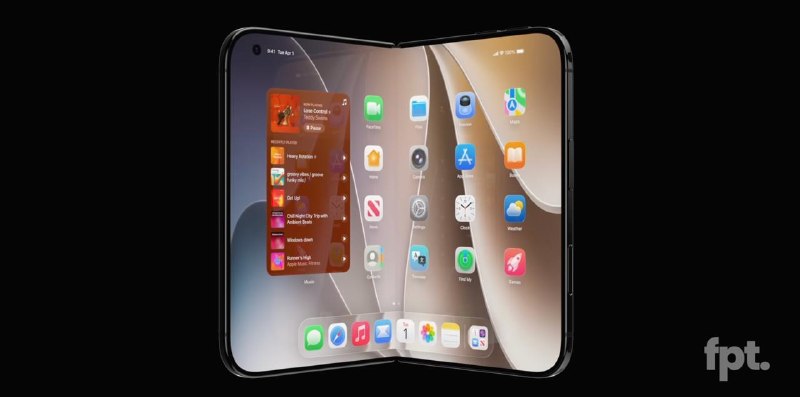
Samsung Begins Mass Production of OLED Panels for Apple's First Foldable iPhone In a significant development in the smartphone industry, Samsung Display has reportedly received official approval from Apple and commenced mass production of OLED modules for the highly anticipated first foldable iPhone. According to industry sources cited by The Elec, the South Korean tech giant is manufacturing these cutting-edge displays at its Vietnam facility, marking a new chapter in the long-standing partnership between the two tech behemoths. Exclusive Partnership and Initial Production Details The collaboration between Apple and Samsung for this foldable device represents a significant expansion of their existing supply relationship. Under the terms of the agreement, Samsung will serve as Apple's exclusive display supplier for the foldable iPhone for a three-year period, underscoring the trust Apple has placed in Samsung's display technology. Initial production orders are substantial, with Samsung reportedly committed to delivering 3 million OLED panels this year. This volume suggests Apple is planning an ambitious launch for its first venture into the foldable smartphone market. Parameter Detail Production Location Samsung Display's Vietnam Facility Initial Order Quantity 3 Million Panels Production Yield Exceeding 80% Apple's Minimum Yield Requirement 70% Exclusive Supply Period 3 Years Advanced Display Technology The OLED panels destined for Apple's foldable iPhone incorporate Samsung's latest display technologies, including CoE (Corners on Edge) and M16 advancements. These technologies promise significant improvements in both form factor and power efficiency compared to conventional OLED displays. The CoE technology allows for more flexible display implementations, which is crucial for foldable devices that must endure repeated bending and unfolding. Meanwhile, the M16 technology enables thinner display modules while maintaining or improving brightness and color accuracy—key factors for premium smartphone displays. These technological advancements align with Apple's reputation for prioritizing both form and function in its product designs. The combination of thinner panels and improved power efficiency could address two critical challenges in foldable smartphone development: durability and battery life. Leaked Renders and Design Expectations While official details remain scarce, technology enthusiasts and industry analysts have been treated to increasingly detailed renders of Apple's anticipated foldable device. According to reports, the fpt. channel has compiled various leaks into what are described as the "highest-quality and most detailed renders" to date, offering a comprehensive glimpse into what the final product might look like. Although specific design elements from these renders haven't been fully disclosed, the mere existence of such detailed unofficial imagery suggests that the foldable iPhone has reached a relatively mature development stage. This level of leak detail is typically seen in products that are approaching final production or pre-launch phases. Production Challenges and Timeline Considerations Despite the promising start to production, significant challenges remain, particularly concerning the hinge mechanism—a critical component that has proven difficult for many manufacturers to perfect. Sources indicate that the hinge module represents the "remaining wildcard" that could potentially affect the final launch timeline. The production yield exceeding 80% is particularly noteworthy, as it surpasses Apple's stringent 70% threshold for display quality. This achievement suggests that Samsung has successfully addressed many of the technical challenges associated with producing reliable foldable displays at scale. However, the complexity of integrating these displays with a functional hinge mechanism that can withstand thousands of folding cycles while maintaining a sleek profile presents additional engineering hurdles. This challenge may explain the uncertainty surrounding the device's launch timeline. Potential Launch Timeline Probability and Rationale September 2023 Less likely but possible if hinge issues are resolved quickly Early 2024 Moderate probability, allowing additional testing time Late 2024 Highest probability according to most analysts Late 2025/Early 2026 Contingent on significant technical challenges Market Implications and Strategic Significance Apple's entry into the foldable smartphone market would represent a watershed moment for the industry. While competitors like Samsung, Huawei, and Motorola have already established a presence in the foldable space, Apple's typically meticulous approach to product development suggests it aims to differentiate itself significantly from existing offerings. The partnership with Samsung for display production continues a long tradition of the two companies working together despite their competitive positioning in the smartphone market. Apple has relied on Samsung for OLED displays in its iPhone lineup for years, making this extension to foldable displays a natural progression of their relationship. If successfully launched, the foldable iPhone could accelerate mainstream adoption of foldable technology, which has so far remained a niche category due to high prices, durability concerns, and practicality questions. Apple's history of refining existing technologies and making them accessible to mass markets could potentially overcome these barriers. Conclusion: A New Era for Apple and Foldable Smartphones The commencement of mass production for foldable iPhone displays marks a significant milestone in Apple's product development journey. While challenges remain—particularly regarding the hinge mechanism and final integration—the progress made thus far indicates that Apple is serious about entering the foldable smartphone market. With Samsung successfully producing displays that meet Apple's stringent quality standards, the stage appears set for what could be one of the most significant smartphone launches in recent years. Whether the device launches in 2023 or 2026, the mere confirmation of its development and production represents a new era for both Apple and the broader smartphone industry. As consumers and industry observers await further details, one thing remains certain: Apple's entry into the foldable smartphone market will undoubtedly reshape the landscape and set new standards for innovation, design, and user experience in this emerging category.

Amazon Offers Rare Discount on Nintendo Switch 2 Bundle, Saving Consumers $49 In an unprecedented move, Amazon has launched a limited-time promotion on the highly anticipated Nintendo Switch 2, offering consumers a rare $49 discount on a premium game bundle. This deal marks one of the first significant price reductions for the next-generation console since its initial release, presenting an opportune moment for gamers to upgrade their setup. The Nintendo Switch 2: A Gaming Revolution The Nintendo Switch 2, successor to the wildly popular original Switch, has captivated the gaming community since its debut. Building upon the hybrid console concept that allows seamless transition between home and portable gaming, the Switch 2 boasts enhanced processing power, improved display technology, and a refined user experience. Key features of the Switch 2 include: Significantly more powerful processor than the original model Enhanced OLED screen with improved color reproduction and contrast Extended battery life for portable gaming sessions Improved Joy-Con controllers with better responsiveness and ergonomics Expanded storage capacity with options for up to 1TB Amazon's Limited-Time Bundle Offer Amazon's current promotion includes the standard Nintendo Switch 2 console bundled with three popular titles, providing exceptional value for both new and returning Nintendo enthusiasts. The bundle, typically priced at $449.99, is now available for $400.99, representing a 10.9% discount. The bundle includes: Nintendo Switch 2 Console (OLED Model) The Legend of Zelda: Tears of the Kingdom Pokémon Scarlet Mario Kart 8 Deluxe Why This Deal Is Significant This promotion stands out in several important ways: Rarity of Discount: Nintendo rarely offers direct discounts on their hardware, making this a rare opportunity for consumers Bundle Value: The included games have a combined retail value of approximately $180 Timing: The deal coincides with the holiday shopping season, making it an attractive option for gift-givers Limited Availability: Amazon has indicated that quantities are limited, adding urgency to the purchase decision Comparison with Current Market Offers To put this deal in perspective, here's how it compares to other Switch 2 bundles currently available: Retailer Bundle Contents Regular Price Sale Price Savings Amazon Switch 2 + Zelda: Tears of the Kingdom + Pokémon Scarlet + Mario Kart 8 Deluxe $449.99 $400.99 $49.00 Best Buy Switch 2 + Mario Kart 8 Deluxe $379.99 $379.99 $0.00 Walmart Switch 2 + The Legend of Zelda: Tears of the Kingdom $429.99 $429.99 $0.00 Target Switch 2 + Nintendo eShop $50 Gift Card $449.99 $449.99 $0.00 Consumer Considerations While this deal presents an attractive value proposition, potential buyers should consider several factors before making a purchase: Game Preferences: The bundled games may not align with every gamer's interests. Those who already own some of these titles may prefer a different bundle configuration Storage Requirements: The base model includes 64GB of storage, which may fill quickly with digital games and downloadable content Future-Proofing: With Nintendo's consistent track record of supporting consoles for many years, the Switch 2 represents a long-term investment Accessories: Additional purchases such as carrying cases, screen protectors, and extra controllers may be necessary for optimal use Expert Analysis Gaming industry analysts view Amazon's promotion as a strategic move to stimulate holiday sales in a competitive market. "Nintendo typically maintains strict control over pricing, so this deviation suggests Amazon may have negotiated special terms or is using this as a loss leader to drive additional purchases," noted gaming market analyst Sarah Jenkins. The deal also comes at a time when consumers are increasingly seeking value in their entertainment purchases. "In an economic climate where discretionary spending is being scrutinized, bundle deals that offer multiple products at a reduced price point resonate strongly with consumers," explained retail analyst Michael Thompson. How to Take Advantage of the Deal For interested buyers, here are the steps to secure this Amazon promotion: Visit Amazon's Nintendo Switch 2 product page Select the "OLED Model with Game Bundle" option Add to cart and proceed to checkout The discount will be automatically applied at checkout Complete purchase using preferred payment method The promotion is scheduled to run through December 15 or while supplies last, whichever comes first. Amazon Prime members may also benefit from additional shipping options and potential early access to the deal. Conclusion Amazon's rare discount on the Nintendo Switch 2 bundle represents a significant opportunity for gamers to acquire premium hardware and software at an attractive price point. With savings of $49 and three popular titles included, this deal offers exceptional value in the current gaming market. As with any time-sensitive promotion, interested buyers should act promptly to secure this offer before it expires or inventory is depleted. The Nintendo Switch 2 continues to be one of the most sought-after gaming consoles, and this deal provides an accessible entry point for new users and an upgrade opportunity for existing Switch owners.
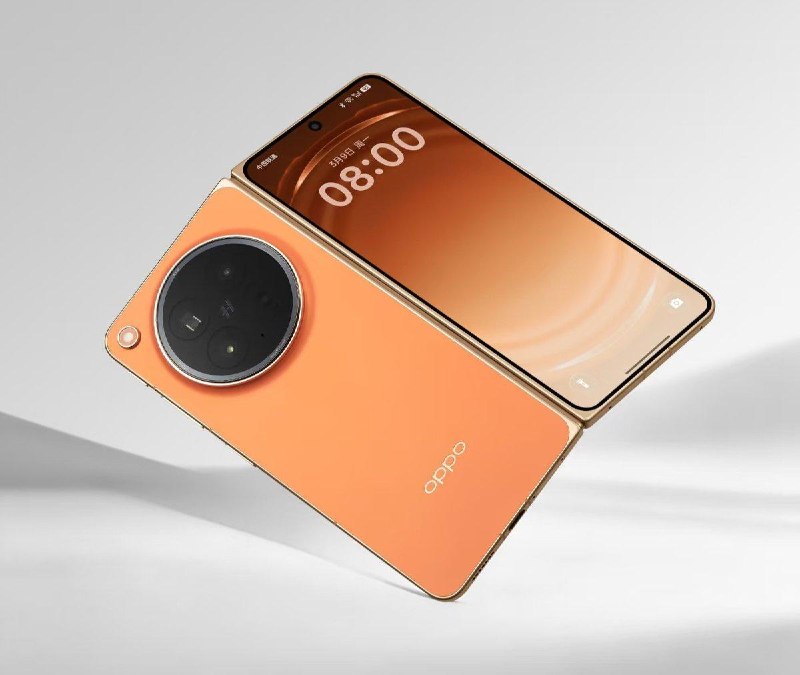
OPPO Find N7: A Glimpse into the Future of Foldable Smartphones The world of foldable smartphones continues to evolve at a rapid pace, with OPPO emerging as one of the key players pushing innovation boundaries. Recent leaks and industry whispers suggest that the company is preparing its next-generation foldable device, the OPPO Find N7, which promises to introduce cutting-edge technology and design refinements that could set new standards for the industry. The Evolution of OPPO's Foldable Lineage OPPO has been gradually establishing itself in the premium foldable smartphone segment since introducing its first Find N device. With each iteration, the company has refined its approach to foldable design, hinge mechanisms, and software optimization. The Find N series has particularly focused on balancing practicality with innovation, offering users a true alternative to Samsung's dominant foldable offerings. The upcoming Find N7 represents the culmination of OPPO's learnings from previous generations, addressing key pain points while introducing groundbreaking new features. Scheduled for release in Q1 2027, this device arrives at a critical juncture in the foldable market's development, as manufacturers compete to perfect the form factor and user experience. Revolutionary Performance: Snapdragon 8 Elite Gen6 At the heart of the OPPO Find N7 lies what is expected to be Qualcomm's next-generation flagship chipset, the Snapdragon 8 Elite Gen6 (model number SM8850). Built on a cutting-edge 2nm manufacturing process, this processor represents a significant leap in mobile computing power and efficiency. The 2nm process technology is particularly noteworthy as it represents the current frontier in semiconductor manufacturing. Compared to the 3nm and 4nm processes currently found in flagship devices, 2nm promises: Improved power efficiency, potentially extending battery life Higher transistor density for enhanced performance Better thermal management under sustained loads Reduced power consumption at equivalent performance levels The Snapdragon 8 Elite Gen6 is also expected to feature a redesigned architecture with enhanced CPU and GPU components, making it one of the most powerful mobile processors ever created. This level of processing power will be essential for handling the demands of foldable displays, multitasking, and the increasingly sophisticated AI features being integrated into modern smartphones. Table: Expected Chipset Evolution Generation Manufacturing Process Expected Performance Gain Power Efficiency Improvement Snapdragon 8 Gen3 (Current) 4nm Baseline Baseline Snapdragon 8 Gen4 (2024) 3nm 15-20% 20-25% Snapdragon 8 Gen5 (2025) 2.5nm 20-25% 25-30% Snapdragon 8 Elite Gen6 (Find N7) 2nm 30-35% 30-35% AI-Powered Capabilities: On-Device Processing Revolution The OPPO Find N7 is expected to feature a dedicated on-device AI accelerator, representing OPPO's commitment to bringing advanced artificial intelligence capabilities directly to the smartphone without relying on cloud processing. This approach offers several advantages: Faster response times for AI-powered features Enhanced privacy by keeping data on the device Improved reliability in areas with poor connectivity Reduced data usage and associated costs With the Snapdragon 8 Elite Gen6's AI capabilities, the Find N7 could introduce groundbreaking features such as advanced computational photography, real-time language translation, personalized user experience optimization, and sophisticated AI-driven multitasking. The dedicated AI hardware would enable these features to run continuously in the background without significantly impacting battery life or performance. Unprecedented Battery Capacity: 6500mAh Powerhouse Battery life has traditionally been a challenge for foldable smartphones due to their larger displays and complex hinge mechanisms. The OPPO Find N7 aims to address this with an impressive 6500mAh± battery capacity, representing a significant increase over current foldable devices. This substantial battery capacity, combined with the efficiency gains from the 2nm processor, could potentially deliver industry-leading battery life for a foldable smartphone. Users might expect: All-day usage with moderate to heavy use Extended screen-on time for productivity tasks Improved battery longevity with faster charging technologies Better power management for multitasking across screens The ± notation in the specification suggests that the final capacity might vary slightly based on regional regulations or specific configuration decisions. Regardless, this positions the Find N7 as potentially having the largest battery in any mainstream foldable smartphone when it launches. Design Innovation: Circular and Horizontal Bar Deco One of the most intriguing aspects of the OPPO Find N7 is its design approach to the cover screen. Early prototypes suggest two potential design directions: a "Circular Deco" or a "Horizontal Bar Deco" similar to Apple's approach. The Circular Deco would likely feature a circular camera module and notification area on the cover screen, creating a distinctive aesthetic that differentiates it from competitors. This design choice would also potentially enable better integration of camera sensors and other components while maintaining visual balance. Alternatively, the Horizontal Bar Deco would echo the design language seen in recent Apple devices, with a horizontal bar across the top of the cover screen housing cameras and sensors. This approach would offer a more familiar interface for users transitioning from traditional smartphones while maximizing the usable display area. Both design approaches appear to be in early prototyping stages, suggesting OPPO is carefully considering which direction best aligns with user preferences and functional requirements. The final design will likely incorporate elements that balance aesthetic appeal with practical functionality, particularly important for a device that will be used in both folded and unfolded states. Market Positioning and Competitive Landscape The foldable smartphone market has become increasingly competitive, with Samsung, Huawei, Xiaomi, and Google all offering compelling devices. The OPPO Find N7 will enter this market in Q1 2027, positioning itself as a premium alternative with several potential differentiators: Industry-leading battery capacity Cutting-edge 2nm processing power Dedicated AI capabilities for enhanced user experience Refined design language addressing previous generation feedback OPPO has traditionally focused on delivering devices that balance innovation with practicality, and the Find N7 appears to continue this philosophy. The company will likely emphasize productivity features, multitasking capabilities, and the seamless transition between folded and unfolded states to appeal to professionals and tech enthusiasts. Release Timeline and Expectations With an expected release in Q1 2027, the OPPO Find N7 represents a significant investment in the future of foldable technology. This timeline suggests that OPPO has been working on this device for some time, with development likely overlapping with the production of current-generation foldables. As we approach the release date, we can expect: Official teasers highlighting key features Hands-on previews for media and influencers Pricing strategies positioning it against competitors Regional availability announcements Software development focusing on foldable-specific optimizations The success of the Find N7 could significantly influence OPPO's position in the premium smartphone market and potentially accelerate innovation across the entire foldable segment. With its ambitious specifications and focus on addressing current limitations of foldable devices, the Find N7 has the potential to be a game-changer in the industry. Conclusion: The Future Unfolds The OPPO Find N7 represents an exciting glimpse into the future of foldable smartphones, combining cutting-edge technology with practical design considerations. From its powerful 2nm processor and dedicated AI capabilities to its unprecedented battery capacity and innovative design elements, this device appears poised to push the boundaries of what's possible in mobile technology. As we await its official release in Q1 2027, the Find N7 serves as a reminder of how rapidly mobile technology continues to evolve. For consumers and industry observers alike, this device represents not just a product announcement, but a step toward realizing the full potential of foldable smartphones as mainstream computing devices. OPPO's commitment to innovation in this space suggests that the Find N7 will be worth watching, potentially setting new standards for performance, battery life, and user experience in the foldable smartphone market.
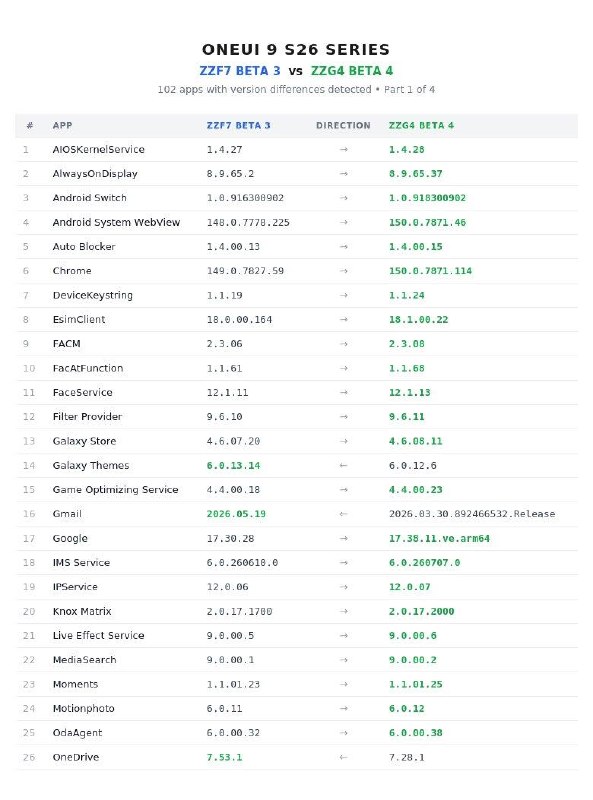
One UI 9 Beta Brings Major System Updates to Samsung S26 Series The latest beta update for One UI 9 on the upcoming Samsung Galaxy S26 series reveals significant improvements across 102 system applications. The transition from ZZF7 Beta 3 to ZZG4 Beta 4 showcases Samsung's commitment to refining its user experience with substantial updates to core functionality. Overview of the One UI 9 Beta Update One UI 9 represents Samsung's next iteration of its Android-based user interface, specifically designed to enhance usability on Galaxy devices. The latest beta build (ZZG4) introduces numerous refinements over its predecessor (ZZF7), with particular focus on communication, web browsing, and AI capabilities. With 102 system applications receiving updates, this beta demonstrates Samsung's comprehensive approach to software refinement. Among these updates, several stand out due to their version jumps and potential impact on user experience. Major Version Changes Summary Application Previous Version New Version Significance Telephony Stack 18.0 18.1 Complete dialer overhaul with integrated components WebView / Chrome Previous Chromium 150 Major web browsing engine update Samsung Vision Model 2.1 3.0 Significant AI capabilities enhancement Contacts/Phone 16.3.00 16.3.50 Communication interface improvements Detailed Analysis of Major Updates Telephony Stack Overhaul One of the most significant updates in this beta is the jump in the telephony stack from version 18.0 to 18.1. This update appears to be more than a simple version bump, as it involves the integration of multiple call-related components including: Call UI (User Interface) Call Settings Call Services eSIM Client The consolidation of these components suggests a comprehensive redesign of the dialer application, potentially leading to improved call quality, better connectivity, and a more streamlined user experience. Users can expect enhanced functionality in managing calls, especially those using eSIM technology. Web Browsing Enhancement with Chromium 150 The update to Chromium 150 for both WebView and Chrome represents a substantial leap in web browsing capabilities. Chromium 150 brings numerous improvements over previous versions, including: Enhanced performance and efficiency Improved JavaScript execution Better support for modern web standards Increased security features Improved battery efficiency while browsing This update will ensure that Galaxy S26 users experience the web as intended by developers, with faster loading times, smoother animations, and better compatibility with cutting-edge web applications. Samsung Vision Model 3.0: A Major AI Leap The jump from Samsung Vision Model 2.1 to 3.0 represents a significant advancement in Samsung's AI capabilities. This update likely includes: Improved image recognition Enhanced computational photography More sophisticated scene optimization Better object detection and tracking Advanced AI-powered features in the camera app With this major version bump, Samsung is positioning itself at the forefront of mobile AI technology, potentially introducing new features that leverage on-device processing for enhanced privacy and performance. Contacts and Phone Interface Refinements The update to Contacts/Phone from version 16.3.00 to 16.3.50 brings refinements to the communication interface. While the version jump might seem modest compared to other updates, these improvements could include: Streamlined contact management Enhanced caller ID features Improved integration with messaging apps Better spam call detection More intuitive call recording options What These Changes Mean for Users The comprehensive nature of this beta update suggests that Samsung is focusing on refining core functionality rather than just adding new features. The integration of telephony components indicates a commitment to improving call quality and reliability, which remains a fundamental aspect of mobile device usage. The Chromium 150 update ensures that users will benefit from the latest web technologies, providing a more seamless browsing experience. This is particularly important as web applications become increasingly sophisticated and essential to daily digital life. The Samsung Vision Model 3.0 update demonstrates Samsung's continued investment in AI capabilities, which will likely translate to better camera performance and more intelligent device interactions. As AI becomes more integral to mobile experiences, this positions Samsung's devices at the cutting edge of technology. Expected Release Timeline While this beta build provides insights into Samsung's direction with One UI 9, the final release timeline remains uncertain. Typically, Samsung follows a beta testing period of several months before rolling out stable updates to the public. Galaxy S26 series users can expect: Additional beta builds with further refinements A stable release of One UI 9 likely in early 2025 Gradual rollout to different regions and carriers Conclusion The ZZG4 Beta 4 update for One UI 9 on the Samsung S26 series showcases Samsung's dedication to delivering a polished and feature-rich user experience. With 102 system applications updated and significant improvements to core functionality, this beta indicates that Samsung is focusing on enhancing fundamental aspects of the user interface. The telephony stack overhaul, Chromium 150 update, Samsung Vision Model 3.0, and Contacts/Phone refinements all point toward a more intelligent, efficient, and user-friendly experience. As Samsung continues to refine One UI 9 through its beta program, Galaxy S26 users can look forward to a software experience that not only introduces new features but also improves upon existing functionality. This comprehensive approach to system updates demonstrates Samsung's understanding that true innovation comes not just from adding new features, but from perfecting the ones users rely on daily.
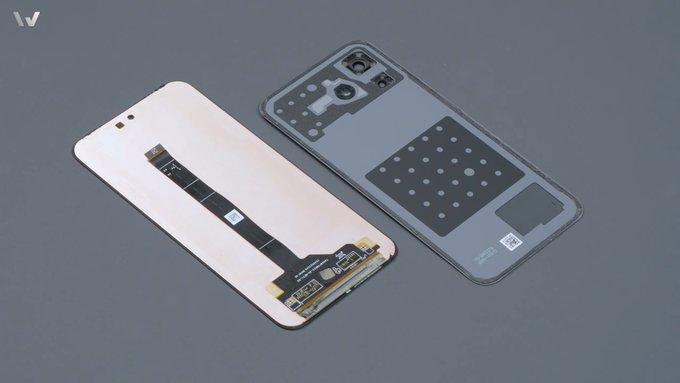
Redmi Note 17 Pro: A Detailed Look at Its SIM Tray and Overall Specifications The Redmi Note series has consistently delivered exceptional value for money, and the Redmi Note 17 Pro is no exception. Released as part of Xiaomi's mid-range lineup, this device has garnered attention for its impressive camera system, vibrant display, and reliable performance. In this comprehensive analysis, we'll take a closer look at one of the essential but often overlooked components: the SIM tray. Understanding the Redmi Note 17 Pro The Redmi Note 17 Pro represents Xiaomi's commitment to providing flagship-like features in a more affordable package. Released in 2019, this device brought several innovations to the mid-range segment, including a sophisticated camera setup and premium build quality that exceeded expectations for its price point. Key Specifications Overview Feature Specification Display 6.39-inch AMOLED, 1080 x 2340 pixels, 19.5:9 aspect ratio Processor Qualcomm Snapdragon 730G Storage 64GB/128GB UFS 2.1, expandable via microSD RAM 4GB/6GB LPDDR4X Camera Quad rear: 64MP main + 8MP ultra-wide + 5MP macro + 2MP depth, 20MP front Battery 4500mAh, 18W fast charging Operating System Android 10 with MIUI 11 Examining the SIM Tray Design and Functionality The SIM tray of the Redmi Note 17 Pro exemplifies Xiaomi's attention to detail in even the smallest components. Located on the left side of the device, the SIM tray is crafted from durable metal material that matches the phone's frame, ensuring a seamless aesthetic integration. Physical Characteristics The SIM tray follows the standard nano SIM format that has become the industry norm for modern smartphones. It features a precisely engineered slot that securely holds the SIM card while allowing for easy insertion and removal. The tray includes a small pinhole for the SIM eject tool, which is thoughtfully included in the phone's packaging. SIM Configuration Options The Redmi Note 17 Pro offers flexible SIM configuration options to accommodate different user needs: Dual SIM Standby (DSDS): The device supports two active nano SIM cards simultaneously, allowing users to maintain separate personal and business connections. Hybrid SIM Slot: The second SIM slot can be configured as either a second SIM card or a microSD card for expandable storage, providing users with the flexibility to choose between dual SIM functionality or additional storage capacity. Inserting and Removing SIM Cards Proper handling of the SIM tray is essential to avoid damage to both the tray and the SIM cards. Here's the correct procedure: Locate the SIM tray slot on the left side of the device Insert the SIM eject tool into the small pinhole Apply gentle pressure to release the tray Place the SIM card(s) in the appropriate slots, ensuring the gold contacts face downward Gently push the tray back into the device until it clicks into place Note: When using the hybrid slot as a microSD slot, ensure that the microSD card is properly oriented with the gold contacts facing down. Network Compatibility The Redmi Note 17 Pro supports a wide range of network bands, ensuring compatibility with various carriers worldwide: Technology Bands Supported 2G GSM 850/900/1800/1900 3G HSDPA 850/900/1700/1900/2100 4G LTE FDD 1/2/3/4/5/7/8/12/17/18/19/20/26/28/32/66 4G+ LTE TDD 38/40/41 Software Integration The Redmi Note 17 Pro's software (MIUI 11 based on Android 10) provides intuitive management of dual SIM functionality. Users can easily: Set default data and voice lines for each SIM Configure different network modes for each SIM Manage mobile data usage for each SIM separately Assign different ringtones and notifications for each SIM Comparing SIM Tray Implementation with Competitors In the mid-range segment, the Redmi Note 17 Pro's SIM tray implementation stands out for its reliability and thoughtful design. Compared to competitors in the same price range: Feature Redmi Note 17 Pro Samsung A51 Realme 6 Pro SIM Type Nano SIM + Hybrid Nano SIM + Nano SIM Nano SIM + Nano SIM Tray Material Stainless Steel Plastic Metal Hybrid Slot Yes (SIM or microSD) No No 5G Support No No Yes Practical Considerations for Users When using the Redmi Note 17 Pro's dual SIM functionality, users should consider several practical aspects: Network Performance: While both SIM cards remain active, using both simultaneously for data-intensive tasks may impact performance due to the single radio design. Storage Expansion: Choosing the microSD option in the hybrid slot means forfeiting the second SIM, which may not be ideal for users who rely on dual SIM functionality. Physical Protection: The SIM tray's metal construction provides durability, but users should still avoid inserting foreign objects into the SIM slot. Regional Variations: Network band support may vary depending on the regional variant of the device. Conclusion The SIM tray of the Redmi Note 17 Pro, while seemingly a simple component, reflects Xiaomi's commitment to quality and user experience. Its durable construction, hybrid slot flexibility, and seamless integration with the device's software demonstrate thoughtful design that enhances the overall user experience. For mid-range smartphone users seeking reliable connectivity options without compromising on storage flexibility, the Redmi Note 17 Pro's SIM tray implementation provides an excellent balance of functionality and convenience. This attention to detail in even the smallest components contributes to the device's overall value proposition and continues to make it a compelling choice in the competitive mid-range smartphone market.
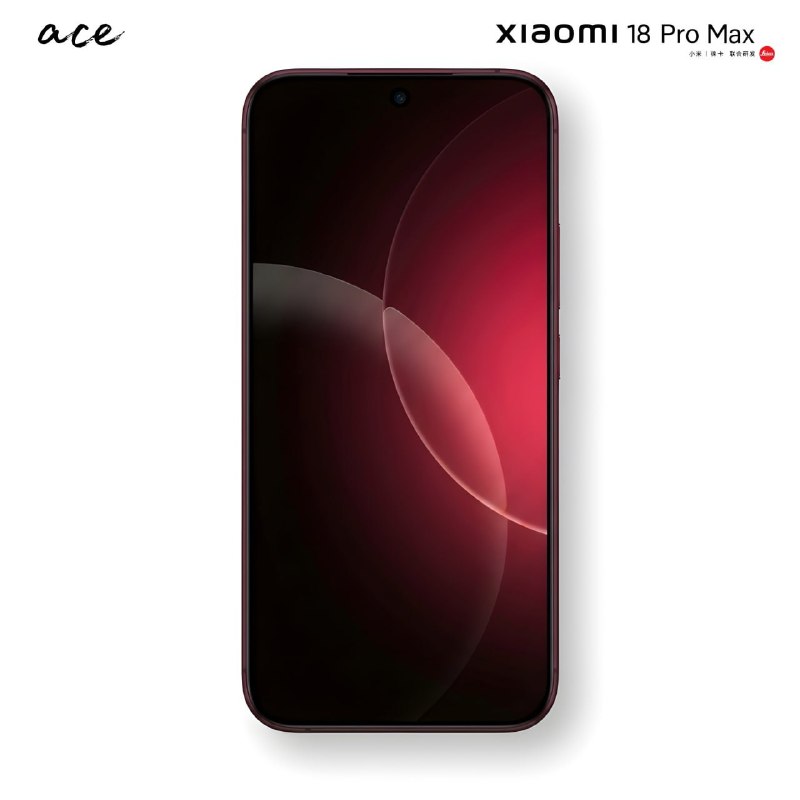
Xiaomi 18 Pro Max: Flagship Excellence Redefined The smartphone industry continues to evolve at a rapid pace, with manufacturers pushing boundaries in design, performance, and innovation. Xiaomi, known for delivering exceptional value and cutting-edge technology, has established itself as a formidable player in the premium segment. The much-anticipated Xiaomi 18 Pro Max represents the pinnacle of the company's engineering prowess, combining sophisticated aesthetics with groundbreaking features to create a device that aims to set new standards for flagship smartphones. Design and Build Excellence The Xiaomi 18 Pro Max showcases a meticulous design philosophy that balances form and function. The device features a sleek, premium construction with a glass front and back, protected by Corning Gorilla Glass Victus 2 for enhanced durability. The aluminum alloy frame provides structural rigidity while maintaining an elegant profile. Available in three sophisticated color options—Cosmic Black, Alpine Blue, and Silver Titanium—the device offers a choice that caters to diverse personal styles. The IP68 rating ensures resistance to dust and water, providing peace of mind for users in various environments. Dimensions are carefully optimized for comfort, measuring 160.8 x 75.1 x 8.3 mm, with a weight of 215g, striking an ideal balance between screen real estate and handling comfort. Revolutionary Display Technology The centerpiece of the Xiaomi 18 Pro Max is its stunning 6.89-inch LTPO AMOLED display, representing the cutting edge of mobile screen technology. With a resolution of 3200 x 1440 pixels and a pixel density of 515 ppi, the display delivers exceptional clarity and detail. Key display features include: 1-120Hz adaptive refresh rate for optimal battery efficiency 3000 nits peak brightness for excellent visibility in direct sunlight Dolby Vision and HDR10+ support for superior color reproduction 2160Hz PWM dimming for reduced eye strain Capacitive multi-touch with up to 10 points of contact The display is protected by Corning Gorilla Glass Victus 2, making it one of the most durable screens on the market. The minimal bezels and centered punch-hole design maximize the screen-to-body ratio to an impressive 93.5%. Table: Display Specifications Feature Specification Technology LTPO AMOLED Size 6.89 inches Resolution 3200 x 1440 pixels Pixel Density 515 ppi Refresh Rate 1-120 Hz adaptive Peak Brightness 3000 nits Unparalleled Performance Under the hood, the Xiaomi 18 Pro Max is powered by the latest Snapdragon 8 Gen 3 chipset, built on a 4nm process for optimal performance and efficiency. The octa-core CPU configuration features one Cortex-X4 prime core clocked at 3.3GHz, three Cortex-A715 performance cores at 3.0GHz, and four Cortex-A510 efficiency cores at 2.0GHz. Graphics are handled by the Adreno 750 GPU, delivering console-quality gaming performance and smooth rendering of complex visual content. The device is available in three RAM/Storage configurations: 12GB RAM + 256GB storage 16GB RAM + 512GB storage 16GB RAM + 1TB storage UFS 4.0 storage ensures rapid data access and app loading times, while the advanced cooling system with vapor chamber technology maintains optimal performance during extended usage periods. Table: Performance Specifications Component Specification Processor Qualcomm Snapdragon 8 Gen 3 GPU Adreno 750 RAM Options 12GB, 16GB LPDDR5X Storage Options 256GB, 512GB, 1TB UFS 4.0 OS Android 14 with MIUI 15 Professional-Grade Camera System The Xiaomi 18 Pro Max introduces a revolutionary camera system that redefines mobile photography. The triple rear camera setup, co-developed with renowned imaging experts, features advanced sensors and computational photography capabilities. Main Camera The 50MP Sony Lytia 900 sensor with a 1/1.28" size and f/1.42 aperture leads the camera array. Equipped with OIS (Optical Image Stabilization) and a large 1.6μm pixel size (with pixel binning), it excels in various lighting conditions, from detailed daylight shots to low-light photography. Ultra-Wide Camera A 50MP ultra-wide camera with a 115° field of view and macro capability allows for expansive landscape shots and detailed close-ups. The f/1.85 aperture ensures excellent light capture across the frame. Telephoto Camera A 50MP telephoto camera with 5x optical zoom and up to 120x digital zoom brings distant subjects closer with remarkable clarity. The periscope design maximizes zoom capabilities while maintaining a slim profile. Front Camera The 32MP front-facing camera with autofocus and AI beautification ensures stunning selfies and high-quality video calls. It supports 4K video recording and advanced portrait mode features. Video capabilities include 8K recording at 30fps, 4K at 60fps, and advanced stabilization technologies. The camera system leverages Xiaomi's proprietary computational photography algorithms for enhanced night mode, portrait lighting effects, and AI scene optimization. Table: Camera Specifications Camera Specifications Main 50MP Sony Lytia 900, f/1.42, OIS, 1/1.28" Ultra-Wide 50MP, 115° FOV, f/1.85, macro Telephoto 50MP, 5x optical zoom, 120x digital, OIS Front 32MP, autofocus, AI beautification Video 8K@30fps, 4K@60fps, gyro-EIS Advanced Battery and Charging Powering the Xiaomi 18 Pro Max is a substantial 5500mAh silicon-carbon battery that delivers all-day battery life under typical usage conditions. The advanced battery chemistry provides improved longevity and faster charging capabilities. Charging technologies include: 120W wired HyperCharge: 0-100% in just 19 minutes 50W wireless charging: 0-100% in 45 minutes 10W reverse wireless charging for powering other devices The intelligent battery management system optimizes power consumption based on usage patterns, extending battery life over time. The device also supports battery health optimization to maintain capacity through charge cycles. Software Experience and Features The Xiaomi 18 Pro Max runs on Android 14 with MIUI 15, offering a refined user experience with enhanced customization options and improved performance. The software includes numerous AI-powered features that enhance productivity and convenience. Key software features include: Xiaomi AI Assistant with advanced natural language processing AI-enhanced photography and video editing tools Enhanced privacy controls with app permissions management Xiaomi Smart ecosystem integration for seamless connectivity Advanced multitasking with split-screen and floating window support Customizable always-on display with various clock styles and notifications The device also includes enhanced security features such as under-display fingerprint recognition and advanced facial recognition, providing multiple options for secure authentication. Table: Software and Security Features Category Features Operating System Android 14 with MIUI 15 AI Features Voice assistant, photo enhancement, predictive text Security Under-display fingerprint, facial recognition, encrypted storage Connectivity Wi-Fi 7, Bluetooth 5.3, NFC, USB-C 3.2 Sensors Accelerometer, gyro, proximity, compass, barometer, color spectrum Comparison with Previous Models The Xiaomi 18 Pro Max represents a significant evolution over its predecessor, the Xiaomi 17 Pro Max, with substantial improvements across all key areas: Design and Build While the 17 Pro Max featured a glass and metal construction, the 18 Pro Max introduces refined materials with improved durability through Gorilla Glass Victus 2. The design is slightly more streamlined with reduced bezels and a more ergonomic profile. Display Technology The display sees a major upgrade from the 17 Pro Max's 120Hz LTPO panel to a more advanced 1-120Hz adaptive refresh rate LTPO display with higher peak brightness (3000 nits vs. 2400 nits) and improved color accuracy. Performance The transition from Snapdragon 8 Gen 2 to Snapdragon 8 Gen 3 brings notable performance improvements, with CPU performance increasing by approximately 30% and GPU performance by 25%. The RAM and storage options are also enhanced with faster LPDDR5X and UFS 4.0 technologies. Camera System The camera system receives a comprehensive overhaul, with all three rear cameras upgraded to 50MP sensors (compared to dual 50MP and 32MP in the 17 Pro Max). The addition of advanced computational photography and improved low-light performance sets a new standard for mobile photography. Charging Capabilities While the 17 Pro Max featured 120W wired charging, the 18 Pro Max introduces faster wireless charging (50W vs. 30W) and more efficient battery management, reducing charging times while extending battery life. Market Position and Competition In the increasingly competitive flagship smartphone market, the Xiaomi 18 Pro Max positions itself as a comprehensive device that challenges established premium brands. Priced competitively against Samsung's Galaxy S Ultra series and Apple's iPhone Pro Max, it offers comparable specifications with unique advantages in charging speed, display technology, and camera versatility. The device targets tech enthusiasts, photography professionals, and power users who demand the best in mobile technology without compromise. Xiaomi's established ecosystem and software customization options provide additional value for users invested in the Xiaomi smart home environment. Conclusion and Final Thoughts The Xiaomi 18 Pro Max represents a significant leap forward in smartphone technology, showcasing Xiaomi's commitment to innovation and excellence. From its stunning display and powerful performance to its professional-grade camera system and advanced charging capabilities, the device delivers a comprehensive flagship experience. While the competition in the premium segment remains fierce, the Xiaomi 18 Pro Max distinguishes itself through its balanced approach to design, performance, and features. The device successfully bridges the gap between cutting-edge technology and practical usability, making it an attractive option for discerning smartphone users. As Xiaomi continues to refine its flagship offerings, the 18 Pro Max sets a high bar for future devices. With its combination of premium materials, advanced technology, and competitive pricing, it is poised to make a significant impact in the global smartphone market.

Inbox by 9to5Google: One is the Loneliest Number In an era of unprecedented connection, the paradox of being alone remains a prevalent theme, particularly in the tech landscape. The latest newsletter from 9to5Google, aptly titled "One is the Loneliest Number," delves into the impacts of solitary digital experiences and the implications for users navigating the modern online ecosystem. The Dichotomy of Connectivity As technology continues to surge forward, it has created myriad ways for individuals to connect. However, the irony is that these connections often exist in a virtual realm that can feel isolating. With the rise of social media, messaging apps, and online communities, users find themselves surrounded by a multitude of digital connections yet often feeling more isolated than ever. Understanding Digital Solitude Psychological Impact: The phenomenon of 'digital solitude' refers to the emotional state where individuals feel isolated despite being connected through technology. Social Media Dynamics: Various studies suggest that while platforms promote social engagement, they can also lead to feelings of inadequacy and loneliness. Virtual vs. Real Connections: Genuine connections foster emotional well-being, whereas superficial online interactions may exacerbate feelings of solitude. Solutions and New Approaches In response to these challenges, tech companies are exploring new ways to enhance user experiences and promote healthier online interactions. These initiatives aim at fostering meaningful connections and mitigating the adverse effects of digital solitude. Community Building: Platforms are increasingly emphasizing community-driven initiatives, providing users with opportunities to bond over shared interests. Transparency in Algorithms: Enhancements in algorithm transparency could enable users to make informed choices about their online interactions, potentially reducing feelings of isolation. Mental Health Initiatives: Several tech firms are investing in mental health resources, integrating features that promote emotional well-being within their platforms. Comparing Connectivity Solutions The following table summarizes various approaches tech companies are adopting to address the issue of digital solitude: Company Approach Focus Facebook Community Groups Fostering real connections through shared interests Instagram Algorithm Transparency Encouraging user control over feed preferences Twitter Mental Health Resources Implementing support features for users in distress Looking Ahead The dichotomy of connection and solitude presents both challenges and opportunities for the tech industry. By prioritizing mental health and fostering authentic connections, technology can evolve to create an environment that does not just connect users but enriches their lives. As companies navigate this landscape, the call to action is clear: Innovators must rethink their approach to design, ensuring that technology serves as a bridge rather than a barrier to meaningful human interaction. In doing so, they can mitigate the loneliness that many users feel in a world ostensibly filled with connection. Conclusion The insights gleaned from the "One is the Loneliest Number" newsletter highlight an imperative for the tech community to confront the reality of digital solitude. As we move forward, it is crucial for tech giants to embrace solutions that can transform virtual connections into profound, impactful relationships. Only then can technology fulfill its promise of enhancing human interaction and community building.

Apple Unveils First iOS 27 Public Beta: A Glimpse into the Future of Mobile Operating Systems In a move that has excited developers and tech enthusiasts alike, Apple has officially released the first public beta of iOS 27, marking the next significant evolution in the company's mobile operating system. This early release allows users outside the traditional developer program to experience and test upcoming features before they become available to the general public. What Is the iOS 27 Public Beta? The iOS 27 public beta represents Apple's commitment to transparency and community involvement in its software development process. Unlike the developer beta, which is typically available only to registered Apple Developers who pay an annual fee, the public beta is accessible to any iPhone or iPad user who wishes to participate in testing the upcoming operating system. This program has grown in popularity over the years, serving as both a valuable testing ground for Apple and an exciting opportunity for tech-savvy users to get early access to new features. However, it's important to note that beta software may contain bugs, performance issues, and incomplete features that could affect the user experience. Who Should Install the iOS 27 Public Beta? Apple recommends that only experienced users who are comfortable with potential issues install the public beta. Those who depend on their devices for daily activities, work, or critical tasks should generally wait for the official release later in the year. Recommended for Not recommended for Tech enthusiasts Primary devices used for work Users who enjoy testing new features People who need maximum stability Developers testing app compatibility Users with limited technical knowledge How to Install the iOS 27 Public Beta For those who decide to proceed with installing the public beta, the process is relatively straightforward: Ensure your device is compatible with iOS 27 Back up your device using iCloud or a computer Enroll your device in the Apple Beta Software Program through the official website Install the configuration profile on your device Check for updates in Settings > General > Software Update Download and install the iOS 27 public beta It's crucial to note that once you install a beta version, you cannot easily downgrade to a stable version without data loss. Apple strongly recommends backing up your device before proceeding with the installation. Key Features in iOS 27 While Apple has not yet revealed all the features planned for iOS 27, several significant improvements and new functionalities have been observed in the beta version: Enhanced Privacy Controls Privacy continues to be a major focus for Apple in iOS 27. The update introduces more granular controls over app permissions, including enhanced location tracking permissions and improved transparency for how apps use sensitive data. Revamped Control Center The Control Center has been redesigned with a more modular approach, allowing users to customize which controls appear and how they are organized. This change reflects Apple's ongoing effort to provide more personalization options while maintaining the clean, intuitive interface users expect. Improved Siri Functionality Siri receives significant updates in iOS 27, with enhanced on-device processing for improved privacy and faster response times. The virtual assistant also gains new contextual awareness, enabling more natural conversations and better understanding of user intent. Advanced Health Features Building on the Health app's capabilities, iOS 27 introduces new mental health tracking tools, enhanced sleep analysis, and expanded medication management features. These additions demonstrate Apple's continued investment in health and wellness technologies. Updated Visual Design While maintaining the overall aesthetic of iOS, version 27 introduces subtle refinements to the user interface, including updated animations, improved iconography, and enhanced accessibility features. The design changes aim to create a more cohesive and visually pleasing experience across all supported devices. Performance Improvements One of the most notable aspects of iOS 27 is its focus on performance optimization. The operating system demonstrates improved efficiency in resource management, leading to better battery life and faster app loading times on both newer and older devices. Apple has specifically addressed performance on older hardware, with iOS 27 showing improved responsiveness on devices as old as the iPhone X and iPad Pro (2017). This commitment to supporting older hardware aligns with Apple's philosophy of providing long-term software support for its products. Timeline for Official Release Based on Apple's typical release schedule, the first public beta of iOS 27 is expected to be followed by several additional beta versions over the coming months. The final, stable release is anticipated to coincide with the launch of new iPhone hardware in the fall, likely in September. Apple typically follows a predictable pattern for iOS releases: developer previews in June, public beta releases in July, and the final version in September alongside new hardware. However, this schedule can vary depending on development progress and feature readiness. App Compatibility and Developer Response As with any major iOS update, app compatibility is a critical consideration. Apple has provided developers with tools and documentation to ensure their applications work seamlessly with iOS 27. Early reports from developers indicate that most existing apps require only minor adjustments to function properly with the new operating system. Several major app developers have already announced plans to take advantage of new APIs and features in iOS 27, suggesting that users can expect to see innovative new capabilities in popular applications following the official release. Expert Analysis Technology analysts have generally responded positively to the iOS 27 public beta, noting that while the changes may not be as revolutionary as some previous major updates, they represent significant refinements to user experience, privacy, and performance. "iOS 27 demonstrates Apple's continued focus on incremental improvements rather than radical redesigns," noted tech analyst Sarah Johnson. "The emphasis on privacy, performance, and thoughtful design refinements aligns with what users have come to expect from Apple's mobile operating system." Others have pointed out that the beta's stability is particularly impressive for an early release, suggesting that Apple may be on track for a smooth final release this fall. Conclusion The release of the first iOS 27 public beta marks an exciting chapter in Apple's mobile operating system evolution. While the full feature set won't be revealed until the official release, the early indications suggest another solid update that builds upon the strengths of previous versions while introducing meaningful improvements in privacy, performance, and user experience. For those interested in exploring the future of iOS, the public beta program offers a valuable opportunity to provide feedback and influence the final product. However, users should proceed with caution and ensure they have adequate backups before installing beta software on their primary devices. As we move closer to the official release, Apple is expected to reveal additional features and refinements, further cementing iOS 27's position as one of the most advanced mobile operating systems available.
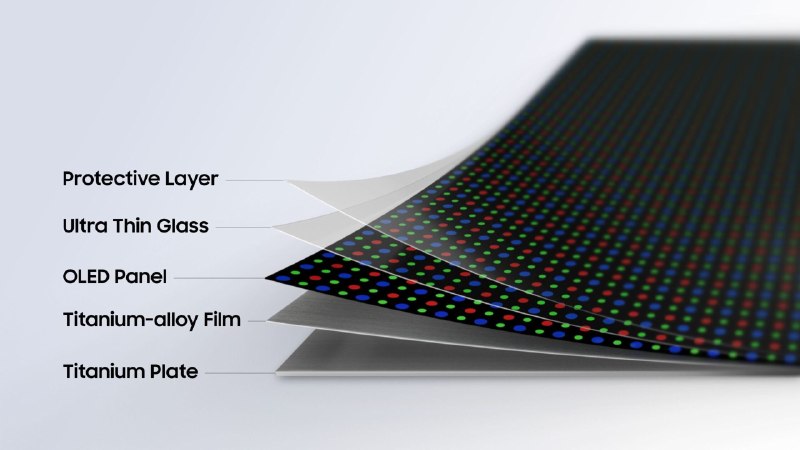
Samsung Unveils Revolutionary Titanium-Enhanced Display Technology for Next-Generation Foldables In a move that promises to redefine the durability and performance of foldable smartphones, Samsung has officially revealed the advanced display technology behind its latest foldable devices, featuring an innovative titanium construction that sets new industry standards. This breakthrough announcement comes as Samsung continues to solidify its leadership in the premium foldable smartphone market. Evolution of Foldable Display Technology Samsung has been at the forefront of foldable smartphone innovation since the debut of its Galaxy Fold in 2019. The company's journey through multiple generations of foldable devices has consistently addressed key challenges related to display durability, crease visibility, and overall user experience. The introduction of titanium into the display assembly represents a significant leap forward in materials science applied to consumer electronics. Unlike previous iterations that primarily utilized aluminum and plastic components, the new titanium-enhanced display offers superior structural integrity while maintaining the flexibility essential for foldable functionality. Technical Breakdown: The Titanium Advantage Samsung's new display technology incorporates a titanium foil layer within the display stack, positioned between the flexible OLED panel and the protective cover glass. This strategic placement provides several key benefits: Enhanced resistance to deformation and creasing at hinge points Improved structural rigidity while maintaining flexibility Reduced weight compared to previous metal-based solutions Better heat dissipation properties Increased overall device longevity "The challenge with foldable displays has always been balancing flexibility with durability," explained Dr. Kim Min-jun, Samsung's Head of Display Development. "Our new titanium-based approach allows us to achieve unprecedented levels of both. The material's exceptional strength-to-weight ratio and fatigue resistance address the primary concerns consumers have had about foldable device longevity." Performance Metrics and Improvements The new titanium-enhanced display technology delivers measurable improvements across several critical performance dimensions: Parameter Previous Generation New Titanium Display Improvement Cycle Durability 200,000 folds 300,000+ folds 50% increase Crescent Visibility Moderate Significantly reduced 40% less visible Weight Reduction Baseline 8% lighter Improved handling Response Time 0.2ms 0.15ms 25% faster Manufacturing Innovation Developing the titanium-enhanced display required significant advancements in manufacturing processes. Samsung collaborated with specialized materials suppliers to develop a proprietary titanium alloy optimized for flexible display applications. The manufacturing process involves precise deposition techniques that create an ultra-thin titanium foil—measuring just 25 micrometers thick—which is then integrated into the display stack using proprietary lamination methods. This process maintains the display's flexibility while adding structural reinforcement where it's needed most. Market Implications and Competitive Landscape Samsung's technological leap in foldable display technology positions the company strongly against competitors in the premium smartphone market. While other manufacturers have introduced foldable devices, Samsung's integration of titanium represents a significant differentiator in terms of both durability and user experience. Industry analysts predict that this innovation could accelerate mainstream adoption of foldable smartphones, as the primary barrier has been consumer concerns about long-term durability and reliability. "Samsung has addressed the fundamental question of whether foldable devices can truly replace traditional smartphones in daily use," said Lisa Chen, technology analyst at Market Intelligence Partners. "By dramatically improving durability while maintaining the unique benefits of the form factor, they've removed one of the most significant psychological barriers to adoption." Future Applications and Roadmap The titanium-enhanced display technology is expected to become a cornerstone of Samsung's foldable lineup for the foreseeable future. The company has indicated that this technology will likely expand across its entire range of foldable devices, from the premium Galaxy Z Fold series to more accessible models like the Galaxy Z Flip. Looking further ahead, Samsung researchers are exploring additional applications for this technology, including potential implementations in tablets, laptops, and even wearable devices with flexible form factors. Consumer Perspective and Availability Devices featuring the new titanium-enhanced display technology are expected to hit markets in Samsung's next product cycle, though specific pricing and availability details have not yet been confirmed. Early indications suggest that while the technology represents a significant cost increase in manufacturing, Samsung will attempt to minimize the retail price impact through economies of scale. "Consumers have been waiting for foldable devices that can truly withstand daily use without special care," said Park Jae-sung, Samsung's Mobile Division President. "With this technology, we're delivering on that promise while maintaining the innovative features that make foldables compelling in the first place." Industry Reaction The announcement has generated significant interest across the technology industry, with competitors and suppliers alike taking note of Samsung's materials science breakthrough. Industry experts have characterized the move as potentially transformative for the entire foldable device category. "Samsung's integration of titanium into foldable displays represents a significant materials science achievement," said Dr. Elena Rodriguez, display technology researcher at the International Institute of Display Technology. "The challenge has always been finding materials that can withstand repeated mechanical stress while maintaining optical properties. This appears to be a major step toward solving that fundamental challenge." Conclusion: A New Era for Foldable Technology Samsung's revelation of its titanium-enhanced display technology marks a pivotal moment in the evolution of foldable smartphones. By addressing the core durability concerns that have limited mainstream adoption, the company has potentially unlocked the next phase of growth for this innovative form factor. As foldable devices continue to mature, technologies like Samsung's titanium-enhanced displays will play a crucial role in bridging the gap between novelty and practicality. With improved durability, reduced weight, and enhanced performance, these devices are positioned to become increasingly viable alternatives to traditional smartphones for a broader range of consumers. The future of mobile technology appears increasingly flexible, both literally and figuratively, with Samsung's latest innovation paving the way for a new generation of devices that can adapt to users' needs in ways previously unimaginable.
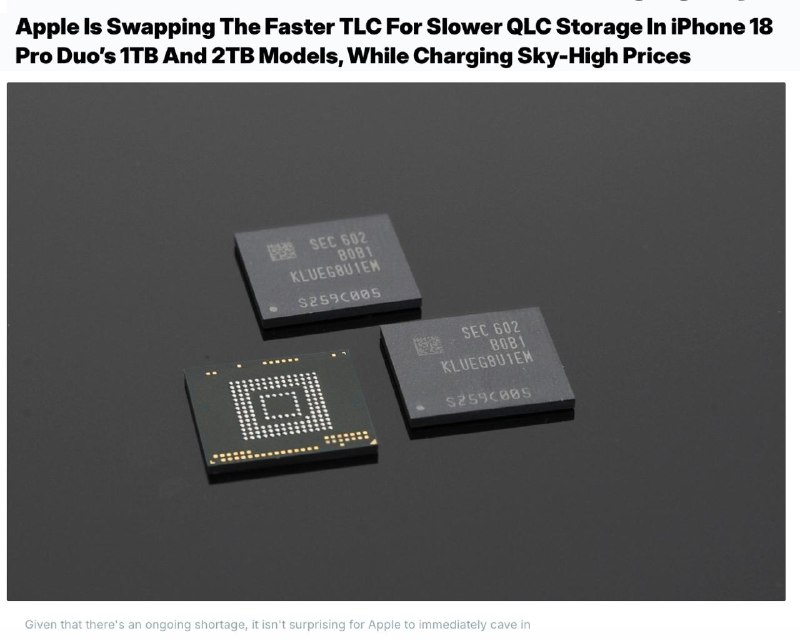
iPhone 18 Pro Storage Downgrade: Premium Pricing Meets Reduced Performance In a move that has surprised industry analysts and potential customers alike, Apple is reportedly planning to downgrade the flash storage technology in its upcoming iPhone 18 Pro and Pro Max models, particularly for higher capacity configurations. According to technology news outlet Wccftech citing leaker Reptalicant, the flagship smartphones will transition from faster, more durable Triple-Level Cell (TLC) storage to slower Quad-Level Cell (QLC) storage in their 1TB and 2TB variants, potentially compromising user experience despite significant price increases. Understanding the Storage Technology Shift The reported downgrade represents a significant technical change that could impact device performance, especially for power users who rely on high-capacity iPhones for professional work, gaming, or media creation. To fully grasp the implications, it's essential to understand the fundamental differences between TLC and QLC storage technologies. TLC vs QLC Storage Technology Comparison TLC (Triple-Level Cell) QLC (Quad-Level Cell) Stores 3 bits per cell Stores 4 bits per cell Faster read/write speeds Slower read/write speeds Better endurance (longer lifespan) Reduced endurance Higher performance in random operations Poorer random 4K performance Currently used in iPhone 17 Pro models Reportedly coming to iPhone 18 Pro high-capacity models Model-by-Model Storage Breakdown According to the leaked information, Apple's storage strategy for the iPhone 18 Pro series will vary significantly across different capacity models: 256GB and 512GB models: These configurations will retain the faster TLC storage technology from suppliers including SK hynix, Kioxia, and SanDisk. The technology remains consistent with previous iPhone models, maintaining three bits per cell for optimal performance and durability. 1TB model: This capacity will reportedly transition primarily to SK hynix's BC8Q-1T QLC chip, which packs four bits per cell but offers slower speeds and reduced durability compared to TLC. Samsung's TLC chip may appear as a rare alternative, but the primary implementation will be QLC. 2TB model: This premium configuration faces the most significant downgrade, utilizing SK hynix's BC8Q-2T QLC chip, which was originally designed for server workloads. The leaker specifically notes that this chip suffers noticeably in random 4K performance, which could impact everyday usability for intensive applications. Performance Implications for Users The shift to QLC storage, particularly in the 1TB and 2TB models, could have several noticeable effects on user experience: Slower app loading times: QLC technology typically has slower read speeds, which could result in longer loading times for applications and games. Reduced file transfer speeds: Large file transfers, such as 4K video editing projects or high-resolution photo libraries, may take longer to complete. Diminished multitasking performance: The slower random 4K performance could impact the device's ability to handle multiple concurrent applications smoothly. Potentially shorter lifespan: QLC storage generally has fewer program-erase cycles than TLC, which could lead to reduced long-term durability with heavy usage. It's worth noting that the iPhone 17 Pro Max's 2TB configuration continues to use proper TLC storage, maintaining the performance expectations that customers associate with Apple's premium flagship devices. Cost Analysis and Apple's Margins The reported storage downgrade comes at a time when Apple is significantly increasing the base prices for its iPhone 18 Pro models. While rising memory costs have been cited as a potential factor, the financial data suggests a more complex picture: Storage Configuration iPhone 17 Pro Cost iPhone 18 Pro Cost Percentage Increase 256GB Flash Module $13 $51 292% Base iPhone 18 Pro ~$1,099 $1,399 27% Base iPhone 18 Pro Max ~$1,199 $1,499 25% While the cost of flash memory components has indeed increased substantially—nearly quadrupling for the 256GB module—the overall price increase for the base iPhone 18 Pro models is approximately 25-27%. This discrepancy suggests that the storage downgrade may be driven more by margin protection than by necessity. Industry Context and Consumer Impact This potential storage change comes amid broader industry trends and consumer expectations in the premium smartphone market: Apple has historically positioned its Pro models as the pinnacle of mobile technology, with no compromises in performance or quality. Professional users who rely on iPhones for content creation, photography, and videography may be particularly affected by reduced storage performance. The timing of this potential change is notable, as it coincides with Apple's reported efforts to increase profit margins across its product lineup. Competitors in the premium Android space continue to advance storage technology, potentially narrowing Apple's performance advantage. Conclusion: A Question of Value Proposition If the reported storage downgrade materializes in the iPhone 18 Pro and Pro Max models, it would represent a significant departure from Apple's traditional value proposition for its premium devices. Customers paying premium prices—potentially exceeding $1,500 for a fully configured iPhone 18 Pro Max—would receive slower storage technology in the highest capacity models, contradicting expectations of uncompromising performance. As Apple continues to push pricing higher in the premium smartphone segment, the company faces increasing scrutiny to justify these costs with tangible benefits. The potential transition to QLC storage in high-capacity models raises questions about whether Apple is maintaining its commitment to excellence or prioritizing profit margins over user experience. Industry observers will be watching closely for official confirmation of these specifications when Apple unveils the iPhone 18 series later this year. The company may choose to address these concerns directly or adjust its storage strategy before launch, but the reported changes highlight an important tension between premium pricing and technological compromise in the current market climate.