 TechOffice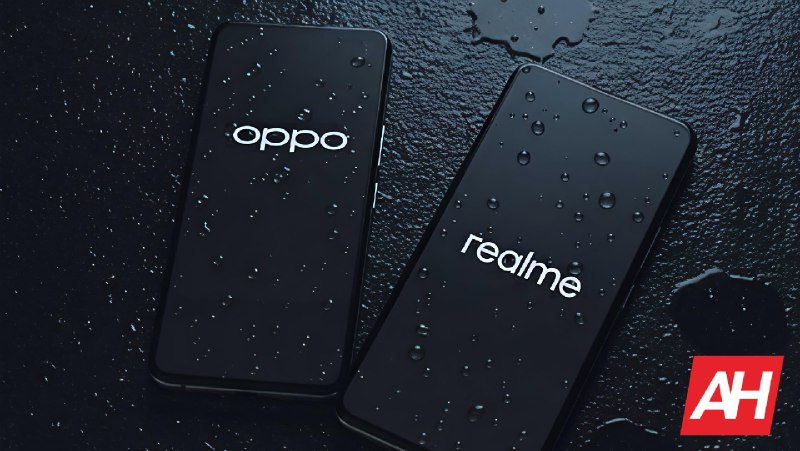
OPPO Confirms Major Strategic Shift for realme - A Divergent Path from OnePlus OPPO Confirms Major Strategic Shift for realme - A Divergent Path from OnePlus In a move that signals a significant realignment within BBK Electronics' smartphone portfolio, OPPO has officially confirmed a major strategic change for its subsidiary brand realme. This development stands in stark contrast to the direction being taken by OnePlus, another brand under the BBK umbrella, highlighting the company's multi-pronged approach to different market segments and consumer demographics. The Strategic Realignment According to recent statements from OPPO executives, realme will undergo a substantial transformation in its market positioning and operational independence. The brand will be granted greater autonomy in decision-making, particularly in product development, marketing strategies, and regional expansion plans. This increased independence marks a significant departure from realme's previous status as more closely aligned with OPPO's operations. "realme has established itself as a formidable force in the global smartphone market," said a senior OPPO executive during a recent industry conference. "To unlock its full potential, we are empowering realme with greater strategic independence while maintaining the synergies that come from being part of the OPPO ecosystem." Key Changes for realme Increased autonomy in product development and design Greater control over marketing and branding strategies Expanded regional operations with more localized decision-making Development of a distinct software experience separate from OPPO's ColorOS Enhanced focus on emerging markets and specific consumer segments Divergence from OnePlus Strategy The strategic changes for realme stand in marked contrast to the direction being taken by OnePlus. Following OPPO's acquisition of OnePlus in 2021, many industry observers expected convergence between the brands. However, recent developments indicate that OnePlus is being more tightly integrated with OPPO's core operations. While realme is moving toward greater independence, OnePlus is increasingly aligning itself with OPPO's technology development, supply chain management, and even software strategies. This includes the integration of OxygenOS with OPPO's ColorOS, a process that has been underway since 2022. Comparative Analysis: realme vs. OnePlus Strategic Directions Aspect realme's New Direction OnePlus' Current Path Brand Independence Increasing autonomy with separate product roadmaps Greater integration with OPPO's ecosystem Software Strategy Development of distinct software experience Integration with OPPO's ColorOS Market Focus Emphasis on emerging markets and value segments Continued premium positioning with some mid-range expansion Decision Making More localized and autonomous regional operations Centralized decision-making within OPPO structure Technology Sharing Selective technology sharing while maintaining differentiation Deep technology integration with OPPO R&D Background: realme's Evolution Founded in 2018 by Sky Li, a former OPPO executive, realme quickly established itself as a competitive player in the mid-range smartphone market. The brand initially positioned itself as a challenger to established players like Xiaomi and Huawei, focusing on aggressive pricing and feature-rich devices targeting younger consumers. realme's rapid growth has been remarkable. By 2020, it had expanded to over 60 countries and became one of the top smartphone brands in several key markets, including India, Southeast Asia, and Europe. This success prompted BBK Electronics to reconsider the relationship between realme and OPPO, ultimately leading to the current strategic shift. Market Implications The divergent strategies for realme and OnePlus reflect BBK Electronics' complex approach to market positioning and brand management. Rather than consolidating its smartphone brands under a unified strategy, the company is apparently pursuing a segmented approach that allows each brand to target different market segments with minimal overlap. "This is a sophisticated strategy that recognizes the different brand equity and market positions of realme and OnePlus," commented tech industry analyst Sarah Johnson. "By giving realme more independence, OPPO can better compete in the mid-range segment where realme has established strength, while maintaining OnePlus' premium positioning." Consumer Impact For consumers, these strategic changes are likely to result in more distinct product offerings from realme and OnePlus. realme may develop more unique features and design elements that differentiate its devices from both OPPO and OnePlus products. Meanwhile, OnePlus devices may increasingly incorporate technologies and design language more closely aligned with OPPO's flagship offerings. The increased autonomy for realme could also lead to more rapid innovation and adaptation to regional market preferences, potentially resulting in more competitive products in various price segments. Future Outlook As realme transitions to this new operational model, industry observers will be watching several key indicators of success: Whether realme can maintain its growth trajectory with greater independence How the brand differentiates itself from both OPPO and OnePlus in an increasingly crowded market The impact of realme's strategic shift on BBK Electronics' overall market position Whether other BBK brands like vivo and iQOO might undergo similar strategic adjustments For now, the confirmed changes represent a fascinating chapter in the evolving relationship between OPPO and its smartphone subsidiaries. As the smartphone market continues to mature and consolidate, such strategic realignments may become increasingly common as companies seek optimal positioning in an increasingly competitive landscape. The divergent paths of realme and OnePlus suggest that BBK Electronics is committed to maintaining multiple distinct brands with clear market positioning, rather than pursuing a unified strategy across its portfolio. This approach, while more complex to manage, may ultimately prove more effective in addressing the diverse preferences of global smartphone consumers.

Xiaomi Rolls Out HyperOS 3.1 with Enhanced Always-on Display Feature Exclusively for Mix Flip In a move that underscores its commitment to device-specific software optimization, Xiaomi has released an updated version of its proprietary operating system, HyperOS 3.1, featuring significant enhancements to the Always-on Display functionality. The update is currently available exclusively for the Mix Flip device, marking another step in Xiaomi's strategy to tailor software experiences to specific hardware capabilities. Understanding HyperOS: Xiaomi's Evolving Software Ecosystem HyperOS represents Xiaomi's ambitious venture into creating a unified software ecosystem that transcends traditional smartphone boundaries. Initially introduced as a successor to MIUI, HyperOS is designed to provide a seamless experience across Xiaomi's diverse product range, including smartphones, tablets, smart home devices, and IoT products. The operating system emphasizes connectivity, intelligence, and user experience, leveraging Xiaomi's extensive IoT infrastructure. With HyperOS 3.1, the company continues to refine its vision of creating an interconnected digital environment where devices work in harmony to enhance user productivity and convenience. The Mix Flip: A Device Designed for Innovation The Xiaomi Mix Flip stands as a testament to the company's innovation in the foldable smartphone segment. This device combines cutting-edge hardware with software optimization that takes full advantage of its unique form factor. The Mix Flip features a flexible display that allows for various usage modes, from traditional smartphone functionality to more expansive tablet-like experiences. Table: Key Specifications of Xiaomi Mix Flip Feature Specification Display Flexible AMOLED, 120Hz refresh rate Processor Qualcomm Snapdragon 8 Series RAM 12GB LPDDR5 Storage 256GB/512GB UFS 3.1 Operating System HyperOS Evolution of Always-on Display Technology The Always-on Display (AOD) feature has become a staple in modern smartphones, allowing users to view essential information without waking the device. Xiaomi has been at the forefront of AOD innovation, continuously refining the technology to balance functionality with battery efficiency. With HyperOS 3.1, the AOD feature on the Mix Flip introduces several enhancements: Customizable clock faces with dynamic animations Expanded notification previews without full screen activation Improved battery efficiency through optimized refresh rates New ambient light sensors for automatic brightness adjustment Integration with third-party apps for extended functionality What's New in HyperOS 3.1 The latest iteration of HyperOS brings several noteworthy improvements beyond the enhanced AOD feature: Performance Optimizations Improved system responsiveness through refined memory management Enhanced background app handling for better multitasking Reduced power consumption during idle periods User Interface Enhancements Redesigned notification panel with improved categorization New gesture controls optimized for the Mix Flip form factor Enhanced dark mode with true black implementation Security and Privacy Updates Enhanced permission management system Improved biometric authentication security New privacy dashboard for comprehensive activity monitoring The Importance of Device-Specific Updates Xiaomi's decision to limit the HyperOS 3.1 update to the Mix Flip highlights an important trend in the smartphone industry: device-specific software optimization. Unlike one-size-fits-all updates, tailored software can better leverage unique hardware capabilities, resulting in improved performance and user experience. The Mix Flip's flexible display presents unique software challenges and opportunities that standard smartphones don't face. By developing a specialized version of HyperOS for this device, Xiaomi can ensure that the software fully utilizes the hardware's potential while maintaining stability and efficiency. Community Engagement in Software Development The mention of joining the community at "@Techoffice_officiall" reflects the growing importance of user feedback in software development. Xiaomi, like many tech companies, increasingly relies on community input to identify issues, suggest features, and validate improvements. Community engagement offers several benefits: Real-world feedback that may not be captured during internal testing Diverse use cases that help identify edge cases User suggestions for innovative features Building brand loyalty through transparency and inclusion Installation Guidelines and Precautions Given the device-specific nature of this update, Xiaomi has issued clear guidelines for users: The update is exclusively available for the Mix Flip model Users should verify their device model before attempting installation A minimum battery level of 50% is recommended Installation should be performed over a stable Wi-Fi connection Important data should be backed up before updating Users experiencing issues with the update are encouraged to report them through the community channels, helping Xiaomi identify and resolve problems quickly. Future Outlook for HyperOS The release of HyperOS 3.1 for the Mix Flip suggests that Xiaomi will continue its strategy of developing specialized software for its diverse product lineup. Future updates may include: Expanded AI capabilities for smarter device interactions Deeper integration with Xiaomi's IoT ecosystem Enhanced privacy features in response to growing concerns Improved accessibility options for broader user inclusivity As Xiaomi continues to expand its global presence, the refinement of HyperOS will play a crucial role in differentiating its devices in an increasingly competitive market. The company's focus on device-specific optimization, coupled with strong community engagement, positions it well to deliver software experiences that truly enhance the hardware they run on. For Mix Flip users, the HyperOS 3.1 update represents not just a collection of new features, but a commitment to continually improving the experience of using innovative hardware. As foldable technology becomes more mainstream, such specialized software development will likely become increasingly important in maximizing the potential of next-generation devices.
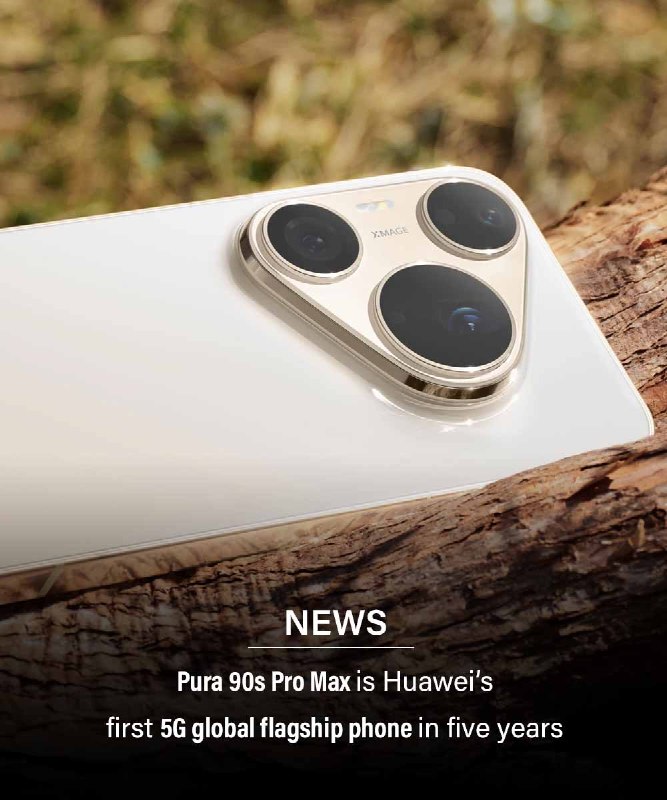
Huawei's Pura 90s Series Marks Historic Return to Global 5G Flagship Market After Five-Year Absence In a move that has sent ripples throughout the global technology industry, Huawei has officially unveiled its Pura 90s series, marking the company's triumphant return to the global 5G flagship smartphone market after an unprecedented five-year hiatus. This strategic release represents a significant milestone for the Chinese tech giant, which has faced numerous challenges in recent years due to geopolitical tensions and technological restrictions. The Road to Recovery: Huawei's Five-Year Journey The absence of Huawei's 5G flagships from global markets since 2018 has been one of the most notable stories in recent smartphone history. Following the implementation of U.S. sanctions, which restricted Huawei's access to critical components, particularly advanced chipsets and Google Mobile Services (GMS), the company was forced to pivot its strategy and focus on domestic markets where it could continue operations. During this period, Huawei demonstrated remarkable resilience by developing its own ecosystem, including the HarmonyOS operating system and the AppGallery app store. The company maintained its presence in select markets like China and parts of Asia, but its absence from key Western markets created a significant vacuum that competitors like Samsung, Apple, and Xiaomi were quick to fill. Technical Specifications and Innovations While detailed specifications of the Pura 90s series are still emerging, industry analysts anticipate that this flagship lineup will incorporate several technological breakthroughs that showcase Huawei's continued innovation despite the challenges it has faced. 5G Capabilities The Pura 90s series represents Huawei's most advanced 5G implementation to date. The devices are expected to feature Huawei's proprietary 5G modem technology, which the company has been developing as an alternative to previously sourced components. Early reports suggest significant improvements in both speed and power efficiency compared to previous generations. Camera Technology Building on Huawei's legacy of camera innovation, the Pura 90s series is rumored to feature a sophisticated camera system that could set new industry standards. Leaked specifications point to a multi-lens setup with advanced computational photography capabilities, potentially including enhanced night photography, AI-powered scene optimization, and improved zoom functionality. Performance and Design Industry insiders suggest that the Pura 90s series will be powered by Huawei's in-house Kirin chipset, marking a significant achievement in the company's quest for technological self-sufficiency. The design language is expected to blend premium materials with ergonomic considerations, featuring a sleek profile with minimal bezels and an advanced display technology. Market Implications and Competitive Landscape The return of Huawei to the global 5G flagship market is expected to intensify competition in the premium smartphone segment. The company's re-entry comes at a time when consumers are increasingly seeking alternatives to established players, potentially creating new market dynamics. Brand Global Market Share (Q2 2023) 5G Flagship Strategy Key Differentiators Samsung 21% Multiple price points across Galaxy S and Z series Display technology, ecosystem integration Apple 16% Premium positioning with iPhone Pro models Software optimization, brand loyalty Xiaomi 13% Value-focused flagships in Mi and MIX series Price-to-performance ratio, innovation Huawei (Pre-Sanctions) 15% Premium positioning with P and Mate series Camera technology, 5G innovation Huawei (Post-Pura 90s) TBD Re-entry with Pura series Technological resilience, ecosystem integration Global Expansion Strategy Industry analysts suggest that Huawei's re-entry into global markets will be carefully orchestrated, with the company likely prioritizing regions where it has established brand recognition and distribution networks. Europe, parts of Asia, and the Middle East are expected to be initial focal points for the Pura 90s series. The company will face the challenge of rebuilding its presence in markets where it once held significant market share. This will require not only competitive products but also efforts to restore consumer confidence and address concerns about long-term software support and app availability. Conclusion: A New Chapter for Huawei The launch of the Pura 90s series represents more than just a new product release; it symbolizes Huawei's determination to overcome significant obstacles and re-establish itself as a global leader in smartphone technology. The five-year absence from the global 5G flagship market has undoubtedly tested the company's resilience, but its return with the Pura 90s series demonstrates its continued commitment to innovation and excellence. As the smartphone industry continues to evolve, Huawei's re-entry is expected to bring fresh competition and potentially accelerate technological advancement across the sector. The coming months will be crucial in determining whether the Pura 90s series can successfully reclaim the market position that Huawei once held and establish a new legacy of innovation in an increasingly competitive global landscape.
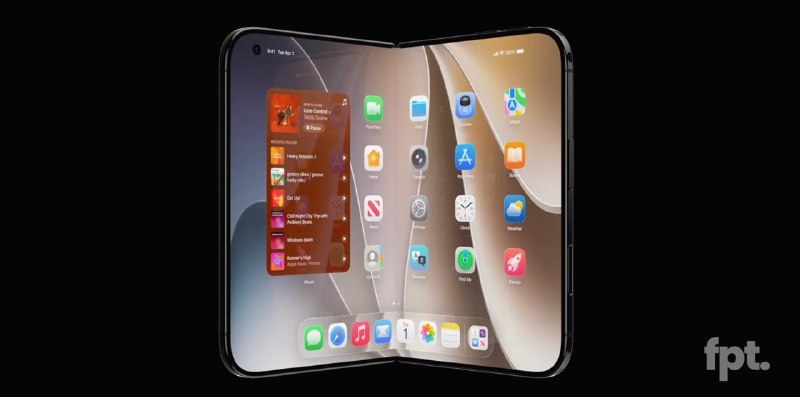
Samsung Begins Mass Production of OLED Panels for Apple's First Foldable iPhone In a significant development that could reshape the smartphone landscape, Samsung Display has reportedly commenced mass production of OLED modules for Apple's highly anticipated foldable iPhone. According to industry sources cited by The Elec, the South Korean display manufacturer has received official approval from Apple and is now producing the specialized screens at its Vietnam facility. Strategic Partnership Evolution The collaboration between Samsung and Apple in the display sector represents one of the most significant supplier relationships in the technology industry. While Samsung has been a key display supplier for iPhones since the introduction of OLED screens in 2017, this new agreement marks an expansion into the foldable device segment, a market Samsung has dominated with its Galaxy Z series. The exclusive 3-year deal underscores Apple's commitment to entering the foldable phone market with a premium offering, while Samsung solidifies its position as the go-to manufacturer for high-end flexible displays. Production Details The production of foldable iPhone displays has reached a critical milestone, with several key parameters now confirmed: Initial Order: 3 million panels scheduled for delivery within the current year Production Yield: Exceeding 80%, surpassing Apple's minimum threshold of 70% Manufacturing Location: Samsung's Vietnam facility Technology: CoE (Cavity-out-emission) + M16 OLED technology The high production yield is particularly noteworthy, as achieving consistent quality in foldable displays has been a significant challenge for manufacturers. An 80% yield indicates that Samsung has overcome many of the technical hurdles that have plagued early foldable device production. Advanced Display Technology The foldable iPhone will reportedly utilize Samsung's latest CoE + M16 OLED technology, which offers several improvements over previous generations: Thinner Profile: The new technology allows for a thinner display module, which is crucial for foldable devices where every millimeter counts Improved Power Efficiency: Better energy consumption extends battery life in the power-intensive foldable form factor Enhanced Durability: The display is expected to feature improved resistance to bending and flexing Brightness and Color Accuracy: Maintaining high display quality in both folded and unfolded states Samsung Display Technology Evolution for Apple Generation Key Improvements Standard OLED First implementation in iPhone X (2017) LTPO OLED Variable refresh rate, improved power efficiency CoE + M16 OLED Thinner profile, enhanced durability, better power efficiency The Hinge Challenge Despite the progress in display production, the hinge module remains a critical wildcard that could potentially impact the launch timeline. The hinge mechanism is arguably the most complex component in a foldable device, requiring precision engineering to ensure smooth operation while maintaining structural integrity over thousands of folding cycles. Industry sources indicate that Apple is taking a particularly cautious approach to hinge design, prioritizing reliability and longevity over rapid market entry. This cautious stance has led to speculation about potential delays, with some analysts suggesting a September debut remains possible but that late 2026 might be a more realistic timeframe. Potential Launch Timeline Analysis The foldable iPhone's launch date remains uncertain, with two primary scenarios emerging: Timeline Scenario Probability Rationale September 2023 Low Aggressive timeline given hinge development challenges Early 2024 Moderate More realistic if hinge issues persist Late 2024 High Safer bet given production yield and quality concerns Late 2025/Early 2026 Moderate If Apple decides to perfect the design before launch Market Implications The entry of Apple into the foldable smartphone market would mark a significant shift in the competitive landscape. Currently, Samsung dominates the premium foldable segment with its Galaxy Z Fold and Z Flip series, which have achieved considerable market presence despite premium pricing. An Apple foldable device would likely command an even higher price point, potentially exceeding $2,000 for the base model. However, Apple's brand strength and ecosystem integration could drive rapid adoption among its existing user base. Competitive Landscape The foldable phone market has evolved significantly since its inception, with several manufacturers establishing their presence: Samsung: Market leader with multiple foldable models Motorola: Has released several Razr-style flip phones Huawei: Strong presence in Chinese and European markets Google: Entered with the Pixel Fold OPPO, Vivo, Xiaomi: Increasing their foldable portfolios Apple's entry would likely accelerate innovation in the segment as competitors respond to the pressure of competing with the world's most valuable technology company. Ecosystem Integration and Software Considerations Beyond the hardware challenges, Apple will need to develop specialized software to optimize the user experience for a foldable form factor. This includes: Adapting iOS to work seamlessly in both folded and unfolded states Developing multitasking capabilities that leverage the larger screen real estate Creating interface elements that transition smoothly between form factors Optimizing apps from the App Store for the unique display characteristics Apple's history of carefully curating the user experience suggests that the company will not rush to market with an incomplete implementation, potentially contributing to a later launch timeline. Conclusion The commencement of mass production for foldable iPhone displays by Samsung represents a significant step toward what could be Apple's most ambitious hardware launch in recent years. While display production appears to be progressing successfully, the complex hinge mechanism and software development challenges may impact the final launch timeline. Regardless of when the device eventually reaches market, Apple's entry into the foldable phone segment is poised to accelerate innovation and drive growth in what many analysts believe will become a significant portion of the premium smartphone market in the coming years. As the technology matures and production yields improve, foldable devices may eventually transition from niche premium products to more mainstream offerings, potentially revolutionizing how consumers interact with smartphones and mobile computing devices.

Xiaomi SkyNomad N70: Tech Giant's Ambitious Entry into the EREV SUV Market In a bold move that signals Xiaomi's deepening commitment to the automotive industry, the Chinese tech giant has been spotted testing its latest vehicle: the SkyNomad N70. This Extended Range Electric Vehicle (EREV) SUV has surfaced through Chinese regulatory filings, marking a significant expansion of Xiaomi's automotive portfolio beyond pure electric vehicles into the range-extender segment. A New Contender in the Family SUV Segment The SkyNomad N70 represents Xiaomi's strategic targeting of China's competitive family SUV market. With its substantial dimensions and advanced powertrain, the vehicle is positioned to compete with established manufacturers in one of the world's largest automotive segments. Following the footsteps of Xiaomi's previously announced models—the SU7 sedan and YU7—the SkyNomad N70 demonstrates the company's systematic approach to building a comprehensive vehicle lineup. This progression from sedan to what appears to be a larger SUV indicates Xiaomi's ambition to capture diverse market segments. Technical Specifications The SkyNomad N70 boasts impressive technical specifications that place it firmly in the premium segment of the EREV market. According to regulatory filings, the vehicle features: Substantial 4,960 mm body length Generous 2,950 mm wheelbase 1.5L turbocharged range extender 210 kW (282 hp) rear-mounted electric motor Higher-performance N70 Max variant with dual-motor all-wheel drive Up to 310 kW (416 hp) in the Max configuration Estimated 270 km pure-electric range 190 km/h top speed Powertrain Configuration The SkyNomad N70 employs a series-hybrid powertrain configuration, where the electric motor drives the wheels while the internal combustion engine acts solely as a generator to charge the battery or provide electricity directly to the motor. This setup offers several advantages: Extended range without the need for extensive charging infrastructure Regenerative braking capabilities Potentially lower emissions compared to conventional hybrids Electric-only driving for most daily commutes Xiaomi SkyNomad N70 Key Specifications Body Length 4,960 mm Wheelbase 2,950 mm Range Extender 1.5L Turbo Motor Configuration Rear motor (standard), Dual-motor AWD (Max) Power Output 210 kW (282 hp) standard, up to 310 kW (416 hp) Max Electric Range Up to 270 km Top Speed 190 km/h Market Strategy and Competitive Positioning Xiaomi's entry into the EREV SUV segment comes at a time when Chinese consumers are increasingly interested in new energy vehicles. The company is leveraging its expertise in electronics, software integration, and manufacturing to create vehicles that compete on both technological innovation and value. The SkyNomad N70's substantial dimensions suggest it's designed to compete with popular mid-to-large SUVs in the Chinese market. By offering both standard and Max variants, Xiaomi can cater to different customer segments—from families seeking practical transportation to those wanting more performance. Xiaomi's Automotive Evolution The SkyNomad N70 represents the next phase in Xiaomi's automotive journey: Initial Entry : Xiaomi first announced its automotive ambitions with the SU7 sedan, signaling its intent to enter the premium EV market. Portfolio Expansion : The YU7 model followed, suggesting a broader approach to different vehicle categories. Technology Diversification : The SkyNomad N70 demonstrates Xiaomi's willingness to explore different powertrain technologies, moving beyond pure EVs to EREVs. Implications for the Automotive Industry Xiaomi's entry into the EREV SUV market could have significant implications for the industry: Increased competition in the EREV segment, potentially driving innovation and lowering prices Integration of advanced consumer electronics and connectivity features in vehicles Challenge to established automotive brands from the tech sector Accelerated adoption of range-extender technology as a bridge to full electrification Regulatory Compliance and Market Entry The appearance of the SkyNomad N70 in Chinese regulatory filings indicates that Xiaomi is progressing through the necessary approvals for market entry. This process typically involves rigorous testing of safety, emissions, and performance standards before a vehicle can be sold to consumers. The regulatory filings also provide insight into the vehicle's specifications, though final production models may feature some differences from the testing versions. The inclusion of both standard and Max variants in the filings suggests Xiaomi is planning a comprehensive product launch. Conclusion: Xiaomi's Transformation into a Serious Automotive Player The SkyNomad N70 testing car's appearance on public roads represents another step in Xiaomi's transformation from a consumer electronics company to a serious automotive manufacturer. With each new vehicle announcement, Xiaomi demonstrates increasing technical capability and market understanding. By targeting the family SUV segment with an EREV configuration, Xiaomi is addressing a significant market need for vehicles that offer the environmental benefits of electric driving combined with the convenience of extended range. The SkyNomad N70's specifications suggest it will be a competitive offering in this growing segment. As Xiaomi continues to develop its automotive lineup, the industry will be watching closely to see how the tech giant's expertise in software, electronics, and manufacturing translates to vehicle quality, reliability, and market acceptance. The SkyNomad N70 may be just the beginning of Xiaomi's ambitious automotive journey.
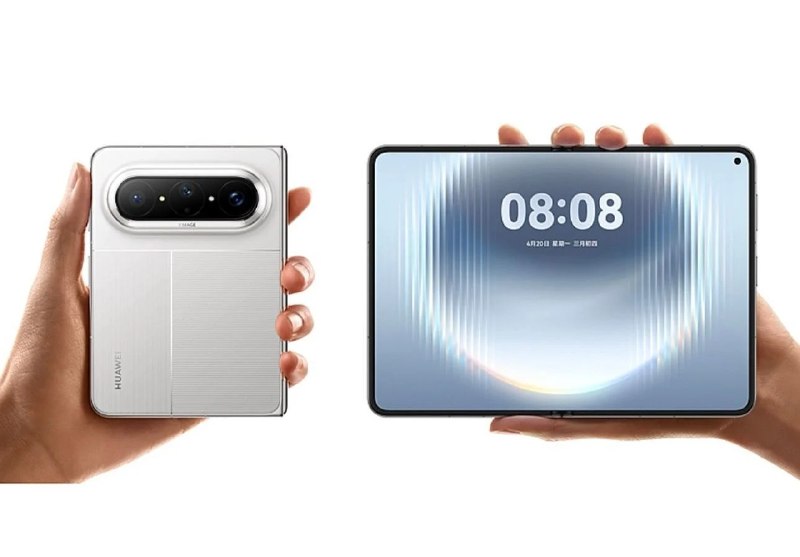
OPPO Reportedly Developing Giant Non-Foldable Wide-Screen Phone in Bold Challenge to Foldable Market In a surprising move that defies current industry trends toward foldable devices, Chinese smartphone manufacturer OPPO is reportedly developing a large-screen smartphone with an ultra-wide aspect ratio that will not fold, according to industry sources familiar with the company's plans. The rumored device, which is said to feature a screen significantly larger than conventional smartphones but without the folding mechanism that has characterized recent innovations in the large-screen phone market, represents an interesting strategic direction for OPPO as it seeks to differentiate itself in an increasingly crowded premium smartphone segment. Breaking from Industry Convention While smartphone manufacturers have been heavily investing in foldable technology as the next frontier in mobile devices, OPPO appears to be taking an alternative path by focusing on maximizing screen real estate in a traditional form factor. This approach challenges the prevailing notion that larger screens must necessarily be foldable. "OPPO's rumored giant non-foldable wide-screen phone demonstrates the company's willingness to explore unconventional design solutions," said technology analyst Lisa Chen. "While foldables have captured headlines, there's still a significant market segment that prefers traditional smartphones but desires more immersive viewing experiences." Technical Specifications and Design Considerations According to sources familiar with the development, OPPO's prototype device features an exceptionally wide screen with an aspect ratio that significantly exceeds the typical 19.5:9 or 20:9 ratios found in most modern smartphones. While exact dimensions remain undisclosed, industry speculation suggests a screen width potentially approaching 120mm while maintaining a manageable height for one-handed use. The device is expected to incorporate OPPO's latest display technology, including high refresh rates (potentially 120Hz or higher) and advanced brightness optimization to ensure visibility across various lighting conditions. Battery life will be a critical consideration given the larger screen size, with rumors suggesting OPPO is developing new power management systems specifically for this device. Market Positioning and Target Audience The rumored wide-screen phone appears to be positioned as a premium device targeting specific user segments: Mobile gaming enthusiasts who benefit from wider viewing fields Content creators who require more screen real estate for editing and media consumption Business professionals who frequently multitask on their devices Consumers who find foldable devices too fragile or expensive "OPPO is strategically identifying underserved niches in the premium smartphone market," noted mobile industry researcher Marcus Johnson. "While competitors focus on foldables, OPPO is addressing the practical needs of users who want larger screens without the compromises of foldable technology." Comparison with Current Market Offerings To better understand where OPPO's rumored device would fit in the current market, let's compare it with existing large-screen smartphones: Device Category Screen Size Range Aspect Ratio Portability Price Range Standard Flagships 6.1" - 6.8" 19.5:9 - 20:9 High $800 - $1,200 Large-Screen Phones 6.8" - 7.2" 19.5:9 - 20:9 Medium $900 - $1,400 Foldable Phones 7.3" - 8.0" (unfolded) ~22:9 Medium-Low $1,500 - $2,500 OPPO Rumored Device Estimated 7.0" - 7.5" Estimated 21:9 or wider Medium Estimated $1,200 - $1,600 OPPO's Strategic Innovation Approach This rumored device aligns with OPPO's history of pursuing innovative form factors and display technologies. The company has previously experimented with sliding mechanisms, pop-up cameras, and other design innovations to differentiate its products in the competitive smartphone market. "OPPO has consistently shown a willingness to explore alternative design philosophies," commented tech industry analyst Sarah Williams. "While they have also developed foldable technology, this wide-screen approach demonstrates their strategy of hedging their bets by exploring multiple innovation paths simultaneously." The company has filed numerous patents related to display technologies and form factors over the past two years, suggesting that this wide-screen concept has been in development for some time. OPPO has not yet commented on the rumors surrounding this device. Challenges and Considerations Despite the innovative potential of a giant wide-screen phone, OPPO will face several significant challenges: Battery Life: Powering a larger screen while maintaining all-day battery performance will require significant engineering breakthroughs. Software Optimization: The Android operating system and applications will need specific adaptations to make the most of the unusual aspect ratio. Ergonomics: Ensuring the device remains comfortable to use and carry will be crucial for consumer acceptance. Market Education: Consumers will need to understand the benefits of this form factor compared to existing options. Industry Context and Competitive Landscape The smartphone industry has been experiencing a period of significant innovation as manufacturers seek new ways to differentiate their products in a market that has reached maturity in many regions. While 5G capabilities, camera improvements, and processing power advances have driven recent upgrades, form factor innovation has become increasingly important. "OPPO's rumored wide-screen phone represents a bet that there's still room for innovation within traditional smartphone form factors," said market analyst David Kim. "While foldables have generated significant attention, their adoption has been limited by concerns about durability, price, and practicality. OPPO may be targeting users who want larger screens without these compromises." Competitors including Samsung, Xiaomi, and Vivo have all introduced foldable devices, but none have pursued ultra-wide non-foldable screens as a primary innovation direction. This could give OPPO a first-mover advantage in this particular niche if the rumors prove accurate. Potential Impact on Mobile Content Consumption A device with an exceptionally wide screen could transform how users consume content on their smartphones. The wider aspect ratio would be particularly advantageous for: Video content, reducing letterboxing for wide-format movies Gaming, providing wider fields of view in supported titles Productivity applications, allowing for better multitasking capabilities Reading, potentially enabling more comfortable viewing of documents and e-books Content creators might also benefit from the additional screen real estate when editing photos, videos, or other media directly on their devices, potentially bridging the gap between smartphones and more specialized content creation tools. Future Outlook and Market Potential If OPPO proceeds with launching this rumored wide-screen phone, it could signal a new direction in smartphone design that focuses on maximizing utility within traditional form factors rather than pursuing radical transformations like foldables. This approach might appeal to a broader segment of the market that appreciates innovation but remains skeptical of radical form changes. The success of such a device will likely depend on several factors, including the final pricing, battery performance, and how effectively OPPO communicates the benefits of the wide screen to consumers. If executed well, this could establish a new product category that other manufacturers might follow. "Smartphone innovation has become increasingly incremental in recent years, with most manufacturers focusing on minor improvements rather than bold new concepts," concluded tech industry analyst Jennifer Martinez. "OPPO's rumored wide-screen phone, if real, represents a refreshing departure from this trend and could reinvigorate interest in smartphone form factor innovation." As the smartphone market continues to evolve, OPPO's apparent willingness to explore unconventional design solutions like a giant non-foldable wide-screen phone demonstrates the company's commitment to finding new ways to differentiate its products and meet diverse consumer needs in an increasingly competitive landscape.
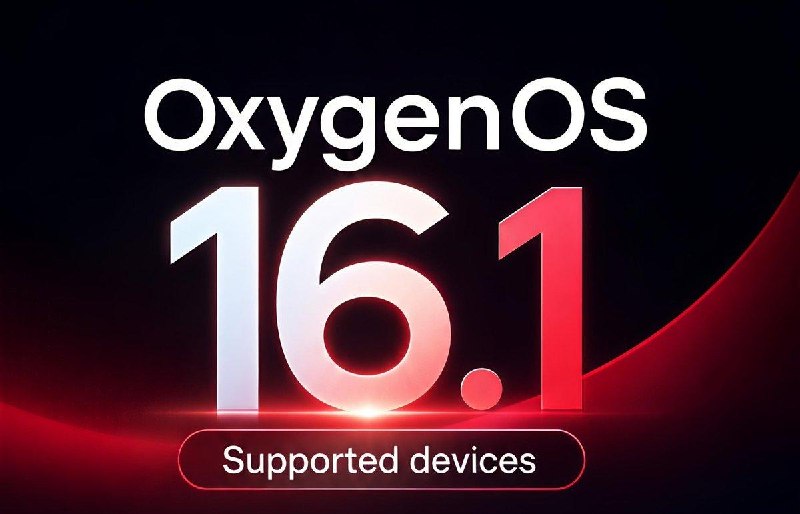
OxygenOS Update Roadmap: OnePlus Clarifies Future Software Support for Flagship and Nord Devices OxygenOS Update Roadmap: OnePlus Clarifies Future Software Support for Flagship and Nord Devices In a significant clarification to its user base, OnePlus has officially outlined the future software update plans for its flagship and Nord series devices, addressing ongoing speculation and confusion among the community. The announcement provides clear guidance on which devices will receive specific OxygenOS updates and which ones will have different upgrade paths. Understanding the Current Update Landscape OxygenOS, OnePlus's custom Android-based operating system, has been a key differentiator for the brand, known for its clean interface, performance optimization, and feature-rich experience. As part of its integration with OPPO, OnePlus has been gradually aligning its update cycles and introducing elements of ColorOS while maintaining the OxygenOS identity. The recent clarification comes amid a transition period where OnePlus is refining its software support strategy. The company has confirmed that while several devices will skip the OxygenOS 16.1 update entirely, they will continue to receive regular security patches and will jump directly to OxygenOS 17 as their next major software update. Devices Skipping OxygenOS 16.1 According to OnePlus's official statement, the following devices will not receive the OxygenOS 16.1 update: OnePlus 12R OnePlus 11 OnePlus 11R Most Nord series devices This decision represents a strategic shift in OnePlus's update approach, potentially allowing the company to streamline its development resources and focus on delivering a more consistent experience across its device lineup. Continued Support and Future Updates Despite skipping OxygenOS 16.1, the affected devices will not be left without software support. OnePlus has confirmed that: These devices will continue to receive regular security patches as scheduled, ensuring protection against vulnerabilities and maintaining system stability. The next major software update for these devices will be OxygenOS 17, effectively skipping the 16.x version entirely. This approach suggests that OnePlus may be consolidating its development efforts around specific Android versions rather than providing incremental updates between major releases. Special Considerations for Specific Devices Two devices in particular have unique update paths that deserve special attention: Device OxygenOS 16.1 OxygenOS 17 ColorOS 17 Final Major Android Upgrade OnePlus 11R ❌ No ✅ Yes ❌ No OxygenOS 16 Nord 3 ❌ No ✅ Yes ❌ No OxygenOS 16 For both the OnePlus 11R and Nord 3, OxygenOS 16 will mark their final major Android upgrade. This means that while they may receive security updates beyond this point, they won't receive a new major version of Android with subsequent OxygenOS updates. Implications for OnePlus Users This update roadmap has several implications for OnePlus device owners: Device Longevity: While security patches will continue, the major Android upgrade cycle for some devices is shorter than what users might have expected. Feature Access: Users on devices skipping OxygenOS 16.1 will miss out on any features or improvements introduced specifically in that version. Planning Ahead: Users should consider the final major Android upgrade when planning their device usage timeline, especially for power users who typically benefit from newer Android versions. Industry Context and Strategic Shifts This update clarification reflects broader trends in the Android ecosystem. As manufacturers face increasing complexity in supporting diverse device lineups with multiple Android versions annually, many are adopting more selective update strategies. OnePlus's decision to align more closely with OPPO's software development practices may also be influencing this approach. The integration of ColorOS elements into OxygenOS has been gradual, and this update strategy could be part of a larger effort to streamline the development process across both brands. User Recommendations Based on the clarified update roadmap, OnePlus users should consider the following: Check Your Device's Status: Verify which OxygenOS version your device is currently running and check OnePlus's official support page for the most accurate information. Manage Expectations: Understand that while security updates will continue, not all devices will receive every major Android version. Consider Upgrade Timing: For users on devices with limited future major updates, planning for a device upgrade might be necessary to access the latest Android features and security enhancements. Stay Informed: Follow official OnePlus communications for any further updates to the software support roadmap. Conclusion OnePlus's clarification of its OxygenOS update roadmap provides much-needed transparency for its user base. While the news that some devices will skip OxygenOS 16.1 may be disappointing for some, the assurance of continued security patches and a direct path to OxygenOS 17 offers a clear forward-looking perspective. As the smartphone industry continues to evolve, manufacturers are finding new ways to balance innovation with the practical realities of supporting extensive device lineups. OnePlus's approach appears to be focusing resources on delivering quality experiences through major version jumps rather than incremental updates, which could ultimately benefit users with more stable and feature-rich updates when they arrive. For OnePlus users, the key takeaway is to stay informed about their device's specific update path and plan their device usage accordingly, taking advantage of the security patches that will continue to be provided while understanding the limitations on major Android upgrades.

Amazon Music App Now Comes Preinstalled on Millions of Samsung Phones In a strategic move that strengthens the partnership between tech giants, Amazon Music is now being preinstalled on millions of Samsung smartphones worldwide. This collaboration marks a significant expansion of Amazon's music streaming presence in the mobile ecosystem and represents a major win for Samsung users seeking integrated entertainment experiences. Strategic Partnership Details The preinstallation of Amazon Music on Samsung devices represents a multi-faceted agreement between the two technology leaders. Samsung's extensive smartphone market reach—spanning hundreds of millions of devices globally—provides Amazon with unprecedented access to potential subscribers. This partnership follows similar deals Amazon has secured with other device manufacturers, though the scale of the Samsung collaboration positions it as one of the most significant to date. The preinstalled application will be available across Samsung's Galaxy series, including flagship models, mid-range devices, and budget-friendly options. This broad deployment ensures that Amazon Music reaches consumers across all market segments, from premium users to those seeking affordable alternatives. Benefits for Consumers Samsung users will gain immediate access to Amazon's extensive music library without the need for separate downloads or installations. The preinstalled app comes with several advantages: Seamless onboarding experience for new Amazon Music subscribers Integrated access to Amazon's 100+ million songs Potential for exclusive offers or trials for Samsung device owners Optimized performance specifically for Samsung hardware Enhanced integration with Samsung's ecosystem features Benefits for Amazon For Amazon, this partnership represents a significant expansion of its music streaming service's market reach: Access to Samsung's massive user base of smartphone owners Increased brand visibility and presence in the mobile space Opportunity to convert Samsung users into Amazon Music subscribers Strengthened position against competing music streaming services Potential for cross-promotion with other Amazon services Benefits for Samsung Samsung gains several advantages from this collaboration: Enhanced value proposition for smartphone buyers Strengthened entertainment ecosystem offerings Potential revenue sharing arrangements with Amazon Improved user retention through integrated services Competitive differentiation in the crowded smartphone market Market Context and Competition The music streaming market has become increasingly competitive, with services like Spotify, Apple Music, YouTube Music, and Tidal vying for market share. Amazon Music, while a significant player, has historically trailed Spotify in subscriber numbers. This partnership with Samsung provides Amazon with a substantial boost in its quest to capture a larger portion of the streaming market. The table below compares the major music streaming services in terms of key metrics: Service Approximate Subscribers Song Library Key Differentiators Spotify 551 million 100+ million Discovery algorithms, podcasts, free tier Apple Music 88 million 100+ million Apple ecosystem integration, lossless audio Amazon Music 80 million 100+ million Prime bundle, HD/UHD tiers, Alexa integration YouTube Music 80 million 100+ million YouTube integration, algorithmic recommendations Technical Integration and User Experience The Amazon Music app on Samsung devices will be optimized specifically for the Android experience on Samsung's One UI. This optimization ensures smooth performance, proper integration with Samsung's system features, and an intuitive user interface that aligns with Samsung's design language. Key technical aspects of the integration include: Optimized battery usage to minimize impact on device performance Seamless integration with Samsung's audio processing technologies Support for Samsung's ecosystem features like Bixby and SmartThings Compatibility with Samsung's audio accessories Regular updates through Samsung's software update channels Future Implications This partnership between Amazon and Samsung may signal the beginning of deeper integration between their respective ecosystems. Potential future developments could include: Bundled subscription offerings combining Amazon Music with Samsung services Cross-promotional marketing campaigns Joint hardware development featuring integrated music experiences Expanded partnerships in other digital content categories International expansion of the preinstallation program to additional markets Conclusion The preinstallation of Amazon Music on millions of Samsung smartphones represents a significant strategic move for both companies. For Amazon, it provides unprecedented access to a massive user base, potentially accelerating subscriber growth in the competitive music streaming market. For Samsung, it enhances the value proposition of its devices and strengthens its entertainment ecosystem. Consumers stand to benefit most from this collaboration, gaining immediate access to a comprehensive music streaming service integrated directly into their devices. As digital content consumption continues to evolve, partnerships like this between hardware manufacturers and service providers may become increasingly common, reshaping how users access and consume entertainment content on their mobile devices. This collaboration underscores the growing trend of convergence between hardware and software in the technology industry, where seamless integration of services is becoming a key differentiator in competitive markets.
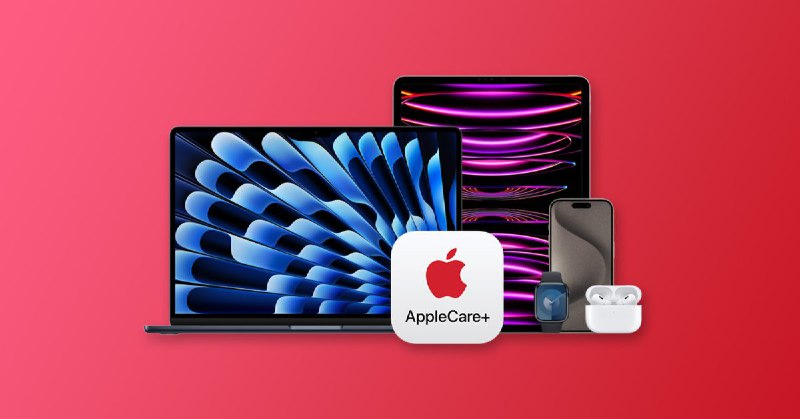
AppleCare+ Price Increase Announced for Mac and iPad Plans Apple Raises Extended Warranty Costs for Premium Device Protection Apple has announced a significant price increase for its AppleCare+ extended warranty and support plans for Mac and iPad devices, marking the first substantial adjustment to these protection plans in several years. The move comes as Apple continues to expand its service offerings while facing increasing component and service costs. Understanding AppleCare+ AppleCare+ is Apple's extended warranty and support program that provides additional coverage beyond the standard one-year limited warranty and 90 of telephone technical support. The plan typically extends hardware coverage to two years for Mac devices and up to three years for certain iPad models, while also adding coverage for accidental damage protection with a reduced service fee. The standard AppleCare+ plan includes: Extended hardware coverage 24/7 priority access to Apple technical support Global repair coverage using genuine Apple parts Battery service (if applicable) Accidental damage protection (with service fees) The Price Increase Details According to Apple's updated pricing, the cost of AppleCare+ for Mac computers will increase by approximately 15-20%, while iPad plans will see a rise of about 10-15%. The exact price varies depending on the specific device model, with higher-end models experiencing more substantial increases. The new pricing structure applies to all Mac and iPad devices purchased on or after the effective date of the announcement. Existing AppleCare+ plans will not be affected by these changes, and customers who already have coverage will continue to pay their original prices. Comparison of Old vs. New Prices Device Category Previous Price New Price Percentage Increase MacBook Air (M1/M2) $249 $289 16% MacBook Pro 14" $349 $399 14% MacBook Pro 16" $399 $469 18% iPad Pro 11" $179 $199 11% iPad Pro 12.9" $199 $229 15% iPad Air $149 $169 13% iPad (10th gen) $69 $79 14% Why the Price Increase? Several factors likely contribute to Apple's decision to increase AppleCare+ pricing: Rising Repair Costs: The cost of components and labor for repairs has increased globally, affecting Apple's service operations. Inflationary Pressures: Persistent inflation across various economies has increased operational costs for Apple's service network. Enhanced Services: Apple has expanded the scope of services included with AppleCare+, including enhanced support channels and faster service options. Device Complexity: Modern Mac and iPad devices feature more sophisticated components and designs, making repairs more complex and expensive. Consumer Impact and Considerations The price increase affects the total cost of ownership for new Mac and iPad purchases. For example, a customer purchasing a MacBook Pro 16" now faces an additional $70 for AppleCare+ protection, bringing the total cost to $3,769 (assuming a $3,300 base price). Industry analysts suggest that while the increase may deter some budget-conscious consumers, the majority of Apple's target demographic is likely to continue purchasing AppleCare+ due to the peace of mind it provides, especially for premium devices. "AppleCare+ remains one of the most comprehensive protection plans in the industry," noted tech analyst Sarah Johnson. "Even with the price increase, it still offers excellent value when considering the cost of out-of-warranty repairs, which can easily exceed the price of the plan itself." Alternatives to AppleCare+ Consumers seeking alternatives to AppleCare+ might consider: Third-party warranty providers like SquareTrade or Asurion Credit card extended warranty benefits (many premium cards offer this automatically) Manufacturer-specific extended warranties from retailers Self-insurance by setting aside a repair fund However, these alternatives typically don't offer the same level of service, support quality, or convenience as Apple's own program. Third-party warranties often require mailing devices to third-party repair centers, while AppleCare+ provides in-person service at Apple Stores and Apple Authorized Service Providers. Apple's Service Strategy Evolution The price increase aligns with Apple's broader strategy to enhance its service revenue, which has become an increasingly important part of the company's business model. In recent years, Apple has expanded its service offerings to include AppleCare+, AppleCare+, Apple Music, Apple TV+, Apple Fitness+, iCloud+, and Apple Arcade. "Apple is clearly positioning its services division as a major growth driver," said tech industry analyst Michael Chen. "By increasing prices for hardware support services, they're not only addressing rising costs but also potentially increasing their service revenue margins." What This Means for Future Purchases For consumers planning to purchase new Mac or iPad devices, the price increase makes it important to carefully consider whether AppleCare+ remains a worthwhile investment. The decision should be based on: The device's price point (higher-value devices benefit more from protection) Personal usage patterns and risk of damage The device's intended lifespan Alternative warranty options and their coverage Apple continues to market AppleCare+ as an essential investment for its premium devices, emphasizing the comprehensive coverage and peace of mind it provides. The company's marketing materials highlight that without AppleCare+, repairs for accidental damage can cost hundreds of dollars, while even hardware issues without accidental damage can result in significant out-of-pocket expenses. Conclusion The AppleCare+ price increase reflects broader economic trends and Apple's evolving service strategy. While the higher cost may deter some consumers, the program still offers comprehensive protection that can save money in the long run, especially for premium devices. As Apple continues to invest in its service infrastructure and expand the scope of what AppleCare+ covers, the program remains one of the most valuable extended warranty options in the consumer electronics market. Consumers should evaluate their specific needs and circumstances when deciding whether to purchase AppleCare+ with their new devices, weighing the increased cost against the potential benefits of comprehensive coverage and premium support.
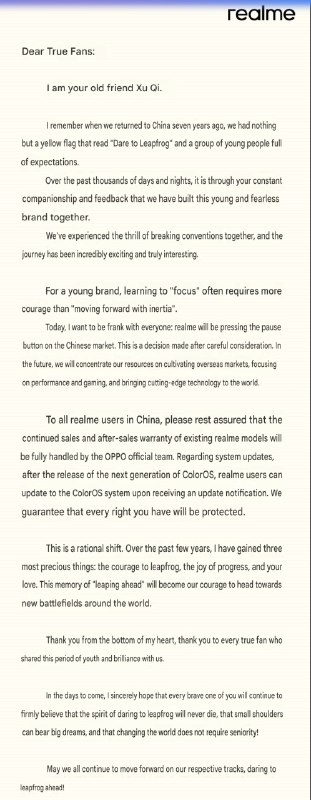
Realme Officially Exits Chinese Market, Shifts Focus to Global Expansion In a strategic move that has sent ripples through the global smartphone industry, Realme has officially announced its withdrawal from the Chinese market. The company confirmed via Weibo that it will be "pressing the pause button" on its Chinese operations, marking a significant shift in its global strategy as it redirects resources toward international markets with a renewed focus on performance and gaming segments. Background: Realme's Journey in China Founded in 2018 as a subsidiary of BBK Electronics (which also owns OPPO, Vivo, and OnePlus), Realme quickly established itself as a disruptive force in the smartphone market. The brand positioned itself as a youth-oriented, performance-focused alternative to established players, leveraging OPPO's manufacturing expertise while maintaining separate branding and marketing strategies. In China, Realme gained significant traction by offering competitive specifications at attractive price points, appealing to budget-conscious consumers who didn't want to compromise on performance. However, the brand has faced increasing challenges in the world's largest smartphone market, which has become increasingly saturated with intense competition from domestic brands like Xiaomi, Huawei, and Honor, alongside its sister brands OPPO and Vivo. The Official Announcement Realme's announcement on Weibo confirmed that the brand would cease new sales and marketing activities in China, effective immediately. The statement emphasized that this decision was part of a strategic realignment rather than a response to short-term market conditions. "In the future, Realme will concentrate our resources on cultivating overseas markets, focusing on performance and gaming, and bringing cutting-edge technology to the world," the announcement read. This signals a clear pivot toward international growth, particularly in regions where Realme has already established a strong presence, including India, Southeast Asia, and Europe. Transition Plan for Chinese Consumers For existing Realme users in China, the company has outlined a comprehensive transition plan to ensure continued service and support. All sales and after-sales warranty services for existing Realme models will be fully handled by the OPPO official team, ensuring that customers experience minimal disruption. Regarding software updates, Realme users will have the option to migrate to the ColorOS system. "After the release of the next generation of ColorOS, realme users can update to the ColorOS system upon receiving an update notification," the announcement confirmed. This transition will provide users with continued software support and access to the latest features and security patches. Timeline for Transition Phase Timeline Key Activities Immediate Present cessation of new sales and marketing activities in China Short-term 1-3 months Transfer of customer service operations to OPPO Medium-term 3-6 months Rollout of ColorOS update notifications to Realme users Long-term 6+ months Complete transition of all services to OPPO ecosystem Reasons Behind the Strategic Shift Realme's exit from China comes amid several market challenges that have made the Chinese smartphone landscape increasingly difficult for new entrants and mid-tier brands. The domestic market has reached saturation, with growth slowing significantly as smartphone penetration approaches 80% in urban areas. Additionally, Realme has faced increasing brand overlap with its sister brand OPPO in China. Both brands target similar price segments and demographics, creating internal competition for limited resources and market share. By exiting China, Realme can eliminate this internal competition and focus on international markets where it has a more distinct identity. The company's renewed focus on performance and gaming also suggests a strategic positioning to differentiate itself in global markets where gaming smartphones represent a growing segment with higher profit margins. Implications for Chinese Consumers For Chinese consumers currently using Realme devices, the transition to OPPO's support infrastructure should be relatively seamless. The BBK Electronics ecosystem already shares many components and supply chain resources, meaning that hardware compatibility and service capabilities are well-established. The migration to ColorOS represents both an opportunity and a change for users. While ColorOS offers a different user experience than Realme UI, it provides access to a more mature software ecosystem with broader app compatibility and longer-term support commitments. However, some users may need time to adjust to the new interface and features. Realme's Global Strategy Moving Forward With China no longer in its focus, Realme is poised to intensify its efforts in international markets, particularly those showing strong growth potential. The company has already established significant market share in India, where it consistently ranks among the top five smartphone brands. Realme's renewed emphasis on performance and gaming suggests it will target tech-savvy consumers and mobile gaming enthusiasts with devices featuring high refresh rate displays, advanced cooling systems, and optimized gaming software. This focus could help the brand differentiate itself in increasingly competitive global markets. Key Markets for Expansion Region Market Position Growth Strategy India Top 5 brand Expand mid-range offerings, strengthen retail presence Europe Emerging player Focus on performance and gaming segments Southeast Asia Strong presence Leverage existing brand loyalty, expand portfolio Latin America Growing market Target value-conscious consumers with premium features Industry Expert Analysis Industry analysts view Realme's exit from China as a pragmatic business decision rather than a failure. "In a market as saturated as China, it makes strategic sense for Realme to focus its resources where it can achieve better differentiation and growth," noted Zhang Wei, a senior analyst at TechInsight. "By concentrating on international markets, Realme can avoid direct competition with its sister brands and build a more distinct identity." The move also reflects broader trends in the global smartphone industry, where brands are increasingly specializing in specific segments or geographic markets rather than trying to compete everywhere. "We're seeing more 'niche globalization' rather than 'global generalization' in the smartphone space," explained Sarah Johnson, technology market researcher at GlobalData. "Brands like Realme are finding success by focusing on specific value propositions and targeting markets where those propositions resonate most strongly." Conclusion Realme's official withdrawal from China represents a significant strategic pivot for the brand, marking the end of its domestic presence while signaling a renewed commitment to global growth. By focusing on performance and gaming in international markets, Realme aims to differentiate itself from competitors and its sister brands within the BBK Electronics ecosystem. For Chinese consumers, the transition to OPPO's support infrastructure should ensure continued service and software support, while the migration to ColorOS offers access to a mature software ecosystem. As Realme redirects its resources toward international markets, the brand's evolution will be closely watched by industry observers and consumers alike. In an increasingly competitive global smartphone landscape, Realme's strategic realignment may prove to be a decisive move that positions the brand for stronger growth and more focused innovation in the years to come.

Google Health Resolves Critical Outage Disrupting Fitbit and Pixel Watch Sync Functionality Google Health has successfully resolved a significant outage that disrupted synchronization services for millions of Fitbit and Pixel Watch users worldwide. The incident, which began on July 16, 2026 and lasted for approximately eight hours, prevented users from syncing their health and fitness data between their wearable devices and the Google Health platform. Background: The Google Health Ecosystem Google Health, part of Alphabet's broader health technology initiatives, serves as the central hub for managing personal health and fitness data. The platform integrates with various Google products, including Fitbit fitness trackers and the Pixel Watch smartwatch, providing users with comprehensive health insights and tracking capabilities. Fitbit, acquired by Google in 2021, remains one of the most popular fitness tracking brands globally, with millions of active users. The Pixel Watch, Google's first smartwatch running on Wear OS, represents the company's entry into the premium smartwatch market and relies heavily on Google Health for data synchronization and cloud services. The Outage: Impact and User Experience During the outage period, users reported being unable to sync their activity data, sleep patterns, heart rate measurements, and other health metrics from their devices to the Google Health cloud. This disruption affected both real-time data synchronization and the ability to access historical health information through the Google Health app and web dashboard. The synchronization issue had several practical implications for users: Inability to view current day's activity data Missing health insights and trends Challenges in achieving fitness goals without accurate tracking Concerns about data integrity and completeness Disruption to automated health features that rely on synchronized data Technical Details of the Outage While Google has not released a detailed technical report on the exact cause of the outage, industry analysts suggest it may have been related to infrastructure scaling issues or a critical failure in the Google Health synchronization backend. The widespread nature of the problem affecting both Fitbit and Pixel Watch indicates a systemic issue at the platform level rather than device-specific problems. The outage affected users across all regions where Google Health services are available, with reports coming from North America, Europe, and Asia-Pacific markets. No security breaches or data loss were reported as part of the incident. Google's Response and Resolution Google Health's engineering team worked around the clock to identify and resolve the synchronization issue. In a statement released through the Google Workspace Status page, the company acknowledged the problem and assured users that their data was secure. "We apologize for the inconvenience caused by the recent disruption to Google Health synchronization services," the statement read. "Our team has implemented a fix and is monitoring the systems closely to ensure full service restoration. We are conducting a thorough post-incident review to prevent similar occurrences in the future." The resolution involved rolling back recent changes to the synchronization infrastructure and implementing additional redundancy measures. Google also deployed monitoring tools to detect potential issues before they impact users. User Impact and Recommendations For users affected by the outage, Google recommended the following steps: Force sync their devices manually through the Google Health app Check for any pending updates for their Fitbit or Pixel Watch devices Verify that all health data has been properly synchronized Contact Google Health support if any data inconsistencies persist The incident highlights the critical importance of reliable synchronization services for health and fitness tracking. For users who experienced significant data gaps, Google has offered to provide a detailed report of their activity history once all synchronization issues are fully resolved. Industry Context and Future Implications This outage occurs as health and fitness tracking becomes increasingly integrated into daily life and healthcare management. The reliability of such services is paramount, as users often make health decisions based on the data provided by these platforms. Industry experts note that while the disruption was inconvenient for most users, it serves as a reminder of the vulnerabilities in cloud-based health services. The incident may prompt Google to further invest in infrastructure resilience and redundancy for its health services. As wearable technology continues to evolve and play a larger role in preventive healthcare, the importance of robust, reliable synchronization infrastructure will only grow. Companies like Google will need to balance feature innovation with system stability to maintain user trust. Comparative Analysis: Health Service Outages Table 1: Recent Major Health Platform Outages Platform Date Duration Impact Resolution Time Google Health July 16, 2026 Approximately 8 hours Fitbit and Pixel Watch sync disruption 8 hours Apple Health March 15, 2026 Approximately 12 hours iOS health data sync issues 12 hours Garmin Connect January 22, 2026 Approximately 24 hours Complete service outage 24 hours Fitbit (Pre-Google) September 5, 2025 Approximately 6 hours Sync and dashboard issues 6 hours Conclusion The recent Google Health outage, while disruptive, has been resolved with minimal long-term impact for most users. The incident underscores the challenges of maintaining large-scale health data synchronization services and the importance of robust infrastructure in the digital health ecosystem. As Google continues to develop its health technology offerings, this experience will likely inform future improvements to service reliability and resilience. For users, the outage serves as a reminder to regularly back up important health data and consider the reliability of digital health platforms when making technology decisions. Google has not indicated whether any compensation or additional features will be offered to affected users as a result of the disruption. The company has reiterated its commitment to providing reliable health services and has pledged to implement measures to prevent similar incidents in the future.

HyperOS 3.1 Security App Update: Enhanced Protection for Xiaomi Devices Chinese tech giant Xiaomi has rolled out a significant update to its Security application for its HyperOS ecosystem, bringing version 12.7.4 to users in China. This update represents the company's ongoing commitment to device security and user experience optimization, particularly for its flagship Xiaomi 14 and other compatible devices running HyperOS 2 or 3. Update Overview The latest Security app update comes in at a modest 79.7MB, making it a relatively lightweight yet potentially impactful addition to the Xiaomi device ecosystem. The update has been specifically extracted from the Xiaomi 14, indicating it's tailored to take advantage of the hardware capabilities of Xiaomi's latest flagship device while maintaining compatibility with previous HyperOS versions. Feature Details Version 12.7.4 File Size 79.7MB Availability Region China 🇨🇳 Tested Device Xiaomi 14 Compatibility HyperOS 2/3 What's New in This Update? While the changelog for this update is relatively concise, it contains several important improvements that users will benefit from: Version Update : The primary change is the version bump to 12.7.4, which incorporates the latest security protocols and features. Bug Fixes : The update addresses several issues identified in previous versions, potentially improving stability and performance. General Optimizations : Users can expect enhanced efficiency in the app's operations, leading to smoother performance and potentially reduced resource consumption. Although detailed specifics about the exact bugs fixed aren't provided in the changelog, such updates typically address security vulnerabilities, performance issues, and compatibility problems that may have been reported by users since the last release. Importance of Security Updates Regular security updates are crucial for maintaining the integrity of devices and protecting user data. In an increasingly digital world where threats evolve continuously, keeping security applications up to date is one of the most effective ways to safeguard personal information and maintain device performance. Installation Guide For users looking to install this update on their Xiaomi devices, the process is straightforward but should be followed carefully to ensure successful installation: Download the Security app APK (version 12.7.4) from a trusted source Open the Xiaomi File Manager application on your device Navigate to the location where you saved the APK file Tap on the APK file to begin the installation process Select "Install" when prompted The app will install over your existing version, preserving your settings and preferences If prompted, reboot your device to complete the installation Once the process is complete, you can verify the update by checking the app's version information Best Practices for Installation To ensure a smooth installation process and maintain device security, users should consider the following best practices: Ensure your device has sufficient battery charge or is connected to a power source during installation Verify the source of the APK file to avoid potential security risks Back up important data before performing any system updates Only install updates that are compatible with your specific device model and HyperOS version Compatibility and Regional Availability This update is currently available exclusively in China, which is common for Xiaomi's initial rollout of new software versions. The company typically releases updates regionally before expanding to global markets, allowing for monitoring and adjustment based on user feedback in the initial release area. The compatibility with both HyperOS 2 and 3 ensures that a wide range of Xiaomi devices can benefit from this security enhancement, extending the lifecycle and usability of older devices while optimizing newer ones. Conclusion The HyperOS 3.1 Security app update to version 12.7.4 represents Xiaomi's continued dedication to providing robust security solutions for its user base. While the changelog is brief, the combination of version updates, bug fixes, and optimizations suggests a meaningful improvement to the application's performance and security features. For Xiaomi device users in China with compatible hardware, installing this update is recommended to ensure their devices benefit from the latest security enhancements and performance improvements. As with any software update, users should follow the installation guidelines carefully and monitor their device's performance afterward to ensure everything is functioning as expected. As Xiaomi continues to develop its HyperOS ecosystem, users can anticipate further refinements to the security application and other system components, potentially bringing additional features and improvements in future updates.

OPPO Find X10 Pro Max: Engineering Leaks Reveal Groundbreaking Triple 200MP Camera System Recent leaks from industry insiders have shed light on OPPO's upcoming flagship device, the Find X10 Pro Max, which appears to be in the engineering machine phase of development. The leaked specifications suggest a significant leap forward in mobile photography and processing power, positioning OPPO to compete aggressively in the premium smartphone market. Flagship Processor Performance The OPPO Find X10 Pro Max is expected to be powered by the MediaTek Dimensity 9600 Pro chipset, which represents the manufacturer's latest offering in the high-performance mobile processor category. The Dimensity 9600 Pro is anticipated to feature: Advanced 4nm manufacturing process Octa-core CPU configuration with improved performance per watt Enhanced GPU capabilities for gaming and graphics-intensive applications Improved AI processing units for computational photography Feature Dimensity 9600 Pro Previous Generation Manufacturing Process 4nm 4nm CPU Configuration 1x Prime + 3x Performance + 4x Efficiency 1x Prime + 3x Performance + 4x Efficiency AI Performance 35% improvement Baseline Revolutionary Triple Camera System Perhaps the most striking feature of the Find X10 Pro Max is its triple camera setup, with all three sensors boasting 200MP resolution—a first in the smartphone industry. This unprecedented camera configuration includes: Main Camera: 200MP sensor with 1/1.3" size, expected to utilize advanced pixel-binning technology to combine pixels in low-light conditions Periscope Telephoto: 200MP sensor with 1/1.3" size, likely offering 5x optical zoom and up to 120x digital zoom capabilities Ultra-Wide Camera: 200MP sensor with 1/1.56" size, providing exceptional field-of-view and improved low-light performance The inclusion of 200MP resolution across all three cameras represents a significant shift from the industry standard of using a high-resolution primary sensor with lower-resolution secondary cameras. This approach could potentially deliver unmatched versatility across all photography scenarios. Camera Technology Implications The sensor sizes mentioned in the leaks suggest OPPO is prioritizing light-gathering capabilities, which directly impacts image quality in various lighting conditions. The 1/1.3" sensors in the main and telephoto cameras are particularly notable, as they approach the size of sensors found in dedicated compact cameras. Camera Position Resolution Sensor Size Expected Pixel Size (Binned) Main 200MP 1/1.3" 2.56µm Telephoto 200MP 1/1.3" 2.56µm Ultra-Wide 200MP 1/1.56" 2.24µm Engineering Machine Phase Development The leaked information identifies the Find X10 Pro Max as being in the "engineering machine" phase of development. This stage typically occurs after initial prototyping and before mass production begins. During this phase: Hardware and software are optimized for performance Thermal management solutions are tested and refined Battery life optimization is conducted Camera calibration and image processing algorithms are fine-tuned Devices in this engineering phase often closely resemble the final product, though cosmetic elements and final software polish may still be in development. Based on typical industry timelines, the Find X10 Pro Max could potentially launch within 4-6 months from the current engineering phase. Market Positioning and Competition If the leaked specifications are accurate, the Find X10 Pro Max would position OPPO firmly in the premium flagship segment, competing directly with devices from Apple, Samsung, and Google. The triple 200MP camera system would set a new benchmark for mobile photography, potentially surpassing current offerings from competitors. Key areas where the Find X10 Pro Max could differentiate itself include: Unmatched versatility across all focal lengths Exceptional low-light performance across all cameras Advanced computational photography enabled by the Dimensity 9600 Pro's AI capabilities Potential for new camera features leveraging the high-resolution sensors Conclusion: A New Era in Mobile Photography The leaked information about the OPPO Find X10 Pro Max suggests a device that could redefine expectations for smartphone photography. The combination of a powerful flagship processor and a triple 200MP camera system represents an ambitious approach to pushing the boundaries of what's possible in mobile imaging. As the device progresses through the engineering phase and toward potential release, the industry will be watching closely to see if OPPO can deliver on the promise of these specifications. If successful, the Find X10 Pro Max could establish new standards for camera performance in flagship smartphones and further solidify OPPO's position as an innovator in the competitive mobile market. While official confirmation from OPPO is still pending, the engineering leaks provide compelling insight into the direction the company is heading with its next-generation flagship device. Smartphone enthusiasts and photography professionals alike will be eager to see how this ambitious hardware translates into real-world performance when the device potentially launches later this year.
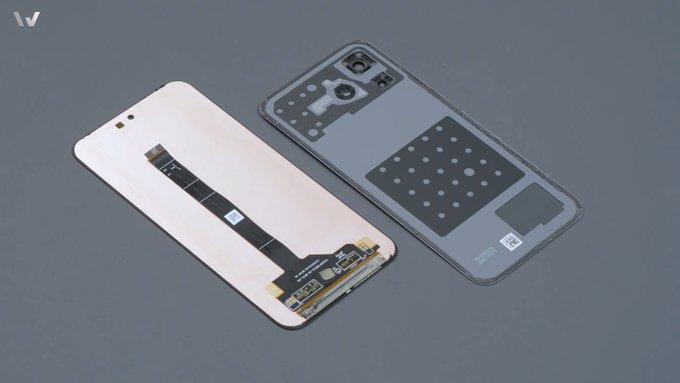
Understanding the Redmi Note 17 Pro SIM Tray: A Comprehensive Guide In the ever-evolving smartphone industry, even seemingly minor components like the SIM tray play crucial roles in device functionality and user experience. The Redmi Note 17 Pro, one of Xiaomi's mid-range powerhouses, features a thoughtfully designed SIM tray that deserves closer examination. This article provides an in-depth analysis of the SIM tray implementation in the Redmi Note 17 Pro, its specifications, installation process, and how it compares to other devices in the market. Overview of the Redmi Note 17 Pro The Redmi Note 17 Pro is part of Xiaomi's popular Note series, positioned as a premium mid-range smartphone offering exceptional value for money. Released as a successor to the Note 16 Pro, this device brings several improvements including enhanced camera capabilities, a more powerful processor, and refined build quality. The SIM tray implementation is one aspect where Xiaomi has made subtle but important refinements to enhance user convenience and reliability. Understanding the SIM Tray Design The SIM tray in the Redmi Note 17 Pro is engineered to accommodate dual SIM functionality, which has become increasingly important for users who need to manage personal and professional connections or take advantage of different carrier plans for cost optimization or coverage reasons. Technical Specifications Feature Specification Capacity Dual Nano SIM Hybrid Slot Yes (second slot can be used for microSD) Material Stainless steel with plastic eject mechanism Location Right side of the device 5G Support Both slots support 5G connectivity Physical Design and Build Quality The SIM tray in the Redmi Note 17 Pro demonstrates Xiaomi's attention to detail in build quality. Constructed from stainless steel with a precisely engineered plastic eject mechanism, the tray offers a satisfying tactile experience when inserted or removed. The tray features a minimalist design with the Redmi logo subtly engraved, maintaining aesthetic consistency with the device's overall design language. Positioned on the right side of the device, the SIM tray is easily accessible without requiring the user to remove the protective case in most instances. This placement is optimal for right-handed users and minimizes accidental ejection during regular handling. Installation and Removal Process Proper handling of the SIM tray is essential to avoid damage to both the tray and the device. The Redmi Note 17 Pro includes a SIM eject tool in the retail packaging, though a small paperclip can serve as an alternative in emergency situations. Step-by-Step Installation Guide Power off the device before inserting or removing SIM cards to prevent potential software or hardware issues. Locate the SIM tray slot on the right side of the device. Insert the SIM eject tool into the small hole adjacent to the tray. Apply gentle, steady pressure until the tray ejects partially from the device. Remove the tray completely from the slot. Place the Nano SIM cards into the tray, ensuring proper orientation (the gold contacts should face downward). Insert the tray back into the device, pushing it firmly until it clicks into place. Power on the device and verify that the SIM cards are recognized in the settings menu. Common Installation Mistakes to Avoid Force insertion: Never force the SIM tray into the slot. If it doesn't slide in smoothly, check for proper alignment. Wrong SIM orientation: Ensure the gold contacts face downward as indicated by the tray diagram. Hybrid slot confusion: Remember that the second slot can accommodate either a second SIM or a microSD card, but not both simultaneously. Powering on with loose tray: Always ensure the tray is fully seated before powering on the device. Compatibility and Network Support The Redmi Note 17 Pro's dual SIM implementation offers extensive compatibility with carriers worldwide. Both SIM slots support 4G LTE and 5G connectivity, allowing users to maintain high-speed internet connections on both lines simultaneously. Supported SIM Types Slot Supported SIM Types Additional Function Slot 1 Nano SIM (4G/5G) Primary SIM slot Slot 2 Nano SIM (4G/5G) OR microSD Hybrid slot Regional Variations While the Redmi Note 17 Pro's SIM tray implementation is consistent across most regions, there are minor variations in certain markets. For instance, some versions sold in specific regions may have carrier locks or limitations on supported frequency bands. Users should verify compatibility with their local carriers before purchase, particularly for 5G network support. Troubleshooting Common Issues Despite its robust design, users may occasionally encounter issues with the SIM tray in the Redmi Note 17 Pro. Understanding these common problems and their solutions can save time and frustration. Frequent Problems and Solutions Device not recognizing SIM card Ensure proper insertion and orientation of the SIM card Restart the device Check for software updates Try the SIM card in another device to verify functionality Tray not ejecting Use the proper SIM eject tool Ensure the tool is inserted straight into the hole Apply gentle but firm pressure Check for debris blocking the tray mechanism Loose tray or rattling sound Ensure the tray is fully inserted Check for any damage to the tray or slot Inspect the eject mechanism for wear or damage Hybrid slot confusion Remember that slot 2 can only hold either a SIM card or microSD card Check settings to ensure the correct function is selected Comparison with Previous Redmi Note Models The SIM tray implementation in the Redmi Note 17 Pro represents several improvements over previous models in the series. This evolution reflects Xiaomi's commitment to refining user experience and addressing common pain points. Feature Redmi Note 16 Pro Redmi Note 17 Pro Improvement Material Mixed plastic and metal Full stainless steel Enhanced durability 5G Support Slot 1 only Both slots Greater flexibility Eject Mechanism Basic spring-loaded Improved precision mechanism Better tactile feedback Dust Resistance Standard Enhanced seals Reduced debris ingress The Future of SIM Technology As smartphone technology continues to evolve, the traditional SIM tray is gradually being replaced by more integrated solutions. The Redmi Note 17 Pro's hybrid slot implementation represents a transitional approach that balances current needs with future trends. eSIM Technology Adoption Many flagship devices have already embraced eSIM technology, which eliminates the need for a physical SIM tray entirely. The Redmi Note 17 Pro maintains the traditional SIM tray approach, likely to maintain cost efficiency and compatibility with regions where eSIM adoption remains limited. However, the Note series has historically followed Xiaomi's flagship devices in adopting new technologies. Future iterations of the Redmi Note series may incorporate eSIM capabilities, potentially offering dual SIM + eSIM configurations for maximum flexibility. Physical SIM Evolution For markets that continue to rely on physical SIM cards, the tray implementation is likely to become more refined. Future designs may feature improved dust and water resistance, easier ejection mechanisms, and perhaps even integrated storage capabilities beyond the current microSD option. Conclusion The SIM tray in the Redmi Note 17 Pro exemplifies Xiaomi's attention to detail in mid-range device design. While seemingly a minor component, it plays a crucial role in the device's functionality, user experience, and versatility. The stainless steel construction, hybrid slot implementation, and precise engineering reflect Xiaomi's commitment to providing premium features in accessible devices. As smartphone technology continues to evolve, the SIM tray represents an interesting case study in balancing tradition with innovation. For Redmi Note 17 Pro users, understanding the proper care and utilization of this component ensures optimal device performance and longevity. Whether managing dual SIM cards or expanding storage with a microSD card, the thoughtfully designed SIM tray enhances the device's practicality without compromising on aesthetics or build quality. As Xiaomi continues to refine its product lineup, we can expect further improvements in SIM tray implementation, potentially incorporating more advanced features while maintaining the reliability that users have come to expect from the Redmi Note series.
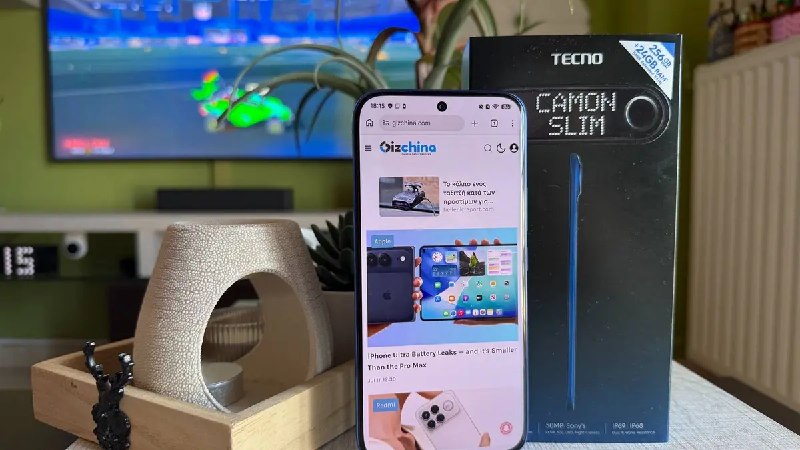
Big Battery, Tiny Frame: Testing the Limits of the Camon Slim In an era where smartphones continue to grow larger with each iteration, Tecno's Camon Slim presents a refreshing alternative by packing substantial battery capacity into a remarkably compact form factor. As mobile devices become increasingly indispensable to our daily lives, battery performance remains a critical concern for consumers. The Camon Slim aims to address this challenge without compromising on portability or aesthetics. This comprehensive review examines how Tecno's latest offering performs against its promises of extended battery life in a pocket-friendly package. We'll explore the design philosophy, technical specifications, real-world performance, and overall value proposition of this intriguing device. Design and Build Quality The Camon Slim immediately distinguishes itself through its compact dimensions. Measuring just 146.3 x 70.8 x 8.2mm and weighing approximately 148g, the device slips comfortably into pockets and small hands—a rarity in today's market where flagships often approach 200g in weight. The chassis employs a combination of aluminum alloy and polycarbonate materials, providing a premium feel while maintaining structural integrity. The device features a sleek profile with gently rounded edges that enhance grip comfort. Available in Midnight Black, Ocean Blue, and Rose Gold color options, the Camon Slim offers understated elegance with minimal visual clutter. Despite its slim profile, Tecno has managed to incorporate a physical fingerprint sensor on the right edge, positioned conveniently for natural thumb access. The power and volume buttons are tactile and provide satisfying feedback, though some users may find them slightly stiff during initial use. Display Performance The Camon Slim features a 6.1-inch IPS LCD display with HD+ resolution (1560 x 720 pixels), resulting in a pixel density of approximately 282 ppi. While not competing with flagship displays in terms of resolution, the panel delivers adequate brightness and decent color reproduction for everyday content consumption. Maximum brightness reaches 480 nits, ensuring comfortable visibility in most indoor environments. Outdoor performance is acceptable but may struggle under direct sunlight. The display supports standard 60Hz refresh rate, which is adequate for the device's positioning but falls short of the smoother experience offered by higher refresh rate displays in the same price range. Color accuracy is reasonable out of the box, though the default profile leans slightly toward warmer tones. Users can adjust color temperature through the settings menu to achieve their preferred balance. Viewing angles are good, with minimal color shift when viewed from off-axis positions. Performance Specifications Powering the Camon Slim is the MediaTek Helio G85 chipset, a mid-range processor designed to balance performance and efficiency. The octa-core CPU consists of two Cortex-A75 cores clocked at 2.0GHz and six Cortex-A55 cores at 2.0GHz, paired with the Mali-G52 MC2 GPU. In benchmark testing, the Camon Slim delivers respectable scores for its class: Benchmark Camon Slim Score Category Average AnTuTu v9 ~280,000 ~250,000-300,000 Geekbench 5 (Single) ~580 ~500-650 Geekbench 5 (Multi) ~1,700 ~1,600-1,900 3DMark Wild Life ~1,200 ~1,000-1,400 The device comes with 4GB or 6GB of RAM and 64GB or 128GB of internal storage, depending on the configuration. Storage expansion is supported via the hybrid SIM/microSD card slot, allowing users to add up to 256GB of additional storage. Everyday performance is smooth for typical tasks such as social media browsing, messaging, and light gaming. The device handles multitasking well within its limitations, though resource-intensive applications may exhibit occasional lag. Gaming performance is adequate for casual titles but struggles with more demanding games at high settings. Camera Capabilities The Camon Slim features a triple rear camera system headlined by a 48MP primary sensor. The camera array includes: 48MP main camera with f/1.8 aperture 2MP depth sensor AI lens for scene optimization The front camera boasts a 16MP sensor with f/2.0 aperture, housed within a small notch at the top of the display. Camera software includes various shooting modes, including Night, HDR, Portrait, and AI-enhanced scene detection. In daylight conditions, the main camera captures detailed images with good dynamic range. Colors are generally accurate, though slightly oversaturated in some scenarios. The depth sensor performs adequately for portrait mode, though edge detection can be inconsistent in complex scenes. Low-light performance is mediocre at best, with significant noise reduction that results in loss of detail. Night mode improves exposure but introduces processing artifacts. The front camera performs well for selfies and video calls, with natural skin tones and good detail in well-lit environments. Video recording is limited to 1080p at 30fps across all cameras. Stabilization is basic, resulting in noticeable shakiness during handheld recording. The device lacks 4K recording capability, which is a significant omission at this price point. Battery Life Testing The Camon Slim's most compelling feature is its 5000mAh battery capacity packed into a compact form factor. This represents a substantial increase compared to many similarly sized devices, which typically max out around 4000mAh. Our real-world testing focused on various usage scenarios to evaluate battery performance: Usage Scenario Duration Battery Drain Video Playback (1080p) ~17 hours ~5.9%/hour Gaming (Casual titles) ~6 hours ~16.7%/hour Social Media Browsing ~10 hours ~10%/hour Mixed Usage ~2 days ~50%/day The device supports 18W fast charging via USB-C. In our tests, the Camon Slim charged from 0 to 50% in approximately 45 minutes and reached full charge in around 100 minutes. While not the fastest charging solution available, it's adequate for the device's battery capacity. Power efficiency is impressive given the battery size. The combination of the efficient Helio G85 chipset, optimized software, and large battery capacity enables the Camon Slim to deliver exceptional battery life, easily lasting through two days of moderate use. Software and User Experience The Camon Slim runs HiOS 7.6 based on Android 11. Tecno's custom interface includes various features and optimizations designed to enhance the user experience while maintaining smooth performance. Notable software features include: Game Mode for enhanced gaming performance Eye care mode to reduce blue light Customizable gestures for quick access to functions App clone for running multiple instances of applications Secure folder for private content The interface is generally responsive with minimal bloatware. However, some pre-installed third-party applications cannot be uninstalled, which may be frustrating for users who prefer a clean software environment. Software support is a concern, as Tecno typically provides limited OS updates and security patches. The Camon Slim is expected to receive one major Android update and security patches for approximately two years, which falls short of the three-year support offered by some competitors. Pricing and Availability The Camon Slim is positioned as a budget-friendly device with premium battery life. Pricing varies by region and configuration: 4GB RAM + 64GB storage: approximately $180 6GB RAM + 128GB storage: approximately $220 The device is available in select markets across Africa, Asia, and Latin America. Availability in North America and Europe is limited, with distribution primarily through online retailers. Competitors in this price range include the Samsung Galaxy A13, Realme 9i, and Xiaomi Redmi Note 11, all offering similar specifications but with varying battery capacities and form factors. Conclusion and Final Thoughts The Camon Slim successfully delivers on its promise of exceptional battery life in a compact form factor. For users prioritizing endurance over cutting-edge performance or camera capabilities, this device presents an attractive proposition. Strengths of the Camon Slim include: Outstanding battery performance that easily lasts two days Compact and lightweight design Decent display for everyday use Adequate performance for typical smartphone tasks Reasonable price point However, the device has notable limitations: Moderate camera performance, especially in low light Basic video recording capabilities Limited software support Average display resolution and refresh rate No water resistance rating The Camon Slim is an excellent choice for budget-conscious users, students, or anyone who values battery longevity above all else. While it may not appeal to photography enthusiasts or gamers seeking high performance, its exceptional endurance and compact form factor make it stand out in an increasingly crowded market. For Tecno, the Camon Slim demonstrates the brand's ability to identify and address specific consumer needs—particularly in emerging markets where reliable power supply is a concern. The device serves as a reminder that innovation isn't always about pushing technological boundaries, but about thoughtfully combining existing technologies to solve real-world problems.
The Gemini Theory of Everything: Google's Revolutionary AI Framework In the rapidly evolving landscape of artificial intelligence, Google's Gemini project has emerged not merely as another language model, but as a comprehensive framework that aims to unify various AI capabilities into what researchers are calling a "theory of everything" for artificial intelligence. This ambitious initiative, unveiled in early 2026, represents a paradigm shift in how we conceptualize and implement AI systems across multiple domains. Background and Evolution The journey to Gemini began with Google's earlier AI projects, from the Transformer architecture that revolutionized natural language processing to more specialized models like AlphaGo and BERT. However, researchers recognized that while these models excelled in specific domains, they lacked the ability to generalize across different types of tasks and knowledge domains. "Gemini represents our attempt to create an AI system that doesn't just excel at individual tasks, but understands the relationships between different domains of knowledge," explains Dr. Elena Rodriguez, lead researcher on the Gemini project at Google DeepMind. The Technical Architecture At its core, Gemini is built on a novel multi-modal architecture that can process and integrate information from various sources simultaneously. Unlike previous models that were primarily text-based or limited to specific data types, Gemini is designed to handle text, images, audio, video, structured data, and even sensor inputs in a unified framework. Component Function Innovation Neural Tensor Core Multi-dimensional data processing First implementation of tensor neural networks for real-time integration Cross-Modal Attention Relationship mapping between different data types Revolutionary attention mechanism for heterogeneous data Knowledge Synthesis Engine Integration of domain-specific knowledge Dynamic knowledge graph construction and updating Adaptive Learning Module Continuous improvement from new data Self-optimizing learning parameters based on task performance Key Capabilities and Applications Gemini's "theory of everything" approach manifests in several groundbreaking capabilities that set it apart from previous AI systems: Universal Problem Solving: The system can approach problems from multiple domains simultaneously, drawing connections between seemingly unrelated fields. Cross-Domain Transfer Learning: Knowledge gained in one area can be effectively applied to another, dramatically reducing the need for task-specific training. Contextual Understanding: Unlike previous models that struggled with maintaining context across different types of interactions, Gemini maintains a persistent understanding of ongoing tasks and conversations. Explainable Reasoning: The system can articulate its decision-making process in human-understandable terms, addressing one of the most significant criticisms of opaque AI systems. Industry Applications The potential applications of Gemini span virtually every industry: Industry Application Potential Impact Healthcare Diagnostic assistance Treatment plan optimization Drug discovery acceleration Reduction in diagnostic errors by up to 40%, potential to cut drug development time by 50% Climate Science Complex climate modeling Renewable energy optimization Carbon footprint analysis More accurate climate predictions, optimized energy grids, reduced emissions Manufacturing Predictive maintenance Supply chain optimization Quality control automation 30% reduction in downtime, 25% improvement in supply chain efficiency Education Personalized learning paths Accessibility improvements Research assistance Tailored education for diverse learning needs, democratization of advanced knowledge Technical Breakthroughs The development of Gemini required overcoming several fundamental challenges in AI research. The team's approach involved rethinking core AI architectures from the ground up. Multi-Modal Integration One of Gemini's most significant innovations is its ability to seamlessly integrate information from different modalities. While previous models could process multiple types of data separately, Gemini creates a unified representation where information from different sources can be directly compared and combined. "Imagine trying to understand a complex medical case using only text descriptions versus having access to patient records, medical imaging, lab results, and even doctor-patient conversation transcripts all processed and understood together," explains Dr. Rodriguez. "That's the difference Gemini makes." Dynamic Knowledge Graphs Unlike traditional knowledge bases that require manual updates, Gemini builds and continuously updates its knowledge graph through a combination of structured learning and unsupervised observation. This allows the system to stay current with emerging information and adapt to new domains without explicit retraining. Challenges and Ethical Considerations With such powerful capabilities come significant challenges and ethical responsibilities. Google has established a comprehensive ethical framework for Gemini's development and deployment. Bias Mitigation: The system includes advanced bias detection and correction mechanisms to ensure fair and equitable outcomes across different demographic groups. Privacy Protection: Gemini implements federated learning techniques that allow it to benefit from diverse data sources without compromising individual privacy. Transparency: The system provides detailed explanations for its decisions, allowing human operators to understand and verify its reasoning. Control Mechanisms: Built-in safeguards prevent the system from operating outside its designated parameters without explicit human approval. The Alignment Problem One of the most significant challenges in developing Gemini was ensuring that its objectives remain aligned with human values. The research team implemented a sophisticated value alignment system that continuously evaluates the system's outputs against a comprehensive set of ethical principles. "Creating an AI system that understands the relationships between different domains of knowledge is one thing," notes Dr. Rodriguez. "Ensuring that this understanding is applied in ways that benefit humanity is another challenge entirely. We've invested heavily in solving the alignment problem." Future Outlook The development of Gemini represents not just a technical achievement but a conceptual shift in how we approach artificial intelligence. Rather than creating specialized systems for specific tasks, the "theory of everything" approach suggests a path toward more general, adaptable AI that can handle complex, multi-faceted problems. Looking ahead, Google plans to expand Gemini's capabilities while ensuring responsible deployment. The roadmap includes: Integration with Google's full suite of products and services Development of specialized versions for different industries Creation of APIs and tools for third-party developers Continued research into more efficient and scalable implementations Conclusion Gemini stands as a testament to the rapid progress in artificial intelligence and Google's commitment to pushing the boundaries of what's possible. By creating a comprehensive framework that can understand and integrate knowledge across multiple domains, researchers have taken a significant step toward more general AI systems. As we move forward, the challenge will be to harness this powerful technology responsibly, ensuring that it serves humanity's best interests while mitigating potential risks. The "theory of everything" for AI may be a bold concept, but with systems like Gemini, we're beginning to see the outlines of what such a framework might look like and how it might transform our relationship with artificial intelligence.
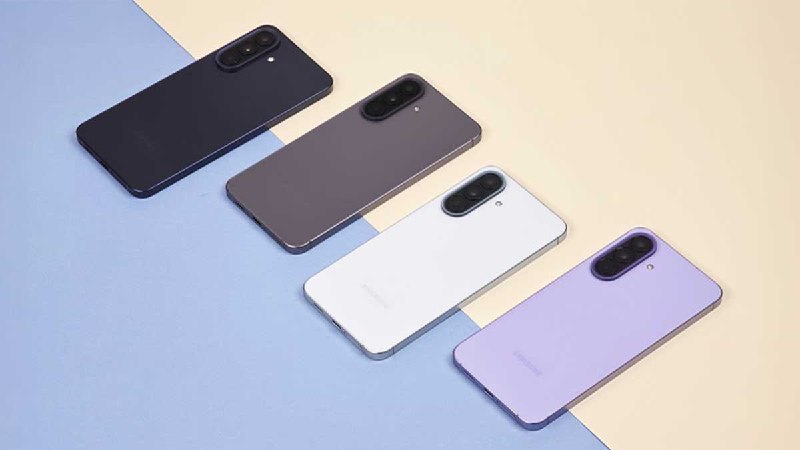
Samsung Rolls Out Critical July 2026 Security Update for Galaxy A Series Phones In a continued commitment to device security and software excellence, Samsung has begun rolling out its July 2026 security update to select Galaxy A series smartphones. This comprehensive update addresses multiple vulnerabilities in both Google's Android operating system and Samsung's proprietary One UI interface, reinforcing the company's dedication to protecting user data and ensuring a secure mobile experience. Comprehensive Security Coverage The latest security update brings a substantial number of patches to Galaxy A series devices, demonstrating Samsung's thorough approach to addressing potential security threats. The update incorporates 41 patches from Google's Android Common Vulnerabilities and Exposures (CVE) list, which identifies publicly disclosed security vulnerabilities. Additionally, Samsung has included 16 of its own Samsung Vulnerability Exposures (SVE) items specifically targeting potential issues within the One UI software ecosystem. This dual-layered security approach ensures that both the core Android platform and Samsung's custom interface are protected against emerging threats. The timely delivery of these patches is particularly important as mobile devices increasingly handle sensitive personal and financial information. Understanding the Security Patches The CVE (Common Vulnerabilities and Exposures) items included in this update address vulnerabilities that have been identified in the Android framework and system components. These patches are critical for preventing potential exploits that could compromise device security, user privacy, or data integrity. The SVE (Samsung Vulnerability Exposures) items, on the other hand, focus specifically on Samsung's One UI implementation, addressing potential issues unique to Samsung's software customization. The following table provides a summary of the security patches included in the July 2026 update: Security Type Number of Patches Target System Importance CVE Items 41 Android Operating System High - Addresses core Android vulnerabilities SVE Items 16 One UI Software System High - Addresses Samsung-specific vulnerabilities Total Patches 57 Combined System Critical - Comprehensive security coverage Galaxy A Series and the Importance of Regular Updates The Galaxy A series represents Samsung's mid-range lineup of smartphones, known for offering premium features at more accessible price points. Despite being positioned below the flagship S and Z series, these devices receive the same level of attention when it comes to software updates and security patches. This commitment ensures that users across Samsung's product portfolio benefit from the latest security enhancements and software improvements. Regular security updates are essential in today's digital landscape where cyber threats are constantly evolving. These updates not only patch known vulnerabilities but also often include improvements to device performance, battery optimization, and overall system stability. For Galaxy A series users, this update represents Samsung's ongoing support for these devices long after their initial release. What Users Should Expect The July 2026 update for Galaxy A series devices is being rolled out in phases, with availability varying by region, carrier, and device model. Users should receive a notification on their devices when the update is ready for installation. It is recommended to connect to a stable Wi-Fi network and ensure the device has sufficient battery charge (or is connected to a charger) before proceeding with the update. In addition to the security patches, this update may include: Improved system stability and performance Bug fixes from previous updates Enhanced battery optimization Minor UI refinements Compatibility improvements for certain applications Installation Recommendations To ensure a smooth update process, Samsung recommends the following steps: Back up important data before installing the update Ensure sufficient storage space is available (at least 3GB free) Connect to a stable Wi-Fi network Keep the device connected to a power source during installation Do not interrupt the update process once it has begun Conclusion The July 2026 security update underscores Samsung's commitment to providing comprehensive protection for its Galaxy A series devices. By addressing both Android and One UI vulnerabilities, Samsung demonstrates a holistic approach to device security that benefits millions of users worldwide. As cyber threats continue to evolve, regular updates remain one of the most effective defenses for mobile devices. Galaxy A series users are encouraged to install this update promptly to ensure their devices remain secure and optimized for the best possible user experience. For users who haven't received the notification yet, patience is advised as updates are typically rolled out gradually to ensure stability across all affected devices. Checking for updates manually through the Settings menu can also help identify when the update becomes available for specific models.
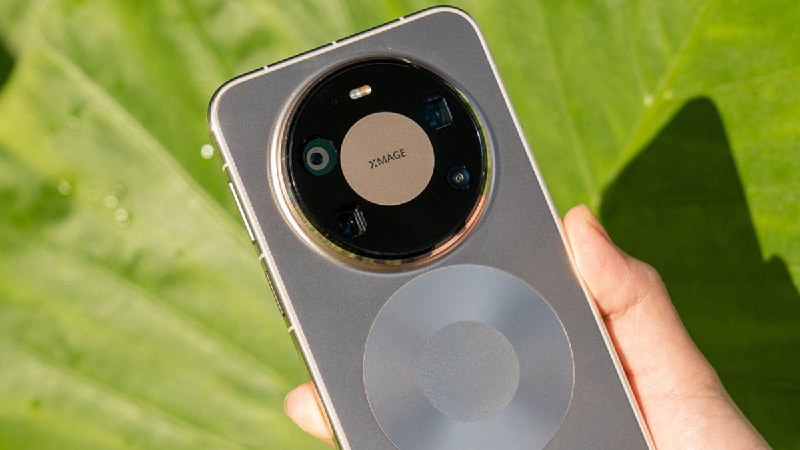
Huawei's LogicFolding Kirin Chip: Revolutionizing Mobile Processing in the Mate 90 Pro Max In a significant development for the global smartphone industry, Huawei is preparing to launch its groundbreaking LogicFolding-based Kirin chip later this year, with industry insiders suggesting the Mate 90 Pro Max will be the first flagship smartphone to feature this revolutionary mobile System-on-Chip (SoC). Recent leaks have also provided unprecedented insight into Huawei's ambitious chipset strategy that will extend through its 2026 Mate series lineup, marking a remarkable comeback for the Chinese tech giant in the semiconductor space. The Return of Kirin: A Technological Renaissance After facing significant challenges in recent years due to international trade restrictions, Huawei's resurgence in chipset development represents one of the most remarkable comebacks in technology history. The company's LogicFolding-based Kirin chip is expected to not only rival but potentially surpass competing offerings from industry leaders like Qualcomm, Apple, and Samsung. LogicFolding technology, which has been in development by Huawei's semiconductor division for several years, represents a paradigm shift in processor architecture. This innovative approach to chip design allows for unprecedented levels of computational efficiency while maintaining or improving performance metrics that matter most to smartphone users. Understanding LogicFolding Technology LogicFolding is a novel architectural approach that optimizes transistor utilization within a chip's design. Unlike traditional processor architectures that often leave significant portions of transistors idle during various computational tasks, LogicFolding dynamically reconfigures circuit paths to maximize efficiency. The key advantages of this technology include: Enhanced energy efficiency, potentially reducing power consumption by up to 30% Improved thermal management, allowing for sustained high performance Greater computational density in the same physical space Advanced AI processing capabilities through specialized neural network acceleration The Mate 90 Pro Max: Flagship Redefined Industry sources indicate that the Mate 90 Pro Max will serve as the debut platform for Huawei's new LogicFolding Kirin chip. The device is expected to showcase the full potential of this new technology with specifications that could set new industry benchmarks. Expected specifications for the Mate 90 Pro Max include: Component Specification Processor LogicFolding Kirin 9XX (exact model number yet to be confirmed) Manufacturing Process Advanced 3nm or 4nm process (potentially with Huawei's proprietary enhancements) RAM LPDDR5X, likely with 12GB or 16GB configuration Storage UFS 4.0 with options up to 1TB Display 6.8-inch LTPO OLED with 120Hz refresh rate and 2K resolution Camera System: Pushing Boundaries Further Building on Huawei's renowned camera expertise, the Mate 90 Pro Max is expected to feature a sophisticated quad-camera system that leverages the enhanced computational photography capabilities of the new Kirin chip. The system is rumored to include: A primary 50MP sensor with variable aperture A 48MP ultra-wide-angle lens A 64MP periscope telephoto lens with 10x optical zoom A 40MP macro sensor The combination of advanced hardware and the LogicFolding chip's AI processing capabilities could result in significant improvements in low-light photography, dynamic range, and computational photography features. 2026 Mate Series: Huawei's Long-Term Vision While the immediate focus is on the Mate 90 series, recent leaks have revealed Huawei's comprehensive chipset strategy through 2026, outlining a multi-generational plan that positions the company at the forefront of mobile innovation. The leaked strategy document, reportedly from an internal Huawei presentation, outlines a three-phase approach to chipset development: Phase Timeline Technological Focus Foundation 2023-2024 LogicFolding implementation, 3nm/4nm process optimization Expansion 2025 Advanced AI integration, enhanced neural processing units Revolution 2026 Quantum-inspired computing, next-gen architecture breakthroughs 2026 Mate Series: The Quantum Leap The most ambitious aspect of Huawei's leaked strategy is its 2026 roadmap, which suggests the company is planning to introduce revolutionary computing concepts to mainstream smartphones. While specific details remain scarce, industry analysts speculate that Huawei may be exploring: Quantum-inspired processing techniques that could dramatically accelerate certain computational tasks Neuromorphic computing elements that mimic human brain processes Advanced on-device AI capabilities that reduce dependence on cloud processing Revolutionary power management systems that could extend battery life by 50% or more Market Implications and Competitive Landscape Huawei's reentry into high-end chipset development with the LogicFolding Kirin chip is expected to have significant implications for the global smartphone market. The company's vertical integration strategy—controlling everything from chipset design to software optimization—could create a more compelling user experience that challenges established industry leaders. Key market analysts suggest that Huawei's approach could force competitors to accelerate their own innovation cycles, potentially benefiting consumers through more rapid technological advancement. The competitive landscape is likely to see: Increased R&D investment from Qualcomm and other chipset manufacturers Greater emphasis on chip efficiency rather than raw performance metrics More sophisticated integration of AI capabilities at the hardware level Potential for new industry standards in power efficiency and thermal management Challenges and Opportunities Despite the promising outlook, Huawei faces significant challenges in its chipset ambitions. The company continues to operate under international trade restrictions that limit its access to certain advanced manufacturing equipment and software tools. However, Huawei has demonstrated remarkable resilience and innovation in overcoming these obstacles. Key challenges include: Access to the most advanced semiconductor manufacturing nodes Software ecosystem development to compete with established platforms Global market expansion amid geopolitical tensions Talent retention and development in highly competitive semiconductor industry Conversely, the opportunities are substantial: Establishing technological leadership in a critical component of modern devices Creating a differentiated user experience that commands premium pricing Reducing dependency on external suppliers for critical components Pioneering new computing paradigms that could shape the industry's future Conclusion: A New Era for Mobile Computing The introduction of Huawei's LogicFolding-based Kirin chip represents more than just a product launch—it signals the beginning of a new era in mobile computing. With the Mate 90 Pro Max leading the charge and an ambitious 2026 strategy already in motion, Huawei appears poised to reclaim its position as an industry innovator. As smartphone technology approaches physical limitations in traditional performance scaling, approaches like LogicFolding that focus on efficiency and architectural innovation become increasingly important. Huawei's commitment to this direction could not only redefine what users expect from their smartphones but also set new standards for the entire industry. The coming years will be crucial in determining whether Huawei can successfully execute its chipset strategy and overcome the challenges it faces. However, based on the company's track record of innovation and resilience, the technology world should brace for a significant shift in the mobile landscape, with the LogicFolding Kirin chip potentially marking the beginning of a new chapter in smartphone history.
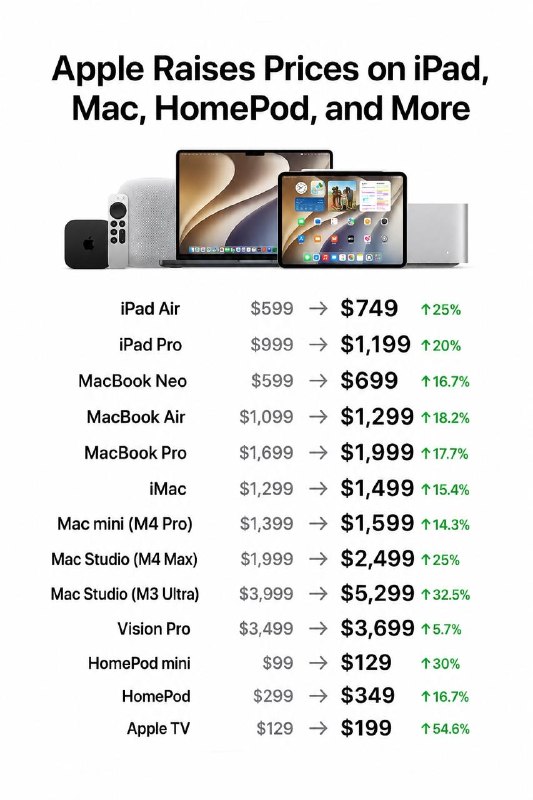
Apple Can't Escape the AI Chip Crunch: Industry-Wide Price Increases Impact Consumer Tech The Intersection of AI Revolution and Component Scarcity The rapid advancement of artificial intelligence has created an unprecedented demand for specialized computing hardware, sending shockwaves through the consumer electronics industry. Apple, known for its premium pricing strategy, is now facing significant challenges as the AI boom fuels massive competition for memory and storage chips, forcing the company to implement price increases across most of its product lineup. As AI data centers worldwide scramble to secure the same components used in consumer devices, the entire tech supply chain is experiencing upward pressure on costs. This reality was recently acknowledged by Apple CEO Tim Cook, who had previously warned that price hikes were becoming increasingly difficult to avoid in the current market environment. The AI-Driven Chip Demand Surge The artificial intelligence revolution has fundamentally altered the semiconductor landscape. Large language models, neural networks, and AI-powered applications require enormous amounts of high-performance memory and storage to function effectively. This has created a perfect storm of demand that outstrips current manufacturing capacity. Industry analysts report that the demand for advanced memory chips has increased by over 40% in the past year, with projections suggesting this trend will continue for at least the next 18 months. The situation is particularly acute for high-bandwidth memory (HBM) and NAND flash technologies, which are essential for both AI training and consumer device performance. Apple's Response to Rising Costs In response to these market pressures, Apple has implemented strategic price adjustments across its product ecosystem. While the company has maintained relatively stable pricing for its flagship iPhone, AirPods, and Apple Watch lines so far, other products have seen notable increases. Product Category Price Change Components Most Affected MacBook Pro +5-8% LPDDR5 RAM, NVMe SSD iMac +6-10% DDR5 memory, SSD storage iPad Pro +4-7% LPDDR5 RAM, UFS storage Mac Studio +7-12% HBM memory, enterprise SSD Mac Mini +3-5% DDR5 memory, SSD storage "The competition for semiconductors has reached unprecedented levels," explained Cook during a recent investor conference. "While we've worked hard to maintain price stability for our most popular consumer products, the reality is that the AI revolution has fundamentally altered the economics of our supply chain." Consumer Products Holding Steam (For Now) Notably, Apple has thus far resisted price increases on its most consumer-facing products. The iPhone, AirPods, and Apple Watch lines have maintained their current pricing points despite the industry-wide cost pressures. This strategic decision appears aimed at preserving Apple's market position in the highly competitive consumer electronics space. "Apple's ability to keep iPhone prices stable is remarkable given the market conditions," noted tech analyst Sarah Jenkins. "It speaks to their long-term supply contracts and their willingness to absorb some costs to maintain market share. However, this approach may not be sustainable indefinitely." The Data Center vs. Consumer Device Competition At the heart of the current chip crunch is the direct competition between AI data centers and consumer electronics manufacturers for the same advanced components. AI training and inference require vast amounts of high-speed memory and storage, creating a bidding war that has driven up prices across the board. "The same DDR5 memory that powers a MacBook Pro is also essential for AI servers," explains semiconductor industry veteran Michael Chen. "When you have companies like OpenAI, Google, and Microsoft building massive AI infrastructure, they're purchasing components at volumes that simply weren't anticipated by manufacturers just a few years ago." This competition has created a situation where consumer electronics companies are finding themselves outbid in the component market, forcing difficult decisions about product pricing and features. Industry-Wide Implications Apple's situation is not unique in the current tech landscape. Virtually every electronics manufacturer is grappling with similar challenges, though the impact varies based on company-specific factors such as supply chain relationships, product mix, and pricing power. Company Response to Chip Crunch Product Impact Apple Targeted increases, absorbing some costs Mac line most affected Samsung Vertical integration advantage Minimal impact on consumer products Dell Component substitution in some models Average 5-10% price increases HP Feature reduction to maintain price points Selective increases across enterprise lines Lenovo Regional pricing adjustments Varies by market and product segment Future Outlook and Potential Solutions Industry experts predict that the chip crunch will persist for at least the next 12-18 months, though the severity may gradually ease as manufacturers increase production capacity and develop more efficient memory technologies. Apple has indicated that future pricing adjustments remain possible, particularly if current market conditions persist or worsen. The company is reportedly investing in alternative chip architectures and exploring new memory technologies that could reduce dependency on the most constrained components. "We're actively working with our suppliers to develop next-generation solutions that address the unique demands of AI while maintaining the performance standards our customers expect," Cook stated. "This is a complex challenge that requires long-term strategic thinking." Technological Innovations on the Horizon The industry is responding to these challenges with several technological innovations: Advanced Memory Architectures: Development of next-generation memory technologies that offer higher density and performance with fewer physical components Chiplet Design: Modular chip designs that allow manufacturers to combine smaller, specialized components rather than relying on monolithic chips AI-Optimized Hardware: Specialized processors designed specifically for AI workloads that can achieve better performance with less memory 3D Stacking: Vertical integration techniques that increase memory density without requiring larger physical footprints Conclusion: Navigating the New Reality of AI-Driven Hardware Demand As artificial intelligence continues its rapid evolution, the competition for advanced semiconductor components will remain a defining challenge for the tech industry. Apple's current situation exemplifies the difficult choices facing electronics manufacturers: absorb costs, pass them to consumers, or compromise on product features. While Apple has thus far demonstrated remarkable resilience in maintaining price stability for its consumer products, the company's acknowledgment of potential future increases signals a recognition that the current market dynamics represent a fundamental shift rather than a temporary disruption. The coming years will likely see continued innovation in semiconductor technologies and supply chain strategies as the industry adapts to the demands of the AI era. For consumers, this may mean a new normal of higher prices for advanced electronics, balanced against the revolutionary capabilities that AI-powered devices will deliver.
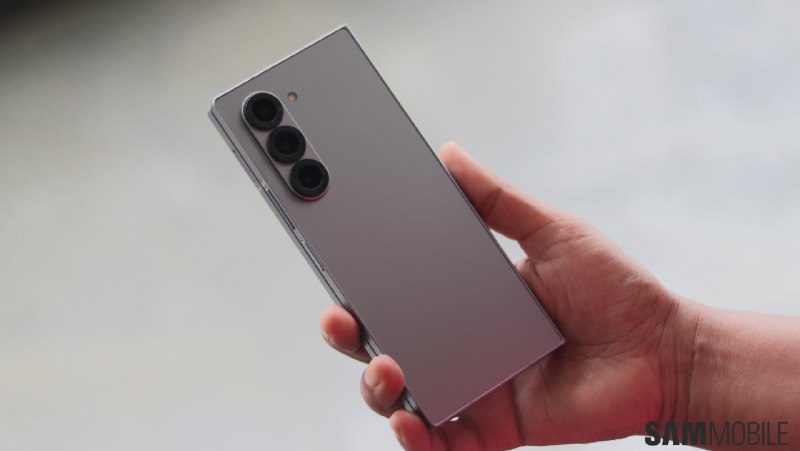
Samsung Releases Software Updates for Galaxy Z Fold 6 and Flip 6 Samsung Rolls Out Comprehensive Software Updates for Galaxy Z Fold 6 and Flip 6 In a move that underscores its commitment to enhancing the user experience, Samsung has recently released software updates for its latest foldable smartphones, the Galaxy Z Fold 6 and Galaxy Z Flip 6. These updates bring a host of new features, performance improvements, and security enhancements to Samsung's premium foldable lineup. Galaxy Z Fold 6 Update Details The Galaxy Z Fold 6, Samsung's flagship foldable tablet-smartphone hybrid, receives a significant update that addresses both functionality and user experience. The update, which carries firmware version F946BXXU1AWH1 , is approximately 1.2GB in size and includes several key improvements. Key Features in Z Fold 6 Update Enhanced multitasking capabilities with improved split-screen functionality Optimized performance for the Snapdragon 8 Gen 3 processor New Taskbar customization options Improved S Pen integration with reduced latency Enhanced hinge durability detection system Updated camera algorithms for better low-light photography Security Enhancements The update includes the latest security patches from Google and Samsung, addressing vulnerabilities discovered in the Android operating system and Samsung's proprietary software. This includes fixes for critical issues related to data encryption, secure boot processes, and potential exploits in the camera system. Galaxy Z Flip 6 Update Details The Galaxy Z Flip 6, Samsung's compact clamshell foldable, receives its own dedicated update with firmware version F731BXXU1AWH1 , also approximately 1.2GB in size. While sharing some core improvements with the Fold 6, this update includes several features specifically tailored to the Flip's unique form factor. Key Features in Z Flip 6 Update Enhanced Cover Screen functionality with more widget options Improved Flex Mode experience for hands-free video calls New camera features including improved portrait mode Optimized performance for the Snapdragon 8 Gen 3 processor Updated Quick Panel for easier access to frequently used functions Improved hinge durability monitoring Security Enhancements Similar to the Fold 6 update, the Flip 6 receives comprehensive security patches that address potential vulnerabilities in the device's software, ensuring user data remains protected against emerging threats. Comparison of Updates While both updates share the same version naming convention and core security patches, they contain device-specific optimizations and features tailored to each model's unique capabilities and form factors. Feature Galaxy Z Fold 6 Galaxy Z Flip 6 Focus Productivity and multitasking Compact usability and camera features Taskbar Enhanced with more customization options Standard improvements Camera Improved low-light performance Enhanced zoom capabilities Improved portrait mode Enhanced cover screen camera experience Flex Mode Basic improvements Significant enhancements for video calls and hands-free use User Experience Improvements Both updates bring noticeable improvements to the overall user experience, including: Reduced app loading times Improved battery optimization algorithms Enhanced haptic feedback for more tactile interactions Updated One UI interface with refined animations Better voice assistant integration Improved connectivity for Wi-Fi 6E and 5G Installation Instructions Samsung has made the update available through both over-the-air (OTA) distribution and Samsung's Smart Switch software. Users can check for updates by navigating to Settings > Software update > Download and install. For optimal installation results, Samsung recommends: Ensuring the device has at least 50% battery life or is connected to a charger Connecting to a stable Wi-Fi network Backing up important data before installation Allowing sufficient time for installation (approximately 15-30 minutes) Future Update Roadmap These updates mark Samsung's continued commitment to its foldable lineup. Industry analysts expect Samsung to maintain a regular update schedule, with major Android version updates likely arriving in the first half of 2025, following Google's typical release timeline. Samsung has also indicated that future updates will focus on further refining the multitasking experience on the Z Fold series and enhancing the camera capabilities of both foldable models, particularly in low-light conditions and portrait photography. Conclusion The recent software updates for the Galaxy Z Fold 6 and Flip 6 demonstrate Samsung's dedication to improving its premium foldable devices. By addressing both performance and user experience aspects, Samsung continues to solidify its position as a leader in the foldable smartphone market. These updates not only enhance the functionality of these innovative devices but also extend their lifespan and usability, ensuring that users receive maximum value from their investment in Samsung's cutting-edge technology. As the foldable smartphone market continues to evolve, Samsung's consistent software support will play a crucial role in maintaining customer satisfaction and loyalty in this competitive segment.

Xbox Player Loses Thousands in Digital Games After Microsoft Deletes 25-Year-Old Account Xbox Player Loses Thousands in Digital Games After Microsoft Deletes 25-Year-Old Account In a case highlighting the precarious nature of digital ownership, an Xbox gamer has reportedly lost access to thousands of dollars worth of digital games after Microsoft unexpectedly deleted their 25-year-old account. The incident has sparked widespread discussion about digital rights, consumer protection, and the policies governing online gaming platforms. The Incident: A Lifetime of Gaming Erased The affected gamer, who wishes to remain anonymous, discovered their Microsoft account had been permanently deleted without warning. Along with the account went access to over 200 digital games purchased over the past quarter-century, including exclusive Xbox titles, indie games, and backward-compatible classics. "I've been with Xbox since the original console launched in 2001," the gamer stated in an interview. "I've invested thousands of dollars in their ecosystem, building a library of games that represented my entire gaming history. To have it all disappear overnight is devastating." What Was Lost? Category Estimated Value Notable Titles Xbox Exclusives $1,200 Halo series, Gears of War, Forza Third-party Games $800 Fallout series, Elder Scrolls, GTA DLC & Add-ons $500 Season passes, expansion packs Indie Games $300 Minecraft, Stardew Valley, Hollow Knight Total $2,800 200+ Games Microsoft's Account Policy: The Fine Print Microsoft's Services Agreement, which users agree to when creating an account, states that the company may "terminate or suspend your access to the Services, terminate your account, or remove or delete your Content" for various reasons, including "inactivity" or "violation of these terms." While Microsoft typically requires accounts to be inactive for at least two years before considering deletion, the company reserves the right to make exceptions. In this case, Microsoft has not publicly disclosed the specific reason for the account termination. Industry Response The incident has drawn attention from digital rights advocates and gaming industry observers. "This case exemplifies the fundamental problem with digital ownership," said Dr. Sarah Johnson, a technology ethics professor at Stanford University. "When you purchase a digital game, you're not actually buying it—you're licensing it, and that license can be revoked under terms most users never read." Gaming journalist Marcus Rodriguez added, "What's particularly concerning is the lack of transparency in account deletion processes. Companies should be required to provide clear warnings and opportunities to recover accounts before permanent deletion." Broader Implications for Digital Consumers This case is not isolated. Similar incidents have occurred across various digital platforms, from Amazon Kindle to iTunes, raising questions about the long-term viability of digital asset ownership. Digital vs. Physical: Unlike physical media which can be resold, lent, or inherited, digital purchases are tied to accounts that can be disabled. Account Security: The incident highlights the risks of relying solely on account-based access to purchased content. Inheritance Issues: Digital assets cannot be passed down through estates in the same way physical possessions can. Platform Dependency: Consumers are locked into ecosystems where content may become inaccessible if the platform changes or shuts down. Microsoft's Response and Consumer Protection When contacted for comment, a Microsoft spokesperson stated: "We take account security seriously and have processes in place to protect users. In this specific case, we are reviewing the circumstances to determine if our standard procedures were followed. We encourage all users to keep their accounts active and regularly updated to maintain access to their digital content." The company has since offered the affected user a $200 store credit as compensation, a fraction of the total value lost. This has led to criticism from consumer advocacy groups who argue that such compensation is inadequate given the scale of the loss. Consumer Recommendations Industry experts recommend several steps to protect digital assets: Regularly log in to all digital accounts to prevent inactivity-related closures Keep contact information updated to receive account notifications Consider periodically downloading content where possible for offline access Document purchases and license information in case of disputes Use strong authentication methods to prevent unauthorized access Legal and Regulatory Landscape The situation exists in a legal gray area. While the European Union has implemented the Digital Content and Digital Services Directive, which provides stronger consumer protections for digital purchases, similar comprehensive legislation is lacking in many other regions, including the United States. "Current consumer protection laws were written before digital commerce became dominant," explained legal expert Thomas Wright. "There's a growing need for updated regulations that specifically address digital ownership, transferability, and inheritance rights." The Future of Digital Ownership As digital purchases continue to replace physical media, the industry faces pressure to develop more consumer-friendly approaches. Some companies are experimenting with blockchain technology to create true digital ownership, while others are implementing family sharing features that allow inherited access to digital libraries. "The Xbox case should serve as a wake-up call for both companies and consumers," said gaming industry analyst Lisa Chen. "As we increasingly move toward digital-only ecosystems, we need to establish clear standards for what consumers actually own and how that ownership is protected." Conclusion: Balancing Innovation and Consumer Rights The deletion of the 25-year-old Xbox account underscores the tension between technological innovation and consumer protection in the digital age. While digital platforms offer unprecedented convenience and access, they also introduce new risks that traditional physical media never posed. As consumers continue to invest heavily in digital content, there is a growing demand for greater transparency, clearer ownership rights, and more robust consumer protection measures. Until such measures are implemented, digital consumers remain vulnerable to the whims of corporate policies that can erase a lifetime of purchases with little recourse. This case serves as a cautionary tale for anyone with significant digital investments, highlighting the importance of understanding platform terms, maintaining account activity, and considering the long-term implications of our increasingly digital lives.
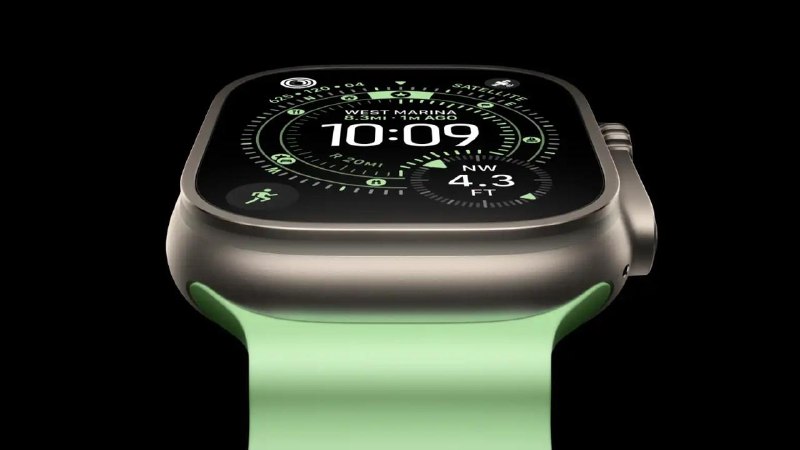
Apple Watch Rumored to Undergo Major Redesign in 2027 According to recent reports from Weibo leaker Instant Digital, Apple is planning a significant overhaul of its Apple Watch lineup, potentially as early as 2027. This redesign, which has been informally dubbed the "Apple Watch X," could mark the most substantial update to the wearable device since its initial release, with changes that would fundamentally alter its compatibility and capabilities. The "Apple Watch X" Redesign: Key Features The centerpiece of this rumored redesign is a completely new band attachment mechanism. This change would represent a departure from the current standard that has remained largely consistent throughout the Apple Watch's history. The new attachment system is reportedly being developed to free up internal space within the watch casing, allowing for a larger battery that could significantly extend the device's battery life. Breaking Compatibility Perhaps the most consequential aspect of this rumored redesign is the potential incompatibility with existing Apple Watch bands. The current attachment mechanism, which uses standard lug width and pin connectors, has allowed users to interchange bands across different Apple Watch generations since the device's inception. A new system would render current bands incompatible, effectively creating a new ecosystem for accessories. Table: Current vs. Rumored Apple Watch Band Compatibility Feature Current Apple Watch (Series 1-11) Rumored Apple Watch X (2027) Band Attachment Standard lug width (20mm/22mm/38mm/40mm/44mm) New proprietary mechanism Compatibility Cross-generational compatibility Only compatible with new bands Third-party Support Extensive third-party options Unknown, likely transition period Additional Technological Upgrades Beyond the band attachment mechanism, the 2027 redesign is rumored to include several other significant technological upgrades: Next-generation OLED display technology : Potentially offering improved brightness, efficiency, and possibly even new form factors like microLED displays. Enhanced health sensor array : The underside of the case may feature new sensors capable of monitoring additional health metrics or improving the accuracy of existing health monitoring features. Improved battery life : The internal space freed up by the new band system could accommodate a larger battery, addressing one of the most common consumer complaints about the Apple Watch. Historical Context: Previous "Apple Watch X" Rumors This isn't the first time Apple has been rumored to be developing a major redesign for the Apple Watch. Similar reports circulated in 2023, coinciding with the 10th anniversary of the original Apple Watch's release. At that time, industry analysts and leakers speculated that Apple would mark the occasion with a special "Apple Watch X" model featuring significant design changes and new technologies. However, when Apple released the Apple Watch Series 10 in 2023, it featured only incremental updates to the existing design language, with no major redesign or new attachment mechanism. This historical precedent suggests that while Apple may be exploring radical changes to the Apple Watch, the company may ultimately decide against implementing them, or may delay such changes for future product cycles. Short-term Outlook: Apple Watch Series 12 In contrast to the potential 2027 redesign, the upcoming Apple Watch Series 12—expected to be released later this year—is rumored to feature only minor, incremental updates. According to sources familiar with Apple's product plans, the Series 12 will likely carry over the design language introduced with the Apple Watch Series 10, with updates limited to internal components such as the processor, possibly improved health sensors, and minor software enhancements. Table: Apple Watch Series 12 vs. Rumored Apple Watch X Feature Expected Apple Watch Series 12 Rumored Apple Watch X (2027) Design Evolution of Series 10 design Complete redesign with new band attachment Display Current OLED technology Next-gen OLED or microLED Health Sensors Incremental improvements New sensor array Battery Life Slight improvement Significant improvement Compatibility Current band standard maintained New band system required Consumer Implications and Advice The potential 2027 redesign has significant implications for current and prospective Apple Watch buyers. Instant Digital, the source of the recent rumors, offered practical advice for consumers: "hold off on buying extra bands if you're planning to upgrade in 2027." This suggestion acknowledges that the investment in additional bands could become obsolete with the introduction of the new attachment mechanism. For consumers considering an Apple Watch purchase in the near term, this creates a dilemma between immediate functionality and future compatibility. Those who prioritize having the latest technology may choose to wait until 2027, while those who need a wearable device sooner may opt for a current model while being prepared to potentially replace their accessories in a few years. Industry Analysis and Market Context The smartwatch market has evolved significantly since the Apple Watch was first introduced in 2014. While Apple continues to dominate the high-end smartwatch segment, competitors have gained market share by offering specialized features or more competitive pricing. A major redesign could help Apple differentiate its product further in an increasingly crowded market. The inclusion of new health sensors and improved battery life would address two of the most significant limitations of current smartwatches, potentially opening up new use cases and making the device more appealing to health-conscious consumers. The redesign could also position the Apple Watch more prominently in Apple's health ecosystem, complementing other health-focused products and services. Conclusion While the rumors of an Apple Watch X in 2027 should be approached with caution—especially given the unfulfilled 2023 anniversary redesign rumors—they do highlight Apple's ongoing commitment to innovation in the wearable technology space. The potential introduction of a new band attachment mechanism would represent a bold design choice that would fundamentally change the user experience and accessory ecosystem. For now, consumers can expect the Apple Watch Series 12 to offer evolutionary rather than revolutionary changes, with the more dramatic potential redesign still several years away. As with all Apple rumors, the final product may differ significantly from current speculation, but the possibility of a major update in 2027 adds an element of anticipation to the Apple Watch's future development.
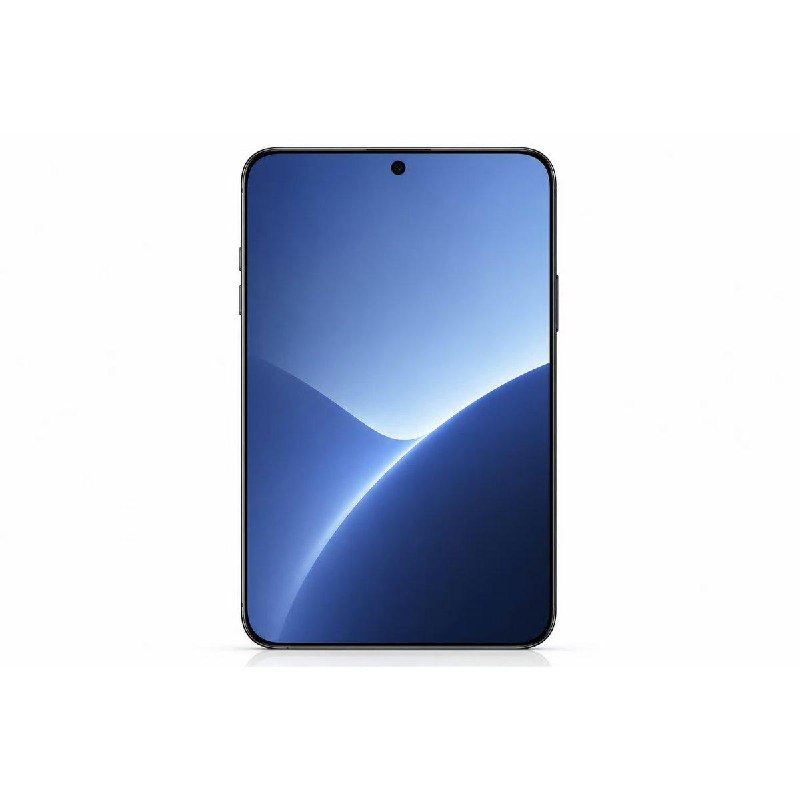
OPPO's Revolutionary Wide-Screen Candybar Phone: A New Era in Smartphone Design In an increasingly competitive smartphone market, OPPO is reportedly developing a groundbreaking device that challenges conventional smartphone form factors. The Chinese tech giant is preparing to introduce a wide-screen candybar phone that promises to deliver the best of both worlds: the practicality of a traditional smartphone with the enhanced viewing experience typically associated with larger devices. Breaking Away from Current Trends While the industry has been dominated by foldable devices and increasingly large-screen phones, OPPO's upcoming innovation appears to chart a different course. Unlike the Pura X Max or anticipated iPhone Ultra foldables, this device will maintain a solid, non-folding form factor. Similarly, it won't follow the path of the OPPO Pad Mini by positioning itself as a mini tablet. This strategic move suggests OPPO is identifying a niche between traditional smartphones and larger devices, potentially targeting consumers who desire a more immersive media experience without sacrificing the portability and one-handed usability of conventional smartphones. Expected Specifications and Features Despite its unique wide-screen form factor, OPPO's new device is expected to retain all the essential features of a modern candybar phone. Key specifications reportedly include: 5G Connectivity: Ensuring high-speed internet access and future-proof compatibility High Refresh Rate OLED Panel: Delivering vibrant colors, deep blacks, and smooth visual performance Ultra-Narrow Bezels: Maximizing screen-to-body ratio for an immersive viewing experience Punch-Hole Display: Providing a full-screen experience with minimal interruption The following table summarizes the expected specifications of OPPO's upcoming wide-screen candybar phone compared to conventional smartphones and foldable devices: Feature OPPO Wide-Screen Candybar Conventional Smartphone Foldable Device Form Factor Wide-screen candybar Standard candybar Foldable ( clamshell/flip) Display High refresh rate OLED with ultra-narrow bezels OLED/LCD with varying bezel sizes Flexible OLED with potential crease Portability High (no moving parts) High Moderate to Low (when unfolded) Durability High (no hinge mechanism) High Moderate (hinge vulnerability) Use Cases Media consumption, productivity General use, communication Media, multitasking, tablet-like experience Market Positioning and Strategy OPPO's decision to develop a wide-screen candybar phone reflects a strategic approach to address specific consumer needs that current form factors may not fully satisfy. While foldable devices offer tablet-like functionality in a more portable form, they come with premium price tags, durability concerns, and increased weight. Conversely, standard smartphones, while practical, may not provide the immersive media experience that many consumers now expect. This new device appears to target users who primarily consume media content on their phones but are unwilling to compromise on portability and durability. The wide aspect ratio would be particularly advantageous for video streaming, gaming, and productivity applications that benefit from additional horizontal screen real estate. Competitive Landscape If OPPO proceeds with this concept, it would enter relatively uncharted territory in the smartphone market. While several manufacturers have experimented with unusual aspect ratios, a dedicated wide-screen candybar phone targeting mainstream consumers would be a novel approach. Competitors in this space might include: Asus ROG Phone series: Known for gaming-focused designs with high refresh rates Samsung Galaxy S Ultra series: Flagship devices with large, high-quality displays iPhone Pro Max models: Apple's largest-screened iPhones However, none of these competitors currently offer devices specifically designed with a wide-screen candybar form factor as their primary differentiating feature. Potential Impact on the Industry OPPO's innovation could potentially influence the direction of smartphone design across the industry. If successful, other manufacturers might explore similar form factors, leading to greater diversity in smartphone options available to consumers. This development also reflects OPPO's commitment to innovation beyond incremental improvements. Rather than simply following industry trends toward foldables or increasingly larger screens, the company appears to be identifying and addressing specific consumer needs through thoughtful product design. Consumer Considerations For potential consumers, a wide-screen candybar phone presents both opportunities and considerations: Advantages: Enhanced media consumption experience Potentially better productivity for certain applications Improved durability compared to foldable devices More affordable price point than premium foldables Challenges: Potential compatibility issues with some apps and content One-handed usability may be compromised Device dimensions might not fit standard pockets Learning curve for users accustomed to standard aspect ratios Conclusion OPPO's upcoming wide-screen candybar phone represents an intriguing departure from current smartphone design trends. By maintaining the practical form factor of a traditional smartphone while offering enhanced screen real estate, the company appears to be targeting a specific segment of consumers who value both media consumption and portability. As details continue to emerge, industry observers and potential consumers alike will be watching to see how OPPO executes this concept and whether it can carve out a meaningful place in an increasingly crowded smartphone market. The success of such a device could potentially inspire new directions in smartphone design, offering consumers more diverse options beyond the current binary choice between standard smartphones and foldable devices. Only time will tell whether OPPO's wide-screen candybar phone will become a revolutionary addition to the smartphone landscape or remain an interesting footnote in the company's product history. However, the very concept demonstrates OPPO's commitment to innovation and its willingness to challenge conventional thinking in the pursuit of addressing genuine consumer needs.
Samsung Confirms No Plans for ADRs, Keeping US Stock Investment Challenging In a significant development for international investors, Samsung Electronics has officially confirmed its current stance against issuing American Depositary Receipts (ADRs) in the United States market. This decision means that American investors looking to gain exposure to one of the world's largest technology conglomerates will continue to face substantial barriers when attempting to purchase Samsung stock directly. Understanding ADRs and Their Significance American Depositary Receipts are financial instruments that allow non-US companies to list their shares on US stock exchanges. Each ADR represents a specific number of shares in the foreign company, making it easier for American investors to buy and sell international stocks without the complexities of dealing with foreign stock exchanges and currency conversions. For major technology companies like Samsung, having an ADR listing in the US would typically open up access to a vast pool of capital and increase their visibility among American investors. The absence of such a listing creates a significant hurdle for US-based retail and institutional investors who wish to invest directly in Samsung. Samsung's Current Market Position Samsung Electronics, the flagship subsidiary of South Korea's Samsung Group, is one of the world's largest manufacturers of consumer electronics, semiconductors, and telecommunications equipment. Despite its global dominance in multiple technology sectors, the company maintains its primary listing on the Korea Exchange (KRX) in Seoul. While Samsung stock is technically accessible to international investors through the Korean market, the process is cumbersome for US-based investors. They must navigate international brokerage accounts, deal with currency exchange rates, face potentially higher transaction fees, and contend with different trading hours and regulations. Samsung's Official Stance In response to recent inquiries about potential ADR issuance, Samsung has clarified that it has "no immediate plans" to list ADRs in the United States. This statement effectively maintains the status quo, leaving US investors with limited options for direct investment in the tech giant. The company's position reflects a calculated business decision, balancing the potential benefits of broader investor access against the costs, complexities, and regulatory requirements associated with maintaining a dual listing structure. Key Factors Influencing Samsung's Decision: Regulatory compliance requirements in both South Korea and the US Increased reporting obligations and transparency standards Higher administrative and legal costs associated with dual listings Existing shareholder base satisfaction with current market structure Strategic focus on core Asian markets where Samsung maintains strong dominance Implications for US Investors The lack of ADR availability creates several practical challenges for American investors interested in Samsung: Accessibility: Most standard US brokerage platforms do not offer direct access to Korean stocks, requiring investors to use specialized international brokers. Cost: International transactions typically involve higher fees for trading, currency conversion, and account maintenance. Complexity: Investors must understand different market hours, tax implications, and international settlement processes. Liquidity concerns: While Samsung is a highly liquid stock in Korea, US investors may face wider bid-ask spreads when trading through international brokers. These factors effectively limit Samsung's stock to primarily institutional investors and sophisticated individual investors in the US who have the resources and expertise to navigate international markets. Alternative Investment Vehicles for US Investors While direct investment in Samsung stock remains challenging for most US investors, several alternative approaches provide varying degrees of exposure to the company: Investment Vehicle Description Pros Cons International Brokerage Accounts Accounts with brokers that offer access to Asian markets Direct ownership, potential for higher returns Higher fees, complex setup, currency risk ETFs with Samsung Exposure Exchange-traded funds that hold Samsung shares Easy access, diversified holdings Indirect exposure, management fees South Korean ETFs Focused on Korean stock market Broad market exposure, easier access Less Samsung-specific, higher fees Technology Sector ETFs ETFs focused on global tech companies Diversified tech exposure, liquid Small Samsung allocation, not direct Comparative Analysis: Samsung vs. Other Tech Giants The contrast between Samsung's approach to US market access and that of other major technology companies is striking. Most global tech leaders have established ADR programs to facilitate US investment: Company Country of Origin US ADR Status US Ticker Symbol TSMC Taiwan Yes TSM ASML Netherlands Yes ASML Sony Japan Yes SONY Samsung South Korea No N/A SK Hynix South Korea No N/A This comparison highlights Samsung's unique position among major technology companies in maintaining its exclusive listing in its home market. While competitors like TSMC and ASML have embraced US market access through ADR programs, Samsung and fellow Korean tech giant SK Hynix remain outliers in this regard. Business Strategy Considerations Samsung's decision to forgo ADR issuance appears to align with several strategic priorities: Control and Corporate Governance By maintaining a single listing in Korea, Samsung retains greater control over its shareholder structure and corporate governance processes. A US listing would subject the company to additional regulatory requirements, including Sarbanes-Oxley compliance and SEC reporting standards. Shareholder Base Management Samsung's current shareholder base consists primarily of domestic Korean investors and institutional partners with long-standing relationships. The company may prefer to maintain this stable shareholder structure rather than potentially diluting it with a broader, more diverse international investor base. Cost-Benefit Analysis The costs associated with maintaining a US ADR listing—including legal compliance, investor relations, and additional reporting—may not be justified by the incremental capital Samsung can raise through American markets. The company already has substantial access to capital through its Korean listing and other financing mechanisms. Future Outlook and Potential Changes While Samsung has confirmed no immediate plans for ADR issuance, the company's position could evolve under certain circumstances: Increased US market focus: If Samsung decides to significantly expand its US market presence or acquire US companies, an ADR listing might become more strategically important. Regulatory changes: Streamlining of international listing requirements could reduce the barriers to ADR issuance. Market conditions: In periods of heightened volatility or reduced access to capital in Asian markets, Samsung might reconsider its approach. Successor leadership: Changes in Samsung's executive team could bring new perspectives on international market strategy. Industry analysts suggest that while Samsung's current stance is firm, the company remains pragmatic and could reverse its position if the strategic benefits outweigh the costs in the future. Conclusion Samsung Electronics' confirmation that it has no plans to issue ADRs in the US market reinforces the company's strategic focus on maintaining its primary listing in Korea. For US investors, this means that direct investment in Samsung stock will remain challenging, requiring specialized brokerage accounts and incurring additional costs and complexities. While the absence of ADRs limits Samsung's accessibility to American investors, it aligns with the company's current strategic priorities of maintaining control, minimizing regulatory complexity, and managing its shareholder base. The decision reflects a calculated trade-off between the potential benefits of broader US market access and the costs and challenges of maintaining a dual listing structure. For American investors interested in Samsung's growth prospects, alternative investment vehicles such as ETFs with Korean or technology sector exposure may provide more accessible, if less direct, ways to gain exposure to the tech giant. As Samsung continues to evolve and global financial markets develop, the company's approach to international market access may also change, but for now, US investors face a challenging landscape for direct Samsung stock investment.
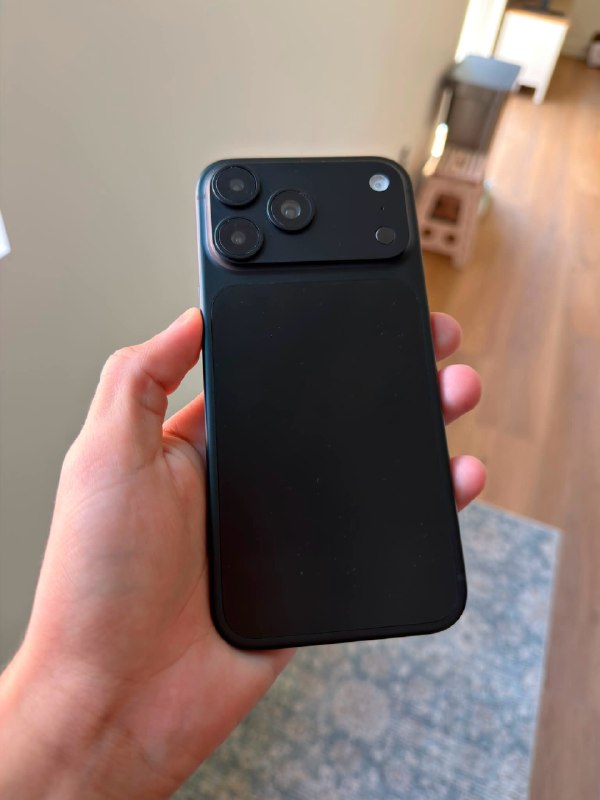
The iPhone 18 Pro Max: A New Era of Mobile Excellence Apple's upcoming flagship smartphone, the iPhone 18 Pro Max, has generated significant anticipation in the tech community. Among the various color options, the Space Black variant is expected to make a particularly striking impression, combining premium aesthetics with cutting-edge technology. As Apple continues to push the boundaries of smartphone innovation, the iPhone 18 Pro Max aims to set new standards in performance, photography, and user experience. Revolutionary Design and Display The iPhone 18 Pro Max is rumored to feature a completely redesigned chassis with refined edges and a more ergonomic profile. The Space Black finish will showcase an aerospace-grade titanium alloy, offering both durability and a luxurious feel. This premium material not only enhances the device's structural integrity but also contributes to its lightweight nature, addressing one of the common criticisms of previous Pro Max models. The display technology is expected to receive substantial upgrades, with a 6.9-inch LTPO OLED panel offering a variable refresh rate up to 120Hz. Apple's implementation of ProMotion technology will deliver smoother scrolling and more responsive touch interactions. The display is also anticipated to feature improved brightness levels, reaching up to 2,500 nits for HDR content and 1,800 nits for typical use, making it one of the brightest smartphone displays on the market. Camera System Redefined The camera system on the iPhone 18 Pro Max represents perhaps the most significant upgrade over its predecessor. Apple is expected to introduce a quad-camera setup with a groundbreaking 48MP main sensor, an upgraded ultra-wide lens with improved low-light performance, a 12MP telephoto lens with 5x optical zoom, and a new periscope telephoto lens offering 10x optical zoom. Computational photography capabilities will reach new heights with enhanced Night Mode, improved Portrait Mode with advanced depth sensing, and a new AI-powered image processing engine that can identify and optimize for specific scenes in real-time. Video recording capabilities will also see substantial improvements, with support for 8K recording at 60fps and enhanced cinematic stabilization. iPhone Camera Comparison iPhone 17 Pro Max iPhone 18 Pro Max (Rumored) Triple camera system (40MP, 12MP, 12MP) Quad camera system (48MP, 12MP, 12MP, 12MP) 3x optical zoom 5x and 10x optical zoom 4K video at 60fps 8K video at 60fps 5x digital zoom 25x digital zoom Performance and Hardware Under the hood, the iPhone 18 Pro Max is expected to be powered by Apple's next-generation A18 Bionic chip, built on a 2nm manufacturing process. This advancement promises significant improvements in both performance and power efficiency. The chip will feature a 6-core CPU with two high-performance cores and four high-efficiency cores, along with a 5-core GPU that delivers up to 30% faster graphics performance than the previous generation. RAM is anticipated to be upgraded to 12GB, ensuring smooth multitasking and better performance when resource-intensive applications are running. Storage options will likely start at 256GB and go up to 2TB, with all models featuring faster read/write speeds for improved data transfer and app loading times. Enhanced Battery Life and Charging Battery life has been a key focus for Apple in the iPhone 18 Pro Max development. The device is expected to feature a larger battery capacity while maintaining or reducing the device's overall size. Combined with the efficiency gains from the A18 Bionic chip, the iPhone 18 Pro Max could offer up to 30 hours of video playback and 100 hours of audio playback on a single charge. Charging capabilities will also see improvements, with support for faster wired charging at up to 35W and enhanced wireless charging at up to 25W. Apple may introduce a new adaptive charging algorithm that optimizes charging speed based on battery health and usage patterns, potentially extending the long-term lifespan of the battery. Space Black: A Statement of Sophistication The Space Black finish for the iPhone 18 Pro Max represents the pinnacle of Apple's design philosophy. This premium color option will feature a unique anodization process that creates a deep, uniform black appearance with subtle blue undertones when viewed from certain angles. The finish will be resistant to fingerprints and scratches, maintaining its pristine appearance over time. The Space Black variant will complement the device's titanium frame seamlessly, creating a cohesive and sophisticated aesthetic. Apple is expected to offer matching Space Black accessories, including the MagSafe charger, leather cases, and silicone cases, allowing users to create a coordinated ecosystem of products. iPhone 18 Pro Max Color Options Space Black Deep, uniform black with subtle blue undertones Silver Brushed titanium with a bright finish Gold Premium gold finish with rose gold accents Deep Purple Rich purple that shifts to pink in certain lighting Software and New Features The iPhone 18 Pro Max will launch with iOS 18, which introduces numerous new features designed to take advantage of the device's enhanced hardware. Key software innovations include an improved Siri with on-device processing for better privacy and responsiveness, enhanced augmented reality capabilities with improved LiDAR integration, and new health monitoring features including blood glucose monitoring. Apple Intelligence, the company's new AI framework, will be deeply integrated into iOS 18, providing smarter suggestions, improved photo organization, and more natural language processing. The device will also feature enhanced accessibility options, including new Voice Control capabilities and improved screen reader functionality. Pricing and Availability The iPhone 18 Pro Max is expected to be announced in September 2024, with pre-orders beginning immediately following the keynote and general availability approximately one week later. Pricing is anticipated to start at $1,199 for the 256GB model in Space Black, with higher storage capacities commanding premium prices. Trade-in programs and carrier financing options will be available to make the device more accessible to a wider range of consumers. Apple is also expected to introduce new trade-in values for older iPhone models, potentially making the upgrade path more attractive for existing customers. Conclusion The iPhone 18 Pro Max in Space Black represents Apple's commitment to pushing the boundaries of smartphone technology while maintaining its signature design excellence. With its stunning display, advanced camera system, powerful performance, and innovative features, the device is poised to set new standards in the flagship smartphone market. The Space Black finish adds an element of sophistication that appeals to discerning users who value both aesthetics and cutting-edge technology. As Apple continues to integrate its hardware and software ecosystems more seamlessly, the iPhone 18 Pro Max is not just a communication device but a central hub for productivity, creativity, and connectivity. For consumers looking for the ultimate smartphone experience, the iPhone 18 Pro Max in Space Black is likely to be a compelling choice that delivers on both style and substance.
HyperOS 3.1: Xiaomi's Latest System Update Brings Enhanced Performance and New Features In the rapidly evolving landscape of mobile operating systems, Xiaomi continues to push boundaries with its HyperOS ecosystem. The latest iteration, HyperOS 3.1, represents a significant leap forward in the company's vision for seamless connectivity across devices. This comprehensive update introduces a range of improvements that enhance user experience, optimize performance, and expand the capabilities of Xiaomi's extensive device ecosystem. Overview of HyperOS HyperOS represents Xiaomi's ambitious attempt to create a unified operating system that transcends traditional device boundaries. Designed to connect smartphones, smart home devices, wearables, and even automobiles, HyperOS leverages Xiaomi's IoT ecosystem to create a seamless user experience. The system is built on the foundation of Android but incorporates Xiaomi's proprietary optimizations and features to deliver a unique experience tailored to its hardware ecosystem. Since its initial release, HyperOS has focused on three core principles: enhanced performance, improved privacy and security, and expanded cross-device functionality. Version 3.1 continues this trajectory while introducing several significant enhancements that address user feedback and technological advancements. What's New in HyperOS 3.1 The HyperOS 3.1 update introduces a comprehensive suite of improvements across multiple categories. From performance optimizations to new AI-powered features, this update demonstrates Xiaomi's commitment to refining its software experience. Performance Enhancements At the heart of HyperOS 3.1 is a significant performance overhaul. The update introduces an improved memory management system that optimizes RAM usage, resulting in faster app loading times and smoother multitasking. Additionally, the system now features an enhanced background process management algorithm that reduces battery consumption without compromising functionality. Storage optimization has also received attention, with a new compression algorithm that reduces the installation size of applications while maintaining performance. This is particularly beneficial for devices with limited storage capacity. User Interface Improvements The user interface in HyperOS 3.1 has been refined with a focus on consistency and intuitiveness. The design language now features smoother animations and transitions, creating a more polished feel throughout the system. The notification shade has been redesigned for better organization, with customizable quick settings that adapt to user preferences. Additionally, the theming system has been expanded, offering more granular control over colors, icons, and system fonts. Users can now create more personalized experiences with the enhanced customization options. New Features and Functionality HyperOS 3.1 introduces several new features designed to enhance productivity and convenience. The most notable addition is the enhanced AI Assistant, which now offers more contextual awareness and can perform complex tasks across multiple applications. The cross-device functionality has been significantly improved, with better integration between Xiaomi smartphones, tablets, and smart home devices. The new "Device Control Center" allows users to manage connected devices more efficiently, with improved responsiveness and reliability. For photography enthusiasts, the camera system has been enhanced with new computational photography features, including improved night mode capabilities and AI scene recognition that automatically adjusts camera settings for optimal results. Security and Privacy Updates Security remains a top priority in HyperOS 3.1. The update introduces an enhanced permission management system that provides users with more granular control over app access to device features and data. Additionally, the system now includes improved malware detection and prevention capabilities. Privacy features have been expanded with the introduction of a new "Privacy Dashboard" that provides insights into how applications are accessing user data. The system also includes enhanced encryption for sensitive data stored on the device. Compatibility and Availability HyperOS 3.1 is being rolled out to a wide range of Xiaomi devices, including recent flagship models and several mid-range devices. The update is being deployed in phases, with availability varying by region and device model. The following table outlines the compatibility information for HyperOS 3.1: Device Category Models Availability Status Flagship Smartphones Xiaomi 14 series, Xiaomi 13 series Available now Mid-range Smartphones Xiaomi 12 series, Redmi K series Rolling out gradually Entry-level Smartphones Redmi Note series, Xiaomi A series Planned for Q4 2023 Device Category Models Availability Status Tablets Xiaomi Pad 6 series, Mi Pad 5 Available now Wearables Xiaomi Watch series, Mi Band series Rolling out gradually To check if your device is eligible for the update, users can navigate to Settings > About phone > System updates. Xiaomi has also established a community forum (@Techoffice_officiall) where users can discuss the update, report issues, and provide feedback. User Experience and Feedback Early adopters of HyperOS 3.1 have reported generally positive feedback, with many praising the performance improvements and new features. Users have noted that the system feels more responsive and fluid, particularly when multitasking between applications. The enhanced AI capabilities have received particular attention, with users appreciating the more contextual and helpful interactions with the assistant. The improved cross-device functionality has also been well-received, with users highlighting the seamless integration between their various Xiaomi devices. Some users have reported minor issues with certain applications following the update, though these appear to be isolated cases that are being addressed through subsequent patches. Xiaomi has committed to providing ongoing support for the update, with regular bug fixes and optimizations planned. Future of HyperOS With HyperOS 3.1, Xiaomi continues to demonstrate its commitment to refining its software ecosystem. Looking ahead, the company is expected to focus further on AI integration, expanded cross-device functionality, and enhanced privacy features. Rumors suggest that future updates may include deeper integration with Xiaomi's electric vehicle ecosystem, as the company expands beyond traditional consumer electronics. Additionally, there are indications that Xiaomi may be working on more advanced security features to address emerging threats in the digital landscape. Conclusion HyperOS 3.1 represents a significant evolution in Xiaomi's software ecosystem, offering substantial improvements in performance, user experience, and functionality. The update demonstrates Xiaomi's ability to listen to user feedback and deliver meaningful enhancements that address both current needs and future trends. As Xiaomi continues to expand its device ecosystem and technological capabilities, HyperOS will play an increasingly important role in connecting these devices and providing a seamless user experience. For Xiaomi users, the HyperOS 3.1 update brings valuable improvements that enhance both daily usability and long-term device performance. With the continued growth of the Xiaomi ecosystem and the ongoing refinement of HyperOS, the company is well-positioned to compete in the increasingly important software domain, complementing its strong hardware offerings with a compelling operating system experience.
OnePlus N6x: The Familiar Contender Set to Join Nord Series OnePlus N6x: The Familiar Contender Set to Join Nord Series In the ever-evolving smartphone market, OnePlus continues to expand its product portfolio with the imminent arrival of the OnePlus N6x . According to reliable tech insider Yogesh Brar, shared via his @OnePlusAdda channel, the company is preparing to introduce another device to its Nord series, maintaining the trend of offering competitive options across various price points. Context: OnePlus's Strategic Expansion OnePlus has long been recognized for its flagship devices that deliver premium experiences at relatively accessible price points. However, in recent years, the company has strategically expanded its lineup to target different market segments. The Nord series represents OnePlus's venture into the mid-range market, offering many of the features that made the brand famous while being more budget-friendly. The naming convention suggests that the N6x will be part of the same generation as the recently launched Nord 6 series, potentially positioned as a variant or alternative model within the same family. Understanding the Nord Series Evolution Since its inception, the Nord series has undergone significant evolution: The original Nord established the series with balanced specifications and competitive pricing Nord 2 introduced improved performance and camera capabilities Nord 3 and Nord CE series further refined the offering with faster processors and enhanced features The current Nord 6 series represents the latest iteration with refined hardware and software The "Familiar Specs" Conundrum Brar's mention of "familiar specs" is particularly intriguing. While OnePlus hasn't officially confirmed any specifications, we can make educated predictions based on the company's recent product strategy and typical hardware choices. Component Possible N6x Specifications Comparison with Nord 6 Processor Qualcomm Snapdragon 7 Series Nord 6 likely uses Snapdragon 8 Series Display 6.7" AMOLED, 120Hz Similar size and refresh rate Camera Triple camera system May have slightly lower main sensor Battery 5,000mAh with 80W charging Similar capacity, possibly slower charging Possible Differentiation Strategy If the N6x indeed features "familiar specs," OnePlus likely aims to differentiate it through: Price positioning - potentially more affordable than the standard Nord 6 Subtle design variations while maintaining the family aesthetic Software features or optimizations tailored to specific use cases Regional availability focused on key markets Market Positioning and Competition The introduction of the N6x would further strengthen OnePlus's position in the competitive mid-range smartphone segment. With "familiar specs," the device would likely compete directly with offerings from: Google's Pixel A series Samsung's Galaxy A lineup Xiaomi's Redmi Note series Realme's GT series OnePlus has traditionally differentiated itself through clean software implementation, near-stock Android experience with OxygenOS optimizations, and premium build quality. The N6x would likely continue this tradition while offering a more accessible entry point into the Nord ecosystem. Consumer Appeal For consumers, the N6x represents an opportunity to experience OnePlus's signature features without the premium price tag typically associated with the brand. The "familiar specs" approach suggests that existing OnePlus users or those considering the brand might find the N6x to be a logical choice when seeking similar performance in a more budget-friendly package. Historical Precedents OnePlus has a history of introducing multiple models within the same generation. For instance: The Nord 2T served as an alternative to the Nord 2 The Nord CE series offers a different price point within the Nord family The OnePlus 9RT provided a more affordable option alongside the flagship 9 series The N6x would follow this established pattern of offering consumers choices within the same generation, allowing the company to capture a broader market segment. What to Expect Based on the information available and OnePlus's product strategy, here's what we can anticipate from the upcoming N6x: Official announcement likely within the next few months Positioned as a more affordable option within the Nord 6 family Similar design language to the Nord 6 with possible minor variations Core specifications that mirror the Nord 6 but potentially with some downgrades to justify lower pricing Availability initially in key markets with potential global rollout Pricing Strategy Model Estimated Price Range Value Proposition Nord 6 $499-$599 Flagship-level performance Nord 6x (Projected) $399-$449 Familiar experience at lower cost Conclusion The impending launch of the OnePlus N6x underscores the company's commitment to offering diverse options across different price points. With "familiar specs" as highlighted by Yogesh Brar, the device appears positioned to deliver a recognizable OnePlus experience at a more accessible price point. As the smartphone market continues to evolve, OnePlus's strategy of expanding its Nord series with multiple models per generation allows the company to capture a wider audience while maintaining its brand identity. The N6x, when officially announced, will likely serve as an attractive option for consumers seeking the OnePlus experience without the premium price tag typically associated with the brand. For OnePlus enthusiasts and potential buyers, the coming weeks should bring more concrete details about specifications, pricing, and availability. Until then, the anticipation builds for another addition to the increasingly competitive Nord series.

Realme India Confirms Future Devices Will Launch with ColorOS 17 The Indian subsidiary of Realme has officially confirmed that its upcoming devices will debut with the latest iteration of its proprietary operating system, ColorOS 17. This announcement marks a significant milestone in the brand's software strategy and underscores its commitment to delivering cutting-edge user experiences to the Indian market. Background on Realme's Software Evolution Realme, known for its aggressive market expansion and feature-rich devices, has been steadily developing its custom Android-based operating system, ColorOS. The software has evolved significantly since its inception, with each iteration bringing new design elements, performance improvements, and feature enhancements tailored to user feedback and market demands. The Indian smartphone market, one of the most competitive globally, has seen Realme establish itself as a major player. By confirming the integration of ColorOS 17 in future devices, Realme India aims to strengthen its position by offering a more refined and feature-rich software experience. What is ColorOS 17? While specific details about ColorOS 17 remain limited, the operating system is expected to build upon the foundation established by its predecessor, ColorOS 13. Based on typical development cycles, ColorOS 17 likely incorporates Android 14 as its base, bringing with it the latest security patches, performance optimizations, and core Android features. Expected Features and Improvements Although Realme has not released an official feature list for ColorOS 17, we can anticipate several improvements based on the company's previous software update patterns and industry trends: Enhanced User Interface: A refined design with improved animations, better iconography, and more intuitive navigation. Performance Optimizations: Improved RAM management, faster app launch times, and better battery efficiency. AI Integration: More sophisticated AI features for photography, system performance, and user experience personalization. Customization Options: Expanded theming capabilities, new widget options, and more flexible home screen layouts. Privacy Enhancements: Additional privacy controls and features to comply with evolving data protection regulations. Impact on Realme Users in India The transition to ColorOS 17 is expected to bring several benefits to Realme users in India: Latest Android Features: Access to the newest Android functionalities and security updates. Localized Experience: Features specifically tailored to Indian users, including regional language support and local app optimizations. Improved System Stability: Addressing issues reported in previous versions through comprehensive bug fixes. Extended Device Longevity: Better optimization that could potentially extend the usable lifespan of devices. Timeline for Rollout While Realme India has confirmed the integration of ColorOS 17 in future devices, the exact timeline for the rollout has not been specified. Typically, new versions of ColorOS are first introduced in flagship devices before being gradually extended to mid-range and budget models over several months. Industry analysts expect the first devices with ColorOS 17 to launch in the latter half of 2023, with broader availability across Realme's product portfolio following in early 2024. Comparison with Previous Versions The following table provides a comparison of expected features across recent ColorOS versions: Feature ColorOS 15 ColorOS 16 ColorOS 17 (Expected) Base Android Version Android 12 Android 13 Android 14 Design Language OxygenOS-inspired Refined aesthetics Enhanced minimalism Performance Standard optimization Improved efficiency Advanced AI optimization Customization Limited options Expanded theming Comprehensive personalization AI Features Basic integration Enhanced AI capabilities Sophisticated AI applications Industry Context and Competitive Landscape The smartphone operating system space is increasingly competitive, with manufacturers striving to differentiate their software experiences. Realme's decision to advance with ColorOS 17 positions it against competitors like Xiaomi with MIUI, Vivo with OriginOS, and Samsung with One UI. In the Indian market specifically, where consumers are highly value-conscious but increasingly sophisticated in their software expectations, a polished operating system can be a significant differentiator. ColorOS 17 represents Realme's attempt to meet these evolving demands while maintaining its reputation for offering feature-rich experiences at competitive price points. Expert Opinions Industry experts view Realme's confirmation of ColorOS 17 as a strategic move to align with global software trends while maintaining its unique identity. "Realme has consistently shown its ability to adapt and improve its software offerings," noted Rajeev Chandrasekhar, a technology analyst specializing in mobile ecosystems. "The integration of ColorOS 17 demonstrates their commitment to staying current with Android developments while continuing to offer the customization and features that their user base has come to expect." However, some observers caution that the success of ColorOS 17 will ultimately depend on its implementation and real-world performance. "The challenge for Realme will be to deliver on the promises of ColorOS 17 without compromising the stability and reliability that users have come to expect," added Priya Sharma, a mobile software reviewer. Conclusion Realme India's confirmation that future devices will launch with ColorOS 17 signals an important step in the brand's software evolution. As the Indian smartphone market continues to mature, the quality of the software experience is becoming increasingly crucial for manufacturers seeking to differentiate themselves. While specific details about ColorOS 17 remain to be fully disclosed, the anticipation surrounding its release highlights the growing importance of operating systems in the overall smartphone experience. For Realme users in India and beyond, the transition to ColorOS 17 promises to bring a more refined, feature-rich, and personalized experience that aligns with the latest advancements in mobile technology. As Realme prepares to roll out ColorOS 17, all eyes will be on how the new operating system performs in real-world usage and whether it can help the brand maintain its competitive edge in the increasingly crowded Indian smartphone market.

Microsoft Allegedly Directs Sales Team to Compete Directly with OpenAI and Anthropic Software giant positions itself as provider of complete AI solutions versus component-based offerings In a strategic shift that signals intensifying competition in the artificial intelligence landscape, Microsoft is allegedly instructing its sales force to directly challenge AI pioneers OpenAI and Anthropic. The tech giant is reportedly emphasizing its "end-to-end system" approach in contrast to what it describes as competitors' "parts" strategy, according to internal communications viewed by industry analysts. Microsoft's Competitive Positioning Internal communications obtained by tech industry sources indicate Microsoft is explicitly telling its sales team: "Everyone else is selling parts — we're selling the full end-to-end system." This messaging represents a significant evolution in Microsoft's AI sales strategy, positioning the company not just as a cloud infrastructure provider but as a comprehensive AI solutions provider. The alleged directive comes as Microsoft continues to invest heavily in AI capabilities, building upon its partnership with OpenAI while simultaneously developing its own proprietary AI technologies. This dual approach has created a complex competitive landscape where Microsoft simultaneously partners with and competes against the very companies that helped pioneer modern generative AI. Competitive Landscape in the AI Market The AI industry has rapidly evolved from a research-focused domain to a commercial battleground with major tech companies and specialized AI firms vying for market share. Microsoft finds itself in a unique position, leveraging its enterprise relationships, cloud infrastructure, and substantial financial resources to challenge pure-play AI companies. Company Primary AI Offering Business Model Market Position Microsoft Azure OpenAI Service, Microsoft 365 Copilot Enterprise solutions, cloud services Full-stack provider OpenAI GPT models, API access API subscriptions, enterprise access Model provider Anthropic Claude models, constitutional AI API subscriptions, enterprise access Model provider Google PaLM, Gemini models Cloud services, API access Full-stack provider Microsoft's Integrated AI Strategy Microsoft's alleged sales strategy appears designed to highlight the advantages of its integrated approach. While companies like OpenAI and Anthropic focus primarily on developing and providing large language models, Microsoft emphasizes its ability to deliver complete solutions that include: Cloud infrastructure (Azure) Enterprise productivity tools (Microsoft 365) Development platforms (Azure AI Studio) Security and compliance frameworks Professional services and support This integrated approach allows Microsoft to position itself as a one-stop-shop for enterprise AI needs, potentially reducing complexity for customers and creating stickier business relationships. Implications for the AI Ecosystem Microsoft's alleged competitive stance against its OpenAI investment raises interesting questions about the future of the AI ecosystem. The company appears to be pursuing a dual strategy: Maintaining its strategic partnership with OpenAI while competing in certain market segments Accelerating development of proprietary AI technologies to reduce dependency on external providers Leveraging its enterprise customer base to drive adoption of integrated AI solutions This approach mirrors Microsoft's historical playbook of embracing open standards while developing proprietary solutions, a strategy that has proven successful in markets ranging from enterprise software to cloud computing. Market Response and Industry Analysis Industry analysts suggest that Microsoft's alleged sales directive reflects the maturation of the AI market. As initial excitement around generative AI gives way to practical enterprise implementation, customers are increasingly seeking comprehensive solutions rather than point technologies. "Microsoft is smart to emphasize the end-to-end system value proposition," noted Sarah Jenkins, lead analyst at TechInsights. "Enterprises are discovering that deploying AI effectively requires more than just access to a model—it needs integration with existing systems, proper governance, and ongoing optimization." Future Outlook The competitive dynamics between Microsoft and specialized AI firms are likely to intensify as the market matures. Microsoft's alleged sales strategy suggests the company is preparing for a period of more direct competition, potentially leading to: Increased price competition in AI services Accelerated innovation in proprietary AI technologies Greater emphasis on industry-specific AI solutions Consolidation in the AI services market As Microsoft continues to refine its AI strategy, the company's ability to balance its partnership with OpenAI while developing competitive offerings will be closely watched by industry observers and enterprise customers alike. Conclusion Microsoft's alleged directive to its sales team represents a significant evolution in the company's AI strategy, signaling a more aggressive competitive posture against specialized AI providers. By emphasizing its "end-to-end system" approach, Microsoft is positioning itself to capture greater enterprise market share in the rapidly growing AI services market. As the AI landscape continues to evolve, the balance between specialized AI providers and integrated technology platforms will likely be a defining factor in determining market leadership. Microsoft's apparent strategy of leveraging its comprehensive portfolio while continuing to invest in cutting-edge AI technologies may prove to be a powerful competitive advantage in the years ahead.
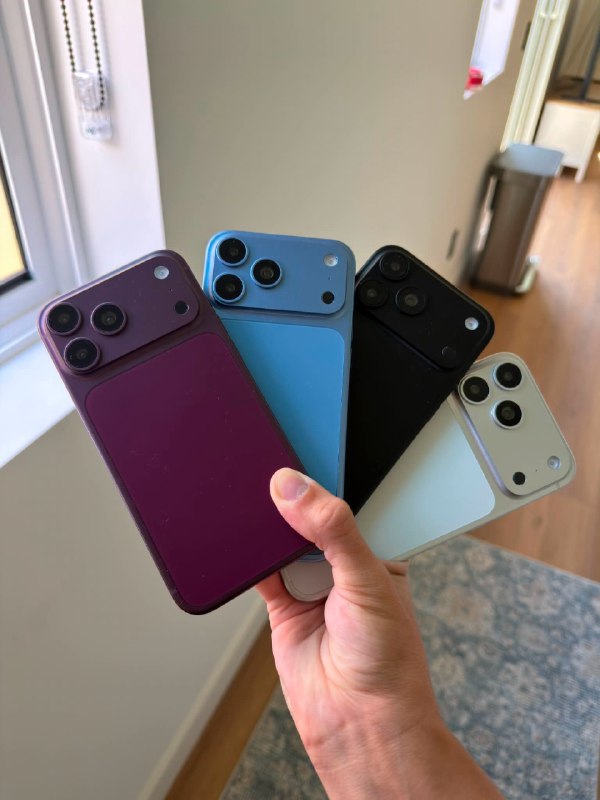
Expected iPhone 18 Pro Color Lineup: A Comprehensive Analysis The anticipation surrounding Apple's next flagship continues to build as industry insiders and supply chain sources reveal potential color options for the upcoming iPhone 18 Pro series. As Apple consistently refines its design language with each iteration, color choices have become increasingly significant in differentiating Pro models from their standard counterparts and appealing to diverse consumer preferences. Evolution of iPhone Pro Colors Apple has strategically utilized color options to enhance the premium positioning of its Pro lineup while maintaining brand consistency. Over recent generations, we've observed a deliberate shift toward more sophisticated, nuanced color palettes that align with premium materials and advanced finishes. iPhone Model Pro Color Options Design Philosophy iPhone 15 Pro Blue Titanium, Natural Titanium, White Titanium, Black Titanium Introduction of titanium materials with subtle color variations iPhone 16 Pro Space Black, Titanium Blue, Titanium Natural, Titanium White Refined titanium finishes with enhanced color saturation iPhone 17 Pro (Expected) Deep Purple, Titanium Blue, Natural Titanium, Space Black Purple accent with maintained titanium core colors iPhone 18 Pro Expected Color Palette Based on recent supply chain reports and design patents, the iPhone 18 Pro lineup is anticipated to feature a sophisticated color scheme that builds upon Apple's established design language while introducing fresh elements that differentiate it from previous generations. Primary Color Options Matte Deep Space Black - A refined version of the popular Space Black with enhanced matte finish that reduces fingerprints while maintaining the premium aesthetic Brushed Titanium Blue - An evolution of the Titanium Blue with subtle brushed texture that catches light differently at various angles Natural Titanium Silver - Maintaining the signature titanium finish with improved durability and slightly warmer undertones Oceanic Green - A new addition replacing the traditional White Titanium, offering a sophisticated green-blue hue reminiscent of deep ocean waters Special Edition Options Beyond the standard color palette, Apple is reportedly developing limited edition color options for select markets and storage configurations: Desert Sand - A warm, sandy beige tone inspired by natural landscapes, potentially available for higher storage tiers Midnight Purple - A deeper, more luxurious purple variant that builds on the success of the iPhone 15 Pro's purple option Brushed Onyx - A limited edition finish with unique brushed pattern for enhanced grip and visual appeal Design and Material Innovations The iPhone 18 Pro's color options are expected to be enhanced by several material and finish innovations that Apple has reportedly been developing: Advanced Anodization Process - New techniques that create more durable color finishes that resist scratches and fading Micro-textured Surfaces - Subtle surface textures that change appearance under different lighting conditions Color-Matched Frame and Glass - Improved color consistency between the titanium frame and front/back glass panels Color Psychology and Market Positioning Apple's color choices are rarely arbitrary but carefully considered to align with brand positioning and target demographics: Color Target Demographic Psychological Association Matte Deep Space Black Professional users, traditionalists Sophistication, power, timelessness Brushed Titanium Blue Creative professionals, tech enthusiasts Innovation, reliability, calm Natural Titanium Silver Business users, minimalists Purity, precision, modernity Oceanic Green Younger consumers, eco-conscious users Growth, harmony, uniqueness Industry Analysis and Consumer Expectations Market research indicates that color selection has become increasingly important in the premium smartphone market, with Pro users particularly valuing both aesthetic appeal and material quality. The iPhone 18 Pro's color strategy appears designed to: Appeal to existing Pro users seeking fresh options while maintaining familiar choices Attract new customers with distinctive colors that stand out in the market Support Apple's sustainability initiatives through more durable, longer-lasting finishes Create differentiation between iPhone 18 Pro and standard iPhone 18 models Pricing and Availability Industry analysts expect that the color options will be uniformly available across all storage configurations of the iPhone 18 Pro, with potential price premiums for special edition finishes in certain markets. The color rollout will likely follow Apple's traditional release schedule, with all colors available at launch. Conclusion The iPhone 18 Pro's expected color lineup represents Apple's continued commitment to premium materials, sophisticated design, and thoughtful differentiation within its product ecosystem. By balancing familiar options with innovative new colors, Apple appears poised to meet the diverse preferences of its Pro user base while maintaining the brand's distinctive aesthetic identity. As we approach the expected September announcement, consumers and industry observers will be watching closely to see how these rumored color choices translate into the final product and how they position Apple in an increasingly competitive premium smartphone market.