 TechOffice
Apple Taps Samsung for Foldable iPhone Display Production
Samsung Begins Mass Production of OLED Panels for Apple's First Foldable iPhone
In a significant development in the smartphone industry, Samsung Display has reportedly received official approval from Apple and commenced mass production of OLED modules for the highly anticipated first foldable iPhone. According to industry sources cited by The Elec, the South Korean tech giant is manufacturing these cutting-edge displays at its Vietnam facility, marking a new chapter in the long-standing partnership between the two tech behemoths.
Exclusive Partnership and Initial Production Details
The collaboration between Apple and Samsung for this foldable device represents a significant expansion of their existing supply relationship. Under the terms of the agreement, Samsung will serve as Apple's exclusive display supplier for the foldable iPhone for a three-year period, underscoring the trust Apple has placed in Samsung's display technology.
Initial production orders are substantial, with Samsung reportedly committed to delivering 3 million OLED panels this year. This volume suggests Apple is planning an ambitious launch for its first venture into the foldable smartphone market.
| Parameter | Detail |
|---|---|
| Production Location | Samsung Display's Vietnam Facility |
| Initial Order Quantity | 3 Million Panels |
| Production Yield | Exceeding 80% |
| Apple's Minimum Yield Requirement | 70% |
| Exclusive Supply Period | 3 Years |
Advanced Display Technology
The OLED panels destined for Apple's foldable iPhone incorporate Samsung's latest display technologies, including CoE (Corners on Edge) and M16 advancements. These technologies promise significant improvements in both form factor and power efficiency compared to conventional OLED displays.
The CoE technology allows for more flexible display implementations, which is crucial for foldable devices that must endure repeated bending and unfolding. Meanwhile, the M16 technology enables thinner display modules while maintaining or improving brightness and color accuracy—key factors for premium smartphone displays.
These technological advancements align with Apple's reputation for prioritizing both form and function in its product designs. The combination of thinner panels and improved power efficiency could address two critical challenges in foldable smartphone development: durability and battery life.
Leaked Renders and Design Expectations
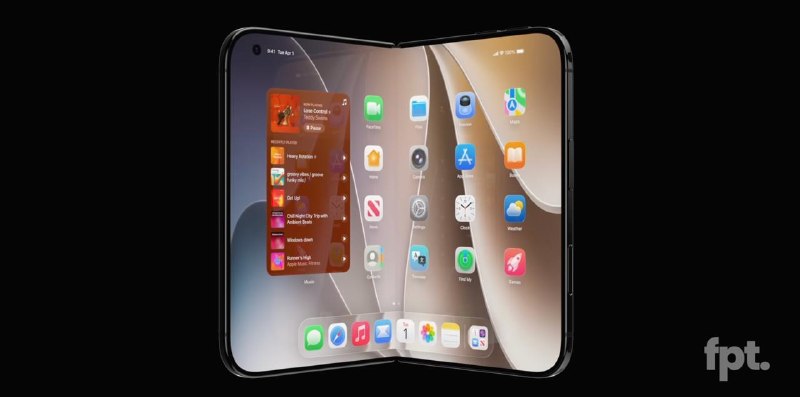
While official details remain scarce, technology enthusiasts and industry analysts have been treated to increasingly detailed renders of Apple's anticipated foldable device. According to reports, the fpt. channel has compiled various leaks into what are described as the "highest-quality and most detailed renders" to date, offering a comprehensive glimpse into what the final product might look like.
Although specific design elements from these renders haven't been fully disclosed, the mere existence of such detailed unofficial imagery suggests that the foldable iPhone has reached a relatively mature development stage. This level of leak detail is typically seen in products that are approaching final production or pre-launch phases.
Production Challenges and Timeline Considerations
Despite the promising start to production, significant challenges remain, particularly concerning the hinge mechanism—a critical component that has proven difficult for many manufacturers to perfect. Sources indicate that the hinge module represents the "remaining wildcard" that could potentially affect the final launch timeline.
The production yield exceeding 80% is particularly noteworthy, as it surpasses Apple's stringent 70% threshold for display quality. This achievement suggests that Samsung has successfully addressed many of the technical challenges associated with producing reliable foldable displays at scale.
However, the complexity of integrating these displays with a functional hinge mechanism that can withstand thousands of folding cycles while maintaining a sleek profile presents additional engineering hurdles. This challenge may explain the uncertainty surrounding the device's launch timeline.
| Potential Launch Timeline | Probability and Rationale |
|---|---|
| September 2023 | Less likely but possible if hinge issues are resolved quickly |
| Early 2024 | Moderate probability, allowing additional testing time |
| Late 2024 | Highest probability according to most analysts |
| Late 2025/Early 2026 | Contingent on significant technical challenges |
Market Implications and Strategic Significance
Apple's entry into the foldable smartphone market would represent a watershed moment for the industry. While competitors like Samsung, Huawei, and Motorola have already established a presence in the foldable space, Apple's typically meticulous approach to product development suggests it aims to differentiate itself significantly from existing offerings.
The partnership with Samsung for display production continues a long tradition of the two companies working together despite their competitive positioning in the smartphone market. Apple has relied on Samsung for OLED displays in its iPhone lineup for years, making this extension to foldable displays a natural progression of their relationship.
If successfully launched, the foldable iPhone could accelerate mainstream adoption of foldable technology, which has so far remained a niche category due to high prices, durability concerns, and practicality questions. Apple's history of refining existing technologies and making them accessible to mass markets could potentially overcome these barriers.
Conclusion: A New Era for Apple and Foldable Smartphones
The commencement of mass production for foldable iPhone displays marks a significant milestone in Apple's product development journey. While challenges remain—particularly regarding the hinge mechanism and final integration—the progress made thus far indicates that Apple is serious about entering the foldable smartphone market.
With Samsung successfully producing displays that meet Apple's stringent quality standards, the stage appears set for what could be one of the most significant smartphone launches in recent years. Whether the device launches in 2023 or 2026, the mere confirmation of its development and production represents a new era for both Apple and the broader smartphone industry.
As consumers and industry observers await further details, one thing remains certain: Apple's entry into the foldable smartphone market will undoubtedly reshape the landscape and set new standards for innovation, design, and user experience in this emerging category.
😐 Samsung has started making displays for the foldable iPhone ☝️ Meanwhile the fpt. channel has published the highest-quality and most detailed renders shown above, compiling all the leaks in one place. 📰 According to The Elec, Samsung Display has received Apple's official approval and begun mass production of OLED modules for Apple's first foldable iPhone at its Vietnam facility. Key details: • Initial order: 3 million panels for delivery this year • Production yield exceeded 80% (Apple's threshold is 70%) • Samsung is Apple's exclusive supplier under a 3-year deal • Panels feature CoE + M16 OLED tech – thinner and more power-efficient 🔩 The remaining wildcard is the hinge module, which sources say could affect the final launch timeline. A September debut is still possible, but late 2026 is the safer bet. #rumors @iPhone 😐 Samsung has started making displays for the foldable iPhone ☝️ Meanwhile the fpt. channel has published the highest-quality and most detailed renders shown above, compiling all the leaks in one place. 📰 According to The Elec, Samsung Display has received Apple's official approval and begun mass production of OLED modules for Apple's first foldable iPhone at its Vietnam facility. Key details: • Initial order: 3 million panels for delivery this year • Production yield exceeded 80% (Apple's threshold is 70%) • Samsung is Apple's exclusive supplier under a 3-year deal • Panels feature CoE + M16 OLED tech – thinner and more power-efficient 🔩 The remaining wildcard is the hinge module, which sources say could affect the final launch timeline. A September debut is still possible, but late 2026 is the safer bet. #rumors @iPhone


