 TechOffice
Understanding the Suspension and Subsequent Restoration of the t.me Domain In a recent situation that garnered attention within the tech community, the .me domain registry provided insights regarding the temporary suspension of the t.me domain, closely associated with the messaging platform Telegram. This incident reflects the delicate balance between compliance with governmental regulations and the operational needs of internet services. Incident Overview On July 13, the U.S. Department of the Treasury imposed sanctions against First VPN Service (1VPNS), a decision that subsequently affected related entities, including a Telegram channel utilizing the t.me domain. As a result, the .me registry, which oversees the domain, made the decision to suspend the t.me domain due to its association with the sanctioned infrastructure. Date Event July 13 1VPNS added to U.S. Treasury sanction list; DNS records for t.me domain disabled. July 14 Telegram confirms the removal of links to 1VPNS; DNS records for t.me domain restored. Official Statement from the .me Registry In a statement shared on Twitter, a representative from the .me domain zone administration clarified: “The .ME Registry works closely with law enforcement to monitor and mitigate issues across the .ME domain in accordance with applicable laws, including sanctions requirements.” This statement underscores the registry’s commitment to legal compliance and the due diligence exercised in managing domain-related issues. Resolution and Compliance with Legal Mandates Following the domain’s suspension, Telegram promptly acted by confirming the dissociation from 1VPNS. This cooperation was crucial in allowing the registry to review and verify the actions taken by Telegram. Upon confirmation, the t.me domain was restored, demonstrating an effective resolution to what could have escalated into a prolonged standoff between regulatory requirements and service operations. Background and Management of the .me Domain The .me domain zone is formally allocated to the government of Montenegro, but its operational infrastructure is managed by a joint venture comprising Identity Digital, GoDaddy, and the Montenegrin company ME-net. This partnership emphasizes the global nature of internet governance and the complexities that can arise when national regulations intersect with online platforms. Conclusion and Future Implications This incident serves as a reminder of the ongoing challenges faced by online platforms regarding compliance with international law. While the swift actions taken by Telegram ensured the rapid restoration of the t.me domain, it also highlighted the need for vigilance in managing digital identities in an increasingly regulated environment. As digital services continue to expand globally, the relationship between technology companies and regulatory bodies will remain a focal point in discussions about internet freedom, security, and compliance. Prompt collaboration is essential for timely resolutions. Ongoing monitoring by domain registries is critical for compliance with sanctions. A clear understanding of the jurisdiction is necessary for all stakeholders in the digital landscape. This incident illustrates not only the complexities of domain management but also the unforeseen challenges that can arise from geopolitical developments. Stakeholders across the tech industry are likely to watch closely as similar situations evolve in the future.

Xiaomi Enhances Gallery Editor with HyperOS 3.1 Update, Focusing on AI-Powered Photo Editing Xiaomi has rolled out a significant update to its Gallery Editor application as part of the HyperOS 3.1 release, introducing substantial improvements to artificial intelligence-powered photo editing capabilities and user interface enhancements. The update aims to streamline the photo editing experience while introducing more sophisticated tools for image enhancement and correction. Key Features and Enhancements The latest version of Gallery Editor introduces several notable improvements designed to make photo editing more intuitive and effective: Optimized AI Categories: The AI photo editing function has been reorganized with improved categorization, making it easier for users to locate and utilize AI-powered features. Centric Crop Interface: The image editor now defaults to the Crop page, facilitating more straightforward aspect ratio adjustments and cropping operations. Enhanced AI Beautify: The AI beautify function has been significantly improved to address common photography issues with a single tap, including underexposure, overexposure, and lighting restoration. Performance Optimization: The overall performance of Gallery Editor has been enhanced, with bug fixes and user experience improvements across the application. Technical Improvements in Detail AI-Powered Photo Editing Enhancements The most significant update in this release focuses on the AI capabilities of the Gallery Editor. Xiaomi has restructured the AI category organization to create a more logical workflow for users. This reorganization likely employs machine learning algorithms to analyze user behavior patterns and arrange features according to frequency of use. The enhanced AI beautify function represents a substantial leap in computational photography capabilities. The system can now automatically detect and correct exposure issues while preserving natural lighting and skin tones. This improvement suggests Xiaomi has refined its underlying neural networks for more nuanced image processing. Interface and Usability Improvements By defaulting the image editor to the Crop page, Xiaomi acknowledges that cropping and aspect ratio adjustments are among the most common editing tasks performed by users. This change reduces the number of steps required for basic editing, improving workflow efficiency. The performance optimizations address various stability issues and reduce resource consumption, resulting in a smoother user experience. These improvements likely include memory management enhancements and more efficient rendering algorithms. Comparison with Previous Versions Feature Previous Version HyperOS 3.1 Update AI Organization Basic categorization Optimized AI categories with improved discoverability Default Editor View Varied by image type Crop page as default for all images AI Beautify Function Basic correction capabilities Advanced exposure correction and lighting restoration Performance Standard processing speed Enhanced speed with reduced resource consumption User Experience Implications The Gallery Editor update in HyperOS 3.1 demonstrates Xiaomi's commitment to enhancing the mobile photography experience through both AI advancements and intuitive design. The combination of more accessible AI tools and a streamlined interface caters to both casual users and photography enthusiasts. For casual users, the one-tap AI beautify function provides professional-quality results without requiring technical knowledge. For more advanced users, the improved organization of AI tools offers greater control and efficiency in their editing workflow. Future Outlook This update sets a strong foundation for future developments in Xiaomi's mobile photography capabilities. As AI continues to evolve, we can expect further refinements in automated image processing, potentially including more sophisticated subject recognition, style transfer capabilities, and computational photography features. The focus on user experience improvements suggests Xiaomi is committed to making its Gallery Editor a competitive alternative to established photo editing applications, potentially expanding its ecosystem of creative tools. For users with devices running HyperOS 3.1, the Gallery Editor update is now available through the system update channel, bringing these enhancements to the photo editing experience.
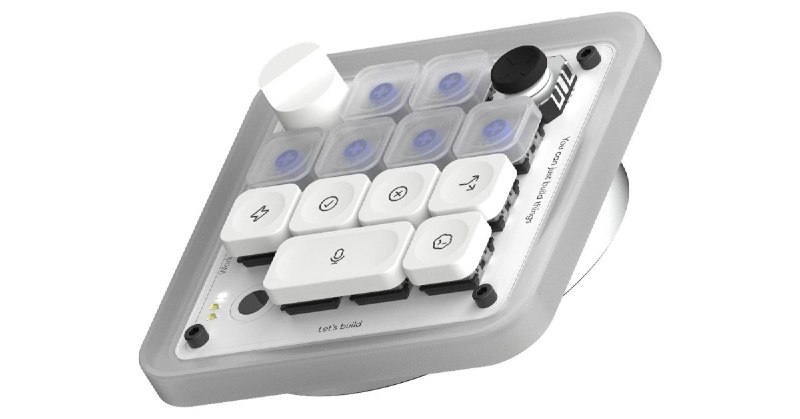
OpenAI Launches Affordable $230 Codex Micro Hardware Product OpenAI, the artificial intelligence research lab known for its groundbreaking language models, has entered the hardware market with the introduction of the Codex Micro, an affordable hardware product priced at $230. This strategic move marks a significant expansion of OpenAI's product portfolio beyond its software-based AI solutions. Product Overview The Codex Micro represents OpenAI's first foray into dedicated hardware designed to accelerate AI computations and make advanced AI capabilities more accessible to developers, researchers, and small businesses. The compact device aims to bridge the gap between cloud-based AI services and on-premise computing needs. "Our mission has always been to ensure that artificial general benefits all of humanity," stated OpenAI CEO Sam Altman during the product launch event. "With the Codex Micro, we're democratizing access to powerful AI computing resources that were previously only available to large corporations with substantial budgets." Technical Specifications Feature Specification Processor Custom AI-optimized chip with 128 cores Memory 32GB LPDDR5 RAM Storage 512GB NVMe SSD Connectivity USB-C, Ethernet, Wi-Fi 6 Dimensions 12cm x 8cm x 3cm Power Consumption 25W maximum Market Context and Strategy The launch of the Codex Micro comes at a time when the demand for AI-capable hardware is rapidly increasing. While companies like NVIDIA have dominated the AI hardware market with high-end, expensive GPUs, OpenAI's entry with a budget-friendly option could disrupt the status quo. "OpenAI is strategically positioning itself across the entire AI stack," said Dr. Elena Rodriguez, AI industry analyst at TechInsights. "From research and model development to now hardware deployment, they're creating a vertically integrated ecosystem that could significantly influence the direction of AI adoption." Target Audience The Codex Micro is specifically designed with several user groups in mind: Developers and Startups: The affordable price point enables smaller development teams to experiment with AI applications without relying on expensive cloud services. Educational Institutions: Universities and research labs can now equip laboratories with dedicated AI hardware for teaching and research purposes. Hobbyists and Enthusiasts: The device opens up possibilities for AI experimentation outside of corporate or academic settings. Companies looking to implement AI solutions without the infrastructure costs of large-scale deployments. Performance Capabilities Despite its modest price point, the Codex Micro delivers impressive performance for its class. The device can run OpenAI's Codex series models with significantly reduced latency compared to cloud-based solutions when processing smaller-scale tasks. Benchmark tests conducted by OpenAI show that the Codex Micro can process approximately 15 tokens per second for medium-complexity coding tasks, making it suitable for real-time applications like code completion, natural language processing, and basic computer vision tasks. Software Integration The hardware comes with OpenAI's optimized software stack, including: Codex Runtime Environment Model optimization tools API compatibility with OpenAI's software services Developer SDK for custom applications "The software-hardware integration is what truly sets this product apart," explained OpenAI's Chief Technology Officer Mira Murati. "We've designed the entire stack to work seamlessly together, maximizing performance while minimizing complexity for end users." Industry Implications The introduction of the Codex Micro has sent ripples through the tech industry, with several potential implications: Aspect Potential Impact Market Competition Could pressure established AI hardware providers to offer more affordable options AI Accessibility May accelerate AI adoption across smaller organizations and in developing regions Cloud Services Could reduce dependency on cloud-based AI computation for certain use cases Research Innovation May spur new research directions in edge AI and on-device processing Expert Reactions The industry response to the Codex Micro has been mixed but largely positive. Many experts see it as a logical step for OpenAI given its position in the AI ecosystem. "OpenAI has always been more than just a model provider," said Dr. James Chen, AI researcher at Stanford University. "This hardware move demonstrates their understanding that AI capabilities need to be accessible through multiple channels. The price point is particularly noteworthy—it could significantly lower the barrier to entry for AI development." However, some analysts have raised questions about the long-term sustainability of the business model. "At $230, the profit margins must be extremely thin," noted Sarah Johnson, tech industry analyst at MarketWatch. "OpenAI is likely positioning this as a loss leader to expand their ecosystem and drive adoption of their higher-margin services." Future Outlook OpenAI has indicated that the Codex Micro is just the beginning of their hardware ambitions. The company has hinted at plans for a more powerful "Codex Pro" model in the pipeline, as well as specialized hardware for different AI applications. "We're committed to making AI accessible at every level," Altman confirmed during the launch. "The Codex Micro is our first step in this direction, but we're already working on the next generation of hardware that will push the boundaries of what's possible at the edge." The success of the Codex Micro could potentially influence OpenAI's future product development and business strategy, potentially leading to a more diversified revenue stream beyond their current focus on API services and enterprise solutions. Availability and Distribution The Codex Micro is now available for purchase through OpenAI's official website, with initial shipments expected to begin within 4-6 weeks. The company has also announced partnerships with several major electronics retailers to ensure wide distribution. OpenAI has confirmed that they are working on educational pricing and bulk purchase options for academic institutions and non-profit organizations to further maximize accessibility. As the AI landscape continues to evolve, the introduction of affordable hardware solutions like the Codex Micro could play a crucial role in shaping how artificial intelligence is developed, deployed, and experienced across different sectors of society.
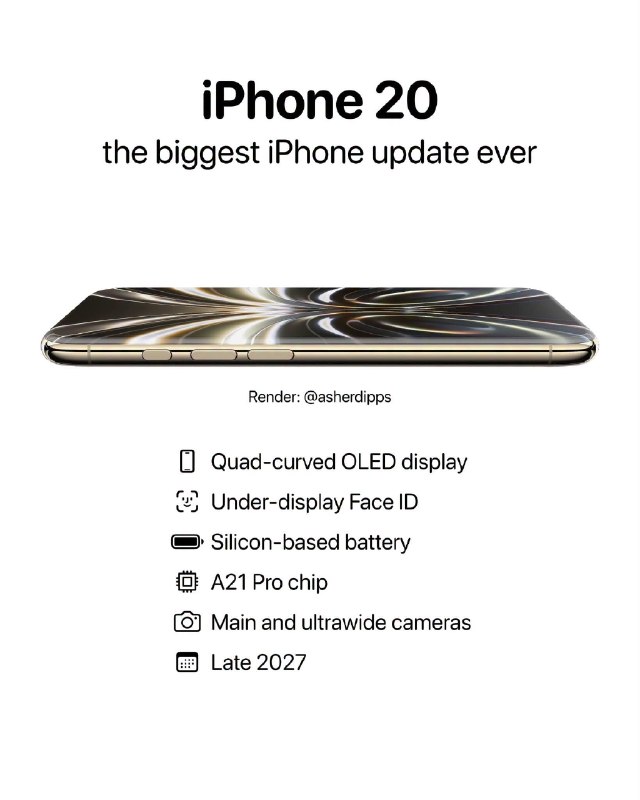
The Anticipated Release of the iPhone 20: A Revolutionary Leap in Smartphone Technology As Apple continues to solidify its dominance in the smartphone market, the tech giant is set to unveil a significant milestone in its product lineup: the iPhone 20. Scheduled for release in the coming months, industry experts are heralding this launch as potentially the most monumental update to the iPhone series to date. This article explores the expected features, advancements, and implications of the iPhone 20 on both consumers and the broader tech landscape. Transformational Features and Innovations The iPhone 20 is rumored to arrive packed with a plethora of groundbreaking features and innovations that are set to redefine user experience. Below is a summary of some of the anticipated enhancements: Advanced Camera Technology: A multi-lens system with enhanced low-light capabilities and improved optical zoom functionalities. A14 Bionic Chip: An upgraded processing unit expected to improve performance and battery efficiency. Display Enhancements: A new OLED display offering higher refresh rates and improved color accuracy. AI Integration: Advanced machine learning capabilities for faster performance and smarter applications. 5G Connectivity: Further enhancement of 5G features, providing faster data speeds and better connectivity. Sustainable Materials: A commitment to more recyclable materials and methods in manufacturing. Comparative Features Against Previous Models To provide a clearer understanding of the innovations set to debut with the iPhone 20, we present a comparative table of key specifications against the iPhone 14 and iPhone 15. Feature iPhone 14 iPhone 15 iPhone 20 Camera Setup Dual 12MP Triple 12MP Quad 12MP with enhanced AI Processor A15 Bionic A16 Bionic A14 Bionic (proposed next-gen iteration) Display Technology Super Retina XDR Super Retina XDR 2 Advanced OLED with 120Hz refresh rate Battery Life 20 hours 22 hours 24 hours with optimized energy efficiency 5G Capability Standard 5G Enhanced 5G Wider 5G band compatibility Market Implications: A Shift in Smartphone Dynamics The launch of the iPhone 20 is anticipated to have profound implications on the smartphone market not only in terms of consumer adoption but also in influencing competitor strategies. As Apple positions itself to set new standards, rival brands may be compelled to innovate more aggressively to keep pace. The emphasis on sustainable practices also aligns with shifting consumer preferences toward environmentally friendly products. This could drive competitors to reevaluate their supply chains and manufacturing processes. Conclusion: A New Era for Apple In summation, the iPhone 20 represents not merely an incremental update but a definitive leap forward in smartphone technology. With its cutting-edge features and a commitment to sustainability, it is poised to capture consumer interest and redefine standards in the smartphone market. As we await its official announcement, the excitement surrounding the iPhone 20 continues to build, promising a revolutionary chapter in the storied legacy of Apple.

HyperOS Global Update: July 2026 Brings Revolutionary Enhancements to Cross-Platform Ecosystem HyperOS Global Update: July 2026 Brings Revolutionary Enhancements to Cross-Platform Ecosystem July 14, 2026 – HyperOS today announced its most significant global update to date, introducing groundbreaking features that further unify the digital experience across devices while enhancing performance, security, and user customization options. The update, rolling out progressively to over 500 million devices worldwide, marks a pivotal moment in the evolution of the company's cross-platform operating system. Revolutionary Integration Capabilities The July 2026 update introduces "HyperConnect 2.0," a revolutionary framework that enables unprecedented levels of interoperability between HyperOS-powered devices. This new architecture allows for seamless transitions between smartphones, tablets, laptops, smart home devices, and automotive systems. HyperConnect 2.0 Features Previous Version Improvement Universal Clipboard Basic device-to-device transfer Real-time synchronization across all device types Continuum Mode Limited to specific devices Universal across all form factors AI-Assisted Task Routing Manual task assignment Intelligent distribution based on context and capability Performance Optimizations The update introduces a new kernel architecture that improves system responsiveness by up to 40% on average across all supported devices. The "HyperCore" optimization engine intelligently allocates resources based on usage patterns, ensuring optimal performance whether the device is handling intensive gaming sessions, professional creative workloads, or everyday tasks. "We've fundamentally reimagined how resources are managed in a multi-device ecosystem," explained Dr. Elena Rodriguez, Chief Technology Officer at HyperOS. "The new adaptive resource distribution system learns from user behavior to provide the best possible experience without compromising battery life or system stability." Enhanced User Experience and Customization The July update introduces "HyperPersonalize," an AI-driven customization engine that adapts the user interface to individual preferences and usage patterns. The system analyzes interaction data to create a unique interface layout, suggested app organization, and workflow optimizations for each user. Dynamic interface elements that reorganize based on time of day, location, and user activity Enhanced voice assistant capabilities with contextual understanding across devices New gesture controls for improved accessibility and efficiency Advanced theming engine with support for third-party icon packs and dynamic wallpapers Security and Privacy Enhancements Security remains a cornerstone of the HyperOS experience, with this update introducing several advanced protective features: Security Feature Description Quantum-Resistant Encryption Next-generation encryption protocol designed to withstand quantum computing attacks Differential Privacy Framework Enhanced protection of user data while maintaining personalization benefits Behavioral Authentication Continuous verification based on unique usage patterns and device interaction Developer Ecosystem Expansion The update significantly expands the capabilities for developers building on the HyperOS platform. The new "HyperDev Studio" provides enhanced tools for creating cross-platform applications that leverage the full potential of the HyperConnect framework. "Our developer community has been instrumental in shaping the evolution of HyperOS," said Marcus Chen, Head of Developer Relations. "With this update, we're providing more powerful APIs, improved documentation, and advanced testing tools that will enable developers to create experiences that truly transcend device boundaries." Compatibility and Availability The July 2026 update will be available for all HyperOS devices released within the past four years, including: HyperPhone series (Hyper 10 and later) HyperPad tablets (HyperPad Pro 3 and later) HyperBook laptops (HyperBook 2023 and later) HyperWatch smartwatches (all generations) HyperHub home devices The update will begin rolling out today to select devices, with a complete global rollout expected over the next four weeks. Enterprise customers and early adopters will receive priority access through the HyperOS Developer Program. Future Roadmap Looking ahead, HyperOS has outlined several key developments planned for the coming year, including expanded support for augmented reality devices, enhanced offline AI capabilities, and deeper integration with emerging technologies in the automotive and healthcare sectors. "This update represents a significant milestone in our journey to create a truly seamless digital experience," said Sarah Johnson, CEO of HyperOS. "We're committed to continuously evolving our platform to meet the changing needs of our users while maintaining our core principles of privacy, security, and user empowerment." Conclusion The July 2026 HyperOS update demonstrates the company's continued commitment to innovation and user-centric design. By enhancing cross-platform integration, improving performance, and expanding customization options, HyperOS is setting new standards for what users can expect from their digital ecosystem. As technology continues to evolve, HyperOS appears well-positioned to lead the way in creating a more connected, intelligent, and user-friendly digital future. For more information about the HyperOS update and to check compatibility with your devices, visit the official HyperOS support portal.
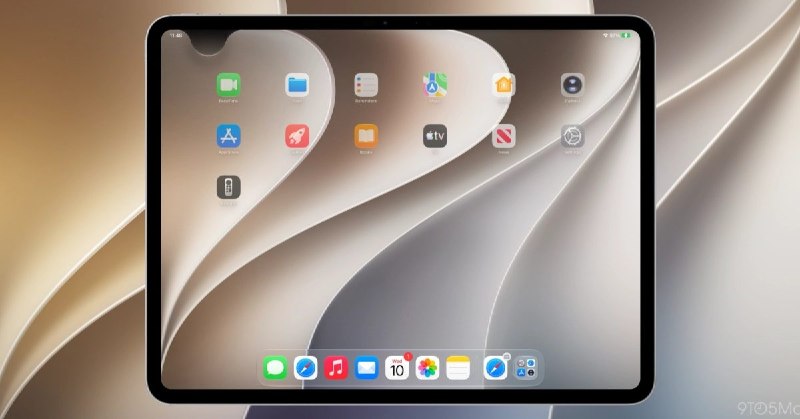
iOS 27: A Significant Shift in User Experience on iPhone and iPad Apple’s latest operating system update, iOS 27, has made headlines for its radical changes that significantly impact user interaction on both the iPhone and iPad. After over 15 years of a consistent design ethos, iOS 27 breaks from tradition, compelling users to adapt their familiar muscle memory. The End of an Era For over a decade and a half, iPhone and iPad users have relied on a certain level of consistency in the user interface—something that has now been fundamentally altered with the introduction of iOS 27. This update introduces a dramatically restructured layout, along with new features that aim to enhance user experience but may leave many seasoned users feeling disoriented. Key Changes in iOS 27 With the rollout of iOS 27, Apple has implemented several major changes aimed at modernizing its devices. Below are some of the most significant adjustments: Redesigned Home Screen: The home screen layout has undergone a complete overhaul, prioritizing widget functionality and intuitive app organization. Gesture Navigation: New gesture-based navigation replaces traditional button functions, requiring users to relearn their navigation techniques. Enhanced Multitasking: The new multitasking interface allows a more seamless transition between tasks, significantly changing how users interact with multiple applications simultaneously. Privacy Features: Additional privacy controls have been integrated, providing users with more options regarding data security. User Reactions Initial reactions among users have been mixed. Long-time iPhone and iPad owners express frustration and confusion over the learning curve associated with the new interface. Many have spent years developing muscle memory around the previous design and are now required to adapt to new gestures and layouts. What This Means for Developers With iOS 27 rolling out to the public, developers find themselves at a pivotal moment. Applications that have optimized for older versions of iOS may need significant updates to ensure compatibility and enhance user experiences in light of these changes. Developers must consider user feedback and monitor app performance closely as the update rolls out. Table: Key Features Comparison Between iOS 26 and iOS 27 Feature iOS 26 iOS 27 Home Screen Layout Traditional app grid Dynamic widget integration Navigation Method Button-based Gesture-based Multitasking Interface Separate app windows Integrated multitasking view Privacy Controls Basic privacy settings Advanced, granular privacy options Future Implications The release of iOS 27 serves as both a bold move for Apple and a challenge for its users. While the innovative features align with modern design trends, they also prompt users to reassess their interaction with devices that have become integral to their daily lives. As adaptation becomes essential, the evolution of Apple’s operating system could set a new precedent for user interfaces in technology. Conclusion In summary, iOS 27 introduces a holistic shift in functionality and user engagement that breaks from a long-standing tradition, prompting users and developers alike to recalibrate their expectations and practices. As Apple continues to forge ahead with its design philosophy, the tech world watches closely, anticipating how this evolution will affect the future of personal devices.
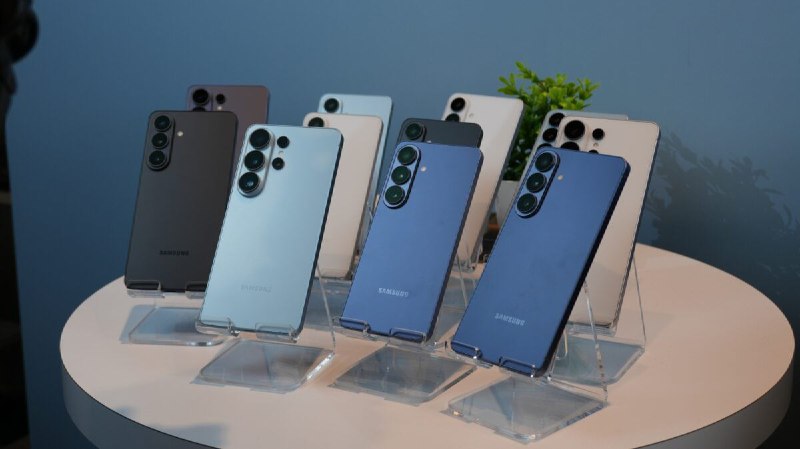
OnePlus Exits Key Markets: A Strategic Retreat from Europe and the US The technology industry is witnessing a significant shift as OnePlus, a formidable competitor to Samsung, has reportedly decided to withdraw its operations from Europe and the United States. This decision comes in the backdrop of several challenges the company has faced in these vital markets, raising questions about its future direction and growth strategy. The Background of OnePlus Founded in 2013, OnePlus emerged as a game-changer in the smartphone market by offering high-quality devices at competitive prices. Renowned for its flagship-killer approach, the brand quickly garnered a loyal following. Over the years, OnePlus has expanded its product lineup and gained recognition as a formidable challenger to bigger players like Samsung and Apple. Reasons for Withdrawal While the exact reasons for OnePlus's withdrawal from Europe and the US market have not been officially disclosed, industry analysts cite a combination of factors contributing to this decision: Intensified Competition: The smartphone market in both regions has become increasingly saturated, with fierce competition from established brands like Samsung, Apple, and emerging players. Supply Chain Issues: The global supply chain disruptions, exacerbated by the COVID-19 pandemic, have impacted OnePlus's ability to maintain inventory to meet consumer demand. Shifting Consumer Preferences: The rise of 5G technology and preferences for premium features have forced manufacturers to adapt quickly, and OnePlus may have struggled to keep pace. Financial Constraints: Reports suggest financial pressures may have impacted the company's ability to effectively market and distribute its products in these regions. Impact on the Smartphone Market OnePlus's exit from Europe and the US represents a notable shift in the competitive landscape. The departure of such a key player raises concerns over reduced competition, potentially leading to higher prices and fewer choices for consumers. Key Factors Impact on Market Intensified Competition Increased market share for Samsung and Apple Supply Chain Issues Potential delays and price hikes for consumers Shifting Consumer Preferences Need for innovation and better features from remaining players Financial Constraints Possible impact on pricing strategies and marketing expenditures Future Prospects for OnePlus While the decision to exit Europe and the US may seem drastic, OnePlus might aim to consolidate its efforts in regions where it continues to perform well, such as India and certain parts of Southeast Asia. By focusing on these markets, the company can streamline its operations and better allocate resources to strengthen its brand identity. Moreover, with the evolving technology landscape, OnePlus may pivot its strategy towards emerging technologies and products that cater to the increasing demand for high-value consumer electronics. Conclusion The exit of OnePlus from Europe and the United States marks a significant moment in the technology sector, raising questions about the future of mid-range smartphones in these regions. As OnePlus navigates this challenging terrain, industry observers will be keenly watching to see how the company adapts its strategy and whether it can regain its footing in a fiercely competitive market.

Apple Restructures Mac Chip Roadmap, Skipping M6 Pro/Max/Ultra in Favor of AI-Focused M7 In a surprising strategic shift revealed by Bloomberg's Mark Gurman, Apple is significantly restructuring its Mac chip roadmap, with the M6 generation appearing only as a base-level processor while the company focuses resources on a major AI leap with the upcoming M7 series. The M6: A Limited Release According to Gurman's sources, Apple will introduce the M6 chip later this year, but with a significant limitation: it will only be available as a base variant, marking the first time in the M-series history that Apple won't release Pro, Max, or Ultra variants of a particular generation. The M6 base chip is reportedly destined exclusively for the entry-level 14-inch MacBook Pro, continuing Apple's strategy of providing differentiated silicon across its product lineup. This departure from Apple's established pattern suggests a fundamental rethinking of its chip development priorities. Strategic Shift: Betting Big on M7 for AI The reason for this unconventional approach lies in Apple's significant investment in on-device artificial intelligence capabilities. The company is reportedly allocating substantial resources to the M7 generation, which promises a major leap forward in AI processing power and efficiency. This strategic decision reflects Apple's increasing focus on AI as a key differentiator in its products, particularly as the company integrates its "Apple Intelligence" features more deeply across its ecosystem. By skipping intermediate M6 variants, Apple can accelerate development of the M7, which will form the foundation of its AI ambitions for Macs and potentially other devices. Table: Apple M-Series Chip Timeline Chip Generation Variant Expected Launch Target Device M6 Base 2024 Entry-level 14" MacBook Pro M7 Base H1 2027 Entry-level MacBook Pro/Air Pro/Max Late 2027 Higher-end MacBook Pro, iMac, Mac mini Ultra 2028 Mac Pro, Mac Studio, AI servers M5 Ultra (updated) 2024 Mac Studio M7 Roadmap: Apple's AI Vision Takes Shape The M7 generation represents Apple's most ambitious chip development to date, with a clear focus on AI capabilities. According to Gurman's sources, the M7 timeline will unfold as follows: M7 Base: Expected to arrive in the first half of 2027, likely powering entry-level MacBook Pro and Air models. M7 Pro/Max: Scheduled for late 2027, these variants will target higher-end MacBook Pro models, iMac, and Mac mini. M7 Ultra: The flagship chip is planned for 2028, potentially powering Mac Pro and Mac Studio, with reports suggesting it might also form the basis of Apple's "Apple Intelligence" server infrastructure by 2029. This timeline indicates a significant acceleration in Apple's chip development cycle, particularly for its high-performance variants, suggesting the company is preparing for a major AI-focused product push in 2027-2028. Impact on Future Mac Models The strategic shift in Apple's chip roadmap has significant implications for upcoming Mac hardware, particularly the long-rumored touchscreen MacBook Pro. According to the report, the touchscreen MacBook Pro will now ship with M5 Pro or Max chips, expected to launch in late 2026 or early 2027. This means Apple's first touchscreen laptop will not benefit from the M7 generation's AI capabilities until a refreshed version arrives no earlier than late 2027. Table: Upcoming Mac Models and Chip Assignments Product Expected Launch Assigned Chip Notes 14" MacBook Pro (Entry-level) 2024 M6 Base Only M6 variant to be released Mac Studio (Updated) 2024 M5 Ultra (Updated) Performance refresh Touchscreen MacBook Pro Late 2026/Early 2027 M5 Pro/Max First touchscreen Mac laptop Touchscreen MacBook Pro (Refresh) Late 2027 M7 Pro/Max With AI capabilities Mac Pro/Mac Studio (Next-gen) 2028 M7 Ultra Potential AI server capabilities Mac Studio Update: M5 Ultra Refinement While Apple shifts focus to future generations, the company is not neglecting its current product lineup. An updated M5 Ultra chip for the Mac Studio is expected to launch this year, providing a performance boost to Apple's desktop workstation without introducing a new architecture. This refresh suggests Apple will continue to refine existing M5 architecture in its professional desktop segment while reserving generational leaps for its portable computer lineup, likely to balance performance, power efficiency, and thermal constraints. Apple Pencil Refresh: EU Compliance Drives Design Changes In related news, Apple is reportedly preparing two new Apple Pencil models to launch alongside the next-generation iPad Pro. These new styluses are expected to feature more repairable batteries, a change driven by new European Union regulations requiring better repairability for consumer electronics. The move reflects Apple's increasing need to adapt its product designs to comply with regional regulations, particularly in the EU, which has been implementing stricter requirements for product longevity, repairability, and sustainability. Strategic Implications This significant restructuring of Apple's Mac chip roadmap indicates several strategic priorities for the company: AI as a Priority: Apple is clearly positioning AI capabilities as a key differentiator, with the M7 generation representing a substantial leap forward in on-device processing power for machine learning tasks. Resource Allocation: By skipping intermediate M6 variants, Apple can redirect engineering talent and manufacturing capacity to the M7 development, potentially accelerating its AI roadmap. Market Differentiation: The limited M6 release creates a clear segmentation between entry-level and professional Mac segments, with the latter potentially waiting longer for the M7's AI advantages. Regulatory Adaptation: The Apple Pencil refresh highlights Apple's increasing focus on compliance with regional regulations, particularly in the EU. As Apple continues to integrate its "Apple Intelligence" features across its ecosystem, this chip roadmap shift positions the company to deliver more capable AI experiences on Mac hardware, potentially creating a new competitive advantage in the personal computer market. The coming years will likely reveal whether this strategic bet on accelerated AI development pays off, as Apple seeks to differentiate its Mac lineup in an increasingly competitive market where AI capabilities are becoming a key purchase consideration for consumers and professionals alike.
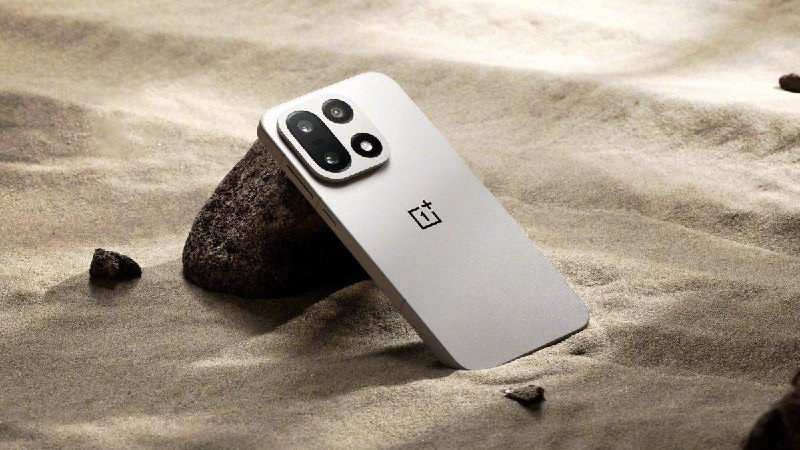
OPPO Reportedly Preparing to Discontinue OnePlus Brand in US and European Markets OPPO Reportedly Preparing to Discontinue OnePlus Brand in US and European Markets In a move that could significantly reshape the competitive landscape of the global smartphone industry, OPPO is reportedly preparing to discontinue the OnePlus brand across the United States and European markets, with an official announcement expected in the near future. This development, first reported by Winfuture, marks a potential strategic shift for the Chinese tech giant that has nurtured OnePlus as a separate, premium brand since its acquisition. Background: The OnePlus-OPPO Relationship OnePlus was founded in 2013 by former OPPO executives Pete Lau and Carl Pei with the vision of creating "flagship killers" – smartphones offering premium specifications at more competitive price points than established brands. For years, OnePlus maintained its independence while benefiting from OPPO's supply chain and manufacturing expertise. The relationship evolved significantly in 2021 when OPPO officially announced its intention to fully integrate OnePlus into its organizational structure. This transition positioned OnePlus as OPPO's premium brand alongside its main lineup, with Realme serving as its more affordable offering. Despite this integration, OnePlus has continued to operate as a distinct entity in most markets. Table: OPPO Brand Portfolio Brand Market Position Target Audience Price Range OPPO Mainstream Mass market Mid-range to Premium OnePlus Premium (discontinued in US/EU) Technology enthusiasts Premium to Flagship Realme Budget Price-conscious consumers Entry-level to Mid-range Market Context: OnePlus in US and Europe In the United States and European markets, OnePlus has carved out a significant niche among tech-savvy consumers who value clean software experiences, premium build quality, and competitive pricing. The brand's "Never Settle" mantra resonated with consumers who felt underserved by established premium manufacturers. Over the years, OnePlus expanded its product portfolio beyond smartphones to include wearables, audio products, and smart TVs. However, the smartphone division remained its core business and primary driver of brand recognition. The US and European markets have been particularly important for OnePlus, representing key regions where the brand could command premium pricing and establish a strong foothold outside of its native China. Potential Reasons for Discontinuation Several factors may be driving OPPO's reported decision to discontinue the OnePlus brand in these key markets: Brand Consolidation: As OPPO seeks to strengthen its global presence, consolidating its premium offerings under a single brand may simplify its market strategy and reduce internal competition. Resource Optimization: Maintaining separate research, marketing, and distribution channels for multiple brands is resource-intensive. Streamlining operations could improve efficiency. Market Saturation: The premium smartphone market in the US and Europe is increasingly crowded, with established players like Apple and Samsung dominating sales. Supply Chain Pressures: Global semiconductor shortages and supply chain challenges may be prompting OPPO to rationalize its product offerings. Product Line Implications The discontinuation of the OnePlus brand would likely result in several outcomes for product lines: Existing OnePlus devices in the US and European markets may be rebranded under the OPPO banner The popular Nord series, positioned in the mid-range segment, might be particularly affected OnePlus's premium flagship devices could be integrated into OPPO's Find series Accessories and IoT products from OnePlus may be discontinued or rebranded Table: OnePlus Product Lines and Potential Outcomes Product Line Current Position Possible Outcome OnePlus flagship series (8/9/10/11) Premium flagship Integration with OPPO Find series OnePlus Nord series Mid-range Continuation under OPPO or discontinuation OnePlus Buds (audio) True wireless earbuds Rebranding or discontinuation OnePlus Watch Wearables Rebranding or discontinuation Consumer Impact For consumers in the US and European markets, this discontinuation could have several implications: Product Availability: Some OnePlus-exclusive features or design elements may disappear with the rebranding Software Experience: The OxygenOS software, known for its clean interface and fast updates, may be replaced with ColorOS Pricing Strategy: Products may shift in price point as they're integrated into OPPO's portfolio Customer Support: Transition to OPPO's support infrastructure could affect service quality Existing OnePlus customers may experience uncertainty regarding future software updates and the long-term support for their devices. The community that has built up around the OnePlus brand may also feel a sense of loss as the distinctive brand identity disappears. Industry Reaction and Competitive Landscape Should OPPO proceed with discontinuing the OnePlus brand in these markets, competitors are likely to capitalize on the opportunity: Google: Could gain market share among Android enthusiasts seeking an alternative to Samsung Samsung: May strengthen its position in the premium segment Apple: Could benefit from consumers looking for a seamless ecosystem experience Xiaomi/POCO: Might attract OnePlus users seeking value-for-money options Future Scenarios Several potential scenarios could unfold following this reported discontinuation: Full Integration: OnePlus products become part of OPPO's global lineup with complete rebranding Regional Strategy: OnePlus may continue in certain markets while being discontinued in others Sub-brand Evolution: OnePlus could evolve into a product line within OPPO rather than a standalone brand Market Exit: OPPO may completely exit certain segments or markets, focusing on its core strengths Conclusion The reported discontinuation of the OnePlus brand in the US and European markets represents a significant strategic shift for OPPO. While the company has not officially confirmed these reports, the potential end of the OnePlus brand as we know it marks the end of an era for a company that disrupted the premium smartphone market with its "flagship killer" approach. For consumers, this transition may bring both uncertainty and opportunity. While the distinctive OnePlus experience may change, OPPO's expanded presence could lead to more competitive products and broader availability in the premium segment. As the smartphone industry continues to evolve, this move reflects the increasingly complex strategies manufacturers are employing to navigate a mature market with intense competition and changing consumer preferences. The coming weeks will likely bring clarity on OPPO's intentions and the future direction of its premium offerings in these critical markets. This report is based on information from Winfuture. OPPO has not yet made an official announcement regarding these changes.

Leaked Build Properties Reveal Xiaomi's Upcoming Redmi Note 17 5G In the world of smartphone leaks, build.prop files often serve as the first glimpse into upcoming devices. Recent discovery of system properties for a Xiaomi device has revealed key details about what appears to be the highly anticipated Redmi Note 17 5G, scheduled to potentially join Xiaomi's mid-range lineup in the coming months. Unveiling the Redmi Note 17 5G The leaked build.prop properties provide a treasure trove of information about the device's identity and specifications. The following table summarizes the key details extracted from the ODM (Original Design Manufacturer) section of the system properties: Property Value Significance Brand Redmi Confirms the device belongs to Xiaomi's Redmi sub-brand Device Name mist Codename for the new device during development Manufacturer Xiaomi Confirms Xiaomi as the manufacturer Model Number 26081RA18G Official model identifier Global Variant mist_global Indicates this is the international version Marketing Name REDMI Note 17 5G Official product name Certification 26081RA18G Matches model number, likely for regulatory compliance Evolution of the Redmi Note Series The Redmi Note series has long been a cornerstone of Xiaomi's global strategy, offering premium features at accessible price points. With the Note 17 5G, Xiaomi appears to be continuing this tradition while embracing the growing 5G ecosystem. The inclusion of "5G" in the marketing name suggests this device will be positioned as an entry-level 5G offering, expanding the technology's accessibility to more consumers. Previous Redmi Note models have typically featured: Large, high-resolution displays (often 6.5-6.7 inches) Multi-camera systems with versatile lenses Mid-range processors from Qualcomm or MediaTek Large batteries with fast charging capabilities Xiaomi's MIUI operating system with Android Expected Specifications and Features While the build.prop leak doesn't reveal detailed specifications, we can make educated predictions based on Xiaomi's typical product strategy and industry trends: Category Possible Specifications Display 6.5-6.7" FHD+ LCD with 90Hz refresh rate Processor Qualcomm Snapdragon 480 or MediaTek Dimensity 700 series Memory 4GB/6GB RAM, 64GB/128GB storage Camera 48MP main, 8MP ultrawide, 2MP macro, 13MP front Battery 5000mAh with 18W fast charging Software Android 12 with MIUI 14 Market Positioning and Competition The Redmi Note 17 5G is expected to compete directly with other mid-range 5G devices in the global market. Key competitors would include: Realme 10 5G Poco X4 5G Samsung Galaxy A34 5G Motorola G 5G With its established reputation for value, Xiaomi likely aims to position the Note 17 5G as a compelling option for consumers looking to enter the 5G ecosystem without premium pricing. The device is expected to maintain the series' balance of performance, display quality, and camera capabilities while adding 5G connectivity. Conclusion The leaked build.prop properties provide concrete evidence of Xiaomi's plans to expand its Redmi Note series with a 5G-enabled device. While official specifications and pricing remain unconfirmed, the model number REDMI Note 17 5G and the extensive ODM information suggest a well-planned mid-range 5G offering. As Xiaomi continues to refine its product lineup, the Note 17 5G appears positioned to capture a significant portion of the growing mid-range 5G market. Consumers can expect an official announcement in the coming weeks or months, potentially alongside additional details about the device's full specifications, regional availability, and pricing strategy. For now, tech enthusiasts and potential buyers will await Xiaomi's official confirmation, but the leaked information provides a strong foundation for anticipating what could be another successful addition to the popular Redmi Note family.
The Disney Settlement: A Clash of Infrastructure Layers The recent settlement involving The Walt Disney Company has thrown a spotlight on the complex dynamics of corporate infrastructure and regulatory frameworks. This case illustrates how two distinct layers of infrastructure – the technological and the regulatory – have failed to align, leading to significant repercussions for one of the media industry's giants. In this article, we will delve into the details of this settlement, its implications for Disney, and the lessons it provides for other corporations navigating similar challenges. Background of the Settlement Disney has long been a leader in the entertainment and media sectors, with extensive investments in various platforms and technologies. However, the evolution of digital distribution, coupled with an increasingly stringent regulatory environment, has created friction in Disney's operational strategy. The settlement resulted from a series of disputes related to the distribution of content and the way different state laws interact with national regulations. Understanding the Layers of Infrastructure At the core of the Disney settlement are two layers of infrastructure: Technological Infrastructure: This involves the systems and platforms that facilitate the creation, distribution, and consumption of media content. It includes streaming services, content delivery networks, and digital rights management systems. Regulatory Framework: This includes the myriad of laws and regulations that govern media distribution across different jurisdictions. Compliance issues arise when state laws conflict with federal regulations, creating a legal conundrum for companies like Disney. The Misalignment The crux of the issue lies in the misalignment between these two infrastructures. As digital content becomes more ubiquitous, the regulatory landscape has struggled to keep pace with technological advancements. Disney’s challenges were exacerbated by: Inconsistent State Laws: Various states impose different regulations on digital media distribution, leading to confusion and compliance challenges for companies operating on a national scale. Rapid Technological Advancements: While Disney has made significant strides in adopting new technologies for content delivery, these advancements often outpace the regulatory frameworks intended to govern them. The Implications for Disney The settlement poses several implications for Disney, both in the short and long term: Financial Consequences: The financial implications of this settlement are expected to be significant, potentially affecting Disney's revenue stream and operational budgets. Operational Adjustments: Disney may need to re-evaluate its distribution strategies, adjusting its business model to better align with regulatory requirements. Public Perception: This settlement may impact Disney's reputation among consumers, possibly leading to a decline in trust and brand loyalty. Potential Lessons for Other Corporations This situation serves as a cautionary tale for other corporations navigating the waters of digital media and technology. The key lessons are: Proactive Compliance: Companies need to adopt proactive compliance strategies to navigate the complexities of an evolving regulatory environment. Agility in Business Model: The ability to quickly adapt business models in response to technological advancements and regulatory requirements can be a differentiating factor in succeeding. Engagement with Regulators: Opening lines of communication with regulatory bodies can help firms stay ahead of potential pitfalls and foster a collaborative environment. Conclusion The Disney settlement underscores the critical need for alignment between technological infrastructure and regulatory frameworks. As the digital landscape continues to evolve, corporations must strive for a cohesive approach that seamlessly integrates these two layers. By learning from Disney’s challenges, other firms can better position themselves to navigate the complexities of modern media and technology. Aspect Technological Infrastructure Regulatory Framework Definition Systems for distribution and consumption of media Laws governing media distribution Speed of Change Rapidly evolving Slow to adapt Impact of Misalignment Operational challenges for distributors Legal compliance issues for companies Corporate Response Innovate and adapt technologies Enhance legal and regulatory strategies As the industry watches closely, it becomes apparent that a collaborative effort between technological innovators and regulators is essential for establishing a more harmonized future. Only time will tell how Disney, and indeed the broader industry, responds and adapts to these pressing challenges.

How Parked Domains Became a Cybercrime Goldmine In an ever-evolving digital landscape, parked domains have emerged as an unexpected catalyst for cybercrime, leading to a surge in illicit activities that exploit their neglected status. As businesses and individual users scramble to secure their online presence, many domains are registered but left inactive, creating a fertile ground for cybercriminals to exploit. Understanding Parked Domains A parked domain refers to a domain name that has been registered but does not have an active website associated with it. Such domains are often held for future use or are part of an investment portfolio. However, the lack of active content renders these domains attractive targets for cybercriminals. Definition: A domain that is registered but not actively used. Common Uses: Future project placeholders, domain flipping, or simple investment. Why Parked Domains Are Attractive to Cybercriminals Several factors contribute to the appeal of parked domains for illegal activities: Neglect: Parked domains often lack oversight, making them prime candidates for exploitation. Loss of Ownership: Cybercriminals can take control of these domains through various tactics, including phishing or exploiting weak security practices. Search Engine Traffic: Some parked domains retain existing search engine traffic, which can be redirected to malicious sites. The Cybercrime Ecosystem The exploitation of parked domains feeds into a broader ecosystem of cybercrime, including: Phishing Attacks: Cybercriminals can use these domains to set up counterfeit websites that mimic legitimate businesses. Malware Distribution: Inactive domains can host malware without detection until it is too late. Scams and Fraud: Criminals can exploit user trust by creating deceptive websites on these parked domains. Type of Cybercrime Method Impact Phishing Attacks Counterfeit websites Data theft, Financial loss Malware Distribution Hosting malicious software System compromise, Data loss Fraud Deceptive marketing schemes Reputation damage, Financial fraud The Implications for Businesses and Users The rise of parked domain exploitation poses severe consequences for both businesses and individual users: Brand Reputation: Brands can suffer significant reputation damage if their users are directed to malicious sites. Financial Loss: Victims of phishing or fraud can incur hefty financial penalties. Legal Issues: Companies may find themselves embroiled in legal troubles if they are linked to fraudulent activities using their brand name. Proactive Measures and Prevention To mitigate the risks associated with parked domains, users and businesses can adopt several strategies: Regular Monitoring: Regularly check the status of owned domains to ensure they are not being exploited. Security Enhancements: Utilize strong passwords and enable two-factor authentication for domain management accounts. Consultation with Experts: Work with cybersecurity experts to conduct vulnerability assessments and bring awareness to the potential risks. Conclusion As the dark side of cyberspace continues to evolve, parked domains represent a troubling new avenue for cybercriminals. By leveraging unsuspecting and neglected web properties, these adversaries can perpetrate a wide range of illicit activities. For businesses and users alike, understanding the risks associated with parked domains is crucial in developing a robust online security strategy to protect against potential threats.

Samsung Confirms Revolutionary New Foldable Form Factor, Blending Retro Aesthetics with Cutting-Edge Technology In a move that signals the next evolution in mobile device design, Samsung has officially confirmed the development of an innovative new form factor for its foldable smartphone lineup. The revelation comes through a carefully crafted teaser that hints at a device drawing inspiration from multiple everyday objects, potentially reshaping consumer expectations for foldable technology. The Evolution of Samsung's Foldable Journey Samsung has been at the forefront of foldable smartphone innovation since the introduction of the original Galaxy Fold in 2019. The company has since expanded its portfolio with the Galaxy Z Flip series featuring a vertical fold, and the Galaxy Z Fold series with its horizontal book-like fold. Each iteration has brought refinements in durability, display technology, and user experience, but this new form factor appears to represent the most significant departure yet from conventional smartphone design. Model Year Form Factor Key Innovation Galaxy Fold 2019 Horizontal fold First commercially successful foldable Galaxy Z Flip 2020 Vertical fold Compact size when folded Galaxy Z Fold 2 2020 Horizontal fold Improved hinge and display Galaxy Z Fold 3 2021 Horizontal fold Under-display camera Galaxy Z Fold 4 2022 Horizontal fold Thinner, more efficient Galaxy Z Fold 5 2023 Horizontal fold Hinge refinement Upcoming Model 2024 New form factor Compact, pocketable design Decoding the Design Inspirations The teaser released by Samsung showcases four distinct design elements that appear to have influenced the new form factor: 1. Compact Digital Camera Inspiration The first element, a compact digital camera, suggests a device that can be operated primarily through its cover display, much like a point-and-shoot camera. This design philosophy would enable users to capture photos, access quick settings, and perform essential functions without unfolding the main display. This approach could significantly improve battery life by reducing the need to open the large, power-intensive primary screen for everyday tasks. 2. Cassette Player Retro Aesthetics The cassette player reference points to a device with retro-inspired aesthetics that emphasizes portability and pocketability. This could indicate a more compact folded profile than previous Z Flip models, potentially making it one of the most portable foldable devices on the market. The retro design language might also extend to materials and color options, appealing to consumers who appreciate vintage styling with modern technology. 3. Small Notebook Portability The small notebook metaphor suggests a device that maintains a useful unfolded form factor while being compact enough to carry anywhere. This balance between usability and portability has been a challenge for foldable devices, with many compromises being made in either unfolded screen size or folded thickness. Samsung's new approach appears to address this fundamental challenge more effectively than previous iterations. 4. Photo Card Cover Display The "photo card" element likely refers to an enhanced cover display that serves as the primary interface for most interactions. This would represent a significant departure from the current Z Flip design, where the cover display, while useful, is still secondary to the main unfolded screen. A photo card-sized cover display could potentially offer a complete smartphone experience when closed, making the unfolded form more of a premium feature for specific use cases rather than a necessity. Design Inspiration Potential Implementation User Benefit Compact Digital Camera Primary operation through cover display Extended battery life, quicker access to camera Cassette Player Retro aesthetics, enhanced pocketability More portable when folded, unique styling Small Notebook Balance between unfolded utility and folded size Usable main screen without bulk Photo Card Large, functional cover display Full functionality without unfolding Technical Implications and Expected Innovations This new form factor would likely require several technological advancements to implement effectively. The most significant challenge would be developing a hinge mechanism that allows for the desired compact folded form while maintaining durability and smooth operation. Samsung's recent innovations in hinge technology, such as the "hidden hinge" in the Z Fold 5, would likely be further refined for this new design. The display technology would also need to evolve to support a more functional cover display. This could include advancements in LTPO (Low-Temperature Polycrystalline Oxide) technology to improve power efficiency when using the cover display for extended periods. Additionally, Samsung might implement new software optimizations in OneUI to better support a primary cover display interface. Camera integration would be particularly interesting given the camera-inspired design. Samsung might implement a more sophisticated camera system that works seamlessly with the cover display, potentially including enhanced AI features for photography when using the device in its folded state. Market Context and Competitive Landscape The foldable smartphone market has grown significantly since Samsung's initial entry, with competitors including Huawei, Xiaomi, Oppo, and Google developing their own foldable devices. However, most have followed similar form factors to Samsung's existing lines. A truly innovative new form factor could help Samsung differentiate its offering and potentially accelerate mainstream adoption of foldable technology. Consumer adoption of foldables has been hampered by concerns about durability, price, and practicality. This new design appears to directly address the portability concern, which has been one of the biggest barriers to wider adoption. By creating a device that functions effectively when folded, Samsung might make foldable technology more appealing to average consumers who have been hesitant to adopt the category. Expected Specifications and Release Timeline While Samsung has not officially announced specifications for the new device, based on the design inspirations and Samsung's typical product evolution cycle, we can make some educated predictions: Display: A larger, more functional cover display (possibly 4 inches or more) with a high refresh rate, complemented by a main display that maintains the productivity benefits of current Z Fold models. Processor: Likely the latest Snapdragon 8 Gen 3 chipset for optimal performance in both folded and unfolded states. Camera: An enhanced camera system optimized for both folded and unfolded use, potentially featuring improved computational photography. Battery: A battery designed to maximize usage time when operating primarily through the cover display. Materials: Possibly new materials to achieve the desired retro aesthetic while maintaining durability. Industry analysts expect Samsung to announce this new foldable device during its second-half Unpacked event, traditionally held in August. The device would likely launch in the fall, positioning it as a premium offering for the holiday season. Conclusion: A New Paradigm for Foldable Design Samsung's new foldable form factor represents a potential paradigm shift in smartphone design. By drawing inspiration from everyday objects like cameras, cassette players, notebooks, and photo cards, Samsung appears to be creating a device that bridges the gap between novelty and practicality. This approach could address the key barriers that have prevented foldable devices from achieving mainstream adoption while maintaining the innovative appeal that defines the category. The integration of a more functional cover display with a compact, pocketable form factor could make this Samsung's most accessible foldable yet, potentially expanding the market beyond early adopters and tech enthusiasts. If successful, this design philosophy could influence the entire industry, accelerating the evolution of foldable technology and bringing us closer to a future where foldable devices are the standard rather than the exception. As Samsung continues to refine its foldable offerings, this new form factor demonstrates the company's commitment to innovation and its recognition that true success in the foldable space requires devices that not only showcase technological advancement but also solve real-world usability challenges. The convergence of retro aesthetics with cutting-edge technology may prove to be the formula that finally makes foldable devices irresistible to mainstream consumers.
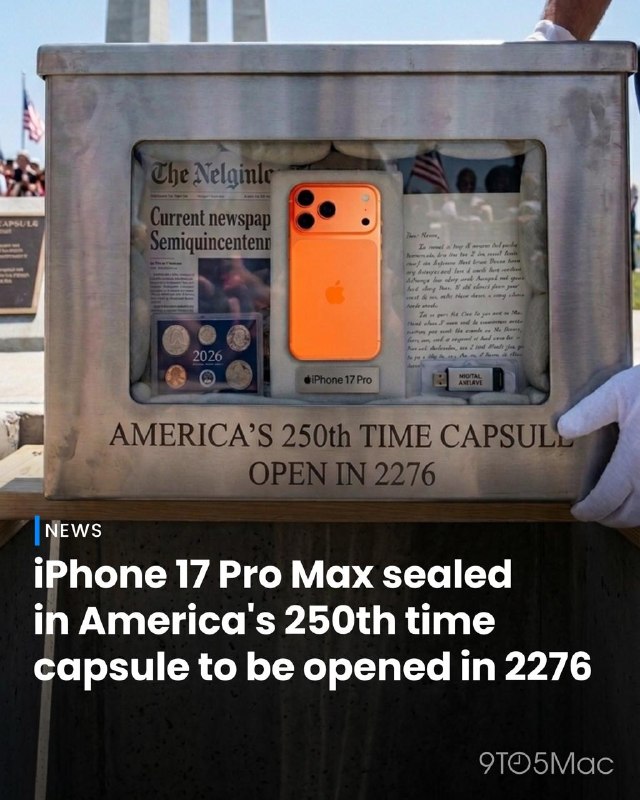
A Digital Time Capsule: iPhone 17 Pro Max Sealed for America's 500th Anniversary As the United States approaches its 250th anniversary, a remarkable time capsule has been buried in Philadelphia—one that represents both our technological achievements and the challenges of preserving our digital legacy. At nearly 900 pounds, this stainless steel container holds hundreds of artifacts from all 50 states, Washington D.C., and five U.S. territories, all sealed with the intention of remaining undisturbed until America's 500th anniversary in 2276. The America 250 Time Capsule: A Nation's Story in Steel The time capsule represents a massive undertaking to capture the essence of American life in 2026. Organized by the America 250 Commission, the capsule contains physical artifacts that tell stories from every corner of the nation. Among these items is a technological marvel of our era: the iPhone 17 Pro Max in Cosmic Orange, loaded with digital artifacts saved in its Notes app for future generations to discover. "This time capsule is more than just a container of objects; it's a message to the future," said Dr. Eleanor Rodriguez, lead historian for the America 250 project. "We wanted to include items that represent both our cultural achievements and our technological capabilities, even if we can't predict how those technologies will be perceived or accessed centuries from now." The iPhone Time Capsule Challenge: Digital Preservation in Analog Form While the inclusion of an iPhone in a time capsule might seem like a natural choice for our tech-saturated era, it presents unique preservation challenges that raise fundamental questions about how we preserve digital artifacts for future generations. The iPhone 17 Pro Max, selected for its advanced capabilities and status as a flagship device of 2026, contains digital artifacts carefully curated by historians, technologists, and ordinary citizens. These include personal stories, photographs, historical documents, and artistic expressions—all saved in the Notes app with the hope that future Americans might access them in 2276. Technical Challenges: Battery Degradation and Server Dependency Despite the careful planning, two significant technical obstacles threaten the iPhone's viability as a time capsule artifact: Battery Degradation: Lithium-ion batteries, which power modern smartphones, degrade over time even when unused. Chemical reactions within the battery cause capacity loss, and after 250 years, it's virtually certain the battery will be completely dead. Server Dependency: iPhones require Apple's servers to activate and unlock. Even if the battery somehow survives, the device would be useless without Apple's authentication infrastructure, which may not exist in 250 years. Preservation Challenge Technical Reality Estimated Viability in 2276 Battery Integrity Lithium-ion chemistry degrades through self-discharge and chemical aging 0% (Complete degradation) Software Compatibility iOS ecosystem may be completely different or obsolete Uncertain Server Access Apple's authentication infrastructure unlikely to persist 250 years 0% (Unless preserved separately) Data Format Notes app format may become obsolete Possible with proper documentation The Science of Battery Degradation Lithium-ion batteries, while revolutionary for portable electronics, are fundamentally unstable over long periods. Even in optimal storage conditions (cool temperatures, partial charge), these batteries lose capacity through several chemical processes: Electrolyte decomposition SEI (Solid Electrolyte Interphase) layer growth Internal resistance increase Electrode material degradation "After just 2-3 years in storage, a lithium-ion battery might retain 80% of its original capacity," explains Dr. Marcus Chen, battery technology specialist at MIT. "After a decade, that number drops to 50-60%. After 50 years, you're looking at perhaps 10-20% capacity if you're lucky. After 250 years? There would essentially be nothing left." The Digital Lock-in Problem Even if by some miracle the iPhone's battery retains a charge in 2276, a more fundamental problem exists: the device's dependence on Apple's servers. Modern iPhones require authentication through Apple's servers to be activated and unlocked—a security measure that protects user data but creates a dependency that extends beyond the device itself. "This is a fascinating case of planned obsolescence meeting the challenge of long-term preservation," notes Dr. Sarah Jenkins, digital preservation expert at the Library of Congress. "We've created devices that are intentionally dependent on external systems, which creates a preservation paradox. The device might physically survive, but without the authentication infrastructure, it's essentially just an expensive paperweight." Potential Solutions and Alternatives The America 250 Commission acknowledged these challenges when selecting the iPhone for the time capsule. Several mitigation strategies were employed: The iPhone was charged to approximately 50% charge, which is considered optimal for long-term storage The device was placed in a temperature-controlled, oxygen-free environment within the time capsule Detailed documentation of the iPhone's specifications, software, and data formats was included separately Alternative digital preservation methods, such as printed QR codes linking to cloud-stored data, were also included "We knew we couldn't guarantee the iPhone would work in 2276," said James Peterson, technology coordinator for the America 250 project. "But we wanted to include it as a symbol of our technological capabilities. The real value isn't necessarily in the device itself, but in what it represents about our era and the challenges we face in preserving our digital legacy." The Future of Digital Preservation The iPhone time capsule raises broader questions about how we will preserve digital artifacts for future generations. As our lives become increasingly digital, the challenge of preserving this heritage becomes more urgent. "Digital preservation is one of the great challenges of our time," explains Dr. Angela Martinez, director of the Digital Preservation Lab at Stanford University. "We're creating more data than ever before, but much of it is dependent on specific hardware, software, and infrastructure that may not exist in the future. The iPhone time capsule is a perfect example of this challenge writ large." Some potential solutions being explored by preservation experts include: Emulation of obsolete hardware and software Periodic migration of data to new formats Physical documentation of digital systems Development of universal, format-agnostic storage methods Conclusion: A Message to the Future As the iPhone 17 Pro Max rests in its stainless steel tomb, it serves as both a technological achievement and a cautionary tale about the ephemeral nature of digital media. Whether it powers on in 2276 or not, the inclusion of this device in the America 250 time capsule represents our attempt to bridge the gap between our technological present and an uncertain future. "The iPhone is really a metaphor for our relationship with technology," reflects Dr. Rodriguez. "We embrace it, depend on it, yet we don't fully understand its limitations or how it will be perceived by future generations. In 250 years, people might marvel at our technological sophistication or puzzle at our naivete. Either way, this time capsule ensures that our story will be told." As the stainless steel container settles into its resting place beneath Philadelphia, it holds not just an iPhone, but a challenge to future generations: to understand not just what we created, but why it mattered, and how the digital revolution that defined the early 21st century shaped the course of human history.
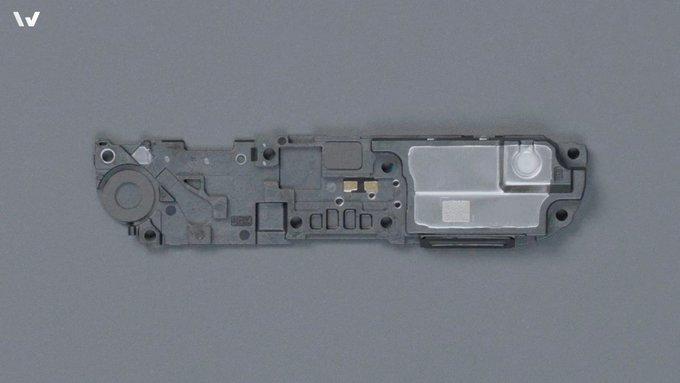
Redmi Note 17 Pro: Innovations in Sub-Board and Speaker Technology The smartphone industry continues to evolve at a rapid pace, with manufacturers constantly striving to enhance user experience through innovative technology. One of the most anticipated releases in this realm is the Redmi Note 17 Pro. Known for balancing affordability with robust features, this model is expected to bring notable advancements, particularly in its sub-board and speaker systems. Understanding the Sub-Board and Its Significance The sub-board is a crucial internal component of a smartphone. It serves multiple functions, including housing connectors for various hardware elements like the display, battery, and sensors. In essence, it acts as the backbone of the device’s internal architecture. Enhanced Connectivity: The new sub-board design in the Redmi Note 17 Pro promises improved connectivity interfaces, accommodating faster data transfer and more reliable connections. Compact Design: Leveraging advanced manufacturing techniques, the Redmi team aims to minimize the sub-board's footprint, optimizing space for other high-performance components. Durability: The materials used in crafting this sub-board are expected to be more resilient against wear and tear, enhancing the overall lifespan of the device. Audio Excellence: The New Speaker Features In recent years, consumer demand for high-quality audio in smartphones has surged. The Redmi Note 17 Pro aims to address this requirement with upgrades to its speaker system. Users can anticipate a richer, more immersive audio experience, facilitated by several key advancements: Stereo Sound: The inclusion of dual speakers ensures a more spatial audio experience, enhancing everything from calls to media playback. Power Efficiency: Recent enhancements focus on energy-efficient speaker technology, ensuring that sound quality remains excellent without significantly draining the battery. Audio Customization: Users can expect various audio settings allowing them to personalize their listening experience according to their preferences. Comparative Overview: Previous Versus New Model Feature Previous Model Redmi Note 17 Pro Sub-Board Design Standard layout Compact design with enhanced connectivity Speaker Configuration Single speaker Dual stereo speakers for an immersive experience Audio Quality Basic audio with limited options High-quality sound with customizable options Durability Standard materials Resilient materials for longer lifespan Conclusion The Redmi Note 17 Pro emerges as a promising contender in the mid-range smartphone market, showcasing enhanced technology in its sub-board and speaker systems. Through improvements that focus on connectivity, audio quality, and overall durability, Redmi aims to deliver an experience that meets and exceeds user expectations. As the launch date approaches, enthusiasts and consumers alike eagerly await to see how these advancements translate into real-world performance.
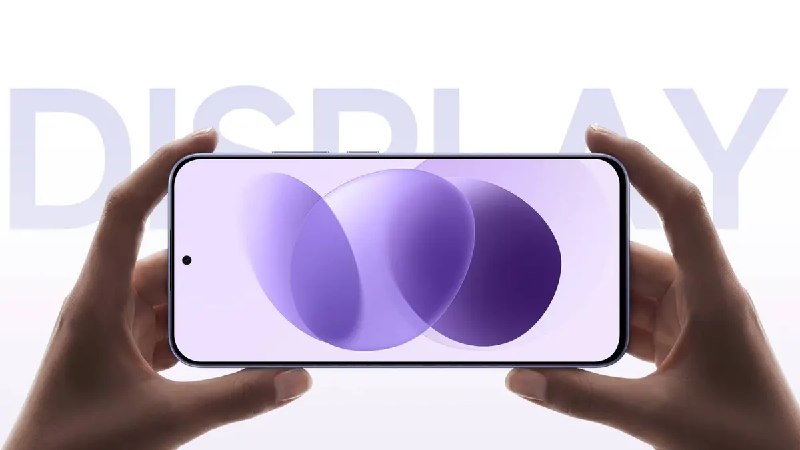
Redmi Note 17 Debuts in China with Impressive 7-Inch OLED Display and Massive 8,000mAh Battery Redmi, Xiaomi's popular sub-brand, has officially launched its latest smartphone, the Redmi Note 17, in the Chinese market. The device stands out with its expansive 7-inch OLED display and industry-leading 8,000mAh battery capacity, positioning itself as a formidable contender in the mid-range smartphone segment. Revolutionary Display Experience The Redmi Note 17 boasts a stunning 7-inch OLED display that offers vibrant colors, deep blacks, and excellent contrast ratios. This larger-than-average screen size provides an immersive viewing experience for multimedia consumption, gaming, and productivity tasks. The display features a resolution of 2400 x 1080 pixels, ensuring sharp details and clarity. With a 90Hz refresh rate, the device delivers smooth scrolling and enhanced visual fluidity, making it one of the most responsive displays in its price range. Additional display specifications include: OLED technology for superior color reproduction Peak brightness of 600 nits for good outdoor visibility HDR10 support for enhanced dynamic range Corning Gorilla Glass 5 protection for durability Exceptional Battery Life Perhaps the most impressive feature of the Redmi Note 17 is its massive 8,000mAh battery, which sets a new standard for smartphones in this category. This capacity ensures that users can enjoy extended usage without worrying about frequent charging. The device supports 33W fast charging technology, allowing users to quickly recharge the battery when needed. Redmi claims that the device can provide up to 2 days of mixed usage on a single charge, making it an ideal choice for travelers, gamers, and heavy users. Redmi Note 17 Battery Specifications Battery Capacity 8,000mAh Charging Technology 33W Fast Charging Estimated Standby Time Up to 15 days Estimated Video Playback Up to 30 hours Performance and Hardware Under the hood, the Redmi Note 17 is powered by the MediaTek Helio G99 processor, a capable chipset that balances performance and efficiency. The device is available in multiple configurations: 6GB RAM + 128GB storage 8GB RAM + 128GB storage 8GB RAM + 256GB storage The storage options utilize UFS 3.1 technology for faster data access and app loading times. Additionally, the device features an expandable storage option via microSD card, supporting up to 1TB of additional storage. Camera System The Redmi Note 17 features a versatile quad-camera setup on the rear: 108MP primary sensor with OIS 8MP ultra-wide-angle lens 2MP macro lens 2MP depth sensor On the front, the device sports a 32MP selfie camera, housed within a centered punch-hole cutout in the display. The camera system is enhanced by Xiaomi's proprietary imaging algorithms, delivering improved low-light performance and portrait photography capabilities. Software and Features The Redmi Note 17 runs on MIUI 14 based on Android 13, offering a clean and feature-rich user experience. The software includes various customization options, enhanced privacy controls, and optimizations for better battery management. Additional features include: Side-mounted fingerprint sensor Face recognition unlock Stereo speakers tuned by Harman Kardon IR blaster for remote control functionality NFC for contactless payments IP54 water and dust resistance Design and Build The Redmi Note 17 features a modern design with a plastic back panel available in multiple color options: Midnight Black, Ocean Blue, and Mint Green. The device measures 166.5 x 76.5 x 8.8mm and weighs 198g, offering a comfortable grip despite its large display. The phone incorporates a refined design language with rounded corners and minimal bezels, achieving a screen-to-body ratio of 91%. The power and volume buttons are positioned on the right side, while the USB-C port, speaker grille, and 3.5mm headphone jack are located at the bottom. Pricing and Availability The Redmi Note 17 is now available for purchase in China with the following pricing: 6GB + 128GB variant: ¥1,499 (approximately $205) 8GB + 128GB variant: ¥1,699 (approximately $232) 8GB + 256GB variant: ¥1,999 (approximately $273) The device will be available through Xiaomi's official channels, including Mi Home stores, the official Mi.com website, and major online retailers in China. There are currently no announcements regarding global availability, but given Redmi's track record, international markets can expect the device in the coming months. Market Position and Competition The Redmi Note 17 enters a highly competitive mid-range market segment, facing rivals such as the Samsung Galaxy A34, Realme 11 Pro+, and Nothing Phone (1). Its standout features—the 7-inch OLED display and 8,000mAh battery—give it a unique selling point that differentiates it from competitors. Redmi Note 17 vs. Key Competitors Feature Redmi Note 17 Samsung Galaxy A34 Realme 11 Pro+ Display 7" OLED 90Hz 6.6" AMOLED 120Hz 6.7" AMOLED 120Hz Battery 8,000mAh 33W 5,000mAh 25W 5,000mAh 100W Processor MediaTek Helio G99 MediaTek Dimensity 1080 MediaTek Dimensity 7050 Price (China) ¥1,499 - ¥1,999 ¥2,199 ¥1,999 Conclusion The Redmi Note 17 represents a significant step forward for the Note series, particularly with its exceptional battery capacity and immersive display. While it may not offer the absolute flagship-level performance, it provides an outstanding balance of features, battery life, and display quality at an attractive price point. For consumers prioritizing battery life and media consumption experience, the Redmi Note 17 presents a compelling option. As mid-range smartphones continue to push boundaries with features once reserved for premium devices, the Redmi Note 17 stands out as a device that addresses key user needs without breaking the bank. With its combination of a large OLED display, industry-leading battery capacity, and capable performance, the Redmi Note 17 is poised to become a popular choice in the competitive mid-range smartphone market, both in China and potentially in other markets once it expands globally.
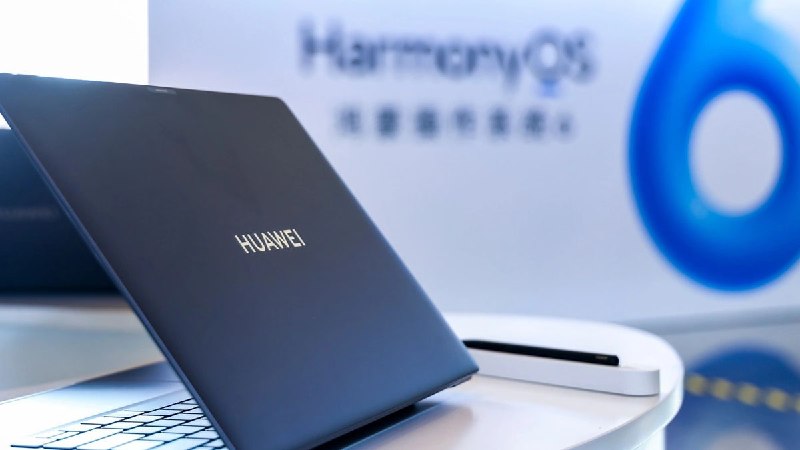
Huawei Prepares HarmonyOS-Powered MateBook PCs with 66W Fast Charging, 3C Certification Indicates Imminent Launch In a significant development for the personal computing landscape, Huawei is reportedly finalizing multiple HarmonyOS-powered PCs, with recent 3C database certifications suggesting that these devices are launch-ready. The new MateBook lineup, featuring 66W fast charging capabilities, appears poised to enter the consumer market soon, marking another milestone in Huawei's ecosystem expansion beyond mobile devices. 3C Certification Confirms Development Progress The China Compulsory Certificate (3C) database has recently listed several Huawei devices that appear to be new MateBook computers running HarmonyOS. This certification is a mandatory requirement for many electronic products sold in China and serves as a strong indicator that these devices have passed necessary safety and quality standards, positioning them for imminent commercial release. The inclusion of these devices in the 3C registry suggests that Huawei has moved beyond the prototype stage and into final production preparations. Typically, products appear in the 3C database several weeks before their official market debut, indicating that consumers can likely expect an announcement in the near future. HarmonyOS Expands to PC Ecosystem The transition of HarmonyOS to Huawei's PC lineup represents a strategic expansion of the company's proprietary operating system beyond mobile devices. Originally developed as an alternative to Android following US trade restrictions, HarmonyOS has evolved into a multi-platform operating system designed to provide seamless connectivity across various devices. For Huawei, HarmonyOS represents more than just an operating system—it's the foundation of an interconnected ecosystem that aims to compete with established players like Windows, macOS, ChromeOS, and emerging alternatives. The integration of HarmonyOS with Huawei's existing ecosystem of smartphones, tablets, wearables, and IoT devices could create a compelling user experience centered around cross-device functionality. 66W Fast Charging Technology A notable feature of the upcoming MateBook lineup is the inclusion of 66W fast charging capabilities. This charging speed represents a significant advancement in laptop power delivery, offering users the ability to quickly recharge their devices and minimize downtime. Fast charging has become an increasingly important consideration in the laptop market as users demand greater mobility without sacrificing productivity. The 66W charging capability suggests that Huawei is positioning these new MateBook devices as premium offerings that balance performance with convenience. Charging Technology Advantages Market Positioning 66W Fast Charging Rapid recharge times, improved mobility, enhanced user convenience Premium segment, professional users, power-conscious consumers MateBook Heritage and Market Context The MateBook series has been Huawei's flagship PC lineup since its introduction in 2016. The devices have generally positioned themselves as premium Windows-powered laptops, competing directly with offerings from Dell, HP, Lenovo, and Apple. However, the shift to HarmonyOS represents a significant departure from this strategy. This move comes at a time when the PC market is experiencing renewed growth, driven by remote work trends, digital transformation initiatives, and the increasing importance of computing power in various industries. Huawei's entry with a proprietary operating system could introduce new competition and potentially disrupt the established duopoly of Windows and macOS in the PC space. Strategic Implications for Huawei The development of HarmonyOS PCs aligns with Huawei's broader strategy to reduce its dependence on foreign technology, particularly following US sanctions that have limited its access to Google Mobile Services and impacted its smartphone business. By developing its own ecosystem, Huawei aims to maintain relevance in the global technology market. The success of HarmonyOS in the PC space will depend on several factors, including developer adoption, application compatibility, and user experience. If Huawei can effectively position HarmonyOS PCs as part of a cohesive ecosystem that offers advantages over competing platforms, it could potentially gain market share despite the challenges. What to Expect from the Upcoming Launch While specific details about the new HarmonyOS-powered MateBook devices remain limited, the 3C certification provides some clues. The inclusion of 66W fast charging suggests that these will be premium devices targeting professional users and consumers who value both performance and convenience. Industry observers anticipate that Huawei may highlight the seamless integration between HarmonyOS PCs and other Huawei devices during the launch event. Features such as multi-screen collaboration, file sharing across devices, and unified notifications could be key selling points for the new lineup. The launch timing remains uncertain, but the 3C certification typically precedes market availability by several weeks. This suggests that consumers could see these new HarmonyOS MateBook devices as early as the upcoming quarter, potentially alongside other new Huawei products. Conclusion: A New Chapter for Huawei Computing The certification of new HarmonyOS-powered MateBook devices marks a significant milestone in Huawei's technological evolution. As the company continues to navigate challenging market conditions, the expansion of its HarmonyOS ecosystem into PCs represents both a necessary strategic move and a bold attempt to redefine personal computing. With 66W fast charging capabilities and the promise of seamless cross-device integration, these upcoming devices aim to offer compelling alternatives to traditional PCs. While the road ahead will be challenging, particularly in terms of software ecosystem development, Huawei's commitment to HarmonyOS demonstrates its determination to remain a major player in the global technology landscape. As the launch approaches, all eyes will be on how well HarmonyOS translates to the PC form factor and whether Huawei can successfully convince both consumers and developers to embrace yet another computing platform in an already crowded market.
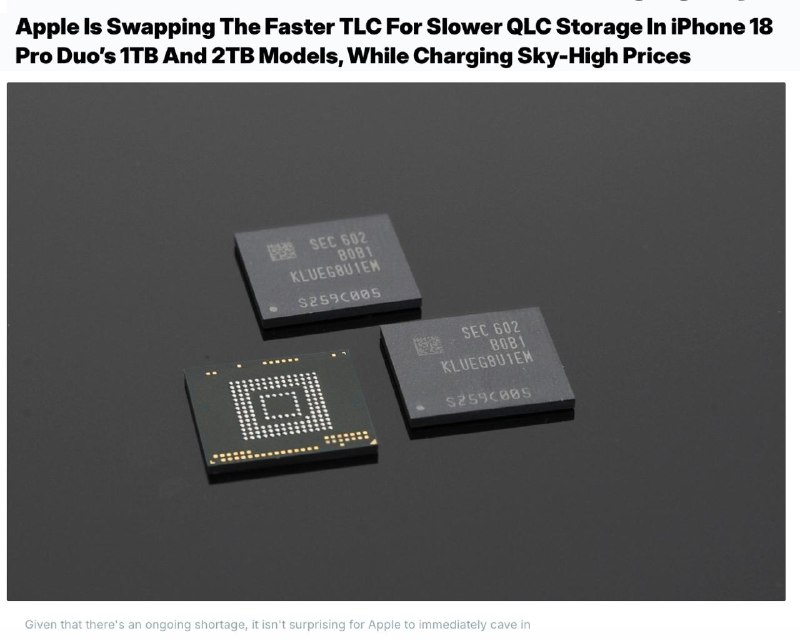
iPhone 18 Pro: Premium Price, Compromised Storage - Apple Reportedly Downgrades High-Capacity Models In a move that has raised eyebrows among tech enthusiasts and industry analysts, Apple is reportedly planning to downgrade the flash storage technology in its upcoming iPhone 18 Pro and Pro Max models, particularly for the high-capacity variants. According to information shared by technology news outlet Wccftech, citing leaker Reptalicant, the company may be substituting faster, more durable storage with slower, less expensive alternatives in its premium flagship devices. The Storage Technology Shift: TLC to QLC The heart of this potential controversy lies in the fundamental difference between TLC (Triple-Level Cell) and QLC (Quad-Level Cell) flash memory technologies. While both are types of NAND flash storage, they differ significantly in performance, durability, and cost structure: TLC (Triple-Level Cell) : Stores three bits per cell, offering a balance between speed, endurance, and capacity. Generally considered the standard for high-performance consumer devices. QLC (Quad-Level Cell) : Stores four bits per cell, increasing storage density but at the expense of speed and endurance. Typically found in budget devices or applications where performance isn't critical. Model-by-Model Storage Breakdown According to the leaked information, Apple's storage strategy for the iPhone 18 Pro series will vary significantly by capacity: Storage Capacity Technology Manufacturer Performance Impact 256GB TLC SK hynix, Kioxia, SanDisk No change (maintains current performance) 512GB TLC SK hynix, Kioxia, SanDisk No change (maintains current performance) 1TB QLC (primary) SK hynix BC8Q-1T Slower random read/write speeds, reduced endurance 2TB QLC SK hynix BC8Q-2T Poor random 4K performance, significantly reduced endurance The Performance Implications The shift to QLC storage, particularly in the 1TB and 2TB models, could have noticeable performance implications for users: Random 4K Performance : The leaker specifically notes that the BC8Q-2T chip used in the 2TB model "suffers noticeably in random 4K performance," which affects tasks like app loading, file transfers, and system responsiveness. Endurance Concerns : QLC flash typically has a lower program/erase cycle count compared to TLC, potentially reducing the long-term durability of the storage. Consistency Issues : QLC storage often exhibits more variable performance, especially as the drive fills up, which could lead to inconsistent user experiences. Notably, this represents a step backward from the current iPhone 17 Pro Max, which uses proper TLC storage even in its 2TB configuration—a standard that users expect from a premium flagship device. The Economics Behind the Decision The reported shift in storage technology appears to be driven primarily by cost considerations, though the exact economics remain complex: Cost Factor iPhone 17 Pro iPhone 18 Pro (Reported) Change 256GB Flash Module Cost $13 $51 292% increase Base Model Price Not specified $1,399 (Pro) $1,499 (Pro Max) Significant increase While the cost of flash memory components has reportedly increased substantially, the math doesn't fully explain the shift to QLC technology in the highest-priced models. With base prices expected to reach $1,399 for the Pro and $1,499 for the Pro Max, consumers might reasonably expect premium components throughout the lineup, especially in the most expensive configurations. Industry Context and Precedents This potential move by Apple comes amid broader industry trends in storage technology: Many manufacturers have been adopting QLC technology to increase storage capacities while keeping prices competitive. However, premium brands have typically maintained TLC or even higher-performance technologies (like MLC) in their flagship products. Apple has previously faced criticism for storage configurations in some products, though this would represent one of the most significant compromises in recent memory. Consumer Implications If these reports prove accurate, iPhone 18 Pro buyers opting for the 1TB or 2TB configurations may face several considerations: Value Proposition : The premium pricing combined with downgraded storage technology could significantly impact the value proposition of the high-end models. Performance Expectations : Users paying top dollar for the most expensive iPhone models may experience performance that doesn't align with their expectations. Long-Term Reliability : The reduced endurance of QLC storage could potentially lead to earlier failure or performance degradation over time. Professional Workflows : Video editors, photographers, and other creative professionals who rely on consistent storage performance may need to reassess their storage strategies. Conclusion: A Troubling Trend for Premium Buyers? The reported storage downgrade in the iPhone 18 Pro series raises important questions about Apple's commitment to maintaining premium quality across its product lineup. While cost pressures are real, the shift from TLC to QLC storage in the most expensive models appears to prioritize profit margins over user experience. As consumers prepare to potentially pay more for the iPhone 18 Pro and Pro Max, they deserve transparency about the storage technologies being used and how these decisions might impact performance and longevity. This situation bears watching as additional details emerge about Apple's final storage configurations for its upcoming flagship devices. For now, potential buyers of the high-capacity iPhone 18 Pro models may want to carefully consider whether the premium price justifies what appears to be a compromise in storage technology—one that could affect both immediate performance and long-term reliability.
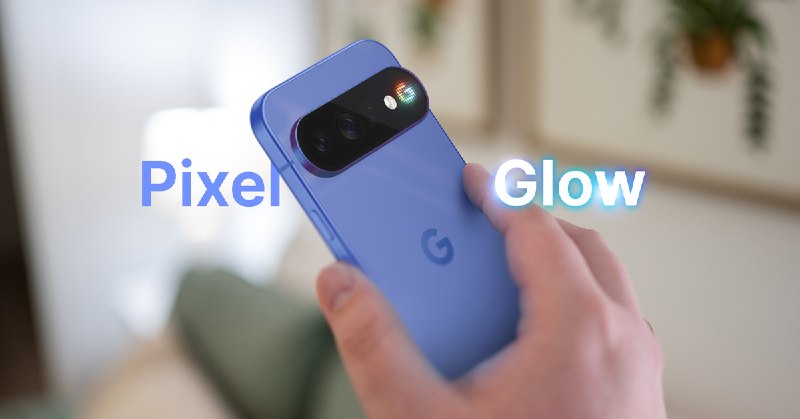
From Skepticism to Appreciation: Why Google's Pixel Glow Matters More Than We Thought In the rapidly evolving landscape of smartphone technology, features often come and go with each new iteration. Some innovations revolutionize our interaction with devices, while others seem like mere cosmetic additions. When Google introduced Pixel Glow with its latest Android release, many tech commentators, including myself, initially dismissed it as just another gimmick—a borrowed idea with little practical value. However, as we've had more time to examine its implementation and real-world applications, it's become increasingly clear that this particular feature represents something more significant than meets the eye. The Initial Skepticism When Google first announced Pixel Glow, the reaction from the tech community was largely dismissive. Critics pointed out that the concept of subtle lighting effects around notifications wasn't new, with implementations seen in previous Samsung devices and other Android skins. The common sentiment was that Google was simply borrowing an existing idea without adding meaningful innovation. My initial assessment followed this pattern. I questioned whether users would genuinely benefit from a subtle glow emanating from notification icons, suggesting it was more of a visual distraction than a functional enhancement. The criticism centered on three main points: It seemed like a superficial addition with no clear practical purpose The implementation appeared derivative of existing features on other platforms It might drain battery life without providing tangible benefits Understanding the Technical Implementation Upon deeper examination, Pixel Glow reveals itself to be more sophisticated than its initial impression suggested. The feature isn't simply about adding a static glow effect; it's a carefully designed system that leverages the device's ambient display capabilities and notification system in novel ways. The technical implementation involves several components working in harmony: Adaptive Brightness Integration: The glow intensity automatically adjusts based on ambient lighting conditions, ensuring visibility without being distracting in dark environments. Notification Prioritization: Different types of notifications trigger variations in the glow pattern, allowing users to identify important alerts at a glance. Minimal Battery Impact: Google has optimized the feature to use the device's existing ambient display sensors and low-power LED capabilities, minimizing additional battery consumption. Contextual Awareness: The glow behavior changes based on whether the device is in use, charging, or in a pocket, providing relevant feedback without unnecessary activation. The Origin Story: Why This Borrowed Idea Matters The concept behind Pixel Glow traces its roots to research in peripheral vision and notification management. While implementations of notification lighting existed before Google's version, the company's approach was influenced by several key studies and existing technologies: Influence How Google Adapted It Significance Ambient Display Research Integrated with existing ambient display capabilities Created a seamless notification experience without requiring screen activation Notification Prioritization Studies Implemented varying glow patterns for different notification types Enabled users to distinguish notification importance without looking directly at the device Peripheral Vision Technology Designed glow patterns that work effectively with peripheral vision Reduced the need to directly interact with the device for basic awareness What makes Google's implementation particularly valuable is how it synthesizes these influences into a cohesive, user-centric experience. Rather than simply copying existing implementations, Google has refined the concept to address specific user needs and behaviors identified through their extensive research on mobile interaction patterns. User Experience and Practical Applications The true value of Pixel Glow becomes apparent in everyday usage scenarios. Unlike many features that sound good on paper but deliver little in practice, Pixel Glow addresses genuine user needs: Meeting Etiquette: In situations where checking your phone would be inappropriate, the subtle glow allows you to identify important notifications without drawing attention to yourself. Accessibility: For users with visual impairments, the glow provides an additional notification channel beyond visual and auditory alerts. Driving Safety: While still requiring some visual attention, the glow allows for quicker identification of notifications than fully waking the display. Notification Triage: Users can quickly determine whether to interrupt their current activity for a notification or continue what they're doing. One of the most compelling aspects of Pixel Glow is how it complements Google's existing notification ecosystem rather than duplicating it. The feature works in harmony with Do Not Disturb, Priority Only notifications, and other existing tools, creating a comprehensive notification management system. Comparison with Similar Features To understand what sets Pixel Glow apart, it's helpful to compare it with similar notification lighting features available on other platforms: Feature Implementation Integration User Control Pixel Glow Context-aware glow around notification icons Deeply integrated with Android notification system Customizable intensity and behavior Samsung Edge Lighting Light trails along screen edges Separate from notification center Multiple color and pattern options iPhone LED Flash Camera flash blinks for notifications Basic system integration On/off control only Motorism Moto Display Active notifications on screen Replaces ambient display Limited customization The Significance for Google's Design Philosophy Pixel Glow represents more than just a new feature—it exemplifies Google's evolving design philosophy and approach to mobile innovation. The implementation demonstrates several key principles that define Google's current design strategy: Subtle Intelligence: The feature works in the background, enhancing the user experience without requiring conscious attention or interaction. Contextual Awareness: Like other Google features, Pixel Glow adapts to user context, providing relevant feedback based on usage patterns and environment. Iterative Improvement: Rather than revolutionary innovation, Google continues to refine existing concepts based on user feedback and research. Platform Integration: The feature leverages and enhances existing Android capabilities rather than introducing entirely new systems. This approach contrasts with some competitors who focus on more dramatic, headline-grabbing features. Google's method emphasizes practical, user-centric enhancements that collectively improve the overall experience without adding complexity. Future Implications The successful implementation of Pixel Glow suggests several potential directions for Google's future development: Expanded Notification Channels: Google may develop additional notification feedback methods beyond visual and auditory alerts, potentially including haptic patterns or temperature changes. AI-Prioritization: Future implementations could leverage machine learning to provide more nuanced notification prioritization based on user behavior and preferences. Cross-Device Integration: The concept could extend across Google's ecosystem, with consistent notification experiences across phones, tablets, and smart displays. Accessibility Enhancements: Features like Pixel Glow could become increasingly important as Google continues to improve accessibility across its platforms. Conclusion: A Borrowed Idea with Real Value Upon reflection, my initial skepticism about Pixel Glow was misplaced. While the concept wasn't entirely new, Google's implementation adds meaningful value through thoughtful integration, contextual awareness, and practical utility. The feature exemplifies how borrowing existing ideas and refining them based on deep user understanding can result in genuinely useful enhancements. In an industry often obsessed with revolutionary breakthroughs, Pixel Glow reminds us that meaningful innovation frequently comes from thoughtful iteration rather than radical reinvention. Google's approach—taking existing concepts and implementing them with the polish, integration, and user focus that characterizes their best work—demonstrates a mature understanding of what users actually need from their technology. As we continue to evaluate new features in the ever-evolving smartphone landscape, Pixel Glow serves as a valuable case study in how implementation details and user experience can transform a simple borrowed idea into a genuinely valuable addition to our digital lives. It's a reminder that sometimes the most significant innovations are the ones that work quietly in the background, enhancing our experience without demanding our attention.
Samsung Health AI Training Data Controversy: Privacy Concerns and User Rights In recent months, Samsung Health has found itself at the center of a growing controversy surrounding its artificial intelligence training practices and data handling policies. The popular health and fitness application, used by millions worldwide, has been collecting and processing vast amounts of sensitive user data, raising significant privacy concerns among consumers and digital rights advocates alike. The Scope of Samsung Health Data Collection Samsung Health, available on both Android and iOS platforms, tracks a comprehensive range of health metrics and personal information. According to privacy documentation and user agreements, the application collects: Biometric Data: Heart rate, blood pressure, oxygen levels, sleep patterns, and body composition measurements Activity Tracking: Step count, distance traveled, calories burned, and exercise routines Health Records: Blood glucose levels, medication information, and medical history when manually entered Personal Information: Age, gender, weight, height, and fitness goals Connected Device Data: Information from Samsung wearables and other health devices The AI Training Controversy The controversy erupted when it was revealed that Samsung has been using this sensitive health data to train its artificial intelligence algorithms. While many tech companies use user data for AI improvement, the scale and sensitivity of health data collected by Samsung Health have raised particular concerns. According to Samsung's statements, the AI training process aims to improve features such as: Health pattern recognition Predictive health analytics Personalized workout recommendations Sleep quality analysis Health goal achievement tracking Consent and Transparency Issues One of the primary concerns has been the transparency and clarity of consent mechanisms for AI training. Many users report that they were unaware their sensitive health information was being used for AI development purposes. The terms and conditions, often lengthy and technical, may not adequately communicate this specific use case. Recent updates to Samsung's privacy policy have attempted to address these concerns by: Creating more explicit consent options for AI training Providing clearer explanations of data usage Implementing opt-out mechanisms for users who do not wish to participate Data Lifecycle: What Gets Deleted and What Persists Understanding what happens to user data after it has been used for AI training is crucial for privacy-conscious individuals. Samsung has outlined a data lifecycle for Samsung Health information, though specifics have evolved over time. Data Type Retention After AI Training Purpose of Retention Raw Biometric Data Typically anonymized and retained Algorithm improvement and research Personal Identifiers Usually removed after processing Privacy protection Aggregated Health Patterns Indefinitely retained Product development and insights User-Entered Health Records Retained unless explicitly deleted Personal health tracking Understanding Samsung's Data Processing Samsung employs a multi-stage process for handling user data in AI training: Collection: Data is gathered from the Samsung Health application and connected devices Processing: Information is standardized and prepared for AI analysis Training: Algorithms learn patterns and relationships in the data Application: Improved features are deployed to the application Retention or Deletion: Data is either retained for future research or deleted based on user preferences User Rights and Data Management Options In response to growing concerns, Samsung has implemented several options for users to manage their data and privacy preferences: Data Export and Backup Users can export their Samsung Health data for personal records or transfer to other platforms. To back up your Samsung Health data: Open the Samsung Health application Navigate to Settings > Profile > Data and privacy Select "Export health data" Choose the data range and format (JSON or CSV) Save the exported file to your device or cloud storage Managing AI Training Consent Samsung has updated its consent management system to allow users more control over AI training participation: Open Samsung Health Go to Settings > Profile > Data and privacy Select "AI training consent" Toggle the option to opt-out of AI training if desired Review and adjust other privacy settings as needed Industry Context and Precedents The Samsung Health controversy is part of a broader trend in the tech industry regarding health data and AI training. Similar issues have emerged with: Apple's Health app and ResearchKit studies Google Fit and its data sharing practices Fitness trackers like Fitbit and Garmin Regulatory bodies worldwide have begun to address these concerns more forcefully. The European Union's General Data Protection Regulation (GDPR) and California's Consumer Privacy Act (CCPA) both include provisions that may apply to Samsung's data practices. Expert Perspectives Privacy experts have offered mixed assessments of Samsung's approach: "While the scale of data collection is concerning, Samsung's recent improvements in consent mechanisms show positive movement toward better privacy practices." - Dr. Elena Rodriguez, Privacy Technology Researcher "Health data is uniquely sensitive, and companies must be more transparent about how it's used, especially for AI training that could reveal intimate details about individuals' lives." - Marcus Thompson, Digital Rights Advocate "The technical challenge is balancing useful AI features with privacy protection. Samsung needs to implement more robust anonymization techniques to prevent re-identification of individuals." - Dr. Sarah Johnson, AI Ethics Specialist Recommendations for Users For Samsung Health users concerned about their data privacy, the following recommendations may be helpful: Regularly review and update privacy settings in the app Export and back up your health data periodically Be cautious about entering highly sensitive information in the app Consider using privacy-focused alternatives for particularly sensitive health tracking Stay informed about Samsung's privacy policy updates and changes The Future of Health Data and AI As AI becomes increasingly integrated into healthcare applications, the industry faces significant challenges in balancing innovation with privacy protection. Samsung's experience with the Health app may serve as a case study for how companies can navigate these complex issues. Future developments may include: More sophisticated differential privacy techniques Federated learning approaches that keep data on users' devices Enhanced user control over data usage permissions Industry-wide standards for health data and AI training Conclusion The Samsung Health AI training controversy highlights the complex intersection of health data, artificial intelligence, and user privacy. While Samsung has made efforts to address concerns through improved consent mechanisms and data management options, the situation underscores the ongoing challenges in protecting sensitive information in an increasingly data-driven world. As users become more aware of how their health data is used, companies like Samsung will need to continue evolving their privacy practices to maintain trust and comply with an increasingly stringent regulatory environment. The future of digital health applications will likely depend on how well these companies can balance innovation with the fundamental right to privacy.
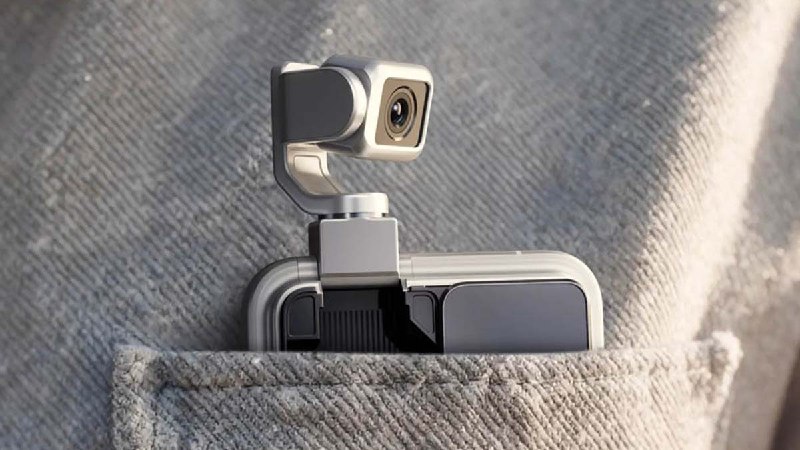
Honor's Revolutionary ROBOT PHONE: A New Era in Mobile Technology Honor's Revolutionary ROBOT PHONE: A New Era in Mobile Technology In an industry first, Honor is preparing to unveil its groundbreaking ROBOT PHONE, a device that promises to bridge the gap between smartphones and robotics technology. With the official launch just a month away, a significant leak has provided unprecedented insights into the device's specifications, revealing components that could redefine mobile technology as we know it. The Intersection of Smartphones and Robotics The mobile technology landscape has seen numerous innovations over the years, but Honor's upcoming ROBOT PHONE represents perhaps one of the most ambitious attempts yet to merge the functionality of a smartphone with the capabilities of a robotic device. As consumer electronics increasingly incorporate artificial intelligence and advanced mechanics, Honor's entry into this space marks a significant milestone for the industry. While details about the device's robotic functionalities remain limited, the leaked specifications suggest a device that goes beyond traditional smartphone capabilities. The integration of advanced processing power, sophisticated camera systems, and what appears to be a premium display indicates that Honor is positioning this device not just as a communication tool, but as a versatile robotic companion. Powerhouse Performance: The Snapdragon 8 Gen 2 Chipset According to the leak, the ROBOT PHONE will be powered by the Qualcomm Snapdragon 8 Gen 2 processor, one of the most powerful chipsets currently available in the mobile market. This choice of processor suggests that Honor intends for the device to handle complex computational tasks with ease, potentially including real-time processing for robotic functions, advanced AI features, and high-performance gaming. The Snapdragon 8 Gen 2 is manufactured on a 4nm process and features an octa-core design with one prime core clocked at 3.2GHz, four performance cores at 2.8GHz, and three efficiency cores at 2.0GHz. This configuration provides an excellent balance between performance and power efficiency, which would be crucial for a device that may have additional mechanical components requiring energy. Additionally, the chipset includes an Adreno 740 GPU, which delivers console-quality graphics rendering, and an integrated Snapdragon X70 5G modem, ensuring ultra-fast connectivity. These specifications indicate that the ROBOT PHONE will be capable of handling demanding applications while maintaining smooth performance. Immersive Visual Experience: Premium Display Specifications The leaked information suggests that Honor's ROBOT PHONE will feature a high-resolution display, likely measuring between 6.8 and 7 inches with Quad HD+ resolution (approximately 1440 x 3200 pixels). This places the device in the premium segment of the smartphone market, offering users an exceptional visual experience. While specific display technology details remain unconfirmed, industry analysts speculate that Honor may utilize an AMOLED panel with a high refresh rate (120Hz or higher) to ensure smooth scrolling and responsiveness. Such a display would not only enhance media consumption but also provide an ideal interface for potential robotic control applications and augmented reality features. The larger-than-average screen size is particularly interesting in the context of a robotic device. It could serve multiple purposes: providing an expansive interface for interaction, potentially housing additional sensors, or even serving as a projection surface for the device's robotic functions. Expected Display Specifications Feature Specification Implications Size 6.8-7 inches Larger display for enhanced viewing and potential robotic interface Resolution Quad HD+ (1440 x 3200) Crisp visuals ideal for media consumption and detailed robotic interfaces Technology (Estimated) AMOLED Deep blacks, vibrant colors, and potential for always-on display features Refresh Rate (Estimated) 120Hz or higher Smooth scrolling and responsive interaction with robotic functions Advanced Imaging System: Professional-Grade Camera Setup Perhaps the most intriguing aspect of the leaked specifications is the camera system. The ROBOT PHONE is expected to feature a sophisticated multi-lens camera setup with advanced capabilities including optical zoom and enhanced portrait mode functionality. This suggests that Honor is positioning the device not just as a communication tool, but as a professional-grade imaging device. While exact camera specifications remain unconfirmed, industry analysts predict a configuration similar to other premium flagships, potentially including a primary wide sensor (likely 50MP), an ultra-wide-angle lens, and a telephoto lens with optical zoom capabilities. Such a setup would enable users to capture professional-quality photos and videos in various scenarios. What makes this particularly interesting in the context of a robotic device is the potential for the camera system to serve dual purposes: both as a traditional smartphone camera and as an "eye" for the device's robotic functions. This could enable features such as object recognition, spatial awareness, and potentially even autonomous navigation capabilities. Expected Camera Specifications Camera Component Expected Specifications Potential Applications Primary Sensor 50MP wide-angle High-quality daylight photography, computational photography Secondary Sensor Ultra-wide-angle (estimated 12MP) Landscape photography, architectural shots, immersive video Tertiary Sensor Telephoto with optical zoom Premium zoom capabilities, detailed distant subjects Special Features Enhanced portrait mode, AI optimization Professional portrait photography, subject tracking The Robotic Element: Beyond Traditional Smartphones What truly sets the ROBOT PHONE apart from conventional smartphones is its integration of robotic functionality. While the leaked specifications focus on traditional components like the chipset, display, and camera, the device's name suggests additional capabilities that remain largely unconfirmed. Industry experts speculate that the ROBOT PHONE may incorporate mechanical elements such as extendable camera modules, retractable components, or even articulated limbs that could transform the device from a flat slate into a three-dimensional robotic entity. Such features would enable the device to stand on its own, reposition its camera, or interact with the physical world in ways that current smartphones cannot. The potential applications for such a device are vast, ranging from hands-free video calling and content creation to autonomous photography and even basic assistance tasks. The integration of advanced AI with physical mobility could position the ROBOT PHONE as a true companion device rather than merely a communication tool. Market Implications and Competitive Landscape Honor's entry into the robotic phone space comes at a time when smartphone innovation has somewhat plateaued, with manufacturers increasingly focusing on incremental improvements rather than revolutionary changes. If the ROBOT PHONE delivers on its promise of merging smartphone functionality with robotic capabilities, it could disrupt the market and set new standards for mobile technology. Currently, no major manufacturer offers a true robotic smartphone, though companies like Samsung and Apple have explored foldable and rollable displays as ways to reimagine the form factor. Honor's approach appears more ambitious, potentially creating an entirely new product category that combines the best of smartphones, robotics, and AI. The success of such a device would likely depend on several factors: the practicality of its robotic functions, battery life considerations, and price point. If Honor can balance innovation with usability and affordability, the ROBOT PHONE could appeal to early adopters, tech enthusiasts, and professionals who require advanced mobile capabilities. Comparison with Current Flagship Smartphones Feature Honor ROBOT PHONE (Expected) Current Flagship (e.g., Samsung Galaxy S23 Ultra) Apple iPhone 14 Pro Max Processor Snapdragon 8 Gen 2 Snapdragon 8 Gen 2 A16 Bionic Display 6.8-7" Quad HD+ 6.8" Dynamic AMOLED 2X 6.7" Super Retina XDR Camera System Multi-lens with optical zoom 200MP main, 10MP 3x telephoto, 12MP ultrawide 48MP main, 12MP 3x telephoto, 12MP ultrawide Special Features Robotic capabilities S Pen support, advanced AI Dynamic Island, advanced computational photography The Road Ahead: Anticipation and Expectations With the official launch just a month away, anticipation for Honor's ROBOT PHONE continues to build. The leaked specifications provide a tantalizing glimpse of what could be a revolutionary device, but many questions remain unanswered. How will the robotic elements actually function? What is the battery life considering the additional mechanical components? And most importantly, how will this device improve upon or transform the smartphone experience? Industry analysts and consumers alike will be watching closely to see if Honor can deliver on the promise suggested by these leaks. If successful, the ROBOT PHONE could not only establish a new product category but also inspire a wave of innovation across the mobile technology industry. For now, the leaked information paints a picture of a premium device with top-tier specifications that goes beyond conventional smartphones. Whether it truly represents the future of mobile technology or simply an ambitious experiment remains to be seen, but one thing is certain: Honor's ROBOT PHONE has already succeeded in generating significant buzz and raising expectations for what could be one of the most innovative mobile devices in recent years. Conclusion Honor's upcoming ROBOT PHONE represents a bold step into uncharted territory for mobile technology. With leaked specifications indicating a powerful Snapdragon 8 Gen 2 processor, a premium 6.8-7 inch Quad HD+ display, and an advanced multi-lens camera system, the device appears poised to deliver exceptional performance in traditional smartphone metrics. What truly sets this device apart, however, is its integration of robotic capabilities—a feature that could potentially transform how we interact with mobile technology. As we await the official unveiling next month, the tech world watches with anticipation to see if Honor can successfully merge the convenience of a smartphone with the functionality of a robotic device. If the ROBOT PHONE delivers on its promise, it could mark the beginning of a new era in mobile technology, one where devices are not just tools for communication but active companions capable of interacting with the physical world in meaningful ways. Regardless of the final outcome, Honor's ambitious foray into robotic phones has already demonstrated that innovation in the mobile space is far from exhausted. The official unveiling of Honor's ROBOT PHONE is expected next month, where more details about its revolutionary features and pricing will be revealed.
Galaxy S23 Ultra Overheating Case Ends with Consumer Victory Galaxy S23 Ultra Overheating Case Ends with Consumer Victory In a landmark decision that could set a significant precedent for consumer rights in the technology sector, the Consumer Disputes Redressal Commission in Kerala, India, has ruled in favor of a consumer who experienced severe overheating issues with their Samsung Galaxy S23 Ultra smartphone. This case highlights growing concerns about device safety and manufacturer responsibilities in an increasingly digital world. Background: The Galaxy S23 Ultra and Its Thermal Issues The Samsung Galaxy S23 Ultra, released in early 2023, represents the pinnacle of Samsung's smartphone technology, featuring a Snapdragon 8 Gen 2 processor, sophisticated camera systems, and S Pen functionality. Despite its premium positioning, numerous users reported experiencing abnormal heating issues during regular usage, particularly during resource-intensive tasks such as gaming, video recording, and even during standard applications. Overheating in smartphones is not uncommon, but reports suggested that the Galaxy S23 Ultra was experiencing temperatures significantly higher than industry standards, with some users documenting device temperatures exceeding 45°C (113°F) during normal operation. These elevated temperatures not only affected user comfort but also raised concerns about potential long-term damage to the device's battery and other internal components. The Consumer Dispute in Kerala The case originated in Kerala, India, where a consumer purchased a Samsung Galaxy S23 Ultra unit that reportedly exhibited severe overheating issues within weeks of purchase. According to court documents, the device would become uncomfortably hot during routine tasks such as browsing social media, using messaging apps, and even making phone calls. The consumer initially approached Samsung's customer service, but the company allegedly failed to provide a satisfactory resolution, dismissing the overheating as "normal behavior" for a high-performance device. Unsatisfied with this response, the consumer escalated the matter to the Consumer Disputes Redressal Commission, seeking compensation for the defective product and associated inconveniences. Key Arguments Presented The consumer argued that the device's temperature exceeded safe operating limits defined by industry standards Evidence was presented showing that the overheating affected the device's performance, with throttling occurring during normal usage The consumer highlighted potential safety concerns, including the risk of burns and possible long-term damage to the device Documentation from independent tech reviewers was cited, confirming the overheating issues were not isolated cases The Commission's Ruling After carefully examining the evidence, the Consumer Disputes Redressal Commission ruled in favor of the consumer, determining that the Galaxy S23 Ultra in question was indeed defective and did not meet the expected standards of quality and performance. The commission ordered Samsung to: Replace the defective device with a new unit that meets quality standards Compensate the consumer for the inconvenience caused Cover all legal costs associated with the case The ruling emphasized that manufacturers cannot dismiss legitimate quality concerns as "normal behavior" and are responsible for ensuring their products function as advertised under normal operating conditions. Industry Context: Smartphone Overheating Issues The Galaxy S23 Ultra is not the only smartphone to face overheating concerns. The trend of increasingly powerful processors in compact form factors has led to thermal management challenges across the industry. As smartphones become more powerful and versatile, managing heat dissipation becomes increasingly critical. Device Reported Issue Manufacturer Response Resolution Samsung Galaxy S23 Ultra Excessive overheating during normal usage Initially dismissed as normal behavior Consumer victory in Kerala court iPhone 15 Pro Overheating during camera usage Released software updates to address Partial fix through software updates Google Pixel 8 Pro Thermal throttling during gaming Acknowledged issue, offered replacements Device replacement program Samsung's Historical Response to Quality Issues Samsung has faced similar challenges in the past. The company has a mixed record when it comes to addressing product concerns, with some instances of proactive recalls and updates, while other cases have resulted in prolonged disputes with consumers. The Galaxy Note 7 battery issue in 2016 stands as one of the most significant cases, leading to a global recall and reputation damage for the company. In response to the Galaxy S23 Ultra concerns, Samsung has gradually acknowledged some thermal management issues and released software updates aimed at optimizing performance and reducing heat generation. However, the Kerala case suggests that these measures may not have been sufficient for all affected units. Implications for Consumers and Manufacturers For Consumers This case sets an important precedent for consumers who experience issues with their electronic devices. It demonstrates that legal avenues are available when manufacturers fail to address legitimate concerns. Consumers are now more empowered to seek compensation for defective products, including smartphones that do not perform as advertised. The ruling also highlights the importance of documentation when pursuing such cases. Keeping detailed records of issues, communication with manufacturers, and expert opinions can significantly strengthen a consumer's position in disputes. For Manufacturers For manufacturers like Samsung, this case serves as a reminder of the importance of robust quality control and responsive customer service. As smartphones become increasingly integrated into daily life, the expectations for reliability and performance continue to rise. Manufacturers may need to invest more in thermal management solutions, including better heat dissipation designs, software optimization, and more transparent communication about device limitations and usage recommendations. The Future of Smartphone Thermal Management The thermal challenges faced by devices like the Galaxy S23 Ultra point to a broader industry issue. As smartphones continue to pack more powerful components into increasingly compact designs, thermal management will remain a critical focus area for manufacturers. Future innovations may include: Advanced materials with better thermal conductivity More sophisticated vapor chamber cooling systems AI-driven thermal management that optimizes performance based on usage patterns Hardware-software integration for better heat distribution Conclusion The Kerala Consumer Disputes Redressal Commission's ruling in the Galaxy S23 Ultra overheating case represents a significant victory for consumer rights in the tech industry. As smartphones become increasingly essential to daily life, ensuring their safety and reliability becomes paramount. This case highlights the importance of holding manufacturers accountable for product quality while also emphasizing the growing sophistication of consumer protection mechanisms. For Samsung, the ruling may prompt more proactive measures to address thermal management concerns across their product lineup. As technology continues to advance, cases like this will likely become more common, potentially leading to stronger consumer protection regulations and higher industry standards for device safety and performance. This article was compiled based on available information regarding the Consumer Disputes Redressal Commission's ruling in Kerala, India, regarding the Samsung Galaxy S23 Ultra overheating case. For the most current information, please refer to official court documents and Samsung's official communications.
The .me Registry Clarifies Temporary Suspension of Telegram's t.me Domain Amid Sanctions Compliance In a recent statement, the administration of the .me domain zone addressed the temporary suspension of the t.me domain, which is used by the popular messaging platform Telegram. The incident, which occurred on July 13 and was resolved by July 14, highlights the complex intersection of domain management, international sanctions, and corporate compliance in the digital landscape. Background: Understanding the .me Domain Registry The .me domain zone is the country-code top-level domain (ccTLD) allocated to the government of Montenegro. However, its infrastructure is managed through a joint venture between three entities: Identity Digital - A global domain registry services provider GoDaddy - A well-known internet domain registrar and web hosting company ME-net - A local Montenegrin company This collaborative management structure reflects the increasingly global nature of domain administration, where technical operations often involve international partnerships. The Suspension Incident: July 13, 2023 On July 13, the .me registry disabled the DNS records for the t.me domain without initially providing public statements regarding the action. The sudden suspension affected Telegram's primary short domain, causing disruption for users attempting to access Telegram channels and services through t.me links. The suspension was not immediately explained to the public, leading to speculation and concern among users and industry observers about the nature and duration of the outage. Sanctions Compliance as the Driving Factor According to the .me registry's subsequent explanation, the suspension was implemented in compliance with requirements from the U.S. Office of Foreign Assets Control (OFAC). The root cause was the inclusion of First VPN Service (1VPNS) as a sanctioned entity by the U.S. Department of the Treasury on July 13. The sanctions list identified a Telegram channel using the t.me domain as part of 1VPNS's infrastructure. As a result, the entire t.me domain was suspended due to its association with the sanctioned entity. Date Event Key Entities Involved July 13, 2023 1VPNS added to U.S. sanctions list U.S. Department of the Treasury July 13, 2023 t.me domain suspension .me Registry Identity Digital July 14, 2023 Telegram removes links to 1VPNS t.me domain restored .me Registry Telegram Resolution and Restoration: July 14, 2023 The following day, on July 14, the situation was resolved through cooperation between Telegram and the .me registry. According to the registry's statement: "On 14 July, Telegram provided confirmation that it had removed its links and affiliations with 1VPNS. Once the confirmation was reviewed and verified, the suspension was removed from the t.me domain." The registry explicitly acknowledged Telegram's prompt cooperation in resolving the matter, highlighting the importance of swift response in such compliance-related situations. Registry's Compliance Framework In their statement, the .ME Registry emphasized their ongoing commitment to legal compliance: "The .ME Registry works closely with law enforcement to monitor and mitigate issues across the .ME domain in accordance with applicable laws, including sanctions requirements." This position reflects a broader trend in domain management, where registries increasingly implement automated monitoring systems to identify and address potential compliance issues, particularly those related to international sanctions and other regulatory requirements. Implications for Domain Management and Digital Services The t.me suspension incident illustrates several important considerations for the domain industry and digital service providers: Domain-wide Suspensions: The practice of suspending entire domains due to association with sanctioned entities can have far-reaching effects, potentially impacting legitimate services alongside those targeted by sanctions. Transparency Challenges: The lack of immediate public communication during the suspension period highlights challenges in balancing compliance requirements with transparency toward users. Cooperative Solutions: The resolution demonstrates that cooperative approaches between service providers and domain registries can lead to efficient solutions that satisfy legal requirements while minimizing disruption. Sanctions Compliance Complexity: Digital platforms face increasing complexity in navigating international sanctions requirements, particularly when their services are used by diverse global audiences. Broader Context: Domain Registries and Legal Compliance The .me registry's actions are part of a broader landscape where domain registries and registrars are increasingly expected to enforce international legal requirements. This includes compliance with sanctions regimes, intellectual property rights, and other regulatory frameworks across multiple jurisdictions. Domain registries must balance technical neutrality with legal obligations, often requiring sophisticated systems to monitor and address potential compliance issues without unduly restricting legitimate uses of their services. Conclusion: Navigating Compliance in the Digital Ecosystem The temporary suspension and restoration of the t.me domain serves as a case study in the complex interplay between domain management, international law, and digital service operations. As regulatory requirements continue to evolve, the incident highlights the need for clear communication protocols, efficient compliance processes, and cooperative relationships between all stakeholders in the digital ecosystem. For users and service providers, the incident underscores the importance of understanding the legal frameworks that govern digital infrastructure and the potential impacts these can have on online services. As the .me registry's statement concludes, their commitment to working with law enforcement while maintaining the functionality of their domain zone represents a delicate but necessary balance in today's interconnected digital world.

Preserving Customer Digital Patience: A Strategic Imperative for Modern Brands In today's hyper-connected digital landscape, consumer attention has become one of the most valuable—and scarce—commodities. As brands compete for increasingly impatient audiences, the concept of "digital patience" has emerged as a critical factor in determining customer loyalty, conversion rates, and long-term business success. This comprehensive examination explores why digital patience matters and how leading organizations are implementing strategies to preserve this precious resource. The Erosion of Digital Attention Spans Modern consumers exhibit dramatically reduced patience with digital experiences. Research indicates that the average human attention span has decreased from 12 seconds in 2000 to just 8 seconds in 2023—shorter than that of a goldfish. This decline in attention spans, coupled with rising consumer expectations, has created what industry experts call the "digital impatience crisis." Several factors contribute to this phenomenon: Information overload and constant digital stimulation Rising expectations set by seamless experiences from tech giants Decreasing tolerance for friction in digital interactions The proliferation of choice across channels and platforms Understanding Digital Patience Digital patience refers to the willingness of consumers to wait for, engage with, and complete digital experiences with brands. It encompasses multiple dimensions: Dimension Description Impact on Business Load Time Tolerance How long customers wait for pages, apps, or content to load 53% of mobile users abandon sites that take longer than 3 seconds Navigation Complexity Willingness to navigate complex menus and information hierarchies 88% of online consumers are less likely to return after a bad experience Response Time Expectations Expected wait times for customer service responses 90% of customers rate "immediate" response as important Friction Tolerance Acceptance of steps, forms, and verification processes 86% of consumers are willing to pay more for a great customer experience Strategic Approaches to Preserving Digital Patience 1. Optimizing Digital Performance The foundation of preserving digital patience lies in technical excellence. Performance optimization encompasses: Page Speed Optimization: Implementing caching, compressing images, minimizing redirects, and leveraging Content Delivery Networks (CDNs) to ensure lightning-fast load times. Mobile-First Design: Creating experiences specifically optimized for mobile devices, where 70% of digital patience is typically lower than desktop. Progressive Enhancement: Building core experiences that work across all devices and connections, with additional features for capable browsers. Performance Monitoring: Implementing real user monitoring (RUM) to identify and address bottlenecks proactively. 2. Streamlining User Journeys Complex, confusing user experiences rapidly deplete digital patience. Leading brands focus on: Journey Mapping: Visualizing and simplifying the end-to-end customer experience to identify and eliminate friction points. Reducing Cognitive Load: Presenting information in digestible chunks with clear visual hierarchy and intuitive navigation. Minimizing Steps: Reducing the number of required actions to complete tasks, particularly in checkout and form completion processes. Contextual Assistance: Providing helpful guidance exactly when customers need it, without being intrusive. 3. Implementing Intelligent Personalization Relevant experiences require less patience to engage with. Personalization strategies include: Behavioral Targeting: Using browsing history, purchase patterns, and engagement data to deliver tailored content and recommendations. Dynamic Content: Adapting website layouts, messaging, and offers based on individual user profiles and real-time context. Predictive Service: Anticipating customer needs and proactively offering solutions before problems arise. Preference Management: Giving users control over their experience while leveraging stated preferences to improve relevance. 4. Revolutionizing Customer Support Customer service interactions represent critical moments where digital patience can be preserved or depleted: Instant Support Options: Implementing chatbots, AI assistants, and self-service portals for immediate resolution of common issues. Omnichannel Consistency: Ensuring seamless transitions between digital channels while maintaining context and conversation history. Proactive Communication: Anticipating potential issues and providing solutions before customers become aware of problems. Empowered Support Teams: Equipping customer service representatives with tools and authority to resolve issues on first contact. 5. Leveraging Emerging Technologies Innovative technologies offer new ways to respect and preserve customer digital patience: AI and Machine Learning: Automating routine interactions while improving the efficiency of complex ones. Augmented Reality: Providing immersive product experiences that reduce the need for physical store visits. Voice Interfaces: Enabling hands-free, frictionless interactions for information retrieval and task completion. 5G Technology: Leveraging next-generation networks to deliver richer, more responsive experiences. Case Studies: Brands Excelling at Digital Patience Several industry leaders have successfully implemented strategies to preserve customer digital patience: Brand Strategy Results Amazon One-click purchasing, personalized recommendations, and predictive search 74% higher conversion rates than industry average; 300M+ Prime members Spotify Personalized playlists, algorithmic recommendations, and seamless cross-device experience >422M users with 55% premium conversion rate; 71% of revenue from subscriptions Starbucks Mobile app ordering, payment, and loyalty program integration >31M active rewards members; 26% of transactions made through mobile app Zappos 365-day return policy, 24/7 customer service, and free shipping both ways >75% repeat customer rate; industry-leading customer satisfaction scores Measuring Digital Patience and ROI Effective preservation of digital patience requires measurement and optimization. Key metrics include: Page Load Time: Targeting sub-3-second load times for mobile experiences. Bounce Rate: Monitoring abandonment rates on key conversion pages. Task Completion Rate: Measuring success rates for critical customer journeys. Customer Effort Score (CES):strong> Assessing the ease of completing customer interactions. Response Time: Tracking resolution times for customer inquiries and issues. The return on investment for digital patience initiatives is substantial: Page load improvements of just 0.1 seconds can increase conversion rates by 8% Reducing form fields from 11 to 4 can increase completion rates by 50% Companies that lead in customer experience achieve 5.7x higher shareholder returns Every dollar invested in UX returns between $2 and $100 in business value Future Trends in Digital Patience As technology and consumer expectations continue to evolve, several trends will shape the future of digital patience: 1. The Rise of "Zero-Effort" Experiences Future digital experiences will aim to eliminate effort entirely, anticipating needs before they arise and completing tasks without user intervention. 2. Emotion-Aware Interfaces Advances in emotion recognition will enable systems to detect user frustration or impatience and adapt experiences accordingly, offering alternative pathways or assistance. 3. Contextual Intelligence Digital experiences will become increasingly aware of user context—location, time, device, and emotional state—to deliver perfectly optimized interactions. 4. Ethical Personalization As concerns about data privacy grow, brands will need to balance personalization with transparency and user control, building trust while maintaining relevance. 5. Digital Well-being Features Leading brands will implement features that help users manage their digital consumption, potentially increasing loyalty among consumers increasingly concerned about screen time. Implementing a Digital Patience Strategy Organizations looking to preserve customer digital patience should follow this strategic framework: Audit Current State: Map existing digital experiences and identify friction points that deplete patience. Establish Metrics: Define key performance indicators for digital patience and set improvement targets. Prioritize Initiatives: Focus on high-impact, low-friction changes that will yield immediate improvements. Invest in Technology: Deploy tools and platforms that enable faster, more responsive, and more personalized experiences. Cross-Functional Collaboration: Break down silos between marketing, IT, customer service, and product teams. Continuous Optimization: Implement regular testing cycles to refine and improve digital experiences. Culture of Patience: Foster organizational awareness of digital patience as a competitive differentiator. Conclusion In an attention economy where digital patience is increasingly scarce, brands that successfully preserve this resource will gain significant competitive advantages. By optimizing performance, streamlining experiences, implementing intelligent personalization, revolutionizing customer support, and leveraging emerging technologies, organizations can create digital experiences that respect customer time and attention. The most successful brands of tomorrow will be those that recognize digital patience not as a constraint to be overcome, but as a valuable resource to be respected and nurtured. In doing so, they will build stronger relationships, increase loyalty, and drive sustainable business growth in an increasingly impatient digital world.

HyperOS Releases Global Security Update v12.6.6 for Tablet Devices HyperOS has rolled out a comprehensive security update for its tablet devices worldwide, addressing critical vulnerabilities and enhancing system protection. The update, designated as version v12.6.6-260514.1.1.pad, represents the manufacturer's ongoing commitment to user security and system stability across its tablet ecosystem. Understanding the HyperOS Ecosystem HyperOS represents the cutting-edge operating system developed by Xiaomi for its range of devices. This advanced OS is designed to deliver seamless user experiences across smartphones, tablets, and other smart devices. The security-focused update now specifically targets tablet users, ensuring that this segment of HyperOS devices receives the latest protection against emerging threats. Importance of Regular Security Updates Security updates form the backbone of digital device protection, addressing vulnerabilities that could be exploited by malicious actors. These updates typically include: Patches for newly discovered security vulnerabilities Enhancements to system security protocols Improvements to privacy protection mechanisms Updates to malware detection systems Strengthened defenses against potential cyber threats Details of the v12.6.6-260514.1.1.pad Update The latest security update for HyperOS tablets carries version number v12.6.6-260514.1.1.pad. The version numbering provides insight into the update's characteristics: 12.6.6 : Indicates the main version number, suggesting this is part of the 12.6.x update series 260514 : Likely represents the date of compilation (May 14, 2026) 1.1 : Indicates the revision number of the build pad : Explicitly identifies this update as designed for tablet devices Global Rollout Strategy This security update is being deployed globally, ensuring consistent protection for HyperOS tablet users worldwide. The global rollout strategy typically follows a phased approach, beginning with select regions and gradually expanding to cover all markets. This method allows manufacturers to monitor for any potential issues before a full-scale release. Benefits for Tablet Users Tablet users stand to gain several advantages from installing this security update: Enhanced protection against malware and unauthorized access Improved system stability and performance Strengthened privacy controls for sensitive data Compatibility with the latest security standards and protocols Prolonged device lifespan through optimized security management Installation Process Installing the HyperOS security update is designed to be straightforward for users. The update will be delivered via the standard system update channel, typically accessible through: Settings > System updates MIUI Updater application (for Xiaomi devices) Automatic download and installation when connected to Wi-Fi Users are advised to ensure their devices have sufficient battery charge (typically above 50%) and are connected to a stable Wi-Fi network before initiating the update process. The installation may take several minutes to complete, during which the device should not be used or restarted. Security Patch Analysis While specific details about the vulnerabilities addressed in this update are not yet publicly disclosed, security updates of this nature typically focus on: Security Category Common Issues Addressed System Vulnerabilities Kernel exploits, permission bypasses, system service vulnerabilities Application Security Memory corruption flaws, insecure data handling, permission issues Network Security Protocol vulnerabilities, encryption weaknesses, man-in-the-middle protection Privacy Enhancements Improved data protection, refined permission controls, enhanced encryption Manufacturer's Commitment to Security The release of this targeted security update underscores HyperOS's dedication to maintaining robust security standards across its device ecosystem. By regularly releasing security patches, the manufacturer demonstrates its commitment to protecting user data and ensuring a secure digital experience. User Recommendations To maximize the benefits of this security update, users are advised to: Install the update promptly upon notification Review the updated privacy settings and permissions Enable automatic updates to receive future patches Monitor device performance after the update Report any issues to the manufacturer's support channels Future of HyperOS Security As cyber threats continue to evolve, HyperOS is expected to enhance its security measures through advanced technologies such as artificial intelligence-based threat detection, improved encryption methods, and more granular user control over data privacy settings. Future updates may also focus on securing emerging technologies like IoT connectivity and advanced biometric authentication systems. Conclusion The HyperOS security update v12.6.6-260514.1.1.pad represents a significant step in protecting tablet users from potential security threats. By promptly installing this update, users can ensure their devices benefit from the latest security enhancements, maintaining both system integrity and personal data protection. As digital security remains a paramount concern, regular updates like this are essential components of responsible device ownership.
HyperOS: Xiaomi's Revolutionary Unified Ecosystem Platform HyperOS: Xiaomi's Revolutionary Unified Ecosystem Platform In the rapidly evolving landscape of digital ecosystems, Xiaomi has positioned itself at the forefront with its ambitious HyperOS platform. Debuting in 2023 and continuously refined through 2026, HyperOS represents more than just an operating system—it's a comprehensive vision for seamless connectivity across all aspects of digital life. The Vision Behind HyperOS HyperOS was born from Xiaomi's recognition of the growing complexity in digital ecosystems. As users interact with an increasing number of devices—from smartphones and tablets to wearables, home appliances, and vehicles—the need for a unified experience became paramount. HyperOS aims to create a "human-centric" ecosystem where devices work together harmoniously, adapting to users' needs rather than requiring manual configuration. Core Architecture and Technical Foundation Built on a microkernel architecture, HyperOS emphasizes modularity, security, and efficiency. The platform leverages Xiaomi's proprietary VelaOS for IoT devices and HyperCore for mobile and computing devices, creating a flexible framework that can scale from tiny embedded systems to powerful smartphones and beyond. Key technical innovations include: Adaptive distributed technology that enables devices to dynamically allocate resources Enhanced security with isolated execution environments for sensitive operations AI-powered resource optimization for improved battery life Seamless handoff capabilities between devices User Experience Revolution HyperOS introduces several groundbreaking features that redefine how users interact with their devices: Feature Description Benefit HyperConnect Cross-device synchronization framework Seamless experience across all Xiaomi devices AI Assistant Pro Context-aware digital assistant Predictive assistance based on user patterns Adaptive UI Interface that evolves with user preferences Personalized experience without manual configuration HyperSecurity Multi-layered protection system Enhanced privacy and data protection Expanding Device Compatibility As of 2026, HyperOS supports an impressive range of devices: Smartphones (Mi series, Redmi series, and premium flagships) Tablets and laptops Smart home devices (over 200 compatible products) Wearables (Mi Band, smart watches) Automotive integration (Xiaomi SU7 and partner vehicles) Industrial IoT applications Performance and Efficiency Improvements The latest iteration of HyperOS has shown remarkable improvements in system performance: Metric Previous Version HyperOS 2026 Improvement App Launch Speed 0.8 seconds 0.4 seconds 50% faster System RAM Usage 2.1GB 1.5GB 29% reduction Background Task Efficiency Baseline 40% more efficient Extended battery life AI Processing Speed 100 ops/sec 350 ops/sec 250% faster Global Expansion and Market Impact Initially focused on Xiaomi's home market in China, HyperOS has gradually expanded to over 120 countries, becoming a significant competitor to established mobile ecosystems. The platform's success has prompted other manufacturers to accelerate their own unified ecosystem strategies. Market analysts note that HyperOS's adoption rate has exceeded expectations, with over 500 million active devices across the ecosystem as of Q2 2026. This rapid growth has positioned Xiaomi as a serious contender in the platform wars, challenging the dominance of Android, iOS, and HarmonyOS. Privacy and Security Framework In an era of increasing digital privacy concerns, HyperOS implements comprehensive protection measures: On-device processing for sensitive data Federated learning capabilities for AI without compromising privacy Regular security audits and vulnerability assessments Transparent data usage controls with granular permissions Future Roadmap and Innovations Xiaomi has outlined an ambitious roadmap for HyperOS through 2030: Advanced AI integration with contextual awareness Expansion into augmented and virtual reality Deeper integration with smart city infrastructure Enhanced cross-platform compatibility with non-Xiaomi devices Development of a developer ecosystem for third-party innovation Industry Reception and Expert Analysis Technology reviewers have praised HyperOS for its ambitious vision and execution. Notable accolades include: Best Mobile Ecosystem at Global Tech Awards 2025 Innovation in Cross-Platform Integration at CES 2026 User Experience Excellence Award from International Design Association Industry analysts highlight that HyperOS represents a significant shift in how operating systems are conceptualized—from isolated platforms to interconnected ecosystems that anticipate and fulfill user needs across all aspects of digital life. Conclusion: The Dawn of a New Ecosystem Era HyperOS stands as a testament to Xiaomi's vision for the future of digital interaction. By creating a unified ecosystem that transcends device boundaries, the platform has set new standards for seamless connectivity, intelligent assistance, and user-centric design. As we move toward an increasingly interconnected world, HyperOS's approach to distributed intelligence and adaptive technology may well shape the next generation of digital experiences. Its continuous evolution through 2026 demonstrates Xiaomi's commitment to innovation and user satisfaction, positioning the company as a key player in the future of technology. With plans for further expansion and enhancement, HyperOS is not merely an operating system but a foundation for the next era of digital living—one where technology works harmoniously to enhance human potential rather than complicate it.
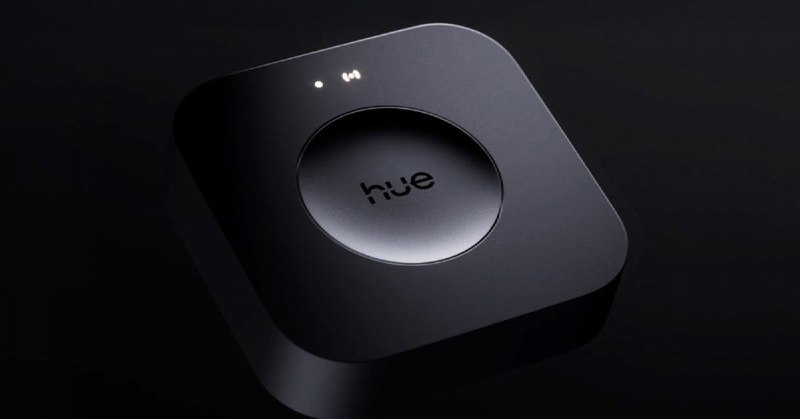
Philips Hue Bridge Pro Update Causes Hub Failure, Fix Now Available Philips has recently addressed a critical issue affecting its Hue Bridge Pro, with a problematic update causing the central hub to malfunction and take connected smart lights offline. The company has since released a fix to resolve the problem, which has left numerous users frustrated and seeking solutions for their smart home setups. Background on the Philips Hue Bridge Pro The Philips Hue Bridge Pro serves as the central nervous system for the Hue smart lighting ecosystem. This advanced hub enables users to control their smart lights, create complex automation routines, and integrate with other smart home platforms. As a professional-grade device, the Bridge Pro offers enhanced capabilities compared to the standard Hue Bridge, including expanded device support, improved processing power, and advanced features designed for larger smart home installations. The Bridge Pro is particularly valued by smart home enthusiasts and professionals who rely on robust, reliable infrastructure to manage their lighting systems. Its failure can have cascading effects throughout a home's automation network, making this recent update issue especially concerning for affected users. The Update Issue The problematic update, released earlier this month, introduced unexpected behavior that causes the Bridge Pro to become unstable, eventually leading to a complete system failure. When the hub fails, all connected Hue lights lose their connection to the network and revert to their default state, typically turning on at full brightness. According to user reports and technical analysis, the issue appears to be related to memory management and device communication protocols introduced in the new firmware. The symptoms reported by affected users include: Increased latency in light response Intermittent connection drops Bridge Pro becoming unresponsive to the Hue mobile app Complete hub failure requiring a hard reset Loss of automation routines and scenes The issue affects both new installations and existing systems that applied the update, with no clear pattern of specific configurations being more vulnerable than others. This widespread impact has prompted a significant response from both the user community and Philips support teams. Technical Analysis of the Issue Technical experts examining the firmware have identified that the problematic update introduced changes to how the Bridge Pro manages device memory allocation and processes communication packets. Specifically, the new implementation appears to have a memory leak that gradually consumes available RAM until the system can no longer function properly. Additionally, the update modified the communication protocol between the Bridge Pro and connected lights, introducing compatibility issues with certain firmware versions on the lights themselves. This creates a cascade effect where communication errors between the hub and lights further destabilize the system. User Impact and Community Response The widespread nature of this issue has caused significant disruption for users who rely on their Hue systems for daily routines, security lighting, and home automation. Many users have taken to social media and online forums to share their experiences and seek solutions, creating a wave of frustration directed at Philips. "My entire smart lighting system went down after installing the update," reported one user on a popular smart home forum. "I have over 50 Hue lights throughout my home, and they all just turned on at full brightness. I couldn't control them through the app or voice commands until I performed a hard reset on the Bridge Pro." Professional installers who use the Bridge Pro in client installations have been particularly affected, as system failures can compromise security features and automation that homeowners depend on. Several installers have reported having to make emergency service calls to address the issue, disrupting their schedules and incurring additional costs. Philips Response and Timeline Following the initial reports of issues, Philips Hue support teams began investigating the problem within hours. The company acknowledged the issue publicly through its official support channels and social media accounts, assuring users that a fix was being developed. The timeline of events includes: July 10: Initial reports of issues begin appearing on user forums July 11: Philips acknowledges the issue and confirms they are investigating July 12: Support teams identify the root cause of the problem July 13: Philips begins rolling out a fix to affected devices July 14: The fix is made widely available to all users "We sincerely apologize to our customers who have experienced issues with their Hue Bridge Pro following the recent firmware update," stated a Philips spokesperson in an official statement. "Our team has worked around the clock to identify and resolve the problem. The fix is now available and we recommend affected users apply it as soon as possible." The Fix: What It Does and How to Apply It Philips has released firmware version 1.52.3 for the Hue Bridge Pro, which addresses both the memory management issues and the communication protocol problems that caused the hub failure. The fix includes several key improvements: Corrected memory allocation to prevent the gradual resource depletion Updated communication protocols to ensure compatibility with all connected light firmware versions Enhanced error handling to prevent cascading failures Improved stability during high-load scenarios with numerous connected devices Applying the fix is straightforward and can be done through the Hue mobile app or by connecting directly to the Bridge Pro via a web browser. The update process typically takes 5-10 minutes and requires the Bridge Pro to remain connected to power and the network throughout the process. Step-by-Step Guide to Applying the Fix Step Action Expected Result 1 Ensure your Bridge Pro is connected to power and your network Power indicator should be solid white 2 Open the Hue mobile app and navigate to Settings > Bridge You should see your Bridge Pro listed 3 Check for available updates The app should prompt you to install version 1.52.3 4 Begin the update process and wait for completion The Bridge Pro indicator will flash during installation 5 Restart the Hue app once the update is complete Your lights should reconnect automatically For users who have already experienced a complete hub failure and performed a hard reset, the fix will be applied automatically the first time the Bridge Pro connects to the internet after being reset. Users should ensure their Bridge Pro is running the latest firmware after any reset procedure. Recommendations for Affected Users For users who have experienced this issue or want to prevent future problems, Philips and smart home experts recommend several best practices: Always check release notes before applying firmware updates Consider delaying updates for 24-48 hours to allow for any initial issues to be identified Regularly back up your Bridge Pro configuration through the Hue app Keep a secondary lighting solution available as a backup during critical updates Monitor the Philips Hue support channels for known issues with new updates For professional installers, Philips has offered additional support resources, including a dedicated support line and extended firmware testing protocols for commercial installations. The company has also indicated that future updates will undergo more rigorous testing before release to prevent similar issues. Looking Forward This incident highlights the critical importance of firmware quality in smart home devices, particularly for central hubs that control multiple systems. While Philips has responded relatively quickly to the issue, the disruption caused to users underscores the need for thorough testing and staged rollouts of firmware updates. For the Philips Hue ecosystem, this incident serves as a learning opportunity that may lead to improved update processes and communication with users. The company has indicated that it will be implementing additional quality control measures for future firmware releases. As smart home technology becomes increasingly integrated into daily life, incidents like this serve as reminders of both the benefits and potential risks of connected home systems. Users are encouraged to maintain awareness of their device firmware status and have contingency plans in place for system failures. Philips has confirmed that the fix is now available to all affected users and that the company will continue monitoring the situation to ensure the resolution is effective across all device configurations.

New Phishing Attack Targets LastPass Users: Detection Methods and Protection Strategies In an increasingly digital world, password managers like LastPass have become essential tools for maintaining online security. However, as these services grow in popularity, they also become prime targets for cybercriminals. A sophisticated phishing attack specifically targeting LastPass users has been identified, prompting security experts to issue warnings about the evolving tactics employed by malicious actors. Understanding the Threat Landscape LastPass, a leading password management solution with millions of users worldwide, has recently been the focus of a new phishing campaign designed to compromise user accounts. This attack represents a concerning trend where cybercriminals specifically target users of popular password management services, recognizing that compromising these accounts can provide access to multiple sensitive platforms. The phishing attack employs advanced social engineering techniques that closely mimic LastPass's official communications, making it particularly difficult for users to distinguish between legitimate and malicious messages. According to cybersecurity researchers, this campaign has shown increased success rates compared to standard phishing attempts, indicating a higher level of sophistication. How the Phishing Attack Works The attack typically begins with an email that appears to be from LastPass's security team. These messages often contain urgent warnings about suspicious account activity or security updates, creating a sense of urgency that prompts immediate action. The emails are carefully crafted to include LastPass's branding, legitimate-looking email addresses, and even accurate sender information. Once the recipient clicks on the embedded link, they are directed to a counterfeit LastPass login page that closely resembles the official interface. The fraudulent page captures the user's credentials, which are then harvested by the attackers. In some instances, the phishing sites even include additional security steps, such as two-factor authentication prompts, to further convince users of their legitimacy. Key Indicators of the Phishing Attack Security experts have identified several red flags that can help users identify this phishing campaign: Urgent language: Messages that create a false sense of urgency about account security Suspicious URLs: Links that appear legitimate but contain minor misspellings or unusual domain extensions Unexpected attachments: Unsolicited files claiming to be security updates or account information Generic greetings: Messages that address users with generic terms like "Dear Customer" instead of their actual name Requests for additional information: Legitimate LastPass communications will never ask for passwords or full security details via email Protection Measures for LastPass Users LastPass has issued security guidelines to help users protect themselves from this phishing attack: Protection Strategy Description Verify sender information Check that the email comes from an official LastPass domain (@lastpass.com) Hover before clicking Mouse over links to reveal the actual URL without clicking Enable two-factor authentication Add an extra layer of security to your LastPass account Use official channels Access your LastPass account only through the official website or app Regular security audits Monitor your account activity for any unauthorized access Best Practices for Password Manager Security Beyond this specific phishing threat, security experts recommend several best practices for all password manager users: Use strong, unique master passwords: Your master password is the key to your password vault, so it should be complex and unique Enable multi-factor authentication: Add an additional layer of security beyond just your password Regularly update your software: Ensure you're using the latest version of your password manager with all security patches Be cautious of shared information: Avoid sharing sensitive account details or security questions via email or messaging Monitor account activity: Review login history and security alerts regularly What to Do If You've Been Affected If you suspect you've fallen victim to this phishing attack, immediate action is crucial: Change your LastPass master password immediately using a different device if possible Enable two-factor authentication if not already active Review all saved passwords for unauthorized changes Update passwords for critical accounts such as email and banking Contact LastPass support to report the incident Consider a security audit of all your online accounts The Future of Password Manager Security This phishing attack highlights the ongoing cat-and-mouse game between security professionals and cybercriminals. As password managers become more sophisticated, so too do the tactics used to compromise them. Industry experts predict we'll see continued evolution in both defensive measures and attack methods. Emerging technologies such as passwordless authentication and biometric verification may eventually reduce reliance on traditional password management, but until then, user vigilance remains a critical component of digital security. Conclusion The new phishing attack targeting LastPass users serves as a reminder that even the most security-conscious individuals can fall victim to sophisticated social engineering tactics. By staying informed about the latest threats, recognizing the warning signs, and implementing robust security practices, users can significantly reduce their risk of compromise. Remember: legitimate services like LastPass will never ask for your password or sensitive security information via email. When in doubt, navigate directly to the official website rather than clicking on links in unsolicited communications. In the ever-evolving landscape of cybersecurity, knowledge and vigilance remain your best defenses.
Lamborghini Brings Dream Garage to Life with Vision Pro App Revolutionary Augmented Reality Experience Allows Virtual Exploration of Iconic Supercars The world of luxury automotive has just taken a significant leap into the future as Lamborghini announces the release of its dedicated application for Apple's Vision Pro headset. This innovative app transforms the way enthusiasts can experience the Italian automaker's prestigious lineup, bringing the garage of dreams directly into users' living rooms through cutting-edge augmented and virtual reality technology. The Vision of Virtual Automotive Experience Apple's Vision Pro, released earlier this year, represents the next frontier in spatial computing. This mixed reality headset seamlessly blends digital content with the physical world, creating immersive experiences that were previously confined to science fiction. Lamborghini's app leverages this technology to offer unprecedented access to its vehicles, allowing potential buyers, enthusiasts, and dreamers to examine the company's latest models in stunning detail. A Curated Collection of Automotive Excellence The Lamborghini Vision Pro app features a carefully selected lineup of four exceptional models, each representing different aspects of the brand's engineering prowess and design philosophy: Model Class Key Features Urus SE Performante SUV High-performance variant with enhanced aerodynamics and power Temerario Concept Forward-thinking design showcasing future Lamborghini aesthetics Revuelto Supercar Flagship hybrid model with revolutionary V12 powertrain Urus SE SUV Enhanced efficiency version of the popular Urus model Dual Viewing Modes for Maximum Flexibility The app offers two distinct viewing modes, each providing a unique perspective on these automotive masterpieces: Shared Space Mode In Shared Space mode, users can place the digital Lamborghini models directly into their physical environment. Whether in a living room, garage, or office, the supercars appear at true 1:1 scale, allowing users to appreciate their actual dimensions and proportions. This mode is particularly valuable for those considering purchasing a Lamborghini, as it helps visualize how the vehicle might fit in their personal space. Full Immersion Mode For a more dramatic experience, Full Immersion mode transports users into a specially designed virtual environment created by Lamborghini. These digital spaces showcase the vehicles in settings that complement their character and performance capabilities—from dynamic race tracks to exotic locations that emphasize the cars' design elements. This mode provides a complete sensory experience of what it's like to be in the presence of these extraordinary machines. Unparalleled Detail and Realism Each model in the app is rendered with meticulous attention to detail, capturing the essence of Lamborghini's design language. Users can explore every angle, examine the interior craftsmanship, and appreciate the distinctive features that make each model unique. The app allows for scaling the vehicles down to more convenient sizes for closer inspection of details or expanding them to full scale for a complete impression of their presence. Spatial Audio: The Sound of Performance No Lamborghini experience would be complete without the unmistakable sound of its engines. The app incorporates spatial audio technology that accurately reproduces the distinctive engine notes of each model. This auditory component adds another dimension to the virtual experience, allowing users to not only see but also "hear" the power and performance that defines the Lamborghini brand. Strategic Significance for Lamborghini The release of this Vision Pro app represents a strategic move by Lamborghini to engage with a new generation of customers and enthusiasts. As automotive technology advances and electric vehicles become more prevalent, traditional manufacturers must find innovative ways to connect with their audience. This virtual experience allows Lamborghini to showcase its heritage, craftsmanship, and technological innovation in a format that appeals to tech-savvy consumers. "The Vision Pro app allows us to bring the Lamborghini experience to people in ways we never thought possible," said Lamborghini's Chief Digital Officer in a recent statement. "It's not just about showing our cars—it's about allowing people to connect with them on a deeper level, understanding the passion and engineering that goes into every vehicle." The Future of Automotive Showrooms This virtual showroom concept may well represent the future of car sales and marketing. As consumers become more comfortable with augmented and virtual reality experiences, manufacturers can offer immersive product demonstrations that transcend the limitations of physical showrooms. Potential buyers could explore multiple models, customize features, and experience vehicles in various environments—all from the comfort of their homes. For luxury brands like Lamborghini, which cater to a global clientele, such virtual experiences eliminate geographical barriers, allowing customers anywhere in the world to access the brand's offerings. This could be particularly valuable in emerging markets where physical showrooms may be limited or inaccessible. User Experience and Technical Implementation The Lamborghini Vision Pro app leverages the advanced capabilities of Apple's headset to create a seamless and intuitive user experience. The hand tracking and eye-tracking features of Vision Pro allow for natural interaction with the virtual vehicles, while the high-resolution displays ensure that every detail is rendered with exceptional clarity. Developing this app required collaboration between Lamborghini's design teams and Apple's AR/VR specialists. The result is a product that not only showcases the vehicles accurately but also takes advantage of the unique capabilities of the Vision Pro platform to create an experience that feels both futuristic and authentic to the Lamborghini brand. Market Context and Competitive Landscape Lamborghini is not alone in exploring virtual showrooms and augmented reality experiences. Several other automotive manufacturers have developed similar applications for various platforms, ranging from mobile AR experiences to dedicated VR environments. However, the Vision Pro app represents one of the most sophisticated implementations of this technology in the automotive sector to date. Automotive Brand VR/AR Platform Key Features Lamborghini Apple Vision Pro True 1:1 scale models, spatial audio, dual viewing modes Mercedes-Benz Mobile AR, VR Virtual customization, test drives Volkswagen Mobile AR Vehicle visualization in real environment BMW VR Virtual showroom, configuration tools Conclusion: A New Dimension in Automotive Engagement Lamborghini's Vision Pro app represents more than just a technological showcase—it's a new way of experiencing and appreciating automotive excellence. By combining the brand's heritage of innovation with Apple's cutting-edge spatial computing technology, Lamborghini has created an experience that bridges the gap between aspiration and reality. As the automotive industry continues to evolve, such virtual experiences will likely become increasingly important in how manufacturers connect with customers. For now, the Vision Pro app offers a tantalizing glimpse into the future of automotive engagement—one where the garage of dreams is no longer limited by physical space but can be summoned at will into our living rooms. For Lamborghini enthusiasts and prospective buyers alike, this app provides an unprecedented opportunity to explore these extraordinary vehicles in ways never before possible. Whether examining the sleek curves of the Revuelto, the imposing presence of the Urus SE Performante, or the forward-thinking design of the Temerario, users can now experience the essence of Lamborghini without leaving their homes. As technology continues to advance, we can expect even more sophisticated virtual automotive experiences that will further blur the lines between the physical and digital worlds. For now, though, Lamborghini's Vision Pro app stands as a landmark achievement in bringing the passion and performance of Italian supercars to a global audience in an entirely new dimension.
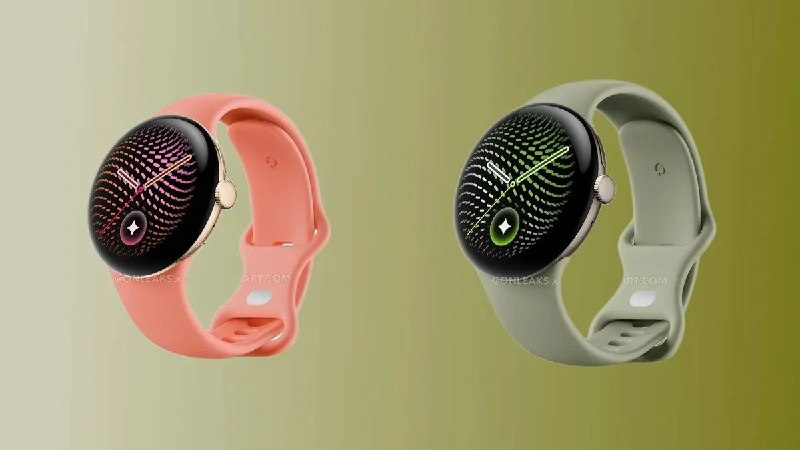
Pixel Watch 5 Renders Surface: Familiar Design, Expanded Color Palette, and August Launch Leaked renders of Google's highly anticipated Pixel Watch 5 have surfaced online, revealing what appears to be a familiar design language with an expanded color offering. According to industry sources, the next-generation wearable is scheduled for an official unveiling on August 12, continuing Google's annual update cycle for its smartwatch lineup. Design Continuity with Minor Evolution The leaked images suggest that Google is maintaining the distinctive circular design that has become synonymous with the Pixel Watch family. The renders indicate minimal changes to the overall aesthetic, preserving the signature bezel and crown design that users have grown accustomed to. This design consistency suggests Google is focusing on refining the user experience and internal specifications rather than overhauling the external appearance. While the general form factor remains unchanged, the renders hint at potential improvements in display quality and possibly thinner bezels, which would align with industry trends toward maximizing screen real estate in wearable devices. Color Options: Expanded Palette One notable departure from previous generations is the reported expansion of color options. The Pixel Watch 5 is expected to launch in four distinct colorways: Matte Black Silver Gold Blue This expanded color palette represents a significant shift from the more limited options offered in previous generations, indicating Google's recognition of the importance of personalization in the wearable market. The inclusion of a blue option, in particular, suggests an attempt to differentiate from competitors and appeal to a broader demographic of users. Expected Specifications and Features While the leaked renders primarily focus on the external design, industry analysts have compiled several expectations for the Pixel Watch 5's internal specifications based on component leaks and Google's development patterns: Feature Pixel Watch 5 (Expected) Pixel Watch 4 (Current) Display 1.2" AMOLED, possibly higher brightness 1.2" AMOLED Processor Qualcomm Snapdragon W5 Gen 1 Qualcomm Snapdragon W5 Gen 1 RAM 2GB 2GB Storage 32GB 32GB Battery Life Improved, possibly 24+ hours Up to 24 hours Health Sensors Enhanced heart rate, SpO2, possibly temperature Heart rate, ECG, SpO2 The most anticipated upgrades appear to be in battery life and health monitoring capabilities. With competitors like Apple and Samsung continuously improving their health sensors, Google is expected to enhance the Pixel Watch 5's health monitoring features, potentially adding body temperature sensing and more advanced sleep tracking algorithms. Market Position and Competitive Landscape The wearable technology market has become increasingly competitive, with Apple's Watch maintaining dominance in premium segments while Samsung and others capture significant market share. Google's Pixel Watch series, while relatively new, has carved out a niche by emphasizing seamless integration with the Android ecosystem and Wear OS. The design continuity observed in the Pixel Watch 5 suggests Google is adopting a strategy similar to its Pixel smartphone line: consistent design language with iterative improvements. This approach helps build brand recognition while allowing for focused feature enhancements. Pricing and Availability While official pricing has not been confirmed, industry analysts expect the Pixel Watch 5 to maintain a price point similar to its predecessor, likely starting around $349 for the Wi-Fi model and $399 for the cellular version. The expanded color options may be offered across all price points, potentially with certain colors being exclusive to specific configurations. The August 12 launch date would align with Google's typical product release timeline and would position the device well for the back-to-school shopping season, potentially giving it a competitive advantage over Apple's expected September event. Software and Ecosystem Integration One of the Pixel Watch's key differentiators has been its tight integration with Google's services and the Android ecosystem. The Pixel Watch 5 is expected to launch with the latest version of Wear OS, featuring improved performance, enhanced third-party app support, and deeper integration with Google Assistant. Rumored software enhancements include: Improved battery optimization algorithms Enhanced fitness tracking with automatic workout detection Expanded health metrics dashboard Improved notification management Potential integration with Google's AI features Conclusion The leaked renders of the Pixel Watch 5 suggest a device that builds on the foundation established by its predecessors while addressing consumer demand for greater personalization through expanded color options. With a rumored August 12 launch, Google appears to be maintaining its annual update cycle while focusing on refining both the hardware and software experience. As the wearable market continues to evolve, Google's strategy of design consistency with meaningful improvements could help the Pixel Watch 5 gain market share against established competitors. The expanded color palette, in particular, demonstrates Google's understanding that wearables have become fashion accessories as much as technological devices, a factor that will likely influence purchasing decisions in the increasingly crowded smartwatch space. With the official launch just weeks away, consumers and industry watchers alike will be eager to see how Google's next-generation wearable performs in real-world testing and whether it can successfully differentiate itself in an increasingly competitive market.