 TechOffice
Google's Strategic Innovation: When Borrowed Ideas Create Real Impact
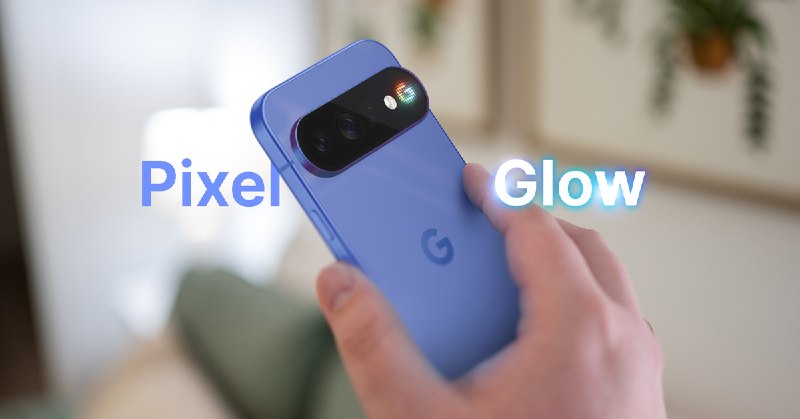
From Skepticism to Appreciation: Why Google's Pixel Glow Matters More Than We Thought
In the rapidly evolving landscape of smartphone technology, features often come and go with each new iteration. Some innovations revolutionize our interaction with devices, while others seem like mere cosmetic additions. When Google introduced Pixel Glow with its latest Android release, many tech commentators, including myself, initially dismissed it as just another gimmick—a borrowed idea with little practical value. However, as we've had more time to examine its implementation and real-world applications, it's become increasingly clear that this particular feature represents something more significant than meets the eye.
The Initial Skepticism
When Google first announced Pixel Glow, the reaction from the tech community was largely dismissive. Critics pointed out that the concept of subtle lighting effects around notifications wasn't new, with implementations seen in previous Samsung devices and other Android skins. The common sentiment was that Google was simply borrowing an existing idea without adding meaningful innovation.
My initial assessment followed this pattern. I questioned whether users would genuinely benefit from a subtle glow emanating from notification icons, suggesting it was more of a visual distraction than a functional enhancement. The criticism centered on three main points:
- It seemed like a superficial addition with no clear practical purpose
- The implementation appeared derivative of existing features on other platforms
- It might drain battery life without providing tangible benefits
Understanding the Technical Implementation
Upon deeper examination, Pixel Glow reveals itself to be more sophisticated than its initial impression suggested. The feature isn't simply about adding a static glow effect; it's a carefully designed system that leverages the device's ambient display capabilities and notification system in novel ways.
The technical implementation involves several components working in harmony:
- Adaptive Brightness Integration: The glow intensity automatically adjusts based on ambient lighting conditions, ensuring visibility without being distracting in dark environments.
- Notification Prioritization: Different types of notifications trigger variations in the glow pattern, allowing users to identify important alerts at a glance.
- Minimal Battery Impact: Google has optimized the feature to use the device's existing ambient display sensors and low-power LED capabilities, minimizing additional battery consumption.
- Contextual Awareness: The glow behavior changes based on whether the device is in use, charging, or in a pocket, providing relevant feedback without unnecessary activation.
The Origin Story: Why This Borrowed Idea Matters
The concept behind Pixel Glow traces its roots to research in peripheral vision and notification management. While implementations of notification lighting existed before Google's version, the company's approach was influenced by several key studies and existing technologies:
| Influence | How Google Adapted It | Significance |
|---|---|---|
| Ambient Display Research | Integrated with existing ambient display capabilities | Created a seamless notification experience without requiring screen activation |
| Notification Prioritization Studies | Implemented varying glow patterns for different notification types | Enabled users to distinguish notification importance without looking directly at the device |
| Peripheral Vision Technology | Designed glow patterns that work effectively with peripheral vision | Reduced the need to directly interact with the device for basic awareness |
What makes Google's implementation particularly valuable is how it synthesizes these influences into a cohesive, user-centric experience. Rather than simply copying existing implementations, Google has refined the concept to address specific user needs and behaviors identified through their extensive research on mobile interaction patterns.
User Experience and Practical Applications
The true value of Pixel Glow becomes apparent in everyday usage scenarios. Unlike many features that sound good on paper but deliver little in practice, Pixel Glow addresses genuine user needs:
- Meeting Etiquette: In situations where checking your phone would be inappropriate, the subtle glow allows you to identify important notifications without drawing attention to yourself.
- Accessibility: For users with visual impairments, the glow provides an additional notification channel beyond visual and auditory alerts.
- Driving Safety: While still requiring some visual attention, the glow allows for quicker identification of notifications than fully waking the display.
- Notification Triage: Users can quickly determine whether to interrupt their current activity for a notification or continue what they're doing.
One of the most compelling aspects of Pixel Glow is how it complements Google's existing notification ecosystem rather than duplicating it. The feature works in harmony with Do Not Disturb, Priority Only notifications, and other existing tools, creating a comprehensive notification management system.
Comparison with Similar Features
To understand what sets Pixel Glow apart, it's helpful to compare it with similar notification lighting features available on other platforms:
| Feature | Implementation | Integration | User Control |
|---|---|---|---|
| Pixel Glow | Context-aware glow around notification icons | Deeply integrated with Android notification system | Customizable intensity and behavior |
| Samsung Edge Lighting | Light trails along screen edges | Separate from notification center | Multiple color and pattern options |
| iPhone LED Flash | Camera flash blinks for notifications | Basic system integration | On/off control only |
| Motorism Moto Display | Active notifications on screen | Replaces ambient display | Limited customization |
The Significance for Google's Design Philosophy
Pixel Glow represents more than just a new feature—it exemplifies Google's evolving design philosophy and approach to mobile innovation. The implementation demonstrates several key principles that define Google's current design strategy:
- Subtle Intelligence: The feature works in the background, enhancing the user experience without requiring conscious attention or interaction.
- Contextual Awareness: Like other Google features, Pixel Glow adapts to user context, providing relevant feedback based on usage patterns and environment.
- Iterative Improvement: Rather than revolutionary innovation, Google continues to refine existing concepts based on user feedback and research.
- Platform Integration: The feature leverages and enhances existing Android capabilities rather than introducing entirely new systems.
This approach contrasts with some competitors who focus on more dramatic, headline-grabbing features. Google's method emphasizes practical, user-centric enhancements that collectively improve the overall experience without adding complexity.
Future Implications
The successful implementation of Pixel Glow suggests several potential directions for Google's future development:
- Expanded Notification Channels: Google may develop additional notification feedback methods beyond visual and auditory alerts, potentially including haptic patterns or temperature changes.
- AI-Prioritization: Future implementations could leverage machine learning to provide more nuanced notification prioritization based on user behavior and preferences.
- Cross-Device Integration: The concept could extend across Google's ecosystem, with consistent notification experiences across phones, tablets, and smart displays.
- Accessibility Enhancements: Features like Pixel Glow could become increasingly important as Google continues to improve accessibility across its platforms.
Conclusion: A Borrowed Idea with Real Value
Upon reflection, my initial skepticism about Pixel Glow was misplaced. While the concept wasn't entirely new, Google's implementation adds meaningful value through thoughtful integration, contextual awareness, and practical utility. The feature exemplifies how borrowing existing ideas and refining them based on deep user understanding can result in genuinely useful enhancements.
In an industry often obsessed with revolutionary breakthroughs, Pixel Glow reminds us that meaningful innovation frequently comes from thoughtful iteration rather than radical reinvention. Google's approach—taking existing concepts and implementing them with the polish, integration, and user focus that characterizes their best work—demonstrates a mature understanding of what users actually need from their technology.
As we continue to evaluate new features in the ever-evolving smartphone landscape, Pixel Glow serves as a valuable case study in how implementation details and user experience can transform a simple borrowed idea into a genuinely valuable addition to our digital lives. It's a reminder that sometimes the most significant innovations are the ones that work quietly in the background, enhancing our experience without demanding our attention.
I was wrong about Pixel Glow: Google borrowed an idea that actually matters this time https://www.androidpolice.com/in-defense-of-pixel-glow/ I was wrong about Pixel Glow: Google borrowed an idea that actually matters this time https://www.androidpolice.com/in-defense-of-pixel-glow/


