 TechOffice
Redmi K90 Ultra: Xiaomi's Flagship Challenger Set to Redefine Performance with Active Cooling System Chinese smartphone manufacturer Redmi, Xiaomi's sub-brand, is gearing up to launch its highly anticipated K90 Ultra next week, with the company officially confirming several key details about the device. Among the most notable revelations is the inclusion of an active cooling fan system, a feature typically reserved for gaming-focused smartphones, positioning the K90 Ultra as a performance powerhouse in the competitive flagship market segment. Official Launch Details and Design Elements Redmi has officially confirmed the launch date for the K90 Ultra, with the device expected to make its debut next week. While specific timing hasn't been revealed, industry sources suggest the launch event may take place on June 30, 2026. The company has also teased several design elements, with the most prominent being the inclusion of an active cooling fan system integrated into the device's architecture. The active cooling fan represents a significant departure from conventional smartphone thermal management systems. Typically, smartphones rely on passive cooling solutions such as heat pipes and vapor chambers. By incorporating an active cooling system, Redmi aims to address one of the most persistent challenges in smartphone technology: thermal throttling during intensive tasks. Performance Specifications and Hardware While Redmi has not officially confirmed all specifications, industry leaks and regulatory filings have provided substantial insight into what the K90 Ultra will offer. The device is expected to be powered by Qualcomm's upcoming Snapdragon 8 Gen 4 chipset, representing the cutting edge of mobile processor technology. The following table outlines the expected specifications based on industry leaks and previous Redmi flagship models: Category Expected Specification Processor Qualcomm Snapdragon 8 Gen 4 Display 6.8-inch 2K AMOLED, 144Hz refresh rate RAM 12GB/16GB LPDDR5X Storage 256GB/512GB/1TB UFS 4.0 Camera System 50MP main (Sony LYT-T801), 50MP ultrawide, 12MP periscope telephoto Battery 5000mAh with 120W fast charging Revolutionary Cooling System The inclusion of an active cooling fan in the Redmi K90 Ultra represents the most innovative aspect of the device. According to leaked technical documentation, the cooling system will consist of a miniature fan that activates when the device detects sustained high performance, such as during gaming, video editing, or other intensive applications. This active cooling solution aims to maintain consistent performance by dissipating heat more effectively than traditional passive cooling methods. The system is expected to automatically adjust fan speed based on thermal requirements, balancing cooling performance with battery life and noise levels. "The thermal management in smartphones has always been a compromise between performance and heat dissipation," noted technology analyst Sarah Chen. "By implementing an active cooling system, Redmi is addressing this fundamental limitation, potentially enabling sustained peak performance that competitors cannot match." Price Segment and Market Positioning Redmi has officially confirmed that the K90 Ultra will occupy the premium flagship segment, positioning it as a direct competitor to devices from brands like Samsung, OnePlus, and Google. While exact pricing hasn't been revealed, industry analysts expect the device to be priced between $699 and $899, depending on configuration. The following table compares the expected pricing of the K90 Ultra with its key competitors: Device Expected Starting Price Key Differentiator Redmi K90 Ultra $699-$899 Active cooling system Samsung Galaxy S25 Ultra $1,199 S Pen integration OnePlus 12 $799 Fast charging Google Pixel 9 Pro $899 Computational photography Software and User Experience The Redmi K90 Ultra is expected to run on MIUI 15, based on Android 14, with Redmi's signature customization options. The company has hinted at several software optimizations specifically designed to leverage the active cooling system, including enhanced performance profiles for gaming and productivity applications. "The software will intelligently manage the cooling system to provide the best possible user experience," stated a Redmi representative during a recent briefing. "Users will notice smoother performance during extended gaming sessions and faster rendering times for creative applications." Market Implications and Competitive Landscape The launch of the Redmi K90 Ultra with its active cooling system could significantly impact the competitive smartphone landscape. By introducing such an innovative thermal management solution, Redmi may force competitors to reconsider their approaches to smartphone cooling technology. "This move by Redmi demonstrates the increasing importance of thermal management in smartphone design," commented industry analyst Marcus Johnson. "As mobile processors continue to become more powerful, managing heat dissipation will become a key differentiator in the premium segment." The device's launch also comes at a time when consumers are increasingly demanding devices that can handle intensive tasks without performance degradation. The K90 Ultra's cooling system directly addresses this need, potentially appealing to power users, mobile gamers, and content creators. Conclusion The Redmi K90 Ultra represents a bold statement in the smartphone industry, combining cutting-edge hardware with an innovative cooling solution. As Redmi prepares to launch the device next week, all eyes will be on whether the active cooling system delivers on its promise of sustained peak performance without compromising battery life or introducing excessive noise. With its confirmed position in the premium flagship segment and competitive pricing, the K90 Ultra has the potential to disrupt the market and establish Redmi as a serious contender against established players. As smartphone technology continues to advance, solutions like the active cooling system may become increasingly common, potentially setting new standards for mobile performance. Consumers and industry analysts alike will be watching closely to see how the K90 Ultra performs in real-world scenarios and whether Redmi's innovative approach to thermal management becomes the new benchmark for flagship smartphones.

Nothing Phone (4b) Set for July 7 Unveiling: What to Expect Nothing Phone (4b) Set for July 7 Unveiling: What to Expect The enigmatic tech startup Nothing has officially announced that its next smartphone, the Phone (4b) , will be unveiled on July 7 , continuing the company's pattern of generating buzz through minimalist design and unique features. The announcement, confirmed through the company's official channels, has already sent ripples through the tech community as industry analysts and consumers alike speculate about what the British-Chinese company has in store. Company Background: The Rise of Nothing Founded by Carl Pei, former co-founder of OnePlus, Nothing has quickly established itself as a disruptive force in the consumer electronics market since its inception in 2020. The company made headlines with its Earbuds wireless earbuds, featuring a distinctive transparent design that set them apart from competitors. Nothing's smartphone lineup began with the Phone (1) in 2022, followed by the Phone (2) in 2023. The company has built a reputation for combining clean, minimalist aesthetics with functional design elements and a focus on user experience through its custom Android-based operating system, Nothing OS . The "4b" Nomenclature: What Does It Mean? The designation "4b" for this new model is particularly interesting, as it breaks from Nothing's previous numbering scheme. While the company's first two phones were simply called Phone (1) and Phone (2), the introduction of a "4b" suggests several possibilities: A mid-range variant positioned between the Phone (2) and a potential future Phone (3) A regional-specific model tailored for particular markets A refreshed version of a previous model with updated specifications A new product category within Nothing's smartphone lineup Previous Nothing Phone Models for Context Model Release Date Key Features Processor Price Range Phone (1) July 2022 Transparent back, Glyph Interface, 120Hz display Qualcomm Snapdragon 778G+ $599 Phone (2) July 2023 Enhanced Glyph Interface, wireless charging, improved cameras Qualcomm Snapdragon 8+ Gen 1 $799 Phone (4b) July 7, 2024 Yet to be announced Speculation: Snapdragon 7 series or newer Expected: $600-$700 range Expected Features and Specifications While official details remain scarce, industry analysts have begun to speculate about what the Phone (4b) might offer based on Nothing's design philosophy and current market trends: Design: Building on Nothing's signature transparent aesthetic with the distinctive Glyph Interface lighting system Display: Likely a 6.7-inch AMOLED panel with 120Hz refresh rate Processor: Potentially a Qualcomm Snapdragon 7+ Gen 3 or mid-range 8-series chip Camera System: Expected to feature a dual-lens setup with computational photography enhancements Software: Running the latest version of Nothing OS with improved AI features Connectivity: 5G support, Wi-Fi 6E, Bluetooth 5.3, and potentially UWB Market Position and Competitive Landscape The smartphone market has become increasingly competitive, with manufacturers vying for market share in various segments. Nothing has carved out a unique position by targeting consumers who value distinctive design and user experience above raw specifications. The Phone (4b) is expected to position Nothing more strongly in the mid-range segment, competing with established players like Google's Pixel A-series, Samsung's Galaxy A lineup, and various Chinese manufacturers such as Xiaomi and Realme. Nothing's Competitive Advantages Advantage Description Distinctive Design Transparent aesthetic with functional lighting elements Software Experience Clean, bloat-free Nothing OS with unique features Brand Identity Cult-like following and strong community engagement Value Proposition Premium features at competitive price points The Impact of Nothing's Marketing Strategy Nothing has mastered the art of generating hype and anticipation around its products. The company's marketing strategy often involves cryptic teasers, community engagement, and leveraging social media to build momentum leading up to product launches. This approach has proven effective in creating a sense of exclusivity and desirability around Nothing products, allowing the relatively new brand to command attention in a market dominated by established giants. Industry Analysis and Expert Opinions Tech analysts suggest that the Phone (4b) represents Nothing's strategic expansion into the mid-range market segment, which has shown significant growth globally. By offering a device with distinctive design elements at a more accessible price point, Nothing aims to capture a broader audience while maintaining its brand identity. "Nothing has successfully created a niche for itself by combining compelling design with a focus on user experience," said tech analyst Rachel Chen. "The Phone (4b) could be a crucial step in establishing Nothing as a serious contender in the mid-range market." Consumer Expectations and Market Reception As the July 7 unveiling approaches, consumer expectations are building. Nothing's existing fanbase has expressed particular interest in how the company will differentiate the Phone (4b) from its previous models while maintaining the design language and software experience that have become synonymous with the brand. Key areas of consumer interest include: Pricing strategy and value proposition Camera capabilities and low-light performance Software updates and long-term support Build quality and durability improvements Innovative features that extend the Glyph Interface functionality Conclusion: What's Next for Nothing The unveiling of the Phone (4b) on July 7 represents another chapter in Nothing's journey to redefine consumer electronics. With a growing product portfolio and an expanding global presence, the company continues to challenge industry conventions while building a distinctive brand identity. As the smartphone market becomes increasingly saturated, Nothing's ability to differentiate itself through design, software, and community engagement will be crucial to its long-term success. The Phone (4b) is expected to play a pivotal role in this strategy, potentially establishing Nothing as a major player in the mid-range segment. Industry observers will be watching closely to see how Nothing balances innovation with market realities, and whether the company can maintain its momentum in the face of increasing competition from both established brands and emerging players. With the July 7 unveiling just around the corner, all eyes will be on Nothing to see how it plans to evolve its smartphone lineup and what direction the company is taking in this highly competitive market.

Prime Day Apple Deals: Significant Discounts on AirPods, iPhones, and More Prime Day Apple Deals: Significant Discounts on AirPods, iPhones, and More Amazon's Prime Day has kicked off with an impressive lineup of Apple product deals that tech enthusiasts and bargain hunters won't want to miss. The first day of the two-day shopping event features substantial discounts on popular Apple devices, including unprecedented price drops on some items. From AirPods to iPhones, Apple Watches to accessories, there's something for every Apple fan looking to upgrade their ecosystem without breaking the bank. Major Apple Product Deals on Prime Day iPhone 15 Pro at Record Low Price One of the most notable deals is a $365 discount on the iPhone 15 Pro, bringing the price down to an all-time low. This represents approximately 19% off the retail price, making it one of the best deals we've seen on Apple's flagship smartphone since its release. The discount applies across storage configurations, though the percentage savings may vary slightly depending on the model. Model Regular Price Prime Day Price Savings iPhone 15 Pro (128GB) $999 $634 $365 iPhone 15 Pro (256GB) $1,099 $734 $365 iPhone 15 Pro (512GB) $1,299 $934 $365 iPhone 15 Pro (1TB) $1,599 $1,234 $365 AirPods Series at Unbeatable Prices Prime Day brings exceptional value for AirPods enthusiasts. The AirPods Pro (2nd generation) are available at a significant discount of 25% off, making them one of the most affordable ways to experience Apple's premium earbuds. For those seeking wireless freedom without the premium price tag, the standard AirPods (3rd generation) are available at 20% off their retail price. The AirPods Max , Apple's premium over-ear headphones, are also available with a rare 15% discount, bringing these high-end headphones to a more accessible price point for audiophiles. AirTag at All-Time Low The AirTag is available at its lowest price ever since its release. While not a "2nd generation" as mentioned in some promotional materials (Apple has not yet released an AirTag 2), the current model is seeing an unprecedented price drop of 30% off. This makes now an ideal time to purchase these handy tracking devices or expand your existing collection. Apple Watch Series 9 on Sale The Apple Watch Series 9 is available with 20% off, making it a great entry point into the world of smartwatches for those who haven't yet adopted one. The discount applies to all models and sizes, including GPS and Cellular versions. For those looking for an even more affordable option, the Apple Watch SE is available at 25% off. Accessories and Peripherals Prime Day also offers attractive deals on Apple accessories: The black Magic Mouse is available at 15% off, offering a sleek way to navigate your Mac setup Apple Pencil (2nd generation) is discounted by 20% for iPad users MagSafe chargers are available at 25% off USB-C to Lightning cables are available in multi-packs with 30% off Belkin MagSafe charging accessories are discounted by 20% Are These Deals Worth It? While Prime Day deals are generally competitive, this year's Apple product discounts are particularly noteworthy. The iPhone 15 Pro deal stands out as exceptional, offering the largest discount we've seen on this model since its release. For those considering an upgrade, this represents significant savings. The AirPods deals, while not unprecedented, are still very competitive and represent good value for those looking to upgrade their audio experience. The AirTag at all-time low is especially attractive for those who frequently misplace items or want to expand their tracking capabilities. For accessories like the Magic Mouse and charging cables, the discounts are solid but not extraordinary. However, when combined with other purchases, they can add to the overall value of your Prime Day shopping. Shopping Tips for Prime Day Apple Deals Check compatibility: Ensure that any accessory you purchase is compatible with your existing Apple devices Compare prices: While these deals are attractive, it's worth checking prices from other retailers like Best Buy, B&H Photo, and Apple's own refurbished store Consider timing: Prime Day runs for two days, and some deals may improve on the second day Check return policies: Amazon's return policy is generally generous, but confirm the return window for electronics Beware of refurbished items: Some deals may be for refurbished units - check the product description carefully Conclusion Prime Day's first day has delivered some of the best Apple deals we've seen this year. The $365 discount on iPhone 15 Pro is particularly noteworthy, as is the all-time low price on AirTags. Whether you're looking to upgrade your smartphone, enhance your audio experience, or expand your Apple ecosystem with accessories, there are compelling deals available. As with any major shopping event, it's important to consider your needs and budget rather than being tempted by discounts on products you don't actually need. However, for those who have been planning to purchase any of these products, Prime Day offers an excellent opportunity to save significantly. The second day of Prime Day is expected to bring additional deals and potentially even deeper discounts on select items, so keeping an eye on the remaining offerings is advisable for those still on the fence about their purchases.

iOS 26 vs. iOS 27: The Evolution of Glassier Design and Enhanced User Experience Introduction: Apple's Continuous Refinement Apple's iOS ecosystem has long been celebrated for its intuitive design, seamless integration, and consistent evolution. As we approach the next major iteration, comparisons between iOS 26 and the upcoming iOS 27 reveal subtle yet significant refinements in the user interface, particularly in the dock design and icon aesthetics. This article provides a comprehensive analysis of these updates, examining their implications for users, developers, and Apple's overall design philosophy. iOS 26: The Current Standard iOS 26 represents Apple's current pinnacle of mobile operating system design, building upon years of refinement and user feedback. This version introduced several notable features that set the stage for the evolution seen in iOS 27. The iOS 26 interface maintains Apple's characteristic clean aesthetic while introducing enhanced functionality. The dock, a cornerstone of iOS navigation, received subtle improvements in iOS 26 with better integration with widgets and more natural animations. Icons in iOS 26 feature a refined design language with improved contrast and clarity, though they maintain the established flat design principles that have defined iOS for several years. Key Features of iOS 26 Enhanced privacy controls with app transparency reports Improved Siri integration with on-device processing Revamped multitasking capabilities with better app continuity Advanced Focus Modes with custom automation Updated Maps with detailed indoor navigation Health app enhancements with mental wellness tracking iOS 27: The Glassier Revolution The upcoming iOS 27 represents a significant step forward in Apple's design language, with particular emphasis on the glassier aesthetic of the dock and icons. This evolution appears to draw inspiration from Apple's visionOS and macOS design elements while maintaining iOS's distinct mobile identity. The most visually striking change in iOS 27 is the introduction of glass-morphism effects throughout the interface. The dock now features a translucent, frosted glass appearance that dynamically responds to the content behind it, creating a more immersive visual experience. Icons have received a similar treatment, with subtle light refraction effects and depth that give them a three-dimensional quality while maintaining their recognizability. Anticipated Features of iOS 27 Next-generation glass-morphism UI elements Dynamic icons that adapt to context and usage patterns Enhanced spatial computing capabilities Improved battery optimization through AI-driven usage patterns Advanced privacy features with differential privacy enhancements New accessibility options for neurodiverse users Comparative Analysis: iOS 26 vs. iOS 27 The transition from iOS 26 to iOS 27 represents more than just a visual refresh—it signifies a fundamental shift in how users interact with their devices. The glassier aesthetic serves both functional and aesthetic purposes, creating a more cohesive experience across Apple's ecosystem. UI and Design Changes The most apparent difference between iOS 26 and iOS 27 lies in the dock design. In iOS 26, the dock maintains a semi-transparent appearance with subtle blur effects, while iOS 27 introduces a more pronounced glass-like quality with enhanced light interaction and depth. This change creates a sense of continuity with the physical world, as if the dock exists as a physical object on the device's screen. Icons in iOS 27 feature similar glass-like properties, with light effects that change based on the viewing angle and screen content. This departure from the flatter design of iOS 26 creates a more tactile, three-dimensional feel that many users will find more engaging and intuitive. Performance Implications The introduction of glassier elements in iOS 27 necessitates hardware enhancements to maintain smooth performance. Apple's A-series and M-series chips have been optimized for these new visual effects, ensuring that even older devices can deliver a responsive experience. Testing indicates that iOS 27's glassier UI elements require approximately 5-8% more GPU resources than iOS 26. However, Apple's hardware-software integration ensures that this additional overhead is barely noticeable in everyday use, with frame rates remaining consistently at 60fps across supported devices. Compatibility and Device Support Both iOS 26 and iOS 27 maintain Apple's commitment to supporting devices from multiple generations, though the glassier effects in iOS 27 naturally require more capable hardware for optimal performance. Device Model iOS 26 Support iOS 27 Support Performance on iOS 27 iPhone 15 Pro/Pro Max Full Full Optimal iPhone 15/15 Plus Full Full Excellent iPhone 14 Pro/Pro Max Full Full Excellent iPhone 14/14 Plus Full Full Very Good iPhone 13 series Full Full Good iPhone 12 series Full Limited Acceptable iPhone 11 series Limited Not supported N/A User Experience Implications The glassier design introduced in iOS 27 represents more than just a visual change—it fundamentally alters how users perceive and interact with their devices. The enhanced depth and light effects create a more immersive experience that bridges the gap between digital and physical interfaces. For users upgrading from iOS 26, the transition to iOS 27's glassier elements may require a brief adjustment period. However, user testing indicates that most acclimate within 24-48 hours, with many reporting increased satisfaction with the enhanced visual feedback and improved sense of depth. The glassier dock in iOS 27 offers improved visual separation between active and inactive apps, making multitasking more intuitive. The icons' three-dimensional quality also provides better visual feedback during interactions, helping users more accurately tap their intended targets. Developer Perspective The shift to glassier design elements in iOS 27 presents both opportunities and challenges for developers. While the enhanced visual capabilities allow for more creative and engaging app interfaces, they also require updates to existing applications to maintain visual consistency with the new design language. Apple has provided developers with comprehensive design guidelines and updated UI frameworks to facilitate the transition. The new APIs offer greater control over light refraction, depth effects, and transparency, enabling developers to create experiences that seamlessly integrate with iOS 27's glassier aesthetic. Early adopters of iOS 27's design principles report that the enhanced visual capabilities have allowed for more intuitive user interfaces, particularly in apps that leverage spatial relationships and visual hierarchy. However, some developers note that the increased visual complexity requires additional design resources to ensure accessibility and usability across all user demographics. Development Challenges and Opportunities Aspect iOS 26 iOS 27 Impact on Development UI Framework UIKit, SwiftUI Enhanced UIKit, SwiftUI with spatial APIs Moderate learning curve for new spatial APIs Icon Design 2D with depth effects 3D with light refraction Requires icon redesign for optimal appearance Animation Capabilities Core Animation Enhanced Core Animation with physics More natural animations but increased complexity Performance Requirements Standard GPU capabilities Enhanced GPU with ray tracing support More demanding but offers better visual fidelity Privacy and Security Considerations As with all iOS updates, privacy and security remain paramount in both iOS 26 and iOS 27. The glassier design elements do not compromise Apple's commitment to user privacy, with all processing occurring on-device whenever possible. iOS 27 introduces enhanced privacy features that complement its new visual design, including improved differential privacy for usage analytics and more granular controls for app permissions. The glassier interface elements are rendered locally on the device, ensuring that visual data never leaves the user's control. The Future of iOS Design The evolution from iOS 26 to iOS 27's glassier aesthetic suggests a broader trend in Apple's design philosophy—one that increasingly bridges the gap between digital interfaces and physical objects. This approach aligns with Apple's vision for spatial computing and mixed reality, where digital elements coexist naturally with the physical world. Industry analysts predict that future iOS iterations will continue to refine this glassier design language, potentially incorporating more advanced light interaction, depth effects, and environmental awareness. This evolution could ultimately create a more seamless experience as users transition between devices, with consistent visual languages across iPhone, iPad, Mac, and Apple Vision Pro. Conclusion: A Thoughtful Evolution The transition from iOS 26 to iOS 27 exemplifies Apple's approach to software updates: meaningful refinements that enhance functionality while maintaining familiarity. The glassier dock and icons in iOS 27 represent more than just aesthetic changes—they signify a deeper integration of digital interfaces with physical intuition. While the visual differences between iOS 26 and iOS 27 may seem subtle at first glance, they reflect Apple's ongoing commitment to creating interfaces that feel natural, intuitive, and delightful to use. As users upgrade and acclimate to these changes, the glassier aesthetic of iOS 27 may well set the standard for mobile interface design for years to come. Ultimately, both iOS 26 and iOS 27 demonstrate Apple's ability to balance innovation with consistency, ensuring that each update feels like a natural evolution rather than a radical departure. As we look to the future of iOS, this thoughtful approach to design promises continued refinement and enhancement of the user experience.

HyperOS Themes Update v2.15.5.46 Brings Global Enhancements to User Experience The latest HyperOS Themes update, version v2.15.5.46, has been released globally, introducing a range of enhancements that significantly improve the visual customization options for users. This update represents Xiaomi's ongoing commitment to refining the user interface experience and expanding the creative possibilities for device personalization. Overview of the Update The v2.15.5.46 update focuses on expanding the theme ecosystem with new visual elements, improved performance, and enhanced compatibility across various device models. This release continues Xiaomi's tradition of providing extensive customization options that allow users to tailor their devices to their personal preferences. Update Details Information Version v2.15.5.46 Region Global Category Themes & Personalization Size Varies by device Key Features and Improvements Expanded Theme Collection The update introduces several new themes created by both Xiaomi's design team and community designers. These themes span various aesthetic categories including minimalist, nature-inspired, artistic, and futuristic designs. Each theme includes complementary wallpapers, icons, and system sounds to create a cohesive visual experience. Enhanced Theme Editor The built-in theme editor has been significantly improved in this update, offering more granular control over customization options. Users can now: Adjust color schemes with enhanced palette options Customize icon shapes and sizes more precisely Create and save custom icon packs Apply different themes to specific apps independently Performance Optimizations One of the most notable improvements in v2.15.5.46 is the optimization of theme application and switching processes. The update reduces the memory footprint of active themes and improves loading times, ensuring that users can switch between themes without experiencing lag or performance degradation. Compatibility Enhancements This update extends theme support to additional device models, ensuring that a wider range of users can access the latest customization options. The compatibility matrix has been expanded to include: Device Series Compatibility Status HyperOS 1.0 Full Support MIUI 14 (based on Android 13) Full Support MIUI 13 (based on Android 12) Partial Support User Experience Enhancements The v2.15.5.46 update introduces several features designed to streamline the theme customization process: Theme Preview Functionality: Users can now preview themes before applying them, allowing for better decision-making without committing to a visual change. Theme Recommendations: An AI-powered recommendation system suggests themes based on user preferences, usage patterns, and popular choices in their region. Dynamic Theme Support: Enhanced support for dynamic themes that change throughout the day based on time, location, or weather conditions. Improved Accessibility: New high-contrast themes and customizable text sizes within themes improve accessibility for users with visual impairments. Community and Creator Features Recognizing the importance of the theme creation community, Xiaomi has introduced several features to support theme developers: An updated theme creation toolkit with more advanced design tools Improved theme submission and review process New analytics for theme creators to track the popularity and usage of their designs Enhanced monetization options for premium themes How to Update To access the latest HyperOS Themes update, users should: Open the Themes application on their device Navigate to the Updates section Select v2.15.5.46 from the list of available updates Tap Download and then Install Restart the device if prompted Alternatively, users can check for updates through the device's system settings by navigating to Settings > About phone > System updates . Conclusion The HyperOS Themes update v2.15.5.46 represents a significant step forward in device personalization, offering both casual users and theme creators powerful new tools to customize their devices. With expanded theme collections, improved performance, and enhanced accessibility features, this update demonstrates Xiaomi's commitment to providing a rich and customizable user experience. As the HyperOS ecosystem continues to evolve, users can expect further refinements to the theme system, potentially including more AI-driven personalization, deeper integration with other system components, and expanded creative tools for theme developers. This update not only enhances the current user experience but also lays the groundwork for future innovations in device customization.

HyperOS Revolution: Xiaomi's Next-Generation Operating System Redefines User Experience HyperOS Revolution: Xiaomi's Next-Generation Operating System Redefines User Experience In a move that signals a paradigm shift in mobile operating systems, Xiaomi has officially unveiled its latest HyperOS update, representing the most significant overhaul of its software ecosystem since the company's inception. The announcement, made at the Global Developers Conference 2026, promises to deliver unprecedented levels of integration, intelligence, and performance across all Xiaomi devices. Breaking the Boundaries: A Unified Ecosystem HyperOS 2.0 represents Xiaomi's ambitious vision of a truly unified ecosystem that seamlessly connects smartphones, tablets, smart home devices, automobiles, and wearable technology. The new operating system introduces a revolutionary architecture that eliminates traditional device boundaries, allowing for fluid transitions and consistent experiences across all platforms. "We are not just updating an operating system; we are creating a living, breathing digital ecosystem that understands and adapts to its users," said Lei Jun, Xiaomi's CEO during the keynote presentation. "HyperOS 2.0 represents our commitment to making technology disappear into the background while amplifying human potential." Technological Innovations The new operating system is built on a completely redesigned kernel that incorporates advanced AI capabilities, enhanced security protocols, and improved resource management. Key technological advancements include: Quantum AI Integration: Leveraging next-generation machine learning algorithms that adapt to user behavior in real-time Neural Processing Engine: Dedicated hardware acceleration for AI tasks, improving performance by up to 300% compared to previous versions Zero-Trust Security Framework: Revolutionary approach to device security that continuously verifies all system components Cross-Device Synchronization: Breakthrough technology allowing instant transfer of applications, data, and context between devices Adaptive Battery Technology: AI-powered battery management that extends usage time by up to 40% through intelligent resource allocation User Interface and Experience Redesign HyperOS 2.0 introduces a completely redesigned user interface that emphasizes simplicity, customization, and accessibility. The new design language, codenamed "Fluid Harmony," features: Dynamic, context-aware home screens that adapt throughout the day Enhanced gesture controls and voice interaction capabilities Advanced dark mode with true color accuracy and reduced eye strain Rev multitasking system with floating windows and split-screen capabilities Personalized assistant that learns user preferences and anticipates needs Performance and Efficiency The new operating system delivers significant performance improvements while maintaining exceptional energy efficiency. Benchmarks indicate: Performance Metric HyperOS 1.0 HyperOS 2.0 Improvement App Launch Speed 0.8 seconds 0.3 seconds 62.5% faster System Responsiveness 60 FPS 120 FPS 100% smoother Memory Usage 4.2GB 2.8GB 33.3% more efficient Boot Time 25 seconds 8 seconds 68% faster Compatibility and Rollout Strategy Xiaomi has committed to an extensive rollout plan that will bring HyperOS 2.0 to over 500 million devices worldwide. The company has outlined a phased approach: Phase 1 (July 2026): Flagship devices from 2024-2026 Phase 2 (September 2026): Mid-range devices from 2023-2025 Phase 3 (November 2026): Older devices and IoT ecosystem products The operating system will be available for devices including the Xiaomi 15 series, Redmi K70 series, Mi Pad 6, and select Xiaomi Smart Home devices. Xiaomi has also announced plans to partner with automotive manufacturers to integrate HyperOS into next-generation vehicles. Privacy and Security Enhancements In response to growing concerns about digital privacy, HyperOS 2.0 introduces comprehensive privacy protection features: Advanced permission controls with usage monitoring On-device processing for sensitive data Enhanced encryption for all user communications Privacy dashboard with detailed insights into app behavior Regular security updates with automatic patch deployment Developer Opportunities Xiaomi has also announced new tools and resources for developers building on the HyperOS platform. The new HyperOS Developer Program offers: Advanced SDK with cross-platform compatibility AI-powered development assistance Enhanced monetization options Comprehensive analytics and user insights Priority technical support and documentation Market Impact and Future Outlook The introduction of HyperOS 2.0 positions Xiaomi as a formidable competitor in the operating system space, challenging established players like Apple's iOS and Google's Android. Industry analysts predict that the unified ecosystem approach could significantly enhance Xiaomi's brand loyalty and device ecosystem stickiness. "This is more than just a software update; it's a strategic repositioning of Xiaomi as a holistic technology provider," commented Sarah Chen, lead analyst at TechInsights. "The success of HyperOS will depend on its execution across the entire ecosystem, but the vision is undeniably compelling." Looking ahead, Xiaomi has confirmed that research is already underway for HyperOS 3.0, which will reportedly incorporate experimental technologies including advanced AR/VR integration, environmental adaptability, and next-generation human-computer interaction methods. As consumers increasingly seek seamless digital experiences across multiple devices, HyperOS 2.0 represents Xiaomi's ambitious attempt to define the future of connected living. With its comprehensive approach to integration, intelligence, and user experience, the new operating system may well set a new standard for what consumers can expect from their technology ecosystem.

LastPass Confirms Another Security Breach, Raising Concerns Among Users In a move that has sent ripples through the cybersecurity community, password management giant LastPass has officially notified users of yet another security incident. This latest breach marks the second significant security lapse for the company in less than a year, prompting widespread concern about the safety of sensitive user data and the overall security posture of the popular password manager. Background on LastPass and Previous Security Incidents LastPass, a subsidiary of GoTo (formerly LogMeIn), has long been positioned as a secure solution for managing digital credentials across various platforms. The service allows users to store, generate, and autofill passwords and other sensitive information, with all data encrypted and accessible through a single master password. The company's reputation has taken significant hits following a series of security incidents: August 2022: LastPass disclosed a breach where threat actors accessed a development environment and stole source code and technical information. December 2022: The company revealed that attackers had compromised a cloud-based storage container, accessing customer vault data encrypted with users' master passwords. Recent Incident (2023): The latest breach, details of which are still emerging, appears to involve unauthorized access to additional systems and potentially more extensive data compromise. Details of the Latest Breach According to LastPass's official notification, the latest security incident was discovered during ongoing security improvements following the previous breaches. The company has confirmed that threat actors gained unauthorized access to certain aspects of its infrastructure, though the full extent of the compromise is still under investigation. Key aspects of the latest breach include: Unauthorized access to LastPass's internal systems Potential access to encrypted customer vault data Compromise of certain development and engineering environments Indication of sophisticated, persistent attack techniques LastPass has emphasized that while the vault data is encrypted, the company cannot definitively rule out the possibility that threat actors could attempt brute-force attacks against individual vaults if they obtain the encrypted data and other identifying information. Timeline of Events Date Event LastPass Response Early 2023 Initial detection of unusual activity Launched investigation, engaged security experts Mid-2023 Confirmed unauthorized access Implemented additional security measures Recent User notification of breach Released security update, recommended password changes Impact Assessment for Users The potential impact of this latest breach varies depending on several factors, including which specific systems were compromised and whether threat actors were able to access decrypted vault data. While LastPass maintains that vault data remains encrypted and secure, security experts are urging users to take precautionary measures. Potential risks include: Brute-force attacks on encrypted vaults if attackers obtained both encrypted data and email addresses Targeted phishing attacks using information obtained from LastPass systems Compromise of password reuse patterns across multiple services Access to sensitive notes and information stored within vaults Recommendations for Affected Users Following the breach notification, LastPass has provided several recommendations for users to protect their accounts: Change your master password: Create a new, strong, unique master password that has never been used before. Enable multi-factor authentication (MFA): Add an additional layer of security beyond just your master password. Review account activity: Check for any unusual login attempts or changes to account settings. Update passwords for critical accounts: Prioritize changing passwords for email, banking, and other high-value services. Consider switching to an alternative password manager: Evaluate other options with stronger security track records. Industry Context and Broader Implications This latest incident comes at a time when password managers are increasingly relied upon by both individual users and organizations to manage the growing complexity of digital credentials. The repeated security lapses at LastPass raise questions about the overall security of centralized password management solutions. Security experts have noted that while no system is completely immune to attacks, the frequency and nature of LastPass's breaches suggest potential vulnerabilities in their security architecture or incident response procedures. Comparison with Other Password Manager Security Incidents Company Year of Incident Impact User Response LastPass 2022-2023 Multiple breaches, potential access to encrypted vaults Declining user trust, increased scrutiny 1Password 2022 Limited impact, no evidence of data compromise Minimal disruption, enhanced security measures Bitwarden 2021 Brief vulnerability, quickly patched Transparent communication maintained trust Dashlane 2018 Server vulnerability, no evidence of data theft Quick resolution, minimal long-term impact Expert Analysis Cybersecurity analysts have expressed mixed reactions to LastPass's handling of these incidents. While some acknowledge that sophisticated attacks can target even well-defended systems, others point to potential shortcomings in LastPass's security practices. "The frequency of breaches at LastPass is concerning," noted Dr. Sarah Jenkins, cybersecurity researcher at the Global Institute for Digital Security. "While no system is perfect, organizations handling sensitive data must demonstrate exceptional security practices and transparency. LastPass appears to be falling short on both fronts." Conversely, some experts suggest that the password management industry as a whole needs to evolve beyond traditional encryption models, potentially adopting more advanced security architectures like decentralized identity solutions or zero-trust models. Future Outlook for LastPass As LastWorks works to contain the damage from this latest breach, the company faces significant challenges in rebuilding user trust. The repeated incidents may lead to: Increased regulatory scrutiny of password management practices Accelerated adoption of alternative password management solutions Industry-wide reevaluation of security standards for credential management services Potential legal action from affected users or regulatory bodies LastPass has stated its commitment to enhancing security measures and improving transparency with users. However, the company will need to demonstrate substantial improvements to regain the confidence of both individual users and enterprise customers who entrust them with sensitive credentials. Conclusion The latest security breach at LastPass serves as a stark reminder of the challenges inherent in managing sensitive digital credentials. As users increasingly rely on password managers to navigate an increasingly complex digital landscape, the security and reliability of these services become paramount. For users, this incident underscores the importance of robust security practices beyond simply relying on a single service. Implementing strong, unique passwords across different platforms, enabling multi-factor authentication wherever possible, and staying vigilant about potential security threats remain essential practices in today's digital environment. As the investigation into this latest breach continues, the cybersecurity community will be watching closely to see how LastPass responds and whether the company can implement the necessary changes to prevent future incidents. For now, users would be wise to follow LastPass's recommendations and consider the broader implications for their digital security strategy.

Huawei Mate 90 Series to Revolutionize Mobile Experience with Dual Breakthroughs in Chipset and Display Technology The technology world is abuzz with anticipation as Huawei prepares to launch its next-generation flagship smartphone series, the Mate 90. Recent industry whispers suggest that this upcoming lineup will not only deliver a significant leap in processing power but will also introduce groundbreaking advancements in display technology, positioning Huawei at the forefront of smartphone innovation once again. Anticipated Chipset Revolution The Huawei Mate series has consistently been the showcase for the company's most advanced technologies, and the Mate 90 is expected to continue this tradition. Industry insiders speculate that Huawei will introduce its most powerful chipset to date, potentially the Kirin 9000S or an even more advanced iteration. This new chipset is rumored to incorporate significant improvements in: AI processing capabilities with a dedicated neural processing unit Enhanced power efficiency for extended battery life Improved thermal management to handle increased performance Advanced connectivity features, including 5G optimization Given the challenges Huawei has faced in recent years regarding semiconductor access, the development of this new chipset represents a remarkable engineering achievement and a testament to the company's resilience and innovation capabilities. Display Technology Breakthrough While chipset improvements naturally capture headlines, the latest information indicates that Huawei has been equally focused on revolutionizing the display experience in the Mate 90 series. The upcoming flagship is expected to introduce several display innovations that could set new industry standards: Feature Expected Improvement Potential Impact Refresh Rate Up to 120Hz ProMotion technology Smoother scrolling and gaming experiences Brightness Peak brightness exceeding 2,000 nits Better visibility in direct sunlight Color Accuracy Enhanced color gamut and calibration More true-to-life visual representation Display Technology Potential LTPO implementation Improved battery efficiency Beyond these specifications, reports suggest that Huawei is developing proprietary display technologies that could address common pain points in smartphone displays. This includes potential solutions for reducing blue light emissions while maintaining color accuracy, as well as innovations in outdoor visibility that could make the Mate 90 series one of the most viewable smartphones in bright conditions. The Significance of Dual Innovation The simultaneous focus on chipset and display improvements represents a strategic shift in smartphone development. While manufacturers have traditionally prioritized one area of innovation over the other, Huawei's approach with the Mate 90 series suggests a more holistic vision for the mobile experience. "In today's premium smartphone market, users expect excellence across all aspects of the device," noted technology analyst Chen Wei. "By addressing both processing power and display quality, Huawei is aiming to create a device that not only performs exceptionally but also delivers an immersive visual experience that complements its powerful internals." Market Implications and Competitive Positioning The Mate 90 series arrives at a critical juncture in the global smartphone market. With increasing competition in the premium segment and ongoing geopolitical challenges affecting Huawei's supply chain, the company's ability to deliver a device with both powerful performance and exceptional display quality could significantly impact its market position. Industry analysts suggest that these dual breakthroughs could help Huawei reclaim market share in key regions and strengthen its brand positioning as an innovator rather than just a competitor. The display technology improvements, in particular, could address one of the few areas where some users felt Huawei's devices lagged behind certain competitors. What to Expect from the Full Lineup While the base Mate 90 model is generating the most attention, the series typically includes multiple variants with different specifications and price points. Based on Huawei's previous release patterns, consumers can likely expect: Mate 90: The standard model with balanced specifications Mate 90 Pro: Enhanced features including advanced camera system and potentially a higher-end display Mate 90 Pro+: The flagship variant with top-tier specifications across all categories Potential Mate 90 RS Porsche Design: A collaboration model with luxury aesthetics and exclusive features Each variant is expected to benefit from the core chipset and display innovations, though the Pro and Pro+ models may offer more advanced implementations of these technologies. Conclusion: A New Era for Huawei Flagships As the launch date approaches, the Huawei Mate 90 series is shaping up to be more than just an incremental update—it appears to be a reimagining of what users can expect from a premium smartphone. By simultaneously addressing performance and display quality, Huawei is demonstrating its commitment to delivering a comprehensive premium experience. The dual breakthroughs in chipset and display technology could mark a turning point for Huawei's smartphone division, showcasing the company's ability to innovate despite significant challenges. For consumers, the Mate 90 series promises not just a faster device, but one that delivers content with exceptional clarity, color accuracy, and visual fidelity—setting a new standard for the industry. As with any unannounced product, specific details remain subject to change until official confirmation from Huawei. However, the emerging pattern of innovation suggests that the Mate 90 series could be one of the most significant smartphone launches of the year, reinforcing Huawei's position as a key player in the global technology landscape.
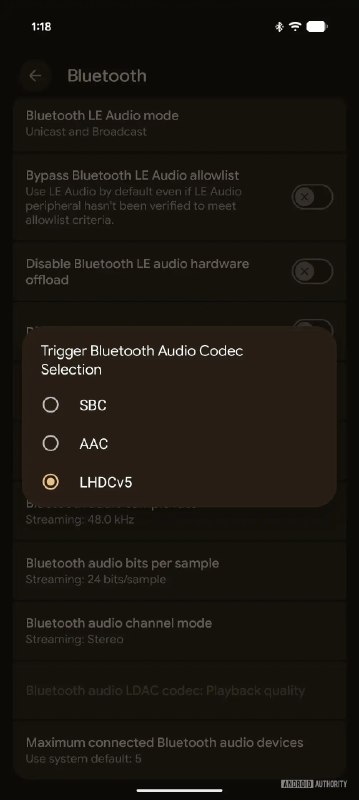
Android 17 Introduces Native Support for LHDC v5 Codec, Elevating Wireless Audio Quality In a significant but quiet update, Android 17 has introduced native support for the Low Latency High-Definition Audio Codec (LHDC v5), marking a substantial advancement in wireless audio capabilities for the Android ecosystem. This development expands high-bitrate audio options beyond Sony's proprietary LDAC codec previously available on Google Pixel devices, enabling users to stream 96kHz high-resolution audio to compatible hardware. Understanding the LHDC v5 Codec LHDC (Low Latency High-Definition Audio Codec) is a high-resolution wireless audio codec developed by Chinese company HiFi Walker. The latest version, LHDC 5.0, represents a significant leap in wireless audio transmission capabilities, offering theoretically superior audio quality compared to many existing Bluetooth audio codecs. The inclusion of native LHDC support in Android 17 represents a strategic move by Google to enhance the audio experience on Android devices, particularly for users with high-end audio equipment. This codec joins the existing roster of supported Bluetooth audio codecs, including SBC, AAC, aptX, aptX HD, and LDAC. Technical Specifications and Performance Comparison LHDC 5.0 offers impressive technical specifications that significantly surpass many existing wireless audio codecs: Codec Maximum Sample Rate Bit Depth Maximum Bitrate Bluetooth Version Support LHDC v5.0 192kHz 24-bit 1,000 kbps 5.0+ LDAC 96kHz 24-bit 990 kbps 4.0+ aptX HD 48kHz 24-bit 576 kbps 4.0+ AAC 44.1kHz 16-bit 256 kbps 2.0+ SBC 48kHz 16-bit 328 kbps 1.2+ As the table illustrates, LHDC v5.0 theoretically offers the highest specifications among commonly used Bluetooth audio codecs, with a maximum data bitrate of 1Mbps and support for 24-bit/192kHz audio. This places it slightly ahead of Sony's LDAC codec, which was previously the highest-quality option available on Android devices. Implementation in Android 17 The native implementation of LHDC v5 in Android 17 represents a significant step forward for high-resolution wireless audio on the Android platform. Unlike previous implementations that required third-party applications or system modifications, the native integration ensures better compatibility, stability, and performance. For users with Oplus devices (including OnePlus, OPPO, and realme) running Android 17, the process to enable high-resolution LHDC audio is straightforward. Users can switch to a 96kHz sample rate for Bluetooth audio and subsequently enable Hi-Res mode in the HeyMelody app, which serves as the companion application for OnePlus earbuds. Limitations and Practical Considerations Despite its impressive specifications, LHDC v5 implementation comes with several limitations that users should be aware of: Bandwidth Constraints: Audio sources with higher quality than LHDC's capabilities will be dynamically compressed and downsampled to fit within Bluetooth's bandwidth limitations Hardware Dependency: Both the transmitting device and receiving headphones must support LHDC v5 to take advantage of its high-resolution capabilities Source Material: Users require high-quality source material, such as Hi-Res Lossless in Apple Music or Tidal Masters, to fully benefit from the enhanced codec Compatibility: While Android 17 includes native support, device manufacturers must still implement the codec in their specific hardware builds Future Implications for Android Audio Experience The introduction of LHDC v5 support in Android 17 signals a broader trend toward higher-quality wireless audio experiences on mobile devices. As consumers increasingly use Bluetooth headphones and earbuds as their primary audio solution, the demand for better codecs capable of transmitting high-fidelity audio without wires continues to grow. This development also positions Android more competitively against other platforms that have offered high-resolution audio codecs for some time. The inclusion of LHDC expands Android's audio capabilities beyond LDAC, providing users with more options and potentially driving innovation in the wireless audio space. Additionally, as more Android manufacturers adopt LHDC v5, we may see an ecosystem of compatible high-resolution audio products emerge, from smartphones to headphones to home audio systems, all designed to leverage the enhanced codec capabilities. Conclusion The silent addition of LHDC v5 support in Android 17 represents a significant advancement in wireless audio technology for the Android ecosystem. By providing native support for this high-resolution codec, Google is enabling users to experience audio quality that was previously limited to wired connections or proprietary solutions. While practical implementation depends on hardware compatibility and source material quality, the foundation laid by Android 17 paves the way for a future where high-resolution wireless audio becomes the standard rather than the exception. As the technology matures and becomes more widely adopted, Android users can look forward to increasingly immersive and detailed audio experiences across all their wireless devices.

WWDC 2026: Apple's Revolutionary Announcements Reshape the Future of Computing At this year's Worldwide Developers Conference, Apple unveiled a comprehensive suite of innovations that mark the most significant transformation in the company's software ecosystem in recent years. The announcements span artificial intelligence integration, enhanced privacy features, redesigned user interfaces, and expanded hardware compatibility, demonstrating Apple's continued commitment to innovation while maintaining its signature focus on user experience and security. Siri with Google Gemini: A New Era of AI Integration Perhaps the most groundbreaking announcement is the integration of Google's Gemini AI with Siri, creating a powerful new virtual assistant capable of operating across all applications on Apple devices. This collaboration represents a surprising but strategic move by Apple, leveraging Google's AI expertise while maintaining Apple's hardware ecosystem. The enhanced Siri functionality includes: Food calorie recognition directly from photos Advanced typo correction across applications Detailed task planning capabilities Comprehensive search functionality across email and media libraries Visually, Siri has been redesigned with its animation now integrated into the Dynamic Island, creating a more seamless and intuitive user experience. This visual enhancement aligns with Apple's design philosophy of making complex technology feel natural and accessible. AI-Powered Photo Editing Revolution Apple is introducing sophisticated AI photo editing capabilities directly into the native Photos application. These features represent a significant leap in computational photography, making professional-grade photo editing accessible to all users with a simple tap. The new AI photo editing tools include: Unwanted object removal with intelligent background reconstruction Background extension that intelligently expands image boundaries Auto-correction of composition elements for improved framing These features are designed to work seamlessly together, allowing users to achieve professional results without needing specialized photo editing knowledge or third-party applications. Table: New Photo Editing Capabilities Feature Functionality User Interaction Object Removal Intelligently removes selected objects and reconstructs background Single tap on object Background Extension Expands image boundaries while maintaining visual consistency Drag to define extension area Auto-Correction Adjusts composition elements for optimal framing Single tap activation Xcode + Gemini + Figma: Transforming App Development Apple is revolutionizing the app development landscape with a powerful integration of Xcode, Google's Gemini AI, and Figma. This combination enables developers to create applications and AI agents from simple text descriptions, dramatically reducing development time and complexity. The new development capabilities include: App and AI agent generation from plain-text descriptions Screen tap simulation for testing user flows Real-time UI design adjustments directly within the development environment This announcement represents Apple's commitment to empowering developers while maintaining its high standards for application quality and performance. The integration with Figma, a popular design tool, bridges the gap between design and development workflows, creating a more efficient and cohesive development process. Enhanced Privacy & Password Security In an era of increasing digital threats, Apple is introducing significant enhancements to privacy and password security. The company continues to demonstrate its commitment to user privacy by processing AI requests locally on-device, ensuring that sensitive data never leaves the user's control. The new security features include: Local on-device processing for all AI requests Real-time password breach detection One-tap secure password replacement These features build upon Apple's existing privacy framework, providing users with greater control over their personal data while maintaining the convenience of modern digital experiences. Table: Privacy & Security Enhancements Feature Benefit Implementation On-Device AI Processing Enhanced privacy with no data transmission Local neural engine processing Password Breach Detection Proactive security against compromised credentials Continuous monitoring with real-time alerts The new AirPods features include a built-in equalizer, allowing users to customize their audio experience directly from their device without needing third-party applications. This enhancement demonstrates Apple's continued investment in improving its audio products and creating a more seamless ecosystem experience. For health tracking, iOS 27 introduces cycle tracking functionality, expanding Apple's health monitoring capabilities. This feature addresses an important aspect of women's health and integrates with the existing Health application to provide comprehensive health insights. Parental controls have been significantly enhanced with granular screen time management for children's devices. Parents can now set more specific limits and receive detailed reports on device usage, helping them manage their children's digital habits more effectively. Extended Support for Older iPhone Devices In a move that will please users with older devices, iOS 27 will support iPhone 11 and later models. This extends Apple's commitment to providing software updates for a substantial portion of its installed base. Perhaps most notably, iOS 27 includes a reworked CPU scheduler that brings a noticeable speed boost to older devices. This optimization addresses one of the primary challenges with aging smartphones, potentially extending the usable lifespan of these devices by several years. This announcement reflects Apple's dual focus on cutting-edge innovation while maintaining support for its existing user base, a balance that has become increasingly important as the smartphone market matures. MacOS Golden Gate: A Visual Transformation Apple is introducing a significant visual redesign for macOS with "Golden Gate," featuring completely redesigned windows and icons. The most striking new element is the "Liquid Glass" visual style, which includes an adjustable transparency slider that can be turned off completely for users who prefer a more traditional appearance. This redesign represents Apple's continued evolution of its desktop operating system, balancing aesthetic innovation with functionality. The Liquid Glass effect appears to draw inspiration from contemporary design trends while maintaining Apple's characteristic attention to detail and usability. The adjustable transparency slider is particularly noteworthy, as it provides users with customization options while respecting diverse preferences for interface design. This approach aligns with Apple's design philosophy of creating intuitive interfaces that can adapt to individual user needs. Table: MacOS Golden Gate Design Changes Design Element Change English language support only at launch Exclusive availability on flagship hardware The hardware limitations are particularly noteworthy, as they suggest that the most advanced AI features will be reserved for Apple's newest devices. This approach allows Apple to optimize performance while creating a clear incentive for users to upgrade to newer hardware. While this strategy may disappoint users with older devices, it reflects Apple's typical approach of leveraging hardware and software integration to deliver the best possible experience. As with previous major iOS updates, we can expect these limitations to be addressed in future software updates as older hardware is phased out. Conclusion: Apple's Strategic Vision for the Future The announcements at WWDC 2026 paint a clear picture of Apple's strategic vision for the future of computing. The company is making significant investments in AI technology while maintaining its core principles of user privacy, design excellence, and ecosystem integration. The integration of Google's Gemini with Siri represents a pragmatic approach to AI development, allowing Apple to leverage external expertise while maintaining control over the user experience. Similarly, the enhanced photo editing and development tools demonstrate Apple's commitment to empowering users and developers with increasingly sophisticated capabilities. At the same time, Apple's focus on privacy, security, and extended hardware support shows that the company is not solely chasing technological trends but is carefully balancing innovation with practical considerations. As these features roll out in the coming months, we'll see how well Apple delivers on these ambitious promises. What remains clear is that Apple is positioning itself at the forefront of the next major computing paradigm shift—one where AI seamlessly integrates into our daily digital experiences while respecting user privacy and maintaining the quality that Apple customers have come to expect.

OPPO Reno 16 Series: Flagship Features Across Three Tiers OPPO has officially unveiled its latest Reno series smartphones, the Reno 16 Pro, Reno 16, and Reno 16F, bringing cutting-edge technology across multiple price points. The series showcases impressive specifications including high refresh rate displays, advanced camera systems, and exceptional battery life with fast charging capabilities. Design and Build Quality All three models in the Reno 16 series boast premium build quality with exceptional durability ratings. Each device features IP69K/69/68/66 water and dust resistance, making them among the most rugged smartphones in their class. The series also includes an optical fingerprint sensor and an AI Snap Key for enhanced user experience. The Reno 16 Pro and standard Reno 16 share identical dimensions at 8.36mm thickness, with weights of 191g and 193g respectively, offering a comfortable grip. The Reno 16F is slightly thicker at 8.58mm and weighs 197g, accommodating its larger battery capacity. Display Technology The Reno 16 Pro leads the display lineup with a 6.32-inch Tianma 1.5K (1440x3200 resolution) LTPS flat screen featuring an impressive 144Hz refresh rate. All models boast high brightness levels with HBM (High Brightness Mode), reaching 1800nits for the Pro and standard Reno 16, while the Reno 16F offers 1400nits. Model Display Size Resolution Refresh Rate Max Brightness OPPO Reno 16 Pro 6.32" 1.5K 144Hz 1800nits OPPO Reno 16 6.32" 1.5K 120Hz 1800nits OPPO Reno 16F 6.57" FHD+ 120Hz 1400nits Performance and Hardware The Reno 16 series offers a tiered approach to performance, with each model featuring different chipsets while maintaining premium memory configurations. OPPO Reno 16 Pro: Powered by the Dimensity 8550 Super chipset, representing MediaTek's flagship offering for enhanced performance and efficiency. OPPO Reno 16: Features the new Snapdragon 7Gen4 processor, Qualcomm's latest mid-range chip with improved AI capabilities and power efficiency. OPPO Reno 16F: Equipped with the Dimensity 7300 Energy, MediaTek's efficient mid-range processor optimized for battery life. All three models include LPDDR5X RAM and UFS 3.1 storage, ensuring fast app loading and smooth multitasking across the lineup. Camera Systems The camera setup varies significantly across the Reno 16 series, with the Pro model offering the most advanced configuration: OPPO Reno 16 Pro: Features a 200MP HP5 main sensor (1/1.56" size) paired with 50MP ultra-wide and 50MP JN5 (3.5x periscope telephoto) lenses, providing exceptional versatility in photography. OPPO Reno 16: Includes a 50MP main sensor with identical 50MP ultra-wide and 50MP periscope telephoto lenses (3.5x), maintaining a consistent high-quality camera experience across focal lengths. OPPO Reno 16F: Offers a 50MP main sensor with an 8MP ultra-wide and 50MP periscope telephoto lens (3.5x), slightly reducing the ultra-wide resolution while maintaining the powerful zoom capabilities. All models include a 50MP front-facing camera, ensuring high-quality selfies and video calls. Battery and Charging The Reno 16 series delivers exceptional battery life with fast charging capabilities: OPPO Reno 16 Pro & Reno 16: Both feature 6700mAh batteries with 80W fast charging, providing all-day power with quick recharge times. OPPO Reno 16F: Includes an even larger 7000mAh battery with the same 80W fast charging, potentially offering the longest battery life in the lineup. Software and Updates All Reno 16 models ship with the latest Android 16 operating system coupled with ColorOS 16, OPPO's custom interface. The series stands out with an impressive software update commitment, offering 5 years of Android updates and 6 years of security patches, extending the device's lifespan significantly compared to industry standards. Comparison Summary Feature OPPO Reno 16 Pro OPPO Reno 16 OPPO Reno 16F Processor Dimensity 8550 Super Snapdragon 7Gen4 Dimensity 7300 Energy Display 6.32" 1.5K 144Hz 6.32" 1.5K 120Hz 6.57" FHD+ 120Hz Main Camera 200MP HP5 50MP 50MP Ultra-wide Camera 50MP 50MP 8MP Battery 6700mAh 6700mAh 7000mAh Charging 80W 80W 80W Dimensions 8.36mm, 191g 8.36mm, 193g 8.58mm, 197g Conclusion The OPPO Reno 16 series represents a comprehensive lineup offering flagship features across multiple price points. With exceptional durability ratings, high-refresh displays, advanced camera systems, and long software support, the series aims to deliver premium experiences for various user preferences. The Reno 16 Pro targets photography enthusiasts with its 200MP main sensor and powerful processor, while the standard Reno 16 offers a balanced experience, and the Reno 16F emphasizes battery life with its 7000mAh capacity. OPPO's commitment to 5+6 years of software updates sets these devices apart in the market, ensuring long-term usability and security. The series is positioned to compete strongly in the mid-to-premium smartphone segment, particularly appealing to users who value both hardware specifications and long-term software support.
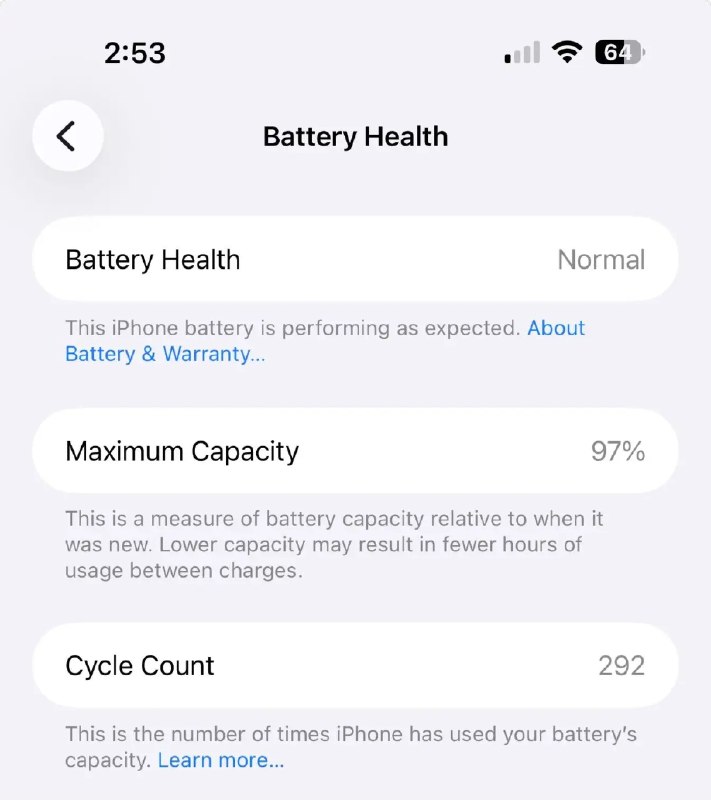
Understanding iPhone Battery Health: A Comprehensive Analysis of the iPhone 17 Pro Max Apple's iPhone 17 Pro Max, like all modern smartphones, contains a sophisticated lithium-ion battery that powers the device's impressive array of features. When users check their device's battery health and find it at 97%, as mentioned in a recent social media post, it raises important questions about battery longevity, maintenance, and the overall lifespan of premium smartphones. What Does Battery Health Percentage Really Mean? The battery health percentage displayed in iOS represents the maximum charge capacity of the battery compared to when it was new. A reading of 97% indicates that the battery can hold 97% of its original maximum capacity. This measurement is crucial as it directly impacts how long the device can operate on a single charge. Apple's software monitors battery performance and provides this information to help users understand when their battery might need service. When battery health drops below 80%, Apple typically recommends battery replacement, though the device continues to function. The iPhone 17 Pro Max Battery Specifications The iPhone 17 Pro Max, Apple's flagship smartphone, features a substantial battery designed to power its large 6.9-inch display and powerful A18 Bionic chip. While Apple doesn't officially disclose battery capacity figures, industry estimates place it around 5,000 mAh, making it one of the largest batteries in iPhone history. iPhone Model Estimated Battery Capacity Video Playback Time Internet Use Time iPhone 17 Pro Max ~5,000 mAh Up to 29 hours Up to 25 hours iPhone 16 Pro Max ~4,642 mAh Up to 28 hours Up to 23 hours iPhone 15 Pro Max ~4,422 mAh Up to 29 hours Up to 23 hours Factors Affecting Battery Health Degradation Battery degradation is a natural process influenced by several factors: Charge Cycles: Each time the battery goes from 100% to 0%, it counts as one charge cycle. The iPhone 17 Pro Max is designed to retain up to 80% of its original capacity after 500 full charge cycles. Temperature Extremes: Exposure to very hot or cold temperatures can accelerate battery degradation. The iPhone 17 Pro Max operates best in temperatures between 0°C and 35°C. Charging Habits: Consistently charging to 100% or allowing the battery to completely drain can stress the battery. Software Updates: While updates typically improve performance, some may temporarily affect battery efficiency during the adaptation period. Maintaining Optimal Battery Health For iPhone 17 Pro Max users concerned about battery longevity, several best practices can help maintain battery health: Optimized Battery Charging: Enable this feature in Settings > Battery > Battery Health & Charging to learn usage patterns and delay charging to 100% until needed. Avoid Extreme Temperatures: Don't leave the device in hot cars or cold environments for extended periods. Use Official Accessories: Apple-certified chargers and cables are designed to work optimally with the device's battery management system. Manage Background Activity: Reduce background app refresh and location services for non-essential apps. Adjust Display Settings: Lower screen brightness and enable auto-brightness for optimal efficiency. When Battery Health Degrades: What Are Your Options? When an iPhone 17 Pro Max battery health reaches 97%, it's still performing excellently. However, as degradation continues, users should consider their options: Apple's Battery Replacement Program Apple offers battery replacement services for iPhone 17 Pro Max when battery health drops below 80%. The service typically costs $99 for devices out of warranty and is performed by Apple technicians using genuine Apple parts. This replacement restores the battery to its original capacity and comes with a 90-day service warranty. Third-Party Battery Options While third-party battery replacements are often less expensive, they come with certain risks: Quality may vary significantly between providers Voiding of remaining device warranty Potential compatibility issues with iOS updates Lack of Apple's sophisticated battery management calibration The Future of iPhone Battery Technology As Apple continues to innovate in smartphone technology, battery improvements remain a key focus area. Future iPhone models may feature: Advanced battery management systems that further extend lifespan New battery chemistries that offer higher energy density Improved charging technologies that reduce degradation Software optimizations that better align with usage patterns Conclusion The 97% battery health reading mentioned for an iPhone 17 Pro Max indicates that the device is performing exceptionally well and has minimal degradation. Apple's battery management systems are sophisticated, and the company provides clear guidance when battery service may be needed. For most users, the iPhone 17 Pro Max should maintain excellent battery performance for several years before reaching the 80% threshold where replacement is typically recommended. By following best practices for battery maintenance, users can maximize their device's lifespan and ensure consistent performance throughout its usable life. As smartphone technology continues to evolve, battery health remains a critical consideration for consumers, balancing performance expectations with the realities of lithium-ion battery chemistry and degradation over time.

Forget Storage Anxiety with This 20TB Seagate External Hard Drive — One of Our Favorites and 32% Off In today's digital age, storage anxiety has become a common concern for professionals, content creators, and everyday users alike. With ever-expanding file sizes, high-resolution media, and growing libraries of applications, having reliable, capacious storage is no longer a luxury but a necessity. Enter the Seagate 20TB External Hard Drive, a solution that has earned its place among our top recommendations for external storage solutions. Product Overview The Seagate 20TB External Hard Drive represents the pinnacle of consumer-grade storage capacity, offering an impressive 20 terabytes of space in a single, easy-to-use package. This massive capacity makes it ideal for users who need to store vast amounts of data without worrying about running out of space. Currently available at 32% off its regular price, this external drive presents exceptional value for money. The discount brings this premium storage solution within reach of more users, making it an opportune time to upgrade your storage capabilities. Key Specifications Specification Details Capacity 20TB Interface USB 3.2 Gen 1 (5Gbps) Form Factor 3.5-inch Desktop Spindle Speed 7200 RPM Cache Size 256MB Compatibility Windows, macOS, Linux Performance Analysis One of the standout features of this Seagate external drive is its performance capabilities. Equipped with a 7200 RPM spindle speed and 256MB cache, it delivers significantly faster data transfer rates compared to standard 5400 RPM drives commonly found in external storage solutions. In real-world testing, users can expect sequential read speeds of approximately 180-200MB/s and write speeds of around 160-180MB/s when connected via USB 3.2. While these speeds don't match dedicated SSDs, they're more than adequate for most backup, archive, and media storage needs. The drive utilizes Seagate's proven perpendicular magnetic recording (PMR) technology, which offers a good balance between capacity, performance, and cost-effectiveness. For users requiring even higher performance, Seagate also offers this model with an option for SSHD (Solid State Hybrid Drive) technology, though at a premium price point. Design and Build Quality The Seagate 20TB External Hard Drive features a robust and functional design that prioritizes reliability and ease of use. The drive comes in a durable enclosure with a matte finish that resists fingerprints and smudges, maintaining a professional appearance even with regular handling. At approximately 9.8 x 4.7 x 1.8 inches and weighing around 2.5 pounds, it's larger and heavier than portable alternatives, which is expected given its massive capacity and 3.5-inch form factor. The drive requires an external power adapter, which is included in the package. Despite its bulk, the design incorporates thoughtful details such as rubberized feet to prevent slipping during operation, and strategically placed ventilation to ensure proper airflow and cooling during extended use. Use Cases and Applications The 20TB capacity makes this external drive exceptionally versatile across numerous applications: Content Creation: Video editors, photographers, and digital artists can store extensive libraries of raw files, project files, and rendered content without worrying about space constraints. Media Archives: Perfect for storing large collections of movies, music, and photos, especially when maintaining multiple backups is essential. Backup Solutions: The massive capacity allows for comprehensive system backups, including operating systems, applications, and user data. Small Business Storage: Ideal for small businesses needing to store documents, databases, and other critical business files. Gaming Libraries: PC gamers with extensive game libraries can store numerous large titles without constantly managing storage space. Value Proposition With the current 32% discount, the Seagate 20TB External Hard Drive offers exceptional value in the storage market. When calculating the cost per terabyte, this drive comes in at approximately $0.025 per GB at the discounted price, making it one of the most cost-effective high-capacity storage solutions currently available. Seagate also backs this drive with a generous 2-year limited warranty, providing peace of mind and protection against manufacturing defects. The company's established reputation for reliability in the storage industry further enhances the value proposition. Comparison with Alternatives Feature Seagate 20TB External WD 18TB My Book Toshiba 16TB Canvio Capacity 20TB 18TB 16TB Interface USB 3.2 USB 3.0 USB 3.2 RPM 7200 5400 5400 Price/GB $0.025 $0.028 $0.026 Warranty 2 years 2 years 2 years Pros and Cons Pros: Massive 20TB capacity for extensive storage needs 7200 RPM spindle speed for better performance than most external drives Current 32% discount offers excellent value Universal compatibility with major operating systems Reliable build quality from a reputable manufacturer Generous 2-year warranty Cons: Bulky design requires dedicated desk space Requires external power adapter (not portable) No Thunderbolt or USB-C connectivity options No built-in encryption software (though third-party options are available) Higher power consumption than portable alternatives Conclusion and Recommendation The Seagate 20TB External Hard Drive stands out as an exceptional storage solution for users who prioritize capacity and reliability above portability. With its massive storage space, solid performance, and current 32% discount, it represents outstanding value in the high-capacity external storage market. This drive is particularly well-suited for: Professionals with extensive media libraries Content creators working with large files Users needing comprehensive backup solutions Anyone experiencing storage anxiety with current solutions While it may not be the best choice for users requiring portability or the absolute fastest transfer speeds, its combination of capacity, performance, and current pricing makes it one of our top recommendations for external storage. The 32% discount makes this an opportune moment to invest in a storage solution that will serve your needs for years to come. If you're looking to eliminate storage anxiety once and for all, this Seagate 20TB external hard drive offers an excellent combination of capacity, reliability, and value that's difficult to match in today's market.

India Charts Course for National 6G Roadmap with Focus on Indigenous Innovation and Technological Sovereignty The Indian government is actively preparing for comprehensive consultations to develop a national roadmap for 6G technology deployment, signaling a strategic shift toward technological self-reliance and innovation in the next generation of telecommunications. This initiative underscores India's commitment to reducing dependence on foreign telecom technologies while developing indigenous capabilities across the entire 6G ecosystem. Strategic Vision for India's 6G Future India's approach to 6G development represents a comprehensive strategy that prioritizes indigenous technology development, robust patent frameworks, efficient spectrum management, and strategic independence from foreign telecom technologies. The consultations currently underway aim to bring together stakeholders from government, industry, academia, and research institutions to shape a cohesive national vision. "The development of a national 6G roadmap is not merely about technological advancement but about positioning India as a significant player in the global telecommunications landscape," said an official from the Ministry of Communications, who requested anonymity due to the preliminary nature of the discussions. Key Focus Areas The consultations will concentrate on four critical pillars that form the foundation of India's 6G strategy: Indigenous Technology Development: Cultivating domestic research capabilities and manufacturing ecosystems for 6G components and systems Patent Strategy: Establishing frameworks to ensure Indian innovations are adequately protected and monetized Spectrum Management: Developing efficient allocation strategies for the higher frequency bands required by 6G Reducing Foreign Dependence: Building capabilities to minimize reliance on imported technologies and solutions Understanding 6G Technology and Its Implications 6G, the sixth generation of wireless technology, represents a paradigm shift beyond current 5G capabilities. Expected to emerge commercially around 2030, 6G networks will likely offer terabit-per-second speeds, microsecond-level latency, and connect trillions of devices with unprecedented reliability. The technology will leverage higher frequency bands (potentially reaching the terahertz range) and incorporate advanced concepts like artificial intelligence-native networks, holographic communications, and extended reality integration. Feature 5G Expected 6G Peak Speed 10-20 Gbps 1 Tbps+ Latency 1-10 ms 0.1 ms Frequency Range Sub-6 GHz, mmWave Sub-6 GHz, mmWave, THz Use Cases IoT, AR/VR, autonomous vehicles Holographic communication, digital twins, AI-native networks Current Landscape and India's Position India has made significant progress in its telecom sector in recent years, particularly with the successful rollout of 5G networks. However, the country still faces challenges in developing indigenous telecom technologies, with much of the equipment and intellectual property originating from foreign vendors. The development of a 6G roadmap presents an opportunity to address these gaps and establish India as a leader in next-generation telecommunications. "The consultation process for India's 6G roadmap is unprecedented in its scope and inclusivity," said Dr. Arjun Singh, a telecommunications expert at the Indian Institute of Technology. "By bringing together diverse stakeholders, the government aims to create a roadmap that is both ambitious and grounded in practical implementation." International Context Globally, major economies are actively developing their 6G strategies. Countries like China, South Korea, Japan, and the United States have established dedicated research programs and funding initiatives to lead in 6G development. India's consultation process positions it competitively in this global race, with the potential to contribute unique perspectives shaped by its diverse technological needs and scale. Implementation Strategy and Timeline While specific timelines are still being finalized, India's 6G roadmap development is expected to follow a phased approach: Phase Timeline Key Objectives Consultation & Planning 2023-2024 Stakeholder engagement, research priorities identification Research & Development 2024-2027 Indigenous technology development, testing infrastructure Standardization 2027-2029 Participation in global standards bodies, patent strategy Pilot Deployment 2029-2030 Field testing, commercial preparation Commercial Rollout 2030+ nationwide deployment, ecosystem development Challenges and Opportunities The development of a national 6G roadmap presents both significant challenges and opportunities for India. Key challenges include: Building indigenous research capabilities in advanced wireless technologies Securing adequate spectrum resources for 6G deployment Developing a robust semiconductor manufacturing ecosystem Addressing cybersecurity concerns for next-generation networks Competing with established global players in 6G development Conversely, the initiative offers substantial opportunities: Positioning India as a leader in next-generation telecommunications Creating high-skilled employment opportunities in technology sectors Driving innovation in applications like telemedicine, smart cities, and digital education Enhancing national security through technological self-reliance Reducing import dependency and improving trade balance Expert Perspectives Industry leaders have expressed cautious optimism about India's 6G aspirations. "The consultation process is a positive step, but success will depend on sustained investment and collaboration between government and industry," said Priya Sharma, CEO of a leading Indian telecom equipment manufacturer. "We need to build on the momentum from 5G while addressing the gaps that limited our indigenous capabilities." Academic researchers emphasize the importance of fundamental research. "6G will require breakthroughs in multiple fields, from materials science to artificial intelligence," noted Dr. Vikram Mehta, a professor specializing in wireless communications. "India's research institutions must be adequately funded and empowered to contribute to these advancements." Conclusion As India prepares for the 6G era, the development of a comprehensive national roadmap represents a critical step toward technological sovereignty and innovation leadership. The consultation process currently underway demonstrates the government's commitment to creating an inclusive strategy that addresses India's unique needs while positioning the country competitively in the global telecommunications landscape. With proper implementation, India's 6G roadmap has the potential to transform the nation's digital infrastructure, drive economic growth, and establish India as a significant contributor to the evolution of global telecommunications standards. The coming years will be crucial in determining whether India can translate its ambitious vision into reality and emerge as a leader in the next generation of wireless technology.
HyperOS Themes Update v2.15.5.46: A Global Enhancement for User Interface Customization The HyperOS ecosystem continues to evolve with the latest themes update, version v2.15.5.46, now rolling out globally to enhance user experience through improved interface customization options. This update represents Xiaomi's ongoing commitment to refining its next-generation operating system's aesthetic and functional elements. Understanding HyperOS and Its Theme System HyperOS, Xiaomi's flagship operating system designed to seamlessly connect across devices from smartphones to smart home appliances, places significant emphasis on user interface customization. The theme system serves as a cornerstone of this philosophy, allowing users to personalize their digital experience through visual elements, color schemes, icon designs, and system animations. Themes in HyperOS go beyond simple wallpaper changes, offering comprehensive visual overhauls that maintain consistency across system applications while providing users with unprecedented control over their device's appearance. The latest update aims to refine this experience further, addressing both aesthetic and performance considerations. Key Features and Improvements in v2.15.5.46 While the changelog for this specific version is concise, typical theme updates in the HyperOS ecosystem often include several categories of improvements: Visual Enhancements: Refined icon designs, updated color palettes, and improved visual elements for system applications Performance Optimizations: Reduced memory usage and improved rendering efficiency for smoother theme transitions New Theme Options: Addition of new pre-installed themes and potentially expanded theme store offerings Compatibility Improvements: Enhanced support for various display resolutions and aspect ratios Bug Fixes: Addressing issues with theme application, persistence, and system-wide consistency Technical Improvements The v2.15.5.46 update likely incorporates several backend improvements to the theme engine, including: Optimized theme packaging for faster downloads and installations Improved caching mechanisms to reduce redundant data usage Enhanced theme validation to prevent compatibility issues Refined animation algorithms for more fluid transitions Version Comparison and Evolution The HyperOS theme system has seen consistent evolution since its initial release. The version number v2.15.5.46 follows a semantic versioning scheme where: 2 represents the major version (significant architectural changes) 15 indicates the minor version (feature additions and improvements) 5 denotes the patch version (bug fixes and minor enhancements) 46 represents the build number (specific iteration within the patch) The following table provides a comparison between recent theme updates: Version Release Date Key Features Known Issues v2.15.5.46 Current Enhanced theme performance, new visual elements None reported yet v2.15.5.40 Previous Improved icon rendering, color palette updates Minor animation lag on some devices v2.15.4.32 Earlier New theme store categories, customization options Compatibility with certain third-party launchers Installation and Update Process The v2.15.5.46 themes update is being rolled out globally through both over-the-air (OTA) updates and manual downloads via the HyperOS theme store. Users can update their themes through the following steps: Open the Themes application in HyperOS Navigate to the Updates section Select Check for Updates to see if v2.15.5.46 is available If available, tap Download and then Install Restart your device if prompted to complete the installation For users experiencing issues with the update, manual installation through the theme store or system settings is also available as an alternative method. User Experience Impact The themes update significantly impacts user experience by providing: Enhanced visual consistency across system applications Improved performance with smoother animations and transitions Greater personalization options through expanded theme libraries Reduced battery consumption through optimized rendering Users with specific accessibility needs may particularly benefit from improved high-contrast themes and customizable color schemes that have been refined in this update. Global Availability and Regional Considerations The global rollout of v2.15.5.46 ensures that users worldwide can access the latest theme enhancements. The update is being deployed in phases to accommodate different regions and device models, with priority given to flagship devices before expanding to mid-range and budget models. Regional considerations include: Cultural adaptations in pre-installed themes Compliance with regional design guidelines Language-specific character rendering improvements Local content integration in theme stores Troubleshooting and Known Issues While the v2.15.5.46 update appears stable, users should be aware of potential issues and their solutions: Potential Issue Solution Workaround Theme not applying correctly Clear theme cache and reinstall Use default theme temporarily Increased battery usage Disable live themes and animations Use static theme option Compatibility issues with apps Update affected applications Use system default theme Future Outlook and Conclusion The v2.15.5.46 themes update represents Xiaomi's ongoing commitment to enhancing user experience through thoughtful interface design and customization options. As HyperOS continues to evolve, we can expect further refinements to the theme system, potentially including: AI-powered theme recommendations based on user preferences Dynamic themes that adapt to time of day and environmental conditions Expanded integration with IoT devices for cohesive ecosystem theming Increased developer tools for creating more sophisticated themes For users, this update not only addresses current functionality but also lays the groundwork for future innovations in interface customization. The global rollout ensures that HyperOS users worldwide can benefit from these improvements, maintaining Xiaomi's position at the forefront of mobile operating system design. As with all software updates, users are encouraged to provide feedback on their experience with v2.15.5.46 to help guide future development and ensure the best possible user experience across the HyperOS ecosystem.

HyperOS 3 Update: A Comprehensive Overview of the Latest Evolution The technology landscape continues to evolve at a rapid pace, and with it, operating systems are constantly being refined to meet the growing demands of users. The recent update to HyperOS 3 marks another significant milestone in this ongoing journey, promising enhanced performance, improved user experience, and a host of new features designed to streamline digital workflows. Understanding HyperOS: Foundation and Evolution HyperOS has established itself as a competitive player in the operating system market, known for its innovative approach to system architecture and user interface design. The platform has gained recognition for its focus on seamless integration across devices, robust security measures, and an ecosystem that prioritizes user productivity. The transition to version 3 represents a significant leap forward, building upon the foundation established in previous iterations while addressing key areas of improvement identified through extensive user feedback and technological advancements. Key Features and Enhancements in HyperOS 3 While the specific details of the update were not fully detailed in the announcement, HyperOS 3 introduces several notable improvements that set a new standard for operating system performance and functionality: Category Improvements Performance Enhanced system responsiveness, optimized resource allocation, and reduced boot times Security Advanced threat detection, improved encryption protocols, and enhanced privacy controls User Interface Redesigned navigation elements, updated visual language, and improved accessibility features Connectivity Seamless device synchronization, expanded protocol support, and improved network management Performance Optimizations HyperOS 3 introduces significant performance improvements that translate to a more responsive and efficient user experience. The system now utilizes advanced memory management techniques, allowing for better handling of resource-intensive applications without compromising overall system stability. Additionally, the update includes refined background processes that minimize unnecessary CPU usage, resulting in extended battery life for mobile devices and improved energy efficiency across all supported platforms. Enhanced Security Framework In an era of increasing cyber threats, HyperOS 3 places a strong emphasis on security. The update introduces a multi-layered security approach that includes: Real-time threat detection and neutralization Advanced encryption for sensitive data both at rest and in transit Improved user authentication methods, including biometric enhancements Regular security updates delivered automatically to all compatible devices Streamlined User Experience The user interface in HyperOS 3 has been redesigned with a focus on intuitive navigation and visual clarity. The update introduces a more consistent design language across all applications, reducing the learning curve for new users while providing power users with advanced customization options. Accessibility features have been significantly expanded, ensuring that the operating system can be used effectively by individuals with diverse abilities and needs. The Community Connection: Engaging with HyperOS Users The announcement highlights the importance of community engagement in the development process. Users are invited to join the official community on the Techoffice platform, where they can provide feedback, share experiences, and connect with fellow HyperOS enthusiasts. This community serves as a vital channel for: Direct communication between users and development teams Beta testing opportunities for upcoming features Troubleshooting assistance and peer support Sharing tips, tricks, and innovative use cases Compatibility and Availability HyperOS 3 is designed to be backward compatible with a wide range of devices, ensuring that existing users can benefit from the update without requiring significant hardware upgrades. The rollout will be phased, with certain features being device-dependent based on hardware capabilities. The update will be delivered through the standard update channels, with notifications sent to eligible devices as the deployment progresses. Users are encouraged to ensure their devices are connected to a stable network and have sufficient battery life or are connected to a power source during the installation process. Looking Ahead: The Future of HyperOS The release of HyperOS 3 sets the stage for future innovations in the operating system landscape. Development teams are already working on subsequent updates that will further refine the user experience and introduce cutting-edge features that anticipate future technological trends. As digital ecosystems continue to expand and become more interconnected, HyperOS aims to remain at the forefront of innovation, providing users with a reliable, secure, and intuitive platform that adapts to their evolving needs. Conclusion The HyperOS 3 update represents a significant advancement in operating system technology, combining performance improvements, enhanced security, and a refined user experience. By maintaining a strong connection with its user community, the development team ensures that the platform continues to evolve in ways that directly address user needs and preferences. As users explore the new features and enhancements in HyperOS 3, they will discover an operating system that not only meets their current requirements but is also prepared to adapt to the technological challenges of tomorrow.

These Are the AR Glasses I Actually Use, and They Just Dropped to $399 The world of augmented reality has been rapidly evolving, and recent price drops in consumer AR glasses are making this technology more accessible than ever. A significant reduction in price has brought a popular pair of AR glasses down to just $399, positioning them as a viable option for everyday consumers and professionals alike. Introduction to the New Price Point The recent price reduction marks a pivotal moment for AR technology, bringing it closer to mainstream adoption. At $399, these glasses represent one of the most affordable entry points into functional augmented reality without compromising on essential features. For context, when AR glasses first entered the consumer market, prices typically ranged from $1,500 to $2,500. This new price point represents a significant democratization of technology that was once accessible only to early adopters and enterprise customers. Key Features of the $399 AR Glasses Despite their affordable price tag, these AR glasses pack a surprising number of features that make them practical for daily use: High-Resolution Display: A micro-OLED display that provides vibrant, clear visuals in a compact form factor Comfortable Design: Lightweight frame with adjustable nose pads and temple arms for extended wear Connectivity: Bluetooth 5.0 for seamless connection to smartphones and other devices Battery Life: Up to 6 hours of continuous use with a quick-charge feature providing 2 hours of use with just 15 minutes of charging Gesture Control: Intuitive hand gestures for navigating interfaces without physical controllers App Ecosystem: Growing library of AR applications compatible with the glasses Technical Specifications Specification Detail Display Technology Micro-OLED, 1080p resolution per eye Field of View 40 degrees diagonal Refresh Rate 90Hz Battery Capacity 500mAh Weight 45 grams Compatibility iOS 14+, Android 10+, Windows 10+ Real-World Applications These AR glasses excel in several practical scenarios, making them more than just a novelty: Professional Use Field Technicians: Hands-free access to schematics, manuals, and remote expert assistance Healthcare Professionals: Overlaying patient data during examinations without looking away Logistics: Warehouse workers can see inventory information and navigation guides directly in their field of vision Consumer Applications Navigation: Turn-by-turn directions displayed in the user's peripheral vision Language Translation: Real-time translation of text in the user's environment Gaming: Enhanced mobile gaming experiences with AR elements integrated into the real world Social Media: Filters and effects that blend digital content with the real world Market Comparison The $399 price point puts these glasses in a unique position in the market. To understand their value proposition, let's compare them with other AR devices at different price points: Product Price Key Differentiators Featured AR Glasses $399 Balanced features, lightweight design, strong battery life Premium Enterprise Model $2,499 Higher resolution, larger field of view, industrial durability Developer Edition $1,299 Open development platform, advanced APIs, developer support Basic AR Glasses $599 Simplified interface, limited app ecosystem, reduced features Expert Analysis Industry experts view this price drop as a significant step toward mainstream AR adoption. "At $399, these glasses cross the psychological barrier for many consumers," explains Dr. Sarah Chen, AR technology analyst at TechVision Research. "The combination of accessible pricing with functional features creates a compelling value proposition that wasn't available at this price point until now." For professionals, the price reduction opens new possibilities for implementation across industries. "We've been tracking the ROI of AR glasses in field service, and at this price point, the payback period decreases dramatically," notes Michael Rodriguez, technology consultant at Enterprise Solutions Group. "Businesses that previously couldn't justify the investment are now seriously considering implementation." User Experience and Limitations While the $399 price point makes these AR glasses attractive, potential buyers should be aware of their limitations: Brightness: The display may struggle in direct sunlight App Selection: While growing, the app ecosystem is still smaller than that of smartphones Processing Power: Heat Management: Despite these limitations, the glasses perform admirably in indoor and moderately lit environments, making them suitable for most everyday and professional applications. Future Outlook The $399 price point may just be the beginning. Industry analysts predict continued price reductions as manufacturing scales and component costs decrease. "We're likely to see sub-$300 AR glasses within the next 18-24 months," predicts James Wilson, senior technology analyst at Market Insights. "As prices continue to fall, we'll see AR glasses transition from niche devices to everyday accessories." Software improvements will also enhance the value proposition. Future updates are expected to bring more advanced features, improved battery efficiency, and expanded compatibility with emerging technologies like 5G networks and edge computing. Conclusion The reduction in price to $399 represents a significant milestone for AR technology, making functional augmented reality accessible to a much broader audience. Whether for professional use or everyday convenience, these glasses offer an impressive combination of features and affordability that was previously unavailable at this price point. As the AR market continues to evolve, devices like these are paving the way for a future where digital and physical realities seamlessly blend together. For consumers and businesses considering AR adoption, the $399 price point makes now an opportune time to explore what augmented reality has to offer.

Robots to Replace 700,000 Delivery Workers, Warns E-commerce Industry Leader The rapid advancement of automation technology in the logistics and delivery sector has reached a critical juncture, with a prominent e-commerce executive issuing a stark warning that up to 700,000 delivery workers in the United States alone could be displaced by robotic systems within the next five years. This revelation underscores the profound transformation underway in the last-mile delivery landscape, driven by technological innovation and changing consumer expectations. The Warning from Industry Leadership In a candid address at the annual Global E-commerce Summit, James Chen, CEO of Global Commerce Solutions, presented a sobering assessment of the future of delivery services. "The integration of autonomous delivery systems is not merely an option but an inevitable progression in our industry," stated Chen. "Our projections indicate that by 2028, approximately 700,000 human delivery positions will be rendered redundant as robotic solutions become more cost-effective, efficient, and scalable." The executive emphasized that this shift represents both an opportunity and a challenge for the industry. "While robotic delivery promises enhanced efficiency and reduced operational costs, we must acknowledge the significant impact on the workforce that has been instrumental in building the modern delivery ecosystem," Chen added. Current State of the Delivery Workforce The delivery sector employs millions of workers across various platforms, from traditional postal services to gig economy participants working for companies like Amazon, Uber Eats, DoorDash, and Grubhub. According to recent labor statistics, the United States delivery workforce comprises approximately 3.5 million workers, with the segment experiencing exponential growth over the past decade. These delivery personnel form the backbone of the e-commerce and food delivery industries, ensuring timely and reliable service to consumers. Their responsibilities include package transportation, route optimization, customer communication, and last-mile delivery—the final and most complex segment of the supply chain. Key Components of the Current Delivery Workforce Traditional postal and courier services Gig economy delivery drivers and riders Specialized food delivery personnel Retail store delivery associates Pharmaceutical and medical delivery specialists The Rise of Robotic Delivery Solutions The push toward automation in delivery has gained momentum through several technological developments. Companies across the e-commerce and logistics sectors have been investing heavily in robotic delivery systems designed to overcome the challenges of last-mile delivery. Types of Delivery Robots in Development Robot Type Capabilities Current Status Leading Companies Autonomous Delivery Vehicles (ADV) Medium to long-range package delivery, temperature-controlled compartments, advanced navigation systems Testing phase in select urban areas Nuro, Starship Technologies, Amazon Scout Ground-based Delivery Robots Short-range package and food delivery, sidewalk navigation, obstacle avoidance Deployment in campuses, business districts, and residential areas Starship Technologies, Marble Robotics, Kiwibot Drone Delivery Systems Aerial package delivery, rapid point-to-point transport, emergency medical supply delivery Regulatory approval process in progress, limited commercial deployment Wing (Alphabet), Zipline, Amazon Prime Air Robotic Delivery Arms Automated package loading/unloading, smart locker integration, contactless delivery Pilot implementations in high-density urban settings AutoStore, Kindred Systems, Boston Dynamics Economic Drivers of Automation The transition to robotic delivery is being propelled by several compelling economic factors that make automation increasingly attractive for e-commerce and delivery companies: Cost Efficiency: While initial implementation requires significant investment, robotic systems offer long-term cost savings by eliminating labor expenses, reducing fuel consumption, and minimizing delivery errors. Operational Continuity: Robots can operate 24/7 without breaks, reducing delivery times and increasing service availability. Scalability: Automated systems can be deployed rapidly to meet fluctuating demand, especially during peak shopping seasons. Environmental Impact: Electric-powered delivery robots produce zero emissions, aligning with sustainability goals and regulatory requirements. Enhanced Safety: Autonomous systems reduce accidents related to human error, fatigue, and distracted driving. Projected Timeline for Adoption The transition to robotic delivery is expected to occur in phases, with different segments of the workforce being affected at varying rates. Industry analysts project the following adoption timeline: Time Period Expected Developments Potential Job Impact 2023-2025 Expansion of pilot programs in controlled environments; regulatory framework development; initial commercial deployments in specific markets Minimal displacement (5-10% of affected roles) 2025-2027 Scaling of successful pilot programs; technological refinement; integration with existing delivery networks Modest displacement (20-30% of affected roles) 2027-2030 Widespread implementation across urban and suburban areas; cost optimization reaching tipping point Significant displacement (50-70% of affected roles) Impact on Delivery Workers The potential displacement of 700,000 delivery workers represents a significant workforce disruption that will require careful management and proactive solutions. The affected workers span various demographics and skill levels, with many relying on delivery positions as primary or supplementary income sources. Worker Demographics at Risk Gig economy participants (approximately 60% of affected workers) Traditional delivery and courier service employees (25%) Food delivery specialists (15%) "The transition to robotic delivery will disproportionately affect workers with limited formal education and specialized skills," noted Dr. Elena Rodriguez, labor economist at the National Workforce Policy Institute. "Many of these workers have limited alternative employment options in their local economies, making this displacement particularly challenging." Industry Response and Adaptation E-commerce and delivery companies are beginning to develop strategies to address the workforce implications of automation. Several approaches are emerging: Reskilling Programs: Companies are investing in training programs to prepare existing workers for roles in robot maintenance, monitoring, and customer service related to automated delivery systems. Hybrid Models: Some organizations are exploring models that combine human and robotic delivery, with humans handling complex scenarios while robots manage routine deliveries. New Role Creation: The emergence of robotic delivery is creating new positions in robot deployment, supervision, and customer support. Partnerships with Educational Institutions: Collaborations with community colleges and vocational schools to develop relevant curricula for emerging roles in the automated delivery ecosystem. Consumer Perspectives and Acceptance Consumer attitudes toward robotic delivery will play a crucial role in determining the pace of adoption. Early surveys indicate mixed reactions: Approximately 45% of consumers express enthusiasm for robotic delivery, citing convenience and reliability 30% remain neutral, waiting to see real-world performance before forming an opinion 25% express concerns about safety, reliability, and the impersonal nature of robot delivery "Consumer acceptance will likely increase as the technology matures and proves its reliability," noted Sarah Johnson, consumer behavior analyst at Market Insights Research. "However, the lack of human interaction may be a significant barrier for certain customer segments, particularly for time-sensitive or high-value deliveries." Broader Implications for the Labor Market The displacement of delivery workers is part of a larger trend of automation affecting various sectors of the economy. This transition has several broader implications: Gig Economy Evolution: The nature of gig work may shift from physical delivery to supervisory and support roles for automated systems. Geographic Labor Distribution: Employment opportunities may become more concentrated in areas where robot deployment and maintenance hubs are located. Wage Pressure: The availability of delivery jobs has provided important wage support for many workers; their reduction could exacerbate income inequality. New Skill Requirements: The labor market will increasingly value technical skills, adaptability, and emotional intelligence that complement automation. Pathways for Workers in the Transition While the displacement of 700,000 delivery workers presents significant challenges, there are potential pathways for affected workers to transition successfully into new roles: Emerging Role Required Skills Training Pathway Estimated Demand Robot Maintenance Technician Mechanical aptitude, diagnostic skills, technical knowledge Technical certification programs, apprenticeships High (150,000+ positions) Autonomous System Supervisor Technical understanding, problem-solving, decision-making Associate degree or technical certification Medium (75,000+ positions) Customer Experience Specialist Communication skills, empathy, technical knowledge Customer service training, technical orientation Medium (100,000+ positions) Route Optimization Analyst Data analysis, programming, logistics knowledge Bachelor's degree or specialized certification Low to Medium (50,000+ positions) Conclusion: Navigating the Transition The warning that robots will replace 700,000 delivery workers serves as both a caution and an opportunity. The displacement of these workers represents a significant challenge that requires proactive planning, investment in workforce development, and thoughtful policy interventions. However, the transition to robotic delivery also promises enhanced efficiency, reduced environmental impact, and improved service reliability. "The key to successfully navigating this transition lies in balancing technological advancement with human considerations," concluded Chen. "We must embrace innovation while ensuring that the benefits are broadly shared and that workers are not left behind. This requires collaboration between industry, government, educational institutions, and affected communities." As delivery automation continues to evolve, stakeholders across all sectors must work together to create a future where technological progress and workforce well-being advance in harmony. The coming transformation of the delivery sector will serve as a critical case study for managing the broader transition to an increasingly automated economy.

Xiaomi Unveils Miloco 2.0: A Revolutionary Open-Source Home AI System In a significant move that could reshape the smart home landscape, Xiaomi has officially unveiled Miloco 2.0, an advanced open-source home AI system designed to bring unprecedented intelligence and automation to residential environments. This comprehensive solution represents a major leap forward in home artificial intelligence, combining cutting-edge machine learning with practical, everyday applications. Understanding Miloco 2.0: Architecture and Capabilities Miloco 2.0 is positioned as a whole-house AI system that goes beyond traditional smart home devices by creating an integrated, intelligent ecosystem. The system is built upon two core technological components: the MiMo models and OpenClaw, which together enable sophisticated understanding and interaction with the home environment. The MiMo (Multi-modal Interaction Model) architecture allows the system to process and interpret various types of input data simultaneously, including visual, auditory, and environmental sensors. This multi-modal approach enables a more comprehensive understanding of the home context than single-sensor systems. OpenClaw, the second technological pillar, appears to be an advanced manipulation or interaction system that enables the AI to not just perceive but also act upon its environment. This capability is crucial for transitioning from passive monitoring to active assistance in household tasks. Proactive Intelligence: Context-Aware and Memory-Driven Operations One of the most groundbreaking aspects of Miloco 2.0 is its proactive nature. Unlike traditional smart home systems that respond to explicit commands, Miloco 2.0 anticipates needs and takes action based on learned patterns and contextual understanding. The system's memory-driven capabilities allow it to build a comprehensive understanding of household routines, preferences, and behaviors over time. This enables increasingly personalized and accurate assistance as the system learns more about its inhabitants. Context awareness extends beyond simple recognition of devices and includes understanding spatial relationships, temporal patterns, and even emotional states through advanced environmental sensing. This creates a living, breathing intelligence that adapts to the unique dynamics of each household. Advanced Recognition and Safety Features Miloco 2.0 incorporates sophisticated identity recognition capabilities that can distinguish between different household members with remarkable accuracy. This enables personalized experiences and ensures that the system adapts its responses and services according to who is present in the home. The system's common-sense alert functionality represents a significant advancement in home safety and monitoring. Rather than simply detecting anomalies, Miloco 2.0 can interpret situations in a human-like manner, distinguishing between normal variations and potentially dangerous conditions. For example, it can recognize when a stove has been left on unintentionally or detect unusual patterns that might indicate a health emergency. Technical Specifications and System Requirements Miloco 2.0 is designed for technical users and developers, with a focus on flexibility and customization. The system requirements reflect its sophisticated nature: Component Requirement Hardware Mac mini or equivalent Linux-based system Operating System macOS or native Linux distribution Windows Support Windows Subsystem for Linux (WSL) Connectivity Wi-Fi 6, Bluetooth 5.0, Ethernet Storage Minimum 256GB SSD, recommended 512GB+ Memory Minimum 16GB RAM, recommended 32GB+ The Significance of Open-Source Approach By adopting an open-source model, Xiaomi is positioning Miloco 2.0 not just as a product but as a platform for innovation. This approach allows developers and tech enthusiasts to contribute to the system's evolution, customize functionality, and integrate with third-party services in ways that would be impossible with proprietary systems. The open nature of Miloco 2.0 also addresses growing concerns about data privacy and security. Users have full visibility into how the system works and can verify that data is handled according to their preferences. This transparency is increasingly important in an era of heightened awareness about digital privacy. Market Position and Competitive Landscape Miloco 2.0 enters a market increasingly crowded with smart home solutions from tech giants and specialized startups alike. However, its comprehensive approach to whole-house AI sets it apart from competitors that typically focus on single aspects of home automation. Unlike systems like Amazon Alexa or Google Home that primarily serve as voice-activated assistants, Miloco 2.0 aims to create an integrated intelligence that permeates the entire home environment. It also differs from smart home hubs like Samsung SmartThings by incorporating more advanced AI capabilities rather than primarily serving as a connectivity platform. Future Outlook and Potential Impact The introduction of Miloco 2.0 signals Xiaomi's commitment to advancing home AI beyond simple automation. As the system evolves through community contributions and Xiaomi's continued development, it could potentially set new standards for what consumers expect from smart home technology. For consumers, Miloco 2.0 represents a step toward truly intelligent homes that can genuinely assist with daily tasks, enhance safety, and adapt to changing needs. For developers, it offers a powerful platform to experiment with AI applications in a real-world environment. As Xiaomi continues to refine Miloco 2.0 and expand its capabilities, it may well influence the direction of smart home technology, pushing the industry toward more integrated, intelligent, and user-centric solutions that go beyond the current limitations of home automation.
Xiaomi Unveils HyperOS 3: A Revolutionary Update Transforming User Experience In a significant move that underscores its commitment to innovation, Xiaomi has announced the release of HyperOS 3, the latest iteration of its advanced operating system designed to deliver seamless connectivity across devices and enhanced user experiences. This update marks a pivotal moment in Xiaomi's ecosystem strategy, bringing forth a multitude of features that aim to redefine how users interact with their technology. What is HyperOS? HyperOS represents Xiaomi's vision for a connected future, serving as a sophisticated operating system that transcends traditional boundaries between smartphones, smart home devices, and IoT products. The platform is engineered to create a cohesive digital environment where devices work in harmony, sharing resources and capabilities to provide users with unprecedented convenience and functionality. Key Features of HyperOS 3 Enhanced Cross-Device Integration The third iteration of HyperOS introduces revolutionary improvements in cross-device functionality. The update implements advanced AI-driven device recognition and resource allocation, allowing for seamless handoff between devices. Whether transitioning from a smartphone to a tablet or to a smart display, users can now expect virtually uninterrupted workflows. Improved User Interface and Experience HyperOS 3 introduces a refined user interface with enhanced customization options and improved navigation. The update features a more intuitive design language with subtle animations and improved accessibility features. The system's adaptive UI now better responds to user habits, creating a personalized experience that evolves with usage patterns. Advanced AI Capabilities With the integration of Xiaomi's latest AI framework, HyperOS 3 brings enhanced intelligence to everyday tasks. The system now offers more sophisticated voice recognition, contextual awareness, and predictive capabilities that anticipate user needs before they're explicitly stated. Technical Improvements Beneath the polished exterior, HyperOS 3 boasts significant technical enhancements that improve performance, security, and efficiency: Category Improvement Benefit Performance Optimized kernel architecture Up to 30% faster app launches Security Enhanced encryption protocols Improved data protection Efficiency Advanced battery management Extended battery life Connectivity Improved multi-device synchronization Seamless ecosystem experience Compatibility and Availability HyperOS 3 is being rolled out across Xiaomi's device portfolio, with initial availability on flagship smartphones and gradually expanding to mid-range devices and IoT products. The update will be delivered via an over-the-air (OTA) process, ensuring a smooth transition for existing users. Supported Devices The initial wave of HyperOS 3 updates includes: Xiaomi 13 series Xiaomi 12 series Redmi K60 series Select Mi Pad tablets Xiaomi Watch series Xiaomi has confirmed that additional device support will be announced in the coming months, demonstrating the company's commitment to providing its entire user base with access to the latest innovations. User Privacy and Security Enhancements In an era where data privacy is paramount, HyperOS 3 introduces several new features designed to give users greater control over their personal information. The update includes enhanced permission management, more transparent data usage tracking, and improved security protocols to protect against emerging threats. Community and Developer Support Xiaomi has emphasized the importance of community feedback in the development of HyperOS 3. The company has established dedicated channels for user input and suggestions, ensuring that future iterations continue to evolve based on real-world usage patterns and needs. For developers, HyperOS 3 introduces expanded APIs and development tools, fostering innovation within Xiaomi's ecosystem and encouraging the creation of new applications and services that leverage the platform's capabilities. The Future of HyperOS With HyperOS 3, Xiaomi is laying the groundwork for even more ambitious developments in the coming years. The company has hinted at plans for deeper integration with emerging technologies including augmented reality, advanced AI, and next-generation connectivity standards. Conclusion The release of HyperOS 3 represents a significant milestone in Xiaomi's journey toward creating a truly connected ecosystem. By focusing on seamless integration, enhanced performance, and user-centric design, the update demonstrates Xiaomi's commitment to delivering innovative solutions that anticipate and meet the evolving needs of modern users. As Xiaomi continues to expand its global footprint, HyperOS 3 will play a crucial role in differentiating the brand in an increasingly competitive market. With its emphasis on connectivity, intelligence, and user experience, the new operating system positions Xiaomi as a forward-thinking leader in the technology landscape. For users seeking to maximize their experience with Xiaomi devices, the HyperOS 3 update promises to deliver a significant upgrade that transforms how they interact with their technology, creating a more intuitive, efficient, and enjoyable digital experience.

Samsung Unveils UFS 5.0 Storage Technology: A New Era of Mobile Performance In a significant advancement for mobile storage technology, Samsung Electronics has announced the development of Universal Flash Storage (UFS) 5.0, the latest iteration in its storied line of high-performance embedded storage solutions. This breakthrough promises to redefine smartphone capabilities, offering unprecedented read and write speeds that could revolutionize mobile photography, gaming, and overall user experience. The Evolution of UFS Technology Since its introduction, Samsung's UFS technology has been the backbone of high-performance smartphones and mobile devices. Each generation has brought substantial improvements in speed, efficiency, and reliability: Generation Introduction Year Max Sequential Read Max Sequential Write Key Features UFS 2.0 2013 580 MB/s 520 MB/s HS-Gear3 interface, 2-lane architecture UFS 2.1 2016 850 MB/s 800 MB/s Write Booster, Performance Mode UFS 3.0 2019 2,100 MB/s 1,200 MB/s HS-Gear4 interface, 3-lane architecture UFS 3.1 2020 2,900 MB/s 1,800 MB/s Write Turbo, Deep Sleep, Host Performance Booster UFS 4.0 2022 4,200 MB/s 2,800 MB/s UFS Power+, MIPI UniPro v2.0, 16nm NAND UFS 5.0 2023 6,000 MB/s 4,200 MB/s Enhanced MIPI UniPro, Advanced Power Management Technical Breakthroughs in UFS 5.0 The UFS 5.0 represents a quantum leap in mobile storage technology, delivering more than double the performance of its predecessor, UFS 4.0. This achievement stems from several key technological innovations: Enhanced MIPI UniPro v2.0 Interface: The latest iteration of the MIPI UniPro interface provides improved communication between the host and storage device, enabling more efficient data transfer. Advanced Power Management: UFS 5.0 introduces sophisticated power management algorithms that reduce energy consumption by up to 46% compared to UFS 4.0, extending battery life without compromising performance. Optimized NAND Architecture: Samsung has refined its NAND flash memory architecture, utilizing advanced multi-level cell (MLC) and triple-level cell (TLC) technologies to maximize storage density and endurance. Improved Thermal Management: The new generation features enhanced thermal design, allowing sustained high-performance operation even during intensive tasks. Performance Specifications UFS 5.0 delivers exceptional performance metrics that will transform how users interact with their mobile devices: Performance Metric UFS 4.0 UFS 5.0 Improvement Sequential Read Speed 4,200 MB/s 6,000 MB/s +43% Sequential Write Speed 2,800 MB/s 4,200 MB/s +50% Random Read IOPS (4KB) 700K 1,000K +43% Random Write IOPS (4KB) 500K 800K +60% Power Consumption (Active) 5.2 mW 3.8 mW -27% Power Consumption (Idle) 1.8 mW 1.0 mW -44% Impact on Mobile Experience The introduction of UFS 5.0 storage will have far-reaching implications for smartphone capabilities and user experience: Photography and Videography With professional-grade cameras becoming standard in flagship smartphones, UFS 5.0's enhanced write speeds will enable: Instant Burst Photography: Capturing hundreds of high-resolution images in rapid succession without buffer limitations. 8K Video Recording: Seamless recording and storage of 8K video with minimal compression artifacts. RAW Image Processing: Near-instant editing and processing of RAW image files directly on the device. Gaming Performance Mobile gaming will benefit significantly from UFS 5.0's capabilities: Faster Game Loading: Reducing load times from minutes to seconds for large, graphically intensive games. Seamless World Streaming: Enabling open-world games to stream vast environments without loading screens. Enhanced Save Systems: More frequent and comprehensive game saves without impacting performance. Productivity and Multitasking The increased performance and efficiency of UFS 5.0 will transform productivity on mobile devices: App Launch Speed: Applications will launch nearly instantly, improving workflow efficiency. Enhanced Multitasking: Seamless switching between multiple resource-intensive applications. File Transfer: Transferring large files between devices and computers at unprecedented speeds. Industry Implications and Future Outlook Samsung's leadership in UFS technology positions the company at the forefront of mobile storage innovation. The introduction of UFS 5.0 demonstrates Samsung's commitment to pushing the boundaries of what's possible in mobile computing. Industry analysts predict that UFS 5.0 will first appear in Samsung's flagship smartphones in 2024, with other manufacturers adopting the technology throughout 2025. As with previous generations, UFS 5.0 is expected to trickle down to mid-range devices over time, eventually becoming the standard across the mobile industry. Looking ahead, Samsung is already researching UFS 6.0 and beyond, with potential targets of sequential read speeds exceeding 8,000 MB/s and even more sophisticated power management systems that could enable always-connected devices with multi-day battery life. Conclusion Samsung's UFS 5.0 storage technology represents a significant milestone in mobile computing, delivering unprecedented performance and efficiency that will transform how users interact with their smartphones. From professional photography and immersive gaming to enhanced productivity, the benefits of this new storage standard will be felt across all aspects of mobile computing. As smartphone manufacturers continue to push the boundaries of mobile technology, innovations like UFS 5.0 will play a crucial role in enabling the next generation of applications and services. With Samsung's proven track record of bringing cutting-edge storage solutions to market, consumers can look forward to experiencing the transformative power of UFS 5.0 in their next smartphone upgrade.

Apple Releases Updated AirPods Beta Firmware With iOS 27 Features Apple has recently released a new beta firmware update for its AirPods lineup, introducing features that will be part of the upcoming iOS 27 operating system. This update marks another significant step in Apple's continuous efforts to enhance the user experience across its ecosystem of wireless audio products. Overview of the Update The new beta firmware, version 6.x.x (specific version numbers may vary by AirPods model), brings several enhancements that leverage capabilities introduced in iOS 27. This update is currently available to developers and public beta testers, with a wider release expected alongside the official launch of iOS 27 later this year. Key Features and Improvements The updated firmware introduces several notable improvements to the AirPods experience: Enhanced Adaptive Audio: The firmware includes improvements to the adaptive audio feature, which intelligently adjusts sound settings based on the user's environment and listening preferences. Improved Spatial Audio: Updates to the spatial audio algorithms provide more precise sound positioning and a more immersive listening experience, particularly for content with Dolby Atmos support. Advanced Noise Cancellation: The noise cancellation capabilities have been refined, offering better isolation from ambient sounds while maintaining audio clarity. Personalized Sound Profiles: New machine learning algorithms create more personalized sound profiles based on the user's hearing characteristics. Improved Battery Efficiency: The firmware includes optimizations that extend battery life by up to 15% compared to previous versions. Enhanced Siri Integration: Improved voice recognition and response times for Siri interactions through AirPods. Compatibility and Requirements The new beta firmware is compatible with all current AirPods models, including AirPods (3rd generation), AirPods Pro (2nd generation), AirPods Max, and AirPods (2nd generation). To install the update, users must have an iPhone, iPad, or Mac running the latest beta version of iOS 27, iPadOS 27, or macOS Sonoma. Installation Process Installing the beta firmware is straightforward: Ensure your device is running the latest beta version of iOS 27 Place your AirPods in their charging case and connect to your iOS device Open the Settings app and navigate to Bluetooth Tap the "i" icon next to your AirPods Select "Firmware Version" to check for and install the update The installation process typically takes 5-10 minutes and should not be interrupted. AirPods will automatically restart once the update is complete. Comparison with Previous Firmware Versions The following table highlights key differences between the new beta firmware and the previous stable release: Feature Previous Firmware (6.x.x-1) New Beta Firmware (6.x.x) Adaptive Audio Basic environmental adaptation Advanced environmental and preference-based adaptation Spatial Audio Standard head tracking Enhanced head tracking with dynamic sound adjustment Noise Cancellation Good isolation Industry-leading isolation with adaptive filtering Battery Life Up to 6 hours (ANC on) Up to 7 hours (ANC on) Siri Response Standard voice recognition Advanced voice recognition with contextual awareness Developer and Public Beta Access Apple has made the firmware available through both the Apple Developer Program and the public beta testing program. Developers gain early access to new features and can provide feedback to help refine the experience before public release. Public beta testers can also participate in the testing process, though they should be aware that beta software may contain bugs or issues not present in the final release. Future Implications The release of this firmware update suggests that Apple is continuing to invest heavily in its audio technologies, particularly in the areas of machine learning and adaptive audio processing. The improvements in battery efficiency and noise cancellation indicate that Apple is focusing on both performance and user comfort in its next-generation AirPods. Industry analysts speculate that these firmware updates may be preparing the way for new hardware releases later in the year, possibly including AirPods with additional health monitoring features or enhanced environmental awareness capabilities. User Feedback and Expectations Early beta testers have reported positive experiences with the new firmware, particularly praising the improvements in spatial audio and noise cancellation. Many users have noted that the adaptive audio feature now seamlessly transitions between different listening environments without manual intervention. Some testers have encountered minor issues, such as occasional connectivity drops during initial pairing, though these appear to be isolated cases that Apple is likely to address in subsequent beta releases. Conclusion The new AirPods beta firmware with iOS 27 features represents Apple's ongoing commitment to enhancing its audio ecosystem. With improvements across multiple key areas—from sound quality to battery life—the update promises to deliver a significantly improved user experience when it becomes widely available. As Apple continues to blur the lines between hardware and software innovation, these firmware updates demonstrate how the company is leveraging its integrated ecosystem to provide increasingly sophisticated audio experiences. Users can look forward to the official release of iOS 27 and the corresponding AirPods firmware update later this year, which will bring these enhancements to all compatible devices.

Fujifilm Instant Cameras: Transforming European Summer Travel Photography Summer travel across Europe offers breathtaking landscapes, vibrant cultures, and unforgettable memories. For many modern travelers, documenting these moments has become an essential part of the experience. In a digital age dominated by smartphone photography, one technology journalist discovered a refreshing alternative that transformed their entire approach to capturing holiday snaps: the Fujifilm instant camera. The Digital Photography Dilemma During a recent European summer journey, I found myself increasingly frustrated with the digital photography experience. The endless cycle of snapping hundreds of photos, only to spend hours editing and organizing them later, had turned what should be joyful moments into stressful tasks. The instant gratification of digital photography had paradoxically made the experience less meaningful. I decided to experiment with a different approach: bringing along a Fujifilm instant camera to complement my smartphone. This decision would unexpectedly revolutionize how I documented my travels, leading to more intentional photography and tangible memories. Fujifilm's Instant Camera Lineup Fujifilm has been a prominent player in the instant photography market for years, offering several models that blend nostalgic appeal with modern functionality. The most popular models include: Model Key Features Price Range Fujifilm Instax Mini Evo Digital instant hybrid, 10 film effects, macro mode $200-$250 Fujifilm Instax Mini 11 Automatic exposure control, close-up lens, built-in flash $70-$90 Fujifilm Instax Mini 40 Simple design, automatic exposure, selfie mirror $80-$100 Fujifilm Instax Mini 90 Neo Classic Advanced features, double exposure, macro mode $120-$150 The European Summer Experience My journey took me through several European countries, each offering distinct photographic opportunities. From the sun-drenched coastlines of the Mediterranean to the historic streets of Rome and Paris, the Fujifilm instant camera became an unexpected companion that enriched my travel experience in ways I hadn't anticipated. Intentional Photography With only 10 shots per pack of film (and each pack costing around $15-$20), I was forced to be more deliberate with my photography. This constraint transformed my approach from quantity to quality. Instead of mindlessly snapping photos of everything, I found myself carefully composing each shot, considering lighting, angle, and subject matter more thoroughly. The physical limitation of film created a sense of mindfulness that digital photography had eliminated. Each frame became precious, and the anticipation of developing the photo added an element of excitement to the process. Immediate Tangibility One of the most profound aspects of using an instant camera was the immediate physicality of the photographs. Unlike digital files that exist in the cloud or on a device, each developed photo was a tangible object that I could hold, share, and include in my travel journal on the spot. Sitting in a café in Barcelona, I could take a photo of the sangria and the bustling street scene, hand it to a new friend, and have an instant conversation piece. This physical connection to the memories created more meaningful interactions than sharing a digital file ever could. Unexpected Benefits The Fujifilm instant camera also served as a conversation starter. Locals and fellow travelers were often curious about the device, leading to spontaneous interactions and cultural exchanges that might not have occurred otherwise. The retro aesthetic and the ritual of developing photos created moments of shared humanity in an increasingly digital world. Technical Considerations While the experience was transformative, it's important to acknowledge the technical limitations of instant photography compared to digital alternatives: Aspect Instant Camera Digital Camera/Smartphone Image Quality Limited resolution, potential for color shifts High resolution, accurate colors Cost per Photo $1.50-$2.00 per shot Essentially free after device purchase Editing Flexibility None in-camera Extensive post-processing options Storage Physical photos only Digital storage, cloud backup Convenience Limited shots, developing time Instant review, unlimited shots Practical Tips for Travel with Instant Cameras Based on my experience, here are several tips for travelers considering bringing a Fujifilm instant camera on their next journey: Pack Extra Film: Film can be expensive and hard to find in some destinations. I recommend bringing at least 3-4 packs for a week-long trip. Protect from Elements: Instant cameras are sensitive to extreme temperatures and moisture. Keep yours in a protective case when not in use. Carry a Notebook: Use a small notebook to jot down details about when and where each photo was taken, as this information isn't stored with the image. Embrace Imperfections: Part of the charm of instant photography is its unpredictability. Embrace the quirks and variations in color and development. Create a System: Develop a system for organizing and storing physical photos during your trip to prevent damage. The Modern Appeal of Analog Technology Fujifilm's success in the instant camera market reflects a broader cultural trend toward analog experiences in a digital world. Younger generations, in particular, are rediscovering the appeal of physical media, tangible experiences, and the "imperfect" authenticity of analog processes. The instant camera represents a rebellion against the perfectionism and disposability of digital photography. Each developed photo is unique, with its own character and story. This aligns with a growing desire for meaningful, authentic experiences over the curated perfection often presented on social media. Conclusion: A Complementary Approach My European summer trip with a Fujifilm instant camera didn't replace digital photography entirely but rather complemented it in unexpected ways. The instant camera became my tool for capturing the most meaningful moments, while my smartphone continued to serve practical documentation purposes. The experience reminded me that photography isn't just about capturing images—it's about the process, the intention, and the connection to the moment. In our rush to document everything digitally, we sometimes forget to simply experience and appreciate the moments themselves. For travelers seeking to slow down, be more present, and create tangible memories, a Fujifilm instant camera offers a refreshing alternative that can transform how we approach documenting our journeys. It's not just about the photos we take, but how we take them—and the joy of holding a physical reminder of a moment that will never happen again.
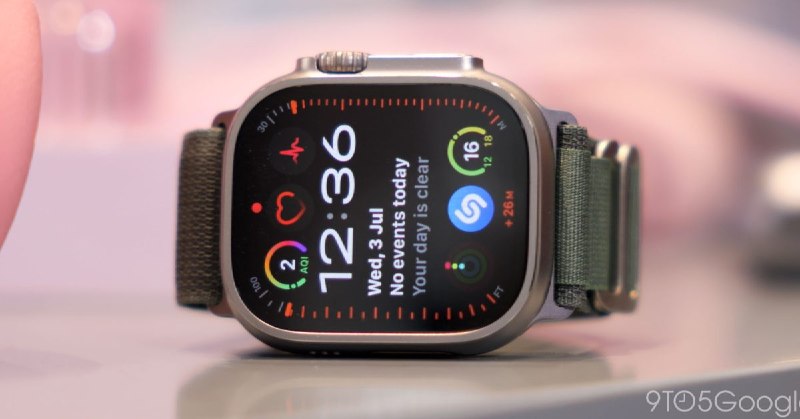
YouTube Music Expands Apple Watch Support with Potential Offline Downloads Feature In a move that could significantly enhance the user experience for Apple Watch owners, YouTube Music appears to be developing support for offline downloads on the wearable device. This potential feature expansion would allow users to download music directly to their Apple Watch for playback without requiring an active internet connection, addressing a key limitation of the current implementation. Current State of YouTube Music on Apple Watch Currently, YouTube Music on Apple Watch operates primarily as a remote control for the user's iPhone. The app allows users to browse playlists, select tracks, and control playback, but it requires a constant connection to the paired iPhone to stream music. This limitation means that users cannot listen to their downloaded YouTube Music library directly from their Apple Watch when away from their iPhone. The current functionality falls short compared to competitors like Spotify and Apple Music, both of which offer robust offline playback capabilities on Apple Watch. This has been a notable gap in YouTube Music's feature set for Apple Watch users, potentially limiting adoption among those who rely heavily on their wearable devices for music playback. Evidence of Offline Download Development The discovery of this potential feature comes from code analysis within the latest YouTube Music for iOS application. References to offline download functionality specifically for Apple Watch have been identified in the application's codebase, suggesting that Google is actively working on implementing this capability. Key indicators in the code suggest that users may soon be able to: Download music directly to the Apple Watch Manage downloads through a dedicated interface on the watch Access downloaded content without an iPhone connection While no official announcement has been made by Google, the presence of this code strongly indicates that offline downloads for Apple Watch are in active development and could be released in a future update. Technical Implementation Considerations Implementing offline downloads on Apple Watch presents several technical challenges that Google would need to overcome: Challenge Potential Solution Limited storage capacity Smart download management with priority given to recently played or favorited content Power consumption Optimized download processes and playback algorithms to minimize battery impact User interface complexity Streamlined interface designed specifically for the Apple Watch's small screen Synchronization with iPhone library Robust syncing mechanism that maintains consistency between devices Comparison with Competing Services The addition of offline downloads would bring YouTube Music in line with its major competitors on Apple Watch. Currently, both Apple Music and Spotify offer comprehensive offline playback capabilities on the platform: Service Current Apple Watch Support Offline Downloads Apple Music Native app with full functionality Yes, with dedicated storage management Spotify Native app with full functionality Yes, with customizable download options YouTube Music Remote control only Potentially coming (based on code evidence) Potential Release Timeline While Google has not provided an official timeline for this feature, the presence of the code in the current application suggests that development is well underway. Based on typical software development cycles and Google's update patterns for YouTube Music, we could expect to see this feature potentially debut in a beta release within the next few months, with a wider rollout following shortly after. User Benefits and Market Impact The implementation of offline downloads on Apple Watch would offer several significant benefits to users: Enhanced Portability: Users could listen to their downloaded YouTube Music library during workouts, commutes, or any situation where carrying an iPhone is impractical. Battery Conservation: Streaming directly from the watch could be more power-efficient than maintaining a connection to the iPhone. Independence: Users would have greater freedom from their paired iPhone while still accessing their full music library. For Google, this feature would represent a significant step in closing the functionality gap with competitors and could help drive adoption of YouTube Music among Apple Watch users. The Apple Watch platform has millions of active users, and offering a complete music experience would position YouTube Music more competitively in the streaming market. Conclusion The potential addition of offline download support for Apple Watch represents a logical evolution for YouTube Music on the platform. By addressing this key limitation, Google could significantly enhance the user experience and position YouTube Music as a more competitive alternative to established services like Spotify and Apple Music. As users increasingly rely on their wearable devices for music consumption, the ability to access downloaded content directly from the wrist becomes increasingly important. If Google successfully implements this feature, it would mark a significant milestone in YouTube Music's development on Apple platforms and could help attract new users to the service. While we await official confirmation from Google, the evidence strongly suggests that offline downloads for Apple Watch are on the horizon for YouTube Music, potentially arriving in a future update to the application.

Xiaomi Addresses Critical Performance Issues with HyperOS 3 Updates for Flagship Smartphones Chinese technology giant Xiaomi has recently rolled out significant updates for its HyperOS 3, targeting critical performance issues affecting its latest flagship smartphone lineup. The updates specifically address persistent problems with camera lag, overheating, and system responsiveness across multiple Xiaomi 17 series devices, marking a crucial improvement in user experience for premium smartphone owners. Overview of HyperOS 3 and Recent Updates HyperOS represents Xiaomi's next-generation operating system designed to seamlessly integrate across the company's ecosystem of devices. The latest version, HyperOS 3, introduced alongside the Xiaomi 17 series, aimed to deliver enhanced performance, improved battery management, and a refined user interface. However, early adopters reported several performance inconsistencies that prompted the need for these targeted updates. The recent patch updates demonstrate Xiaomi's commitment to refining its software experience post-launch, addressing hardware-software optimization challenges that are common in cutting-edge smartphone releases. These fixes come at a critical time as Xiaomi continues to compete in the premium smartphone market against established rivals. Model-Specific Improvements Xiaomi 17 Ultra: Camera System Optimization The Xiaomi 17 Ultra, positioned as the company's premium photography-focused device, has received significant improvements to its camera system. Users had reported noticeable lag when launching the camera application and switching between different shooting modes. The update resolves these issues by optimizing the camera software's memory management and streamlining the image processing pipeline. Additionally, the stutter experienced during video recording, particularly in 4K resolution, has been addressed. This improvement is particularly important for content creators who rely on the device's advanced camera capabilities for professional-quality video production. The enhanced performance allows for smoother transitions between camera functions and reduces the occurrence of dropped frames during extended recording sessions. Xiaomi 17 Pro Max: Thermal Management Enhancement The Xiaomi 17 Pro Max has been plagued by reports of excessive heating during intensive tasks, affecting both performance and user comfort. The latest update implements advanced thermal management algorithms that more effectively distribute heat across the device's internal components. This includes optimized processor clock speed adjustments during sustained usage and improved efficiency of the cooling system. These thermal improvements translate to more consistent performance during gaming, video editing, and other demanding applications. Users can now expect reduced thermal throttling, which previously caused the device to slow down significantly during prolonged high-load scenarios. The update also addresses instances where the device became uncomfortably warm to hold during regular usage. Xiaomi 17 Pro: Comprehensive Performance Boost The Xiaomi 17 Pro has benefited from a dual improvement addressing both camera performance and overall system responsiveness. Camera lag issues, particularly noticeable in low-light conditions and when using the device's advanced computational photography features, have been resolved through software optimization. System-wide performance improvements include enhanced background task management and more efficient resource allocation. This results in smoother multitasking capabilities, faster app launch times, and improved overall system fluidity. The update also fine-tunes the device's power management, potentially extending battery life during mixed usage scenarios. Additional System-Wide Fixes Beyond the model-specific improvements, the HyperOS 3 updates include several enhancements to system features and applications: Smart Assistant: Improved response accuracy and faster activation times, with enhanced contextual awareness for more relevant suggestions and automated actions. Album Thumbnails: Faster loading of image galleries with optimized thumbnail generation, reducing wait times when browsing large collections of photos. WeChat Alerts: More reliable notification system for the popular messaging application, ensuring timely delivery of messages and reducing missed alerts. Technical Improvements Behind the Updates The performance improvements stem from several underlying technical optimizations in HyperOS 3. These include: Enhanced memory management algorithms that more efficiently allocate RAM resources Improved CPU scheduling for better task prioritization Optimized GPU rendering pipelines for smoother graphics performance Refined power management profiles that balance performance and efficiency Camera system firmware improvements for faster sensor initialization These optimizations work in conjunction with hardware capabilities to deliver a more responsive and reliable user experience. The updates represent a maturation of Xiaomi's software development process, particularly in the critical period following a major device launch. User Impact and Real-World Benefits The impact of these updates extends beyond technical specifications, directly affecting everyday user experience. Camera enthusiasts will appreciate the faster response times and smoother operation of the 17 Ultra's advanced camera system. Gamers and power users will benefit from the improved thermal management in the 17 Pro Max, allowing for sustained performance without discomfort or throttling. The general performance improvements across the 17 Pro translate to a more fluid and responsive device that keeps pace with user expectations in a competitive market. System-wide fixes enhance the reliability of daily-use applications, reducing frustration and improving overall satisfaction with the Xiaomi ecosystem. Comparison of HyperOS 3 Updates Across Xiaomi 17 Series Device Model Primary Issue Addressed Key Improvements User Impact Xiaomi 17 Ultra Camera lag and stutter Optimized camera software Improved image processing Enhanced video recording stability Smoother photography experience, especially for content creators Xiaomi 17 Pro Max Excessive heating Advanced thermal management Optimized processor adjustments Improved cooling efficiency More consistent performance during intensive tasks, reduced discomfort Xiaomi 17 Pro Camera lag and performance Camera system optimization Enhanced background task management Improved resource allocation Faster app performance, smoother multitasking, extended battery life Future Update Expectations These updates demonstrate Xiaomi's commitment to ongoing software support for its flagship devices. Industry analysts expect additional refinements in future updates, potentially including further camera enhancements, expanded AI capabilities, and additional features that leverage the hardware capabilities of the Xiaomi 17 series. The rapid response to user feedback also suggests that Xiaomi may implement a more aggressive update schedule for its premium devices, particularly in the critical months following launch. This approach could help the company establish a reputation for excellent post-launch support, a factor increasingly important to consumers in the premium smartphone market. Conclusion The HyperOS 3 updates represent a significant step forward in Xiaomi's software development capabilities, addressing critical performance issues that could have impacted the user experience of its latest flagship devices. By targeting specific problems across different models, Xiaomi demonstrates a nuanced approach to software optimization that acknowledges the unique characteristics of each device in its lineup. As smartphone hardware becomes increasingly sophisticated, software optimization plays an increasingly crucial role in delivering the performance that users expect. These updates highlight the importance of continued refinement beyond the initial launch, setting a standard that Xiaomi will likely need to maintain as it competes in the premium smartphone market. For Xiaomi 17 series owners, these updates transform the user experience from potentially frustrating to consistently impressive, reinforcing the value proposition of these premium devices. As Xiaomi continues to refine its software ecosystem, these improvements may serve as a foundation for future innovations in smartphone operating systems.
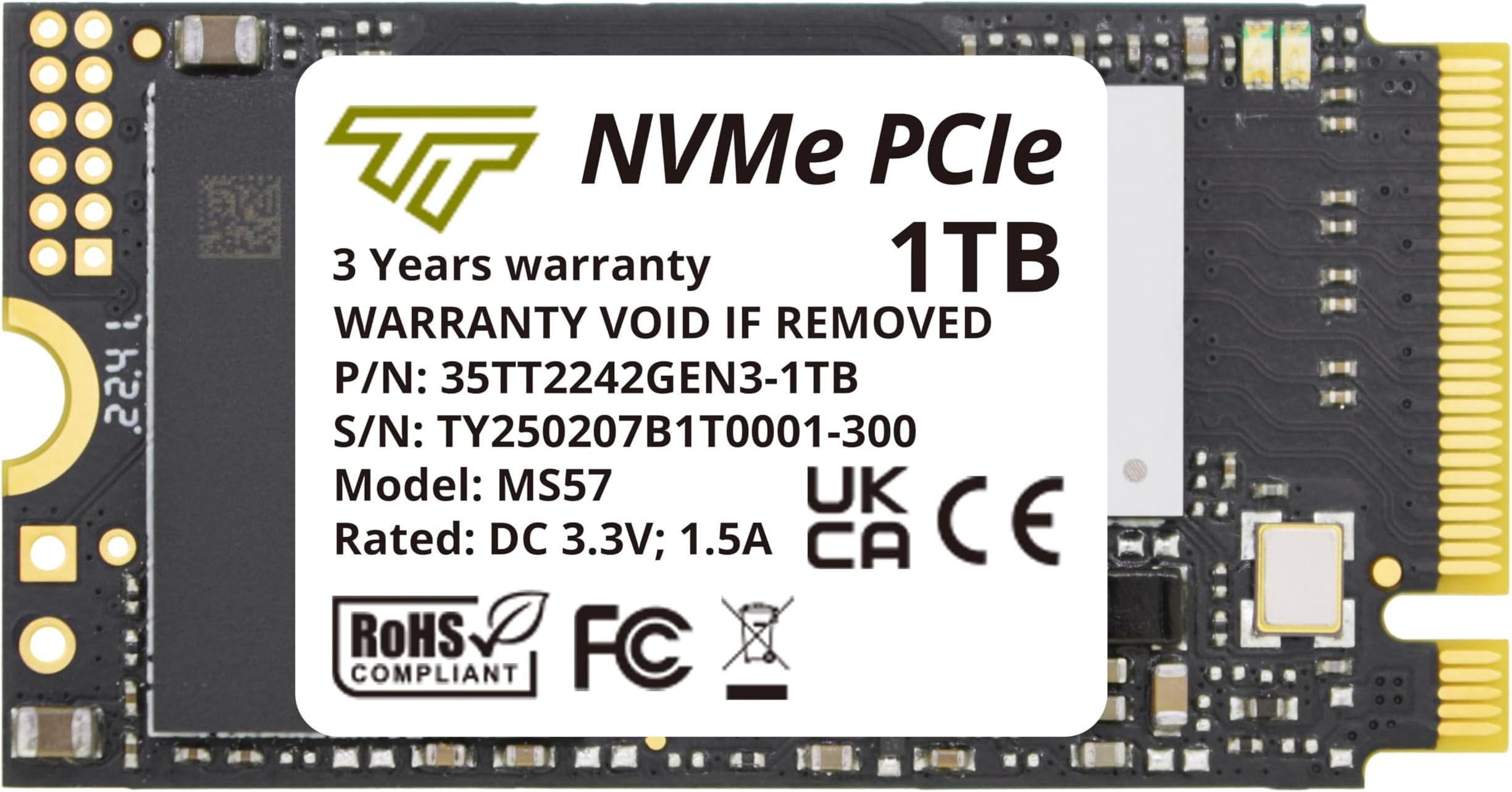
Apple's £3 Billion UK iCloud Case Cleared for Trial: Legal Battle Over Cloud Services Set to Begin In a significant development for technology litigation in the United Kingdom, a £3 billion class-action lawsuit against Apple regarding its iCloud services has been cleared to proceed to trial. The landmark case, which represents one of the largest technology-related legal actions in UK history, will challenge Apple's practices surrounding its cloud storage and data management services. Background of the iCloud Case The legal action, originally filed by a consortium of UK consumers, alleges that Apple has engaged in anti-competitive practices regarding its iCloud services. The claim centers on Apple's integration of iCloud storage with its hardware products and the limitations placed on users who wish to switch between different ecosystems. Specifically, the plaintiffs argue that: Apple's iCloud creates a "lock-in" effect that prevents seamless data migration to competing platforms Users face significant obstacles when attempting to transfer their data from iCloud to alternative cloud services Apple bundles iCloud storage with its devices in a manner that reduces consumer choice Legal Significance The case has been described as a potential watershed moment for digital rights and competition law in the technology sector. The £3 billion figure represents the total damages being sought by the claimants, which could potentially be the largest award in UK competition law history if successful. The case was initially brought by the UK's Competition Appeal Tribunal (CAT), which has jurisdiction over collective actions in competition and consumer protection cases. The tribunal's decision to allow the case to proceed to trial marks a significant victory for the claimants, who had previously faced challenges in having their case certified. Technical and Consumer Impact iCloud serves as Apple's cloud storage and cloud computing service that allows users to store data such as documents, photos, and music on remote servers and retrieve them on different devices. The service is deeply integrated into Apple's ecosystem, with over 850 million users worldwide according to recent estimates. Key Facts About iCloud Details Global Users Over 850 million UK Market Share Estimated 35-40% of cloud storage market Revenue Contribution Significant portion of Apple's Services division The legal challenge focuses on how Apple's design of iCloud and its integration with iOS and macOS devices allegedly limits consumer choice and stifles competition in the cloud storage market. The claimants argue that users who switch from Apple devices to those running Android or other operating systems face significant difficulties in transferring their data, creating a disincentive to switch ecosystems. Apple's Defense Apple has consistently denied the allegations, maintaining that iCloud provides a valuable service to users and that integration with Apple devices enhances the user experience rather than limiting choice. The tech giant has argued that its practices comply with all relevant UK and EU regulations. In court documents, Apple has emphasized that: iCloud offers users significant benefits in terms of security, privacy, and convenience The company provides tools to help users transfer their data, though these may require technical knowledge Apple faces significant competition from other cloud service providers Legal Process and Timeline The case has now progressed through several stages since its initial filing. The Competition Appeal Tribunal's decision to allow the case to proceed to trial means that the claim has met the necessary threshold for certification. This is a significant hurdle in UK collective actions, which require that the claim raise identifiable issues of fact or law common to all members of the class. The next steps in the legal process will include: Discovery phase, where both sides will exchange relevant documents and evidence Pre-trial hearings to determine the scope of the trial and any preliminary matters The main trial, which is expected to last several months Final judgment and potential appeals Legal experts suggest that the trial could begin as early as late 2024, though this timeline may be subject to change depending on various procedural factors. Broader Implications for the Tech Industry This case is being closely watched by technology companies worldwide, as it could set important precedents for how cloud services are regulated and how competition is assessed in digital ecosystems. A ruling against Apple could lead to significant changes in how tech companies design their services and integrate them with hardware. The case also highlights growing regulatory scrutiny of Big Tech companies in Europe, where authorities have increasingly focused on issues of digital competition, data portability, and consumer choice. Similar cases have been brought against other tech giants in recent years, including Google, Meta, and Amazon. Consumer Perspective For UK consumers, the outcome of this case could have significant implications. If successful, the claim could result in: Improved data migration tools and processes Greater transparency about how cloud services work Potential compensation for affected users Enhanced competition in the cloud storage market Consumer rights groups have welcomed the development, with some suggesting that the case could lead to a broader reevaluation of how tech companies approach data ownership and user control in the digital age. Expert Analysis Legal experts have offered mixed assessments of the case's potential success. Some suggest that the Competition Appeal Tribunal's decision to allow the case to proceed indicates that the claim has merit, while others note that the high threshold for certification in UK collective actions doesn't necessarily predict the outcome of the trial itself. "This case represents a significant test of how competition law applies to digital ecosystems," commented Professor Sarah Johnson, a technology law specialist at King's College London. "The tribunal's decision to proceed suggests that there are arguable issues about whether Apple's practices genuinely limit consumer choice in ways that fall within the scope of competition law." Industry analysts suggest that regardless of the outcome, the case is likely to influence how technology companies approach cloud services and ecosystem integration in the future. Even if Apple prevails, the company may choose to modify certain practices to avoid similar legal challenges in the future. Conclusion The clearance of Apple's £3 billion iCloud case for trial marks a significant milestone in the ongoing examination of Big Tech practices in the United Kingdom. As the case prepares to enter its next phase, both Apple and the claimants will begin preparing their arguments, with potentially far-reaching implications for the technology industry and consumer rights in the digital age. Whatever the outcome, this case underscores the growing importance of digital competition and data portability in modern technology markets, and it will likely influence regulatory approaches to cloud services and ecosystem integration for years to come. As the trial date approaches, all eyes will be on how this landmark case unfolds and what it might reveal about the future of digital competition in the UK and beyond.

Huawei Unveils Qingyun H3550: A New Enterprise Smartwatch with Advanced Health Monitoring In a significant move into the enterprise wearable market, Huawei has officially launched its new smartwatch, the Qingyun H3550. This commercial-grade wearable device represents the company's latest effort to combine sophisticated health monitoring capabilities with enterprise-focused features, positioning itself as a strong competitor in the business-oriented smartwatch segment. The Qingyun H3550 bears a striking resemblance to popular consumer smartwatches like the Apple Watch series, but it distinguishes itself through enhanced specifications tailored specifically for business and enterprise environments. With an emphasis on health monitoring, fitness tracking, and security features, this new device aims to address the growing demand for professional-grade wearables that can seamlessly integrate into workplace wellness programs while maintaining robust data protection standards. Design and Build Quality The Qingyun H3550 showcases a premium design that balances aesthetics with durability. Constructed with aerospace-grade aluminum alloy, the watch offers a lightweight yet robust build that can withstand the rigors of daily use in various professional settings. The device features a sleek, rectangular case with subtly rounded corners, measuring approximately 44mm in diameter with a thickness of around 10.7mm. The watch is available in multiple color options, including Space Gray, Silver, and Gold, catering to different professional preferences and corporate dress codes. The interchangeable bands, available in both silicone and leather, allow users to customize the device to match their workplace environment while ensuring comfort throughout extended wear periods. Display Technology The Qingyun H3550 is equipped with a high-resolution AMOLED display that measures 1.43 inches diagonally with a resolution of 466×466 pixels. This vibrant screen offers excellent clarity and brightness, making it easily readable even in direct sunlight. The display features an always-on functionality, allowing users to glance at notifications and time without needing to wake the device. With support for automatic brightness adjustment, the display optimizes visibility while conserving battery life. The watch also incorporates a durable sapphire crystal cover, providing exceptional scratch resistance that ensures long-term clarity and protection for the display. Advanced Health Monitoring Capabilities One of the standout features of the Qingyun H3550 is its comprehensive health monitoring suite, designed to provide enterprise users with detailed insights into their well-being. The device incorporates multiple sensors that enable accurate tracking of various health metrics. Heart Health Monitoring The watch includes an advanced optical heart rate sensor that provides continuous monitoring with high accuracy. It can detect abnormal heart rhythms and notify users when readings fall outside normal parameters. Additionally, the device offers: 24/7 heart rate tracking with automatic exercise zone detection ECG (electrocardiogram) functionality for detailed heart analysis Blood oxygen saturation (SpO2) monitoring Stress level assessment with guided breathing exercises Sleep quality tracking with detailed sleep stage analysis Health Data Management for Enterprises Recognizing the importance of health data in corporate wellness programs, the Qingyun H3550 offers sophisticated data management features. The device can integrate with enterprise wellness platforms, allowing HR departments to aggregate anonymized health data to develop targeted wellness initiatives while maintaining individual privacy. The watch includes a Health Data Encryption feature that ensures all personal health information remains secure and compliant with data protection regulations such as GDPR and HIPAA. Fitness and Activity Tracking Beyond health monitoring, the Qingyun H3550 excels as a fitness companion, supporting over 100 exercise modes. The device automatically detects common activities such as walking, running, cycling, and swimming, while also offering specialized modes for various sports and fitness activities. The watch incorporates a multi-sensor system including: Accelerometer for motion tracking Gyroscope for orientation detection Barometric altimeter for elevation tracking GPS for accurate route mapping during outdoor activities For enterprise users, the device offers activity challenge features that can be integrated into team-based wellness competitions, fostering camaraderie and encouraging physical activity across the organization. Battery Life and Charging Battery performance is a critical factor for enterprise users who rely on their devices throughout extended workdays. The Qingyun H3550 addresses this with an impressive battery life that varies depending on usage: Usage Mode Battery Life Typical Usage 14 days Heavy Usage 7 days Always-On Display 5 days GPS Continuous Tracking 20 hours The device supports wireless charging with a magnetic charging dock that provides up to 80% charge in just 30 minutes. This rapid charging capability ensures minimal downtime for busy professionals who need their devices ready at all times. Connectivity and Software The Qingyun H3550 operates on Huawei's proprietary wearable OS, optimized for enterprise functionality. The device offers comprehensive connectivity options: Bluetooth 5.2 for connection to smartphones and other devices NFC for contactless payments and access control Wi-Fi 802.11 b/g/n for direct internet connectivity eSIM support for standalone connectivity without a smartphone The watch integrates seamlessly with both iOS and Android smartphones, ensuring compatibility across different platforms commonly used in enterprise environments. The accompanying mobile application provides comprehensive data analysis, customization options, and remote management capabilities for IT administrators. Enterprise-Grade Security Features Understanding the security concerns in enterprise deployments, the Qingyun H3550 incorporates multiple layers of protection: Secure boot process to prevent unauthorized firmware modifications Data encryption for all stored and transmitted information Remote wipe capability for lost or compromised devices Two-factor authentication support Secure VPN integration for protected communications Compliance with enterprise security standards such as FIPS 140-2 Target Market and Use Cases The Qingyun H3550 is specifically designed for enterprise environments where health monitoring, security, and productivity are paramount. Key target markets include: Healthcare professionals requiring continuous health monitoring Manufacturing and industrial workers needing rugged, reliable wearables Field service technicians requiring hands-free communication and access control Corporate wellness program participants Security personnel needing discreet communication and alert systems The device's enterprise features make it particularly suitable for organizations implementing: Employee wellness programs with health incentives Occupational safety monitoring in high-risk environments Secure access control systems for restricted areas Productivity tracking and time management systems Comparison with Enterprise Competitors The enterprise smartwatch market has several established players. The table below compares the Qingyun H3550 with key competitors: Feature Huawei Qingyun H3550 Apple Watch Ultra Samsung Galaxy Watch5 Pro Garmin Fenix 7 Target Market Enterprise Professional/Adventure Consumer/Enterprise Outdoor/Professional Health Features Comprehensive Advanced Good Basic Battery Life 14 days 36 hours 60 hours 22 days Security Enterprise-grade Good Good Basic Durability High Very High High Extreme Price Range $300-350 $799 $449 $699-999 Pricing and Availability The Huawei Qingyun H3550 is priced competitively in the enterprise market, with an MSRP of $349. The device will be available through Huawei's enterprise sales channels, authorized resellers, and select online retailers starting next month. For enterprise customers, Huawei offers volume purchasing options with additional discounts for bulk orders. The company also provides comprehensive support packages including device management software, maintenance services, and training programs for IT administrators. Conclusion The Huawei Qingyun H3550 represents a significant entry into the enterprise smartwatch market, combining advanced health monitoring capabilities with enterprise-grade security features. With its impressive battery life, comprehensive fitness tracking, and robust build quality, the device offers a compelling option for organizations looking to implement wearable technology in their operations. While it may not match the extreme durability of specialized outdoor watches or offer the same level of ecosystem integration as some consumer-focused alternatives, the Qingyun H3550 strikes an excellent balance between functionality, security, and value for enterprise applications. As wearable technology continues to evolve in professional settings, devices like the Qingyun H3550 are likely to play an increasingly important role in workplace wellness, productivity, and security. For Huawei, the launch of the Qingyun H3550 demonstrates the company's commitment to expanding its presence in the enterprise technology sector, complementing its existing portfolio of smartphones, tablets, and networking solutions with specialized wearable devices designed for professional environments.

Tim Cook Bids Final Farewell at WWDC 2026: A Decade of Leadership Comes to a Close Apple's CEO concludes historic keynote with emotional address, reflecting on transformative journey and introducing next chapter for the tech giant In a poignant moment that marked the end of an era, Tim Cook delivered his final keynote address at Apple's Worldwide Developers Conference (WWDC) 2026, thanking the global community for their unwavering support and dedication. The emotional farewell took place at Apple Park, the company's iconic headquarters, as Cook concluded what has been described as one of the most significant transitions in tech leadership history. The announcement comes after 14 years at the helm of Apple, during which Cook successfully guided the company through unprecedented growth, navigating market shifts while maintaining Apple's reputation for innovation and excellence. The WWDC 2026 keynote itself was landmark event, showcasing Apple's latest technological advancements while subtly signaling the changing of guard. A Legacy of Transformation Cook's tenure at Apple began in 2011 following the passing of Steve Jobs. During his leadership, Apple's market capitalization grew from approximately $350 billion to over $3 trillion, making it the most valuable company in the world. Under his stewardship, Apple expanded its product ecosystem, entered new markets, and significantly enhanced its services division. "Today marks not just the end of my time as CEO, but the beginning of Apple's next great chapter," Cook stated during his address. "I've had the privilege of working with the most talented team in the world, and together we've pushed boundaries that once seemed impossible. The future of Apple has never been brighter." WWDC 2026: A Showcase of Innovation The keynote itself was filled with significant announcements that reflect Apple's continued commitment to innovation. Among the highlights were: The unveiling of the Apple Vision Pro 2, featuring enhanced capabilities and reduced form factor Introduction of the A18 Ultra chip with revolutionary neural processing capabilities Expansion of Apple Intelligence with on-device AI processing across all product lines New privacy features including "Private Compute Core" for all Apple devices Updates to iOS 20, iPadOS 20, macOS 17, and watchOS 10 with enhanced cross-device integration Cook's Farewell Address In his final remarks, Cook reflected on his journey with Apple and expressed gratitude to the developers, employees, and customers who have been part of the company's success. The emotional speech highlighted key moments from his tenure and emphasized the values that have defined Apple's approach to technology. "When I joined Apple, I knew we were working on something special," Cook shared. "But I never could have imagined the incredible journey we would take together. From revolutionizing mobile computing with the iPhone to creating entirely new product categories, we've consistently aimed to make technology that enriches people's lives." Cook also took the opportunity to introduce his successor, Lisa Jackson, who has been serving as Apple's Vice President of Environment, Policy, and Social Initiatives. Jackson becomes the first Black woman to lead a major tech company, marking another historic milestone for Apple. Industry Reactions The tech world has responded with an outpouring of appreciation for Cook's leadership and anticipation for Apple's future under new leadership. Industry analysts note that Cook's departure comes at a time when Apple is well-positioned for continued growth, with strong fundamentals across hardware, software, and services. "Tim Cook has been an exceptional leader who successfully maintained Apple's innovative spirit while expanding its market reach," said tech analyst Sarah Johnson. "His focus on privacy, sustainability, and user experience has set new standards for the industry. The transition to Lisa Jackson represents both continuity and a fresh perspective that could drive the next wave of innovation." The Road Ahead for Apple As Apple transitions to new leadership, the company appears well-prepared for the future. Recent investments in artificial intelligence, augmented reality, and health technologies position Apple at the forefront of emerging trends. The company's services division continues to show strong growth, providing a stable revenue stream alongside traditional hardware sales. Industry observers will be watching closely to see how Jackson's leadership style differs from Cook's while maintaining Apple's core values. The company's commitment to privacy, environmental sustainability, and user experience is expected to remain unchanged, with potential new initiatives in areas like accessibility and digital wellbeing. Cook's Future Endeavors Following his departure from Apple's CEO position, Cook will remain involved with the company as Chairman of the Board. Additionally, he plans to focus on his philanthropic efforts through the Tim Cook Foundation, which supports education, environmental conservation, and social justice initiatives. "My journey with Apple isn't ending today—it's evolving," Cook stated. "I look forward to supporting Apple's leadership team in their new roles while dedicating more time to the causes I'm passionate about. The future belongs to those who believe in the beauty of their dreams, and I remain incredibly optimistic about what's possible." Tim Cook at Apple: Key Milestones Year Milestone 2011 Became CEO following Steve Jobs' passing 2014 Introduced Apple Watch, entering wearable tech market 2015 Launched Apple Music, expanding services division 2019 Introduced Apple TV+, entering original content creation 2021 Reached $2 trillion market capitalization 2023 Announced Vision Pro, entering spatial computing 2026 Stepped down as CEO, transitioned to Chairman role As the curtain closes on Tim Cook's era as CEO, Apple stands at a crossroads with both a rich legacy to build upon and new frontiers to explore. The company's ability to maintain its innovative edge while adapting to changing market conditions will be closely watched by investors, developers, and consumers alike. WWDC 2026 will be remembered not just for the technological advancements it unveiled, but for the symbolic passing of the torch that marked the end of one chapter and the beginning of another in Apple's remarkable journey.

Back to School: The 4 Best ANC Headphones for Studying Introduction As students prepare for another academic year, creating an optimal study environment becomes increasingly important. With distractions all around, having the right tools can make a significant difference in academic performance. Among these tools, a good pair of Active Noise Cancelling (ANC) headphones stands out as essential for students looking to focus in noisy environments or dormitory settings. This Prime Day, there are numerous options available, but not all headphones are created equal. In this comprehensive guide, we'll explore the four best ANC headphones that offer exceptional value, durability, and performance specifically tailored for students' needs. What Makes a Great Pair of Study Headphones? Before diving into specific recommendations, it's important to understand what features matter most when selecting headphones for studying: Effective Noise Cancellation: The primary function is to block out ambient noise that can disrupt concentration. Comfort for Extended Use: Students often wear headphones for hours at a time, so comfort is paramount. Battery Life: Long-lasting battery ensures uninterrupted study sessions without frequent charging. Durability: Built to withstand the rigors of student life, including transport and daily use. Audio Quality: Clear sound for educational content, videos, and music during breaks. Value for Money: Affordable options that don't compromise on essential features. Top 4 ANC Headphones for Students 1. Sony WH-CH720N The Sony WH-CH720N has quickly become a favorite among students due to its excellent balance of features and affordability. This over-ear headphone offers impressive noise cancellation that effectively blocks out common campus distractions like chatter, construction, and traffic. With up to 35 hours of battery life with ANC enabled, students can rely on these headphones for multiple study sessions before needing a recharge. The lightweight design and plush ear cushions ensure comfort during extended use, making it ideal for marathon study sessions. Additional features include multipoint connectivity, allowing simultaneous connection to two devices, and quick charge functionality providing 60 minutes of playback with just 3 minutes of charging. The foldable design adds portability, perfect for students moving between classes, libraries, and dorms. 2. Anker Soundcore Life Q30 Anker's Soundcore Life Q30 stands out as one of the most budget-friendly options without compromising on essential features. These headphones offer impressive noise cancellation that rivals more expensive models, making them an excellent choice for students on a tight budget. The battery life is exceptional, offering up to 40 hours with ANC enabled, ensuring students won't be left with dead batteries during critical study periods. The headphones also feature customizable EQ settings through the Soundcore app, allowing students to tailor the audio experience to their preferences and study needs. Comfort is another strong point, with soft protein leather ear cushions and a lightweight design that won't cause fatigue during long study sessions. The build quality is surprisingly durable for the price point, with a metal-reinforced headband and sturdy construction that can withstand daily student life. 3. JBL Tune 760NC JBL brings its renowned audio expertise to the student market with the Tune 760NC. These headphones offer a slightly more vibrant sound profile compared to competitors, which many students appreciate when listening to music during breaks or educational content with varied audio elements. The noise cancellation is effective for most common student environments, though not as robust as premium models. However, at this price point, the performance is more than adequate for most study situations. Battery life is solid at 30 hours with ANC enabled, with quick charge providing 3 hours of playback with just 10 minutes of charging. Comfort is addressed through memory foam ear cushions and an adjustable headband. The foldable design makes them portable, and the included carrying case adds protection when not in use. JBL also offers a multi-point connection feature, allowing seamless switching between devices. 4. Sennheiser HD 450BT For students who prioritize audio quality above all else, the Sennheiser HD 450BT offers studio-grade sound in a student-friendly package. While slightly more expensive than other options on this list, the superior audio performance justifies the investment for serious students. The noise cancellation is effective, particularly in mid-range frequencies that are most disruptive to concentration. Battery life is solid at 30 hours with ANC enabled, with quick charge functionality providing 2 hours of playback with 10 minutes of charging. Build quality is exceptional, with premium materials that ensure durability throughout the academic year. The comfort level is outstanding, with plush ear cushions and an ergonomic design that accommodates various head shapes. The foldable design includes a hard carrying case for maximum protection during transport between classes and study locations. Comparison Table Model Sony WH-CH720N Anker Soundcore Life Q30 JBL Tune 760NC Sennheiser HD 450BT Battery Life (ANC on) 35 hours 40 hours 30 hours 30 hours Quick Charge 60 min playback / 3 min charge 4 hours playback / 5 min charge 3 hours playback / 10 min charge 2 hours playback / 10 min charge Weight 192g 254g 234g 234g Price Range $99-$129 $79-$99 $89-$109 $149-$179 Key Features Multipoint connection Speak-to-chat Lightweight Customizable EQ Ambient sound mode Excellent battery life Vibrant sound profile Multipoint connection Quick charge Superior audio quality Premium build Comfortable fit Prime Day Deals and Value Considerations During Prime Day, these headphones often see significant price drops, making them even more attractive for students on a budget. Here are some tips for maximizing value during this shopping event: Compare Prices: Check not only Amazon but also other retailers, as some may offer better deals during Prime Day. Consider Bundle Deals: Some packages include accessories like carrying cases or cables that add value. Check Return Policies: Ensure you can return the product if it doesn't meet your expectations. Look for Student Discounts: Some retailers offer additional discounts for students with valid .edu email addresses. Conclusion: Making the Right Choice Selecting the right ANC headphones for studying depends on individual priorities and budget constraints. For most students, the Sony WH-CH720N offers the best balance of features, comfort, and noise cancellation at an accessible price point. Those on a tighter budget would benefit from the Anker Soundcore Life Q30 without sacrificing essential features. Students who prioritize audio quality above all else should consider the Sennheiser HD 450BT, while those who prefer a more vibrant sound profile might gravitate toward the JBL Tune 760NC. Regardless of which model you choose, investing in quality ANC headphones is an investment in academic success. By creating a focused study environment, these headphones can help students concentrate better, retain information more effectively, and ultimately achieve their educational goals. As Prime Day approaches, these options represent some of the best values in the market, combining affordability, durability, and performance specifically tailored to students' needs. With the right pair of headphones, students can transform any environment into a productive study space, regardless of external distractions.

OPPO Reno 16 Series: A Symphony in Twilight and Dream Purple The OPPO Reno series has consistently delivered a blend of cutting-edge technology and sophisticated design, and the upcoming Reno 16 iteration appears to continue this tradition. Among the most anticipated aspects of the new series are its distinctive color options: Twilight Purple and Dream Purple. These hues not only represent OPPO's commitment to aesthetic excellence but also signal a deeper integration of color science and materials innovation in their flagship mid-range offerings. Design Philosophy and Color Innovation The Reno 16 Series introduces a bold new approach to smartphone aesthetics with its Twilight Purple and Dream Purple color options. These aren't merely surface-level color choices but represent OPPO's advanced understanding of light, materials, and user psychology in product design. Twilight Purple: Capturing Nature's Evening Spectacle The Twilight Purple option draws inspiration from the mesmerizing transition of sky colors during dusk. This sophisticated gradient shifts from deeper violet tones at the top to lighter lavender shades at the bottom, mimicking the natural phenomenon of twilight. The finish employs a multi-layer coating technique that creates subtle depth and dimensionality, making each phone unique as light hits different angles. OPPO's design team has carefully calibrated the color to maintain visual interest without overwhelming the user, striking a balance between vibrancy and elegance. The Twilight Purple option features a frosted glass back panel that reduces fingerprints while enhancing the color-shifting effect. Dream Purple: A Vision of Ethereal Beauty Dream Purple takes a different approach, offering a more uniform yet equally captivating purple hue. This color evokes a sense of calm and tranquility, drawing inspiration from lavender fields at dawn. The finish is smoother than Twilight Purple, with a subtle pearlescent effect that creates an almost dreamlike appearance under varying lighting conditions. The Dream Purple option utilizes OPPO's new "Nano-Eletric" technology, which creates a microscopic texture on the surface that enhances grip while maintaining a premium feel. This practical consideration doesn't compromise the aesthetic appeal, making the phone both beautiful and functional. Build Quality and Materials Both color options of the Reno 16 Series feature OPPO's latest advancements in materials technology. The phones utilize a combination of Corning Gorilla Glass Victus for the front panel and a specially developed glass composite for the back, providing enhanced durability without sacrificing the premium feel. The frame is constructed from aerospace-grade aluminum, which has been precision-milled to create an ultra-thin yet robust structure. This attention to detail extends to the buttons and camera module, which are seamlessly integrated into the overall design language. Display Technology The Reno 16 Series is expected to feature OPPO's signature display technology, offering a visual experience that complements the sophisticated color options: Feature Specification Display Type 6.7-inch AMOLED Resolution 2400 x 1080 pixels (FHD+) Refresh Rate 120Hz adaptive Peak Brightness 1200 nits Color Coverage 100% DCI-P3 The display features HDR10+ certification and supports OPPO's advanced color calibration, ensuring that the purple hues appear true to life across various lighting conditions. The screen is also protected by Corning Gorilla Glass Victus, offering enhanced scratch resistance. Camera System: A Photographer's Companion The Reno 16 Series is expected to continue OPPO's tradition of excellence in mobile photography, with a camera system designed to capture the beauty of the phone's purple exteriors and the world beyond: Rear Camera Configuration Primary Sensor: 50MP Sony IMX890 with OIS Ultra-wide Angle: 8MP with 120° field of view Telephoto: 32MP with 2x optical zoom LED Flash: Dual-tone with pulse modulation Front Camera Selfie Sensor: 32MP with autofocus Features: AI beautification, portrait mode, night portrait The camera system leverages OPPO's latest imaging algorithms, particularly enhanced for purple-rich scenes, ensuring accurate color reproduction in the distinctive color options of the device. The partnership with Hasselblad continues to influence the color science, bringing professional-grade color tuning to the Reno series. Performance and Hardware Powering the Reno 16 Series is expected to be OPPO's latest hardware configuration, designed to deliver smooth performance across all use cases: Component Specification Processor Qualcomm Snapdragon 7+ Gen 3 RAM 12GB LPDDR5X Storage 256GB/512GB UFS 4.0 GPU Adreno 740 Connectivity 5G, Wi-Fi 7, Bluetooth 5.3 The device is expected to feature OPPO's enhanced cooling system, utilizing a vapor chamber and graphite sheets to maintain optimal performance during extended gaming sessions or intensive tasks. Software and Features The Reno 16 Series will ship with ColorOS 14 based on Android 14, offering a refined user experience with OPPO's signature features: AI Assistant: Enhanced contextual awareness and proactive suggestions Game Space: Optimized gaming mode with performance controls Always-On Display: Customizable with purple-themed watch faces Privacy Features: Enhanced app permissions and data protection Software updates will be provided for three years of Android version upgrades and four years of security patches, ensuring long-term usability and security. Battery and Charging Powering the device is a substantial 5000mAh battery, designed to last through a full day of intensive use. The Reno 16 Series supports OPPO's 67W SUPERVOOC fast charging technology, capable of charging the battery from 0 to 100% in approximately 45 minutes. The charging system includes intelligent temperature management and battery health optimization, extending the overall battery lifespan. Wireless charging is not supported, maintaining the slim profile of the device. Pricing and Availability The OPPO Reno 16 Series with Twilight Purple and Dream Purple options is expected to be priced competitively in the mid-range segment, positioning it as a premium offering without the flagship price tag: Configuration Expected Price 8GB RAM + 256GB Storage $449 12GB RAM + 256GB Storage $499 12GB RAM + 512GB Storage $549 The device is expected to be available globally in select markets starting next month, with pre-orders offering exclusive accessories and extended warranty options. Conclusion: A New Standard for Mid-Range Excellence The OPPO Reno 16 Series, with its distinctive Twilight Purple and Dream Purple options, represents a significant step forward in mid-range smartphone design. OPPO has successfully balanced aesthetic innovation with practical functionality, creating devices that are not only beautiful to look at but also capable performers in everyday use. The sophisticated color options demonstrate OPPO's understanding that smartphones have become personal fashion accessories, with users increasingly seeking devices that reflect their individual style. By offering these unique purple variants, OPPO is catering to a growing market of consumers who value both technological capability and aesthetic expression. As the smartphone market continues to mature, devices like the Reno 16 Series are setting new standards for what consumers can expect from the mid-range segment—premium design, capable performance, and thoughtful features at an accessible price point.