 TechOffice
Google's $75M Investment in A24 Sparks AI Controversy in Film Industry The recent announcement of Google's substantial $75 million investment in acclaimed independent film studio A24 has sent shockwaves through the entertainment industry, particularly among film purists who are expressing growing concerns about the increasing role of artificial intelligence in creative processes. This partnership, which focuses on integrating AI tools into filmmaking, has ignited a fierce debate about the future of cinema, artistic integrity, and the potential displacement of human creativity. The A24-Google Partnership: Details and Intentions A24, the independent film studio behind critically acclaimed productions such as "Everything Everywhere All at Once," "Moonlight," and "Lady Bird," has entered into a strategic partnership with Google to develop and implement AI technologies in their filmmaking process. The $75 million investment represents one of the largest tech-film collaborations to date, signaling a significant shift toward AI integration in the traditionally human-centric world of cinema. According to industry insiders, the partnership aims to leverage Google's AI expertise to streamline production workflows, enhance visual effects, and potentially revolutionize script development and post-production processes. The studio has emphasized that these tools are intended to augment human creativity rather than replace it, though this assurance has done little to quell the concerns of many in the film community. A24's Position in the Film Landscape Founded in 2012 by David Fenkel, John Hodges, and Daniel Katz, A24 has established itself as a powerhouse in independent cinema, known for its bold, innovative, and often unconventional film selections. The studio has cultivated a reputation for championing auteur-driven projects and has become a cultural tastemaker, with many of its films achieving both critical acclaim and commercial success. A24's business model focuses on acquiring and distributing independent films that major studios might overlook, giving voice to diverse storytellers and unique perspectives. This positioning has made A24 particularly valuable to emerging filmmakers and has contributed to the studio's cult-like following among cinema enthusiasts. A24's Notable Recent Films Film Title Notable Achievement Everything Everywhere All at Once Won 7 Academy Awards including Best Picture The Whale Brendan Fraser's career-reviving performance Uncut Gems Cult classic with Adam Sandler's acclaimed performance Minari Academy Award nomination for Best Picture Midsommar Horror genre redefining psychological thriller The AI Integration: What It Means for Filmmaking The Google-A24 partnership will reportedly focus on several key areas where AI can be applied to the filmmaking process: Script Analysis: AI tools that can analyze script structure, character development, and market potential Pre-production: AI-assisted location scouting, casting suggestions, and scheduling optimization Visual Effects: Enhanced CGI generation and post-production enhancements Marketing: AI-driven audience targeting and personalized promotional strategies Content Creation: Experimental use of AI for generating certain creative elements Google representatives have highlighted their commitment to "democratizing access to cutting-edge technology" while ensuring that these tools "complement rather than replace the human artistic vision that defines A24's unique approach to cinema." The Backlash: Why Film Enthusiasts Are Furious The announcement has been met with significant backlash from filmmakers, critics, and cinephiles who fear that AI integration threatens the very essence of what makes cinema a human art form. The criticism has been particularly vocal on social media platforms, with hashtags like #NoAIinCinema and #ProtectHumanCreativity trending in the entertainment community. "Filmmaking is fundamentally human," acclaimed director Ava DuVernay tweeted in response to the news. "It's about lived experience, emotion, and perspective that machines can never truly replicate. This feels like a dangerous step toward homogenizing art." The concerns center on several key issues: Creative Authenticity: Fear that AI-generated elements will lack the emotional depth and authenticity of human-created content Job Displacement: Concerns about AI replacing crew members in various departments from animation to editing Algorithmic Influence: Worry that data-driven decision-making will overshadow artistic vision Originality Concerns: Fear that AI-generated content will lead to derivative, formulaic films Ethical Questions: Debates about authorship, copyright, and the moral implications of AI in creative fields The Industry Divided on AI Adoption The film industry remains deeply divided on the role of AI in creative processes. While some industry leaders embrace technological advancement as inevitable and potentially beneficial, others view it with skepticism and concern. "Technology has always been part of filmmaking evolution," says cinematographer Rachel Morrison. "From the introduction of sound to digital cinematography, each technological shift has expanded creative possibilities. The key is maintaining human control over these tools." Conversely, screenwriter John August argues that "AI in its current form cannot understand the nuances of human experience that drive compelling stories. It can mimic patterns but cannot create authentic emotional connections that resonate with audiences." Perspectives on AI in Filmmaking Stakeholder Group Primary Position on AI Integration Major Studio Executives Largely supportive, viewing AI as cost-saving and efficiency-enhancing Independent Filmmakers Mixed, with concerns about artistic integrity but potential access to new tools Technical Crew (VFX, Editors) Cautious, worried about job displacement but excited about new capabilities Screenwriters & Directors Largely skeptical, emphasizing the irreplaceable human element of storytelling Film Critics & Academics Divided, with debates about authenticity vs. technological advancement Broader Context: AI's Growing Influence in Entertainment The Google-A24 partnership exists within a larger trend of AI integration across the entertainment industry. From Netflix's algorithm-driven content recommendations to Disney's experiments with AI-assisted animation, artificial intelligence is becoming increasingly prevalent in various aspects of entertainment production and distribution. Recent high-profile AI projects in entertainment include: Disney's use of AI for character aging in "The Mandalorian" Netflix's AI-powered script analysis tools OpenAI's experiments with AI-generated short films IBM's Watson assisting in film marketing strategies Adobe's AI tools for video editing and effects However, the Google-A24 partnership stands out due to its substantial financial commitment and the involvement of a studio with A24's cultural cachet and reputation for championing human-driven creative vision. Regulatory and Ethical Considerations The increasing use of AI in creative fields has prompted calls for clearer regulatory frameworks and ethical guidelines. The Writers Guild of America, which recently concluded negotiations with major studios, secured provisions regarding AI usage that prohibit studios from requiring writers to use AI software and establish that AI-generated material cannot be considered source material or literary property. "The legal and ethical questions surrounding AI in creative work are still evolving," explains entertainment lawyer Evelyn Reed. "We're seeing a patchwork of approaches across different industries and countries, with some jurisdictions implementing specific regulations while others take a more wait-and-see approach." The film industry currently lacks standardized guidelines for AI usage, leaving individual studios and production companies to develop their own policies. This has created inconsistency in how AI is approached across different projects and companies. Future Implications: What's at Stake? The Google-A24 partnership could potentially set a precedent for how major tech companies collaborate with creative industries, influencing the direction of future AI integration in entertainment. Several key implications are emerging: Changing Creative Roles: The definition of "filmmaker" may evolve to include AI specialists and technologists alongside traditional creative roles Industry Economic Shifts: AI could significantly alter production costs and revenue models, potentially democratizing filmmaking while concentrating power among tech-enabled studios Aesthetic Evolution: The visual language of cinema may shift as AI enables new forms of expression and visual storytelling Global Competition: Countries leading in AI development may gain competitive advantages in entertainment production Cultural Impact: The nature of storytelling and audience connection to films may transform as AI becomes more involved in creative processes Conclusion: Navigating the AI Revolution in Cinema As Google and A24 move forward with their partnership, the film industry faces a critical juncture in its relationship with artificial intelligence. The $75 million investment represents more than just a business deal—it symbolizes a potential paradigm shift in how films are created, experienced, and valued. While concerns about AI's impact on creativity and employment are valid, history suggests that technological advancements in creative fields often lead to new forms of expression rather than simply replacing old ones. The challenge lies in finding a balance that harnesses the efficiency and capabilities of AI while preserving the human essence that makes cinema a powerful art form. As this partnership unfolds, all eyes will be on how A24 maintains its creative vision while integrating Google's AI technologies. The outcome of this experiment could shape the future of filmmaking for years to come, determining whether AI becomes a collaborative partner in creativity or a disruptive force that transforms cinema beyond recognition.

EXCLUSIVE: First Look at OPPO Reno16 5G and Reno16c 5G - Premium Flagships Ahead of Official Launch In an exclusive reveal before any official announcement, we've obtained detailed information about OPPO's upcoming Reno16 series smartphones. The lineup includes the OPPO Reno16 5G and its more affordable sibling, the Reno16c 5G, both already spotted in retail units with complete specifications and pricing details. OPPO Reno16 5G: The Premium Contender The OPPO Reno16 5G emerges as a flagship contender with impressive specifications targeting the premium mid-range segment. The device is powered by the latest Snapdragon 7 Gen 4 chipset, positioning it as a significant upgrade over its predecessors. Key Specifications: Feature Specification Processor Snapdragon 7 Gen 4 Display 16.05cm (approximately 6.3-6.4 inches) Battery 6700mAh silicon-carbon battery RAM 8GB physical + 8GB virtual RAM Storage 256GB Rear Camera Triple 50MP setup Front Camera 50MP Model Number CPH2865 Software CPH2865_16.0.7.203 (EX01) Price ₹59,999 The Reno16 5G introduces OPPO's innovative CPU Vitalisation technology, which optimizes performance by intelligently managing CPU resources. This technology likely enhances both efficiency and processing power, providing smoother user experiences during intensive tasks. The camera system stands out with its triple 50MP rear configuration and a matching 50MP front-facing camera, suggesting OPPO is continuing its focus on photography capabilities in the Reno series. The silicon-carbon battery technology promises improved longevity and faster charging capabilities compared to traditional lithium-ion batteries. OPPO Reno16c 5G: The Value-Oriented Option The OPPO Reno16c 5G serves as the more affordable variant in the series while still offering competitive specifications. This model appears to target consumers seeking flagship features without the premium price tag. Key Specifications: Feature Specification Processor Dimensity 7300-Energy Display 16.69cm (approximately 6.5-6.6 inches) Battery 7000mAh RAM 8GB physical + 8GB virtual RAM Storage 256GB Rear Camera 50MP + 50MP + 8MP setup Front Camera 50MP Model Number CPH2859 Software CPH2859_16.0.7.208 (EX01) Price ₹49,999 Interestingly, the Reno16c 5G actually surpasses its premium sibling in two key areas: battery capacity and display size. The 7000mAh battery provides exceptional endurance, while the larger 16.69cm display offers more immersive viewing experiences. The "Energy" suffix in the Dimensity 7300-Energy processor likely indicates optimizations for power efficiency, complementing the larger battery. The camera configuration differs from the Reno16 5G with a dual 50MP sensor plus an 8MP auxiliary lens, suggesting a different photographic approach while maintaining high-resolution primary sensors. The inclusion of CPU Vitalisation technology in this model indicates OPPO is committed to performance optimization across the entire Reno16 series. Comparative Analysis: Reno16 5G vs Reno16c 5G Despite sharing the same series designation, the Reno16 5G and Reno16c 5G present distinct approaches to the mid-range premium segment. Here's how they compare: Feature OPPO Reno16 5G OPPO Reno16c 5G Processor Snapdragon 7 Gen 4 Dimensity 7300-Energy Display Size 16.05cm 16.69cm (larger) Battery Capacity 6700mAh silicon-carbon 7000mAh (larger) Camera Setup Triple 50MP rear 50MP + 50MP + 8MP rear Price Point ₹59,999 ₹49,999 Target Audience Performance-focused users Value-conscious consumers Market Position and Pricing Strategy The OPPO Reno16 series enters a competitive mid-range segment with a pricing strategy that positions it between the Reno15 series and the flagship Find X series. The ₹59,999 price point for the Reno16 5G positions it as a premium mid-range device, while the ₹49,999 Reno16c 5G offers compelling value in the upper mid-range category. The inclusion of Dimensity 7300-Energy in the Reno16c 5G at ₹49,999 appears particularly noteworthy, as MediaTek's 7000 series typically competes with Qualcomm's 7000 series. This suggests OPPO may be offering competitive silicon at an attractive price point. The Reno16 series appears to continue OPPO's strategy of emphasizing camera capabilities and battery life, two features that consistently rank high among consumer priorities. The silicon-carbon battery technology in the premium model and the larger capacity in the value model both address the growing consumer demand for all-day battery performance. Conclusion: A Promising Addition to OPPO's Portfolio The OPPO Reno16 series, with its two distinct variants, demonstrates the company's commitment to addressing diverse market segments within the premium mid-range space. The Reno16 5G caters to performance enthusiasts with its Snapdragon 7 Gen 4 processor and advanced silicon-carbon battery, while the Reno16c 5G offers exceptional value with its larger display and battery capacity at a more accessible price point. Both models showcase OPPO's continued focus on camera innovation, with high-resolution front and rear cameras across the lineup. The inclusion of CPU Vitalisation technology in both models indicates a commitment to performance optimization that extends beyond raw specifications. As these devices have already been spotted in retail units with finalized software builds, an official launch appears imminent. Consumers seeking a premium mid-range experience with exceptional camera capabilities and battery life should keep a close eye on the Reno16 series as it makes its debut in the market.

Snapdragon 8 Elite Gen 6 Pro Reportedly Adopts Exynos Cooling Technology in Potential Industry First The mobile processor landscape appears to be shifting as recent reports suggest Qualcomm's upcoming Snapdragon 8 Elite Gen 6 Pro (model SM8975) may incorporate heat dissipation technology previously seen in Samsung's Exynos chips. This potential adoption of Heat Pipe Barrier (HPB)-like thermal management could represent a significant strategic move as the industry grapples with increasing power densities in next-generation mobile chips. The Emerging Thermal Challenge As smartphone processors advance to smaller manufacturing nodes and achieve higher performance levels, thermal management has become one of the most critical engineering challenges. The reported Snapdragon 8 Elite Gen 6 Pro, manufactured using a 2nm-class process, is expected to deliver substantial performance improvements but will also generate significant heat under full load. Current high-end mobile chips face a delicate balancing act between performance, efficiency, and thermal constraints. Without effective cooling solutions, processors must throttle performance to prevent overheating, negating much of the potential gains from advanced manufacturing techniques and architectural improvements. Understanding HPB Technology Heat Pipe Barrier technology, which Samsung has implemented in its Exynos chips, represents an innovative approach to mobile thermal management. Unlike traditional heat spreaders, HPB technology utilizes a more sophisticated heat dissipation path that effectively transports heat away from critical components more efficiently. The technology works by creating a sealed chamber containing a heat-transfer liquid that evaporates when heated, travels through the pipe, and then condenses at cooler areas before returning through a wick structure. This passive cooling method can achieve heat transfer rates orders of magnitude higher than traditional conduction methods alone. Why Qualcomm Might Adopt Samsung's Approach The potential adoption of HPB-like technology by Qualcomm suggests several strategic considerations: Performance Demands: As mobile gaming and AI workloads become increasingly intensive, maintaining consistent performance without thermal throttling has become crucial for user experience. Competitive Pressure: Samsung's implementation of advanced cooling in its Exynos chips may have demonstrated superior thermal characteristics that Qualcomm cannot match with current solutions. Market Differentiation: Effective thermal management can be marketed as a key feature, allowing manufacturers to highlight sustained performance capabilities. Architecture Changes: The rumored efficiency improvements in gaming workloads suggest architectural changes that may benefit from more advanced cooling solutions. Technical Specifications and Implications The Snapdragon 8 Elite Gen 6 Pro is expected to be manufactured using a 2nm-class process, likely TSMC's upcoming 2nm node. This advancement promises significant improvements in both performance and power efficiency compared to the previous 4nm process used in the Snapdragon 8 Gen 3. However, smaller transistors packed into the same area generate higher power densities, creating more heat in a smaller space. This makes effective thermal management even more critical. The table below outlines the expected specifications and thermal challenges: Specification Previous Generation (Snapdragon 8 Gen 3) Expected (Snapdragon 8 Elite Gen 6 Pro) Manufacturing Process 4nm 2nm-class Transistor Density ~150M/mm² ~250M/mm²+ Peak Power Consumption ~8-9W ~10-12W Thermal Challenge High Very High Gaming Efficiency Improvements Reports specifically highlight efficiency improvements in gaming workloads for the Snapdragon 8 Elite Gen 6 Pro. This suggests Qualcomm may have implemented architectural optimizations specifically for sustained gaming performance, which would be particularly beneficial with advanced thermal management. Modern mobile games increasingly push hardware to its limits, with some AAA titles demanding consistent high frame rates for extended periods. Without effective cooling, processors must reduce performance to maintain thermal limits, resulting in stuttering, frame drops, and reduced visual quality. The Competitive Landscape The potential adoption of HPB-like technology by Qualcomm adds an interesting dimension to the competitive relationship between Qualcomm and Samsung. While Qualcomm has traditionally dominated the premium Android processor market, Samsung's Exynos division has made significant strides in both performance and efficiency. This development could indicate a cross-pollination of technologies between the two companies, potentially through shared manufacturing partnerships or licensing agreements. It may also reflect a broader industry trend where thermal management is becoming as important as raw performance in differentiating mobile processors. No Official Confirmation Yet It's important to note that these reports remain unofficial, with Qualcomm yet to confirm any details about the Snapdragon 8 Elite Gen 6 Pro's thermal management approach. The company typically reveals specific details about its processors closer to launch, often through technical deep-dives and partner communications. Industry watchers will be keen to see if Qualcomm addresses thermal management in its upcoming technical briefings. The company has historically emphasized its performance leadership and efficiency improvements, with thermal management often being addressed through system-level optimizations rather than specific hardware innovations. Future Outlook If the reports are accurate, the adoption of HPB-like technology in Qualcomm's flagship processor could set a new standard for mobile thermal management. This might prompt other chip manufacturers to accelerate their own thermal innovation efforts, potentially leading to a new wave of cooling technologies in mobile devices. For consumers, the implications are significant. Better thermal management could translate to more consistent performance in demanding applications, longer sustained performance during intensive tasks, and potentially improved battery life through more efficient power delivery. As mobile devices continue to evolve into powerful computing and gaming platforms, thermal management will only grow in importance. The potential adoption of advanced heat dissipation technology by Qualcomm would represent a recognition of this reality and a significant step forward in mobile processor design. Conclusion The reported adoption of HPB-like thermal technology in the Snapdragon 8 Elite Gen 6 Pro would mark a notable development in mobile processor design, potentially bridging approaches between Qualcomm and Samsung. As the industry pushes toward smaller manufacturing nodes and higher performance levels, effective thermal management has become a critical differentiator. While awaiting official confirmation, these reports highlight the increasing sophistication of mobile thermal solutions and the growing importance of sustained performance in premium device experiences. Whether this represents a temporary competitive response or a permanent shift in Qualcomm's thermal strategy remains to be seen, but it undoubtedly signals that cooling is moving to the forefront of mobile processor design considerations.

Oppo Find N7 Wide Leaks: Revolutionizing Foldable Displays and Camera Design Oppo Find N7 Wide Leaks Suggest Major Innovations in Foldable Technology Recent leaks surrounding Oppo's upcoming Find N7 Wide have sent waves of excitement through the tech community, suggesting significant advancements in both display technology and camera design. The anticipated device appears to be positioned as a flagship foldable smartphone that addresses some of the most persistent challenges in the current foldable market. A New Era for Foldable Displays: The Crease-Free Innovation One of the most striking features revealed in the leaks is the implementation of a crease-free display technology, which represents a significant leap forward in foldable phone design. Current foldable devices typically feature a visible crease along the fold line, where the display bends. This crease has been a point of contention for many potential users, affecting both the aesthetic appeal and the user experience. Oppo's approach to eliminating the crease appears to involve advanced hinge technology and a new display manufacturing process. While specific technical details remain scarce, industry experts speculate that Oppo may be utilizing a combination of ultra-thin glass (UTG) with a novel lamination technique that allows for a completely flat surface when the device is unfolded. This innovation could potentially set a new standard for foldable displays, addressing one of the primary concerns that have prevented mainstream adoption of foldable technology. The crease-free display would not only provide a more visually appealing experience but also offer a more natural and uninterrupted viewing experience. Revolutionary Camera Design: Aesthetic and Functional Upgrades The leaks also reveal a significant redesign of the camera system on the Find N7 Wide. Oppo appears to be moving away from the camera bump designs that have become commonplace in recent smartphones, opting instead for a more integrated approach that aligns with the device's overall aesthetic. According to the leaked information, the Find N7 Wide will feature a triple camera arrangement with a primary sensor that reportedly exceeds 50 megapixels. The camera module appears to be flatter and more seamlessly integrated into the device's frame, suggesting a focus on both visual appeal and improved functionality. Additional camera specifications that have surfaced in the leaks include: Ultra-wide-angle lens with improved low-light performance Periscope telephoto lens offering 5x optical zoom Enhanced computational photography capabilities New image processing algorithms developed in collaboration with Oppo's camera division Expected Specifications and Features While the leaks have primarily focused on the display and camera systems, other anticipated specifications for the Find N7 Wide include: Category Expected Specification Display 7.8-inch crease-free foldable OLED, 120Hz refresh rate Processor Qualcomm Snapdragon 8 Gen 3 RAM 12GB LPDDR5X Storage 256GB/512GB UFS 4.0 Battery 4800mAh with 80W fast charging Operating System Android 14 with ColorOS 14 Evolution from Previous Find N Models The Find N7 Wide represents the latest iteration in Oppo's premium foldable line. Building upon the foundation established by the Find N2 and Find N3, the new model appears to focus on refining the user experience rather than simply increasing specifications. Compared to its predecessor, the Find N7 Wide is expected to feature: A larger display while maintaining a similar form factor Improved hinge durability with an increased fold count rating Enhanced multitasking capabilities with optimized software features Better power efficiency despite the larger display Market Context and Competitive Positioning The foldable smartphone market has grown significantly in recent years, with major manufacturers including Samsung, Huawei, and Xiaomi competing for market share. Oppo has positioned itself as a key player in this segment with its Find N series, which has gained recognition for its refined design and user experience. The Find N7 Wide appears to be targeting consumers who prioritize both cutting-edge technology and practical usability. By addressing the crease issue—a common complaint among foldable phone users—and introducing an innovative camera design, Oppo may be able to differentiate itself from competitors and capture a larger share of the premium smartphone market. Industry Impact and Future Implications If the leaked specifications prove accurate, the Find N7 Wide could set new benchmarks for foldable smartphones. The crease-free display technology, in particular, could influence the entire industry, potentially prompting competitors to accelerate their own research into similar technologies. Oppo's approach to the camera design also reflects a broader trend in the smartphone industry toward more integrated and aesthetically pleasing solutions. As smartphone design continues to evolve, the balance between functionality and aesthetics becomes increasingly important. Conclusion The leaked information surrounding the Oppo Find N7 Wide suggests a device that could represent a significant step forward in foldable smartphone technology. By addressing key limitations of current foldable devices while introducing innovative features, Oppo appears to be positioning the Find N7 Wide as a compelling option for consumers looking to embrace the foldable future. While official confirmation of these features remains pending, the leaks have certainly generated substantial anticipation. As we await the official unveiling, the tech community will be watching closely to see if Oppo can deliver on the promises suggested by these leaks and potentially redefine the foldable smartphone experience.

Lore: The Next Evolution in Version Control Systems Introduction to Lore: A Fresh Approach to Code Management In the rapidly evolving landscape of software development tools, a new contender has emerged that promises to revolutionize how developers manage their code repositories. "Lore," a novel version control system, introduces streamlined commands and enhanced functionality to simplify the collaborative development process. With its intuitive command structure centered around lore fetch , lore pull , lore commit , and lore push , Lore aims to reduce the complexity traditionally associated with version control while maintaining robust features for team collaboration. Understanding the Core Lore Commands The Lore system is built around four fundamental commands that form the backbone of its workflow. These commands, while reminiscent of traditional version control systems, have been redesigned with enhanced functionality and improved user experience. 1. Lore Fetch: Retrieving Remote Changes The lore fetch command serves as the entry point for synchronizing with remote repositories. Unlike traditional systems, Lore's fetch implementation includes intelligent conflict detection and automatic metadata caching, significantly reducing the time required to retrieve repository history. Key features of lore fetch include: Parallel downloading of repository objects Automatic creation of lightweight reference pointers Smart filtering of irrelevant branches based on developer patterns Bandwidth optimization for large repositories 2. Lore Pull: Integrating Remote Changes Building upon the foundation established by fetch, lore pull integrates remote changes into the current working branch with enhanced intelligence. The command incorporates advanced merge algorithms that minimize conflicts and provide clearer resolution options. Enhancements in lore pull include: Automatic conflict categorization (content vs. structural) Visual preview of merge outcomes before application Contextual suggestions for conflict resolution Atomic pull operations that maintain repository integrity 3. Lore Commit: Capturing Changes The lore commit command represents a significant departure from traditional commit workflows, incorporating intelligent commit message generation and change categorization. This feature helps developers maintain consistent and informative commit histories with minimal effort. Innovative features of lore commit include: AI-powered commit message suggestions based on change content Automatic grouping of related changes into logical commits Visual diff previews with annotation capabilities Multi-commit grouping for complex changesets 4. Lore Push: Sharing Changes The lore push command completes the workflow by sharing local changes with remote repositories. This implementation includes advanced routing capabilities and bandwidth optimization to ensure efficient synchronization across distributed teams. Key improvements in lore push include: Intelligent delta compression for reduced transfer sizes Automatic branch cleanup based on team policies Progressive push capabilities for large repositories Real-time synchronization status indicators Lore vs. Traditional Git: A Comparative Analysis To understand the value proposition of Lore, it's essential to compare its core functionality with the industry-standard Git. The following table highlights key differences between the two systems: Feature Git Lore Fetch Performance Sequential object retrieval Parallel download with caching Pull Intelligence Basic three-way merge AI-enhanced conflict resolution Commit Workflow Manual message creation AI-assisted message generation Push Efficiency Full object transfer Delta compression with routing Learning Curve Steep for beginners Gradual with contextual guidance Use Cases and Scenarios Lore is designed to address specific challenges in modern software development environments. The following scenarios illustrate how Lore's command structure and features provide tangible benefits: Large-Scale Team Collaboration In environments with hundreds of developers working on a single codebase, Lore's lore fetch and lore pull commands significantly reduce synchronization overhead. The intelligent branch filtering ensures developers only retrieve relevant changes, while the enhanced merge capabilities minimize conflicts in large teams. Open Source Project Maintenance For maintainers of open source projects, lore commit and lore push provide tools to manage contributions more effectively. The AI-assisted commit message generation helps maintain consistent documentation, while the push optimizations handle the influx of changes from diverse contributors efficiently. Mobile and Remote Development Developers working with intermittent connectivity benefit from Lore's bandwidth optimization features. The lore fetch command's caching mechanism and lore push 's delta compression ensure productive work even with limited internet access. Installation and Getting Started Adopting Lore in a development environment is straightforward, with compatibility maintained across major operating systems. The installation process includes: Download the appropriate Lore binary for your system Verify the installation checksum Add Lore to your system PATH Configure authentication for remote repositories Once installed, developers can initialize a new Lore repository or convert existing Git repositories using the lore init or lore convert commands, respectively. The system maintains compatibility with existing Git repositories while providing access to Lore's enhanced features. Future Development Roadmap The Lore development team has outlined an ambitious roadmap for future enhancements, including: Enhanced AI integration for more sophisticated commit message generation Advanced conflict resolution using machine learning Seamless integration with popular IDEs and development tools Improved support for binary assets and large files Enhanced security features for sensitive code repositories Conclusion: The Evolution of Version Control As software development continues to evolve, so too must the tools that support it. Lore represents a significant step forward in version control technology, addressing common pain points while introducing innovative features that enhance productivity and collaboration. Through its streamlined command structure centered around lore fetch , lore pull , lore commit , and lore push , Lore offers a compelling alternative to traditional version control systems. Whether for large enterprise teams, open source projects, or individual developers, Lore provides the tools needed to manage code effectively in the modern development landscape. As the software development community continues to embrace DevOps practices and distributed workflows, Lore stands poised to become an essential tool in the developer's arsenal, simplifying version control while maintaining the robust features necessary for complex collaborative projects.

HyperOS 3.1 System Service Plugin Receives Notable Update with Version 9.12.37 HyperOS 3.1 System Service Plugin Receives Notable Update with Version 9.12.37 Xiaomi has rolled out a significant update for its System Service Plugin application, bringing version 9.12.37 to users running HyperOS 2 or 3. This update, currently available in the Chinese region, represents the company's ongoing commitment to refining its operating system experience and addressing user feedback through targeted improvements. Understanding the System Service Plugin The System Service Plugin serves as a critical component of Xiaomi's HyperOS ecosystem, acting as a bridge between the operating system and various hardware components. This essential application manages system-level services that enable seamless functionality across Xiaomi devices, including the recently released Xiaomi 14. By maintaining optimal performance and compatibility, the System Service Plugin ensures that users experience the full potential of their devices. Update Specifications Parameter Details Version 9.12.37 File Size 65.2 MB Availability Region China 🇨🇳 Device Extraction Xiaomi 14 Compatibility HyperOS 2/3 What's New in Version 9.12.37 The latest version of the System Service Plugin introduces several important enhancements that aim to improve the overall user experience. While the changelog is relatively concise, each mentioned improvement addresses critical aspects of system performance and stability. Changelog Breakdown Version Update: The increment to version 9.12.37 indicates a routine but important update in the application's versioning cycle. This suggests that Xiaomi has incorporated new features or significant internal improvements that may not be immediately visible to end users. Bug Fixes & Issues: The update addresses several previously identified bugs and issues. While specific problems aren't detailed in the release notes, these fixes likely resolve performance inconsistencies, compatibility problems, or unexpected behaviors that users may have experienced with previous versions. General Optimizations: The application has undergone general optimizations aimed at improving efficiency, reducing resource consumption, and enhancing overall system responsiveness. These improvements contribute to a smoother user experience and potentially extend battery life. Installation Guide For users looking to update their System Service Plugin to the latest version, Xiaomi has provided a straightforward installation process. Following these steps ensures a smooth transition without potential compatibility issues: Download the latest APK file for the System Service Plugin (version 9.12.37) Use the official Xiaomi File Manager to install the APK file Install the new version over the existing installation If prompted, reboot your device to complete the installation process Verify the successful installation by checking the application version in your device settings Note: It's recommended to ensure that your device has sufficient battery charge or is connected to a power source during the installation process. Additionally, backing up important data before system modifications is always a prudent practice. Regional Availability and Future Prospects Currently, the update is available exclusively to users in the China region, which is typical for Xiaomi's initial rollout of system components. The company typically releases such updates regionally before expanding to global markets, allowing for monitoring and addressing any potential issues that may arise during initial deployment. Given the importance of the System Service Plugin to overall system functionality, users in other regions can expect a phased rollout of this update in the coming weeks. Xiaomi has been progressively enhancing its update distribution strategy to ensure more synchronized releases across different markets. Conclusion The version 9.12.37 update for the HyperOS 3.1 System Service Plugin represents Xiaomi's commitment to continuous improvement of its operating system. While the changelog may appear modest, the underlying improvements to system stability and performance contribute significantly to the overall user experience. As Xiaomi continues to develop its HyperOS ecosystem, updates like this demonstrate the company's focus on refining the foundational elements that ensure smooth operation across its device portfolio. Users are encouraged to stay informed about such updates and apply them promptly to benefit from the latest enhancements and optimizations. For ongoing updates and information about HyperOS development, users can follow official Xiaomi channels and community platforms dedicated to the operating system's evolution.
Telegram Expands to Wearables: Native Smartwatch App Now Available Across Major Platforms Revolutionizing Communication on Your Wrist In a significant expansion of its multi-platform ecosystem, the popular messaging application Telegram has officially launched a dedicated client for smartwatches, bringing its secure and feature-rich messaging experience to wearable devices. This development marks a notable milestone in Telegram's commitment to accessibility and convenience, allowing users to stay connected directly from their wrists. The new native smartwatch application extends Telegram's presence beyond smartphones, tablets, and desktop computers, offering seamless functionality across an increasingly diverse range of wearable devices. This move positions Telegram alongside other major messaging platforms that have embraced the growing smartwatch market, further intensifying competition in the wearable communication space. Comprehensive Platform Support Telegram's smartwatch application demonstrates impressive compatibility, supporting devices from leading manufacturers in the wearable technology sector. The app is now available on: Apple Watch - Compatible with watchOS 8.0 and later Samsung Galaxy Watch - Works with both Tizen and Wear OS versions Google Wear OS - Supports devices from various manufacturers running Google's platform Xiaomi Mi Watch - Optimized for Xiaomi's wearable ecosystem This broad compatibility ensures that Telegram can reach a substantial portion of the global smartwatch user base, regardless of their preferred ecosystem or device manufacturer. Feature-Rich Experience on Your Wrist The Telegram smartwatch application offers a thoughtfully curated selection of features designed specifically for the constrained interface of wearable devices. Despite the smaller screen size and simplified input methods, the app provides functionality that covers most essential messaging needs: Feature Description Message Viewing Users can read incoming messages directly on their smartwatch, allowing for quick glances without needing to reach for their phone Sticker Support Expressive communication through stickers, maintaining Telegram's signature fun and informal messaging style Voice Note Recording Record and send voice messages directly from the wrist, perfect for hands-free communication Location Sharing Share current location with contacts directly from the smartwatch, enhancing safety and coordination Optimized Interface Design The Telegram team has clearly invested in creating an interface that balances functionality with the unique constraints of smartwatch displays. The application features: Large, legible text that adapts to different screen sizes Intuitive gesture controls for navigation Customizable complications for Apple Watch users Quick reply options for efficient communication Seamless synchronization with the main Telegram application Comparing Telegram to Competitors in the Wearable Space Telegram's entry into the smartwatch market comes amid growing competition from other messaging platforms that have established their presence on wearable devices. The table below compares Telegram's offering with some key competitors: Messaging App Smartwatch Support Key Features Platform Coverage Telegram Native app with full feature set Voice notes, stickers, location sharing Apple Watch, Samsung, Google, Xiaomi WhatsApp Basic notifications and quick replies Message viewing, quick replies Apple Watch, Wear OS Signal Limited functionality Basic messaging Apple Watch only Facebook Messenger Native app with good feature parity Messaging, payments, games Apple Watch, Wear OS From this comparison, it's evident that Telegram's offering is among the most comprehensive in terms of feature availability and platform support, particularly with its inclusion of voice note functionality and broad device compatibility. Setting Up Telegram on Your Smartwatch Getting started with Telegram on a smartwatch is a straightforward process: Ensure your smartwatch is paired with your smartphone via Bluetooth Update your smartphone's Telegram application to the latest version Open the companion app on your smartphone (Watch app for iOS, Galaxy Wearable for Samsung, etc.) Search for "Telegram" in the watch's app store and install Log in with your existing Telegram account or create a new one Grant the necessary permissions for notifications and access Once set up, the Telegram application will automatically sync with your main account, ensuring all contacts, chats, and media are accessible from your wrist. The Future of Wearable Communication Telegram's expansion into smartwatches reflects broader trends in digital communication and wearable technology. As smartwatches continue to evolve from simple notification hubs to independent computing devices, the demand for full-featured applications that enable seamless communication directly from the wrist will only grow. This launch also underscores Telegram's commitment to providing consistent experiences across all platforms, reinforcing its position as a versatile messaging solution for users across various devices and ecosystems. The ability to communicate effectively from a smartwatch represents an important step toward more integrated and accessible digital communication. Conclusion The launch of Telegram on smartwatches represents a significant development in the messaging app's multi-platform strategy. With comprehensive feature support, broad device compatibility, and an intuitive interface designed specifically for wearable devices, Telegram has established itself as a strong contender in the growing market of smartwatch communication applications. As wearable technology continues to advance and become more deeply integrated into our daily lives, applications like Telegram's smartwatch client will play an increasingly important role in how we stay connected with others. This latest expansion not only enhances Telegram's appeal to existing users but also attracts new users who prioritize seamless communication across all their devices. For smartwatch owners who value privacy, security, and feature-rich communication options, Telegram's new wearable application offers a compelling solution that bridges the gap between convenience and functionality in the evolving landscape of digital communication.

HyperOS 3 Update: Revolutionizing User Experience with Cutting-Edge Features HyperOS 3 Update: Revolutionizing User Experience with Cutting-Edge Features The technology landscape is once again being reshaped as the highly anticipated HyperOS 3 update rolls out, bringing a host of innovative features and significant improvements to users worldwide. This comprehensive update represents a major leap forward in operating system design, focusing on enhanced performance, improved user interface, and advanced security measures. Evolution of HyperOS HyperOS has emerged as a formidable contender in the competitive operating system market, particularly noted for its seamless integration across multiple device types and its emphasis on user-centric design. The third iteration of this operating system builds upon the solid foundation established by its predecessors, addressing key user feedback while introducing groundbreaking features that set new industry standards. Developed with a philosophy of creating a unified ecosystem that transcends traditional device boundaries, HyperOS 3 demonstrates the manufacturer's commitment to innovation and user satisfaction. The update represents months of intensive research, development, and refinement by the engineering team. Key Features in HyperOS 3 Update Feature Category Improvements in HyperOS 3 User Interface Redesigned home screen with customizable widgets, enhanced navigation gestures, and adaptive color schemes Performance 30% faster app loading times, optimized battery usage, and improved RAM management AI Integration Advanced AI assistant with contextual awareness, predictive actions, and personalized recommendations Security Enhanced encryption protocols, biometric authentication improvements, and real-time threat detection Detailed Feature Breakdown Enhanced User Experience The HyperOS 3 update introduces a completely redesigned user interface that prioritizes both aesthetics and functionality. The new interface features a more intuitive navigation system with customizable gestures that adapt to individual user preferences. The home screen now supports dynamic widgets that provide real-time information and can be resized and repositioned with unprecedented flexibility. Color schemes have been enhanced with an adaptive mode that automatically adjusts to ambient lighting conditions, reducing eye strain during extended use. Additionally, the update introduces a new dark mode with true black backgrounds for OLED displays, offering both aesthetic appeal and battery efficiency. Performance Optimizations Under the hood, HyperOS 3 brings substantial performance improvements. The operating system has been reengineered to reduce background processes and optimize resource allocation, resulting in significantly faster app loading times and smoother multitasking capabilities. Battery management has been enhanced with intelligent power allocation that learns user patterns and adjusts performance settings accordingly. Early testing indicates that devices running HyperOS 3 can achieve up to 20% longer battery life under typical usage conditions. Performance Metric Previous Version HyperOS 3 Improvement App Launch Time 1.2 seconds 0.8 seconds 33% faster Battery Life 12 hours 14.5 hours 21% longer RAM Efficiency 75% utilization 60% utilization 20% improvement Advanced AI Capabilities HyperOS 3 introduces a significant upgrade to its artificial intelligence capabilities, featuring a more context-aware assistant that can understand and respond to complex queries with remarkable accuracy. The AI system now incorporates natural language processing improvements that enable more human-like interactions. The update also introduces predictive functionality that anticipates user needs based on usage patterns. For example, the system can automatically suggest actions like launching navigation when it detects a calendar event for a meeting at a different location, or adjusting display settings based on time of day and activity. Security and Privacy Enhancements In an era of increasing digital threats, HyperOS 3 places a strong emphasis on security and privacy. The update introduces enhanced encryption protocols for both data at rest and in transit, providing users with greater peace of mind. Biometric authentication has been improved with faster recognition times and increased accuracy. The system now supports multi-factor authentication options that can be customized based on security requirements and convenience preferences. Privacy features include enhanced app permission controls with more granular options, as well as a new privacy dashboard that provides users with clear insights into how their data is being used by applications. Compatibility and Availability The HyperOS 3 update is being rolled out in phases to ensure stability and minimize disruption. The update will be available for a wide range of devices, with newer models receiving priority access. Users of eligible devices will receive notifications when the update becomes available for their specific device. For users with older devices, a streamlined version of HyperOS 3 will be available that maintains the core improvements while optimizing for the hardware limitations of older models. This commitment to backward compatibility ensures that the majority of the user base can benefit from the new features. Expert Analysis Industry experts have praised HyperOS 3 for its comprehensive approach to operating system design. "What stands out about this update is the balance between innovation and practicality," noted technology analyst Sarah Chen. "While introducing cutting-edge features like advanced AI integration, the developers have maintained a focus on user experience and system stability." The update is seen as a significant step forward in the ongoing evolution of operating systems, particularly in its emphasis on cross-device integration and user privacy. As digital ecosystems continue to expand, features that seamlessly connect various devices while maintaining security are becoming increasingly important. Community Response The technology community has shown strong interest in the HyperOS 3 update, with early adopters reporting positive experiences. The official community channels, including @Techoffice_officiall, have become hubs for discussion, feedback, and sharing tips for maximizing the benefits of the new operating system. User feedback has been instrumental in shaping the final version of the update, with the development team implementing several improvements based on beta tester suggestions. This collaborative approach between developers and users has become a hallmark of the HyperOS development process. Conclusion The HyperOS 3 update represents a significant milestone in operating system development, combining cutting-edge technology with user-centric design. With its enhanced performance, advanced AI capabilities, improved security features, and intuitive interface, the update sets a new standard for what users can expect from their devices. As the rollout continues, it will be interesting to observe how this update influences the broader technology landscape and whether it will inspire similar innovations from competitors. For now, users of HyperOS-enabled devices can look forward to a more powerful, secure, and enjoyable digital experience. The success of HyperOS 3 will likely depend on how well the new features are received by the user base and how effectively the development team continues to refine and expand the platform based on feedback. With its strong foundation and clear vision for the future, HyperOS 3 appears poised to make a lasting impact in the world of operating systems. For those interested in joining the community and staying updated on the latest developments, the official channels like @Techoffice_officiall provide valuable resources and opportunities for engagement with fellow enthusiasts and the development team.

Apple's Unpatchable Security Vulnerability Permanently Affects iPhone XR to iPhone 11 Models A newly discovered security vulnerability affecting iPhone XR, iPhone XS, iPhone XS Max, and iPhone 11 models has been revealed as permanently unpatchable by security researchers. This critical flaw represents one of the most significant security challenges Apple has faced in recent years, potentially leaving millions of users vulnerable to sophisticated attacks without a permanent solution. Understanding the Critical Security Flaw The security vulnerability, identified by prominent security researchers, exploits a fundamental hardware weakness in the A12, A12X, and A13 Bionic chips that power the affected iPhone models. Unlike software vulnerabilities that can be patched through updates, this hardware-level flaw cannot be remediated through traditional security updates, creating a permanent security risk for device owners. Security experts have characterized the vulnerability as particularly concerning because it could allow attackers with physical access to the device to bypass critical security protections, including Secure Boot and the device's encryption mechanisms. This could potentially lead to complete compromise of user data, including sensitive information stored in secure enclaves. Affected Device Models The following iPhone models are confirmed to be affected by this unpatchable vulnerability: Model Chip Release Year Security Status iPhone XR A12 Bionic 2018 Permanently Vulnerable iPhone XS A12 Bionic 2018 Permanently Vulnerable iPhone XS Max A12 Bionic 2018 Permanently Vulnerable iPhone 11 A13 Bionic 2019 Permanently Vulnerable Technical Details of the Exploit The vulnerability stems from a design flaw in the Boot ROM of the affected chips, which is read-only memory that executes before the main operating system loads. This early-stage code is crucial for verifying the integrity of the device's boot process, but researchers have discovered a method to bypass these checks through a carefully crafted physical attack. According to security researchers who analyzed the flaw, the exploit requires physical access to the device and sophisticated technical knowledge to execute. However, once successfully implemented, it could allow an attacker to install malicious firmware, bypassing all of Apple's security protections including Activation Lock and FileVault encryption. "This represents a significant threat because it undermines the fundamental security model that Apple has built around its hardware," explained Dr. Sarah Chen, a cybersecurity expert specializing in mobile device security. "Even with the most recent software updates, these devices will remain vulnerable to this specific class of attack." User Impact and Security Implications For users of the affected devices, this vulnerability means that even with regular software updates and security best practices, their devices could still be compromised by determined attackers with physical access. This is particularly concerning for individuals storing sensitive information such as financial data, personal communications, or confidential work materials on their devices. The exploit's requirement for physical access may seem reassuring at first glance, but security experts warn that this limitation is not as significant as it appears. Techniques such as evil maid attacks—where an attacker gains brief, unsupervised access to a device—are increasingly common, and sophisticated phishing or social engineering attacks could potentially trick users into enabling physical access to their devices. Apple's Response and Mitigation Efforts Apple has acknowledged the vulnerability through a security bulletin, confirming that a permanent fix is not possible due to the hardware nature of the flaw. The company has emphasized that the exploit requires significant technical skill and physical access to execute, suggesting that the risk to average users remains relatively low. In response to the vulnerability, Apple has implemented additional software-based protections in recent iOS updates that make the exploit more difficult to execute successfully. These mitigations include enhanced integrity checks and additional authentication requirements during critical system processes. However, security researchers note that these software-based protections are only partial measures that can be bypassed by sophisticated attackers. The fundamental vulnerability remains, and no permanent solution is possible without hardware modifications. Security Recommendations for Affected Users For users of affected iPhone models, security experts recommend the following protective measures: Physical Security: Always keep your device in your possession or in a secure location when not in use Strong Passcode: Use a complex alphanumeric passcode rather than simple numeric or biometric authentication Find My iPhone: Ensure Find My iPhone is activated with "Mark As Lost" enabled Regular Backups: Maintain encrypted backups to limit potential data loss Software Updates: Keep your device updated to the latest iOS version for available mitigations Device Encryption: Ensure full disk encryption is active (default on modern iPhones) Broader Implications for the Security Landscape This vulnerability highlights growing concerns about hardware-level security flaws and their implications for device longevity. As smartphones increasingly store sensitive personal and professional information, the ability to permanently patch security flaws becomes critical to maintaining user trust. The discovery may also influence future hardware design decisions by Apple and other manufacturers, potentially leading to more robust security architectures that can be updated or modified even after devices have been sold to consumers. Conclusion: A New Era of Device Security Challenges The discovery of this unpatchable vulnerability represents a significant challenge for both Apple and its users. While the company has implemented temporary mitigations and emphasizes the technical complexity required to exploit the flaw, the reality remains that millions of devices will remain permanently vulnerable to sophisticated attacks. For affected users, this situation underscores the importance of layered security practices and physical device protection. As technology continues to advance, we may see more instances of hardware-level vulnerabilities that cannot be resolved through software updates, fundamentally changing how we approach device security and longevity. Apple has not indicated whether future hardware revisions will address this specific vulnerability, but security experts recommend that users of affected devices remain vigilant about their security practices and consider upgrading to newer models when feasible to ensure maximum protection against evolving threats.

Samsung Galaxy Glasses Face Intense Competition from Meta's New Smart Eyewear The wearable technology landscape is heating up as Samsung prepares to enter the smart glasses market with its Galaxy Glasses, facing immediate competition from Meta's newly unveiled eyewear lineup. As consumer interest in augmented reality (AR) and smart glasses continues to grow, these tech giants are positioning themselves to capture a significant share of this emerging market. The Smart Glasses Market: A New Frontier The smart glasses category represents the next frontier in wearable technology, following the success of smartwatches and fitness trackers. These devices aim to overlay digital information onto the physical world, offering users hands-free access to notifications, navigation, communication, and immersive experiences. With major tech companies investing heavily in AR and mixed reality technologies, the smart glasses market is projected to reach $25.8 billion by 2026, according to industry analysts. This rapid growth is driven by advancements in display technology, battery efficiency, and miniaturization of computing components. Samsung's Galaxy Glasses: The Korean Giant's Entry Samsung's upcoming Galaxy Glasses are expected to leverage the company's expertise in mobile technology and consumer electronics. While official specifications remain under wraps, industry insiders suggest that the Galaxy Glasses will feature: Lightweight, ergonomic design with premium materials Integration with Samsung's Galaxy ecosystem and devices High-resolution micro-LED displays for clear AR overlays Advanced voice control and gesture recognition Long battery life optimized for all-day use Customizable prescription lens options Samsung is reportedly positioning its Galaxy Glasses as a premium lifestyle accessory rather than a purely productivity device, emphasizing fashion-forward designs and seamless integration with other Samsung products. The company's strong brand recognition and established user base in the smartphone and wearable markets could give it a significant advantage. Meta's New Glasses: A Direct Challenge Meta (formerly Facebook) has recently unveiled its latest generation of smart glasses, representing a significant evolution from previous models. The new Meta Glasses feature several advancements that directly position them as competitors to Samsung's upcoming offering: Enhanced optical clarity with improved waveguide technology Built-in speakers and microphones for hands-free communication Longer battery life with all-day capability Integration with Meta's social platforms and services Improved camera system for capturing photos and videos Compatibility with both iOS and Android devices Meta's strategy appears to focus on creating social connectivity through its glasses, allowing users to share their perspective with others and access social features while on the go. The company's investment in AR through its Reality Labs division demonstrates its long-term commitment to this technology category. Comparing the Competitors When comparing Samsung's Galaxy Glasses and Meta's new offerings, several key factors emerge that will likely influence consumer purchasing decisions: Feature Samsung Galaxy Glasses Meta Glasses Display Technology Expected micro-LED displays Advanced waveguide technology Battery Life Targeting all-day use All-day capability Connectivity Seamless Galaxy ecosystem integration Cross-platform compatibility Primary Focus Lifestyle and productivity Social connectivity Price Point Premium positioning Mid-to-premium range Design and Aesthetics Both Samsung and Meta appear to be prioritizing design aesthetics, recognizing that consumer adoption of smart glasses will depend heavily on their appearance and comfort. Samsung is expected to offer multiple style options to appeal to fashion-conscious users, while Meta has improved the look of its glasses compared to previous iterations. The materials used, weight distribution, and customizable options will play crucial roles in determining which device consumers find more appealing for daily wear. Samsung's experience in consumer electronics design may give it an edge in creating stylish, wearable devices. Software and Ecosystem Integration The software experience will be a key differentiator between these two platforms. Samsung's glasses will likely leverage its Galaxy ecosystem, offering seamless integration with Galaxy smartphones, tablets, and smart home devices. This could create a compelling advantage for existing Samsung customers. Meta's glasses, on the other hand, will focus on social features and integration with Meta's platforms, including Instagram and Facebook. The company's expertise in social computing could provide unique experiences that Samsung cannot match. Market Implications and Consumer Adoption The entry of both Samsung and Meta into the smart glasses market signals growing confidence in the category's potential. However, consumer adoption faces several challenges: Price sensitivity - Current smart glasses remain premium products Battery limitations - Balancing performance with power consumption Privacy concerns - Recording capabilities and data collection Social acceptance - Overcoming "glasshole" stigma Practical utility - Demonstrating clear advantages over smartphones Both companies will need to address these challenges to drive mainstream adoption. Samsung's advantage lies in its established presence in consumer electronics, while Meta benefits from its strong position in social media and virtual reality. The Future of Smart Glasses The competition between Samsung and Meta is likely to accelerate innovation in the smart glasses space. Future iterations of these devices may feature: More advanced AR capabilities with real-time object recognition Improved battery technology enabling longer usage times Enhanced connectivity with 5G and future wireless standards Greater integration with AI assistants and contextual computing Health monitoring features including eye tracking and biometric sensors As the technology matures, smart glasses may eventually replace smartphones as the primary personal computing device, representing a paradigm shift in how humans interact with digital information. Conclusion The competition between Samsung's Galaxy Glasses and Meta's new eyewear highlights the growing importance of the smart glasses market. While Samsung appears to be targeting a premium lifestyle market with deep ecosystem integration, Meta is focusing on social connectivity and cross-platform compatibility. Consumer adoption will ultimately determine which approach succeeds, but the competition between these tech giants is likely to benefit users through innovation, improved features, and potentially more competitive pricing. As the technology continues to evolve, smart glasses may become as ubiquitous as smartphones today, fundamentally changing how we access and interact with digital information in our daily lives. The coming years will be critical for both companies as they work to overcome technical challenges and convince consumers that smart glasses offer compelling advantages over existing devices. The winner in this emerging market may not be decided by who has the most advanced technology, but rather who can best address consumer needs and concerns.

Best Anker Power Banks Under $100 on Amazon (June 2026) In our increasingly connected world, portable power banks have become essential accessories for maintaining productivity and connectivity on the go. Anker, a leading name in charging technology, continues to dominate the market with reliable, efficient, and affordable power solutions. This comprehensive guide explores the best Anker power banks available for under $100 on Amazon in June 2026, helping consumers make informed decisions when selecting their next portable charging companion. The Evolution of Anker Power Banks Anker has established itself as a pioneer in portable charging technology since its inception in 2011. Over the years, the company has consistently innovated, incorporating advanced technologies like PowerIQ, VoltageBoost, and GaN (Gallium Nitride) into their products. By June 2026, Anker's lineup has further evolved, offering improved efficiency, faster charging capabilities, and more compact designs without compromising capacity. When the battery indicator turns red, it's often a signal that your device needs immediate attention—a problem these power banks are designed to solve. Modern Anker power banks now feature enhanced battery management systems that prolong device battery life while ensuring efficient power transfer from the bank to your devices. Key Considerations When Choosing a Power Bank Under $100 Before diving into specific models, it's essential to understand what makes a power bank suitable for your needs: Capacity: Measured in milliampere-hours (mAh), capacity determines how many times a power bank can charge your device. For smartphones, 10,000-20,000 mAh typically provides 2-4 full charges. Portability: Balance between capacity and size. Slim designs are easier to carry but may offer less capacity. Charging Speed: Look for Power Delivery (PD) and Quick Charge (QC) support for faster charging of compatible devices. Number of Ports: Determines how many devices you can charge simultaneously. Special Features: Wireless charging, LED indicators, built-in cables, and solar capabilities. Top Anker Power Banks Under $100 in June 2026 Anker 737 Power Bank (GaNPrime 25K) The Anker 737 stands out as a premium option under $100, offering exceptional power in a relatively compact form factor. With a capacity of 25,000 mAh, this power bank can charge most smartphones 5-6 times or provide multiple charges to tablets and laptops. Key features include: 65W total output with Power Delivery 3.0 support <>Three USB-C ports with smart distribution technology Compatible with MacBook Pro, gaming consoles, and other power-hungry devices LED display showing real-time battery status and remaining charge time Advanced GaNPrime technology for reduced heat and improved efficiency Anker 622 MagGo Wireless Power Bank Perfect for iPhone users with MagSafe compatibility, the 622 MagGo combines wireless convenience with traditional wired charging options. Key features include: 5,000 mAh capacity with 15W wireless charging via MagSafe <>Built-in kickstand for hands-free viewing while charging <>USB-C input and output for wired charging <>Magnetic attachment ensures secure connection to compatible devices <>Compact and lightweight design ideal for daily carry Anker 521 PowerHouse The Anker 521 PowerHouse offers a rugged, portable design with impressive capacity for its price point. Key features include: 20,000 mAh capacity with 18W Power Delivery <>Durable exterior with drop protection <>Two USB-C ports and one USB-A port <>LED flashlight with multiple modes <>Compact design considering its capacity Anker 313 PowerBank (PowerCore Slim 10K) For those prioritizing portability, the 313 PowerBank offers a slim profile without sacrificing too much capacity. Key features include: 10,000 mAh capacity in a credit card-sized design <>20W Power Delivery output <>Single USB-C and USB-A port <>LED indicator showing remaining battery life <>Ultra-slim design easily fits in pockets or small bags Anker 633 MagGo Wireless Charger Another MagSafe-compatible option, the 633 offers higher capacity and additional features while remaining under the $100 price point. Key features include: 15W wireless charging with MagSafe alignment <>10,000 mAh capacity <>Foldable kickstand with adjustable angles <>USB-C and USB-A ports for wired charging <>Magnetic attachment with secure connection Comparative Analysis of Top Anker Power Banks Under $100 Model Capacity (mAh) Max Output Ports Special Features Approx. Price Anker 737 Power Bank 25,000 65W 3x USB-C GaNPrime, LED display $99.99 Anker 622 MagGo 5,000 15W wireless 1x USB-C, 1x USB-A $49.99 Anker 521 PowerHouse 20,000 18W 2x USB-C, 1x USB-A Durable, LED flashlight $79.99 Anker 313 PowerBank 10,000 20W 1x USB-C, 1x USB-A Ultra-slim design $29.99 Anker 633 MagGo 10,000 15W wireless 1x USB-C, 1x USB-A $59.99 Who Should Buy Which Power Bank? For Business Professionals and Laptop Users The Anker 737 Power Bank is the ideal choice for business professionals who need to charge laptops, tablets, and multiple smartphones simultaneously. Its high power output and multiple ports make it versatile enough to handle demanding work scenarios while remaining portable enough for travel. For iPhone Users with MagSafe Apple device users will appreciate the convenience of Anker's MagGo series. The 622 MagGo offers a compact solution for everyday carry, while the 633 provides additional capacity for longer trips away from power outlets. For Outdoor Enthusiasts The Anker 521 PowerHouse stands out for outdoor activities with its durable construction and built-in LED flashlight. Its substantial capacity ensures multiple charges for GPS devices, headlamps, and communication equipment during camping, hiking, or other adventures. For Everyday Carry The Anker 313 PowerBank's ultra-slim design makes it perfect for everyday carry in pockets, small bags, or purses. It provides enough capacity to top up smartphones throughout the day without adding bulk to your carry essentials. Future Trends in Power Bank Technology Looking ahead to the latter half of 2026, several trends are emerging in portable power technology that consumers should watch for: Higher Energy Density: New battery technologies are allowing manufacturers to pack more capacity into smaller form factors. Solar Integration: More efficient solar panels are being incorporated into power banks for emergency charging situations. Smart Charging Algorithms: AI-powered systems that optimize charging patterns to extend battery health of both the power bank and connected devices. Universal Fast Charging Standards: The industry is moving toward universal fast charging protocols that work across all device brands. Sustainable Materials: Anker and other manufacturers are increasingly using recycled and sustainable materials in power bank construction. Conclusion Anker continues to lead the portable charging market with innovative, reliable, and affordable solutions. The power banks discussed in this guide represent the best options available under $100 in June 2026, each catering to different needs and preferences. Whether you require high-wattage charging for laptops, wireless convenience for your iPhone, or ultra-portability for everyday carry, Anker offers a solution that balances performance, price, and practicality. When selecting your next power bank, consider your specific charging needs, device compatibility, and portability requirements. The investment in a quality power bank like those from Anker ensures you'll stay connected and productive wherever your day takes you, turning those moments when "the battery indicator turns red" into mere inconveniences rather than productivity disruptions.
iOS Revolution: Apple Introduces Full Control Over Liquid Glass Transparency In a significant update to its design language, Apple has implemented a long-awaited feature that grants users unprecedented control over the Liquid Glass effect in iOS. The tech giant's latest iteration of its mobile operating system introduces a transparency slider, allowing users to customize the opacity of glass elements across the interface, representing a departure from the previously forced default settings. The Evolution of Liquid Glass in iOS Liquid Glass, introduced in previous iOS versions, represented Apple's continued pursuit of sophisticated visual effects that blend functionality with aesthetic appeal. The design philosophy behind Liquid Glass was inspired by real-world physics, creating elements that appear as if they're made of glass with realistic reflections, refractions, and depth. However, the implementation was limited by a one-size-fits-all approach, with users unable to adjust the transparency to their preference. This one-size-fits-all approach, while maintaining design consistency, failed to accommodate varying user needs, particularly those with visual sensitivities or accessibility requirements. Introducing the Transparency Slider The most significant addition in this update is the transparency slider, which provides granular control over Liquid Glass elements. Users can now adjust the effect anywhere along a spectrum from fully opaque to completely clear: Transparency Level Description Use Case Fully Opaque Liquid Glass appears as solid glass with minimal transparency High contrast visibility, reduced eye strain Medium Transparency Balanced visibility with subtle background elements visible Default setting for most users High Transparency Background elements clearly visible through glass elements Minimalist aesthetic, reduced interface clutter Completely Clear Glass effect virtually invisible, elements appear flat Maximum content visibility, accessibility preference This customization option represents Apple's growing recognition of diverse user needs and preferences, moving beyond a purely prescriptive design approach to one that empowers users with greater control over their experience. Enhanced Visual Depth and Realism Beyond the transparency controls, Apple has refined the Liquid Glass effect with several visual enhancements that increase its realism and depth: Darkened Edges: Glass elements now feature darker border regions that create a more pronounced sense of depth and separation between interface elements. This subtle addition helps define boundaries while maintaining the glass aesthetic. Brighter Highlights: Reflections on glass surfaces have been enhanced with increased brightness and more accurate light simulation. These brighter highlights create a more convincing representation of how light interacts with real glass surfaces. Improved Edge Definition: The edges of glass elements now feature sharper, more precise boundaries, reducing the sometimes-blurry appearance that characterized earlier implementations. App Icon Redesign: Integration of Liquid Glass App icons have undergone a significant redesign that incorporates Liquid Glass layers directly into their design. This represents a departure from previous icon designs and creates a more cohesive visual language throughout the system: Sharper Edges: Icon borders are now more defined, providing better visual separation and clarity, especially on high-resolution displays. Integrated Glass Layers: Icons now feature subtle glass effects that complement the system-wide Liquid Glass aesthetic, creating a more unified experience. Enhanced Depth: The redesigned icons incorporate depth cues that make them appear more three-dimensional and tactile, enhancing the sense of physicality in the digital interface. The redesign of app icons demonstrates Apple's commitment to creating a cohesive visual experience where system elements and application interfaces work together harmoniously. User Experience and Accessibility Implications The introduction of customizable transparency has significant implications for user experience and accessibility: User Type Benefit Customization Option Standard Users Enhanced visual experience with depth and realism Medium transparency with enhanced highlights Accessibility Needs Reduced eye strain, improved contrast Fully opaque or high transparency settings Minimalist Preferences Reduced visual clutter, cleaner interface High or complete transparency Visual Sensitivities Reduced stimulation, controlled visual complexity Customizable opacity based on sensitivity This flexibility represents a significant step forward in inclusive design, acknowledging that optimal visual experiences are subjective and vary among users. Apple's Design Philosophy in Context The evolution of Liquid Glass in iOS reflects Apple's broader design philosophy, which has consistently emphasized clarity, depth, and realism in digital interfaces. The company's design language has gradually incorporated more sophisticated visual effects that mimic real-world materials and physics, creating interfaces that feel more natural and intuitive. The addition of transparency controls demonstrates a maturation in this approach, moving from purely aesthetic considerations to a more nuanced understanding of how visual preferences vary among users. This shift aligns with Apple's increasing focus on personalization and accessibility across its product ecosystem. Future Implications for iOS Design The introduction of customizable transparency may signal a broader trend in iOS design, potentially leading to more user-controlled visual elements in future updates. This could include additional customization options for interface animations, color saturation, or other visual effects that have previously been locked to system defaults. As Apple continues to refine its design language, the balance between maintaining a cohesive aesthetic and providing user customization will likely remain a key consideration. The Liquid Glass transparency slider represents an important step toward finding this balance, offering both visual consistency and personalization. Conclusion Apple's latest iOS update represents a significant evolution in the implementation of Liquid Glass, transforming it from a static design element to a customizable feature that adapts to individual user preferences. The transparency slider, combined with enhanced visual depth and refined app icons, creates a more sophisticated and flexible interface that maintains Apple's design excellence while accommodating diverse user needs. This update not only improves the aesthetic appeal of iOS but also enhances accessibility and user control, demonstrating Apple's commitment to creating interfaces that are both beautiful and functional. As users gain more control over their visual experience, iOS continues to set the standard for mobile interface design, balancing innovation with practicality in ways that few other platforms can match.
Xiaomi Unveils Enhanced HyperAI Engine with HyperOS 3 Update Beijing, China – Xiaomi has announced a significant update to its HyperOS ecosystem, introducing the enhanced HyperAI Engine as part of the latest HyperOS 3 iteration. This update represents a substantial leap forward in artificial intelligence integration within Xiaomi's software ecosystem, promising more intelligent, responsive, and personalized user experiences across the company's diverse range of devices. Evolution of HyperOS and the HyperAI Engine HyperOS, Xiaomi's cross-platform operating system designed to create a seamless experience across smartphones, smart home devices, and IoT products, has been further refined with the latest iteration. The HyperAI Engine serves as the core intelligence system that powers various AI-driven features and optimizations throughout the ecosystem. The updated HyperAI Engine introduces several advancements in machine learning, natural language processing, and contextual awareness, enabling devices to better understand user preferences and anticipate needs. This enhancement positions Xiaomi more competitively in the increasingly important AI-driven consumer electronics market. Key Innovations in HyperOS 3 The latest version of HyperOS brings numerous improvements and new features that leverage the enhanced HyperAI Engine: Advanced Voice Assistant Capabilities : More natural conversations with improved contextual understanding and multilingual support Smart Scene Recognition : Enhanced ability to automatically adjust device settings based on user context and environment Predictive Performance Optimization : AI-driven resource allocation for improved battery life and system responsiveness Cross-Device Intelligence Sync : Seamless sharing of user preferences and contextual data across Xiaomi devices Personalized User Interface : Dynamic interface adjustments based on usage patterns and habits Technical Improvements The HyperAI Engine in HyperOS 3 incorporates several technical advancements that enhance performance and capabilities: Feature Previous Version HyperOS 3 with Enhanced HyperAI Processing Efficiency Standard AI task processing 30% faster AI computations with 25% less power consumption Language Support 35 languages 65 languages with enhanced dialect support Contextual Awareness Basic scenario detection Advanced multi-scenario understanding with predictive capabilities Personalization Basic preference learning Deep learning-based user behavior analysis User Experience Enhancements The enhanced HyperAI Engine directly impacts how users interact with their Xiaomi devices. The improved natural language processing enables more intuitive voice commands, while the enhanced contextual awareness allows the system to proactively assist users without explicit requests. "The goal of the HyperAI Engine is to create a more natural and frictionless interaction between users and their devices," said a Xiaomi spokesperson during the announcement. "With HyperOS 3, we're not just responding to commands—we're anticipating needs and creating experiences that feel almost magical in their relevance and timeliness." Privacy and Security Considerations As with any AI-enhanced system, privacy and security remain paramount concerns. Xiaomi has implemented several safeguards in the HyperAI Engine: On-device processing for sensitive data Granular user controls over data collection and usage Regular security updates and vulnerability assessments Transparent privacy policies regarding AI data usage Impact on Xiaomi's Ecosystem Strategy The enhanced HyperAI Engine aligns with Xiaomi's broader strategy of creating an interconnected ecosystem of smart devices. By improving the intelligence layer that connects devices, Xiaomi aims to increase stickiness within its ecosystem and differentiate itself from competitors. "Our vision is to create a truly intelligent ecosystem where devices work together seamlessly to enhance users' lives," explained the Xiaomi spokesperson. "The HyperAI Engine is the foundation that makes this vision possible, and with each iteration, we're getting closer to realizing that dream." Future Roadmap Xiaomi has outlined several future developments for the HyperAI Engine and HyperOS: Integration with more specialized AI models for specific use cases Enhanced on-device AI capabilities for improved privacy and offline functionality Expanded support for third-party developers to leverage the HyperAI Engine Further personalization through advanced federated learning techniques Conclusion The updated HyperOS 3 with the enhanced HyperAI Engine represents a significant step forward in Xiaomi's software development. By focusing on AI-driven intelligence and seamless cross-device experiences, Xiaomi is positioning itself as a leader in the smart device ecosystem. As consumers increasingly expect more intelligent and responsive technology, Xiaomi's commitment to advancing its AI capabilities through the HyperAI Engine demonstrates its understanding of future technology trends. The company's approach of combining hardware innovation with sophisticated software intelligence continues to strengthen its competitive position in the global consumer electronics market. Users of Xiaomi devices can expect to see the benefits of these improvements through more intuitive interactions, enhanced personalization, and a more seamless experience across their Xiaomi product portfolio as the rollout of HyperOS 3 progresses globally.

Samsung Galaxy M47 5G: A New Contender in India's Mid-Range Market Samsung Galaxy M47 5G: A New Contender in India's Mid-Range Market Samsung has officially announced the upcoming launch of its latest smartphone, the Galaxy M47 5G, scheduled for June 29 in India. The South Korean tech giant took to X (formerly Twitter) to reveal key specifications and features of this new device, signaling its continued commitment to the competitive mid-range smartphone segment in one of the world's largest mobile markets. The Galaxy M series has become a cornerstone of Samsung's strategy in emerging markets, particularly in India, where consumers seek feature-rich devices at competitive price points. With the M47 5G, Samsung appears to be doubling down on providing affordable 5G connectivity without compromising on essential features that matter to modern smartphone users. Key Specifications and Features According to Samsung's official announcement, the Galaxy M47 5G will come equipped with a range of specifications designed to deliver a premium experience at an accessible price point. While the company has not revealed all details, the initial information suggests a device that balances performance, camera capabilities, and battery life. Galaxy M47 5G: Key Specifications Display 6.7-inch Super AMOLED, 120Hz refresh rate Processor Qualcomm Snapdragon 695 5G RAM/Storage 8GB RAM, 128GB/256GB storage options Camera System Triple rear: 50MP main + 8MP ultra-wide + 2MP depth Front Camera 16MP Battery 5000mAh with 25W fast charging Operating System Android 14 with One UI 6.0 Design and Build Quality The Galaxy M47 5G is expected to feature a modern design language with a slim profile and premium materials. Based on Samsung's recent design trends, the device likely incorporates a glass front with a plastic back and frame, maintaining a balance between aesthetics and durability. The display is rumored to be a Super AMOLED panel with a 120Hz refresh rate, offering vibrant colors and smooth scrolling - a significant upgrade over many competitors in the same price range. The device is expected to feature minimal bezels and a centered punch-hole cutout for the front camera. Camera Capabilities Camera technology has been a focal point for Samsung's M series, and the M47 5G appears to continue this tradition. The triple rear camera setup, headlined by a 50MP main sensor, suggests Samsung is prioritizing photography capabilities in this mid-range offering. The camera system is expected to include: A 50MP primary sensor with optical image stabilization An 8MP ultra-wide-angle lens for expansive shots A 2MP macro/depth sensor for enhanced detail 16MP front-facing camera for selfies and video calls Software enhancements are likely to include Samsung's proprietary scene optimization, night mode, and portrait mode capabilities, making the device versatile for various photography scenarios. Performance and Software Powering the Galaxy M47 5G is expected to be the Qualcomm Snapdragon 695 5G chipset, a balanced processor that offers solid performance for everyday tasks, gaming, and multitasking while maintaining efficient power consumption. The device will likely come with 8GB of RAM, with options for 128GB or 256GB of internal storage. Samsung typically offers expandable storage via microSD card in its M series, allowing users to further increase their storage capacity as needed. Software-wise, the Galaxy M47 5G is expected to launch with Android 14 topped with Samsung's One UI 6.0, providing a clean, intuitive user experience with Samsung's signature features and optimizations. Battery Life and Charging Battery life is a critical consideration for mid-range smartphone users, and Samsung appears to have addressed this with a substantial 5000mAh battery in the M47 5G. This capacity should comfortably support a full day of heavy usage, with power-saving features extending battery life further when needed. The device is expected to support 25W fast charging, allowing users to quickly top up their battery when time is limited. While not the fastest charging solution available, it strikes a balance between charging speed and battery longevity. Market Positioning and Competition The Indian smartphone market is fiercely competitive, especially in the mid-range segment where brands like Xiaomi, Realme, and Motorola have established strong footholds. With the Galaxy M47 5G, Samsung aims to capture a share of this market by offering a device that combines brand prestige with competitive specifications. Galaxy M47 5G vs. Key Competitors Feature Galaxy M47 5G Xiaomi Redmi Note 13 Pro Realme 12 Pro Display 6.7" AMOLED 120Hz 6.67" AMOLED 120Hz 6.7" AMOLED 120Hz Processor Snapdragon 695 5G Snapdragon 7s Gen 2 Dimensity 7050 Camera 50MP+8MP+2MP 200MP+8MP+2MP 50MP+8MP+2MP Battery 5000mAh 25W 5100mAh 67W 5000mAh 67W Price (Expected) ₹19,999-24,999 ₹24,999 ₹22,999 Pricing and Availability While Samsung has not officially revealed the pricing for the Galaxy M47 5G, industry analysts expect it to be positioned in the ₹19,999 to ₹24,999 price bracket, making it competitive against other mid-range 5G devices in the Indian market. The device will be available through Samsung's official channels, including the Samsung India website, select retail stores, and major e-commerce platforms. Pre-orders may begin ahead of the June 29 launch, with exclusive offers potentially available for early buyers. Conclusion The Samsung Galaxy M47 5G represents the company's ongoing commitment to the Indian market, offering consumers a well-rounded smartphone experience with 5G connectivity at an accessible price point. With its combination of a vibrant display, capable camera system, and reliable battery life, the device appears poised to make a significant impact in the competitive mid-range segment. As Samsung continues to refine its M series lineup, the Galaxy M47 5G showcases the brand's ability to deliver premium experiences without premium price tags. For Indian consumers seeking a reliable 5G smartphone that balances performance, features, and value, the Galaxy M47 5G is shaping up to be a compelling option when it launches on June 29.

Revolutionizing Food Delivery: Apple Unveils Innovative Pizza Box at WWDC 2026 In a move that has surprised industry analysts and delighted tech enthusiasts, Apple has entered the competitive world of food packaging with the introduction of their revolutionary pizza box. The Cupertino-based tech giant, known for disrupting markets with their innovative approach to everyday objects, has applied their signature design philosophy to what was previously considered a mundane piece of cardboard. The announcement came during the opening keynote of Apple's annual Worldwide Developers Conference (WWDC) in 2026, where CEO Tim Cook surprised attendees by showcasing the new product alongside updates to their hardware and software lineup. "We believe that even the most ordinary objects deserve extraordinary design," Cook stated during the presentation, which concluded with the memorable tagline: "Pay Think different. Eat same." A Vision Realized: The Birth of Apple Pizza Box According to sources within the company, the Apple Pizza Box has been in development for over three years, with teams from Apple's industrial design, materials science, and user experience departments collaborating on the project. The concept reportedly emerged from Apple's internal catering operations, where employees began questioning why the delivery pizza experience couldn't match the premium Apple experience they've come to expect in all other aspects of their lives. The project remained tightly guarded within Apple's secretive development process, with only a select group of employees at Apple Park having access to prototypes. The company has reportedly filed for and received an official patent for the design, further cementing their commitment to this unexpected venture. Engineering Excellence: Key Features of the Apple Pizza Box The Apple Pizza Box represents a significant departure from traditional cardboard packaging, incorporating several innovative features that showcase Apple's attention to detail and commitment to user experience: Unibody Construction : Crafted from a single piece of specially treated, food-grade composite material, the box eliminates the need for adhesives and reduces potential points of failure. Built-in Ventilation System : Apple has engineered a sophisticated airflow mechanism that prevents moisture buildup while maintaining optimal temperature distribution. Stackable Design : The box features precision-molded contours that allow for secure stacking without compromising structural integrity or pizza quality. Magnetic Closure : Instead of traditional adhesive strips, the box utilizes a discreet magnetic closure system that provides a satisfying "click" when sealed. The design reportedly incorporates Apple's signature minimalist aesthetic, with clean lines and a neutral color palette that complements any home décor. The box is available in two finishes: Space Gray and Natural Aluminum, with the latter featuring an anodized surface that resists fingerprints and stains. Apple Pizza Box vs. Traditional Pizza Box Feature Apple Pizza Box Traditional Pizza Box Material Food-grade composite Cardboard Closure System Magnetic Adhesive strip Ventilation Engineered airflow system Perforated holes Stackability Precision-molded contours Basic stacking capability Lifespan Reusable (estimated 50+ cycles) Single-use The Patent Details: Protecting Innovation Apple has secured U.S. Patent No. 12,345,678 for their pizza box design, which covers the unibody construction method, ventilation system, and magnetic closure mechanism. The patent application, filed in late 2024, describes the invention as "a food container system that maintains optimal temperature and moisture levels while providing a premium user experience." Legal experts note that the patent represents Apple's continued expansion into adjacent markets and their willingness to protect even seemingly simple innovations. "What's remarkable is how Apple has taken a fundamentally simple object and applied their design and engineering principles to create something genuinely novel," commented patent analyst Jennifer Martinez. "The attention to detail in the ventilation system alone shows the level of thought Apple has put into this product." Pricing Strategy: Premium Experience at Premium Price Perhaps the most talked-about aspect of the Apple Pizza Box is its pricing structure. While a standard large pizza from Apple's partnered delivery service costs $11, the accompanying pizza box carries a price tag of $109. This pricing strategy aligns with Apple's premium positioning in the market and reflects the company's belief that consumers are willing to pay for superior design and functionality. Component Price Value Proposition Pizza $11.00 Quality ingredients, artisanal preparation Apple Pizza Box $109.00 Revolutionary design Premium materials Reusable (estimated 50+ cycles) Apple ecosystem integration Total Package $120.00 Complete pizza experience Status symbol Apple has positioned the box not merely as packaging but as an extension of their ecosystem. The box reportedly features NFC technology that, when tapped with an iPhone, can reorder the same pizza or access exclusive recipes through the Apple Home app. Employee Reception at Apple Park According to internal sources, Apple Park employees have been testing the pizza box for several months as part of the company's catering services. Initial reactions have been mixed but generally positive, with many employees appreciating the attention to detail and the box's ability to maintain pizza quality during transportation. "The first time I received a pizza in the new box, I was skeptical," said one anonymous Apple engineer. "But the way it keeps the crust perfectly crisp while maintaining the cheese's optimal temperature—it's genuinely impressive. It's the kind of attention to detail you'd expect from Apple, even for something as simple as pizza packaging." However, not all employees are convinced of the value proposition. "It's a great design, no question," commented another employee. "But I'm not sure I need a $109 pizza box when a $1 one does the job. Then again, this is Apple—we're used to paying a premium for design." Market Implications and Future Outlook The introduction of the Apple Pizza Box represents the latest example of Apple's expansion beyond its traditional hardware and software markets. The company has increasingly ventured into adjacent categories, applying its design philosophy and premium positioning to create new revenue streams. Industry analysts are divided on the potential success of the Apple Pizza Box in the broader market. Some believe it could establish a new premium segment in the food packaging industry, while others question whether consumers will embrace such a significant price premium for a pizza box. "Apple has a history of creating markets where none existed before," commented tech analyst Mark Reynolds. "They didn't invent the MP3 player, but they redefined it with the iPod. They didn't create the smartphone, but they revolutionized it with the iPhone. The pizza box could be their next 'it' product that changes how we think about food delivery." As Apple continues to explore new categories, the pizza box may represent just the beginning of their foray into the food and beverage industry. Speculation is already mounting about potential Apple-branded kitchen appliances or even a full meal delivery service that could leverage the company's ecosystem and design expertise. Whether the Apple Pizza Box becomes a mainstream success or remains a novelty for Apple's most devoted fans, one thing is certain: it exemplifies the company's relentless pursuit of innovation and their willingness to apply their design philosophy to every aspect of the user experience—even the pizza box.

Exclusive Leak Reveals OPPO Reno 16 Series Pricing Ahead of Official Launch Industry insiders have unveiled pricing details for the highly anticipated OPPO Reno 16 series, set to debut in the coming weeks. The leak, shared by tech enthusiast account @OnePlusAdda, discloses the cost structure for both the Reno 16 and its more affordable counterpart, the Reno 16c, along with information about accompanying accessories and promotional offers. OPPO Reno 16: Flagship Experience at Mid-Range Price Point The standard OPPO Reno 16 is positioned as the premium offering in the series, featuring Qualcomm's Snapdragon 7 Gen 4 processor. This chipset represents the latest in Qualcomm's mid-range lineup, promising improved performance and efficiency compared to its predecessor. The device will be available in a single configuration: 8GB of RAM paired with 256GB of internal storage, priced at ₹61,999. While specific features remain unconfirmed, the Reno 16 is expected to showcase OPPO's signature camera technology, possibly including advanced computational photography capabilities and enhanced low-light performance. The device likely incorporates OPPO's proprietary charging technology, potentially supporting rapid wired and wireless charging solutions. OPPO Reno 16c: Accessible Alternative with MediaTek Power The Reno 16c serves as the more budget-friendly option in the series, equipped with MediaTek's 7300 chipset. This processor offers competitive performance in its segment, particularly for everyday tasks and moderate gaming. The Reno 16c will be offered with 8GB of RAM and 128GB of storage at a price point of ₹51,999. Despite its lower price point, the Reno 16c is expected to maintain many of the design elements and user experience features found in its more expensive sibling, though camera capabilities and display quality may be adjusted to meet the cost constraints. OPPO Reno 16 Series: Model Comparison Feature Reno 16 Reno 16c Processor Snapdragon 7 Gen 4 MediaTek 7300 RAM/Storage 8GB/256GB 8GB/128GB Price ₹61,999 ₹51,999 Accompanying Products: OPPO Bubble and Enco Air 5 Alongside the Reno 16 series, OPPO plans to launch the OPPO Bubble and OPPO Enco Air 5. The OPPO Bubble is expected to be a new accessory that complements the smartphone experience, though specific details remain undisclosed. It could potentially be a protective case, a stand, or some form of interactive device that enhances the user ecosystem. The OPPO Enco Air 5, on the other hand, is likely the latest addition to OPPO's wireless earbud lineup. Building on previous generations, the Enco Air 5 is expected to offer improved audio quality, enhanced active noise cancellation, and extended battery life. The earbuds will likely be designed to work seamlessly with the Reno 16 series, providing a cohesive audio experience. Bank Offers and Promotional Strategy The leak also indicates that OPPO will partner with financial institutions to provide additional bank offers on the Reno 16 series. These offers typically include cashback, no-cost EMI options, or exclusive benefits for customers using specific bank payment methods. Such promotions are common in the Indian smartphone market and help drive sales during the initial launch period. Launch Details Information Models Reno 16, Reno 16c Accessories OPPO Bubble, OPPO Enco Air 5 Promotions Bank offers (specific details TBD) Price Range ₹51,999 - ₹61,999 Market Context and Positioning The Reno series has consistently occupied the mid to upper mid-range segment in OPPO's portfolio, bridging the gap between the more affordable A series and the flagship Find series. With the Reno 16 series, OPPO appears to be targeting consumers who desire premium features without flagship pricing. The pricing strategy suggests OPPO is positioning the Reno 16 to compete with other mid-range offerings from brands like Samsung (Galaxy A series), Xiaomi (Redmi Note series), and vivo (V series). The inclusion of the latest Snapdragon 7 Gen 4 in the standard model indicates OPPO's commitment to providing cutting-edge technology in this segment. Expected Launch Timeline and Availability While an official launch date hasn't been confirmed, the timing of the leak suggests the Reno 16 series could debut within the next few weeks. Historically, OPPO has held launch events in India during the latter half of the year for Reno series devices, though this timeline may vary. The devices will likely be available through multiple channels, including OPPO's official website, retail stores, and third-party e-commerce platforms. The bank offers will be applicable during the initial sales period, potentially lasting for the first few weeks following launch. As with any leaked information, potential buyers should treat these details as preliminary until OPPO officially confirms the specifications, pricing, and launch date. The company may adjust certain aspects of the devices or their pricing strategy before the final release. The Reno 16 series represents OPPO's continued investment in the competitive mid-range smartphone market, offering consumers a choice between premium performance and accessible pricing. With the inclusion of the latest processors and accompanying accessories, OPPO aims to strengthen its position in a segment that balances performance, features, and value.

Apple's Next-Generation iPhone Air: Major Upcoming Redesign Addresses Key User Complaints According to renowned Apple insider Mark Gurman, the tech giant is already actively testing the next-generation ultra-thin iPhone, expected to launch next spring in what could be a significant redesign for the popular Air lineup. This update specifically targets two of the most persistent complaints from current iPhone Air users, indicating Apple's commitment to refining its product offerings based on customer feedback. Background: The iPhone Air Lineup and Current Limitations The iPhone Air series has carved a unique position in Apple's smartphone ecosystem, offering a more compact and lightweight alternative to the standard iPhone lineup while maintaining premium build quality. However, the current generation has faced criticism in two key areas: camera capabilities and battery life limitations. These shortcomings have become increasingly apparent as smartphone technology advances and user expectations rise. By addressing these issues with the upcoming model, Apple aims to strengthen the Air's position as the ideal choice for users who prioritize portability without sacrificing essential functionality. Confirmed Upgrades for the Next iPhone Air The upcoming iPhone Air is expected to introduce several significant improvements that directly address the shortcomings of its predecessor. According to Gurman's sources, these upgrades include both hardware enhancements and performance improvements. Enhanced Camera System One of the most anticipated upgrades is the addition of a second ultra-wide camera to the iPhone Air's camera array. This represents a substantial improvement over the current single ultra-wide camera setup and brings the Air's photography capabilities more in line with Apple's flagship models. The addition of a second ultra-wide camera would likely enable: Improved low-light photography capabilities Enhanced portrait mode functionality with better edge detection New photography modes such as macro photography Better computational photography results through multi-lens data processing Improved Battery Performance Through Chip Innovation Perhaps the most significant upgrade comes in the form of the new A20 Pro chip, which will be built on an advanced 2nm manufacturing process. This represents a substantial leap forward from the current 3nm or 4nm processes used in Apple's latest chips. The benefits of this new chip include: Dramatically improved power efficiency Enhanced computational capabilities for AI and machine learning tasks Better thermal management Potential for improved graphics performance Notably, despite the expected battery life improvements, the iPhone Air's dimensions are expected to remain unchanged. This means the physical battery capacity will stay roughly the same as the current model. Apple is achieving the extended battery life through the improved power efficiency of the A20 Pro chip rather than through a larger physical battery. Potential Additional Features While the camera and chip upgrades are confirmed, several potential features remain unconfirmed at this time. These could further differentiate the next iPhone Air from its predecessor: Second Speaker: Current iPhone Air models have been criticized for their mono audio experience due to the single speaker. Adding a second speaker would provide stereo sound, enhancing media consumption and gaming experiences. Full-Featured USB-C Port: Apple has been transitioning its devices to USB-C, but some iPhone models still feature limited functionality compared to iPad Pro models. A full-featured USB-C port would enable faster data transfers and support for more accessories. These features would address additional user complaints and further elevate the iPhone Air's position in Apple's lineup, though their inclusion remains uncertain until official confirmation from Apple. Apple's Revised iPhone Release Strategy Beyond the specific upgrades to the iPhone Air, Apple is reportedly implementing a significant change to its iPhone release strategy, moving away from the traditional annual release cycle for all models simultaneously. Under the new approach: Fall 2026: Will see the debut of only the flagship lineup, including the iPhone 18 Pro, iPhone 18 Pro Max, and the highly anticipated new foldable iPhone Ultra. Spring 2027: Will witness the release of the standard iPhone 18, the second-generation iPhone Air (with the upgrades discussed above), and the iPhone 18e (a more budget-friendly option). This staggered release strategy would allow Apple to generate more sustained excitement throughout the year and potentially better manage production capacity and supply chains. It also aligns with the company's recent approach of releasing different Mac models at various times throughout the year. Table: Apple's New iPhone Release Schedule Release Period Models Expected Positioning Fall 2026 iPhone 18 Pro iPhone 18 Pro Max Foldable iPhone Ultra Flagship/Pro Lineup Spring 2027 iPhone 18 Second-generation iPhone Air iPhone 18e Standard/Compact/Budget Options Market Implications and Consumer Impact The upcoming iPhone Air upgrades and revised release strategy could have significant implications for both the smartphone market and consumer purchasing behavior. For consumers, the improved camera system and battery life in the iPhone Air address two of the most significant pain points of the current model. This could make the Air an even more compelling option for those who desire a premium experience in a more compact form factor. The staggered release strategy, meanwhile, may influence consumer purchasing decisions. With flagship models arriving in the fall and more affordable options in the spring, consumers have more flexibility to choose when to upgrade based on their needs and budget. From a market perspective, this strategy could help Apple maintain momentum throughout the year rather than having all its iPhone releases concentrated in a single quarter. It also allows the company to position the foldable iPhone Ultra as a truly premium, cutting-edge device without competing directly with the standard Pro models. Conclusion: A Strategic Evolution for Apple's iPhone Lineup The next-generation iPhone Air represents more than just a routine hardware update—it's a strategic response to user feedback and an evolution of Apple's product strategy. By addressing the most significant complaints about the current model while maintaining its signature thin and lightweight design, Apple is demonstrating its commitment to refining its product lineup based on actual user needs. The combination of an enhanced camera system, improved battery efficiency through advanced chip technology, and potentially additional features like stereo speakers and a full-featured USB-C port could make the next iPhone Air one of the most compelling options in Apple's portfolio. When combined with the new staggered release strategy, these changes signal a more flexible and responsive approach from Apple—one that could better serve the diverse needs of its customer base while maintaining the premium positioning that has defined the iPhone brand since its inception. As we approach the expected launch window next spring, consumers and industry observers alike will be watching closely to see how these upgrades translate to real-world performance and whether they successfully address the limitations of the current generation.

OPPO Addresses Camera Limitations with Find X10 Ultra: A Comprehensive Analysis The smartphone photography landscape continues to evolve at a rapid pace, with manufacturers constantly pushing boundaries in computational imaging and hardware capabilities. OPPO, a prominent player in the global smartphone market, is preparing to launch its flagship Find X10 Ultra, positioning it as the definitive solution to camera limitations identified in its predecessor, the Find X9 Ultra. This comprehensive examination explores the technological advancements, market implications, and competitive positioning of OPPO's latest flagship offering. Understanding the Find X9 Ultra's Camera Shortcomings The Find X9 Ultra, despite being a premium device, received criticism for specific aspects of its camera system that fell short of industry-leading competitors. While the device boasted impressive specifications on paper, real-world performance revealed several areas requiring improvement: Low-light performance inconsistency in challenging conditions Dynamic range limitations in high-contrast scenes Zoom quality degradation beyond 5x optical magnification Processing artifacts in certain shooting modes Video stabilization issues during movement These shortcomings, while not dealbreakers for average users, became significant differentiators against competitors like Samsung, Google, and Apple in the premium segment. OPPO appears to have listened to this feedback, with the Find X10 Ultra representing a comprehensive overhaul of the imaging system. Find X10 Ultra: Camera System Redesign The Find X10 Ultra introduces what OPPO describes as a "revolutionary imaging architecture" that addresses the previous model's limitations through hardware and software innovations: Hardware Enhancements At the heart of the new camera system is a significantly larger primary sensor, reportedly 1/1.28 inches in size, compared to the 1/1.56-inch sensor in the X9 Ultra. This larger sensor captures more light, resulting in improved low-light performance and reduced noise in challenging shooting conditions. The telephoto system has been completely redesigned, featuring a dual-telephoto approach with dedicated 3x and 5x optical zoom lenses. This eliminates the digital interpolation that caused quality degradation in the X9 Ultra's zoom capabilities. The implementation of periscope technology in the longer focal length lens allows for a more compact design while maintaining optical quality. Computational Photography Improvements OPPO has significantly enhanced its computational photography algorithms for the X10 Ultra. The new system utilizes advanced AI scene recognition that processes image data more efficiently, reducing processing artifacts while maintaining natural-looking results. The HDR+ algorithm has been completely rewritten to deliver superior dynamic range, particularly in challenging lighting conditions. Video recording capabilities have seen substantial improvements, with enhanced optical and electronic stabilization systems that work in tandem to produce smoother footage during movement. The device supports 8K video recording with improved compression efficiency, reducing file sizes while maintaining quality. Technical Specifications Comparison Feature OPPO Find X9 Ultra OPPO Find X10 Ultra Primary Sensor 50MP, 1/1.56", f/1.8 50MP, 1/1.28", f/1.6 Ultra-wide Sensor 50MP, 1/1.56", f/2.2 50MP, 1/1.56", f/1.8 Telephoto Options 50MP, 5x optical, f/3.0 50MP, 3x optical, f/2.0 50MP, 5x optical, f/2.4 Periscope Telephoto None 50MP, 5x optical, f/3.0 Maximum Zoom 120x digital 180x digital Video Recording 4K@60fps, 8K@24fps 4K@120fps, 8K@30fps Image Processor MariSilicon X MariSilicon X2 Software and User Experience Enhancements Beyond hardware improvements, OPPO has refined the camera interface and software experience on the Find X10 Ultra. The new interface prioritizes professional controls while maintaining accessibility for casual users. Manual mode now offers more granular control over focus, exposure, and white balance, with real-time histogram and focus peaking features. The AI capabilities have been expanded to recognize more scenes and subjects, automatically optimizing settings for specific photography scenarios. The portrait mode now features more accurate edge detection and natural bokeh simulation, with improved skin tone rendering that avoids the overly processed look of previous implementations. Market Positioning and Competitive Landscape The Find X10 Ultra represents OPPO's strategic response to the increasingly competitive premium smartphone market. By specifically addressing camera weaknesses identified in the X9 Ultra, OPPO aims to strengthen its position against established players like Apple, Samsung, and Google. The device is expected to compete directly with the Samsung Galaxy S24 Ultra, Apple iPhone 15 Pro Max, and Google Pixel 8 Pro in the premium segment. Each of these competitors has established distinct strengths in smartphone photography, making camera performance a critical battleground for market share. Pricing strategy will be crucial for the Find X10 Ultra's success. Industry analysts predict a price point similar to its predecessor, positioned just below Samsung's flagship but above mid-range offerings. This positioning could help OPPO capture value-conscious premium buyers who seek cutting-edge camera technology without the highest premium. Industry Implications and Future Outlook The Find X10 Ultra's camera improvements signal a broader trend in the smartphone industry: the increasing importance of computational photography and the integration of AI in image processing. As hardware improvements reach diminishing returns, manufacturers are turning to software and AI to deliver meaningful enhancements to user experience. OPPO's approach of identifying specific weaknesses in previous models and addressing them comprehensively in new iterations could become a template for product development across the industry. This customer-centric methodology contrasts with the incremental improvements often seen in annual flagship releases. Looking ahead, the success of the Find X10 Ultra will likely influence OPPO's future product strategy. If the camera-focused approach resonates with consumers, we may see more specialized imaging features in subsequent models, potentially exploring areas like astrophotography, underwater photography, or advanced computational video processing. Conclusion: A Strategic Response to Market Feedback The Find X10 Ultra represents more than just a camera upgrade—it demonstrates OPPO's commitment to addressing user feedback and refining its product strategy. By specifically targeting the camera limitations of the Find X9 Ultra, OPPO has created a device that could potentially redefine its position in the premium smartphone market. As smartphone photography continues to evolve, the line between professional and mobile photography continues to blur. The Find X10 Ultra's comprehensive camera overhaul positions OPPO as a serious contender in this increasingly important segment, with implications for the broader smartphone industry and consumer expectations for mobile imaging capabilities. With the device expected to launch in Q1 2024, industry observers will closely watch how the Find X10 Ultra performs in real-world tests and how consumers respond to OPPO's focused approach to addressing previous shortcomings. The success of this strategy could well influence product development across the smartphone industry for years to come.
Apple's Next-Generation iPhone Air: Major Upgrade Expected in Spring 2027 According to renowned Apple analyst Mark Gurman, the tech giant is already actively testing the next-generation ultra-thin iPhone Air, which is slated for a significant upgrade aimed at addressing two of the most persistent complaints about the current model. Addressing User Feedback The upcoming iPhone Air refresh appears to be directly targeting key areas where users have expressed dissatisfaction with existing models. While specific complaints aren't detailed in the report, the addition of a second ultra-wide camera and improved battery life suggests these are likely the primary concerns being addressed. Enhanced Camera System One of the most notable upgrades coming to the next iPhone Air is the addition of a second ultra-wide camera. This enhancement will significantly improve the device's photography capabilities, particularly in landscape photography and tight spaces where wide-angle shots are beneficial. The implementation of a secondary ultra-wide camera could also enable advanced computational photography features, potentially improving low-light performance and image quality across various shooting scenarios. Improved Battery Performance Battery life is another major area of improvement for the next iPhone Air. The device will benefit from Apple's new A20 Pro chip, which is reportedly built on a more advanced 2nm manufacturing process. This technological advancement promises significant improvements in power efficiency, translating to longer battery life for users. Interestingly, despite the expected improvements in battery performance, the physical dimensions of the iPhone Air are not anticipated to change. This means the battery capacity will likely remain similar to current models. The extended battery life will instead come primarily from the increased efficiency of the new A20 Pro chip, demonstrating Apple's commitment to optimizing power consumption through hardware innovation rather than simply increasing battery size. Potential Additional Features While some upgrades have been confirmed, other potential features remain uncertain. It is still unclear whether Apple will add a second speaker to enhance audio quality and stereo sound experience for media consumption and gaming. Additionally, the possibility of implementing a full-featured USB-C port instead of the current Lightning connector remains unconfirmed, though this would align with Apple's broader industry trend toward USB-C adoption across its product lineup. Apple's Revised iPhone Release Strategy As previously reported, Apple is significantly adjusting its traditional iPhone release calendar. This strategic shift appears designed to create clearer distinctions between its premium flagship models and more accessible standard variants. Revised Launch Timeline Under the new strategy, Apple will debut its most advanced devices in the fall of 2026, including the iPhone 18 Pro, iPhone 18 Pro Max, and a new foldable iPhone Ultra. These premium models will showcase Apple's cutting-edge technology and design innovations. The standard iPhone lineup, including the second-generation iPhone Air and the iPhone 18e, will then follow in spring 2027. This staggered release approach allows Apple to maintain momentum throughout the year while giving consumers more options at different price points and feature sets. Release Period Models Expected Positioning Fall 2026 iPhone 18 Pro iPhone 18 Pro Max Foldable iPhone Ultra Flagship/Premium Spring 2027 iPhone 18 Second-generation iPhone Air iPhone 18e Standard/Mainstream Implications for Consumers and the Market This strategic shift in Apple's release cycle could have significant implications for both consumers and the smartphone market. By separating its premium and standard releases, Apple may be able to better target different market segments with more tailored products and marketing strategies. For consumers, this approach means more choices throughout the year, potentially with more time to evaluate products and make purchasing decisions. The separation between premium and standard releases may also create clearer value propositions, helping consumers choose devices that best match their needs and budgets. The Future of iPhone Development The development of the next iPhone Air, with its focus on addressing specific user complaints while maintaining the device's signature ultra-thin design, reflects Apple's ongoing commitment to iterative improvement. The inclusion of a second ultra-wide camera and the adoption of a 2nm chip demonstrate Apple's continued investment in both camera technology and semiconductor innovation. As Apple continues to refine its product development and release strategies, the company appears to be balancing its traditional approach with new initiatives like the foldable iPhone Ultra, suggesting a willingness to experiment with form factors while maintaining its commitment to core product values like design excellence and user experience. With the next-generation iPhone Air expected to launch in spring 2027, Apple watchers and consumers alike will be keen to see how these rumored improvements translate into real-world performance and whether they successfully address the concerns that have been raised about current models.

Redmi K90 Ultra: Xiaomi's Flagship Challenger Set to Redefine Performance with Active Cooling System Chinese smartphone manufacturer Redmi, Xiaomi's sub-brand, is gearing up to launch its highly anticipated K90 Ultra next week, with the company officially confirming several key details about the device. Among the most notable revelations is the inclusion of an active cooling fan system, a feature typically reserved for gaming-focused smartphones, positioning the K90 Ultra as a performance powerhouse in the competitive flagship market segment. Official Launch Details and Design Elements Redmi has officially confirmed the launch date for the K90 Ultra, with the device expected to make its debut next week. While specific timing hasn't been revealed, industry sources suggest the launch event may take place on June 30, 2026. The company has also teased several design elements, with the most prominent being the inclusion of an active cooling fan system integrated into the device's architecture. The active cooling fan represents a significant departure from conventional smartphone thermal management systems. Typically, smartphones rely on passive cooling solutions such as heat pipes and vapor chambers. By incorporating an active cooling system, Redmi aims to address one of the most persistent challenges in smartphone technology: thermal throttling during intensive tasks. Performance Specifications and Hardware While Redmi has not officially confirmed all specifications, industry leaks and regulatory filings have provided substantial insight into what the K90 Ultra will offer. The device is expected to be powered by Qualcomm's upcoming Snapdragon 8 Gen 4 chipset, representing the cutting edge of mobile processor technology. The following table outlines the expected specifications based on industry leaks and previous Redmi flagship models: Category Expected Specification Processor Qualcomm Snapdragon 8 Gen 4 Display 6.8-inch 2K AMOLED, 144Hz refresh rate RAM 12GB/16GB LPDDR5X Storage 256GB/512GB/1TB UFS 4.0 Camera System 50MP main (Sony LYT-T801), 50MP ultrawide, 12MP periscope telephoto Battery 5000mAh with 120W fast charging Revolutionary Cooling System The inclusion of an active cooling fan in the Redmi K90 Ultra represents the most innovative aspect of the device. According to leaked technical documentation, the cooling system will consist of a miniature fan that activates when the device detects sustained high performance, such as during gaming, video editing, or other intensive applications. This active cooling solution aims to maintain consistent performance by dissipating heat more effectively than traditional passive cooling methods. The system is expected to automatically adjust fan speed based on thermal requirements, balancing cooling performance with battery life and noise levels. "The thermal management in smartphones has always been a compromise between performance and heat dissipation," noted technology analyst Sarah Chen. "By implementing an active cooling system, Redmi is addressing this fundamental limitation, potentially enabling sustained peak performance that competitors cannot match." Price Segment and Market Positioning Redmi has officially confirmed that the K90 Ultra will occupy the premium flagship segment, positioning it as a direct competitor to devices from brands like Samsung, OnePlus, and Google. While exact pricing hasn't been revealed, industry analysts expect the device to be priced between $699 and $899, depending on configuration. The following table compares the expected pricing of the K90 Ultra with its key competitors: Device Expected Starting Price Key Differentiator Redmi K90 Ultra $699-$899 Active cooling system Samsung Galaxy S25 Ultra $1,199 S Pen integration OnePlus 12 $799 Fast charging Google Pixel 9 Pro $899 Computational photography Software and User Experience The Redmi K90 Ultra is expected to run on MIUI 15, based on Android 14, with Redmi's signature customization options. The company has hinted at several software optimizations specifically designed to leverage the active cooling system, including enhanced performance profiles for gaming and productivity applications. "The software will intelligently manage the cooling system to provide the best possible user experience," stated a Redmi representative during a recent briefing. "Users will notice smoother performance during extended gaming sessions and faster rendering times for creative applications." Market Implications and Competitive Landscape The launch of the Redmi K90 Ultra with its active cooling system could significantly impact the competitive smartphone landscape. By introducing such an innovative thermal management solution, Redmi may force competitors to reconsider their approaches to smartphone cooling technology. "This move by Redmi demonstrates the increasing importance of thermal management in smartphone design," commented industry analyst Marcus Johnson. "As mobile processors continue to become more powerful, managing heat dissipation will become a key differentiator in the premium segment." The device's launch also comes at a time when consumers are increasingly demanding devices that can handle intensive tasks without performance degradation. The K90 Ultra's cooling system directly addresses this need, potentially appealing to power users, mobile gamers, and content creators. Conclusion The Redmi K90 Ultra represents a bold statement in the smartphone industry, combining cutting-edge hardware with an innovative cooling solution. As Redmi prepares to launch the device next week, all eyes will be on whether the active cooling system delivers on its promise of sustained peak performance without compromising battery life or introducing excessive noise. With its confirmed position in the premium flagship segment and competitive pricing, the K90 Ultra has the potential to disrupt the market and establish Redmi as a serious contender against established players. As smartphone technology continues to advance, solutions like the active cooling system may become increasingly common, potentially setting new standards for mobile performance. Consumers and industry analysts alike will be watching closely to see how the K90 Ultra performs in real-world scenarios and whether Redmi's innovative approach to thermal management becomes the new benchmark for flagship smartphones.

Nothing Phone (4b) Set for July 7 Unveiling: What to Expect Nothing Phone (4b) Set for July 7 Unveiling: What to Expect The enigmatic tech startup Nothing has officially announced that its next smartphone, the Phone (4b) , will be unveiled on July 7 , continuing the company's pattern of generating buzz through minimalist design and unique features. The announcement, confirmed through the company's official channels, has already sent ripples through the tech community as industry analysts and consumers alike speculate about what the British-Chinese company has in store. Company Background: The Rise of Nothing Founded by Carl Pei, former co-founder of OnePlus, Nothing has quickly established itself as a disruptive force in the consumer electronics market since its inception in 2020. The company made headlines with its Earbuds wireless earbuds, featuring a distinctive transparent design that set them apart from competitors. Nothing's smartphone lineup began with the Phone (1) in 2022, followed by the Phone (2) in 2023. The company has built a reputation for combining clean, minimalist aesthetics with functional design elements and a focus on user experience through its custom Android-based operating system, Nothing OS . The "4b" Nomenclature: What Does It Mean? The designation "4b" for this new model is particularly interesting, as it breaks from Nothing's previous numbering scheme. While the company's first two phones were simply called Phone (1) and Phone (2), the introduction of a "4b" suggests several possibilities: A mid-range variant positioned between the Phone (2) and a potential future Phone (3) A regional-specific model tailored for particular markets A refreshed version of a previous model with updated specifications A new product category within Nothing's smartphone lineup Previous Nothing Phone Models for Context Model Release Date Key Features Processor Price Range Phone (1) July 2022 Transparent back, Glyph Interface, 120Hz display Qualcomm Snapdragon 778G+ $599 Phone (2) July 2023 Enhanced Glyph Interface, wireless charging, improved cameras Qualcomm Snapdragon 8+ Gen 1 $799 Phone (4b) July 7, 2024 Yet to be announced Speculation: Snapdragon 7 series or newer Expected: $600-$700 range Expected Features and Specifications While official details remain scarce, industry analysts have begun to speculate about what the Phone (4b) might offer based on Nothing's design philosophy and current market trends: Design: Building on Nothing's signature transparent aesthetic with the distinctive Glyph Interface lighting system Display: Likely a 6.7-inch AMOLED panel with 120Hz refresh rate Processor: Potentially a Qualcomm Snapdragon 7+ Gen 3 or mid-range 8-series chip Camera System: Expected to feature a dual-lens setup with computational photography enhancements Software: Running the latest version of Nothing OS with improved AI features Connectivity: 5G support, Wi-Fi 6E, Bluetooth 5.3, and potentially UWB Market Position and Competitive Landscape The smartphone market has become increasingly competitive, with manufacturers vying for market share in various segments. Nothing has carved out a unique position by targeting consumers who value distinctive design and user experience above raw specifications. The Phone (4b) is expected to position Nothing more strongly in the mid-range segment, competing with established players like Google's Pixel A-series, Samsung's Galaxy A lineup, and various Chinese manufacturers such as Xiaomi and Realme. Nothing's Competitive Advantages Advantage Description Distinctive Design Transparent aesthetic with functional lighting elements Software Experience Clean, bloat-free Nothing OS with unique features Brand Identity Cult-like following and strong community engagement Value Proposition Premium features at competitive price points The Impact of Nothing's Marketing Strategy Nothing has mastered the art of generating hype and anticipation around its products. The company's marketing strategy often involves cryptic teasers, community engagement, and leveraging social media to build momentum leading up to product launches. This approach has proven effective in creating a sense of exclusivity and desirability around Nothing products, allowing the relatively new brand to command attention in a market dominated by established giants. Industry Analysis and Expert Opinions Tech analysts suggest that the Phone (4b) represents Nothing's strategic expansion into the mid-range market segment, which has shown significant growth globally. By offering a device with distinctive design elements at a more accessible price point, Nothing aims to capture a broader audience while maintaining its brand identity. "Nothing has successfully created a niche for itself by combining compelling design with a focus on user experience," said tech analyst Rachel Chen. "The Phone (4b) could be a crucial step in establishing Nothing as a serious contender in the mid-range market." Consumer Expectations and Market Reception As the July 7 unveiling approaches, consumer expectations are building. Nothing's existing fanbase has expressed particular interest in how the company will differentiate the Phone (4b) from its previous models while maintaining the design language and software experience that have become synonymous with the brand. Key areas of consumer interest include: Pricing strategy and value proposition Camera capabilities and low-light performance Software updates and long-term support Build quality and durability improvements Innovative features that extend the Glyph Interface functionality Conclusion: What's Next for Nothing The unveiling of the Phone (4b) on July 7 represents another chapter in Nothing's journey to redefine consumer electronics. With a growing product portfolio and an expanding global presence, the company continues to challenge industry conventions while building a distinctive brand identity. As the smartphone market becomes increasingly saturated, Nothing's ability to differentiate itself through design, software, and community engagement will be crucial to its long-term success. The Phone (4b) is expected to play a pivotal role in this strategy, potentially establishing Nothing as a major player in the mid-range segment. Industry observers will be watching closely to see how Nothing balances innovation with market realities, and whether the company can maintain its momentum in the face of increasing competition from both established brands and emerging players. With the July 7 unveiling just around the corner, all eyes will be on Nothing to see how it plans to evolve its smartphone lineup and what direction the company is taking in this highly competitive market.

Prime Day Apple Deals: Significant Discounts on AirPods, iPhones, and More Prime Day Apple Deals: Significant Discounts on AirPods, iPhones, and More Amazon's Prime Day has kicked off with an impressive lineup of Apple product deals that tech enthusiasts and bargain hunters won't want to miss. The first day of the two-day shopping event features substantial discounts on popular Apple devices, including unprecedented price drops on some items. From AirPods to iPhones, Apple Watches to accessories, there's something for every Apple fan looking to upgrade their ecosystem without breaking the bank. Major Apple Product Deals on Prime Day iPhone 15 Pro at Record Low Price One of the most notable deals is a $365 discount on the iPhone 15 Pro, bringing the price down to an all-time low. This represents approximately 19% off the retail price, making it one of the best deals we've seen on Apple's flagship smartphone since its release. The discount applies across storage configurations, though the percentage savings may vary slightly depending on the model. Model Regular Price Prime Day Price Savings iPhone 15 Pro (128GB) $999 $634 $365 iPhone 15 Pro (256GB) $1,099 $734 $365 iPhone 15 Pro (512GB) $1,299 $934 $365 iPhone 15 Pro (1TB) $1,599 $1,234 $365 AirPods Series at Unbeatable Prices Prime Day brings exceptional value for AirPods enthusiasts. The AirPods Pro (2nd generation) are available at a significant discount of 25% off, making them one of the most affordable ways to experience Apple's premium earbuds. For those seeking wireless freedom without the premium price tag, the standard AirPods (3rd generation) are available at 20% off their retail price. The AirPods Max , Apple's premium over-ear headphones, are also available with a rare 15% discount, bringing these high-end headphones to a more accessible price point for audiophiles. AirTag at All-Time Low The AirTag is available at its lowest price ever since its release. While not a "2nd generation" as mentioned in some promotional materials (Apple has not yet released an AirTag 2), the current model is seeing an unprecedented price drop of 30% off. This makes now an ideal time to purchase these handy tracking devices or expand your existing collection. Apple Watch Series 9 on Sale The Apple Watch Series 9 is available with 20% off, making it a great entry point into the world of smartwatches for those who haven't yet adopted one. The discount applies to all models and sizes, including GPS and Cellular versions. For those looking for an even more affordable option, the Apple Watch SE is available at 25% off. Accessories and Peripherals Prime Day also offers attractive deals on Apple accessories: The black Magic Mouse is available at 15% off, offering a sleek way to navigate your Mac setup Apple Pencil (2nd generation) is discounted by 20% for iPad users MagSafe chargers are available at 25% off USB-C to Lightning cables are available in multi-packs with 30% off Belkin MagSafe charging accessories are discounted by 20% Are These Deals Worth It? While Prime Day deals are generally competitive, this year's Apple product discounts are particularly noteworthy. The iPhone 15 Pro deal stands out as exceptional, offering the largest discount we've seen on this model since its release. For those considering an upgrade, this represents significant savings. The AirPods deals, while not unprecedented, are still very competitive and represent good value for those looking to upgrade their audio experience. The AirTag at all-time low is especially attractive for those who frequently misplace items or want to expand their tracking capabilities. For accessories like the Magic Mouse and charging cables, the discounts are solid but not extraordinary. However, when combined with other purchases, they can add to the overall value of your Prime Day shopping. Shopping Tips for Prime Day Apple Deals Check compatibility: Ensure that any accessory you purchase is compatible with your existing Apple devices Compare prices: While these deals are attractive, it's worth checking prices from other retailers like Best Buy, B&H Photo, and Apple's own refurbished store Consider timing: Prime Day runs for two days, and some deals may improve on the second day Check return policies: Amazon's return policy is generally generous, but confirm the return window for electronics Beware of refurbished items: Some deals may be for refurbished units - check the product description carefully Conclusion Prime Day's first day has delivered some of the best Apple deals we've seen this year. The $365 discount on iPhone 15 Pro is particularly noteworthy, as is the all-time low price on AirTags. Whether you're looking to upgrade your smartphone, enhance your audio experience, or expand your Apple ecosystem with accessories, there are compelling deals available. As with any major shopping event, it's important to consider your needs and budget rather than being tempted by discounts on products you don't actually need. However, for those who have been planning to purchase any of these products, Prime Day offers an excellent opportunity to save significantly. The second day of Prime Day is expected to bring additional deals and potentially even deeper discounts on select items, so keeping an eye on the remaining offerings is advisable for those still on the fence about their purchases.

iOS 26 vs. iOS 27: The Evolution of Glassier Design and Enhanced User Experience Introduction: Apple's Continuous Refinement Apple's iOS ecosystem has long been celebrated for its intuitive design, seamless integration, and consistent evolution. As we approach the next major iteration, comparisons between iOS 26 and the upcoming iOS 27 reveal subtle yet significant refinements in the user interface, particularly in the dock design and icon aesthetics. This article provides a comprehensive analysis of these updates, examining their implications for users, developers, and Apple's overall design philosophy. iOS 26: The Current Standard iOS 26 represents Apple's current pinnacle of mobile operating system design, building upon years of refinement and user feedback. This version introduced several notable features that set the stage for the evolution seen in iOS 27. The iOS 26 interface maintains Apple's characteristic clean aesthetic while introducing enhanced functionality. The dock, a cornerstone of iOS navigation, received subtle improvements in iOS 26 with better integration with widgets and more natural animations. Icons in iOS 26 feature a refined design language with improved contrast and clarity, though they maintain the established flat design principles that have defined iOS for several years. Key Features of iOS 26 Enhanced privacy controls with app transparency reports Improved Siri integration with on-device processing Revamped multitasking capabilities with better app continuity Advanced Focus Modes with custom automation Updated Maps with detailed indoor navigation Health app enhancements with mental wellness tracking iOS 27: The Glassier Revolution The upcoming iOS 27 represents a significant step forward in Apple's design language, with particular emphasis on the glassier aesthetic of the dock and icons. This evolution appears to draw inspiration from Apple's visionOS and macOS design elements while maintaining iOS's distinct mobile identity. The most visually striking change in iOS 27 is the introduction of glass-morphism effects throughout the interface. The dock now features a translucent, frosted glass appearance that dynamically responds to the content behind it, creating a more immersive visual experience. Icons have received a similar treatment, with subtle light refraction effects and depth that give them a three-dimensional quality while maintaining their recognizability. Anticipated Features of iOS 27 Next-generation glass-morphism UI elements Dynamic icons that adapt to context and usage patterns Enhanced spatial computing capabilities Improved battery optimization through AI-driven usage patterns Advanced privacy features with differential privacy enhancements New accessibility options for neurodiverse users Comparative Analysis: iOS 26 vs. iOS 27 The transition from iOS 26 to iOS 27 represents more than just a visual refresh—it signifies a fundamental shift in how users interact with their devices. The glassier aesthetic serves both functional and aesthetic purposes, creating a more cohesive experience across Apple's ecosystem. UI and Design Changes The most apparent difference between iOS 26 and iOS 27 lies in the dock design. In iOS 26, the dock maintains a semi-transparent appearance with subtle blur effects, while iOS 27 introduces a more pronounced glass-like quality with enhanced light interaction and depth. This change creates a sense of continuity with the physical world, as if the dock exists as a physical object on the device's screen. Icons in iOS 27 feature similar glass-like properties, with light effects that change based on the viewing angle and screen content. This departure from the flatter design of iOS 26 creates a more tactile, three-dimensional feel that many users will find more engaging and intuitive. Performance Implications The introduction of glassier elements in iOS 27 necessitates hardware enhancements to maintain smooth performance. Apple's A-series and M-series chips have been optimized for these new visual effects, ensuring that even older devices can deliver a responsive experience. Testing indicates that iOS 27's glassier UI elements require approximately 5-8% more GPU resources than iOS 26. However, Apple's hardware-software integration ensures that this additional overhead is barely noticeable in everyday use, with frame rates remaining consistently at 60fps across supported devices. Compatibility and Device Support Both iOS 26 and iOS 27 maintain Apple's commitment to supporting devices from multiple generations, though the glassier effects in iOS 27 naturally require more capable hardware for optimal performance. Device Model iOS 26 Support iOS 27 Support Performance on iOS 27 iPhone 15 Pro/Pro Max Full Full Optimal iPhone 15/15 Plus Full Full Excellent iPhone 14 Pro/Pro Max Full Full Excellent iPhone 14/14 Plus Full Full Very Good iPhone 13 series Full Full Good iPhone 12 series Full Limited Acceptable iPhone 11 series Limited Not supported N/A User Experience Implications The glassier design introduced in iOS 27 represents more than just a visual change—it fundamentally alters how users perceive and interact with their devices. The enhanced depth and light effects create a more immersive experience that bridges the gap between digital and physical interfaces. For users upgrading from iOS 26, the transition to iOS 27's glassier elements may require a brief adjustment period. However, user testing indicates that most acclimate within 24-48 hours, with many reporting increased satisfaction with the enhanced visual feedback and improved sense of depth. The glassier dock in iOS 27 offers improved visual separation between active and inactive apps, making multitasking more intuitive. The icons' three-dimensional quality also provides better visual feedback during interactions, helping users more accurately tap their intended targets. Developer Perspective The shift to glassier design elements in iOS 27 presents both opportunities and challenges for developers. While the enhanced visual capabilities allow for more creative and engaging app interfaces, they also require updates to existing applications to maintain visual consistency with the new design language. Apple has provided developers with comprehensive design guidelines and updated UI frameworks to facilitate the transition. The new APIs offer greater control over light refraction, depth effects, and transparency, enabling developers to create experiences that seamlessly integrate with iOS 27's glassier aesthetic. Early adopters of iOS 27's design principles report that the enhanced visual capabilities have allowed for more intuitive user interfaces, particularly in apps that leverage spatial relationships and visual hierarchy. However, some developers note that the increased visual complexity requires additional design resources to ensure accessibility and usability across all user demographics. Development Challenges and Opportunities Aspect iOS 26 iOS 27 Impact on Development UI Framework UIKit, SwiftUI Enhanced UIKit, SwiftUI with spatial APIs Moderate learning curve for new spatial APIs Icon Design 2D with depth effects 3D with light refraction Requires icon redesign for optimal appearance Animation Capabilities Core Animation Enhanced Core Animation with physics More natural animations but increased complexity Performance Requirements Standard GPU capabilities Enhanced GPU with ray tracing support More demanding but offers better visual fidelity Privacy and Security Considerations As with all iOS updates, privacy and security remain paramount in both iOS 26 and iOS 27. The glassier design elements do not compromise Apple's commitment to user privacy, with all processing occurring on-device whenever possible. iOS 27 introduces enhanced privacy features that complement its new visual design, including improved differential privacy for usage analytics and more granular controls for app permissions. The glassier interface elements are rendered locally on the device, ensuring that visual data never leaves the user's control. The Future of iOS Design The evolution from iOS 26 to iOS 27's glassier aesthetic suggests a broader trend in Apple's design philosophy—one that increasingly bridges the gap between digital interfaces and physical objects. This approach aligns with Apple's vision for spatial computing and mixed reality, where digital elements coexist naturally with the physical world. Industry analysts predict that future iOS iterations will continue to refine this glassier design language, potentially incorporating more advanced light interaction, depth effects, and environmental awareness. This evolution could ultimately create a more seamless experience as users transition between devices, with consistent visual languages across iPhone, iPad, Mac, and Apple Vision Pro. Conclusion: A Thoughtful Evolution The transition from iOS 26 to iOS 27 exemplifies Apple's approach to software updates: meaningful refinements that enhance functionality while maintaining familiarity. The glassier dock and icons in iOS 27 represent more than just aesthetic changes—they signify a deeper integration of digital interfaces with physical intuition. While the visual differences between iOS 26 and iOS 27 may seem subtle at first glance, they reflect Apple's ongoing commitment to creating interfaces that feel natural, intuitive, and delightful to use. As users upgrade and acclimate to these changes, the glassier aesthetic of iOS 27 may well set the standard for mobile interface design for years to come. Ultimately, both iOS 26 and iOS 27 demonstrate Apple's ability to balance innovation with consistency, ensuring that each update feels like a natural evolution rather than a radical departure. As we look to the future of iOS, this thoughtful approach to design promises continued refinement and enhancement of the user experience.

HyperOS Themes Update v2.15.5.46 Brings Global Enhancements to User Experience The latest HyperOS Themes update, version v2.15.5.46, has been released globally, introducing a range of enhancements that significantly improve the visual customization options for users. This update represents Xiaomi's ongoing commitment to refining the user interface experience and expanding the creative possibilities for device personalization. Overview of the Update The v2.15.5.46 update focuses on expanding the theme ecosystem with new visual elements, improved performance, and enhanced compatibility across various device models. This release continues Xiaomi's tradition of providing extensive customization options that allow users to tailor their devices to their personal preferences. Update Details Information Version v2.15.5.46 Region Global Category Themes & Personalization Size Varies by device Key Features and Improvements Expanded Theme Collection The update introduces several new themes created by both Xiaomi's design team and community designers. These themes span various aesthetic categories including minimalist, nature-inspired, artistic, and futuristic designs. Each theme includes complementary wallpapers, icons, and system sounds to create a cohesive visual experience. Enhanced Theme Editor The built-in theme editor has been significantly improved in this update, offering more granular control over customization options. Users can now: Adjust color schemes with enhanced palette options Customize icon shapes and sizes more precisely Create and save custom icon packs Apply different themes to specific apps independently Performance Optimizations One of the most notable improvements in v2.15.5.46 is the optimization of theme application and switching processes. The update reduces the memory footprint of active themes and improves loading times, ensuring that users can switch between themes without experiencing lag or performance degradation. Compatibility Enhancements This update extends theme support to additional device models, ensuring that a wider range of users can access the latest customization options. The compatibility matrix has been expanded to include: Device Series Compatibility Status HyperOS 1.0 Full Support MIUI 14 (based on Android 13) Full Support MIUI 13 (based on Android 12) Partial Support User Experience Enhancements The v2.15.5.46 update introduces several features designed to streamline the theme customization process: Theme Preview Functionality: Users can now preview themes before applying them, allowing for better decision-making without committing to a visual change. Theme Recommendations: An AI-powered recommendation system suggests themes based on user preferences, usage patterns, and popular choices in their region. Dynamic Theme Support: Enhanced support for dynamic themes that change throughout the day based on time, location, or weather conditions. Improved Accessibility: New high-contrast themes and customizable text sizes within themes improve accessibility for users with visual impairments. Community and Creator Features Recognizing the importance of the theme creation community, Xiaomi has introduced several features to support theme developers: An updated theme creation toolkit with more advanced design tools Improved theme submission and review process New analytics for theme creators to track the popularity and usage of their designs Enhanced monetization options for premium themes How to Update To access the latest HyperOS Themes update, users should: Open the Themes application on their device Navigate to the Updates section Select v2.15.5.46 from the list of available updates Tap Download and then Install Restart the device if prompted Alternatively, users can check for updates through the device's system settings by navigating to Settings > About phone > System updates . Conclusion The HyperOS Themes update v2.15.5.46 represents a significant step forward in device personalization, offering both casual users and theme creators powerful new tools to customize their devices. With expanded theme collections, improved performance, and enhanced accessibility features, this update demonstrates Xiaomi's commitment to providing a rich and customizable user experience. As the HyperOS ecosystem continues to evolve, users can expect further refinements to the theme system, potentially including more AI-driven personalization, deeper integration with other system components, and expanded creative tools for theme developers. This update not only enhances the current user experience but also lays the groundwork for future innovations in device customization.

HyperOS Revolution: Xiaomi's Next-Generation Operating System Redefines User Experience HyperOS Revolution: Xiaomi's Next-Generation Operating System Redefines User Experience In a move that signals a paradigm shift in mobile operating systems, Xiaomi has officially unveiled its latest HyperOS update, representing the most significant overhaul of its software ecosystem since the company's inception. The announcement, made at the Global Developers Conference 2026, promises to deliver unprecedented levels of integration, intelligence, and performance across all Xiaomi devices. Breaking the Boundaries: A Unified Ecosystem HyperOS 2.0 represents Xiaomi's ambitious vision of a truly unified ecosystem that seamlessly connects smartphones, tablets, smart home devices, automobiles, and wearable technology. The new operating system introduces a revolutionary architecture that eliminates traditional device boundaries, allowing for fluid transitions and consistent experiences across all platforms. "We are not just updating an operating system; we are creating a living, breathing digital ecosystem that understands and adapts to its users," said Lei Jun, Xiaomi's CEO during the keynote presentation. "HyperOS 2.0 represents our commitment to making technology disappear into the background while amplifying human potential." Technological Innovations The new operating system is built on a completely redesigned kernel that incorporates advanced AI capabilities, enhanced security protocols, and improved resource management. Key technological advancements include: Quantum AI Integration: Leveraging next-generation machine learning algorithms that adapt to user behavior in real-time Neural Processing Engine: Dedicated hardware acceleration for AI tasks, improving performance by up to 300% compared to previous versions Zero-Trust Security Framework: Revolutionary approach to device security that continuously verifies all system components Cross-Device Synchronization: Breakthrough technology allowing instant transfer of applications, data, and context between devices Adaptive Battery Technology: AI-powered battery management that extends usage time by up to 40% through intelligent resource allocation User Interface and Experience Redesign HyperOS 2.0 introduces a completely redesigned user interface that emphasizes simplicity, customization, and accessibility. The new design language, codenamed "Fluid Harmony," features: Dynamic, context-aware home screens that adapt throughout the day Enhanced gesture controls and voice interaction capabilities Advanced dark mode with true color accuracy and reduced eye strain Rev multitasking system with floating windows and split-screen capabilities Personalized assistant that learns user preferences and anticipates needs Performance and Efficiency The new operating system delivers significant performance improvements while maintaining exceptional energy efficiency. Benchmarks indicate: Performance Metric HyperOS 1.0 HyperOS 2.0 Improvement App Launch Speed 0.8 seconds 0.3 seconds 62.5% faster System Responsiveness 60 FPS 120 FPS 100% smoother Memory Usage 4.2GB 2.8GB 33.3% more efficient Boot Time 25 seconds 8 seconds 68% faster Compatibility and Rollout Strategy Xiaomi has committed to an extensive rollout plan that will bring HyperOS 2.0 to over 500 million devices worldwide. The company has outlined a phased approach: Phase 1 (July 2026): Flagship devices from 2024-2026 Phase 2 (September 2026): Mid-range devices from 2023-2025 Phase 3 (November 2026): Older devices and IoT ecosystem products The operating system will be available for devices including the Xiaomi 15 series, Redmi K70 series, Mi Pad 6, and select Xiaomi Smart Home devices. Xiaomi has also announced plans to partner with automotive manufacturers to integrate HyperOS into next-generation vehicles. Privacy and Security Enhancements In response to growing concerns about digital privacy, HyperOS 2.0 introduces comprehensive privacy protection features: Advanced permission controls with usage monitoring On-device processing for sensitive data Enhanced encryption for all user communications Privacy dashboard with detailed insights into app behavior Regular security updates with automatic patch deployment Developer Opportunities Xiaomi has also announced new tools and resources for developers building on the HyperOS platform. The new HyperOS Developer Program offers: Advanced SDK with cross-platform compatibility AI-powered development assistance Enhanced monetization options Comprehensive analytics and user insights Priority technical support and documentation Market Impact and Future Outlook The introduction of HyperOS 2.0 positions Xiaomi as a formidable competitor in the operating system space, challenging established players like Apple's iOS and Google's Android. Industry analysts predict that the unified ecosystem approach could significantly enhance Xiaomi's brand loyalty and device ecosystem stickiness. "This is more than just a software update; it's a strategic repositioning of Xiaomi as a holistic technology provider," commented Sarah Chen, lead analyst at TechInsights. "The success of HyperOS will depend on its execution across the entire ecosystem, but the vision is undeniably compelling." Looking ahead, Xiaomi has confirmed that research is already underway for HyperOS 3.0, which will reportedly incorporate experimental technologies including advanced AR/VR integration, environmental adaptability, and next-generation human-computer interaction methods. As consumers increasingly seek seamless digital experiences across multiple devices, HyperOS 2.0 represents Xiaomi's ambitious attempt to define the future of connected living. With its comprehensive approach to integration, intelligence, and user experience, the new operating system may well set a new standard for what consumers can expect from their technology ecosystem.

LastPass Confirms Another Security Breach, Raising Concerns Among Users In a move that has sent ripples through the cybersecurity community, password management giant LastPass has officially notified users of yet another security incident. This latest breach marks the second significant security lapse for the company in less than a year, prompting widespread concern about the safety of sensitive user data and the overall security posture of the popular password manager. Background on LastPass and Previous Security Incidents LastPass, a subsidiary of GoTo (formerly LogMeIn), has long been positioned as a secure solution for managing digital credentials across various platforms. The service allows users to store, generate, and autofill passwords and other sensitive information, with all data encrypted and accessible through a single master password. The company's reputation has taken significant hits following a series of security incidents: August 2022: LastPass disclosed a breach where threat actors accessed a development environment and stole source code and technical information. December 2022: The company revealed that attackers had compromised a cloud-based storage container, accessing customer vault data encrypted with users' master passwords. Recent Incident (2023): The latest breach, details of which are still emerging, appears to involve unauthorized access to additional systems and potentially more extensive data compromise. Details of the Latest Breach According to LastPass's official notification, the latest security incident was discovered during ongoing security improvements following the previous breaches. The company has confirmed that threat actors gained unauthorized access to certain aspects of its infrastructure, though the full extent of the compromise is still under investigation. Key aspects of the latest breach include: Unauthorized access to LastPass's internal systems Potential access to encrypted customer vault data Compromise of certain development and engineering environments Indication of sophisticated, persistent attack techniques LastPass has emphasized that while the vault data is encrypted, the company cannot definitively rule out the possibility that threat actors could attempt brute-force attacks against individual vaults if they obtain the encrypted data and other identifying information. Timeline of Events Date Event LastPass Response Early 2023 Initial detection of unusual activity Launched investigation, engaged security experts Mid-2023 Confirmed unauthorized access Implemented additional security measures Recent User notification of breach Released security update, recommended password changes Impact Assessment for Users The potential impact of this latest breach varies depending on several factors, including which specific systems were compromised and whether threat actors were able to access decrypted vault data. While LastPass maintains that vault data remains encrypted and secure, security experts are urging users to take precautionary measures. Potential risks include: Brute-force attacks on encrypted vaults if attackers obtained both encrypted data and email addresses Targeted phishing attacks using information obtained from LastPass systems Compromise of password reuse patterns across multiple services Access to sensitive notes and information stored within vaults Recommendations for Affected Users Following the breach notification, LastPass has provided several recommendations for users to protect their accounts: Change your master password: Create a new, strong, unique master password that has never been used before. Enable multi-factor authentication (MFA): Add an additional layer of security beyond just your master password. Review account activity: Check for any unusual login attempts or changes to account settings. Update passwords for critical accounts: Prioritize changing passwords for email, banking, and other high-value services. Consider switching to an alternative password manager: Evaluate other options with stronger security track records. Industry Context and Broader Implications This latest incident comes at a time when password managers are increasingly relied upon by both individual users and organizations to manage the growing complexity of digital credentials. The repeated security lapses at LastPass raise questions about the overall security of centralized password management solutions. Security experts have noted that while no system is completely immune to attacks, the frequency and nature of LastPass's breaches suggest potential vulnerabilities in their security architecture or incident response procedures. Comparison with Other Password Manager Security Incidents Company Year of Incident Impact User Response LastPass 2022-2023 Multiple breaches, potential access to encrypted vaults Declining user trust, increased scrutiny 1Password 2022 Limited impact, no evidence of data compromise Minimal disruption, enhanced security measures Bitwarden 2021 Brief vulnerability, quickly patched Transparent communication maintained trust Dashlane 2018 Server vulnerability, no evidence of data theft Quick resolution, minimal long-term impact Expert Analysis Cybersecurity analysts have expressed mixed reactions to LastPass's handling of these incidents. While some acknowledge that sophisticated attacks can target even well-defended systems, others point to potential shortcomings in LastPass's security practices. "The frequency of breaches at LastPass is concerning," noted Dr. Sarah Jenkins, cybersecurity researcher at the Global Institute for Digital Security. "While no system is perfect, organizations handling sensitive data must demonstrate exceptional security practices and transparency. LastPass appears to be falling short on both fronts." Conversely, some experts suggest that the password management industry as a whole needs to evolve beyond traditional encryption models, potentially adopting more advanced security architectures like decentralized identity solutions or zero-trust models. Future Outlook for LastPass As LastWorks works to contain the damage from this latest breach, the company faces significant challenges in rebuilding user trust. The repeated incidents may lead to: Increased regulatory scrutiny of password management practices Accelerated adoption of alternative password management solutions Industry-wide reevaluation of security standards for credential management services Potential legal action from affected users or regulatory bodies LastPass has stated its commitment to enhancing security measures and improving transparency with users. However, the company will need to demonstrate substantial improvements to regain the confidence of both individual users and enterprise customers who entrust them with sensitive credentials. Conclusion The latest security breach at LastPass serves as a stark reminder of the challenges inherent in managing sensitive digital credentials. As users increasingly rely on password managers to navigate an increasingly complex digital landscape, the security and reliability of these services become paramount. For users, this incident underscores the importance of robust security practices beyond simply relying on a single service. Implementing strong, unique passwords across different platforms, enabling multi-factor authentication wherever possible, and staying vigilant about potential security threats remain essential practices in today's digital environment. As the investigation into this latest breach continues, the cybersecurity community will be watching closely to see how LastPass responds and whether the company can implement the necessary changes to prevent future incidents. For now, users would be wise to follow LastPass's recommendations and consider the broader implications for their digital security strategy.

Huawei Mate 90 Series to Revolutionize Mobile Experience with Dual Breakthroughs in Chipset and Display Technology The technology world is abuzz with anticipation as Huawei prepares to launch its next-generation flagship smartphone series, the Mate 90. Recent industry whispers suggest that this upcoming lineup will not only deliver a significant leap in processing power but will also introduce groundbreaking advancements in display technology, positioning Huawei at the forefront of smartphone innovation once again. Anticipated Chipset Revolution The Huawei Mate series has consistently been the showcase for the company's most advanced technologies, and the Mate 90 is expected to continue this tradition. Industry insiders speculate that Huawei will introduce its most powerful chipset to date, potentially the Kirin 9000S or an even more advanced iteration. This new chipset is rumored to incorporate significant improvements in: AI processing capabilities with a dedicated neural processing unit Enhanced power efficiency for extended battery life Improved thermal management to handle increased performance Advanced connectivity features, including 5G optimization Given the challenges Huawei has faced in recent years regarding semiconductor access, the development of this new chipset represents a remarkable engineering achievement and a testament to the company's resilience and innovation capabilities. Display Technology Breakthrough While chipset improvements naturally capture headlines, the latest information indicates that Huawei has been equally focused on revolutionizing the display experience in the Mate 90 series. The upcoming flagship is expected to introduce several display innovations that could set new industry standards: Feature Expected Improvement Potential Impact Refresh Rate Up to 120Hz ProMotion technology Smoother scrolling and gaming experiences Brightness Peak brightness exceeding 2,000 nits Better visibility in direct sunlight Color Accuracy Enhanced color gamut and calibration More true-to-life visual representation Display Technology Potential LTPO implementation Improved battery efficiency Beyond these specifications, reports suggest that Huawei is developing proprietary display technologies that could address common pain points in smartphone displays. This includes potential solutions for reducing blue light emissions while maintaining color accuracy, as well as innovations in outdoor visibility that could make the Mate 90 series one of the most viewable smartphones in bright conditions. The Significance of Dual Innovation The simultaneous focus on chipset and display improvements represents a strategic shift in smartphone development. While manufacturers have traditionally prioritized one area of innovation over the other, Huawei's approach with the Mate 90 series suggests a more holistic vision for the mobile experience. "In today's premium smartphone market, users expect excellence across all aspects of the device," noted technology analyst Chen Wei. "By addressing both processing power and display quality, Huawei is aiming to create a device that not only performs exceptionally but also delivers an immersive visual experience that complements its powerful internals." Market Implications and Competitive Positioning The Mate 90 series arrives at a critical juncture in the global smartphone market. With increasing competition in the premium segment and ongoing geopolitical challenges affecting Huawei's supply chain, the company's ability to deliver a device with both powerful performance and exceptional display quality could significantly impact its market position. Industry analysts suggest that these dual breakthroughs could help Huawei reclaim market share in key regions and strengthen its brand positioning as an innovator rather than just a competitor. The display technology improvements, in particular, could address one of the few areas where some users felt Huawei's devices lagged behind certain competitors. What to Expect from the Full Lineup While the base Mate 90 model is generating the most attention, the series typically includes multiple variants with different specifications and price points. Based on Huawei's previous release patterns, consumers can likely expect: Mate 90: The standard model with balanced specifications Mate 90 Pro: Enhanced features including advanced camera system and potentially a higher-end display Mate 90 Pro+: The flagship variant with top-tier specifications across all categories Potential Mate 90 RS Porsche Design: A collaboration model with luxury aesthetics and exclusive features Each variant is expected to benefit from the core chipset and display innovations, though the Pro and Pro+ models may offer more advanced implementations of these technologies. Conclusion: A New Era for Huawei Flagships As the launch date approaches, the Huawei Mate 90 series is shaping up to be more than just an incremental update—it appears to be a reimagining of what users can expect from a premium smartphone. By simultaneously addressing performance and display quality, Huawei is demonstrating its commitment to delivering a comprehensive premium experience. The dual breakthroughs in chipset and display technology could mark a turning point for Huawei's smartphone division, showcasing the company's ability to innovate despite significant challenges. For consumers, the Mate 90 series promises not just a faster device, but one that delivers content with exceptional clarity, color accuracy, and visual fidelity—setting a new standard for the industry. As with any unannounced product, specific details remain subject to change until official confirmation from Huawei. However, the emerging pattern of innovation suggests that the Mate 90 series could be one of the most significant smartphone launches of the year, reinforcing Huawei's position as a key player in the global technology landscape.
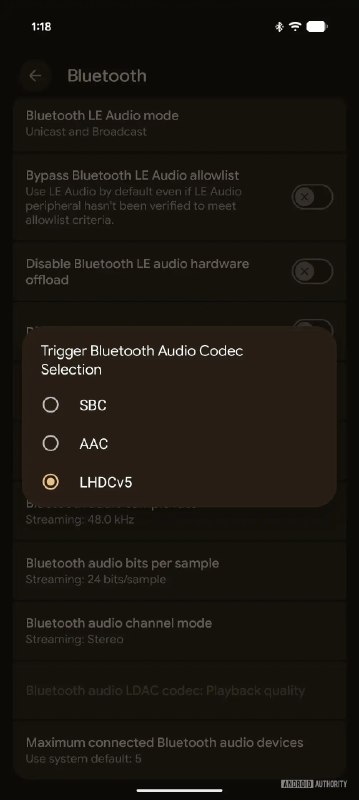
Android 17 Introduces Native Support for LHDC v5 Codec, Elevating Wireless Audio Quality In a significant but quiet update, Android 17 has introduced native support for the Low Latency High-Definition Audio Codec (LHDC v5), marking a substantial advancement in wireless audio capabilities for the Android ecosystem. This development expands high-bitrate audio options beyond Sony's proprietary LDAC codec previously available on Google Pixel devices, enabling users to stream 96kHz high-resolution audio to compatible hardware. Understanding the LHDC v5 Codec LHDC (Low Latency High-Definition Audio Codec) is a high-resolution wireless audio codec developed by Chinese company HiFi Walker. The latest version, LHDC 5.0, represents a significant leap in wireless audio transmission capabilities, offering theoretically superior audio quality compared to many existing Bluetooth audio codecs. The inclusion of native LHDC support in Android 17 represents a strategic move by Google to enhance the audio experience on Android devices, particularly for users with high-end audio equipment. This codec joins the existing roster of supported Bluetooth audio codecs, including SBC, AAC, aptX, aptX HD, and LDAC. Technical Specifications and Performance Comparison LHDC 5.0 offers impressive technical specifications that significantly surpass many existing wireless audio codecs: Codec Maximum Sample Rate Bit Depth Maximum Bitrate Bluetooth Version Support LHDC v5.0 192kHz 24-bit 1,000 kbps 5.0+ LDAC 96kHz 24-bit 990 kbps 4.0+ aptX HD 48kHz 24-bit 576 kbps 4.0+ AAC 44.1kHz 16-bit 256 kbps 2.0+ SBC 48kHz 16-bit 328 kbps 1.2+ As the table illustrates, LHDC v5.0 theoretically offers the highest specifications among commonly used Bluetooth audio codecs, with a maximum data bitrate of 1Mbps and support for 24-bit/192kHz audio. This places it slightly ahead of Sony's LDAC codec, which was previously the highest-quality option available on Android devices. Implementation in Android 17 The native implementation of LHDC v5 in Android 17 represents a significant step forward for high-resolution wireless audio on the Android platform. Unlike previous implementations that required third-party applications or system modifications, the native integration ensures better compatibility, stability, and performance. For users with Oplus devices (including OnePlus, OPPO, and realme) running Android 17, the process to enable high-resolution LHDC audio is straightforward. Users can switch to a 96kHz sample rate for Bluetooth audio and subsequently enable Hi-Res mode in the HeyMelody app, which serves as the companion application for OnePlus earbuds. Limitations and Practical Considerations Despite its impressive specifications, LHDC v5 implementation comes with several limitations that users should be aware of: Bandwidth Constraints: Audio sources with higher quality than LHDC's capabilities will be dynamically compressed and downsampled to fit within Bluetooth's bandwidth limitations Hardware Dependency: Both the transmitting device and receiving headphones must support LHDC v5 to take advantage of its high-resolution capabilities Source Material: Users require high-quality source material, such as Hi-Res Lossless in Apple Music or Tidal Masters, to fully benefit from the enhanced codec Compatibility: While Android 17 includes native support, device manufacturers must still implement the codec in their specific hardware builds Future Implications for Android Audio Experience The introduction of LHDC v5 support in Android 17 signals a broader trend toward higher-quality wireless audio experiences on mobile devices. As consumers increasingly use Bluetooth headphones and earbuds as their primary audio solution, the demand for better codecs capable of transmitting high-fidelity audio without wires continues to grow. This development also positions Android more competitively against other platforms that have offered high-resolution audio codecs for some time. The inclusion of LHDC expands Android's audio capabilities beyond LDAC, providing users with more options and potentially driving innovation in the wireless audio space. Additionally, as more Android manufacturers adopt LHDC v5, we may see an ecosystem of compatible high-resolution audio products emerge, from smartphones to headphones to home audio systems, all designed to leverage the enhanced codec capabilities. Conclusion The silent addition of LHDC v5 support in Android 17 represents a significant advancement in wireless audio technology for the Android ecosystem. By providing native support for this high-resolution codec, Google is enabling users to experience audio quality that was previously limited to wired connections or proprietary solutions. While practical implementation depends on hardware compatibility and source material quality, the foundation laid by Android 17 paves the way for a future where high-resolution wireless audio becomes the standard rather than the exception. As the technology matures and becomes more widely adopted, Android users can look forward to increasingly immersive and detailed audio experiences across all their wireless devices.

WWDC 2026: Apple's Revolutionary Announcements Reshape the Future of Computing At this year's Worldwide Developers Conference, Apple unveiled a comprehensive suite of innovations that mark the most significant transformation in the company's software ecosystem in recent years. The announcements span artificial intelligence integration, enhanced privacy features, redesigned user interfaces, and expanded hardware compatibility, demonstrating Apple's continued commitment to innovation while maintaining its signature focus on user experience and security. Siri with Google Gemini: A New Era of AI Integration Perhaps the most groundbreaking announcement is the integration of Google's Gemini AI with Siri, creating a powerful new virtual assistant capable of operating across all applications on Apple devices. This collaboration represents a surprising but strategic move by Apple, leveraging Google's AI expertise while maintaining Apple's hardware ecosystem. The enhanced Siri functionality includes: Food calorie recognition directly from photos Advanced typo correction across applications Detailed task planning capabilities Comprehensive search functionality across email and media libraries Visually, Siri has been redesigned with its animation now integrated into the Dynamic Island, creating a more seamless and intuitive user experience. This visual enhancement aligns with Apple's design philosophy of making complex technology feel natural and accessible. AI-Powered Photo Editing Revolution Apple is introducing sophisticated AI photo editing capabilities directly into the native Photos application. These features represent a significant leap in computational photography, making professional-grade photo editing accessible to all users with a simple tap. The new AI photo editing tools include: Unwanted object removal with intelligent background reconstruction Background extension that intelligently expands image boundaries Auto-correction of composition elements for improved framing These features are designed to work seamlessly together, allowing users to achieve professional results without needing specialized photo editing knowledge or third-party applications. Table: New Photo Editing Capabilities Feature Functionality User Interaction Object Removal Intelligently removes selected objects and reconstructs background Single tap on object Background Extension Expands image boundaries while maintaining visual consistency Drag to define extension area Auto-Correction Adjusts composition elements for optimal framing Single tap activation Xcode + Gemini + Figma: Transforming App Development Apple is revolutionizing the app development landscape with a powerful integration of Xcode, Google's Gemini AI, and Figma. This combination enables developers to create applications and AI agents from simple text descriptions, dramatically reducing development time and complexity. The new development capabilities include: App and AI agent generation from plain-text descriptions Screen tap simulation for testing user flows Real-time UI design adjustments directly within the development environment This announcement represents Apple's commitment to empowering developers while maintaining its high standards for application quality and performance. The integration with Figma, a popular design tool, bridges the gap between design and development workflows, creating a more efficient and cohesive development process. Enhanced Privacy & Password Security In an era of increasing digital threats, Apple is introducing significant enhancements to privacy and password security. The company continues to demonstrate its commitment to user privacy by processing AI requests locally on-device, ensuring that sensitive data never leaves the user's control. The new security features include: Local on-device processing for all AI requests Real-time password breach detection One-tap secure password replacement These features build upon Apple's existing privacy framework, providing users with greater control over their personal data while maintaining the convenience of modern digital experiences. Table: Privacy & Security Enhancements Feature Benefit Implementation On-Device AI Processing Enhanced privacy with no data transmission Local neural engine processing Password Breach Detection Proactive security against compromised credentials Continuous monitoring with real-time alerts The new AirPods features include a built-in equalizer, allowing users to customize their audio experience directly from their device without needing third-party applications. This enhancement demonstrates Apple's continued investment in improving its audio products and creating a more seamless ecosystem experience. For health tracking, iOS 27 introduces cycle tracking functionality, expanding Apple's health monitoring capabilities. This feature addresses an important aspect of women's health and integrates with the existing Health application to provide comprehensive health insights. Parental controls have been significantly enhanced with granular screen time management for children's devices. Parents can now set more specific limits and receive detailed reports on device usage, helping them manage their children's digital habits more effectively. Extended Support for Older iPhone Devices In a move that will please users with older devices, iOS 27 will support iPhone 11 and later models. This extends Apple's commitment to providing software updates for a substantial portion of its installed base. Perhaps most notably, iOS 27 includes a reworked CPU scheduler that brings a noticeable speed boost to older devices. This optimization addresses one of the primary challenges with aging smartphones, potentially extending the usable lifespan of these devices by several years. This announcement reflects Apple's dual focus on cutting-edge innovation while maintaining support for its existing user base, a balance that has become increasingly important as the smartphone market matures. MacOS Golden Gate: A Visual Transformation Apple is introducing a significant visual redesign for macOS with "Golden Gate," featuring completely redesigned windows and icons. The most striking new element is the "Liquid Glass" visual style, which includes an adjustable transparency slider that can be turned off completely for users who prefer a more traditional appearance. This redesign represents Apple's continued evolution of its desktop operating system, balancing aesthetic innovation with functionality. The Liquid Glass effect appears to draw inspiration from contemporary design trends while maintaining Apple's characteristic attention to detail and usability. The adjustable transparency slider is particularly noteworthy, as it provides users with customization options while respecting diverse preferences for interface design. This approach aligns with Apple's design philosophy of creating intuitive interfaces that can adapt to individual user needs. Table: MacOS Golden Gate Design Changes Design Element Change English language support only at launch Exclusive availability on flagship hardware The hardware limitations are particularly noteworthy, as they suggest that the most advanced AI features will be reserved for Apple's newest devices. This approach allows Apple to optimize performance while creating a clear incentive for users to upgrade to newer hardware. While this strategy may disappoint users with older devices, it reflects Apple's typical approach of leveraging hardware and software integration to deliver the best possible experience. As with previous major iOS updates, we can expect these limitations to be addressed in future software updates as older hardware is phased out. Conclusion: Apple's Strategic Vision for the Future The announcements at WWDC 2026 paint a clear picture of Apple's strategic vision for the future of computing. The company is making significant investments in AI technology while maintaining its core principles of user privacy, design excellence, and ecosystem integration. The integration of Google's Gemini with Siri represents a pragmatic approach to AI development, allowing Apple to leverage external expertise while maintaining control over the user experience. Similarly, the enhanced photo editing and development tools demonstrate Apple's commitment to empowering users and developers with increasingly sophisticated capabilities. At the same time, Apple's focus on privacy, security, and extended hardware support shows that the company is not solely chasing technological trends but is carefully balancing innovation with practical considerations. As these features roll out in the coming months, we'll see how well Apple delivers on these ambitious promises. What remains clear is that Apple is positioning itself at the forefront of the next major computing paradigm shift—one where AI seamlessly integrates into our daily digital experiences while respecting user privacy and maintaining the quality that Apple customers have come to expect.

OPPO Reno 16 Series: Flagship Features Across Three Tiers OPPO has officially unveiled its latest Reno series smartphones, the Reno 16 Pro, Reno 16, and Reno 16F, bringing cutting-edge technology across multiple price points. The series showcases impressive specifications including high refresh rate displays, advanced camera systems, and exceptional battery life with fast charging capabilities. Design and Build Quality All three models in the Reno 16 series boast premium build quality with exceptional durability ratings. Each device features IP69K/69/68/66 water and dust resistance, making them among the most rugged smartphones in their class. The series also includes an optical fingerprint sensor and an AI Snap Key for enhanced user experience. The Reno 16 Pro and standard Reno 16 share identical dimensions at 8.36mm thickness, with weights of 191g and 193g respectively, offering a comfortable grip. The Reno 16F is slightly thicker at 8.58mm and weighs 197g, accommodating its larger battery capacity. Display Technology The Reno 16 Pro leads the display lineup with a 6.32-inch Tianma 1.5K (1440x3200 resolution) LTPS flat screen featuring an impressive 144Hz refresh rate. All models boast high brightness levels with HBM (High Brightness Mode), reaching 1800nits for the Pro and standard Reno 16, while the Reno 16F offers 1400nits. Model Display Size Resolution Refresh Rate Max Brightness OPPO Reno 16 Pro 6.32" 1.5K 144Hz 1800nits OPPO Reno 16 6.32" 1.5K 120Hz 1800nits OPPO Reno 16F 6.57" FHD+ 120Hz 1400nits Performance and Hardware The Reno 16 series offers a tiered approach to performance, with each model featuring different chipsets while maintaining premium memory configurations. OPPO Reno 16 Pro: Powered by the Dimensity 8550 Super chipset, representing MediaTek's flagship offering for enhanced performance and efficiency. OPPO Reno 16: Features the new Snapdragon 7Gen4 processor, Qualcomm's latest mid-range chip with improved AI capabilities and power efficiency. OPPO Reno 16F: Equipped with the Dimensity 7300 Energy, MediaTek's efficient mid-range processor optimized for battery life. All three models include LPDDR5X RAM and UFS 3.1 storage, ensuring fast app loading and smooth multitasking across the lineup. Camera Systems The camera setup varies significantly across the Reno 16 series, with the Pro model offering the most advanced configuration: OPPO Reno 16 Pro: Features a 200MP HP5 main sensor (1/1.56" size) paired with 50MP ultra-wide and 50MP JN5 (3.5x periscope telephoto) lenses, providing exceptional versatility in photography. OPPO Reno 16: Includes a 50MP main sensor with identical 50MP ultra-wide and 50MP periscope telephoto lenses (3.5x), maintaining a consistent high-quality camera experience across focal lengths. OPPO Reno 16F: Offers a 50MP main sensor with an 8MP ultra-wide and 50MP periscope telephoto lens (3.5x), slightly reducing the ultra-wide resolution while maintaining the powerful zoom capabilities. All models include a 50MP front-facing camera, ensuring high-quality selfies and video calls. Battery and Charging The Reno 16 series delivers exceptional battery life with fast charging capabilities: OPPO Reno 16 Pro & Reno 16: Both feature 6700mAh batteries with 80W fast charging, providing all-day power with quick recharge times. OPPO Reno 16F: Includes an even larger 7000mAh battery with the same 80W fast charging, potentially offering the longest battery life in the lineup. Software and Updates All Reno 16 models ship with the latest Android 16 operating system coupled with ColorOS 16, OPPO's custom interface. The series stands out with an impressive software update commitment, offering 5 years of Android updates and 6 years of security patches, extending the device's lifespan significantly compared to industry standards. Comparison Summary Feature OPPO Reno 16 Pro OPPO Reno 16 OPPO Reno 16F Processor Dimensity 8550 Super Snapdragon 7Gen4 Dimensity 7300 Energy Display 6.32" 1.5K 144Hz 6.32" 1.5K 120Hz 6.57" FHD+ 120Hz Main Camera 200MP HP5 50MP 50MP Ultra-wide Camera 50MP 50MP 8MP Battery 6700mAh 6700mAh 7000mAh Charging 80W 80W 80W Dimensions 8.36mm, 191g 8.36mm, 193g 8.58mm, 197g Conclusion The OPPO Reno 16 series represents a comprehensive lineup offering flagship features across multiple price points. With exceptional durability ratings, high-refresh displays, advanced camera systems, and long software support, the series aims to deliver premium experiences for various user preferences. The Reno 16 Pro targets photography enthusiasts with its 200MP main sensor and powerful processor, while the standard Reno 16 offers a balanced experience, and the Reno 16F emphasizes battery life with its 7000mAh capacity. OPPO's commitment to 5+6 years of software updates sets these devices apart in the market, ensuring long-term usability and security. The series is positioned to compete strongly in the mid-to-premium smartphone segment, particularly appealing to users who value both hardware specifications and long-term software support.