 TechOffice
Android 17 Unleashes Enhanced Audio Capabilities with LHDC v5 Codec Support
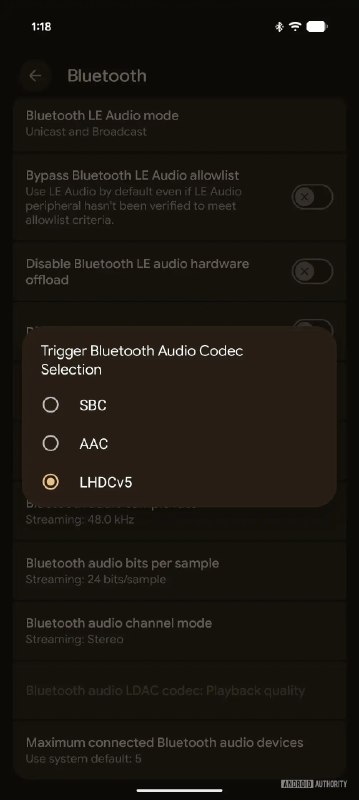
Android 17 Introduces Native Support for LHDC v5 Codec, Elevating Wireless Audio Quality
In a significant but quiet update, Android 17 has introduced native support for the Low Latency High-Definition Audio Codec (LHDC v5), marking a substantial advancement in wireless audio capabilities for the Android ecosystem. This development expands high-bitrate audio options beyond Sony's proprietary LDAC codec previously available on Google Pixel devices, enabling users to stream 96kHz high-resolution audio to compatible hardware.
Understanding the LHDC v5 Codec
LHDC (Low Latency High-Definition Audio Codec) is a high-resolution wireless audio codec developed by Chinese company HiFi Walker. The latest version, LHDC 5.0, represents a significant leap in wireless audio transmission capabilities, offering theoretically superior audio quality compared to many existing Bluetooth audio codecs.
The inclusion of native LHDC support in Android 17 represents a strategic move by Google to enhance the audio experience on Android devices, particularly for users with high-end audio equipment. This codec joins the existing roster of supported Bluetooth audio codecs, including SBC, AAC, aptX, aptX HD, and LDAC.
Technical Specifications and Performance Comparison
LHDC 5.0 offers impressive technical specifications that significantly surpass many existing wireless audio codecs:
| Codec | Maximum Sample Rate | Bit Depth | Maximum Bitrate | Bluetooth Version Support |
|---|---|---|---|---|
| LHDC v5.0 | 192kHz | 24-bit | 1,000 kbps | 5.0+ |
| LDAC | 96kHz | 24-bit | 990 kbps | 4.0+ |
| aptX HD | 48kHz | 24-bit | 576 kbps | 4.0+ |
| AAC | 44.1kHz | 16-bit | 256 kbps | 2.0+ |
| SBC | 48kHz | 16-bit | 328 kbps | 1.2+ |
As the table illustrates, LHDC v5.0 theoretically offers the highest specifications among commonly used Bluetooth audio codecs, with a maximum data bitrate of 1Mbps and support for 24-bit/192kHz audio. This places it slightly ahead of Sony's LDAC codec, which was previously the highest-quality option available on Android devices.
Implementation in Android 17
The native implementation of LHDC v5 in Android 17 represents a significant step forward for high-resolution wireless audio on the Android platform. Unlike previous implementations that required third-party applications or system modifications, the native integration ensures better compatibility, stability, and performance.
For users with Oplus devices (including OnePlus, OPPO, and realme) running Android 17, the process to enable high-resolution LHDC audio is straightforward. Users can switch to a 96kHz sample rate for Bluetooth audio and subsequently enable Hi-Res mode in the HeyMelody app, which serves as the companion application for OnePlus earbuds.
Limitations and Practical Considerations
Despite its impressive specifications, LHDC v5 implementation comes with several limitations that users should be aware of:
- Bandwidth Constraints: Audio sources with higher quality than LHDC's capabilities will be dynamically compressed and downsampled to fit within Bluetooth's bandwidth limitations
- Hardware Dependency: Both the transmitting device and receiving headphones must support LHDC v5 to take advantage of its high-resolution capabilities
- Source Material: Users require high-quality source material, such as Hi-Res Lossless in Apple Music or Tidal Masters, to fully benefit from the enhanced codec
- Compatibility: While Android 17 includes native support, device manufacturers must still implement the codec in their specific hardware builds
Future Implications for Android Audio Experience
The introduction of LHDC v5 support in Android 17 signals a broader trend toward higher-quality wireless audio experiences on mobile devices. As consumers increasingly use Bluetooth headphones and earbuds as their primary audio solution, the demand for better codecs capable of transmitting high-fidelity audio without wires continues to grow.
This development also positions Android more competitively against other platforms that have offered high-resolution audio codecs for some time. The inclusion of LHDC expands Android's audio capabilities beyond LDAC, providing users with more options and potentially driving innovation in the wireless audio space.
Additionally, as more Android manufacturers adopt LHDC v5, we may see an ecosystem of compatible high-resolution audio products emerge, from smartphones to headphones to home audio systems, all designed to leverage the enhanced codec capabilities.
Conclusion
The silent addition of LHDC v5 support in Android 17 represents a significant advancement in wireless audio technology for the Android ecosystem. By providing native support for this high-resolution codec, Google is enabling users to experience audio quality that was previously limited to wired connections or proprietary solutions.
While practical implementation depends on hardware compatibility and source material quality, the foundation laid by Android 17 paves the way for a future where high-resolution wireless audio becomes the standard rather than the exception. As the technology matures and becomes more widely adopted, Android users can look forward to increasingly immersive and detailed audio experiences across all their wireless devices.
Android 17 brings native support for LHDC v5 Codec Android 17 has silently added native support for the Low Latency High-Definition Audio Codec (LHDC v5). This expands high-bitrate options beyond Sony’s LDAC on Google Pixels, allowing users to stream 96kHz high-resolution audio to compatible hardware. LHDC 5.0 can theoretically top out at 24-bit/192kHz with a maximum data bitrate of 1Mbps, compared to AAC’s 16-bit/44.1kHz with a bitrate of 256kbps. However, audio sources with higher quality than LHDC will be dynamically compressed and downsampled to fit within Bluetooth’s bandwidth constraints. On Oplus earbuds & with Android 17, you can switch to 96kHz sample rate for Bluetooth Audio and subsequently turn on Hi-Res mode in the HeyMelody app (the companion app for OnePlus earbuds). However, you’d still need a high-quality source, like Hi-Res Lossless in Apple Music. Follow @TechLeaksZone Android 17 brings native support for LHDC v5 Codec Android 17 has silently added native support for the Low Latency High-Definition Audio Codec (LHDC v5). This expands high-bitrate options beyond Sony’s LDAC on Google Pixels, allowing users to stream 96kHz high-resolution audio to compatible hardware. LHDC 5.0 can theoretically top out at 24-bit/192kHz with a maximum data bitrate of 1Mbps, compared to AAC’s 16-bit/44.1kHz with a bitrate of 256kbps. However, audio sources with higher quality than LHDC will be dynamically compressed and downsampled to fit within Bluetooth’s bandwidth constraints. On Oplus earbuds & with Android 17, you can switch to 96kHz sample rate for Bluetooth Audio and subsequently turn on Hi-Res mode in the HeyMelody app (the companion app for OnePlus earbuds). However, you’d still need a high-quality source, like Hi-Res Lossless in Apple Music. Follow @TechLeaksZone


