 TechOffice
Apple's Accidental Code Leak Reveals Plans for Foldable iPhone and Touchscreen MacBook
Apple's Accidental Leak: Evidence Emerges for Foldable iPhone and Touchscreen MacBook in iOS 27 and macOS 27
In a revelation that has sent ripples through the tech industry, Bloomberg's renowned Apple analyst Mark Gurman has uncovered compelling evidence suggesting that Apple is actively developing two revolutionary products: a foldable iPhone and a MacBook with touchscreen capabilities. This evidence, discovered within the first beta versions of iOS 27 and macOS 27, represents some of the most substantial indications to date that these long-rumored devices are moving closer to reality.
Foldable iPhone Evidence in iOS 27 Beta
The discovery of code references such as "foldState" and "angleDegrees" within the iOS 27 beta has provided strong technical backing for the development of a foldable iPhone. These parameters suggest Apple is building software capable of detecting and responding to the physical state of a flexible display, whether it's folded, partially folded, or fully expanded.
Further evidence comes from significant updates to the iPhone Mirroring application, which now appears to support wider interface layouts. This functionality would be essential for a foldable device when in its unfolded state, allowing applications to adapt to the expanded screen real estate. The implementation mirrors approaches taken by competitors in the foldable smartphone market, though with Apple's characteristic attention to user experience.
The discovery aligns with patent filings and supply chain reports that have hinted at Apple's interest in foldable technology for several years. However, this is the first time concrete evidence has emerged directly from Apple's operating system code, suggesting development has progressed to a more advanced stage than previously understood.
Touchscreen MacBook Hints in macOS 27
Simultaneously, macOS 27 beta contains several significant changes pointing toward touch-based interaction on Apple's laptop lineup. The Sidecar feature, which allows iPads to function as secondary displays for Macs, has been updated with new touch-related functionality. Additionally, the introduction of pull-to-refresh gestures—a staple of mobile interfaces—suggests Apple is preparing users for a more touch-centric desktop experience.
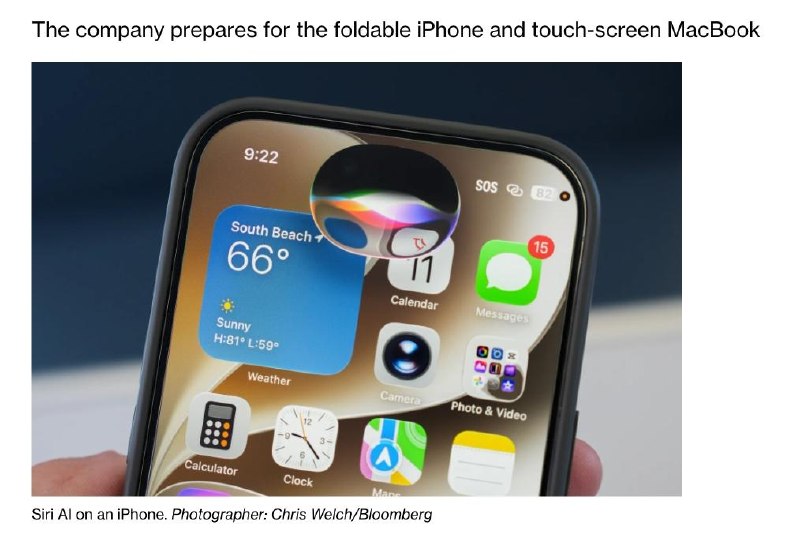
Perhaps most telling is the appearance of a new pill-shaped Siri interface that closely resembles the Dynamic Island found on recent iPhone models. This design choice is particularly significant as it would integrate naturally into a touchscreen MacBook experience, providing an interactive element that could respond to both touch and input methods.
These changes represent a potential shift in Apple's long-held stance against touch-enabled Macs, with the company previously arguing that touch interfaces don't translate well to laptop-sized screens. The inclusion of these features in a major OS update suggests Apple may have solved the usability challenges that have historically prevented touch-enabled Macs from becoming mainstream.
| Potential Apple Foldable and Touchscreen Features | |
|---|---|
| Foldable iPhone Features | Touchscreen MacBook Features |
| Adaptive UI based on fold state | New touch-optimized gestures |
| Multi-app split screen in unfolded mode | Enhanced Sidecar functionality |
| External display support when unfolded | Pill-shaped Siri interface |
| Durability improvements for hinge mechanism | Pull-to-refresh functionality |
Historical Context and Previous Rumors
Apple's interest in foldable technology isn't new. The company has filed numerous patents related to flexible displays, hinge mechanisms, and user interfaces for foldable devices. Similarly, touchscreen Macs have been the subject of speculation for over a decade, with various concept designs and leaked prototypes emerging over the years.
Despite this persistent interest, Apple has been notably cautious about entering these markets, likely due to concerns about durability, user experience, and potential cannibalization of existing product lines. The discovery of these features in upcoming OS updates suggests Apple may have overcome these hurdles or determined that the benefits now outweigh the risks.
Industry Implications and Market Impact
If Apple were to release a foldable iPhone and touchscreen MacBook, it would mark a significant shift in the company's product strategy and could accelerate adoption of these form factors across the industry. Apple's entry into the foldable smartphone market would validate the category and likely pressure competitors to elevate their offerings.
The potential introduction of a touchscreen MacBook would be particularly noteworthy, as it would represent a major departure from Apple's traditional laptop design philosophy. This move could potentially blur the lines between tablets and laptops, creating new opportunities for productivity and creativity applications designed specifically for touch-enabled desktop environments.
Market Timeline and Expectations
According to current industry expectations, the foldable iPhone could potentially debut as early as fall 2026, with the touchscreen MacBook following shortly thereafter. This timeline aligns with Apple's typical product development cycle and would allow sufficient time for refinement of the hardware and software components.
However, it's worth noting that Apple frequently adjusts its development timelines, and these products could face delays if technical challenges arise. The company is known for its perfectionist approach and has delayed product launches in the past when it determined that user experience wasn't up to its standards.
Apple's Official Position
As of this reporting, Apple has not commented on Gurman's findings. The company maintains a strict policy of not discussing unreleased products or future software features publicly. This silence is typical for Apple, which prefers to make product announcements through its own events and press releases rather than responding to leaks and rumors.
The discovery of these features in beta software does not guarantee that these products will ultimately be released to the public. Apple often experiments with features and technologies in internal builds that may never see the light of day in final products. However, the level of integration and polish observed in these beta versions suggests these features are being developed with commercial release in mind.
As the tech industry eagerly awaits Apple's official announcements, the discovery of these features in iOS 27 and macOS 27 provides the most concrete evidence yet that Apple is serious about exploring these revolutionary form factors. Whether these products will ultimately meet Apple's exacting standards and find favor with consumers remains to be seen, but the writing appears to be on the wall: Apple's vision for computing is evolving, and touch and foldable technologies appear to be part of that future.
📰 Apple may have accidentally revealed the iPhone Fold and a touchscreen MacBook in iOS 27 and macOS 27 🤓 Bloomberg’s Mark Gurman examined the first beta versions of iOS 27 and macOS 27 and found signs that Apple is preparing two major new devices: a foldable iPhone and a MacBook with a touchscreen display. 🔎 References such as foldState and angleDegrees, along with updates to the iPhone Mirroring app, point to support for wider interface layouts similar to those used on an unfolded foldable smartphone. In macOS 27, changes to Sidecar and new gestures, including pull-to-refresh, suggest Apple is laying the groundwork for touch-based interaction on the desktop. Gurman also noted that the new pill-shaped Siri interface resembles Dynamic Island and could fit naturally into a future touchscreen MacBook experience. 🕵️♀️ While Apple has not commented on the findings, Gurman describes them as the first real evidence that both products are moving closer to launch. 🤞 According to current expectations, the iPhone Fold could debut as early as fall 2026, with a touchscreen MacBook potentially following shortly afterward. #rumors @iPhone 📰 Apple may have accidentally revealed the iPhone Fold and a touchscreen MacBook in iOS 27 and macOS 27 🤓 Bloomberg’s Mark Gurman examined the first beta versions of iOS 27 and macOS 27 and found signs that Apple is preparing two major new devices: a foldable iPhone and a MacBook with a touchscreen display. 🔎 References such as foldState and angleDegrees, along with updates to the iPhone Mirroring app, point to support for wider interface layouts similar to those used on an unfolded foldable smartphone. In macOS 27, changes to Sidecar and new gestures, including pull-to-refresh, suggest Apple is laying the groundwork for touch-based interaction on the desktop. Gurman also noted that the new pill-shaped Siri interface resembles Dynamic Island and could fit naturally into a future touchscreen MacBook experience. 🕵️♀️ While Apple has not commented on the findings, Gurman describes them as the first real evidence that both products are moving closer to launch. 🤞 According to current expectations, the iPhone Fold could debut as early as fall 2026, with a touchscreen MacBook potentially following shortly afterward. #rumors @iPhone


