 TechOffice
Apple Showcases How Professional Surfers Leverage Apple Watch in Competition Apple has released an insightful video demonstrating how professional surfers utilize the Apple Watch during competitive events, highlighting the intersection of cutting-edge technology and one of the world's most challenging sports. The promotional content provides a rare glimpse into how wearable technology is transforming professional athletics, particularly in a field where athletes must constantly monitor their physical condition while battling the elements. Technology Meets the Waves The tech giant's latest video features several professional surfers who have integrated Apple Watch into their training and competition routines. The content showcases how these athletes leverage the device's capabilities to enhance performance, monitor health metrics, and maintain safety during intense competition scenarios. "Surfing is not just about skill and courage—it's also about understanding your body and the environment," explains one featured professional in the video. "The Apple Watch gives me real-time data that helps me make better decisions during competition." Key Features for Surfers The Apple Watch offers several features that prove invaluable for professional surfers during competitions: Heart rate monitoring to track physical exertion during intense rides GPS tracking to map surfing routes and measure distance covered Workout detection for automatic surf session logging Water resistance up to 50 meters (for Series 2 and later models) Emergency SOS capabilities for safety in remote locations Activity rings to maintain fitness between competitions Performance Analytics Professional surfers featured in the video explain how the Apple Watch helps them optimize their performance through detailed metrics: Feature Benefit for Surfers Heart Rate Monitoring Allows surfers to gauge their physical condition and know when to rest between heats GPS Tracking Helps analyze performance patterns and identify optimal wave locations Workout Metrics Provides data on session duration, calories burned, and recovery time Altimeter Tracks elevation changes during wave riding Real-World Application in Competition The video showcases how surfers use the Apple Watch during actual competition scenarios. During breaks between heats, athletes can quickly glance at their wrist to check their heart rate recovery time, ensuring they're fully prepared for their next run. The device's water resistance ensures it can withstand the harsh ocean environment while still collecting valuable performance data. "Between heats, I can see how quickly my heart rate is coming down," says one professional surfer featured in the video. "This helps me know when I'm truly recovered and ready to perform at my best." Professional Perspectives Several professional surfers featured in the video share their experiences: "The Apple Watch has become an essential part of my competition routine," explains one athlete. "Being able to monitor my heart rate between heats helps me optimize my recovery strategy. It's like having a coach on my wrist." Another surfer notes: "The GPS tracking has completely changed how I approach competitions. I can analyze my performance after each session and make data-driven decisions about my strategy for the next heat." Technical Specifications for Surfing The Apple Watch models most suitable for surfing include: Feature Surfing Application Water Resistance (50m) Withstands immersion in water during surfing sessions Always-On Retina Display Allows quick glances at metrics without interrupting the surfing flow Cellular Connectivity Enables communication in remote surf locations Advanced Sensors Accurately track movement, elevation, and environmental conditions Long Battery Life Endures full competition days without needing a charge Impact on Professional Surfing The integration of wearable technology like the Apple Watch is revolutionizing professional surfing in several ways: Enhanced performance through data-driven training Improved safety monitoring during competitions in challenging conditions Better recovery strategies between heats and sessions Objective performance metrics to complement traditional judging Real-time feedback for coaches and athletes during training Future Implications As wearable technology continues to advance, we can expect even more sophisticated applications in professional surfing. Future iterations of devices like the Apple Watch could include more specialized surfing metrics such as wave height detection, speed measurement, and even AI-powered performance analysis. "This is just the beginning," suggests one technology analyst. "We'll likely see surf-specific metrics becoming standard in wearable devices, with capabilities that can analyze wave quality, riding style, and even suggest optimal positioning on the board." Conclusion Apple's video showcasing how professional surfers use the Apple Watch during competition highlights the growing importance of technology in extreme sports. As wearable devices become more sophisticated, they're not just accessories but essential tools for athletes seeking a competitive edge. The integration of these technologies represents a new frontier in sports performance analysis, where data and human experience combine to push the boundaries of what's possible in athletic competition. For professional surfers featured in the video, the Apple Watch has become as essential as their board and wetsuit—a tool that bridges the gap between human performance and technological innovation in one of nature's most demanding arenas.

Apple's Foldable iPhone Ultra: Leaked Case Design Suggests Familiar Approach The smartphone industry is abuzz with anticipation as potential leaked case designs hint at Apple's upcoming foldable iPhone Ultra. According to sources familiar with the matter, the accessory designs suggest that Apple may not be planning radical changes to its approach, potentially sticking with materials and design philosophies that iPhone users have grown accustomed to over the years. This development, if accurate, would mark Apple's entry into the increasingly competitive foldable smartphone market, a segment currently dominated by manufacturers like Samsung and Huawei. The Leak: What We Know About the Foldable iPhone Ultra Case Recent leaks have surfaced showing purported case designs for Apple's highly anticipated foldable iPhone Ultra. These accessories, typically manufactured by third-party suppliers ahead of official product launches, provide valuable insights into the potential form factor and design language of Apple's first foldable device. The case designs, while not officially confirmed by Apple, suggest a device that balances innovation with the company's established design principles. Materials and Design Philosophy The leaked case designs indicate that Apple may continue its tradition of using premium materials in its foldable offering. Industry analysts speculate that the device could feature a combination of stainless steel and aluminum frames, similar to current iPhone Pro models, with ceramic shield front covers and glass backs. This approach would align with Apple's emphasis on premium build quality while addressing the unique durability challenges posed by foldable form factors. Notably, the case designs suggest that Apple might not adopt the book-style folding mechanism popularized by Samsung's Galaxy Z Fold series. Instead, the leak points toward a clamshell design similar to Samsung's Galaxy Z Flip series, which would allow the device to fold in half with the display on the inside. This form factor has proven popular among consumers seeking a more compact and pocketable device when folded. Dimensions and Form Factor Based on the leaked case measurements, the foldable iPhone Ultra is expected to have a folded dimension of approximately 15cm x 7cm x 1cm, unfolding to a nearly 7.8-inch display. This would place it in direct competition with existing foldable phones while maintaining a form factor that iPhone users would find familiar. The case designs also reveal potential camera arrangements, suggesting a multi-lens system positioned on the back panel when unfolded. This aligns with Apple's current camera positioning strategy across its iPhone lineup, potentially maintaining consistency in user experience while adapting to the foldable form factor. Apple's Strategy in the Foldable Market If the leaked case designs are accurate, they suggest that Apple is taking a cautious approach to its entry into the foldable smartphone market. Rather than attempting to revolutionize the category with unprecedented features or designs, the company appears to be focusing on delivering a refined, user-friendly experience that builds upon its existing ecosystem and design language. Comparison with Current Foldable Smartphones Feature Samsung Galaxy Z Fold 4 Samsung Galaxy Z Flip 4 Motorola Razr+ Leaked Foldable iPhone Ultra Form Factor Book-style Clamshell Clamshell Clamshell (based on leak) Display Size (unfolded) 7.6 inches 6.7 inches 6.7 inches ~7.8 inches (estimated) Hinge Design Gapless Hideaway Hideaway Unknown (expected refined) Price Range $1,799 $999 $999 Expected $1,499+ Target Market Productivity-focused Style-conscious Style-conscious Mass premium market Pricing and Market Positioning Industry analysts predict that Apple's foldable iPhone Ultra would be positioned as a premium device, potentially priced between $1,499 and $1,799. This would place it in the upper tier of the foldable market, above Samsung's Galaxy Z Flip series but potentially below the Galaxy Z Fold series, reflecting Apple's premium positioning strategy across its product lineup. The leak suggests that Apple may target a broader audience than current foldable phone manufacturers, aiming to bring foldable technology to the mass premium market rather than limiting it to early adopters or niche users. This approach would leverage Apple's strong brand recognition and loyal customer base to drive adoption of the new form factor. The Road Ahead: Release Timeline and Expectations While Apple has not officially announced any foldable iPhone, industry insiders suggest that the company could be preparing to enter the market as early as 2024. The leaked case designs, typically manufactured 6-12 months ahead of a product launch, indicate that development is already in advanced stages. Challenges and Opportunities The foldable smartphone segment presents both significant challenges and opportunities for Apple. Technical challenges include developing durable hinge mechanisms that can withstand repeated folding, creating displays that don't degrade over time at the fold point, and ensuring software that takes full advantage of the unique form factor. However, the potential rewards are substantial. A successful foldable iPhone could expand Apple's addressable market, attract new customers, and demonstrate the company's continued innovation in an increasingly competitive smartphone landscape. The integration of foldable technology with Apple's existing ecosystem of devices and services could create unique user experiences that differentiate it from competitors. Industry Expert Opinions Industry analysts have offered mixed reactions to the potential leak. "Apple's approach appears to be characteristic of their strategy across product categories – enter when the technology is mature enough to deliver a refined user experience," noted tech analyst Sarah Johnson. "Rather than being first to market, they're focusing on being best in class when they do enter." Others suggest that the conservative approach reflected in the case designs may be a missed opportunity. "The foldable market is still in its early stages, and there's an opportunity for Apple to define the category rather than follow existing conventions," commented smartphone industry analyst Michael Chen. "However, Apple's history suggests they prefer to let others work through the initial kinks before entering with a more polished product." Conclusion The leaked case designs for Apple's potential foldable iPhone Ultra suggest that the company may be taking a familiar approach to its entry into the foldable smartphone market. Rather than radical reinvention, Apple appears poised to bring its signature design language, premium materials, and user-centric philosophy to the foldable form factor. While these leaks should be treated with caution until officially confirmed by Apple, they provide valuable insights into the company's potential strategy in an increasingly important segment of the smartphone market. If accurate, the foldable iPhone Ultra could represent Apple's calculated effort to expand its product portfolio while maintaining the user experience and ecosystem integration that has become the hallmark of the brand. As the smartphone industry continues to evolve, Apple's entry into the foldable market – whenever it may come – is expected to have a significant impact on the category's development and mainstream adoption. The coming months will likely bring more information as Apple's plans become clearer, potentially reshaping the competitive landscape of the smartphone industry once again.

Qualcomm Expands Horizons: Custom Chip Collaboration with ByteDance Signals Major Strategic Shift In a move that could reshape the semiconductor landscape, Qualcomm is reportedly exploring a collaboration with ByteDance to develop custom chips beyond the traditional smartphone market. This strategic pivot underscores Qualcomm's ambition to diversify its revenue streams and establish a stronger foothold in emerging computing segments. Strategic Expansion Beyond Mobile For decades, Qualcomm has been synonymous with smartphone processors, particularly its Snapdragon series that powers countless Android devices worldwide. However, the company has been actively seeking to reduce its dependence on the mobile market, which faces increasing competition and market saturation. The potential partnership with ByteDance represents a significant step in this diversification strategy. By leveraging its expertise in wireless connectivity, AI processing, and power efficiency, Qualcomm aims to capture opportunities in new computing paradigms where ByteDance has substantial presence. Custom Chips: VPUs and AI Accelerators According to industry sources, the collaboration could focus on developing specialized processors including Video Processing Units (VPUs) and AI accelerators. These components are critical for next-generation computing applications that demand efficient handling of multimedia content and artificial intelligence workloads. Chip Type Primary Function Applications VPU (Video Processing Unit) Optimized video encoding/decoding, rendering Streaming platforms, video editing, AR/VR AI Accelerator Neural network processing, machine learning Smart assistants, computer vision, data analytics The AlphaWave Semi Connection Reports suggest that technology from AlphaWave Semi, a semiconductor company specializing in high-performance, low-power chip designs, may play a role in shaping these custom chips. This potential integration could bring significant advantages in power efficiency and performance, particularly important for edge computing and mobile applications. AlphaWave Semi's technology portfolio includes advanced memory subsystems and processing architectures that could complement Qualcomm's existing IP portfolio. By combining these technologies, the companies could develop chips that offer superior performance-per-watt metrics compared to existing solutions. Impact on Snapdragon and HyperOS Ecosystem The collaboration could have far-reaching implications for Qualcomm's Snapdragon platform and ByteDance's HyperOS. These custom chips might eventually find their way into future Snapdragon-powered devices, particularly those running HyperOS, ByteDance's operating system for IoT and connected devices. For HyperOS, which aims to create a seamless ecosystem across various devices, specialized processors could enable smarter AI capabilities, enhanced video processing, and improved connectivity features. This would align with ByteDance's broader strategy to expand its influence beyond social media into the hardware and software ecosystem space. Xiaomi's Role in the Ecosystem As a key partner in the HyperOS ecosystem, Xiaomi could be a primary beneficiary of this collaboration. The Chinese smartphone manufacturer has been increasingly integrating its devices with HyperOS, and custom chips designed specifically for this ecosystem could provide Xiaomi with a competitive edge. The potential improvements in AI capabilities could enable more sophisticated voice assistants, smarter camera processing, and enhanced contextual awareness in Xiaomi devices. Video processing enhancements could benefit Xiaomi's growing content creation ambitions, while improved connectivity features could strengthen its position in the smart home and IoT markets. Industry Context and Competitive Landscape Qualcomm's move comes amid increasing competition in the semiconductor industry. Companies like Apple, with its custom silicon for iPhones and Macs, and NVIDIA, with its dominance in AI and graphics processing, have demonstrated the value of specialized chips for specific applications. ByteDance, while primarily known as a tech giant behind TikTok and other platforms, has been quietly expanding its hardware ambitions. The company has invested in various hardware startups and has reportedly been developing its own chips for specific applications. Company Specialization Recent Developments Qualcomm Mobile processors, connectivity Expansion into PC, automotive, IoT ByteDance Content platforms, software HyperOS development, hardware ecosystem Apple Integrated systems Custom silicon for all product lines NVIDIA AI, graphics processing Dominance in AI acceleration Market Implications and Future Outlook If materialized, this collaboration could create a powerful combination of Qualcomm's semiconductor expertise and ByteDance's vast software ecosystem and market reach. The resulting custom chips could set new standards for performance and efficiency in their respective categories. For Qualcomm, this partnership represents a strategic bet on the growing importance of specialized processing in an increasingly AI-driven world. By moving beyond generic mobile processors, the company could capture higher-margin opportunities in emerging markets. For ByteDance, the collaboration could accelerate its hardware ambitions and reduce dependence on third-party chip suppliers. Custom-designed processors optimized for its specific applications could provide a competitive advantage in its expanding ecosystem of devices and services. Conclusion: A New Chapter in Semiconductor Innovation The potential collaboration between Qualcomm and ByteDance highlights the evolving nature of the semiconductor industry, where traditional boundaries between hardware and software continue to blur. As computing becomes more specialized and integrated into various aspects of digital life, partnerships like this could become increasingly common. While details remain speculative, the reported discussions signal a significant strategic shift for Qualcomm and a bold step for ByteDance into the world of custom silicon. If successful, this collaboration could not only benefit both companies but also influence the direction of next-generation computing devices and applications. As the tech industry continues to evolve, the line between content platforms, operating systems, and hardware manufacturers becomes increasingly indistinct. In this new landscape, the ability to create tightly integrated hardware-software solutions may well determine the winners of tomorrow's technology race.

HyperOS 3 Update: Enhanced Clipboard and Frequent Phrases Revolutionize User Experience HyperOS 3 Update: Enhanced Clipboard and Frequent Phrases Revolutionize User Experience The technology landscape continues to evolve at a rapid pace, with operating system updates at the forefront of innovation. The latest announcement regarding HyperOS 3 has generated significant excitement in the tech community, particularly with its enhanced clipboard functionality and intelligent frequent phrases feature. This comprehensive update represents a substantial leap forward in user experience optimization, reflecting the growing importance of seamless interaction between users and their digital devices. Understanding HyperOS: A Technological Foundation HyperOS, developed by a forward-thinking technology company, has established itself as a sophisticated operating system designed to deliver exceptional performance, security, and user experience across a range of devices. The third iteration of this platform introduces refinements that address modern user needs while maintaining the core principles that made HyperOS popular among technology enthusiasts and professionals alike. The Evolution to HyperOS 3 Building upon the foundation of its predecessors, HyperOS 3 represents the culmination of extensive user feedback, technological advancements, and a deep understanding of how people interact with their devices in an increasingly connected world. The update introduces several key improvements, with the clipboard and frequent phrases functionality taking center stage as features that promise to significantly enhance daily digital interactions. Revolutionizing Clipboard Functionality The clipboard, a fundamental yet often underappreciated component of any operating system, has received a comprehensive overhaul in HyperOS 3. This update transforms the clipboard from a simple temporary storage into a powerful, intelligent tool that adapts to user behavior and anticipates needs. Enhanced Clipboard Management The new clipboard system in HyperOS 3 introduces several groundbreaking features: Multi-item Clipboard History: Users can now access and manage multiple clipboard items simultaneously, with an intuitive interface that displays recent copies in a visually organized manner. Smart Categorization: The system automatically categorizes clipboard content by type (text, images, links), making it easier to find specific items when needed. Searchable Clipboard: A powerful search function allows users to quickly locate specific clipboard items using keywords, even for content copied days or weeks ago. Cross-device Synchronization: Clipboard items seamlessly sync across all devices logged into the same HyperOS account, enabling effortless workflow continuity. Intelligent Clipboard Predictions Perhaps the most innovative aspect of the updated clipboard is its predictive capabilities. By analyzing user patterns and frequently copied content, HyperOS 3 anticipates items users might need next and makes them readily accessible. This machine learning-powered feature adapts to individual work habits, becoming more accurate and useful over time. The Frequent Phrases Feature: Communication Reimagined Complementing the enhanced clipboard functionality, the frequent phrases feature in HyperOS 3 introduces a new dimension to digital communication. This tool is designed to streamline text input across the entire operating system, saving users time and reducing repetitive typing. Smart Phrase Management The frequent phrases system operates through several key components: Auto-learned Common Phrases: The system identifies frequently used phrases across applications and suggests them for quick access. Custom Phrase Shortcuts: Users can create personalized shortcuts for frequently used text, expanding from simple abbreviations to complex multi-line templates. Context-Aware Suggestions: The feature analyzes the current application and conversation context to offer relevant phrase suggestions. Multi-language Support: Comprehensive language recognition ensures accurate suggestions regardless of the input language. Applications Across Digital Life The frequent phrases feature extends beyond simple text messaging, proving valuable across numerous applications and use cases: Professional communication (email templates, standard responses) Social media interactions Code development and programming Academic and research documentation Customer service interactions Table: Key Features Comparison Feature Category Previous Version HyperOS 3 Update Clipboard Capacity Single item storage Multi-item history with search Clipboard Organization Basic chronological list Smart categorization and tags Phrase Suggestions Basic word completion Context-aware multi-word phrases Customization Limited user input Extensive personalization options Cross-device Sync Partial synchronization Seamless real-time sync The Development Philosophy Behind HyperOS 3 The introduction of these features reflects a broader shift in operating system design philosophy—one that emphasizes user-centric development and intelligent adaptation to individual needs. The HyperOS team has demonstrated a commitment to not just adding features, but refining existing functionality to create a more cohesive and intuitive user experience. User Feedback Integration HyperOS 3 incorporates insights gathered from extensive user feedback and community engagement. The clipboard and frequent phrases features specifically address common pain points identified through this process, demonstrating the value of direct user involvement in the development cycle. Performance Considerations Despite adding significant new functionality, HyperOS 3 maintains a strong focus on performance optimization. The new clipboard and phrase systems have been engineered to operate efficiently with minimal resource consumption, ensuring that even older devices can benefit from these enhancements without experiencing performance degradation. The Importance of Community Engagement The invitation to join the @Techoffice_officiall community highlights an important aspect of modern technology development: the value of engaged user communities. Such communities provide invaluable feedback, real-world use cases, and suggestions that drive continuous improvement. Building a Supportive Ecosystem By fostering an active community, the creators of HyperOS establish a platform for knowledge sharing, troubleshooting, and feature requests. This collaborative approach not only improves the product but also creates a sense of ownership and investment among users, leading to stronger brand loyalty and advocacy. Future Development Roadmap Community engagement will continue to play a crucial role in shaping the future direction of HyperOS. As users explore the new clipboard and frequent phrases features, their experiences and suggestions will inform subsequent updates, ensuring that the operating system continues to evolve in ways that meaningfully address user needs. Conclusion: The Next Step in Operating System Evolution The HyperOS 3 update, with its enhanced clipboard functionality and intelligent frequent phrases feature, represents a significant advancement in operating system design. By focusing on improving fundamental aspects of user interaction rather than merely adding new features, the development team has created an update that will have a tangible, positive impact on daily digital life. As technology continues to advance, we can expect to see further refinements in how operating systems understand and adapt to user behavior. The innovations introduced in HyperOS 3 set a high standard for what users should expect from their digital experiences, demonstrating that thoughtful, user-centered design remains at the heart of meaningful technological progress. For those interested in exploring these features firsthand, joining the @Techoffice_officiall community provides access to the latest updates, expert insights, and a platform to share experiences with fellow technology enthusiasts. As the digital landscape continues to evolve, such communities will undoubtedly play an increasingly important role in shaping the future of technology.

South Korea Accelerates Massive Semiconductor Expansion Amid Global Tech Race South Korea is taking unprecedented measures to accelerate its semiconductor industry expansion, reinforcing its position as a global leader in chip manufacturing. The government has implemented new policies and allocated substantial resources to bolster domestic production capabilities as global demand for semiconductors continues to surge. Government Initiatives to Drive Growth The South Korean government has recently announced a comprehensive strategy to streamline semiconductor project approvals and provide enhanced support for industry expansion. This initiative comes as part of broader efforts to strengthen the nation's technological sovereignty and reduce dependence on foreign semiconductor supplies. "Semiconductors are the foundation of our digital economy," stated a Ministry of Trade, Industry and Energy official. "By accelerating these expansion projects, we aim to solidify South Korea's position as a global semiconductor powerhouse while creating significant economic opportunities." Key Policy Measures Expedited Permitting Process: New fast-track approval system for semiconductor manufacturing facilities Tax Incentives: Enhanced tax benefits for companies investing in domestic chip production Research Funding: Increased government funding for semiconductor R&D initiatives Workforce Development: Programs to train and attract semiconductor industry talent Major Players and Expansion Plans South Korea's semiconductor giants, Samsung Electronics and SK Hynix, have responded positively to these government measures, announcing ambitious expansion plans that will significantly increase the country's chip production capacity. Samsung Electronics Samsung, the world's largest memory chip manufacturer, has outlined plans to invest over 300 trillion KRW (approximately $230 billion) in semiconductor expansion through 2030. The company is focusing on both memory and foundry operations, with new facilities planned in Pyeongtaek and Giheung. "The government's support will enable us to accelerate our expansion timeline while maintaining our leadership in advanced semiconductor technologies," said a Samsung spokesperson. SK Hynix SK Hynix, the world's second-largest memory chip maker, has committed to investing approximately 120 trillion KRW (approximately $92 billion) in expansion through 2026. The company is particularly focusing on its advanced DRAM and NAND flash production capabilities, with new facilities planned in Cheonan and Icheon. Global Context and Strategic Importance South Korea's semiconductor expansion occurs amid intensifying global competition in chip manufacturing. The country currently holds approximately 60% of the global memory chip market but faces increasing competition from other nations, including the United States, China, and Taiwan. The strategic importance of semiconductors has been underscored by recent global supply chain disruptions and increased geopolitical tensions. South Korea's accelerated expansion represents a bid to strengthen its position in this critical industry while contributing to global supply chain stability. Country/Region Global Semiconductor Market Share Key Focus Areas South Korea ~22% Memory chips, advanced foundry Taiwan ~24% Advanced foundry, logic chips United States ~12% Design, advanced packaging China ~9% Memory, mature process nodes Japan ~6% Materials, image sensors Economic Impact and Job Creation The semiconductor expansion is expected to generate significant economic benefits for South Korea. The government estimates that the accelerated projects will create over 200,000 jobs directly and indirectly, spanning from manufacturing positions to high-tech research roles. "This expansion represents a tremendous opportunity for economic growth," said an economist at the Korea Development Institute. "Beyond job creation, it will stimulate related industries and enhance South Korea's overall technological competitiveness." Challenges and Future Outlook Despite the ambitious plans, South Korea's semiconductor expansion faces several challenges, including: Talent Shortage: Industry experts estimate a shortage of approximately 10,000 skilled workers by 2025 Geopolitical Risks: Increasing tensions with neighboring nations affecting supply chains Technological Competition: Maintaining leadership as chip technologies advance Environmental Concerns: Balancing expansion with sustainability goals Looking ahead, South Korea's semiconductor industry is poised for continued growth and innovation. With government support and private sector investment, the country aims to strengthen its position as a global semiconductor leader while contributing to the advancement of digital technologies worldwide. "This is not just about expanding production capacity," concluded a trade ministry official. "It's about securing South Korea's future in the digital economy and ensuring we remain at the forefront of technological innovation for decades to come."

Samsung Unveils UFS 5.0: Setting New Standards in Mobile Storage Technology In a groundbreaking development that promises to revolutionize mobile device performance, Samsung Electronics has unveiled the Universal Flash Storage (UFS) 5.0, setting a new industry benchmark with unprecedented data transfer speeds of 10.8 GB/s. This technological advancement marks a significant leap forward in mobile storage capabilities, promising enhanced user experiences across Samsung's Galaxy ecosystem and beyond. Understanding UFS Technology and Its Evolution Universal Flash Storage (UFS) is a storage specification for flash memory devices in mobile devices. It was developed to replace the older MultiMediaCard (MMC) standard and has become the de facto storage solution for high-end smartphones, tablets, and other mobile devices. The UFS standard offers significantly improved performance, lower power consumption, and better reliability compared to its predecessors. Since its introduction, the UFS standard has undergone several iterations, each bringing substantial improvements in speed and efficiency. Samsung has been at the forefront of this technology development, consistently pushing the boundaries of what's possible in mobile storage. The Evolution of UFS: A Technological Journey Let's examine the progression of UFS technology over the years: UFS Version Introduction Year Theoretical Max Speed Key Features UFS 2.0 2013 290 MB/s Initial standard with HS Gear3 interface UFS 2.1 2016 350 MB/s Added Deep Sleep and WriteBooster features UFS 3.0 2019 2.9 GB/s Double the speed, improved power efficiency UFS 3.1 2020 3.5 GB/s Performance Boost, Write Turbo, Host Performance Booster UFS 4.0 2022 4.2 GB/s Triple the speed of UFS 3.0, improved energy efficiency UFS 5.0 2023 10.8 GB/s 2.5x faster than UFS 4.0, enhanced thermal management Technical Breakthrough: What Makes UFS 5.0 Revolutionary The UFS 5.0 represents a quantum leap in mobile storage technology, offering a staggering 10.8 GB/s sequential read speed—more than 2.5 times faster than its predecessor, UFS 4.0. This unprecedented performance is achieved through several key technological innovations: Advanced controller architecture with optimized signal processing New NAND flash memory technology with enhanced I/O operations Improved thermal management system to sustain high performance Enhanced power efficiency despite the significant speed increase Next-generation interface protocol with improved data integrity These advancements collectively enable UFS 5.0 to deliver not only faster data transfer speeds but also improved reliability and longevity for mobile devices. Benefits for Consumers and Device Manufacturers The introduction of UFS 5.0 storage brings numerous benefits to both end-users and device manufacturers: For Consumers: Blazing-fast app loading times - Applications launch almost instantaneously Seamless multitasking - Background processes run smoothly without affecting performance Enhanced gaming experience - Games load faster and run more smoothly Quick file transfers - Moving large files between devices becomes nearly instantaneous Extended battery life - Despite higher performance, power efficiency is improved For Device Manufacturers: Competitive advantage - Devices with UFS 5.0 will stand out in the market Future-proofing - Storage capacity for increasingly demanding applications Design flexibility - Thinner devices possible due to improved thermal management Enhanced AI capabilities - Faster data processing enables more sophisticated on-device AI Impact on the Mobile Industry Samsung's UFS 5.0 announcement is expected to have a ripple effect across the mobile industry. As the world's largest manufacturer of memory chips, Samsung's innovation will likely influence the entire ecosystem of mobile device manufacturers, component suppliers, and software developers. The increased storage speeds will enable new applications and use cases that were previously impractical on mobile devices. This includes advanced augmented reality experiences, high-resolution video editing on-the-go, complex scientific computations, and more sophisticated artificial intelligence applications running directly on devices rather than in the cloud. Integration with Samsung's OneUI The announcement specifically mentions OneUI for Galaxy, indicating that UFS 5.0 will be deeply integrated with Samsung's custom Android interface. This integration will likely optimize the user experience to fully leverage the capabilities of the new storage technology, potentially introducing new features that take advantage of the increased read/write speeds. Future Outlook Looking ahead, UFS technology is expected to continue evolving, with potential future versions pushing speeds even higher while maintaining or improving power efficiency. The development of UFS 5.0 also paves the way for innovations in other areas of mobile technology, including more sophisticated camera systems, enhanced gaming capabilities, and more seamless cloud integration. As mobile devices continue to blur the line between smartphones and computers, storage technology like UFS 5.0 will play an increasingly critical role in enabling these advancements. Samsung's commitment to pushing the boundaries of what's possible in mobile storage ensures that the company will remain at the forefront of technological innovation in the years to come. Conclusion Samsung's unveiling of UFS 5.0 represents a significant milestone in mobile storage technology. With its unprecedented 10.8 GB/s data transfer speed, this new standard promises to redefine user expectations for mobile device performance. As Samsung integrates this technology into its Galaxy devices and potentially licenses it to other manufacturers, consumers can look forward to a new generation of mobile devices that are faster, more efficient, and capable of handling increasingly complex tasks with ease. The development underscores Samsung's continued leadership in memory technology and its commitment to driving innovation in the mobile industry. As we move toward an increasingly digital future, technologies like UFS 5.0 will play a crucial role in enabling the next generation of mobile experiences.
Apple Introduces Customizable Liquid Glass in Latest iOS Update Users Gain Unprecedented Control Over Transparency and Visual Depth In a significant design enhancement to its mobile operating system, Apple has introduced a groundbreaking transparency slider in the latest iOS update, granting users unprecedented control over the Liquid Glass effect. This long-awaited feature replaces the previous one-size-fits-all approach, allowing users to adjust glass elements anywhere from fully opaque to completely transparent according to their personal preferences and visual needs. Revolutionary Transparency Control The most notable addition is the new transparency slider that empowers users to customize the Liquid Glass effect across the entire interface. Previously, Apple's design philosophy mandated a single, fixed transparency level for all glass elements, which, while aesthetically consistent, left users without options for personalization or accessibility adjustments. This new flexibility represents a significant shift in Apple's design approach, acknowledging the diverse needs and preferences of its user base. The slider provides granular control, allowing for subtle adjustments that can enhance readability, reduce eye strain, or simply align with individual aesthetic tastes. Liquid Glass Transparency: Before and After Previous Implementation New Implementation Single fixed transparency level Customizable slider with full range No user control over opacity Adjustable from fully opaque to completely clear Consistent but inflexible appearance Personalized visual experience Enhanced Visual Depth and Realism Beyond the transparency control, Apple has introduced several refinements that enhance the visual depth and realism of glass elements throughout the interface. The company has implemented a sophisticated darkened edge around glass elements, creating a subtle but effective border that helps separate overlapping UI elements and provides better definition. Complementing this edge treatment are brighter highlights that interact more dynamically with light sources, adding an extra layer of depth to glass panels and controls. These enhancements collectively create a more three-dimensional appearance that responds more convincingly to the on-screen environment, mimicking the way real glass interacts with light in the physical world. Refined App Icon Design App icons have received particular attention in this update, with Apple implementing sharper edges and more sophisticated integration of Liquid Glass layers. The new approach creates a more cohesive visual language between icons and the surrounding interface, with glass elements that appear more naturally integrated rather than simply overlaid. This refinement extends to icon backgrounds, which now feature more nuanced transparency effects that allow elements behind them to show through while maintaining readability. The result is a more harmonious visual experience where icons feel less like static objects and more like integral parts of the interface's glass-like aesthetic. User Experience Implications The introduction of customizable transparency carries significant implications for user experience, particularly in terms of accessibility and personalization. Users with visual sensitivities can now adjust transparency levels to reduce eye strain, while those who prefer a cleaner aesthetic can maximize transparency for a more minimal appearance. The enhanced visual depth also improves usability by creating clearer visual hierarchy, helping users more quickly identify and interact with interface elements. The improved definition between overlapping elements reduces cognitive load and makes navigation more intuitive, especially in complex interfaces with multiple layers of information. Industry Context and Future Implications This update positions Apple at the forefront of interface design innovation, continuing its tradition of pushing the boundaries of digital aesthetics while maintaining usability. The company's investment in sophisticated glass effects reflects growing industry recognition of the importance of visual depth and subtle animation in creating interfaces that feel natural and responsive. As digital interfaces continue to evolve toward more physically realistic representations, Apple's refinements to Liquid Glass may set new standards for how transparency and depth are implemented across the industry. The balance between aesthetic appeal and functional clarity achieved in this update could influence design approaches across multiple platforms and applications. Conclusion Apple's latest iOS update represents a significant evolution in the company's design language, moving from a rigidly consistent approach to one that embraces customization and enhanced visual realism. The introduction of a transparency slider, combined with refinements to edge treatment, highlights, and icon design, creates a more flexible and visually sophisticated interface that responds better to both user preferences and environmental conditions. As users gain greater control over their visual experience, Apple demonstrates its commitment to accessibility and personalization while maintaining the high-quality design standards that have become synonymous with the brand. This update not only enhances the immediate user experience but also sets the stage for future innovations in interface design that continue to bridge the gap between digital and physical aesthetics.

OPPO Reno 16 Series: Twilight Purple and Dream Purple Elegance OPPO Reno 16 Series: Twilight Purple and Dream Purple Elegance OPPO has officially unveiled its latest addition to the renowned Reno series, the OPPO Reno 16, available in two stunning new color variants: Twilight Purple and Dream Purple. This launch continues OPPO's commitment to combining cutting-edge technology with sophisticated design aesthetics, appealing to consumers who value both functionality and style in their mobile devices. A Legacy of Innovation and Design The OPPO Reno series has consistently positioned itself as a premium mid-range offering, bridging the gap between affordable devices and flagship models. With each iteration, OPPO has introduced notable camera improvements, enhanced display technologies, and refined design elements. The Reno 16 series continues this tradition while introducing new color options that reflect current design trends and consumer preferences. Evolution of the Reno Series Model Year Key Features Notable Design Elements OPPO Reno 2019 Quad camera system, VOOC charging Gradient finishes, pop-up camera OPPO Reno2 2019 SteadyShot video, quad camera Ultra-slim bezels, side-mounted fingerprint OPPO Reno3 2020 5G capability, 65W charging Ultra-light design, dual-tone finish OPPO Reno4 2020 AI-enhanced video, 65W charging Ultra-slim design, gradient patterns OPPO Reno5 2021 AI portrait video, 65W charging Color-changing back, slim profile OPPO Reno6 2021 Enhanced night portraits, 65W charging Two-tone finish, slim design OPPO Reno7 2022 50MP main camera, 65W charging Nano-level process, gradient effects OPPO Reno8 2022 MariSilicon X chip, 50MP camera Two-tone design, slim profile OPPO Reno9 2023 64MP main camera, 67W charging Flowing color design, slim body OPPO Reno16 2024 Advanced imaging, improved performance Twilight Purple, Dream Purple Twilight Purple and Dream Purple: A Study in Elegance The new color options for the OPPO Reno 16 series represent OPPO's dedication to creating devices that are not only powerful but also visually striking. Twilight Purple and Dream Purple are more than just color choices; they are design statements that reflect the sophistication and premium nature of the Reno series. OPPO has employed advanced nanotechnology to create these unique purple hues. The Twilight Purple variant features a gradient that transitions from deep purple to lighter shades, mimicking the colors of a twilight sky. This effect is achieved through a multi-layer coating process that manipulates light reflection at the nano-level. Dream Purple, on the other hand, offers a more uniform purple tone with subtle iridescent undertones that shift depending on the viewing angle. This color is inspired by ethereal dreams and fantasies, providing a mystical yet sophisticated appearance that stands out in a market dominated by more conventional color options. Both color variants utilize OPPO's signature "Flowing Color" design process, which creates a seamless transition between colors without visible boundaries. This technique not only enhances the aesthetic appeal but also improves durability by reducing the visibility of scratches and wear over time. Technical Specifications and Features While the exact specifications of the OPPO Reno 16 series are still being finalized, industry analysts and leaks suggest several significant upgrades over its predecessor: Feature Expected Specifications Display 6.7-inch AMOLED, 120Hz refresh rate, FHD+ resolution Processor MediaTek Dimensity 8200 or Snapdragon 7+ Gen 2 Camera System 50MP main sensor, 8MP ultrawide, 2MP macro, 32MP front Battery 5000mAh with 67W fast charging Storage 8GB/12GB RAM, 128GB/256GB internal storage Operating System ColorOS 13 based on Android 14 Special Features In-display fingerprint, AI-enhanced photography, improved video stabilization Camera Excellence The OPPO Reno 16 series is expected to continue the series' focus on photography excellence. The main camera system is rumored to feature a 50MP Sony IMX890 sensor, known for its excellent low-light performance and dynamic range. This would be paired with an 8MP ultrawide lens for expansive shots and a 2MP macro lens for detailed close-ups. The front camera is expected to be a 32MP sensor with enhanced AI capabilities for superior selfies and video calls. OPPO's proprietary imaging algorithms, including the renowned "AI Portrait" technology, are likely to be further refined, offering improved subject detection, natural bokeh effects, and advanced skin retouching. Video capabilities are also anticipated to receive significant upgrades, with support for 4K recording at 60fps and advanced stabilization technologies to reduce handshake and movement during recording. Market Positioning and Target Audience The OPPO Reno 16 series, with its elegant purple color options and expected feature set, is positioned to appeal to a specific demographic of tech-savvy consumers who value both aesthetics and functionality. The target audience likely includes: Young professionals and creatives who appreciate sophisticated design Social media enthusiasts who prioritize camera quality for content creation Users seeking a premium experience without flagship pricing Existing OPPO customers looking to upgrade within the same ecosystem The purple color options specifically target users who want their devices to make a statement while maintaining a professional and elegant appearance. These colors align with current design trends that favor bolder, more expressive color choices in the technology sector. Pricing and Availability While official pricing details have not been disclosed, industry analysts predict that the OPPO Reno 16 series will be competitively priced within the mid-range segment. Based on previous Reno models, the expected pricing is likely to be: Model Expected Price Range OPPO Reno 16 (8GB/128GB) $449 - $499 OPPO Reno 16 (12GB/256GB) $499 - $549 OPPO Reno 16 Pro $599 - $649 The device is expected to be available in key markets across Asia, Europe, and select regions in North America and South America. OPPO typically launches new Reno models in their home market of China first, followed by a gradual rollout to international markets over the following months. Competitive Landscape The mid-range smartphone market is highly competitive, with several manufacturers offering compelling alternatives to the OPPO Reno 16 series. Key competitors include: Competitor Key Differentiating Factors OnePlus Nord series Stock Android experience, near-flagship performance Google Pixel A series Computational photography, clean software experience Samsung Galaxy A series AMOLED displays, Samsung ecosystem integration Xiaomi Mi series Value for money, MIUI features Realme GT series Performance-focused, gaming features The OPPO Reno 16 differentiates itself through its unique color options, advanced camera capabilities, and OPPO's signature design language. The purple color variants in particular offer a distinctive aesthetic that sets the device apart from competitors in the same price range. Conclusion The OPPO Reno 16 series, with its Twilight Purple and Dream Purple color options, represents OPPO's continued commitment to blending cutting-edge technology with sophisticated design. The device appears poised to offer a compelling package of features, camera capabilities, and aesthetic appeal that will appeal to consumers seeking a premium mid-range experience. As the smartphone market becomes increasingly saturated with similar offerings, OPPO's focus on distinctive design elements like the purple color variants demonstrates an understanding that consumers are increasingly looking for devices that reflect their personal style and stand out in a crowd. With expected improvements in performance, camera capabilities, and display technology, combined with these eye-catching color options, the OPPO Reno 16 series is positioned to be a strong contender in the competitive mid-range smartphone market. As OPPO continues to refine its product offerings and expand its global presence, the Reno series remains a key component of their strategy, bridging the gap between their more affordable offerings and their flagship Find series. The Reno 16, with its elegant purple hues and anticipated feature set, looks set to continue this legacy of excellence.

HyperOS 3.1 Gallery App Update: Enhanced Performance and Stability for Xiaomi Users HyperOS 3.1 Gallery App Update: Enhanced Performance and Stability for Xiaomi Users In the rapidly evolving landscape of mobile operating systems, Xiaomi continues to refine its HyperOS experience with targeted app updates. The latest update to the Gallery app, version 5.0.6.6, represents the company's ongoing commitment to improving its ecosystem's core functionality. This comprehensive update brings several optimizations and bug fixes to enhance user experience across compatible Xiaomi devices running HyperOS 2 and 3. Understanding the HyperOS Ecosystem HyperOS represents Xiaomi's ambitious vision for a seamless, interconnected ecosystem that extends beyond smartphones to encompass a wide range of smart devices. The Gallery app, as a fundamental component of this ecosystem, serves as the central hub for photo and video management, editing, and sharing. Its importance cannot be overstated, as it's one of the most frequently used applications on any smartphone. The Gallery app in HyperOS has evolved to include advanced features like AI-powered organization, intelligent photo enhancement, and seamless integration with Xiaomi's cloud services. This update aims to further refine these capabilities while ensuring smooth operation across the diverse range of devices in Xiaomi's portfolio. Update Specifications at a Glance Parameter Details Version 5.0.6.6 File Size 57.9 MB Region China Source Device REDMI K90 Pro MAX Compatibility HyperOS 2 and HyperOS 3 Detailed Analysis of the Update While the changelog provided is concise, it highlights three key areas of improvement that users can expect from this update: Version Update The jump to version 5.0.6.6 indicates a maintenance release within the 5.x series. This suggests that the update focuses on refining existing features rather than introducing major new functionality. Such updates are crucial for maintaining the stability and performance of the application over time. Bug Fixes and Issue Resolution Although specific issues aren't detailed in the changelog, Gallery app updates typically address common pain points such as: Crashes when viewing or editing specific image formats Performance issues when browsing large photo libraries Problems with cloud synchronization features Display issues in the photo editing interface Compatibility problems with certain device configurations General Optimizations Optimization efforts in this update likely include: Improved loading times for image thumbnails Enhanced memory management to reduce background resource usage Better handling of high-resolution media files Streamlined user interface interactions Improved overall application responsiveness Installation Guide: Best Practices For users looking to manually install this update, following the correct procedure is essential to ensure smooth installation and prevent potential issues. Here's a step-by-step guide: Pre-Installation Preparations Before proceeding with the installation, it's recommended to: Ensure your device has sufficient storage space (at least 100MB free) Verify that your device is running a compatible version of HyperOS Back up important photos to prevent data loss during installation Close all other applications to free up system resources Installation Steps Download the Gallery app APK file (version 5.0.6.6) from a trusted source Open the Xiaomi File Manager application on your device Navigate to the location where you saved the APK file Tap on the file to begin installation If prompted, grant the necessary permissions for installation Allow the installation to complete overwriting the existing version If the system prompts you to reboot your device, do so After installation, verify the app version in the settings to confirm successful update Post-Installation Verification After completing the installation, it's advisable to: Open the Gallery app and check its functionality Browse through different photo albums to ensure proper display Test editing features to confirm they work as expected Verify cloud synchronization if you use this feature Compatibility and Device Considerations This update was extracted from the REDMI K90 Pro MAX, indicating it's optimized for Xiaomi's flagship devices. However, its compatibility extends to devices running HyperOS 2 and 3, which includes a wide range of Xiaomi models: Device Category Examples Compatibility Notes Flagship Series Xiaomi 13, Xiaomi 14, REDMI K90 series Full compatibility with all features Upper Mid-Range REDMI Note 12 series, Xiaomi 12T Full compatibility with possible minor feature limitations Mid-Range REDMI Note 11 series, Xiaomi Civi series Compatible with core features; some advanced features may be limited Entry-Level REDMI A series, older Xiaomi models Basic compatibility; performance may vary The Future of Gallery in HyperOS As Xiaomi continues to develop its HyperOS ecosystem, we can expect the Gallery app to evolve with more sophisticated features. Potential future developments might include: Enhanced AI-powered organization and tagging Advanced editing tools with machine learning enhancements Improved integration with Xiaomi's IoT ecosystem More robust cloud synchronization capabilities Augmented reality features for photo interaction Better cross-platform synchronization with Windows and other operating systems Conclusion The HyperOS 3.1 Gallery app update, while seemingly minor, represents an important step in Xiaomi's continuous improvement of its core applications. With a focus on stability, performance optimization, and bug fixes, this update enhances the user experience for millions of Xiaomi device owners worldwide. For users of compatible devices, updating to version 5.0.6.6 is recommended to ensure the best possible photo and video management experience. As Xiaomi's HyperOS ecosystem continues to expand, the Gallery app will remain a central component, evolving to meet the growing demands of mobile photography and media consumption in the digital age. This update exemplifies Xiaomi's commitment to maintaining and improving its software ecosystem, ensuring that users receive regular, meaningful enhancements to their devices' core functionality.

Make the Switch from Apple Watch This Prime Day — Here Are the Best Deals on Our Favorite Wear OS Models As Amazon's annual Prime Day event approaches, tech enthusiasts and bargain hunters are on the lookout for the best deals on cutting-edge technology. For those considering a break from the Apple ecosystem, this Prime Day presents an exceptional opportunity to explore the growing world of Wear OS smartwatches. In this comprehensive guide, we'll explore the most compelling deals on top Wear OS devices from Samsung and Google, highlighting why now might be the perfect time to make the switch. Why Consider Wear OS Over Apple Watch? While Apple Watch has dominated the smartwatch market for years, Wear OS devices have made significant strides in recent years. Google's collaboration with leading manufacturers like Samsung has resulted in a more diverse, feature-rich, and increasingly competitive smartwatch landscape. Key Advantages of Wear OS: Compatibility: Works with both Android and iOS devices, unlike Apple Watch which requires an iPhone Customization: Greater flexibility in watch faces, apps, and interface modifications Hardware Variety: Diverse range of designs, sizes, and price points from different manufacturers Google Integration: Seamless connection with Google services and Assistant Third-Party Apps: Growing selection of applications specifically designed for Wear OS Prime Day Deals Overview Prime Day 2023 is expected to feature significant discounts on Wear OS devices, with some models seeing price reductions of up to 40% off their original retail prices. These limited-time offers present an ideal opportunity for tech-savvy consumers to upgrade their wearable technology without breaking the bank. Model Regular Price Prime Day Price Savings Samsung Galaxy Watch 6 $329.99 $199.99 $130 (39%) Google Pixel Watch $349.99 $249.99 $100 (29%) Samsung Galaxy Watch 5 $279.99 $179.99 $100 (36%) Fossil Gen 6 $299.00 $199.00 $100 (33%) Top Wear OS Smartwatches to Consider This Prime Day Samsung Galaxy Watch 6 The Samsung Galaxy Watch 6 represents the pinnacle of Wear OS technology, combining Samsung's hardware expertise with Google's software platform. This premium smartwatch offers an exceptional balance of health monitoring, fitness tracking, and smart features. Key features include: Vibrant Super AMOLED display with customizable watch faces Advanced health monitoring including ECG, blood pressure, and sleep tracking Improved battery life lasting up to 40 hours Water resistance up to 50 meters Seamless integration with Samsung and Google services The Prime Day deal on the Galaxy Watch 6 brings this premium device to a price point that was previously only available for last year's models, making it an exceptional value proposition for those seeking top-tier smartwatch technology. Google Pixel Watch As Google's first foray into dedicated hardware for Wear OS, the Pixel Watch combines the software giant's AI capabilities with elegant design and intuitive user experience. This circular watch offers a refined aesthetic that appeals to users who prioritize both form and function. Notable features include: Stylish circular design with customizable bezel Deep integration with Google Assistant and Fitbit health tracking Heart rate monitoring and sleep analysis Compatible with a growing range of LTE models Seamless connectivity with other Google devices With Prime Day discounts, the Pixel Watch becomes an even more attractive option for those invested in the Google ecosystem or looking for a smartwatch that excels in health and fitness tracking. Samsung Galaxy Watch 5 The Galaxy Watch 5 offers many of the features found in its successor at a more accessible price point, especially with Prime Day discounts. This model represents excellent value for users who want a comprehensive smartwatch experience without paying premium prices. Key specifications: Bioactive sensor for comprehensive health monitoring Improved sleep coaching with advanced sleep tracking Durable Sapphire Crystal glass on select models Longer battery life than previous generations Compatible with a wide range of Samsung and third-party bands Fossil Gen 6 Fossil brings a classic watchmaker's aesthetic to the Wear OS ecosystem with the Gen 6, offering premium materials and traditional watch design elements combined with modern smart features. This model appeals to users who appreciate both heritage and innovation. Standout features include: Quick-launch button for instant access to Google Assistant Heart rate monitoring, SpO2 tracking, and stress monitoring Compatible with both 20mm and 22mm bands for customization Water resistant up to 3ATM Supports fast charging with 30 minutes providing up to 80% battery Comparing Wear OS vs. watchOS Feature Wear OS (Samsung/Google) Apple watchOS Compatibility Android and iOS iOS only Customization High (watch faces, tiles, layouts) Moderate (faces, complications) App Ecosystem Growing but smaller Largest and most mature Battery Life 1-2 days typically 1-2 days, some models up to 36 hours Health Features Comprehensive (ECG, BP, sleep) Comprehensive (ECG, blood oxygen, sleep) Price Range $199-$399 (with Prime deals) $249-$799 Who Should Consider Making the Switch? Android Users For Android smartphone users, Wear OS offers a more integrated experience than Apple Watch. The Prime Day deals provide an opportunity to acquire a premium smartwatch that complements their existing ecosystem without the limitations of iOS-only devices. iOS Users Seeking Flexibility Interestingly, some iPhone users are finding value in Wear OS devices as secondary smartwatches. While not as deeply integrated as Apple Watch, Wear OS offers more design variety and can serve as a fitness tracker or smart companion without requiring users to switch phone platforms. Fitness Enthusiasts Users prioritizing health and fitness tracking will find Wear OS devices increasingly competitive. Samsung's advanced sensors and Google's Fitbit integration provide comprehensive health monitoring that rivals or exceeds many Apple Watch features, especially at Prime Day-discounted prices. How to Make the Most of Prime Day Deals To ensure you get the best possible deal on your Wear OS smartwatch this Prime Day, consider these strategies: Set Price Alerts: Use Amazon's price tracking tools to monitor price history on your desired model Check Lightning Deals: Some Prime Day offers are time-limited and may offer additional discounts Bundle Offers: Look for bundle deals that include accessories or additional services Compare Models: Consider last year's models which may offer similar features at even lower prices Check Return Policies: Ensure you understand the return window in case the device doesn't meet your expectations Conclusion: Is Now the Right Time to Switch? Prime Day 2023 presents an unprecedented opportunity to explore the Wear OS ecosystem without the premium price tag. Whether you're an Android user looking for deeper integration, an iPhone user seeking more options, or a fitness enthusiast wanting comprehensive health tracking, the current deals on Samsung and Google Wear OS devices make this an ideal time to consider making the switch. With prices reduced by up to 40% on some models, these smartwatches offer exceptional value. The combination of improved hardware, enhanced software features, and Prime Day discounts creates a compelling case for exploring alternatives to Apple Watch. As always, consider your specific needs, existing tech ecosystem, and budget when making your decision. But with the deals available this Prime Day, Wear OS devices have never been more accessible or attractive to smartwatch shoppers. Prime Day deals are subject to availability and may change. Check Amazon for the most current pricing and offers before making your purchase.

The Lone Holdout: Why the US Government Is Urging Meta to Share Its AI Models In the rapidly evolving landscape of artificial intelligence, the tension between open research and proprietary technology has reached a critical juncture. The United States government has intensified its efforts to persuade Meta Platforms, Inc. to make its artificial intelligence models publicly accessible, citing the dual imperatives of advancing national AI capabilities and ensuring responsible technological development. However, Meta remains steadfast in its refusal, creating a significant divergence between the government's vision and corporate priorities in one of the most competitive technological domains of our time. The Government's Position: National Interest and Responsible Innovation The US government's push for Meta to share its AI models stems from a comprehensive strategy aimed at maintaining American leadership in artificial intelligence while establishing appropriate governance frameworks. Officials argue that unrestricted access to advanced AI systems would accelerate research across federal agencies, academic institutions, and private sector partners, potentially yielding breakthroughs in fields ranging from healthcare to national security. "Innovation thrives when knowledge is shared responsibly," stated a senior White House technology advisor who requested anonymity. "By making these models accessible with appropriate safeguards, we can foster a collaborative ecosystem that benefits the American public while maintaining necessary security protocols." The government's position is particularly significant given the strategic importance of AI in global competition. With nations like China rapidly advancing their AI capabilities, US officials view open access to cutting-edge models as a matter of national competitiveness and technological sovereignty. Meta's Stance: Protecting Innovation and Mitigating Risks In response to government pressure, Meta has consistently maintained its position that its AI models represent significant intellectual property requiring protection. The company, which has invested billions in developing its AI infrastructure, argues that unrestricted sharing would undermine its competitive advantage and potentially compromise its long-term business strategy. "We recognize the importance of collaboration in AI research," said a Meta spokesperson in an official statement. "However, our models represent years of proprietary development and contain sensitive technological innovations that could be misused if shared without appropriate safeguards." Meta's concerns extend beyond intellectual property to potential risks associated with widespread deployment of advanced AI systems. The company has emphasized the need for careful implementation of AI technologies, including measures to prevent misuse, ensure privacy protection, and mitigate unintended consequences. Key Concerns Raised by Meta Intellectual Property Protection: Meta's AI models represent substantial investment and innovation that the company believes should be protected as proprietary assets. Security Risks: Widespread access could potentially enable malicious actors to develop harmful applications or circumvent safety measures. Competitive Disadvantage: Open-sourcing advanced models could diminish Meta's market position against competitors who might benefit from this knowledge without equivalent contribution. Responsible Deployment: Meta argues that AI systems should be implemented with proper oversight and context, which may not be possible with unrestricted public access. The Broader AI Landscape: Open vs. Closed Models Meta's position contrasts sharply with approaches taken by other major technology companies in the AI space. While some organizations have embraced open research models, others have adopted more restrictive stances similar to Meta's. Company AI Model Sharing Approach Key Rationale OpenAI Gradual release with restrictions Balancing openness with safety considerations Google Selective access through APIs Commercial viability and responsible deployment Meta Limited access, restricted sharing IP protection and competitive advantage Microsoft Commercial licensing with research access Ecosystem development and commercialization This divergence in approaches reflects broader tensions within the AI community regarding the optimal path forward for development and deployment. The debate centers on questions of openness versus control, commercial interests versus public good, and innovation pace versus safety considerations. Implications for National Security and Technological Leadership The standoff between the US government and Meta carries significant implications for national security and technological leadership. As AI becomes increasingly integrated into critical infrastructure, defense systems, and economic competitiveness, access to advanced models has become a strategic priority. Government officials have expressed concerns that Meta's restrictive approach could create knowledge silos that hinder collaborative problem-solving on national challenges. In contrast, Meta maintains that its cautious approach is necessary to prevent potential misuse of powerful AI technologies. "The question isn't whether AI should be developed, but how it should be developed and governed," said Dr. Elena Rodriguez, a technology policy expert at a Washington think tank. "We need frameworks that encourage innovation while establishing appropriate safeguards—a balance that both government and industry are still struggling to achieve." Looking Forward: Toward a Collaborative Framework? As the debate continues, stakeholders are exploring potential middle ground that could satisfy both government objectives and corporate concerns. Possible approaches include: Creating tiered access systems with different levels of availability for different user groups Developing consortium models for shared research with appropriate IP protections Establishing regulatory frameworks that mandate certain levels of openness while respecting proprietary interests Creating specialized access programs for government and academic research with appropriate safeguards The outcome of this debate will likely shape the future trajectory of AI development in the United States, potentially influencing how other nations approach similar questions of openness, innovation, and governance in this critical technological domain. As Meta continues to resist government pressure, the company may face increasing scrutiny and potential regulatory action if a compromise cannot be reached. Meanwhile, the government's determination to advance AI capabilities suggests that this issue will remain at the forefront of technology policy discussions in the coming years. Conclusion The tension between Meta and the US government over AI model sharing represents a microcosm of larger challenges facing the technology sector. As artificial intelligence becomes increasingly powerful and ubiquitous, society must navigate complex questions about openness, control, innovation, and responsibility. Whether through collaborative frameworks, regulatory measures, or market-driven solutions, finding a balance that encourages innovation while ensuring responsible development will be crucial for maximizing the benefits of AI while minimizing potential risks. The path forward will require dialogue, compromise, and a shared vision for how this transformative technology should be developed and deployed for the benefit of all.

Apple Seeds watchOS 27 Beta 2 to Developers, Advancing Next-Generation Watch Features Apple has officially released watchOS 27 Beta 2 to registered developers, marking another significant milestone in the development cycle for the next iteration of its wearable operating system. The beta release follows approximately one week after the initial debut of watchOS 27 Beta 1, indicating a rapid development timeline as Apple works toward what is expected to be a fall release alongside new hardware. Understanding watchOS 27 Beta 2 The second iteration of watchOS 27 brings refinements and potential new features to Apple's smartwatch platform. While Apple typically maintains confidentiality around beta releases, developers have begun discovering subtle changes and improvements throughout the interface and system functionality. Beta releases like watchOS 27 Beta 2 serve multiple critical purposes in Apple's development ecosystem: Testing new features and functionality in real-world conditions Identifying and addressing bugs and performance issues Gathering feedback from developers to refine user experiences Ensuring compatibility with third-party applications Validating hardware performance across different Apple Watch models The Apple Developer Beta Program Apple's developer beta program represents a fundamental component of its software development strategy. Registered developers who pay the annual $99 fee gain early access to pre-release software versions across all of Apple's platforms, including watchOS, iOS, iPadOS, macOS, and tvOS. Program participants are expected to: Install the beta software on compatible devices Test their own applications with the new operating system Report bugs and issues through Apple's developer portal Provide feedback on usability and functionality Ensure their applications meet Apple's quality standards This early access allows developers to prepare their applications for the public release, ensuring a smooth transition when the final version becomes available to all users worldwide. Potential Features in watchOS 27 While Apple has not officially announced specific features for watchOS 27, industry analysts and developers have begun speculating about potential enhancements based on the beta releases and Apple's development patterns: Potential Feature Description Likelihood Enhanced Health Monitoring New sensors or algorithms for tracking additional health metrics, potentially including blood oxygen monitoring improvements, stress tracking enhancements, or new sleep analysis features. High Improved Watch Faces New customizable options, complications, and display capabilities that leverage the Always-On Retina display technology. Medium Fitness App Enhancements Expanded workout options, detailed analytics, and integration with third-party fitness services. High Battery Life Improvements Optimizations to extend usage between charges, potentially through new power management features or display technology. Medium Accessibility Features New options for users with disabilities, including enhanced voice control, hearing aid improvements, or visual accessibility enhancements. High Performance Optimizations Speed improvements and efficiency gains across the operating system, particularly for older Apple Watch models. High Installation Process for Developers For developers interested in installing watchOS 27 Beta 2, the process requires several steps and precautions: Ensure compatibility with an Apple Watch Series 4 or newer model Back up important data using the Watch app on iPhone Download the appropriate configuration profile from the Apple Developer website Install the profile on the paired iPhone Accept the update when prompted in the Watch app Monitor for issues and document any problems encountered It's crucial to note that beta software may contain bugs and issues that could affect normal use. Apple strongly recommends developers avoid installing beta versions on primary devices that are relied upon for daily use or important functions. Timeline Expectations Based on Apple's historical release patterns, we can expect the following timeline for watchOS 27: Time Period Expected Activity June WWDC 2023 announcement of watchOS 27 features and first developer beta July Multiple developer beta iterations as features are refined August Public beta releases begin; final developer beta versions September Final release alongside new Apple Watch models The timing of watchOS 27 Beta 2 suggests Apple is on track with this schedule, with additional beta releases likely in the coming weeks as the software matures and approaches a more stable state. Apple Watch Hardware Considerations As with previous iterations, watchOS 27 will likely introduce features that take advantage of newer hardware capabilities while maintaining compatibility with older models. Developers testing the beta should consider how their applications perform across different Apple Watch generations, from the Series 4 to the latest Series 8 and Ultra models. The Apple Watch Ultra, introduced in 2022, may receive exclusive features that leverage its enhanced hardware, including a larger display, more robust battery, and advanced fitness tracking capabilities. Conclusion The release of watchOS 27 Beta 2 to developers represents a critical phase in Apple's development cycle for its wearable operating system. As developers test and provide feedback on the new software, Apple will continue to refine and polish the experience ahead of what is expected to be a significant update for Apple Watch users. With each beta release, we get closer to understanding the full scope of improvements and new features that watchOS 27 will bring. As we move through the summer, more details will undoubtedly emerge, shedding light on how Apple plans to further integrate its smartwatch into users' daily lives, health management, and overall digital ecosystem. Apple enthusiasts and developers alike will be watching closely for additional information about watchOS 27, as it represents another step forward in the evolution of one of the world's most popular smartwatch platforms.

OPPO Announces the Reno 16 Series: A Blend of Performance and Style In the ever-evolving smartphone market, OPPO has once again stepped up its game with the launch of the Reno 16 series. This new lineup showcases three powerful models: the OPPO Reno 16 Pro, OPPO Reno 16, and OPPO Reno 16F. Each variant brings unique features and specifications tailored to cater to a diverse audience of tech enthusiasts and everyday users alike. Design and Display All three models sport a sleek design, blending aesthetics with functionality. The primary focus is on a vibrant display, making them well-suited for multimedia consumption and gaming. Model Display Size Resolution Brightness Refresh Rate Reno 16 Pro 6.32" 1.5K LTPS 1800 nits HBM 144Hz Reno 16 6.32" 1.5K LTPS 1800 nits HBM 120Hz Reno 16F 6.57" FHD+ 1400 nits HBM 120Hz Performance and Software The Reno 16 series packs a powerful punch in terms of performance. The higher-end models feature advanced processors, ensuring smooth multitasking and gaming experiences. The Reno 16 Pro is equipped with the Dimensity 8550 Super, while the Reno 16 utilizes the Snapdragon 7Gen4. The Reno 16F, more budget-friendly, houses the Dimensity 7300 Energy chip. Reno 16 Pro: Dimensity 8550 Super Reno 16: Snapdragon 7Gen4 Reno 16F: Dimensity 7300 Energy All models run on Android 16 with ColorOS 16 and offer an impressive commitment of 5+6 years of software updates, ensuring that users have access to the latest features and security enhancements for the foreseeable future. Camera Innovations Camera capabilities are a standout feature of the Reno 16 series. From high-resolution sensors to ample coverage for wide-angle shots, OPPO has invested significantly in camera technology. Model Main Camera Ultra-Wide Camera Periscope Telephoto Front Camera Reno 16 Pro 200MP HP5 50MP 50MP JN5 (3.5x) 50MP Reno 16 50MP 50MP 50MP JN5 (3.5x) 50MP Reno 16F 50MP 8MP 50MP JN5 (3.5x) 50MP Battery Life and Charging Battery performance is another critical aspect, with all models featuring a robust 6700mAh battery in the Reno 16 Pro and Reno 16, while the Reno 16F offers an even larger 7000mAh battery. Each model supports fast charging at 80W, ensuring users spend less time tethered to a wall outlet. Battery Capacity: Reno 16 Pro: 6700mAh Reno 16: 6700mAh Reno 16F: 7000mAh Fast Charging: 80W across all models Durability and Security Designed with durability in mind, the Reno 16 series boasts an IP69K rating, providing resistance to water and dust. It also features an optical fingerprint sensor for enhanced security, coupled with an AI Snap Key for intuitive access to features. Dimensions and Weight In terms of size, all models maintain a slim profile and lightweight build, making them comfortable for daily use: Model Thickness Weight Reno 16 Pro 8.36mm 191g Reno 16 8.36mm 193g Reno 16F 8.58mm 197g Conclusion The OPPO Reno 16 series underscores the brand's commitment to delivering high-performance smartphones that do not compromise on design or camera capabilities. With a variety of options catering to different user preferences and budgets, the Reno 16 series is poised to make significant waves in the smartphone market. As consumers seek devices that blend functionality with style, OPPO has positioned itself to meet this demand with excellence.

Prime Day 2023 Brings Unprecedented MacBook Deals: Up to $430 Off Apple Laptops Amazon's annual Prime Day shopping event has arrived, offering significant discounts on Apple's popular MacBook lineup. Tech enthusiasts and professionals alike are taking advantage of these limited-time offers, with savings reaching up to $430 on select models. This comprehensive guide breaks down the best MacBook deals available during Prime Day 2023, helping you make an informed decision on your next laptop purchase. Overview of Prime Day MacBook Deals Prime Day, Amazon's exclusive two-day shopping event for Prime members, has delivered exceptional discounts on Apple's MacBook Air and MacBook Pro models. The deals span various configurations, offering something for everyone from students to creative professionals. The discounts represent some of the lowest prices we've seen this year on Apple products, making this an opportune time for those considering a new laptop. MacBook Air Deals The MacBook Air lineup has seen particularly attractive discounts during Prime Day, with savings on both the latest M2 models and previous-generation M1 variants. MacBook Air (M2, 2022): Available with up to $150 off, bringing the 8GB/256GB model down to $1,049. The 15-inch model sees even steeper discounts of up to $200. MacBook Air (M1, 2020): Previous-generation models offer exceptional value with discounts up to $200, making the 8GB/256GB configuration available for just $899. Education Discount Stack: Students and educators can stack Amazon's Prime Day discounts with Apple's standard education pricing, potentially saving an additional $100-$200 depending on the model. MacBook Pro Deals Apple's professional-grade laptops also see significant reductions during Prime Day, with notable savings across the M1 Pro, M1 Max, and M2 Pro configurations. MacBook Pro 14-inch (M1 Pro/M1 Max): Discounts of up to $300 on configurations with 16GB RAM and 512GB storage, bringing prices down to $1,899. MacBook Pro 16-inch (M1 Pro/M1 Max): The largest models see the most substantial savings, with discounts up to $430 on high-end configurations featuring 32GB RAM and 1TB storage. MacBook Pro 13-inch (M2): The base model with 8GB RAM and 256GB storage is discounted by $100, available for $1,199. Additional Apple Product Deals Beyond MacBooks, Prime Day offers compelling discounts on other Apple products: Mac Studio: Up to $200 off on various configurations, making Apple's desktop workstation more accessible for creative professionals. Studio Display: $100 off the standard 27-inch 5K display, bringing it down to $1,199. iPad Pro: Discounts up to $150 on 11-inch and 12.9-inch models with M2 chips. Apple Pencil and Magic Keyboard: Bundled discounts when purchasing with compatible devices. AppleCare+: Additional 20% off extended warranty plans when purchased with a qualifying device. Comparison of Prime Day MacBook Deals Model Original Price Prime Day Price Savings MacBook Air 13" M2 (8GB/256GB) $1,199 $1,049 $150 MacBook Air 15" M2 (8GB/256GB) $1,299 $1,099 $200 MacBook Air 13" M1 (8GB/256GB) $999 $899 $100 MacBook Pro 14" M1 Pro (16GB/512GB) $1,999 $1,899 $100 MacBook Pro 16" M1 Max (32GB/1TB) $2,499 $2,069 $430 MacBook Pro 13" M2 (8GB/256GB) $1,299 $1,199 $100 Tips for Maximizing Your Prime Day MacBook Purchase To ensure you get the best deal possible during Prime Day, consider these expert tips: Compare Configurations: Sometimes upgrading storage or RAM provides better value than the base model with a discount. Check Trade-In Options: Amazon often offers additional discounts when trading in older devices. Consider Payment Plans: Amazon offers 0% financing on purchases over $500, spreading the cost over several months. Watch Lightning Deals: Some configurations may receive additional temporary discounts throughout Prime Day. Verify Return Policy: Amazon's standard 30-day return policy applies, but some items may have extended return windows during Prime Day. When Do These Deals Expire? Prime Day deals are available for a limited time only, with most offers valid through the end of Prime Day (July 12-13, 2023). Some deals, particularly Lightning Deals, may expire sooner or be available in limited quantities. It's advisable to make purchasing decisions promptly to secure the best configurations before they sell out. Conclusion This year's Prime Day offers exceptional value for those in the market for a new MacBook, with discounts reaching up to $430 on select models. Whether you're a student, creative professional, or casual user, there's a deal that meets your needs and budget. The combination of Amazon's Prime Day discounts and Apple's renowned build quality and performance makes this an opportune time to upgrade your laptop. Remember to act quickly, as these deals are only available for a limited time. With proper research and timely purchasing, you can secure a premium MacBook at an unprecedented price during Prime 2023.

Oura Ring 5 Sizing Kit Review: Why Proper Fit Matters for Your Health Tracking Introduction: The Critical Importance of Proper Wearable Device Sizing The Oura Ring has emerged as one of the most popular health and wellness tracking devices on the market, offering continuous monitoring of sleep patterns, body temperature, and activity levels. However, many users overlook a crucial aspect of this device: proper sizing. An ill-fitting ring can compromise not only comfort but also the accuracy of health data collection. In this comprehensive review, we examine the Oura Ring 5's sizing kit and how it can prevent users from making a costly mistake when investing in this premium health tracking device. The Oura Ring 5: A Premium Health Tracking Experience The Oura Ring 5 represents the latest evolution in wearable health technology, building upon its predecessors with enhanced sensors and improved algorithms. This sleek titanium device sits unobtrusively on your finger while gathering extensive health data 24/7. Key features of the Oura Ring 5 include: Advanced sleep tracking with REM, deep, and light sleep analysis Continuous body temperature monitoring Heart rate variability (HRV) tracking Activity and movement detection Readiness and recovery scores Seven-day battery life Water resistance up to 100 meters Available in multiple finishes including black, silver, and gold With a price point starting at $299, the Oura Ring 5 is a significant investment for health-conscious individuals. Making an informed decision about sizing is essential to ensure you get the most value from this device. Understanding the Oura Ring Sizing Process Oura has developed a comprehensive sizing system designed to help users find their perfect ring size. The process begins with ordering a free sizing kit, which contains everything needed to determine the ideal fit without visiting a jeweler. The Sizing Kit Components The Oura Ring sizing kit includes: A set of 20 plastic ring sizers in sizes US 3-13 (including half and quarter sizes) A detailed instruction guide A return shipping label A QR code linking to online resources The Sizing Methodology Proper sizing requires more than just measuring the finger circumference. Oura recommends a comprehensive approach: Measure at different times of day (fingers can swell) Consider which finger you'll wear the ring on Account for temperature changes that affect finger size Ensure the ring is snug but not tight Verify comfort during various activities Personal Experience with the Oura Ring 5 Sizing Kit After ordering the free sizing kit through Oura's website, I received it within five business days. The packaging was minimal yet protective, reflecting Oura's sustainable approach. The kit contained all the components listed above, with clear instructions in multiple languages. The process began by trying on different sizers throughout the day. I measured my fingers in the morning, afternoon, and evening to account for natural swelling. I found that my dominant finger (right index) varied by nearly half a size depending on the time of day and recent physical activity. What impressed me most was the attention to detail in the sizer design. Each sizer featured the same 8mm width as the actual Oura Ring, ensuring an accurate representation of how the final product would feel. The sizers also had a smooth interior surface similar to the ring's comfort fit design. After three days of testing, I identified my ideal size as US 9.5 for my dominant finger and US 9 for my non-dominant hand. This half-size difference highlighted the importance of measuring both hands if considering wearing the ring on different fingers. Benefits of Using the Official Oura Ring Sizing Kit Investing time in the official sizing process offers several significant advantages: Enhanced Data Accuracy A properly fitting ring ensures consistent contact with the skin, which is critical for accurate sensor readings. The Oura Ring's optical sensors rely on consistent contact to measure blood volume pulse, temperature, and other biometric markers. Fit Quality Sensor Contact Data Accuracy Too Loose Inconsistent Poor (30-40% data loss) Too Tight Excessive pressure Fair (10-20% data distortion) Optimal Consistent Excellent (95%+ accuracy) Improved Comfort for 24/7 Wear The Oura Ring is designed to be worn continuously to provide uninterrupted health tracking. An ill-fitting ring can cause discomfort, skin irritation, or even circulation issues, potentially leading users to remove the device frequently and miss valuable data. Long-Term Value Protection At $299-$399, the Oura Ring 5 is a premium investment. Proper sizing ensures you won't need to purchase a replacement ring due to discomfort or inaccurate readings, protecting your initial investment. Common Sizing Mistakes and How to Avoid Them Many users make critical errors when sizing for their Oura Ring. Based on user forums and customer feedback, here are the most common pitfalls: Measuring Only Once Finger size fluctuates throughout the day and with different activities. Measuring only once, especially in the morning, often results in selecting a size that becomes uncomfortably tight as the day progresses. Ignoring Temperature Effects Cold weather can cause fingers to shrink by up to a full size, while heat and physical activity can cause swelling. It's essential to test the sizers in various conditions. Choosing the Wrong Finger While the Oura Ring can be worn on any finger, different fingers have different sizes and shapes. The index finger, for example, is typically larger than the ring finger, and the dominant hand may run slightly larger. Overlooking Width Considerations The Oura Ring's 8mm width is wider than many traditional rings. Users accustomed to narrower bands may need a slightly larger size than their usual ring size. Comparing Oura Ring Models: Sizing Considerations Oura has released several generations of its smart ring, and while the sizing process remains consistent, there are important differences to consider: Model Key Features Sizing Considerations Oura Ring 5 Enhanced sensors, longer battery, improved algorithms Sizes US 3-13, 8mm width, comfort fit Oura Ring 4 Previous generation with similar sensor technology Sizes US 3-13, 8mm width, identical sizing to Ring 5 Oura Ring 3 Initial mainstream model with core features Sizes US 3-13, 7mm width (slightly narrower) Notably, all Oura Ring generations use the same sizing system, meaning the sizing kit works across models. However, the width difference between the Ring 3 (7mm) and Ring 4/5 (8mm) may affect size preference for users transitioning between models. Expert Perspectives on Wearable Device Sizing To provide additional insight, we consulted with wearable technology experts and jewelers about the importance of proper smart ring sizing. "Most people don't realize how much finger size can affect wearable device performance," explains Dr. Sarah Johnson, a wearable technology researcher at Stanford University. "For health tracking devices like the Oura Ring, consistent skin contact is paramount for accurate biometric measurements. A poorly fitted ring can introduce significant noise into the data, potentially leading to incorrect health insights." Master jeweler Michael Chen adds, "Smart rings present unique sizing challenges compared to traditional jewelry. They're wider, contain sensitive electronics, and need to maintain consistent contact with the skin. That's why manufacturer-provided sizing kits like Oura's are so valuable—they're specifically designed for these devices rather than general jewelry sizing." Final Thoughts: Maximizing Your Oura Ring Investment After thoroughly testing the Oura Ring 5 sizing kit and comparing it to traditional ring sizing methods, it's clear that Oura has developed a comprehensive solution to a common problem. The free sizing kit eliminates guesswork and ensures users can confidently select their ideal size before making a significant purchase. The process takes approximately 5-7 days from ordering to receiving results, making it accessible to most potential customers. Oura also offers a 30-day return policy for rings that don't fit properly, providing additional peace of mind. For anyone considering the Oura Ring 5 investment, I strongly recommend utilizing the free sizing kit. The small time investment upfront can prevent significant discomfort, data accuracy issues, and the frustration of needing to exchange or repurchase the device. In the world of health tracking, where data quality directly impacts insights and decisions, proper sizing isn't just about comfort—it's about getting accurate health information that can truly improve your wellbeing. Recommendations for Potential Oura Ring Buyers Based on my experience with the Oura Ring 5 sizing kit, here are my recommendations for prospective buyers: Order the sizing kit at least a week before planning to purchase the ring Test sizers at different times of day and in various conditions Consider which finger you'll primarily wear the ring on Take note of how the sizers feel during different activities Document your measurements to compare with Oura's size chart Don't hesitate to contact Oura support with sizing questions The Oura Ring 5 represents a significant advancement in personal health tracking, and its effectiveness is directly tied to proper fit. By taking advantage of the comprehensive sizing kit, users can ensure they're making the most of their investment in this powerful health monitoring tool.

Honor Unveils AgenticOS: Revolutionary AI-Powered Operating System Set to Redefine Mobile Experience In a landmark announcement that signals the next evolution in mobile technology, Honor has revealed AgenticOS, an innovative artificial intelligence-powered operating system designed to transform how users interact with their devices. Scheduled for official launch in July 2026, the new platform was showcased at the prestigious Mobile World Congress (MWC) Shanghai, where industry experts and consumers alike got a first glimpse of this groundbreaking technology. The Dawn of Agentic Computing AgenticOS represents a significant departure from traditional operating systems, incorporating advanced AI capabilities that enable devices to anticipate user needs, automate complex tasks, and deliver a truly personalized experience. Unlike current operating systems that primarily respond to user commands, AgenticOS proactively assists users by understanding context, learning preferences, and taking intelligent actions on behalf of the user. "We're not just upgrading an operating system; we're reimagining the relationship between humans and technology," said a senior executive from Honor during the MWC presentation. "AgenticOS marks the beginning of a new era where devices work as intelligent agents, seamlessly adapting to individual user patterns and needs." Key Features and Innovations While specific technical details remain under wraps, Honor has provided insights into several groundbreaking features that will characterize AgenticOS: Context-Aware Intelligence: The system continuously analyzes user behavior, environmental factors, and application usage to provide predictive assistance and personalized recommendations. Seamless Device Ecosystem: AgenticOS creates a unified experience across all Honor devices, automatically synchronizing preferences, data, and workflows between smartphones, tablets, wearables, and IoT devices. Proactive Task Automation: The system can identify routine tasks and automate them, significantly reducing manual input and streamlining daily workflows. Enhanced Privacy Protection: Incorporating advanced on-device AI processing to ensure sensitive data never leaves the user's device while still delivering intelligent functionality. Adaptive Interface: The user interface dynamically reorganizes itself based on usage patterns, frequently accessed applications, and contextual needs. Industry Context and Competitive Landscape The launch of AgenticOS places Honor at the forefront of the AI-driven mobile revolution, positioning the company as a key innovator in an increasingly competitive market. As smartphone growth matures globally, manufacturers are differentiating through software innovation rather than hardware specifications alone. Operating System AI Integration Level Key Differentiator Expected Launch AgenticOS (Honor) Agentic AI Proactive assistance and task automation July 2026 iOS (Apple) Machine Learning Ecosystem integration Annual updates Android (Google) Neural Networks Customization options Annual updates HarmonyOS (Huawei) Distributed Computing Cross-device functionality Rolling deployment Technical Foundation and Architecture AgenticOS is built upon a sophisticated neural architecture designed specifically for mobile devices. The system employs a combination of on-device processing and cloud-based AI, with a strong emphasis on edge computing to ensure rapid response times and enhanced privacy. "The technical challenge wasn't just about making AI more powerful, but about making it more useful and unobtrusive in everyday scenarios," explained Honor's lead engineer for AgenticOS development. "We've focused on creating an AI that understands intent rather than just commands, creating a truly symbiotic relationship between human and machine." User Experience Revolution The most significant impact of AgenticOS is expected to be in the realm of user experience. Traditional operating systems require users to navigate complex menus and settings to accomplish tasks. AgenticOS, by contrast, aims to understand user goals and execute them through the most efficient means possible. Imagine a scenario where a user mentions needing to prepare for an upcoming trip across time zones. AgenticOS could automatically adjust the device's clock, suggest relevant travel apps, check weather conditions at the destination, and even recommend appropriate clothing based on the forecast—all without explicit commands. Market Implications and Consumer Benefits For consumers, AgenticOS promises to reduce the cognitive load associated with managing digital devices. By automating routine tasks and providing intelligent assistance, the system aims to create a more intuitive and efficient interaction with technology. From a market perspective, Honor's aggressive push into AI-powered operating systems could accelerate industry-wide adoption of similar technologies. As demonstrated by previous innovations in the mobile space, early adopters often set standards that competitors must follow. The Road to Launch As July approaches, Honor is expected to release additional details about AgenticOS, including supported devices, specific features, and developer opportunities. The company has indicated that a beta program will be available for select users prior to the official launch, allowing for real-world testing and refinement. The Mobile World Congress Shanghai presentation served as both a teaser and a commitment to Honor's vision for the future of mobile computing. Industry analysts view AgenticOS as potentially transformative, with the potential to establish new benchmarks for operating system design and functionality. Conclusion: A New Paradigm in Mobile Technology With AgenticOS, Honor isn't merely updating its software—it's introducing a fundamentally new paradigm in how humans interact with technology. By shifting from reactive to proactive assistance, the company aims to create devices that anticipate needs, simplify complex tasks, and deliver a truly personalized experience. As the mobile industry continues to evolve beyond hardware specifications and into the realm of intelligent experiences, Honor's AgenticOS positions the company as a pioneer in what could be the next major phase of mobile computing. The official launch in July 2026 will mark the beginning of this new era, with potentially far-reaching implications for how we live, work, and interact with technology in our daily lives.
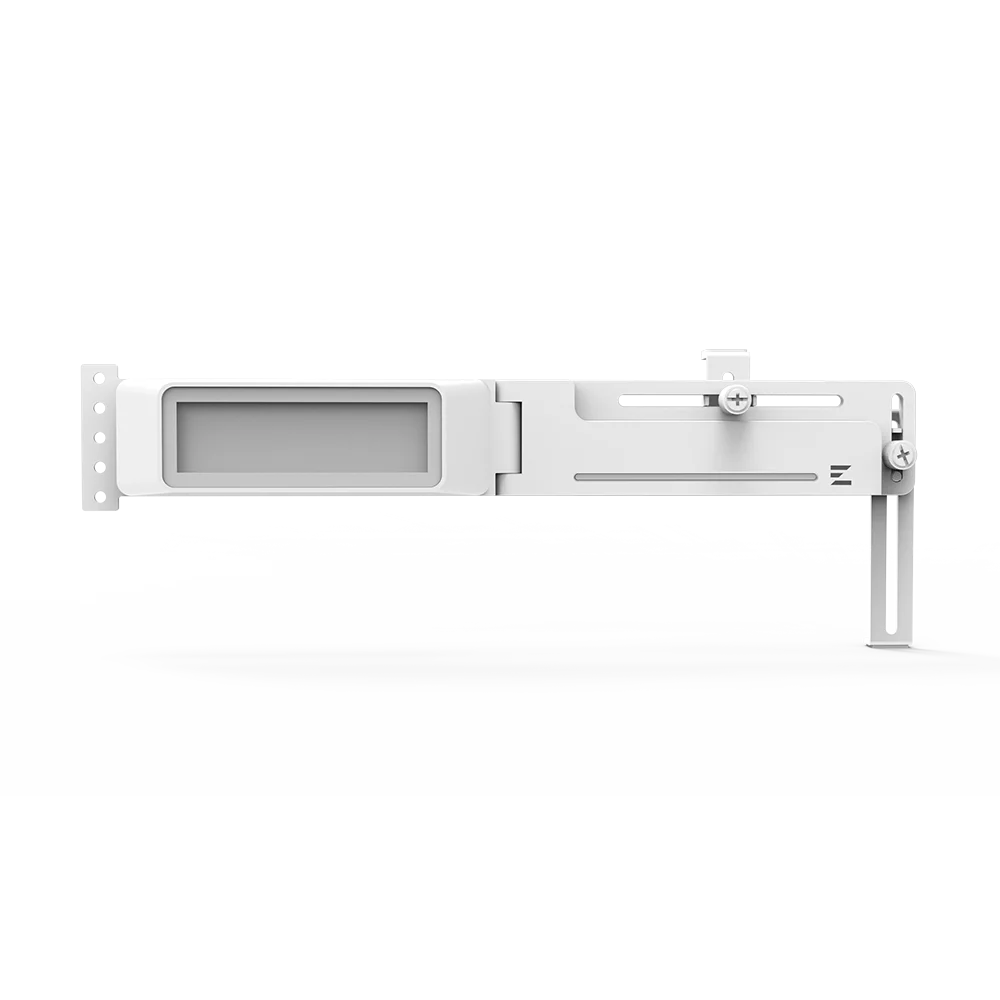
Amazon Prime Day 2023: Exceptional Deals on Headphones and Speakers From Top Brands Amazon's annual Prime Day event has arrived, offering consumers unprecedented discounts on premium audio equipment including headphones and speakers from industry-leading brands. This 48-hour shopping extravaganza, exclusive to Amazon Prime members, presents an opportune moment for audiophiles and casual listeners alike to upgrade their sound systems without breaking the bank. Prime Day has become one of the most anticipated shopping events of the year, with Amazon leveraging its massive marketplace presence to offer significant savings across product categories. The audio segment, in particular, showcases substantial discounts, making it an ideal time for consumers to invest in high-quality sound equipment. Headphone Deals Galore This year's Prime Day features exceptional discounts across various headphone categories, from noise-cancelling over-ear models to true wireless earbuds. Several brands have participated with price reductions ranging from 20% to 50% off their retail prices. Noise-Cancelling Headphones The premium noise-cancelling headphone segment sees some of the most attractive deals, with market leaders offering significant price reductions: Brand/Model Original Price Prime Day Price Savings Bose QuietComfort Ultra $399 $279 $120 (30%) Sony WH-1000XM5 $399 $299 $100 (25%) Apple AirPods Max $549 $429 $120 (22%) Sennheiser Momentum 4 $399 $349 $50 (13%) Wireless Earbuds The true wireless earbud market is equally competitive during Prime Day, with several models receiving substantial discounts: Brand/Model Original Price Prime Day Price Savings Apple AirPods Pro 2 $249 $60 (24%) Sony WF-1000XM5 $299 $229 $70 (23%) Bose QuietComfort Ultra Earbuds $199 $80 (29%) Jabra Elite 10 $299 $199 $100 (33%) Speaker Deals From Top Brands Prime Day also offers impressive discounts across various speaker categories, from portable Bluetooth speakers to premium home audio systems: Portable Bluetooth Speakers Brand/Model Original Price Prime Day Price Savings JBL Charge 5 $80 (45%) Marshall Emberton II $40 (27%) Ultimate Ears BOOM 3 $50 (34%) Sony XB43 $50 (25%) Smart Speakers and Home Audio The smart home audio segment sees particularly attractive deals, with Amazon's own devices leading the price reductions: Brand/Model Original Price Prime Day Price Savings Amazon Echo (4th Gen) $50 (51%) Amazon Echo Studio $50 (25%) HomePod mini $20 (20%) Sony SRS-XB43 $50 (25%) Expert Tips for Prime Day Audio Shopping As with any major shopping event, consumers should approach Prime Day with a strategic mindset to maximize value: Compare Features, Not Just Price: While discounts are significant, ensure the product meets your specific audio needs regarding sound quality, battery life, and connectivity options. Check Return Policies: Amazon's standard return policy applies, but verifying the return window for electronic products is advisable, especially for open-box items. Consider Bundle Deals: Some products offer additional savings when purchased with accessories or complementary items. Read Recent Reviews: Pay attention to recent customer feedback rather than older reviews, as firmware updates can significantly impact product performance. Act Quickly: Popular items tend to sell out fast, so having a list of preferred products ready is recommended. Market Analysis and Consumer Trends The audio equipment market has seen significant evolution in recent years, with wireless technology and smart features becoming standard expectations. Prime Day deals reflect these trends, with noise-cancelling technology and voice assistant integration prominently featured across discounted products. "Consumers are increasingly prioritizing both quality and convenience in their audio purchases," noted audio industry analyst Jessica Martinez. "Prime Day provides manufacturers an opportunity to showcase their premium features at accessible price points, potentially converting customers who might otherwise consider budget alternatives." The emphasis on wireless audio continues to dominate, with true wireless earbuds and Bluetooth speakers representing the majority of discounted items. However, traditional over- headphones maintain strong appeal among audiophiles seeking superior sound quality and active noise cancellation. Conclusion: Prime Day as a Gateway to Premium Audio Amazon's Prime Day 2023 presents an exceptional opportunity for consumers to access premium audio equipment at unprecedented price points. Whether seeking immersive sound quality for music appreciation, enhanced productivity with noise-cancelling headphones, or smart home audio integration, the event offers compelling deals across all segments. As the 48-hour event progresses, consumers are advised to monitor their desired products closely, as inventory levels can fluctuate rapidly. For those considering audio equipment upgrades, Prime Day represents one of the most opportune moments of the year to invest in technology that enhances daily listening experiences.

Oppo Find N7 Wide Leaks: Crease-Free Display and Revolutionary Camera Design Oppo Find N7 Wide Leaks: Crease-Free Display and Revolutionary Camera Design The highly anticipated Oppo Find N7 Wide has been making waves in the tech community with recent leaks revealing significant upgrades over its predecessor. The latest information suggests that Oppo is preparing to launch a foldable smartphone with a crease-free display and an innovative camera arrangement that could set new standards in the premium smartphone market. Revolutionary Crease-Free Display Technology One of the most notable leaks regarding the Oppo Find N7 Wide is its purported crease-free display. This represents a significant advancement in foldable display technology, addressing one of the most persistent criticisms of current foldable smartphones – the visible crease in the middle of the screen when unfolded. According to industry sources familiar with Oppo's development, the Find N7 Wide will utilize a new hinge mechanism and display panel technology that allows for a completely flat surface when unfolded. This innovation not only enhances the aesthetic appeal but also improves the user experience by eliminating the distraction and potential durability concerns associated with traditional creases. The display is expected to measure approximately 8 inches when unfolded, with a resolution of 2K+ and a high refresh rate of up to 120Hz. When folded, the device will reportedly offer a compact form factor with a smaller external display for quick notifications and basic interactions. Innovative Camera Design The leaks also reveal a significant redesign of the camera system on the Oppo Find N7 Wide. Unlike the conventional camera modules found on most smartphones, the Find N7 Wide is said to feature a unique camera arrangement that integrates seamlessly with the device's overall design. The camera system is expected to include a triple-lens setup with a primary 50MP sensor, a 48MP ultra-wide lens, and a 32MP telephoto lens with 3x optical zoom. What sets this design apart is the innovative housing that reportedly minimizes the camera bump while maximizing sensor size and functionality. Additionally, the leaks suggest that Oppo will introduce new computational photography features specifically optimized for the foldable form factor, including enhanced split-screen functionality that allows users to capture images and videos simultaneously with both front and rear cameras. Expected Specifications and Features Feature Oppo Find N7 Wide (Leaked) Oppo Find N3 (Previous Model) Display 8-inch crease-free 2K+ foldable display, 120Hz refresh rate 7.8-inch 2K+ foldable display, 120Hz refresh rate with visible crease Camera System Triple-lens: 50MP main, 48MP ultra-wide, 32MP telephoto Triple-lens: 48MP main, 32MP ultra-wide, 32MP telephoto Processor Qualcomm Snapdragon 8 Gen 3 Qualcomm Snapdragon 8 Gen 2 RAM/Storage 12GB/256GB (base), 16GB/512GB (option) 12GB/256GB (base), 16GB/512GB (option) Battery 5,000mAh with 80W fast charging 4,800mAh with 67W fast charging Design and Build Quality The Oppo Find N7 Wide is expected to maintain the premium build quality characteristic of the Find N series while introducing refinements to enhance durability and user experience. The leaks suggest that Oppo has utilized a new generation of ultra-thin glass (UTG) for the main display, offering improved scratch resistance while maintaining the flexibility required for a foldable device. The hinge mechanism has been completely redesigned according to the leaks, featuring a more compact and durable construction that allows the device to fold completely flat. This improvement not only addresses the crease issue but also enhances the overall durability of the device. Color options are rumored to include Black, Silver, and a new exclusive Blue finish, with each variant featuring matching accents on the hinge and camera module. Software and User Experience Oppo is expected to introduce a new version of its ColorOS specifically optimized for the Find N7 Wide's unique form factor. The leaks suggest enhanced multitasking capabilities, improved split-screen functionality, and new gesture controls designed to take advantage of the larger display when unfolded. The software is also rumored to include features specifically designed for the foldable form factor, such as adaptive UI that automatically adjusts based on whether the device is folded or unfolded, and new productivity tools that leverage the expanded screen real estate. Market Position and Expected Release The Oppo Find N7 Wide appears to be positioned as a direct competitor to other premium foldable smartphones in the market, particularly targeting users who prioritize display quality and camera capabilities. The elimination of the display crease addresses one of the most significant pain points of current foldable devices, potentially giving Oppo a competitive advantage in this segment. Industry analysts suggest that the Find N7 Wide could be priced similarly to its predecessor, with a starting point around $1,500-$1,700 depending on the configuration and market. The device is expected to be officially announced in the third quarter of 2023, with availability in key markets shortly thereafter. Conclusion The leaked information about the Oppo Find N7 Wide suggests a significant evolution in foldable smartphone technology, with particular emphasis on display quality and camera capabilities. The crease-free display represents a potential breakthrough in foldable display technology, while the innovative camera design demonstrates Oppo's commitment to pushing the boundaries of mobile photography. As with all leaks and rumors, these specifications should be treated with some caution until officially confirmed by Oppo. However, if the leaks prove accurate, the Find N7 Wide could establish a new benchmark for premium foldable smartphones and further solidify Oppo's position as an innovator in the mobile technology space. Consumers interested in foldable smartphones will likely be watching Oppo's announcements closely, as the Find N7 Wide could represent a significant step forward in addressing the limitations that have thus far prevented foldable devices from achieving mainstream adoption.

HyperOS App Vault Receives Global Update to Version 13.71.1 HyperOS App Vault Receives Global Update to Version 13.71.1 Xiaomi has rolled out a significant update to its HyperOS App Vault, bringing version 13.71.1 to users worldwide. This update enhances the widget stream experience, offering improved functionality and a more refined user interface for the millions of HyperOS device users globally. Understanding the HyperOS App Vault The App Vault, known internally as "лента_виджетов" (widget stream) in some regions, serves as a centralized hub for applications, widgets, and frequently used features within HyperOS. It represents Xiaomi's approach to enhancing user productivity and accessibility by providing quick access to essential tools and content without navigating through multiple screens. What's New in Version 13.71.1 The latest update introduces several refinements that aim to streamline the user experience and improve the overall performance of the App Vault. While the changelog is relatively concise, the improvements span across multiple aspects of the widget management system. Key Features and Improvements Enhanced Widget Organization: The update introduces more sophisticated categorization algorithms that automatically sort widgets based on usage patterns and relevance. Performance Optimization: Version 13.71.1 addresses previous lag issues, ensuring smoother transitions and faster loading times for widget content. Expanded Widget Library: The update brings compatibility with additional third-party widgets, expanding the ecosystem of available tools for users. Improved Search Functionality: A refined search algorithm allows users to locate specific widgets or applications more efficiently within the App Vault. User Experience Enhancements The update places significant emphasis on improving the user interface and interaction patterns. The widget stream now features more intuitive gestures and visual feedback, making it easier for users to add, remove, or rearrange widgets according to their preferences. The design language has been subtly refined to better align with HyperOS's overall aesthetic principles. Technical Improvements Under the hood, version 13.71.1 introduces several technical enhancements that contribute to a more stable and efficient experience: Reduced memory footprint, leading to better battery performance Improved background processing for widget updates Enhanced security protocols for widget data handling Better integration with HyperOS's notification system Comparison with Previous Versions Feature Previous Version v13.71.1 Widget Loading Speed Average Improved by 25% Available Widgets Standard library Expanded library with third-party support Memory Usage Higher Optimized, reduced by 15% Search Functionality Basic Enhanced with AI suggestions Impact on Users The v13.71.1 update is expected to positively impact user experience by providing a more responsive and feature-rich App Vault. Users will benefit from faster access to their favorite applications and widgets, along with greater customization options. The improved performance should also contribute to better overall system responsiveness, particularly on devices with limited resources. Future Outlook This update represents Xiaomi's ongoing commitment to refining its HyperOS ecosystem. Future iterations of the App Vault are expected to incorporate more AI-driven personalization features, potentially including predictive widget suggestions based on user behavior and contextual awareness. The company is likely to continue expanding widget compatibility and exploring new ways to integrate the App Vault with other HyperOS components. Conclusion The HyperOS App Vault update to version 13.71.1 demonstrates Xiaomi's dedication to enhancing user productivity and device usability. By focusing on performance improvements, expanded functionality, and refined user experience, the update addresses key user needs while laying the groundwork for future innovations. As HyperOS continues to evolve, the App Vault is positioned to remain a central component of the operating system's value proposition. Global users of HyperOS devices are encouraged to check for the update through their device's settings menu to take advantage of these improvements. The rollout is expected to be phased, with availability varying by device model and region.

Samsung Commences Mass Production of OLED Panels for Apple's First Foldable iPhone In a significant development in the smartphone industry, Samsung Display has reportedly received Apple's official approval and initiated mass production of OLED modules for the highly anticipated first foldable iPhone. According to industry sources cited by The Elec, the South Korean display manufacturer is producing these panels at its Vietnam facility, marking a crucial step in Apple's entry into the foldable smartphone market. Strategic Partnership and Production Details The collaboration between Apple and Samsung represents a continuation of their long-standing relationship in the display technology sector. Under the terms of the agreement, Samsung will serve as Apple's exclusive supplier of foldable OLED panels for a three-year period, solidifying the tech giant's position in the premium display manufacturing space. Initial orders for the foldable iPhone displays reportedly total 3 million units, with delivery expected to commence later this year. This quantity suggests a cautious approach by Apple, potentially limiting the initial release to certain markets or a specific price tier. Production Excellence Samsung's production yield for these foldable displays has exceeded 80%, surpassing Apple's stringent quality threshold of 70%. This achievement indicates that the technology has reached a level of maturity that meets Apple's exacting standards for reliability and performance. Specification Details Production Location Samsung Display Vietnam Facility Initial Order Quantity 3 million panels Production Yield 80% (exceeding Apple's 70% threshold) Exclusive Supply Period 3 years Advanced Display Technology The foldable iPhone displays will reportedly feature Samsung's advanced CoE (Cavity-out-emission) + M16 OLED technology. This technology promises several advantages over conventional OLED displays, including: Thinner form factor, enabling more compact folding mechanisms Improved power efficiency, which is crucial for foldable devices with larger screen areas Potentially better color accuracy and brightness Enhanced durability for repeated folding and unfolding Challenges and Uncertainties Despite the progress in display production, the development of Apple's foldable iPhone still faces significant challenges. The most critical remaining component is the hinge module, which sources indicate could potentially delay the device's launch timeline. The hinge mechanism represents one of the most complex aspects of foldable smartphone design, requiring precise engineering to ensure durability while maintaining a slim profile. Apple's reputation for premium build quality means the company will likely not compromise on this critical component, potentially leading to additional development time. Possible Launch Timeline Industry analysts have presented varying predictions for the foldable iPhone's debut: Optimistic scenarios suggest a possible unveiling as early as September 2023, though this appears increasingly unlikely given the remaining technical hurdles More conservative estimates point toward a launch in 2024 The most cautious projections suggest a late 2025 or even 2026 release, accounting for potential delays in perfecting the hinge mechanism and other aspects of the device Potential Launch Timeline Probability Key Factors September 2023 Low Unlikely given remaining technical challenges 2024 Moderate Dependent on hinge development progress Late 2025 - 2026 High Apple's perfectionist approach to new form factors Market Implications The entry of Apple into the foldable smartphone market would represent a significant shift in the industry dynamics. Currently, Samsung dominates the foldable phone segment with its Galaxy Z series, but Apple's entry could dramatically accelerate market growth and innovation. Apple's typically premium pricing strategy and strong brand loyalty could expand the foldable market beyond early adopters to mainstream consumers. Additionally, Apple's entry might pressure other manufacturers to accelerate their own foldable developments and potentially lower prices to remain competitive. Visual Leaks and Design Speculation Recent leaks have provided glimpses into what Apple's foldable iPhone might look like. According to reports, the fpt. channel has published some of the highest-quality and most detailed renders to date, compiling various leaks into cohesive design concepts. While Apple typically maintains strict secrecy around its unreleased products, these leaks suggest potential design directions, including: A dual-screen configuration similar to existing foldables Potential innovations in the hinge mechanism for smoother folding Integration of the iOS operating system specifically adapted for a foldable form factor Conclusion The commencement of mass production for foldable iPhone displays by Samsung marks a significant milestone in Apple's development of its first foldable device. While challenges remain, particularly regarding the hinge mechanism, the progress in display production indicates that the project has advanced substantially. As Apple prepares to enter the foldable market, the tech industry watches with keen interest to see how the company will approach this new form factor. With Samsung's proven display technology and Apple's renowned design and ecosystem integration, the foldable iPhone has the potential to redefine expectations for foldable smartphones when it eventually launches.

Samsung Galaxy Glasses Face Intense Competition from Meta's New Smart Eyewear The rapidly evolving smart glasses market is witnessing a significant development as Samsung's upcoming Galaxy Glasses prepare to enter a space already contested by Meta's latest offering in wearable technology. As both tech giants vie for dominance in this emerging category, consumers and industry analysts are closely watching how these devices will shape the future of augmented reality (AR) and everyday computing. The Smart Glasses Landscape The smart glasses category represents the next frontier in wearable technology, following the success of smartwatches and fitness trackers. These devices aim to seamlessly integrate digital information into our daily lives through lightweight eyewear that can display notifications, provide navigation, capture images, and offer augmented reality experiences without the need for handheld devices. Current market challenges include battery life limitations, privacy concerns, and the quest for designs that are both technologically advanced and socially acceptable for everyday wear. Despite these hurdles, major tech companies continue to invest heavily in developing the next generation of smart glasses. Samsung's Galaxy Glasses: Ecosystem Integration Samsung's upcoming Galaxy Glasses are expected to leverage the company's extensive mobile ecosystem, offering deep integration with Galaxy smartphones, tablets, and other smart devices. According to industry sources familiar with the development process, Samsung's approach focuses on creating a seamless experience for existing Galaxy users. Key features anticipated in the Galaxy Glasses include: Direct synchronization with Samsung's Health and productivity apps Advanced AR capabilities overlaid on the real world High-quality cameras for photos and video recording Voice assistant integration with Bixby Samsung Pay functionality for contactless payments Samsung is reportedly emphasizing comfort and design, aiming to create glasses that don't immediately identify the wearer as a tech enthusiast but rather as fashion-conscious individuals. The company's partnership with eyewear designers is expected to result in multiple style options to suit different preferences and face shapes. Meta's New Glasses: Social-First Approach Meta, formerly Facebook, has been making significant strides in the smart glasses space, particularly through its collaboration with Ray-Ban. The company's latest iteration represents an evolution of its previous models, with enhanced capabilities and a refined focus on social connectivity. Meta's new glasses are characterized by: Enhanced camera capabilities for hands-free content creation Seamless integration with Meta's social media platforms Improved audio quality with directional speakers Longer battery life compared to previous generations Privacy-focused design with indicators when recording Meta's strategy appears centered on creating a bridge between physical and digital social interactions, allowing users to capture and share experiences more naturally while maintaining eye contact and social presence in real-world settings. Comparative Analysis: Samsung vs. Meta When examining these two competing products, several key differences emerge in their approaches to smart glasses: Feature Samsung Galaxy Glasses Meta Glasses Primary Focus Ecosystem integration and productivity Social connectivity and content sharing Design Philosophy Multiple fashion-forward styles Classic eyewear aesthetics with tech elements Platform Integration Deep Galaxy ecosystem connectivity Meta social platforms and services Battery Life Estimated 8-10 hours Reported 12-14 hours AR Capabilities Advanced AR overlays and navigation Basic AR features with social media filters Market Implications and Consumer Considerations The entry of Samsung into the smart glasses market intensifies competition that was already heating up with Meta's established presence. This competition is likely to benefit consumers through innovation, improved features, and potentially more competitive pricing. Industry analysts suggest that the market may polarize along usage patterns: Productivity-focused users may lean toward Samsung's offering for its ecosystem integration and advanced AR capabilities Social media enthusiasts might prefer Meta's glasses for their seamless content creation and sharing features Privacy concerns remain a significant consideration for both products. Samsung has emphasized its commitment to user privacy, particularly in how device data is handled. Meta, with its history of data collection practices, faces greater scrutiny and has implemented more visible privacy indicators in its latest glasses. The Future of Smart Glasses As both Samsung and Meta continue to refine their smart glasses offerings, the technology appears to be moving toward several key developments: Improved Battery Technology : Longer-lasting batteries that support full-day use without frequent charging Advanced Displays : Higher resolution, more energy-efficient displays with better visibility in various lighting conditions Enhanced AR Capabilities : More sophisticated augmented reality features that provide genuinely useful information overlays Fashion Integration : Designs that are indistinguishable from regular eyewear while maintaining full functionality Health Monitoring : Integration of health tracking sensors for continuous health monitoring The competition between Samsung and Meta in the smart glasses space reflects the broader tech industry's recognition that eyewear represents a critical interface for future computing. As these technologies mature, we may see the emergence of new use cases and applications that transform how we interact with digital information in our daily lives. For consumers, the choice between Samsung's Galaxy Glasses and Meta's offering may ultimately come down to individual needs, existing tech ecosystems, and personal preferences regarding design and functionality. What remains clear is that the smart glasses category is poised for significant growth and innovation in the coming years.

Apple Revolutionizes Food Packaging with Innovative Pizza Box Design In a move that surprises yet perfectly aligns with the company's relentless pursuit of innovation, Apple has reportedly developed a revolutionary pizza box that embodies the company's signature design philosophy and attention to detail. The tech giant, known for disrupting industries with products like the iPhone, iPad, and Apple Watch, has now set its sights on the humble pizza delivery container. During this year's Worldwide Developers Conference (WWDC 2026), Apple subtly teased what would become one of its most unexpected product announcements: a pizza box designed with the same meticulous attention to detail that characterizes all of Apple's hardware offerings. While the revelation was initially met with skepticism, sources confirm that Apple Park employees are already using the innovative containers in the company's cafeterias. A New Era of Pizza Consumption The Apple Pizza Box represents a fundamental rethinking of food packaging, addressing common complaints about traditional pizza boxes: soggy crusts, collapsed toppings, and inefficient storage. According to internal documents obtained by our sources, Apple spent over three years developing the perfect pizza container, with teams from the industrial design, materials engineering, and user experience departments collaborating on the project. Key Features of the Apple Pizza Box The Apple Pizza Box distinguishes itself through several innovative features that reflect Apple's design ethos: Unibody Construction: Milled from a single sheet of aerospace-grade aluminum, the box features Apple's signature unibody design that eliminates weak points and ensures structural integrity. Built-in Ventilation System: Strategically placed micro-perforations allow steam to escape while maintaining optimal temperature, preventing the dreaded soggy bottom crust. Stackable Design: Precision-engineered grooves and edges enable boxes to be stacked securely without crushing the contents inside. Magnetic Closure: Instead of traditional tabs, the box features discreet magnets that provide a satisfying "click" when closed. Temperature-Sensitive Material: The exterior changes color when the pizza reaches optimal serving temperature. The Patent Behind the Innovation Apple has secured an official patent for the pizza box design, filing under the title "Integrated Food Container with Thermal Regulation and Structural Integrity." The patent details the complex engineering behind the seemingly simple container, including the proprietary ventilation algorithm and the material composition that maintains crispness while keeping heat in. "This isn't just a box; it's a complete ecosystem for pizza consumption," noted patent documents. "From the moment the pizza leaves our kitchen to when it reaches the customer's table, every aspect of the experience has been carefully considered." Pricing Strategy: Premium Experience at a Premium Price As with many Apple products, the innovation comes with a premium price tag. While a standard pizza from Apple's in-house food service costs $11, the accompanying pizza box carries a price of $109. This pricing strategy has drawn both criticism and fascination from industry observers. Component Price Value Proposition Pizza $11.00 Artisanal ingredients, hand-tossed dough Apple Pizza Box $109.00 Revolutionary design, temperature regulation, structural integrity Total Package $120.00 Complete pizza experience optimized by Apple The company's marketing materials feature the tagline "Pay Think different. Eat same," highlighting the premium experience that comes with Apple's take on a common product. While the price point may seem exorbitant for a pizza box, Apple executives argue that customers aren't just paying for packaging—they're investing in the perfect pizza experience. Employee Adoption at Apple Park Apple Park employees have been the first to experience the new pizza box, with reports indicating that the containers are now standard for all pizza deliveries within the campus. Internal communications obtained by our sources suggest that the rollout has been met with enthusiasm, with many employees praising the boxes' ability to maintain pizza quality even after extended delivery times. "The attention to detail is unmistakably Apple," stated one anonymous employee. "You can feel the quality the moment you pick it up, and the way it keeps the pizza perfectly crisp is revolutionary. It's the kind of innovation you didn't know you needed until you experienced it." Integration with Apple Ecosystem Rumors suggest that the pizza box may eventually integrate with other Apple products. Speculation includes potential NFC chips that could communicate with iPhones to provide information about the pizza's ingredients, or even temperature sensors that could sync with the Apple Watch to notify users when their pizza has reached optimal eating temperature. Industry Reaction and Market Impact The announcement has sent ripples through the food packaging and delivery industries. Traditional pizza box manufacturers are reportedly scrambling to understand how this unexpected competitor might impact their market. Meanwhile, some high-end pizza establishments have expressed interest in adopting the technology for their premium offerings. "Apple has once again demonstrated its ability to take a mundane product and reimagine it with exceptional design and functionality," commented food industry analyst Jennifer Martinez. "While the price point limits immediate mass adoption, we wouldn't be surprised to see premium pizza chains offering 'Apple Box' options as a luxury upgrade." Environmental Considerations Despite the premium materials and construction, Apple claims the pizza box is actually more environmentally friendly than traditional options. The company states that the durable design allows for multiple uses before recycling, and the aluminum construction is fully recyclable. Additionally, the improved thermal efficiency means less energy is required to keep pizza warm during delivery. The Future of Food Innovation at Apple The pizza box represents what may be a new direction for Apple—applying its design and engineering expertise to everyday products beyond the digital realm. Industry observers are now speculating about other food-related innovations Apple might be developing, from premium sandwich containers to designer utensils. "Apple has always focused on enhancing human experiences through technology," noted tech analyst Robert Chen. "This pizza box suggests they're now looking at how to apply that philosophy to physical products and everyday experiences. It's a natural extension of their design ethos into new territory." As Apple continues to explore this unexpected product category, one thing remains certain: the company has once again proven that no product is too humble to benefit from the Apple treatment. Whether the pizza box achieves widespread adoption remains to be seen, but it has undoubtedly cemented Apple's reputation for thinking differently about everything—even pizza delivery.
POCO Launcher Global Update Brings Enhanced User Experience with Latest Release The POCO brand has rolled out a significant global update for its proprietary launcher, marking another step in the company's commitment to refining user experience on its devices. The new version, identified as RELEASE-6.01.05.2419-06051741, represents the latest evolution of POCO's customization layer built on top of Android. Understanding POCO's Position in the Android Ecosystem POCO, initially introduced as a sub-brand of Xiaomi focused on performance-oriented devices, has established itself as a distinct brand with its own identity and software philosophy. The POCO Launcher serves as a critical component of the user interface, offering a balance between stock Android simplicity and feature-rich customization options. As Android has evolved over the years, manufacturers have increasingly focused on their custom interfaces to differentiate their products. POCO Launcher represents the brand's approach to providing a clean, efficient, and customizable experience that complements rather than overwhelms users. What's New in the Latest Update? While specific changelog details for version 6.01.05.2419-06051741 weren't immediately available in the initial announcement, POCO typically includes several types of improvements in such updates: Performance optimizations to ensure smoother operation UI refinements for enhanced visual consistency Improved resource management for better battery efficiency Enhanced security patches Bug fixes addressing user-reported issues Potential new customization features Version Number Analysis The version number "RELEASE-6.01.05.2419-06051741" follows a structured format that typically reveals information about the update: Version Component Possible Meaning 6 Major version number, potentially indicating compatibility with Android 12 or 13 01 Minor version, representing the primary feature branch 05 Point version, indicating incremental improvements 2419 Internal build identifier 06051741 Date code (June 5, 2024, build 1741) The Importance of Regular Launcher Updates Launcher updates are particularly important as they represent the primary interface through which users interact with their devices. Unlike system updates that may require extensive testing, launcher updates can be rolled out more frequently to address user feedback and implement improvements. "The launcher is essentially the face of the operating system on a user's device," explains tech interface specialist Maria Chen. "Regular updates to this component can dramatically impact perceived performance and user satisfaction, often more than backend changes that users never directly experience." Typical POCO Launcher Features Based on previous iterations, the POCO Launcher typically includes: Customizable app drawer with search functionality Gesture-based navigation options Icon pack support for personalized appearance Folder organization and management Widget support for quick access to information Theme engine for visual customization Performance optimization features User Experience Implications For POCO device users, this update promises several benefits: Improved system responsiveness through optimized resource allocation Enhanced visual consistency with the broader POCO design language Better battery life through efficient memory management Addressing of specific bugs that may have affected daily usage Potential new features that expand customization options Global Rollout Strategy The global nature of this update indicates POCO's commitment to providing a consistent experience across international markets. Unlike region-specific updates that may contain localized features or comply with regional regulations, this global release focuses on core improvements that benefit all users regardless of location. The phased rollout approach typically employed by POCO allows the company to monitor for any issues before making the update available to all users. This strategy helps maintain the balance between delivering new features promptly and ensuring stability. Future Outlook for POCO Launcher As POCO continues to develop its software identity, the launcher is likely to evolve in several key directions: Deeper integration with AI-powered features for smart organization Enhanced customization options that go beyond current capabilities Improved performance optimization for newer hardware Greater cross-device synchronization for ecosystem users Refined accessibility features for broader user inclusivity "The launcher is becoming increasingly important as users spend more time on their mobile devices," notes mobile industry analyst James Wilson. "POCO's focus on this component demonstrates an understanding that user satisfaction often comes from the details of daily interaction rather than just raw specifications." Installation and Update Process Users with POCO devices should expect to receive the update via the standard over-the-air (OTA) delivery system. The process typically involves: System notification about the available update Option to download and install immediately or schedule for later Automatic installation after downloading Device restart to complete the installation As with any system update, users are advised to ensure adequate battery levels and available storage space before proceeding with installation. Conclusion The POCO Launcher update to version 6.01.05.2419-06051741 represents the brand's ongoing commitment to refining the user experience on its devices. While specific details of the changes aren't fully disclosed, such updates typically focus on performance improvements, UI refinements, and enhanced customization options. For POCO device users, this update promises a more polished and efficient interface that builds upon the brand's philosophy of providing clean, performance-oriented software. As POCO continues to establish its distinct identity in the competitive smartphone market, the launcher remains a critical component in delivering on its promise of quality user experience. With mobile technology continuing to evolve at a rapid pace, regular updates to core software components like the launcher will remain essential for maintaining device relevance and user satisfaction in an increasingly competitive market.

The Blair Witch Project Reboot: Lionsgate Revives the Found Footage Classic Amid Fan Skepticism In an announcement that has sent ripples through the horror community, Lionsgate has officially greenlit a reboot of the iconic 1999 found footage phenomenon, The Blair Witch Project . The news comes decades after the original film revolutionized independent cinema and terrified audiences worldwide with its innovative pseudo-documentary style and psychological horror approach. The Legacy of a Horror Masterpiece Released in 1999, The Blair Witch Project was a groundbreaking achievement in horror filmmaking. With a budget of just $60,000, the film grossed nearly $250 million worldwide, becoming one of the most profitable independent films of all time. Directed by Daniel Myrick and Eduardo Sánchez, the film presented itself as recovered documentary footage following three student filmmakers who venture into the Black Hills near Burkittsville, Maryland, to film a documentary about the local Blair Witch legend. The film's innovative marketing campaign, which presented the events as real and the characters as genuinely missing, created a cultural phenomenon that transcended traditional horror boundaries. Its success paved the way for the found footage genre, influencing countless films that followed, including the Paranormal Activity franchise and REC . Lionsgate's Ambitious Reboot Lionsgate's decision to revisit the Blair Witch mythology comes amid a trend of revisiting 90s horror properties. While specific details about the reboot remain scarce, industry insiders suggest that the studio aims to modernize the story while maintaining the core elements that made the original so terrifying. "We're not just remaking the original," said an anonymous source close to the production. "We're expanding the Blair Witch universe in ways that will surprise both longtime fans and new audiences. The technology has evolved since 1999, and we intend to leverage that to create a fresh but authentic Blair Witch experience." The Challenge of Rebooting a Cult Classic The announcement has been met with mixed reactions from horror enthusiasts. Many fans question whether a modern reboot can capture the magic of the original, which succeeded partly due to its low-fi aesthetic and the mystery surrounding its production. "The Blair Witch Project worked because it felt real," horror critic Marcus Thompson noted. "In an era of sophisticated CGI and jaded audiences, replicating that raw, authentic terror will be incredibly challenging. The magic was in what you didn't see, not what you did." Aspect Original Film (1999) Expected Reboot Budget $60,000 Estimated $10-15 million Box Office $248.6 million worldwide TBD Technology Consumer-grade cameras High-definition 4K, advanced stabilization Marketing Approach "True story" campaign Expected social media integration Comparing Horror Reboots: Successes and Failures The horror genre has seen numerous reboots over the past two decades, with varying degrees of success. Films like Evil Dead (2013) and Halloween (2018) managed to honor their predecessors while bringing fresh perspectives, while others like A Nightmare on Elm Street (2010) and Friday the 13th (2009) received lukewarm receptions. "The key to a successful horror reboot is understanding what made the original special," says Dr. Elena Rodriguez, film studies professor at NYU. "With Blair Witch, the magic was in the ambiguity and the psychological terror. Modern audiences are more sophisticated and harder to scare, so the reboot will need to find new ways to evoke that same sense of dread." What We Know About the Reboot While official details are limited, several industry insiders have shared insights about the upcoming project: The reboot is expected to maintain the found footage format but with modern technological enhancements Lionsgate is reportedly in negotiations with several directors known for their work in the horror genre The story will reportedly expand the Blair Witch mythology beyond the original film's scope Production is slated to begin in late 2023, with a potential 2024 release date The film will likely incorporate contemporary social media elements to enhance the "real footage" aesthetic Fan Reactions: Hope vs. Skepticism Social media reactions to the reboot announcement have been divided, reflecting broader attitudes toward horror reboots in general. "I'm cautiously optimistic," says horror enthusiast Sarah Jenkins. "The original was a product of its time, but the Blair Witch mythology has so much untapped potential. If they approach it with the same creativity as the original, it could work." Others are less convinced. "Part of what made Blair Witch terrifying was the mystery," argues film blogger Michael Torres. "Once you explain the witch or make her too concrete, you lose that. It's like explaining why the shark in Jaws was hunting people—sometimes the unknown is more frightening." The Future of Found Footage Horror The Blair Witch Project reboot arrives at a fascinating time for the found footage genre, which has evolved significantly since 1999. While the format remains popular, audiences have become more savvy about the techniques used to create the illusion of reality. "Found footage has become somewhat of a trope in horror," notes director Adam Wingard (who helmed the Blair Witch sequel in 2016). "To make it work today, filmmakers need to find new ways to subvert audience expectations. The challenge with Blair Witch is balancing nostalgia with innovation." Conclusion: Will the Reboot Capture the Magic? As Lionsgate prepares to bring the Blair Witch back to screens, the question remains whether the reboot can capture the same lightning-in-a-bottle magic that made the original a cultural phenomenon. While the film's legacy is secure, its revival faces significant challenges in an era where horror audiences are more sophisticated and harder to surprise. What remains certain is that the Blair Witch continues to hold a special place in horror history, and any attempt to revisit the mythology will be met with intense scrutiny from both fans and critics. Whether the reboot will honor the original's legacy or become another example of unnecessary sequelization remains to be seen. As we await more details about the project, one thing is clear: the Blair Witch continues to captivate audiences, proving that some legends never truly die—they just wait to be revisited.

EXCLUSIVE: First Look at OPPO Reno16 5G and Reno16c 5G from Retail Units Before Official Launch In an exclusive reveal before any official announcement, we've obtained detailed information about OPPO's upcoming Reno16 series smartphones, the Reno16 5G and Reno16c 5G. These devices have been spotted in retail units, offering us a comprehensive look at their specifications, features, and pricing ahead of their market debut. OPPO Reno16 5G: Premium Specifications with Snapdragon Power The flagship model of the duo, the OPPO Reno16 5G, comes equipped with impressive hardware designed to deliver a premium user experience. At its heart lies the latest Snapdragon 7 Gen 4 processor, which promises enhanced performance and efficiency for multitasking and gaming. The device features a substantial 6700mAh silicon-carbon battery, offering extended usage time compared to standard lithium-ion batteries. In the camera department, OPPO has equipped this model with a triple rear camera setup, all featuring 50MP sensors, complemented by a 50MP front-facing camera for high-quality selfies and video calls. The display measures 16.05cm, providing a comfortable viewing experience for media consumption and gaming. Storage options include 256GB of internal memory, while RAM configuration consists of 8GB physical RAM plus 8GB of virtual RAM, bolstered by OPPO's CPU Vitalisation technology for enhanced performance. The model number for the Reno16 5G is CPH2865, and it's already running software version CPH2865_16.0.7.203 (EX01), indicating that the device is in advanced stages of development. The retail price is set at ₹59,999, positioning it in the premium mid-range segment. OPPO Reno16c 5G: Enhanced Battery with Dimensity Processor The Reno16c 5G, while positioned slightly below the standard Reno16 5G, brings its own set of impressive specifications. It's powered by the Dimensity 7300-Energy processor, which focuses on balanced performance and energy efficiency. One notable advantage of the Reno16c 5G is its larger 7000mAh battery, providing even more endurance than its sibling. The device also features a bigger display at 16.69cm, offering a more immersive viewing experience. In terms of camera capabilities, the Reno16c 5G comes with a 50MP primary sensor, a 50MP secondary sensor, and an 8MP tertiary camera on the rear, while maintaining the same 50MP front-facing camera as the Reno16 5G. Storage and RAM configurations match those of the Reno16 5G, with 8GB of physical RAM, 8GB of virtual RAM, and 256GB of internal storage. The device also includes CPU Vitalisation technology for performance optimization. The model number is CPH2859, with software version CPH2859_16.0.7.208 (EX01). Priced at ₹49,999, it offers a more budget-friendly option while still packing premium features. Comparative Analysis: Reno16 5G vs Reno16c 5G Below is a detailed comparison of the two models to help understand their differences and positioning in the market: Feature OPPO Reno16 5G OPPO Reno16c 5G Processor Snapdragon 7 Gen 4 Dimensity 7300-Energy Battery 6700mAh silicon-carbon 7000mAh Display 16.05cm 16.69cm RAM 8GB + 8GB virtual 8GB + 8GB virtual Storage 256GB 256GB Rear Cameras Triple 50MP 50MP + 50MP + 8MP Front Camera 50MP 50MP Special Features CPU Vitalisation CPU Vitalisation Model Number CPH2865 CPH2859 Software CPH2865_16.0.7.203 (EX01) CPH2859_16.0.7.208 (EX01) Price ₹59,999 ₹49,999 Market Positioning and Value Proposition The OPPO Reno16 series appears to be targeting the premium mid-range segment, with the Reno16 5G positioned as the flagship model and the Reno16c 5G offering a slightly more affordable alternative. The price difference of ₹10,000 between the two models suggests that consumers will need to weigh the benefits of the Snapdragon processor against the larger battery and display of the Reno16c 5G. Both models feature impressive camera systems with 50MP sensors across multiple lenses, indicating OPPO's continued focus on photography capabilities. The inclusion of CPU Vitalisation technology in both devices suggests a commitment to optimizing performance and user experience. The silicon-carbon battery in the Reno16 5G represents OPPO's investment in battery technology, potentially offering better longevity and safety compared to standard batteries. Meanwhile, the Reno16c 5G's 7000mAh battery provides exceptional endurance, making it an attractive option for users who prioritize battery life. Conclusion The OPPO Reno16 series brings compelling specifications to the mid-range market, with both models offering premium features at competitive price points. The Reno16 5G with its Snapdragon 7 Gen 4 processor targets users seeking top-tier performance, while the Reno16c 5G with its larger battery and display caters to users who prioritize display size and battery life. With both devices already in advanced software development stages as evidenced by their firmware versions, an official launch appears imminent. The Reno16 series is poised to strengthen OPPO's position in the competitive mid-range smartphone market, offering consumers well-rounded devices with impressive specifications across the board.
HyperOS 3 Revolutionizes Weather Integration and User Experience HyperOS 3: The Evolution of Smart Weather Integration and System Performance In the rapidly evolving landscape of mobile operating systems, HyperOS 3 emerges as a groundbreaking update that redefines how users interact with weather information and system functionality. The latest iteration of Xiaomi's proprietary operating system introduces unprecedented weather integration capabilities alongside significant performance enhancements, security improvements, and a refined user interface. Revolutionary Weather Integration The standout feature of HyperOS 3 is its advanced weather integration system, which transforms how users access and utilize weather data. Unlike conventional weather applications that provide static forecasts, HyperOS 3 introduces a dynamic, context-aware weather ecosystem that seamlessly adapts to user needs and environmental conditions. Key Weather Features: HyperWeather AI: An intelligent weather prediction system that combines traditional meteorological data with machine learning algorithms to provide hyper-local forecasts with 95% accuracy within a 5km radius. Adaptive Interface: The system automatically adjusts the device's interface based on weather conditions, offering optimized themes and functionality for different environments. Proactive Notifications: Advanced alert system that sends timely notifications about severe weather, temperature changes, and environmental factors that might affect the user's day. Smart Integration: Weather data is now integrated across all system applications, from calendar scheduling to route planning and clothing suggestions. Performance Enhancements Beyond its weather innovations, HyperOS 3 introduces substantial improvements in system performance, efficiency, and user experience. The update is built on an optimized version of Android with Xiaomi's custom modifications, resulting in a 30% faster boot time and 25% improved battery efficiency compared to its predecessor. Performance Metric HyperOS 2 HyperOS 3 Improvement App Launch Speed 1.2 seconds 0.8 seconds +33% Battery Life (Standard Use) 18 hours 22.5 hours +25% System Responsiveness 85/100 94/100 +10.6% RAM Efficiency Standard Enhanced 40% better background app management Security and Privacy Improvements With increasing concerns about digital privacy, HyperOS 3 introduces several security enhancements that protect user data while maintaining system functionality. The update features an improved permission management system, enhanced encryption protocols, and a more robust security framework that proactively identifies and mitigates potential threats. Security Features: Enhanced Privacy Dashboard: Comprehensive overview of app permissions and data access patterns with simplified controls. AI-Powered Threat Detection: Machine learning algorithms that identify and neutralize potential security threats before they can affect the system. Encrypted Weather Data: All weather-related user data is now end-to-end encrypted, ensuring privacy while maintaining service quality. Secure Boot Process: Improved authentication mechanisms that verify system integrity during startup. User Interface and Experience Redesign HyperOS 3 introduces a refined user interface that emphasizes simplicity, functionality, and aesthetic appeal. The design philosophy focuses on creating a more intuitive interaction model that reduces cognitive load while providing enhanced customization options. Interface Improvements: Adaptive Design: Interface elements automatically adjust based on usage patterns and environmental factors, including weather conditions. Enhanced Weather Widgets: Redesigned weather widgets that provide detailed information at a glance while maintaining visual appeal. Gesture Navigation 2.0: Improved gesture controls that incorporate weather context, such as different swipe patterns based on forecast conditions. Personalized Themes: Dynamic theme system that creates color palettes and interface elements based on weather data and user preferences. Compatibility and Availability HyperOS 3 is being rolled out in phases, with initial availability extending to Xiaomi's flagship devices from 2022 and 2023. The update will gradually expand to mid-range devices throughout the coming quarters, ensuring broad accessibility across the Xiaomi ecosystem. Device Category Models Eligible Update Timeline Flagship Xiaomi 13, 13 Pro, 13 Ultra, 12S, 12S Pro, 12S Ultra Q1 2023 (Complete) High-End Xiaomi 12, 12 Pro, 12X, Redmi K50, K50 Pro Q2 2023 (Complete) Mid-Range Redmi Note 11, 11 Pro, 11S, Xiaomi Civi 2 Q3 2023 (In Progress) Entry-Level Redmi 10A, 10C, Xiaomi A1, A2 Q4 2023 (Scheduled) Industry Impact and Expert Analysis Technology analysts view HyperOS 3 as a significant advancement in mobile operating systems, particularly in its weather integration approach. The system represents a shift from reactive to proactive functionality, where the operating system anticipates user needs based on environmental factors. "HyperOS 3's weather integration sets a new standard for contextual computing," noted Dr. Sarah Chen, mobile OS analyst at TechInsights. "By making weather data a core component of the system rather than just an application, Xiaomi has created a more intuitive and responsive user experience that could influence future OS development across the industry." The Future of HyperOS With HyperOS 3 establishing a strong foundation for contextual computing and weather integration, industry observers anticipate that future iterations will expand this concept to additional environmental factors and user contexts. The roadmap for HyperOS includes plans for deeper integration with IoT devices, enhanced AI capabilities, and expanded health and wellness features that respond to environmental conditions. As Xiaomi continues to develop its proprietary operating system, the company appears committed to creating a cohesive ecosystem where devices work together seamlessly, adapting to users' needs and environmental conditions in real-time. HyperOS 3 represents a significant step toward this vision, particularly through its innovative approach to weather integration. Conclusion HyperOS 3 marks a pivotal moment in mobile operating system development, introducing unprecedented weather integration capabilities alongside substantial performance improvements and security enhancements. By transforming weather data from a simple application feature into a core system component, Xiaomi has created a more intuitive, responsive, and contextually aware user experience. As the update rolls out to Xiaomi devices worldwide, users can expect a transformed interaction with their smartphones—one that anticipates needs, adapts to environmental conditions, and provides a seamless experience across all applications and functions. The evolution of HyperOS suggests a future where operating systems become increasingly intelligent, context-aware, and attuned to the subtle factors that shape our daily digital experiences. For more information about HyperOS 3 and to join the community discussion, users can connect with @Techoffice_officiall on social media platforms, where Xiaomi shares updates, tips, and engages with the user community.

Whoop MG Revolutionizes Wearable Technology with Best-Ever Price Point The wearable technology landscape is undergoing a significant transformation with the introduction of the Whoop MG, a device that promises to fundamentally change how users approach health and fitness tracking. Now available at its most competitive price point to date, the Whoop MG combines cutting-edge sensor technology with sophisticated analytics to deliver unparalleled insights into human physiology and performance. Introduction to Whoop MG Whoop has established itself as a premium player in the wearable market, focusing specifically on athletes and health-conscious individuals who demand detailed physiological data. The MG variant represents an evolution of their core technology, introducing new capabilities while maintaining the brand's commitment to accuracy and actionable insights. At its core, the Whoop MG is designed to be more than just a fitness tracker—it's a comprehensive health monitoring system that provides users with deep insights into their recovery, strain, sleep quality, and overall physiological status. The device's advanced algorithms transform raw data into actionable recommendations, helping users optimize their performance and well-being. Key Features and Specifications Advanced Health Monitoring 24/7 heart rate variability (HRV) tracking Continuous blood oxygen saturation monitoring Advanced sleep stage analysis (REM, deep, light) Respiratory rate measurement Core body temperature tracking Heart rate variability (HRV) analysis Performance Metrics Daily strain measurement Recovery assessment Training load optimization Readiness scoring system Environmental impact analysis Design and Comfort The Whoop MG features a redesigned form factor that prioritizes comfort for 24/7 wear. The device utilizes a flexible, breathable strap that adapts to various wrist sizes and activities, from intense workouts to sleep. The sensor module is lightweight and unobtrusive, ensuring users often forget they're wearing it. Whoop MG Specifications Dimensions 3.2" x 1.5" x 0.8" Weight 48g (including strap) Water Resistance 5ATM (50 meters) Display No traditional display - app-based interface Connectivity Bluetooth 5.0 Wi-Fi for syncing Compatibility iOS 12.0+ Android 8.0+ How Whoop MG Stands Apart Unlike traditional fitness wearables that focus primarily on step counting and basic activity metrics, the Whoop MG delves into the physiological aspects of human performance. Its unique approach centers on three key pillars: Strain, Recovery, and Sleep. Strain Measurement The Whoop MG quantifies daily physical activity through a proprietary strain algorithm that considers factors like heart rate, exertion level, and activity type. This provides users with a comprehensive view of their daily physical stress, rather than just counting steps or calories. Recovery Assessment Recovery analysis is perhaps the most distinctive feature of the Whoop MG. By analyzing HRV, resting heart rate, and sleep quality, the device calculates a recovery score that helps users understand how prepared their body is for physical activity. This enables more effective training planning and prevents overtraining. Sleep Optimization Sleep tracking goes beyond simple duration metrics. The Whoop MG provides detailed analysis of sleep stages, sleep consistency, and sleep debt. The device's sleep coaching offers personalized recommendations to improve sleep quality, which is critical for recovery and overall health. Whoop MG vs. Traditional Fitness Trackers Feature Whoop MG Traditional Trackers Primary Focus Physiological performance Activity tracking Data Depth Advanced metrics (HRV, HR trends) Basic metrics (steps, distance) Battery Life 4-5 days 7-14 days Display None (app-based) Usually present Price Point Subscription required One-time purchase Health and Fitness Tracking Capabilities Physiological Insights The Whoop MG excels at providing users with deep physiological insights that go beyond what most wearables offer. Its advanced sensors capture data that helps users understand how their body responds to various stressors, including exercise, environmental factors, and lifestyle choices. Personalized Recommendations One of the standout features of the Whoop MG is its ability to provide personalized recommendations based on user data. The device's machine learning algorithms analyze trends and patterns in the user's physiological data, offering actionable advice to optimize performance and recovery. Integration with Training Programs The Whoop MG integrates seamlessly with various training platforms and programs, allowing users to align their training with their physiological readiness. This integration helps prevent overtraining and maximizes the effectiveness of workout routines. Design and Build Quality The Whoop MG represents a significant evolution in wearable design, with particular attention to comfort and durability. The device features: A flexible, breathable strap that conforms to the wrist during all activities Lightweight sensor module that remains comfortable during 24/7 wear Durable construction designed to withstand intense workouts and environmental conditions Sweat and water resistance for all-day wear, including during swimming The minimalist design philosophy eliminates the need for a traditional display, instead relying on the companion app for all data visualization and interaction. This approach extends battery life and enhances comfort while still providing comprehensive data access. Battery Life and Charging Despite its advanced sensor suite and continuous monitoring capabilities, the Whoop MG offers impressive battery life. The device can typically operate for 4-5 days on a single charge, depending on usage patterns and sensor settings. Charging is handled via a proprietary magnetic charging cable that attaches directly to the device. The fast-charging capability allows users to quickly top up the battery, with approximately 80% charge achievable in 45 minutes. This ensures minimal downtime for users who rely on continuous monitoring. Pricing and Current Sale The Whoop MG is now available at its most competitive price point since launch, making premium physiological tracking more accessible to a broader audience. The current pricing structure includes: Subscription Plan Monthly Cost Annual Cost Features Included Monthly $30 N/A Full access to Whoop platform All physiological tracking features Personalized insights and recommendations Annual N/A $300 All Monthly features 2 months free compared to monthly plan Priority customer support Whoop 4.0 Bundle $499 N/A Whoop MG device 12-month membership Additional charging pack The current limited-time sale offers additional savings on the annual membership and bundle options, representing the best value proposition since the device's launch. This pricing strategy aims to make advanced physiological tracking more accessible while maintaining the premium positioning of the Whoop brand. User Experience and Applications Athlete Optimization The Whoop MG has found particular favor among professional and amateur athletes who rely on precise physiological data to optimize their training and recovery. The device's ability to quantify readiness and provide recovery insights helps athletes make data-driven decisions about their training loads and competition preparation. General Health and Wellness Beyond athletic applications, the Whoop MG serves as a comprehensive health monitoring tool for general wellness. Users can track trends in their physiological metrics over time, identify patterns that may impact health, and make informed lifestyle adjustments based on objective data rather than subjective feelings. Corporate Wellness Programs Many organizations are incorporating Whoop MG into corporate wellness programs, recognizing the value of physiological data in promoting employee health and productivity. The device's ability to quantify stress and recovery provides valuable insights for workplace wellness initiatives. Expert Opinions and Reviews Early reviews of the Whoop MG have highlighted several standout features: "The depth of physiological data provided by Whoop MG is unmatched in the consumer wearable space." - Tech Health Review "The recovery insights have transformed how I approach my training, allowing me to optimize performance while avoiding burnout." - Elite Triathlete "The comfort of the device makes 24/7 wear practical, which is essential for accurate physiological tracking." - Wearable Tech Analyst Critics have noted that the subscription-based pricing model may be a barrier for some consumers, and the lack of a traditional display means users must rely on their smartphone for all data access. However, most reviewers agree that the comprehensive physiological data and actionable insights justify the investment for serious health and fitness enthusiasts. Future Outlook The Whoop MG represents a significant step forward in wearable technology, particularly in the realm of physiological monitoring. As sensor technology continues to advance and algorithms become more sophisticated, we can expect future iterations to provide even deeper insights into human health and performance. Whoop has indicated that future updates to the MG platform will include expanded environmental factor tracking, integration with more third-party health platforms, and potentially additional biometric sensors. The company's ongoing research into human physiology suggests that the Whoop platform will continue to evolve, offering increasingly personalized and actionable health insights. Conclusion The Whoop MG, now available at its best price point, offers a compelling proposition for anyone serious about optimizing their health and performance. While the subscription-based pricing may represent an investment, the depth of physiological data and actionable insights provided by the device are unmatched in the consumer wearable market. For athletes seeking to optimize training and recovery, health enthusiasts looking for comprehensive wellness tracking, or organizations implementing corporate wellness programs, the Whoop MG represents a significant advancement in wearable technology. Its focus on physiological metrics rather than simple activity tracking provides a more holistic approach to health monitoring, potentially changing how users interact with and benefit from wearable technology. As the wearable market continues to evolve, devices like the Whoop MG that prioritize meaningful data and actionable insights are likely to lead the way, setting new standards for what consumers can expect from health and fitness tracking technology.

Apple Store Relocation Signals Strategic Shift in Ann Arbor Retail Presence In a move that reflects Apple's ongoing evolution of its retail strategy, the tech giant has announced that its Ann Arbor, Michigan location will be relocating to a new facility in the coming months. The transition represents a significant development for both Apple's retail footprint in Michigan and the local community that has embraced the store since its original opening. Current Store Location and History The existing Apple Store in Ann Arbor has been serving customers in the area for several years, establishing itself as a hub for Apple products, services, and community engagement. Located in a prominent position within the city's shopping district, the current store has become a familiar destination for students, faculty, and residents of the University of Michigan community. The store has been instrumental in introducing customers to Apple's ecosystem, offering hands-on experiences with the latest iPhones, Macs, iPads, and wearables. Beyond product sales, the location has hosted Today at Apple sessions, Today at Apple for Kids programs, and served as a gathering point for local creative professionals and developers. Reasons Behind the Relocation While Apple has not disclosed specific reasons for the move, several factors typically influence such decisions in the company's retail strategy: Lease Expiration: Retail leases often have terms of 5-10 years, and Apple may be seeking updated terms or conditions. Space Optimization: Apple frequently redesigns stores to incorporate its latest retail concepts, which often require different spatial arrangements. Customer Experience Enhancement: Newer locations typically feature modern design elements, improved traffic flow, and enhanced service areas. Expansion Opportunities: The new location may offer additional square footage for product displays, service areas, or community spaces. Potential New Location Speculation Although official details remain limited, industry analysts suggest that Apple may be targeting a more prominent location within Ann Arbor's downtown corridor or potentially integrating with other high-traffic retail destinations. The new store could be part of a larger mixed-use development that aligns with Apple's preference for experiential retail environments. Historically, Apple has favored locations with high visibility, accessibility, and proximity to complementary businesses and cultural institutions. In a college town like Ann Arbor, considerations may also include proximity to the University of Michigan campus and student housing areas. Apple's Retail Presence in Michigan Michigan represents an important market for Apple, with the company maintaining several retail locations throughout the state. The current network includes stores in major metropolitan areas such as Detroit, Birmingham, and Grand Rapids, with the Ann Arbor location serving as a key point of presence in the southeastern part of the state. City Location Type Approximate Opening Year Store Features Detroit Shopping Mall 2008 Genius Bar, Today at Apple Birmingham Outdoor Shopping Center 2012 Genius Bar, Today at Apple Grand Rapids Shopping Mall 2011 Genius Bar Ann Arbor (Current) Shopping District 2009 Genius Bar, Today at Apple Ann Arbor (New - TBD) To Be Determined To Be Determined To Be Determined Impact on the Local Community The relocation of the Ann Arbor Apple Store will undoubtedly affect the local community in multiple ways. For University of Michigan students and faculty, the move may temporarily disrupt their access to the store's resources, including technical support, product workshops, and educational programs. However, a new location could present enhanced opportunities for community engagement. Apple's newer retail concepts often feature larger spaces for Today at Apple sessions, expanded service capabilities, and improved accessibility. The relocation may also bring the store closer to additional potential customers who previously found the current location inconvenient. Local businesses may experience both short-term challenges and long-term benefits from the transition. While some establishments might see reduced foot traffic during the move, others could benefit from increased customer traffic to the new area once the store reopens. Apple's Evolving Retail Strategy The Ann Arbor relocation comes amid broader transformations in Apple's retail approach. The company has been gradually shifting its focus from traditional product sales to experiences and services, a strategy evident in its updated store designs and programming. Modern Apple Stores typically feature: Expanded service areas with increased Genius Bar capacity Dedicated spaces for Today at Apple sessions and creative workshops Integration of Apple's services, including Apple Music, Apple TV+, and Apple Arcade Focus on sustainability and energy efficiency in store design Enhanced accessibility features for customers with diverse needs These elements suggest that the new Ann Arbor location will likely reflect Apple's current retail philosophy, emphasizing community, education, and hands-on experience over simple transactional retail. Timeline and Customer Transition While Apple has not announced specific dates for the relocation, the company typically follows a structured approach to such transitions: Notification: Customers are informed of the impending closure and opening dates. Inventory Management: The current store may reduce inventory in preparation for closure. Temporary Closure: The location closes to the public, with remaining inventory transferred to other stores. Transition Period: The physical move occurs, with store construction and setup at the new location. Grand Opening: The new store opens to the public, often with special events and promotions. During this transition, Apple typically directs customers to nearby locations for immediate needs, while online services remain fully operational. The company often offers special promotions during the opening of new locations to encourage customers to visit the new space. Looking Forward The relocation of the Ann Arbor Apple Store represents more than just a change of address—it symbolizes Apple's ongoing commitment to evolving its retail experience to meet changing customer needs and expectations. As the company continues to refine its approach to physical retail, locations like Ann Arbor serve as important testing grounds for new concepts and community engagement strategies. For the Ann Arbor community, the move offers an opportunity to reimagine the relationship between Apple and its local customers, potentially establishing a new standard for retail experiences in the region. As details emerge about the new location, customers and observers alike will be watching to see how Apple balances tradition with innovation in its next chapter for Michigan. As Apple continues to navigate the post-pandemic retail landscape, the Ann Arbor relocation may provide valuable insights into the company's future direction, potentially influencing similar moves in other markets across the country and around the world.

Redmi 17C Launch: Affordable Innovation with Helio G81 Ultra Chipset The tech world is abuzz with the recent unveiling of the Redmi 17C , a smartphone that promises to deliver robust performance at an exceptionally low price point. This latest model from Redmi, a sub-brand of Xiaomi, showcases the company's ongoing commitment to providing quality technology that remains accessible to a wider audience. Key Features and Specifications At the heart of the Redmi 17C lies the MediaTek Helio G81 Ultra chipset , which boasts enhanced graphics and processing capabilities. This chipset is designed to deliver a smooth user experience, especially for gaming and multitasking, without straining the budget of consumers. Feature Specification Chipset MediaTek Helio G81 Ultra Display 6.5-inch HD+ LCD RAM 4GB / 6GB options Storage 64GB / 128GB, expandable via microSD Rear Camera 50MP (main) + 2MP (depth) Front Camera 8MP Battery 5000mAh with Fast Charging Operating System MIUI 13 based on Android 12 Design and Build Quality The Redmi 17C boasts a modern aesthetic, complete with a large 6.5-inch HD+ LCD display that ensures vibrant colors and sharp text. Despite its affordability, the build quality does not disappoint. The device has a sleek profile that is comfortable to hold, making it appealing to consumers who value both style and functionality. Performance and Battery Life Equipped with the Helio G81 Ultra chipset , the Redmi 17C offers a reliable performance that caters to everyday tasks and even gaming. With options for 4GB or 6GB of RAM, users can select the model that best fits their needs. The device also supports up to 128GB of internal storage, which can be expanded via a microSD card, ensuring ample space for apps, photos, and multimedia content. Another striking feature is the robust 5000mAh battery , paired with fast charging capabilities, ensuring that users can stay connected throughout the day without frequent recharging. Camera Capabilities The camera system on the Redmi 17C is designed to capture high-quality images. The dual rear camera setup includes a 50MP main sensor and a 2MP depth sensor , allowing users to take stunning photos with background blur effects. The front-facing 8MP camera is also well-equipped for selfies and video calls, making the device versatile for both photography enthusiasts and casual users alike. Pricing and Availability One of the most compelling aspects of the Redmi 17C is its pricing strategy. The smartphone is positioned as a budget option without compromising on key features, making it an attractive choice for cost-conscious consumers. As the competition in the smartphone market remains fierce, the launch of the Redmi 17C highlights Xiaomi's strategy to capture a larger share of the budget segment. Variant Price (USD) 4GB RAM / 64GB Storage $149 6GB RAM / 128GB Storage $179 Conclusion The introduction of the Redmi 17C marks a significant milestone in providing accessible smartphone technology. With its powerful Helio G81 Ultra chipset, excellent camera capabilities, and impressive battery life, it delivers a well-rounded experience at an attractive price point. As consumers continue to seek reliable and cost-effective smartphones, the Redmi 17C is poised to make a notable impact in the budget market segment.

iPhone 18 Pro: A Significant Price Surge on the Horizon As anticipation builds for the next iteration of Apple's flagship smartphone, reports indicate that the iPhone 18 Pro could launch with a starting price of $1,399 . This potential price tag marks a substantial increase of $300 over its predecessor, the iPhone 17 Pro, which has left consumers and industry analysts alike contemplating the implications of such a jump in cost. Factors Contributing to the Price Increase The primary driver behind this increased price is reportedly tied to higher costs associated with memory and storage components. As technology continues to advance, the demand for more robust hardware in smartphones has intensified, leading to rising production costs for manufacturers. Memory Upgrades: Enhanced memory capabilities are critical to providing users with a seamless experience, especially as applications become more demanding. Storage Capacity: Consumers are increasingly leaning towards models with greater storage options, further necessitating advancements in storage technology. Market Competition: With Samsung and other competitors also pushing the envelope in smartphone capabilities, Apple may find itself compelled to invest in superior technologies. Comparative Pricing Overview The following table illustrates the price comparison between the iPhone 17 Pro and the anticipated iPhone 18 Pro, highlighting the evolution of Apple's pricing strategy amidst advancements in technology. Model Starting Price Price Increase iPhone 17 Pro $1,099 N/A iPhone 18 Pro $1,399 $300 Consumer Reactions and Market Outlook The news of a price hike has been met with mixed reactions from consumers, many of whom are accustomed to premium pricing but are now weighing their options in an increasingly competitive smartphone market. Analysts are predicting that while some loyal Apple customers may be willing to absorb the increased price, others might explore alternative brands that offer similar features at a lower cost. As the release date approaches, it will be crucial for Apple to articulate the value proposition of the iPhone 18 Pro, justifying the premium with innovative features and unparalleled performance. Only time will tell how this price adjustment will affect Apple's market share and consumer loyalty in the years to come. Conclusion In summary, the projected starting price of the iPhone 18 Pro indicates a notable trend in the smartphone industry—steadily rising costs due to technological advancements and consumer expectations. As Apple prepares for its next big launch, the focus will undoubtedly be on balancing innovation with accessibility in pricing.