 TechOffice
Meta's New Smart Glasses Pose Direct Challenge to Samsung Galaxy
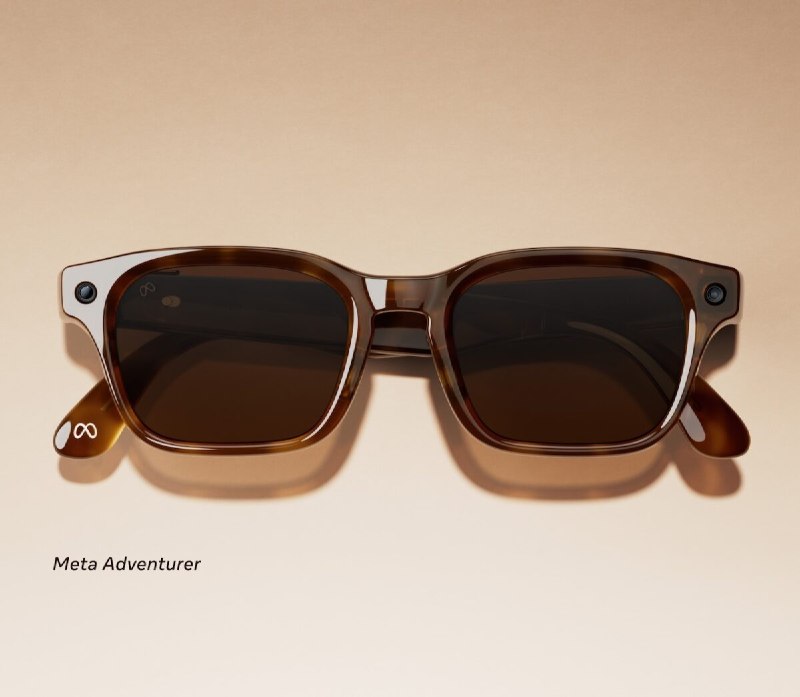
Samsung Galaxy Glasses Face Intense Competition from Meta's New Smart Eyewear
The rapidly evolving smart glasses market is witnessing a significant development as Samsung's upcoming Galaxy Glasses prepare to enter a space already contested by Meta's latest offering in wearable technology. As both tech giants vie for dominance in this emerging category, consumers and industry analysts are closely watching how these devices will shape the future of augmented reality (AR) and everyday computing.
The Smart Glasses Landscape
The smart glasses category represents the next frontier in wearable technology, following the success of smartwatches and fitness trackers. These devices aim to seamlessly integrate digital information into our daily lives through lightweight eyewear that can display notifications, provide navigation, capture images, and offer augmented reality experiences without the need for handheld devices.
Current market challenges include battery life limitations, privacy concerns, and the quest for designs that are both technologically advanced and socially acceptable for everyday wear. Despite these hurdles, major tech companies continue to invest heavily in developing the next generation of smart glasses.
Samsung's Galaxy Glasses: Ecosystem Integration
Samsung's upcoming Galaxy Glasses are expected to leverage the company's extensive mobile ecosystem, offering deep integration with Galaxy smartphones, tablets, and other smart devices. According to industry sources familiar with the development process, Samsung's approach focuses on creating a seamless experience for existing Galaxy users.
Key features anticipated in the Galaxy Glasses include:
- Direct synchronization with Samsung's Health and productivity apps
- Advanced AR capabilities overlaid on the real world
- High-quality cameras for photos and video recording
- Voice assistant integration with Bixby
- Samsung Pay functionality for contactless payments
Samsung is reportedly emphasizing comfort and design, aiming to create glasses that don't immediately identify the wearer as a tech enthusiast but rather as fashion-conscious individuals. The company's partnership with eyewear designers is expected to result in multiple style options to suit different preferences and face shapes.
Meta's New Glasses: Social-First Approach
Meta, formerly Facebook, has been making significant strides in the smart glasses space, particularly through its collaboration with Ray-Ban. The company's latest iteration represents an evolution of its previous models, with enhanced capabilities and a refined focus on social connectivity.
Meta's new glasses are characterized by:
- Enhanced camera capabilities for hands-free content creation
- Seamless integration with Meta's social media platforms
- Improved audio quality with directional speakers
- Longer battery life compared to previous generations
- Privacy-focused design with indicators when recording
Meta's strategy appears centered on creating a bridge between physical and digital social interactions, allowing users to capture and share experiences more naturally while maintaining eye contact and social presence in real-world settings.
Comparative Analysis: Samsung vs. Meta
When examining these two competing products, several key differences emerge in their approaches to smart glasses:
| Feature | Samsung Galaxy Glasses | Meta Glasses |
|---|---|---|
| Primary Focus | Ecosystem integration and productivity | Social connectivity and content sharing |
| Design Philosophy | Multiple fashion-forward styles | Classic eyewear aesthetics with tech elements |
| Platform Integration | Deep Galaxy ecosystem connectivity | Meta social platforms and services |
| Battery Life | Estimated 8-10 hours | Reported 12-14 hours |
| AR Capabilities | Advanced AR overlays and navigation | Basic AR features with social media filters |
Market Implications and Consumer Considerations
The entry of Samsung into the smart glasses market intensifies competition that was already heating up with Meta's established presence. This competition is likely to benefit consumers through innovation, improved features, and potentially more competitive pricing.
Industry analysts suggest that the market may polarize along usage patterns:
- Productivity-focused users may lean toward Samsung's offering for its ecosystem integration and advanced AR capabilities
- Social media enthusiasts might prefer Meta's glasses for their seamless content creation and sharing features
Privacy concerns remain a significant consideration for both products. Samsung has emphasized its commitment to user privacy, particularly in how device data is handled. Meta, with its history of data collection practices, faces greater scrutiny and has implemented more visible privacy indicators in its latest glasses.
The Future of Smart Glasses
As both Samsung and Meta continue to refine their smart glasses offerings, the technology appears to be moving toward several key developments:
- Improved Battery Technology: Longer-lasting batteries that support full-day use without frequent charging
- Advanced Displays: Higher resolution, more energy-efficient displays with better visibility in various lighting conditions
- Enhanced AR Capabilities : More sophisticated augmented reality features that provide genuinely useful information overlays
- Fashion Integration: Designs that are indistinguishable from regular eyewear while maintaining full functionality
- Health Monitoring: Integration of health tracking sensors for continuous health monitoring
The competition between Samsung and Meta in the smart glasses space reflects the broader tech industry's recognition that eyewear represents a critical interface for future computing. As these technologies mature, we may see the emergence of new use cases and applications that transform how we interact with digital information in our daily lives.
For consumers, the choice between Samsung's Galaxy Glasses and Meta's offering may ultimately come down to individual needs, existing tech ecosystems, and personal preferences regarding design and functionality. What remains clear is that the smart glasses category is poised for significant growth and innovation in the coming years.
Samsung’s Galaxy Glasses already have hot competition from new Meta Glasses: https://www.sammobile.com/news/samsungs-galaxy-glasses-already-have-hot-competition-from-new-meta-glasses/?utm_source=telegram Samsung’s Galaxy Glasses already have hot competition from new Meta Glasses: https://www.sammobile.com/news/samsungs-galaxy-glasses-already-have-hot-competition-from-new-meta-glasses/?utm_source=telegram


