 TechOffice
Palworld Developer Avoids AI Technology Due to Gamer Backlash
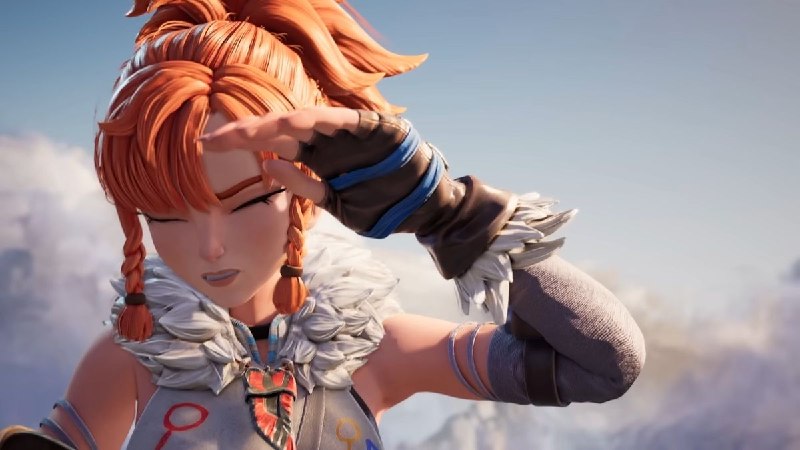
"Gamers Don't Want It": Palworld Lead Explains Pocketpair's AI-Free Approach
In an industry increasingly defined by technological innovation, Palworld developer Pocketpair has taken a firm stance against artificial intelligence in game development. The company's lead has articulated a clear position that resonates with a significant segment of the gaming community: gamers don't want AI, and artists prefer creating through traditional methods.
The Developer's Position
During a recent interview, Pocketpair's leadership addressed the growing controversy surrounding AI in gaming development. The company's stance is refreshingly straightforward in an era where many developers are experimenting with AI tools for everything from art generation to narrative design.
"Our artists like doing stuff themselves," stated the lead developer, emphasizing the creative team's preference for traditional art creation methods. This sentiment reflects a broader philosophy within Pocketpair that values human creativity and craftsmanship over algorithmically generated content.
The developer further elaborated that player reception to AI in games has been overwhelmingly negative, with gamers expressing strong preferences for human-created content. This feedback has directly influenced Pocketpair's development approach, particularly for their title Palworld, which has gained significant attention for its unique creature-collecting gameplay.
Context: The Rise of AI in Gaming
The gaming industry has witnessed a rapid proliferation of AI technologies across various aspects of development. From procedural content generation to intelligent NPC behaviors, machine learning algorithms are increasingly becoming standard tools in the developer's arsenal.
Major studios have begun implementing AI for:
- Character art and asset generation
- Dynamic storytelling and dialogue systems
- Automated quality assurance and bug detection
- Player behavior analysis and game balancing
- Voice synthesis and character voices
However, this technological adoption has sparked significant debate within the gaming community, with players and developers expressing divided opinions on the role AI should play in creative industries.
Table: Developer Approaches to AI in Gaming
| Developer/Studio | AI Usage Approach | Notable Implementation | Community Reception |
|---|---|---|---|
| Pocketpair | Avoidance | Traditional art creation methods | Generally positive among players valuing human creativity |
| NVIDIA | Aggressive adoption | AI upscaling, DLSS, AI-generated assets | Mixed, with technical appreciation and concerns about authenticity |
| Ubisoft | Strategic implementation | AI-powered NPC behaviors, procedural generation | Cautious acceptance with notable skepticism |
| Indie developers | Variable approaches | AI-assisted tools for small teams | Divided based on implementation transparency |
Player Sentiment: Why Gamers Resist AI
The Palworld lead's assertion that gamers don't want AI in their games reflects a growing sentiment among the player base. Several factors contribute to this resistance:
- Authenticity Concerns: Players often associate AI-generated content with a lack of human touch and authenticity
- Creative Integrity: Concerns that AI might replace human artists and developers
- Quality Perception: Many players believe AI-generated content lacks the nuance and quality of human-created work
- Ethical Considerations: Questions about data sourcing and copyright issues surrounding AI training
Recent surveys have highlighted these concerns, with a significant majority of players expressing preference for human-created content when aware of its origin.
Table: Player Sentiment Toward AI in Games
| Survey Question | Percentage Preference | Demographic Trend | Key Concerns Expressed |
|---|---|---|---|
| Preference for human-created art vs AI-generated | 78% prefer human-created | Stronger among core gamers | Authenticity, quality, originality |
| Willingness to play games with undisclosed AI use | Only 32% would continue | Consistent across demographics | Transparency, deception concerns |
| Acceptance of AI for non-creative tasks | 65% acceptable | Higher among casual gamers | Practical benefits recognized |
| Concern about AI replacing human jobs | 82% concerned | Stronger among older players | Economic impact, industry future |
Artist Perspectives: The Human Element
Pocketpair's emphasis on their artists' preference for traditional methods highlights an important dimension of the AI debate: the human element in creative processes. Game artists have expressed mixed feelings about AI tools:
- Creative Control: Many artists value the complete control they have over their work
- Skill Development: Traditional methods allow for continuous improvement of artistic skills
- Personal Expression: Artists often see their work as an extension of themselves
- Career Concerns: Fears about AI devaluing human artistic labor
However, some artists do see potential for AI as a supplementary tool rather than a replacement. The distinction between AI as an assistant versus AI as a replacement appears to be a critical factor in determining artist acceptance.
Table: Traditional Art Creation vs AI-Assisted Creation
| Aspect | Traditional Art Creation | AI-Assisted Creation |
|---|---|---|
| Time Investment | Higher, skill-dependent | Potentially reduced |
| Skill Development | Direct improvement of abilities | Indirect, tool-specific learning |
| Creative Control | Complete artist control | Shared with algorithmic elements |
| Originality | Direct human expression | Derivative of training data |
| Quality Consistency | Variable based on skill and condition | Dependent on model quality and prompts |
| Industry Value | Established professional recognition | Evolving, uncertain status |
The Broader Industry Implications
Pocketpair's stance against AI reflects a significant philosophical position in the ongoing debate about technology's role in creative industries. Their approach suggests that:
- Market Differentiation: Emphasizing human creativity may become a selling point in an increasingly AI-saturated market
- Brand Identity: Companies may build brand identity around their commitment to human-made content
- Niche Market Opportunities: There may be growing market segments specifically seeking human-created experiences
- Industry Standards: Developer choices could influence industry norms and regulations
The Palworld team's position also highlights the potential for market segmentation based on AI usage. As the industry evolves, developers may need to clearly communicate their approach to AI to align with player expectations.
Future Outlook
The debate surrounding AI in gaming is likely to intensify as technology continues to advance. Several potential scenarios may emerge:
- Increased Polarization: The industry may further divide between AI-adoption and human-centric approaches
- Hybrid Models: Developers may find middle ground that leverages AI for certain tasks while maintaining human creative control
- Regulation Development: Governments may implement specific regulations for AI in creative industries
- Consumer Labeling: Games may require disclosure of AI usage similar to nutrition labels
For Pocketpair and Palworld, the current stance appears to be a deliberate choice that aligns with both their team's values and player expectations. As the game continues to develop and gain popularity, this position may become increasingly influential in the broader gaming landscape.
Conclusion
Pocketpair's explicit rejection of AI in game development represents a significant counterpoint to the industry's technological enthusiasm. By prioritizing human creativity and responding to player preferences, the company has carved out a distinctive position in an increasingly AI-driven market.
The Palworld team's emphasis on their artists' preference for traditional methods highlights the enduring value of human creativity in digital entertainment. As the gaming industry continues to evolve, this stance may appeal to players and developers who view technology as a tool to enhance human creativity rather than replace it.
Ultimately, the debate surrounding AI in gaming reflects broader questions about the role of technology in creative expression. Pocketpair's approach suggests that in an era of rapid technological change, the human element remains a crucial component of what makes games compelling and meaningful experiences for players worldwide.
"Gamers don't want it": Palworld lead says Pocketpair doesn't touch AI because players hate it and artists "like doing stuff themselves" Read Full Article #GamingNews #Palworld #AI controversy "Gamers don't want it": Palworld lead says Pocketpair doesn't touch AI because players hate it and artists "like doing stuff themselves" Read Full Article #GamingNews #Palworld #AI controversy


