 TechOffice
Apple Cracks Down on Popular iPhone Unlock Workaround
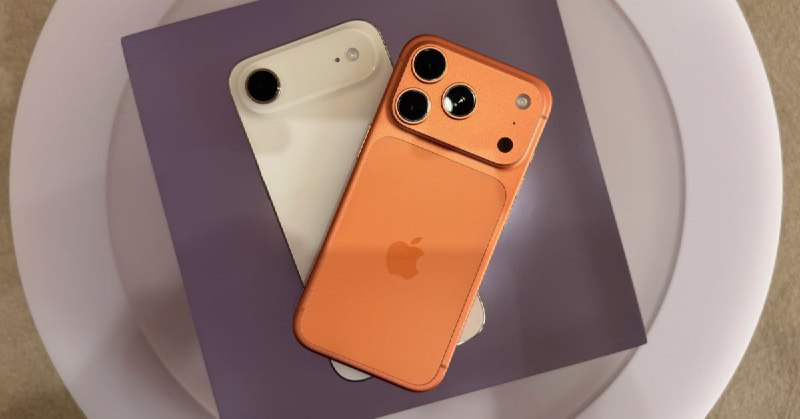
Apple Discontinues Popular Workaround for Purchasing Unlocked iPhones
In a strategic move that has sent ripples through the tech community, Apple has recently shut down a widely-used method for purchasing unlocked iPhones outside of its official channels. This decision marks a significant shift in the company's distribution strategy and has sparked discussions about consumer choice, pricing, and Apple's control over its product ecosystem.
The Rise of Unlocked iPhones
Unlocked iPhones have long been popular among consumers who value flexibility in choosing their wireless carriers, avoiding long-term contracts, or using their devices internationally without roaming charges. Unlike carrier-locked models, unlocked iPhones can be used with any compatible carrier, making them particularly appealing to frequent travelers, international customers, and those who regularly switch between service providers.
Historically, Apple has sold unlocked iPhones directly through its retail stores, website, and authorized resellers. However, these devices often come with premium price tags, leading some consumers to seek alternative methods to obtain unlocked models at lower costs.
The Popular Workaround
The recently discontinued workaround involved purchasing iPhones from carrier stores during promotional periods when carriers offered significant discounts on devices with new service activations. Savvy consumers discovered they could buy these discounted iPhones, activate them with a temporary or minimal plan, and then immediately unlock the devices using official or unofficial methods.
This practice allowed consumers to benefit from carrier subsidies without being locked into long-term contracts, effectively creating a gray market for discounted unlocked iPhones. The method gained popularity particularly in regions where carrier contracts were more expensive or restrictive, or where official unlocked iPhone prices were prohibitively high.
How the Workaround Worked
- Consumers would visit carrier stores during special promotions
- Purchase iPhones at discounted prices with new service activation
- Activate the device with a basic or temporary plan
- Request an unlock from the carrier after a brief period (often 24-48 hours)
- Once unlocked, the iPhone could be used with any carrier
Apple's Decision to End the Practice
Apple's move to close this loophole appears to be part of a broader strategy to maintain control over pricing and distribution of its products. The company has increasingly emphasized the value of its official unlocked devices, which come with full warranty coverage and direct support from Apple.
Industry analysts suggest several reasons for Apple's decision:
- Protecting the premium pricing of official unlocked iPhones
- Reducing confusion in the marketplace regarding device pricing
- Minimizing potential warranty issues arising from unofficial unlocking methods
- Strengthening relationships with carrier partners by preventing bypass of their subsidy models
- Curbing gray market activities that could impact Apple's brand perception
Impact on Consumers
The discontinuation of this workaround will likely affect several consumer groups differently:
| Consumer Group | Potential Impact |
|---|---|
| Budget-conscious shoppers | Will face higher prices for unlocked devices, potentially leading to increased purchases of locked models or older iPhone generations |
| International travelers | May need to pay more for the flexibility of unlocked devices or explore alternative solutions like eSIM-capable models |
| Frequent upgraders | Could be affected by reduced options for selling or trading in previously carrier-subsidized devices |
| Developer and tech enthusiasts | Might lose access to discounted devices for testing and development purposes |
Industry Reactions
The tech community has responded with mixed reactions to Apple's decision. Some consumers express frustration over reduced options and higher prices, while others acknowledge Apple's right to control its product distribution.
"While I understand Apple's business perspective, this change limits consumer freedom," commented one tech analyst. "The workaround provided a legitimate way for people to access Apple's ecosystem without being tied to carrier contracts."
Carrier representatives, however, have welcomed the move, suggesting it helps maintain the integrity of their subsidy programs and contractual agreements.
Future Implications
Apple's decision may signal a broader trend toward tighter control over product distribution and pricing. The company has been gradually expanding its own retail and direct sales channels, reducing reliance on third-party distributors.
This shift could also influence how Apple approaches emerging markets, where price sensitivity is higher and carrier-subsidized devices have traditionally been more accessible. The company might need to develop new strategies to balance premium pricing with market penetration goals.
Conclusion
By closing this popular workaround, Apple is reinforcing its control over iPhone distribution and pricing while potentially limiting consumer flexibility. The move reflects the company's ongoing efforts to shape how its products are sold and used, prioritizing brand consistency and official channels over alternative methods.
For consumers, this change means fewer options for obtaining unlocked iPhones at discounted prices. However, it also reinforces the value proposition of Apple's official unlocked devices, which come with full warranty coverage and direct support. As Apple continues to refine its distribution strategy, the balance between consumer choice and corporate control will remain a key point of discussion in the tech industry.
Apple just closed a popular workaround for buying an unlocked iPhone https://ift.tt/VOAHZg8 Apple just closed a popular workaround for buying an unlocked iPhone https://ift.tt/VOAHZg8


