 TechOffice
Xiaomi and Huawei Pioneer Server HBM Technology for Next-Gen On-Device AI
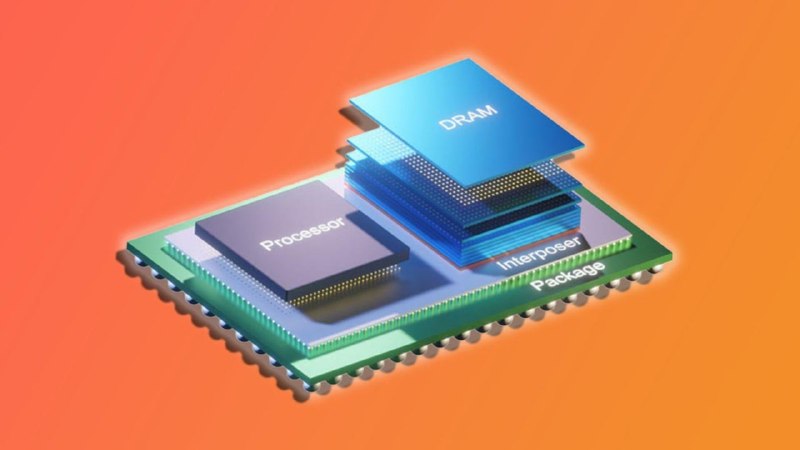
Xiaomi and Huawei Pioneer Low-Latency Memory Technology to Revolutionize On-Device AI
In the rapidly evolving landscape of artificial intelligence, two Chinese tech giants, Xiaomi and Huawei, are reportedly developing a groundbreaking memory technology designed specifically to enhance on-device AI capabilities. This innovation, known as Low-Latency Memory (LLW), promises to address critical bottlenecks in current smartphone architectures, potentially ushering in a new era of more powerful, efficient, and responsive AI applications directly on mobile devices.
The Evolution of On-Device AI
As AI models continue to grow in complexity and sophistication, the demand for more powerful on-device processing has intensified. While smartphones have increasingly incorporated dedicated AI processors, the memory subsystem has often become a limiting factor. Traditional memory solutions struggle to keep pace with the high bandwidth requirements of modern AI models, leading to performance bottlenecks and increased latency.
The development of LLW represents a concerted effort to overcome these limitations. By borrowing concepts from High Bandwidth Memory (HBM) technology commonly used in data centers and servers, but redesigning them specifically for smartphone constraints, Xiaomi and Huawei aim to create a memory solution that can deliver server-like performance without the associated size, packaging, and thermal challenges.
Understanding LLW Technology
LLW technology fundamentally reimagines how data is transferred between processors and memory in smartphones. Unlike traditional memory architectures that often struggle with high latency and limited bandwidth, LLW employs a novel approach that significantly reduces the time required for data to travel between the processor and memory units.
The key innovation lies in its redesigned architecture that minimizes data transfer distances while maximizing throughput. This is achieved through several technical advancements:
- Optimized memory controller design that reduces processing overhead
- Advanced signal processing techniques that enable higher data transfer rates
- Novel packaging methods that reduce physical distance between memory and processing units
- Thermal management solutions that allow for sustained high performance without overheating
Benefits of LLW for On-Device AI
The implementation of LLW technology is expected to deliver substantial improvements in AI processing capabilities on smartphones. According to preliminary estimates, the technology could offer up to 50% lower power consumption while delivering 1.5x better performance compared to current memory solutions. These figures, however, remain subject to validation through real-world testing and implementation.
The primary benefits of LLW for on-device AI include:
- Reduced Latency: Faster data transfer between memory and processors enables AI models to respond more quickly to user inputs
- Improved Model Feeding: Ensures that complex AI models receive data at the rate they require, preventing processing bottlenecks
- Enhanced Power Efficiency: Lower energy consumption per operation translates to longer battery life for AI-intensive applications
- Support for Larger Models: Enables the implementation of more sophisticated AI models that were previously impractical on mobile devices
Comparing Memory Technologies
To better understand the potential impact of LLW, it's helpful to compare it with existing memory technologies used in smartphones today:
| Memory Type | Bandwidth | Latency | Power Consumption | Form Factor Suitability |
|---|---|---|---|---|
| LPDDR5 | ~50 GB/s | High | Medium | Excellent |
| Traditional HBM | ~1-2 TB/s | Low | High | Poor |
| LLW (Projected) | ~100-150 GB/s | Low | Low | Excellent |
As the table illustrates, LLW aims to strike a balance between the high bandwidth of HBM and the form factor efficiency of LPDDR5, offering a compelling middle ground that specifically addresses the needs of on-device AI processing.
Technical Challenges and Innovations
Developing LLW technology has presented significant engineering challenges. The primary hurdle has been adapting server-class HBM technology to the stringent constraints of smartphone form factors. Traditional HBM solutions, while offering exceptional bandwidth, require substantial space, generate significant heat, and involve complex packaging processes that are difficult to implement in slim, power-conscious mobile devices.
Xiaomi and Huawei have reportedly addressed these challenges through several innovations:
- Miniaturized HBM architecture that reduces physical footprint while maintaining high bandwidth
- Advanced thermal materials and design techniques to dissipate heat efficiently
- Novel stacking methods that optimize the relationship between memory and processing units
- Custom interfaces that reduce signaling overhead and improve data transfer efficiency
Industry Implications
The successful development and implementation of LLW technology could have far-reaching implications for the smartphone industry and AI ecosystem. By enabling more powerful on-device AI capabilities, manufacturers could unlock new categories of applications and services that were previously impractical on mobile devices.
Potential applications include:
- More sophisticated real-time language translation with improved accuracy and context awareness
- Advanced computer vision capabilities for augmented reality and photography enhancement
- Complex on-device generative AI models for content creation and personal assistance
- Improved real-time gaming AI with more responsive and intelligent non-player characters
- Enhanced health monitoring through more sophisticated on-device medical analysis
For Xiaomi and Huawei, this technology could provide a significant competitive advantage in an increasingly saturated smartphone market. As consumers become more discerning about AI capabilities, devices equipped with LLW technology could stand out from the competition.
Timeline to Commercialization
Despite the promising potential of LLW technology, industry experts caution that widespread adoption is still several years away. According to reports from industry insiders, commercial devices featuring LLW technology are not expected to launch before the second half of 2027.
This extended timeline reflects the significant technical and manufacturing challenges that remain. The transition from laboratory development to mass production involves numerous hurdles, including:
- Scaling up manufacturing processes to ensure consistent quality and performance
- Developing supply chains for the novel materials and components required
- Ensuring compatibility with existing smartphone architectures and software ecosystems
- Conducting extensive real-world testing to validate performance claims
- Navigating regulatory requirements and industry standards
The Competitive Landscape
Xiaomi and Huawei are not alone in pursuing advanced memory technologies for AI applications. Other major players in the semiconductor and smartphone industries, including Samsung, SK Hynix, and Qualcomm, are also developing next-generation memory solutions tailored for AI workloads.
However, the focus on LLW represents a strategic differentiation. Rather than simply following established approaches, Xiaomi and Huawei are attempting to create a memory technology that is specifically optimized for the unique requirements of on-device AI, potentially carving out a specialized niche in the competitive memory market.
Future Outlook
The development of LLW technology represents a significant step forward in the quest for more powerful and efficient on-device AI. As AI models continue to grow in complexity and sophistication, innovations like LLW will become increasingly critical to unlocking their full potential on mobile devices.
In the longer term, LLW technology could evolve beyond smartphones to benefit other form factors, including tablets, wearables, and Internet of Things devices. The underlying principles of low-latency, high-bandwidth memory could also find applications in emerging computing paradigms such as edge computing and mixed reality.
For consumers, the most immediate impact of LLW technology would be more responsive and capable AI applications that can operate entirely on-device without relying on cloud connectivity. This would not only improve performance and reliability but also enhance privacy by keeping sensitive data local to the device.
Conclusion
The exploration of Low-Latency Memory technology by Xiaomi and Huawei highlights the growing importance of memory subsystems in advancing on-device AI capabilities. By adapting server-class HBM technology for smartphone constraints, LLW promises to deliver substantial improvements in performance and efficiency while overcoming the size, packaging, and thermal challenges that have limited previous implementations.
While the technology is still several years away from commercialization, its development represents a significant investment in the future of mobile AI. As on-device models grow increasingly sophisticated, innovations like LLW will play a crucial role in determining the trajectory of AI development in consumer electronics.
As we look toward the second half of 2027 and beyond, LLW technology could mark a turning point in how we interact with AI on a daily basis, enabling more powerful, responsive, and privacy-preserving applications that leverage the full potential of on-device processing.
Xiaomi and Huawei are exploring LLW, a low-latency memory technology to improve on-device AI. Borrowing from server HBM but redesigned for smartphones, LLW avoids size, packaging, and heat challenges. It speeds up processor-memory data transfer, reduces latency, and keeps models fed. Estimates suggest 50% lower power consumption and 1.5x better performance, pending real-world validation. This is critical as on-device AI models grow larger, where memory bandwidth matters as much as computing power. Mass adoption is years away, with commercial devices expected no earlier than H2 2027. ❤️ @techroma Xiaomi and Huawei are exploring LLW, a low-latency memory technology to improve on-device AI. Borrowing from server HBM but redesigned for smartphones, LLW avoids size, packaging, and heat challenges. It speeds up processor-memory data transfer, reduces latency, and keeps models fed. Estimates suggest 50% lower power consumption and 1.5x better performance, pending real-world validation. This is critical as on-device AI models grow larger, where memory bandwidth matters as much as computing power. Mass adoption is years away, with commercial devices expected no earlier than H2 2027. ❤️ @techroma


