 TechOffice
Samsung Secretly Begins Production of Foldable iPhone Displays
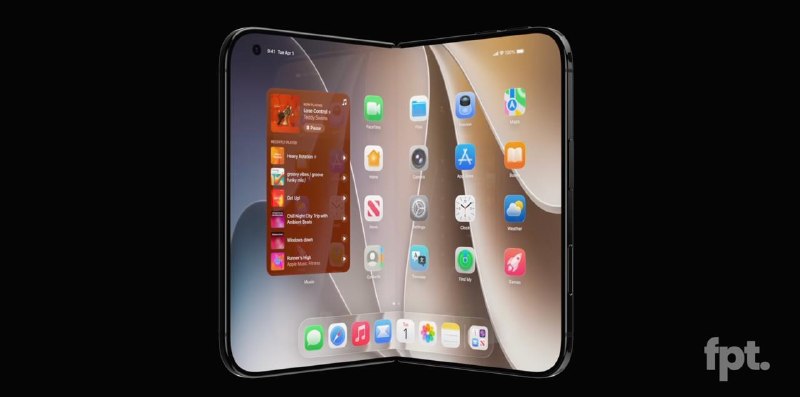
Samsung Begins Mass Production of OLED Displays for Apple's First Foldable iPhone
In a significant development that could reshape the smartphone landscape, Samsung Display has reportedly commenced mass production of OLED modules for Apple's highly anticipated foldable iPhone. According to industry publication The Elec, Samsung has received Apple's official approval and is manufacturing the advanced displays at its Vietnam facility, marking a continuation of the long-standing partnership between these tech giants.
Production Details and Specifications
The initial order reportedly consists of 3 million panels scheduled for delivery this year, indicating Apple's serious commitment to entering the foldable smartphone market. Samsung has achieved a production yield exceeding 80%, surpassing Apple's minimum threshold of 70%, which is a significant milestone for any new display technology.
The displays feature advanced CoE (Circuit on Encapsulation) + M16 OLED technology, offering several advantages over conventional displays:
- Thinner profile, enabling more compact folding mechanisms
- Improved power efficiency for better battery life
- Potentially enhanced durability for repeated folding
Exclusive Partnership
Samsung has secured an exclusive three-year deal as Apple's supplier for these foldable displays, reinforcing its position as a leading display manufacturer. This exclusivity underscores the complexity of manufacturing foldable OLED panels to Apple's exacting standards and the trust Apple has placed in Samsung's manufacturing capabilities.
Challenges and Timeline Considerations
Despite the progress in display production, the development of Apple's foldable iPhone still faces significant challenges, particularly with the hinge module. Industry sources indicate that the hinge mechanism remains a critical wildcard that could impact the final launch timeline.
The hinge technology must balance several competing requirements:
| Requirement | Challenge |
|---|---|
| Durability | Withstanding hundreds of thousands of folding cycles |
| Compactness | Minimizing thickness when folded |
| Seamless User Experience | Ensuring smooth, fluid motion without gaps |
Market Context and Strategic Implications
Apple's entry into the foldable smartphone market comes several years after competitors like Samsung, Huawei, and Motorola have established their presence in this emerging category. The delay has allowed Apple to observe market trends, consumer feedback, and technological advancements before committing to its own approach.
The partnership with Samsung for displays represents a continuation of a relationship that has spanned multiple generations of iPhone displays. This collaboration demonstrates that even as Apple seeks to differentiate its products, it still relies on Samsung's manufacturing expertise for certain components.
Possible Launch Scenarios
Industry analysts are divided on when Apple might launch its foldable iPhone. While a September debut remains possible—aligning with Apple's traditional iPhone launch timeline—many experts consider a late 2026 release to be a more realistic timeline.
The extended development period would allow Apple to address potential issues with the hinge mechanism, ensure software optimization for the foldable form factor, and develop unique applications that leverage the device's flexibility. This careful approach aligns with Apple's historical pattern of entering new product categories only when it believes it can offer a superior user experience.
Conclusion
The commencement of mass production for foldable iPhone displays marks a significant milestone in Apple's journey into the foldable smartphone market. While challenges remain—particularly with the hinge mechanism—the progress in display production demonstrates that Apple is moving forward with its plans.
As the technology matures and Apple refines its approach, consumers can anticipate a foldable iPhone that combines Apple's signature design philosophy with Samsung's display expertise. The device is expected to command a premium price point, potentially establishing new standards for the foldable smartphone category.
With production underway and Samsung meeting Apple's quality standards, the stage is set for what could be one of the most significant product launches in Apple's history, potentially reshaping the smartphone market once again.
😐 Samsung has started making displays for the foldable iPhone ☝️ Meanwhile the fpt. channel has published the highest-quality and most detailed renders shown above, compiling all the leaks in one place. 📰 According to The Elec, Samsung Display has received Apple's official approval and begun mass production of OLED modules for Apple's first foldable iPhone at its Vietnam facility. Key details: • Initial order: 3 million panels for delivery this year • Production yield exceeded 80% (Apple's threshold is 70%) • Samsung is Apple's exclusive supplier under a 3-year deal • Panels feature CoE + M16 OLED tech – thinner and more power-efficient 🔩 The remaining wildcard is the hinge module, which sources say could affect the final launch timeline. A September debut is still possible, but late 2026 is the safer bet. #rumors @iPhone 😐 Samsung has started making displays for the foldable iPhone ☝️ Meanwhile the fpt. channel has published the highest-quality and most detailed renders shown above, compiling all the leaks in one place. 📰 According to The Elec, Samsung Display has received Apple's official approval and begun mass production of OLED modules for Apple's first foldable iPhone at its Vietnam facility. Key details: • Initial order: 3 million panels for delivery this year • Production yield exceeded 80% (Apple's threshold is 70%) • Samsung is Apple's exclusive supplier under a 3-year deal • Panels feature CoE + M16 OLED tech – thinner and more power-efficient 🔩 The remaining wildcard is the hinge module, which sources say could affect the final launch timeline. A September debut is still possible, but late 2026 is the safer bet. #rumors @iPhone


