 TechOffice
Apple's Hidden Clues: iOS 27 Code Reveals Plans for Foldable iPhone and Touchscreen MacBook
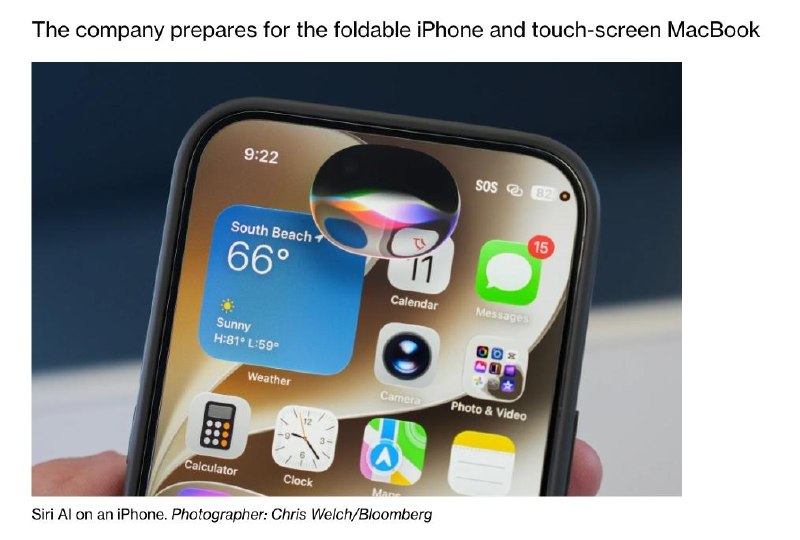
Apple's Future Unveiled: Evidence Emerges of Foldable iPhone and Touchscreen MacBook in Next-OS Betas
In a revelation that could reshape the consumer tech landscape, Bloomberg's reliable tech insider Mark Gurman has uncovered compelling evidence suggesting Apple is actively developing two groundbreaking products: a foldable iPhone and a touchscreen-enabled MacBook. The clues, discovered in the initial beta versions of iOS 27 and macOS 27, represent the strongest indication to date that both devices are progressing toward reality.
The Foldable iPhone Revolution
Gurman's examination of iOS 27 beta code revealed several telling references that point to Apple's work on a foldable smartphone. Among the most significant discoveries were code strings such as "foldState" and "angleDegrees," which strongly suggest the operating system is being prepared to recognize and respond to different physical configurations of a foldable device.
Further evidence comes from updates to the iPhone Mirroring application, which appears to have been enhanced to support wider interface layouts—a necessary adaptation for displaying content on an unfolded foldable smartphone's expanded screen real estate. These modifications indicate Apple is designing its software ecosystem to seamlessly transition between folded and unfolded states.
The discovery aligns with years of speculation about Apple's interest in foldable technology. While the company has remained publicly cautious about entering the foldable market—citing concerns about durability and user experience—these code references suggest internal confidence in overcoming previous technical hurdles.
The Touchscreen MacBook Transformation
Simultaneously, macOS 27 appears to be laying the groundwork for a fundamental shift in Apple's laptop philosophy. The beta reveals significant modifications to Sidecar, Apple's feature that allows iPads to function as secondary displays for Macs. These updates hint at enhanced touch capabilities that would be essential for a touchscreen MacBook.
More telling still are the introduction of touch-optimized gestures, including pull-to-refresh functionality—a common feature in mobile interfaces but notably absent from traditional macOS. Such additions strongly suggest Apple is preparing its desktop operating system for direct touch interaction, moving beyond the trackpad and mouse paradigm that has defined Mac user experience for decades.
Gurman also noted the appearance of a new pill-shaped Siri interface that resembles the Dynamic Island feature found on recent iPhone models. This design element could serve as a touch-interactive hub on a future touchscreen MacBook, bridging the gap between mobile and desktop interfaces.
Historical Context and Industry Implications
Apple's potential entry into the foldable smartphone and touchscreen laptop markets would mark significant strategic shifts for the company. The tech giant has traditionally been cautious about adopting emerging technologies until they mature sufficiently to meet Apple's exacting standards.
The foldable smartphone market has been dominated by Samsung, with other manufacturers like Google and Motorola also offering devices. However, Apple's entry could accelerate mainstream adoption, bringing its signature design philosophy and user experience to the category.
Similarly, touchscreen laptops have existed for years but have failed to gain significant traction, largely due to software limitations and awkward ergonomics. Apple's implementation could potentially solve these issues through tight hardware-software integration, a hallmark of Apple's product development.
| Feature | Foldable iPhone Evidence | Touchscreen MacBook Evidence |
|---|---|---|
| Interface Adaptations | iPhone Mirroring updates for wider layouts | Sidecar enhancements for touch interaction |
| New Gestures | Fold/unfold state transitions | Pull-to-refresh and touch-optimized controls |
| UI Elements | Adaptive layouts based on fold angle | New pill-shaped Siri interface |
| Code References | "foldState" and "angleDegrees" | Touch gesture implementations |
Timeline and Market Expectations
According to current industry expectations, the foldable iPhone could make its debut as early as fall 2026, positioning Apple approximately a year behind Samsung's current foldable roadmap. This timeline would allow Apple sufficient development time to refine the technology and address potential durability concerns that have plagued earlier foldable devices.
The touchscreen MacBook is anticipated to follow shortly after the foldable iPhone's release, potentially appearing in early 2027. This staggered launch strategy would allow Apple to establish itself in the foldable smartphone market before introducing another paradigm-shifting product.
Apple's Silence and Industry Reaction
As of this reporting, Apple has not commented on Gurman's findings, maintaining its typical policy of neither confirming nor denying unreleased products. However, the specificity of the code references and their alignment with known development patterns lend considerable credibility to the report.
The tech community has reacted with a mix of excitement and skepticism. While many analysts view this as the strongest evidence yet of Apple's interest in these form factors, others caution that code references in beta software may represent experimental features that never reach final products.
The Future of Apple's Product Ecosystem
The potential introduction of both a foldable iPhone and touchscreen MacBook would represent a significant expansion of Apple's product ecosystem. These devices could herald a new era of more flexible computing experiences, with seamless transitions between different form factors.
For consumers, such innovations could offer unprecedented versatility—a smartphone that transforms into a tablet when needed, and a laptop that adapts to touch-based workflows when appropriate. For enterprise users, these devices might enable new productivity scenarios and workflow optimizations.
As Apple continues to develop these potential products, the tech industry will be watching closely. If implemented successfully, these devices could not only expand Apple's market presence but also set new standards for mobile and personal computing devices.
The discoveries in iOS 27 and macOS 27 betas suggest that Apple's vision for the future of computing is becoming clearer—one where devices are more adaptable, interfaces are more flexible, and the boundaries between traditional product categories continue to blur.
📰 Apple may have accidentally revealed the iPhone Fold and a touchscreen MacBook in iOS 27 and macOS 27 🤓 Bloomberg’s Mark Gurman examined the first beta versions of iOS 27 and macOS 27 and found signs that Apple is preparing two major new devices: a foldable iPhone and a MacBook with a touchscreen display. 🔎 References such as foldState and angleDegrees, along with updates to the iPhone Mirroring app, point to support for wider interface layouts similar to those used on an unfolded foldable smartphone. In macOS 27, changes to Sidecar and new gestures, including pull-to-refresh, suggest Apple is laying the groundwork for touch-based interaction on the desktop. Gurman also noted that the new pill-shaped Siri interface resembles Dynamic Island and could fit naturally into a future touchscreen MacBook experience. 🕵️♀️ While Apple has not commented on the findings, Gurman describes them as the first real evidence that both products are moving closer to launch. 🤞 According to current expectations, the iPhone Fold could debut as early as fall 2026, with a touchscreen MacBook potentially following shortly afterward. #rumors @iPhone 📰 Apple may have accidentally revealed the iPhone Fold and a touchscreen MacBook in iOS 27 and macOS 27 🤓 Bloomberg’s Mark Gurman examined the first beta versions of iOS 27 and macOS 27 and found signs that Apple is preparing two major new devices: a foldable iPhone and a MacBook with a touchscreen display. 🔎 References such as foldState and angleDegrees, along with updates to the iPhone Mirroring app, point to support for wider interface layouts similar to those used on an unfolded foldable smartphone. In macOS 27, changes to Sidecar and new gestures, including pull-to-refresh, suggest Apple is laying the groundwork for touch-based interaction on the desktop. Gurman also noted that the new pill-shaped Siri interface resembles Dynamic Island and could fit naturally into a future touchscreen MacBook experience. 🕵️♀️ While Apple has not commented on the findings, Gurman describes them as the first real evidence that both products are moving closer to launch. 🤞 According to current expectations, the iPhone Fold could debut as early as fall 2026, with a touchscreen MacBook potentially following shortly afterward. #rumors @iPhone


