 TechOffice
Samsung vs. Meta: The Emerging Battle in Smart Eyewear Heats Up
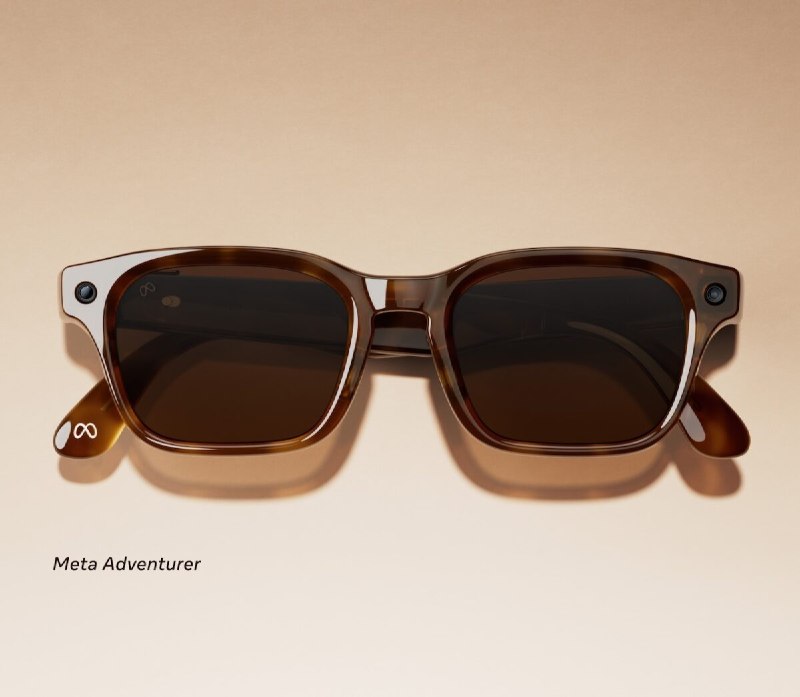
Samsung Galaxy Glasses Face Intense Competition from Meta's New Smart Eyewear
The rapidly evolving smart glasses market is witnessing a significant development as Samsung's upcoming Galaxy Glasses now face formidable competition from Meta's latest offering in the augmented reality eyewear space. As both tech giants prepare to enter what many consider the next frontier of personal computing, industry analysts are closely watching how these competing visions for wearable technology will shape consumer adoption and market direction.
The Emergence of Smart Glasses as Mainstream Technology
Smart glasses have long been positioned as the successor to smartphones, offering a hands-free, heads-up display that can overlay digital information onto the real world. While early attempts by companies like Google Glass failed to gain widespread consumer acceptance, recent advancements in display technology, battery efficiency, and artificial intelligence have reignited interest in this form factor.
The market is expected to grow exponentially in the coming years, with projections suggesting the global smart glasses market could reach $30 billion by 2028. This growth is being driven by increasing consumer demand for wearable technology, advancements in augmented reality applications, and strategic investments from major technology companies.
Samsung's Galaxy Glasses: A Vision for Premium Wearable Tech
Samsung's entry into the smart glasses space has been anticipated for months, with leaks and patent filings revealing a device designed to complement the company's existing Galaxy ecosystem. According to industry sources familiar with the development, the Galaxy Glasses will feature:
- Lightweight titanium frame construction for durability and comfort
- Built-in speakers and microphones for hands-free communication
- Integration with Samsung's Bixby voice assistant
- Seamless connectivity with other Galaxy devices
- High-resolution micro-LED displays for crisp image quality
- Advanced eye-tracking technology for intuitive interaction
The device is expected to leverage Samsung's expertise in display technology and mobile computing to create a premium smart glasses experience. Industry analysts speculate that Samsung will position the Galaxy Glasses as a high-end accessory targeting early adopters and tech enthusiasts who are already deeply embedded in the Galaxy ecosystem.
Meta's New Glasses: Building on AR Leadership
Meta, formerly Facebook, has been quietly developing its smart glasses technology for several years, building on its substantial investment in augmented and virtual reality through its Quest line of VR headsets. The company's latest offering represents a significant evolution from earlier prototypes and appears to be positioned more directly as a consumer product.
Key features of Meta's new glasses include:
- Sleek, minimalist design available in multiple frame styles
- High-quality cameras for capturing and sharing real-world experiences
- Integration with Meta's social platforms and ecosystem
- Advanced AI capabilities for contextual information delivery
- Extended battery life compared to previous generations
- Compatibility with both iOS and Android devices
Meta appears to be taking a different approach than Samsung, focusing more on social connectivity and content sharing rather than just as a productivity tool. This strategy aligns with the company's broader vision for the metaverse and its desire to create interconnected social experiences through wearable technology.
Direct Comparison: Samsung Galaxy Glasses vs. Meta Glasses
While both Samsung and Meta are entering the smart glasses market, their approaches differ significantly in terms of design philosophy, target audience, and intended use cases. The following table provides a direct comparison between the two upcoming devices:
| Feature | Samsung Galaxy Glasses | Meta Glasses |
|---|---|---|
| Design | Premium titanium construction, sportier aesthetic | Minimalist, fashion-forward, multiple frame options |
| Display Technology | Micro-LED with high brightness and efficiency | Advanced OLED with enhanced color reproduction |
| Battery Life | Estimated 4-6 hours of active use | Estimated 6-8 hours with power-saving features |
| Connectivity | Optimized for Galaxy ecosystem devices | Cross-platform compatibility with iOS and Android |
| Primary Focus | Productivity, notifications, device integration | Social sharing, content creation, AR experiences |
| Price Point | Expected premium pricing (likely $800-$1,200) | More accessible pricing (estimated $500-$800) |
Market Positioning and Strategy
Samsung appears to be targeting the high-end consumer market with its Galaxy Glasses, leveraging its brand reputation for premium electronics and its established mobile ecosystem. The company's strategy likely involves positioning the glasses as a natural extension of the Galaxy experience for existing Samsung users.
Conversely, Meta is taking a broader approach, attempting to appeal to a wider audience through more accessible pricing and cross-platform compatibility. The company's glasses seem designed to serve as a bridge between the physical and digital social worlds, aligning with its broader metaverse vision.
"Both companies recognize that smart glasses represent the next major computing platform," commented tech analyst Jessica Chen. "Samsung is playing to its strengths in hardware and ecosystem integration, while Meta is leveraging its social platform expertise to create connected experiences. The market may ultimately have room for both approaches."
Industry Implications and Consumer Considerations
The entry of both Samsung and Meta into the smart glasses space is likely to accelerate innovation and drive down prices across the industry. Their competition may also lead to faster development of applications and use cases that could help overcome the challenges that have limited smart glasses adoption in the past.
For consumers, the emergence of these competing products presents several considerations:
- Ecosystem Compatibility: Those already invested in Samsung's Galaxy ecosystem may find the Galaxy Glasses offer a more seamless experience, while users with multiple device types might prefer Meta's cross-platform approach.
- Primary Use Case: Individuals seeking productivity enhancements may gravitate toward Samsung's offering, while those interested in social sharing and AR experiences might prefer Meta's glasses.
- Budget Considerations: Meta's potentially lower price point could make smart glasses more accessible to mainstream consumers, while Samsung's premium positioning may appeal to early adopters willing to pay a premium for cutting-edge technology.
- Design Preferences: Both companies are emphasizing different design aesthetics, with Samsung favoring a more tech-forward look and Meta opting for fashion-forward styles.
The Future of Smart Glasses
The competition between Samsung and Meta represents just the beginning of what is expected to be a crowded and rapidly evolving market. Other major technology companies, including Apple, which has been developing its own smart glasses for years, are expected to enter the fray in the coming months and years.
As these technologies mature, several key developments are likely to shape the future of smart glasses:
- Advancements in display technology that will enable smaller, more efficient, and higher-quality displays
- Improved battery life that could extend usage times and reduce charging frequency
- More sophisticated AI capabilities that will enable context-aware information delivery
- Development of specialized applications for productivity, healthcare, education, and entertainment
- Integration with other emerging technologies like 5G, edge computing, and advanced sensors
"The smart glasses market is still in its early stages, but the pace of innovation is accelerating," noted technology futurist Dr. Marcus Wellington. "What we're seeing from Samsung and Meta today represents important first steps toward a future where smart glasses become as ubiquitous as smartphones. The competition between these industry giants will ultimately benefit consumers through innovation and choice."
Conclusion: A New Era of Wearable Technology
The impending launch of Samsung's Galaxy Glasses and Meta's new smart glasses marks a significant milestone in the evolution of wearable technology. As both companies prepare to bring their visions to market, consumers will soon have more choices than ever before in the smart glasses space.
While the devices differ in their approach and target audience, both represent substantial investments in the future of augmented reality and wearable computing. The competition between these tech giants is likely to drive innovation, accelerate development, and ultimately lead to more sophisticated and accessible smart glasses for consumers.
As the market continues to evolve, the success of these initial offerings will play a crucial role in determining whether smart glasses can overcome the adoption challenges that have limited previous attempts at this form factor. With both Samsung and bringing substantial resources, expertise, and brand recognition to the table, the smart glasses category appears poised for significant growth in the coming years.
Samsung’s Galaxy Glasses already have hot competition from new Meta Glasses: https://www.sammobile.com/news/samsungs-galaxy-glasses-already-have-hot-competition-from-new-meta-glasses/?utm_source=telegram Samsung’s Galaxy Glasses already have hot competition from new Meta Glasses: https://www.sammobile.com/news/samsungs-galaxy-glasses-already-have-hot-competition-from-new-meta-glasses/?utm_source=telegram


