 TechOffice
The Vanishing Smartphone Essential: Why Google One Can't Replace What Manufacturers Abandoned
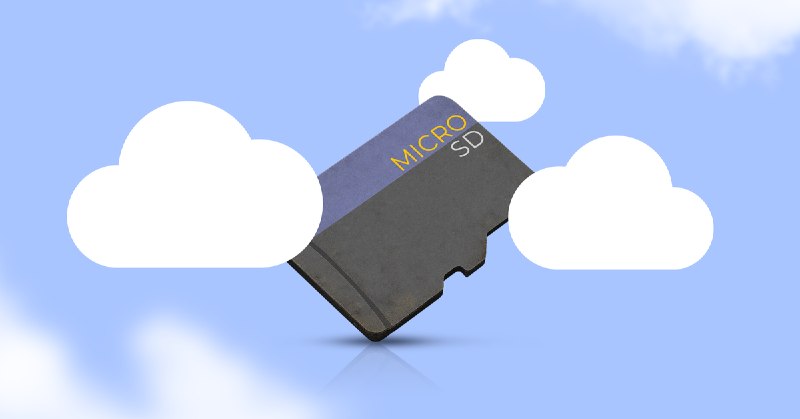
The Decline of Expandable Storage: Why Even Google One Can't Replace What Smartphones Lost
For years, expandable storage via microSD cards was a standard feature in many Android smartphones, offering users flexibility and peace of mind. However, as smartphone manufacturers push toward sleeker designs and more integrated ecosystems, this once-common feature has gradually disappeared from most flagship and mid-range devices. While cloud storage solutions like Google One have emerged as alternatives, they fail to fully replicate the convenience, privacy, and offline accessibility that physical storage cards provided.
A Brief History of Smartphone Expandable Storage
The microSD card format, originally introduced as TransFlash by SanDisk in 2004, quickly became a staple in mobile devices. By the early 2010s, most Android manufacturers offered expandable storage options, allowing users to increase their device's storage capacity by up to 2TB in some cases. This feature was particularly valuable as smartphone cameras improved, capturing higher resolution photos and videos that consumed significant space.
During this era, brands like Samsung, LG, Motorola, and HTC proudly advertised expandable storage as a key differentiator in their marketing. The ability to swap cards, transfer files between devices, and have offline access to media without consuming precious internal storage was a major selling point for consumers.
The Great Disappearance: When Brands Abandoned expandable Storage
The tide began to turn around 2017-2018 when several major manufacturers started phasing out microSD card slots. Samsung, once a champion of expandable storage, removed the feature from its flagship Galaxy S series starting with the S6 in 2015, though it returned briefly before being discontinued again. Google's Pixel line has never included expandable storage, setting a precedent for other premium devices.
By 2020, most major smartphone manufacturers had either completely eliminated microSD support or relegated it to their budget-tier devices. Apple had never offered expandable storage in iPhones, but this trend now extended across the Android ecosystem as well.
| Manufacturer | Current Stance on MicroSD | Notable Models Without expandable Storage |
|---|---|---|
| Samsung | Limited to A-series and some mid-range | S20, S21, S22, S23, Note series, Z Fold/Z Flip |
| Never supported | All Pixel models | |
| OnePlus | Removed from recent flagships | 8, 9, 10, 11 series |
| Xiaomi | Limited to specific models | Mi 11, 12, 13 series |
| Apple | Never supported | All iPhone models |
Why Manufacturers Dropped expandable Storage
The removal of microSD card slots wasn't arbitrary; manufacturers had several strategic reasons for this shift:
- Profit Motives: Higher storage tiers command significant price premiums. A 256GB model might cost $100-200 more than the 128GB version, with minimal manufacturing cost difference.
- Design Constraints: As smartphones became thinner and more water-resistant, eliminating the microSD slot simplified internal component placement and improved sealing.
- Security Considerations: Removable storage can pose security risks, potentially allowing malicious software to be introduced through physical access.
- Ecosystem Lock-in: By limiting storage expansion, manufacturers encourage users to rely more on their cloud services and ecosystems.
- Performance Concerns: Budget microSD cards often offered slower read/write speeds than internal storage, potentially affecting app performance.
The Rise of Cloud Storage: Google One and Alternatives
As expandable storage disappeared, cloud services like Google One, iCloud, and Samsung's offering emerged as the primary alternatives. Google One, in particular, has positioned itself as the comprehensive solution for storage needs, offering plans ranging from 100GB to 30TB of cloud storage.
While cloud storage provides convenience and automatic backups, it falls short in several critical areas where physical storage cards excelled:
- Offline Accessibility: Cloud services require internet access for most operations. MicroSD cards provided immediate offline access to media, maps, and documents.
- No Data Caps: Accessing files from the cloud consumes data, which can be problematic for users with limited data plans or in areas with poor connectivity.
- Privacy Concerns: Storing sensitive personal data on cloud services raises privacy issues that physical storage avoids.
- Transfer Limitations: Moving large files between devices is often more cumbersome with cloud storage compared to simply swapping a microSD card.
- Long-term Costs: While a microSD card is a one-time purchase, cloud storage requires ongoing subscription payments that accumulate over time.
User Impact and Unintended Consequences
The removal of expandable storage has had significant implications for smartphone users:
For photographers and videographers, the shift has been particularly challenging. High-resolution 4K video and RAW photography files can quickly consume internal storage, forcing users to either constantly manage their files or invest in higher-capacity (and more expensive) models from the outset.
International travelers and business users who rely on offline maps, documents, and media have found themselves in a bind. Cloud-based solutions often require pre-downloading content, which can be complex to manage and may not always work reliably.
Additionally, the lack of expandable storage has reduced the longevity of devices for many users. In the past, a phone could remain useful longer simply by adding storage. Now, as internal storage fills up with system updates and apps, users often feel compelled to upgrade to newer models simply because they've run out of space.
The Future of Smartphone Storage
As smartphone manufacturers continue to prioritize sleek designs and higher profit margins, the return of microSD cards seems unlikely. However, new technologies are emerging that could address some of the limitations:
- Universal Flash Storage (UFS) improvements: Internal storage technology continues to advance, with faster read/write speeds and greater capacities becoming more affordable.
- Form Factor Innovation: Some manufacturers are experimenting with embedded storage solutions that could offer more flexibility than current fixed internal storage.
- Hybrid Cloud Solutions: Services are improving to better handle offline scenarios and automatic syncing between devices.
Despite these advancements, the fundamental trade-offs remain. Physical storage offers privacy, offline access, and one-time costs that cloud services struggle to match. For power users, content creators, and privacy-conscious individuals, the loss of expandable storage represents a significant step backward in smartphone functionality.
Conclusion: A Compromise Users Didn't Choose
The disappearance of microSD card slots from most smartphones represents a fundamental shift in how manufacturers view device ownership. Where users once had control over their storage capacity and data management, they now must adapt to manufacturer-imposed limitations and ongoing subscription models.
While Google One and other cloud services offer convenience for many users, they cannot fully replace the physical, offline, and private nature of expandable storage. The trade-offs manufacturers have made—prioritizing profit and design over user flexibility—have left many smartphone users with fewer options and more constraints than they had just a few years ago.
As smartphone innovation continues to plateau in many areas, the removal of once-standard features like expandable storage serves as a reminder that progress in the tech industry isn't always aligned with user needs and preferences. For those who value control, privacy, and offline functionality, the golden age of smartphone flexibility may be behind us.
Most smartphone brands dropped this feature years ago, and I don't think even Google One can replace it https://www.androidpolice.com/most-smartphone-brands-dropped-feature-even-google-one-can-replace-it/ Most smartphone brands dropped this feature years ago, and I don't think even Google One can replace it https://www.androidpolice.com/most-smartphone-brands-dropped-feature-even-google-one-can-replace-it/


