 TechOffice
Madison Square Garden Compiles Dossier on Anti-Facial Recognition Activists
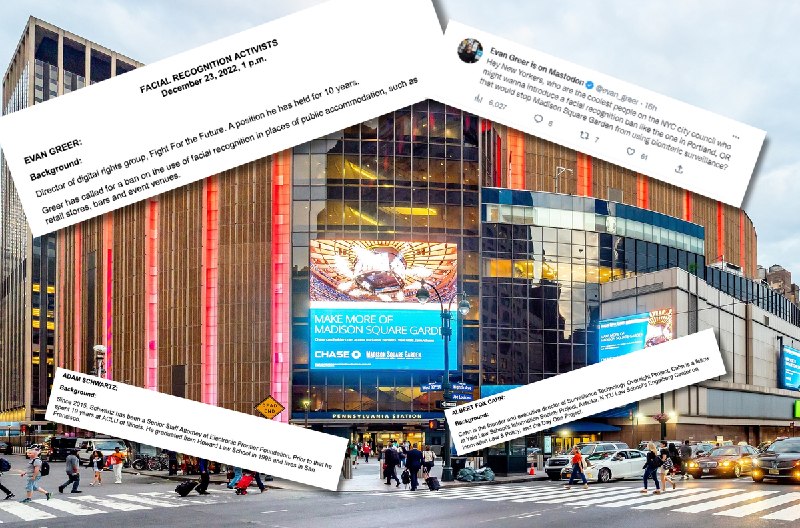
Madison Square Garden Compiles Dossier on Facial Recognition Critics, Raising Privacy Concerns
In a move that has ignited fierce debate about privacy rights and corporate surveillance, Madison Square Entertainment (MSE), the parent company of Madison Square Garden, has been revealed to have compiled a detailed dossier on activists who publicly opposed its implementation of facial recognition technology. The document, titled "Facial Recognition Activists.docx," contains specific comments made by critics about the venue's facial recognition program along with their tweets expressing opposition to the technology.
The Discovery of the Dossier
The existence of the dossier came to light through investigative journalism, though the exact source of the leak remains undisclosed. The document appears to be a systematic collection of public statements and social media posts from individuals who had voiced concerns about MSG's facial recognition initiatives. This revelation has raised significant questions about the extent of corporate monitoring of public discourse and the potential chilling effect such practices may have on free speech.
Background on MSG's Facial Recognition Program
Madison Square Garden, one of the world's most iconic entertainment venues, began implementing facial recognition technology several years ago. The system was initially presented as a security measure to identify individuals who had been previously banned from the venue or who posed potential threats. However, the technology's capabilities have expanded beyond simple security applications.
The venue's facial recognition system reportedly uses a network of cameras throughout the facility to capture and analyze the facial features of all individuals entering and moving through the space. This data is then compared against a database of known individuals, including those with prior bans, suspected wrongdoers, and potentially other categories of persons of interest.
Contents of the "Facial Recognition Activists.docx" Document
According to reports, the dossier contains detailed information about specific activists who have spoken out against MSG's facial recognition program. The document includes:
- Direct quotes from public comments and statements criticizing the technology
- Screen captures of tweets expressing opposition to the program
- Information about the activists' public appearances and statements about facial recognition
- Potentially additional biographical or background information on the critics
What remains unclear is how this information was gathered and what purpose the dossier was intended to serve. MSE has not publicly commented on whether the document was created internally or through external contractors, nor have they specified how the information might be used.
Privacy and Ethical Concerns
The creation of such a dossier raises profound privacy and ethical questions:
| Concern Category | Specific Issues |
|---|---|
| First Amendment Rights | Monitoring and documenting critics may have a chilling effect on free speech and public discourse |
| Corporate Surveillance | Private companies collecting information on individuals based on their political views or activism |
| Data Security | Risks of the collected information being exposed, misused, or falling into wrong hands |
| Transparency | Lack of public awareness about being monitored and having their views documented |
Legal Implications
Legal experts have noted that while collecting publicly available information is not inherently illegal, the manner in which it's compiled and used may raise legal concerns. Potential issues include:
- Whether the collection constitutes illegal surveillance under state or federal laws
- Whether the dossier creation violates any anti-retaliation provisions
- Whether the activists' privacy rights were infringed upon
- Whether the documentation could be considered as part of a pattern of intimidation
"The legality of this practice largely depends on how the information was obtained and how it's intended to be used," commented privacy law expert Dr. Sarah Jenkins. "If the information was gathered from publicly available sources without deception, that's generally protected. However, if it's part of a coordinated effort to intimidate or retaliate against critics, that could cross legal boundaries."
Industry Context and Similar Cases
MSG's approach is not isolated in the entertainment or sports industry. Several other venues and organizations have faced scrutiny over their use of facial recognition and monitoring of critics:
- In 2021, several major sports stadiums were revealed to be using facial recognition without adequate public disclosure
- Some retail companies have been documented creating profiles of customers who complained about their practices
- Technology firms have faced backlash for monitoring and documenting critics of their products
However, the compilation of a specific dossier on critics appears to be a more aggressive approach than typical corporate monitoring practices.
Corporate Response and Public Reaction
As of this reporting, Madison Square Entertainment has not issued a formal statement regarding the dossier. The company previously defended its facial recognition program as a security enhancement, stating that it helps maintain a safe environment for guests and staff.
The public reaction has been swift and divided:
- Privacy advocates have condemned the practice as a form of corporate surveillance and intimidation
- Some security supporters argue that venues have a right to protect themselves and document opposition
- Legal experts have called for greater transparency about corporate data collection practices
- Ethicists have questioned the boundaries between legitimate security measures and privacy invasion
Broader Implications for Facial Recognition Technology
This incident occurs at a time when facial recognition technology faces increasing scrutiny worldwide. The technology, while promising enhanced security and convenience, has been criticized for:
- Potential for racial and gender bias in accuracy
- Mass surveillance implications
- Lack of consistent regulatory frameworks
- Privacy erosion concerns
Many cities and municipalities have implemented restrictions or outright bans on government use of facial recognition, while private sector usage remains largely unregulated in many jurisdictions.
Future Outlook
The revelation of MSG's dossier on activists may influence several ongoing conversations:
- Increased calls for regulation of private sector facial recognition technology
- Heightened awareness of corporate monitoring of critics
- Potential legal challenges to similar practices
- Greater public scrutiny of venue security technologies
- Possible industry self-regulation initiatives
"This case highlights the urgent need for a broader conversation about the boundaries of acceptable corporate surveillance," commented digital rights advocate Michael Torres. "As these technologies become more prevalent, we need clear guidelines about what information companies can collect, how they can use it, and what rights individuals have when they're being monitored."
Conclusion
The creation of a dossier on activists by Madison Square Garden represents a significant moment in the ongoing debate about facial recognition technology and corporate surveillance practices. As venues and other organizations continue to adopt increasingly sophisticated monitoring technologies, questions about privacy, free speech, and corporate accountability become increasingly urgent.
This incident serves as a reminder that technological capabilities often outpace legal and ethical frameworks, leaving individuals vulnerable to potential abuses. As the public becomes more aware of these practices, the demand for greater transparency, regulation, and respect for privacy rights is likely to intensify.
For now, the "Facial Recognition Activists.docx" stands as a documented example of how corporate interests may respond to public opposition, raising important questions about the balance between security measures and fundamental rights in our increasingly digital world.
Madison Square Garden Made Dossier on Activists Who Opposed Facial Recognition / The document, titled “Facial Recognition Activists.docx,” includes specific activists’ comments about MSG's facial recognition program and tweets criticizing it. Read Full Article #FacialRecognition #Activism #MSGossip (Wait: accidental) Madison Square Garden Made Dossier on Activists Who Opposed Facial Recognition / The document, titled “Facial Recognition Activists.docx,” includes specific activists’ comments about MSG's facial recognition program and tweets criticizing it. Read Full Article #FacialRecognition #Activism #MSGossip (Wait: accidental)


