 TechOffice
Privacy Experts Question Algorithmic Personalization in Apple's New App Store Recommendations
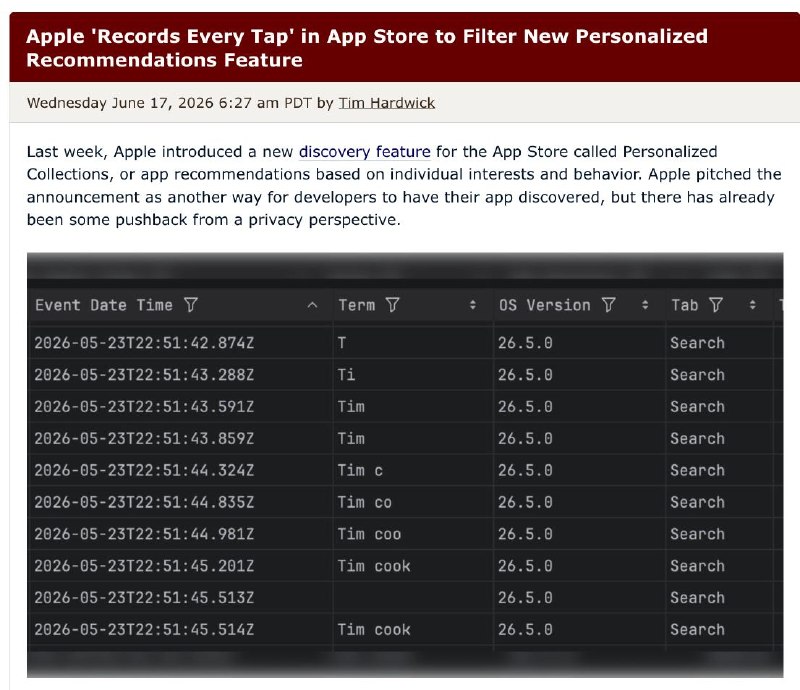
Apple Faces Privacy Scrutiny Over App Store Data Collection Practices
Apple, the tech giant renowned for its strong stance on user privacy, is facing renewed criticism over its new personalized App Store recommendations feature. The controversy centers on the extensive data collection practices that power these recommendations, with reports revealing that Apple gathers detailed information about user interactions—including every screen tap and even typing speed—without providing users with clear opt-in options.
The Personalized App Store Recommendations Feature
Apple recently introduced personalized recommendations in the App Store, designed to suggest applications based on individual user behavior and preferences. While on the surface this appears to be a standard personalization feature common in digital marketplaces, the extent of data collection has raised significant privacy concerns among researchers and privacy advocates.
The feature aims to enhance user experience by curating app suggestions tailored to each user's interests and usage patterns. However, the methods used to generate these recommendations have come under intense scrutiny following revelations about the granular level of data being collected.
Extent of Data Collection
According to researchers who analyzed data available through Apple's privacy portal, the company collects an extensive range of user interaction data within the App Store. This includes:
- Every screen tap and navigation within the App Store
- Typing speed and patterns when searching for apps
- Time spent viewing specific app listings
- Scroll behavior and engagement with different app categories
- Search terms and queries entered by users
This level of detail goes beyond what many users would reasonably expect to be collected simply for the purpose of app recommendations. The data collection appears to create a comprehensive behavioral profile of each user's interaction with the App Store ecosystem.
Table: Types of Data Collected for App Store Recommendations
| Data Category | Specific Information Collected | Purpose for Recommendations |
|---|---|---|
| Interaction Data | Screen taps, navigation paths, scroll depth | Understanding user engagement patterns |
| Behavioral Data | Typing speed, search patterns, time spent | Gauging user interests and intent |
| Content Data | Viewed apps, categories, search queries | Identifying preferences and trends |
Default Collection and Lack of Opt-Out Option
One of the most concerning aspects of this data collection, according to privacy researchers, is that it is enabled by default and cannot be turned off by users. This stands in contrast to many other data collection practices that, while often enabled by default, at least provide users with the option to opt out.
The inability to disable this behavioral data collection raises significant questions about user consent and transparency. Users who value their privacy and wish to limit the amount of data collected about their App Store interactions have no mechanism to do so without foregoing the personalized recommendations feature entirely.
Criticism of Apple's Privacy Position
Apple has long positioned itself as a champion of user privacy in the tech industry, frequently highlighting its commitment to protecting user data in its marketing and product announcements. This reputation has been a key differentiator for Apple, particularly as consumers have grown increasingly concerned about data privacy across the tech landscape.
The criticism leveled against Apple stems from what appears to be a contradiction between its stated privacy principles and its actual practices with the App Store recommendations feature. Privacy advocates argue that collecting detailed behavioral data without explicit user consent undermines Apple's privacy-first messaging.
"Apple has built its brand around protecting user privacy, yet users aren't explicitly asked to opt in before this level of behavioral data is collected," noted one privacy researcher who analyzed the collected data. "This creates a significant gap between Apple's public stance and its actual data collection practices."
Accessing Data Through Apple's Privacy Portal
The information about Apple's data collection practices came from researchers analyzing data that users can request through Apple's privacy portal. Under privacy regulations like GDPR and CCPA, Apple provides users with the ability to download a copy of the data the company holds about them.
Upon examining this data, researchers discovered the extensive nature of the behavioral tracking occurring within the App Store. This revelation has prompted calls for greater transparency from Apple regarding what data is being collected and how it is being used.
Table: Apple's Privacy Features vs. App Store Data Collection
| Privacy Feature | User Control | Transparency Level |
|---|---|---|
| App Tracking Transparency | Users can opt out of app tracking | High visibility and control |
| iCloud Privacy | Users can manage data sharing settings | Clear options and explanations |
| App Store Recommendations | No opt-out option available | Limited disclosure in privacy policy |
Industry Context and Comparison
The controversy surrounding Apple's App Store data collection occurs against a backdrop of increasing scrutiny of tech companies' data practices. While personalized recommendations are standard across digital platforms, the extent of data collection and the lack of user control in Apple's implementation is drawing particular attention.
Many competing app stores and digital marketplaces offer personalized recommendations while providing users with greater control over their data. For example, Google's Play Store and Amazon's Appstore both offer personalization features but typically provide users with options to limit data collection or disable personalized recommendations.
This comparison highlights what some see as an inconsistency in Apple's approach to privacy. While the company implements strong privacy protections in some areas, its practices in others—such as the App Store recommendations feature—fall short of the high standards it sets for itself.
Potential Implications for Apple
The privacy criticism surrounding Apple's App Store recommendations feature could have several potential implications for the company:
- Reputational damage to Apple's carefully cultivated privacy image
- Increased regulatory scrutiny of Apple's data practices
- Potential legal challenges from privacy advocacy groups
- Consumer backlash from privacy-conscious users
- Pressure to modify the data collection practices or provide opt-out options
Apple has not yet issued a formal response to the specific criticisms regarding the App Store recommendations feature. The company may need to address these concerns to maintain its position as a privacy leader in the tech industry.
Expert Analysis and Future Outlook
Privacy experts suggest that Apple could address these concerns by implementing several changes:
- Providing users with clear opt-in options for behavioral data collection
- Offering granular controls over what data is collected and used for recommendations
- Enhancing transparency in its privacy policies regarding App Store data collection
- Implementing differential privacy techniques to protect individual user data while still providing personalized recommendations
The controversy also highlights the broader tension between personalization and privacy in digital experiences. As users have come to expect personalized recommendations and content, companies face increasing challenges in delivering these experiences while respecting user privacy and providing meaningful consent.
Conclusion
The privacy criticism surrounding Apple's new personalized App Store recommendations feature represents a significant challenge to the company's privacy reputation. The revelation that Apple collects detailed behavioral data—including screen taps and typing speed—without providing users with opt-out options raises important questions about transparency and consent.
As consumers become increasingly aware of and concerned about data privacy, Apple may need to reconcile its actual data collection practices with its privacy-first messaging. The company's response to this criticism could set an important precedent for how tech companies approach personalization and privacy in their products and services.
For now, the controversy serves as a reminder that even companies with strong privacy commitments must continually evaluate and refine their data practices to align with user expectations and regulatory requirements. The App Store recommendations feature may prompt Apple to strengthen its privacy protections in this area, potentially leading to greater user control and transparency in how personal data is collected and used.
As this situation develops, all eyes will be on Apple to see how it responds to these privacy concerns and whether it can maintain its position as a privacy leader in the tech industry.
🅰️ Apple is facing fresh privacy criticism over its new personalized App Store recommendations 🤔 The feature suggests apps based on user behavior, but reports reveal that Apple collects detailed App Store interaction data to power these recommendations — including every screen tap and even typing speed. The findings come from data users can request through Apple's privacy portal. 📰 According to researchers, this data collection is enabled by default and cannot be turned off, raising concerns about transparency and user consent. 🤨 The biggest criticism? Apple has built its brand around protecting user privacy, yet users aren't explicitly asked to opt in before this level of behavioral data is collected. @DailyApple 🅰️ Apple is facing fresh privacy criticism over its new personalized App Store recommendations 🤔 The feature suggests apps based on user behavior, but reports reveal that Apple collects detailed App Store interaction data to power these recommendations — including every screen tap and even typing speed. The findings come from data users can request through Apple's privacy portal. 📰 According to researchers, this data collection is enabled by default and cannot be turned off, raising concerns about transparency and user consent. 🤨 The biggest criticism? Apple has built its brand around protecting user privacy, yet users aren't explicitly asked to opt in before this level of behavioral data is collected. @DailyApple


