 TechOffice
techroma
🔥 3 Visits
Xiaomi and Huawei are exploring LLW, a low-latency memory technology to improve on-device AI. Borrowing from server HBM
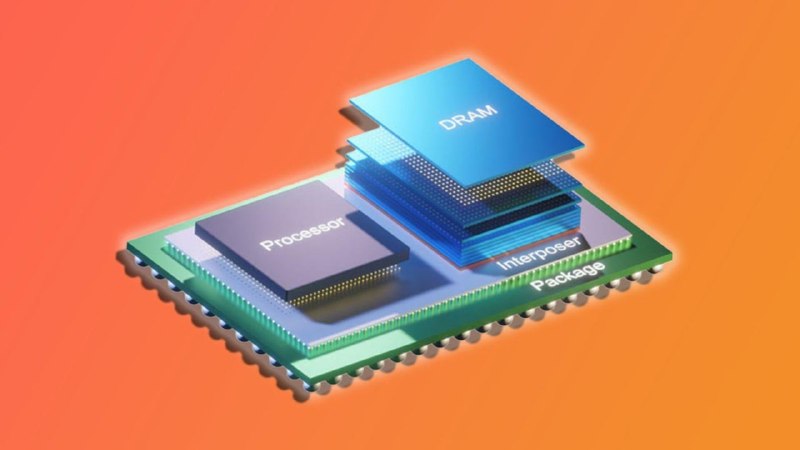
Xiaomi and Huawei are exploring LLW, a low-latency memory technology to improve on-device AI. Borrowing from server HBM but redesigned for smartphones, LLW avoids size, packaging, and heat challenges. It speeds up processor-memory data transfer, reduces latency, and keeps models fed. Estimates suggest 50% lower power consumption and 1.5x better performance, pending real-world validation. This is critical as on-device AI models grow larger, where memory bandwidth matters as much as computing power. Mass adoption is years away, with commercial devices expected no earlier than H2 2027.
❤️ @techroma
Xiaomi and Huawei are exploring LLW, a low-latency memory technology to improve on-device AI. Borrowing from server HBM but redesigned for smartphones, LLW avoids size, packaging, and heat challenges. It speeds up processor-memory data transfer, reduces latency, and keeps models fed. Estimates suggest 50% lower power consumption and 1.5x better performance, pending real-world validation. This is critical as on-device AI models grow larger, where memory bandwidth matters as much as computing power. Mass adoption is years away, with commercial devices expected no earlier than H2 2027.
❤️ @techroma
Xiaomi and Huawei are exploring LLW, a low-latency memory technology to improve on-device AI. Borrowing from server HBM but redesigned for smartphones, LLW avoids size, packaging, and heat challenges. It speeds up processor-memory data transfer, reduces latency, and keeps models fed. Estimates suggest 50% lower power consumption and 1.5x better performance, pending real-world validation. This is critical as on-device AI models grow larger, where memory bandwidth matters as much as computing power. Mass adoption is years away, with commercial devices expected no earlier than H2 2027. ❤️ @techroma Xiaomi and Huawei are exploring LLW, a low-latency memory technology to improve on-device AI. Borrowing from server HBM but redesigned for smartphones, LLW avoids size, packaging, and heat challenges. It speeds up processor-memory data transfer, reduces latency, and keeps models fed. Estimates suggest 50% lower power consumption and 1.5x better performance, pending real-world validation. This is critical as on-device AI models grow larger, where memory bandwidth matters as much as computing power. Mass adoption is years away, with commercial devices expected no earlier than H2 2027. ❤️ @techroma
Xiaomi and Huawei are exploring LLW, a low-latency memory technology to improve on-device AI. Borrowing from server HBM but redesigned for smartphones, LLW avoids size, packaging, and heat challenges. It speeds up processor-memory data transfer, reduces latency, and keeps models fed. Estimates suggest 50% lower power consumption and 1.5x better performance, pending real-world validation. This is critical as on-device AI models grow larger, where memory bandwidth matters as much as computing power. Mass adoption is years away, with commercial devices expected no earlier than H2 2027. ❤️ @techroma Xiaomi and Huawei are exploring LLW, a low-latency memory technology to improve on-device AI. Borrowing from server HBM but redesigned for smartphones, LLW avoids size, packaging, and heat challenges. It speeds up processor-memory data transfer, reduces latency, and keeps models fed. Estimates suggest 50% lower power consumption and 1.5x better performance, pending real-world validation. This is critical as on-device AI models grow larger, where memory bandwidth matters as much as computing power. Mass adoption is years away, with commercial devices expected no earlier than H2 2027. ❤️ @techroma


