 TechOffice
Beyond Performance: The Real Story Behind Kirin 9030's Unexpected Attention
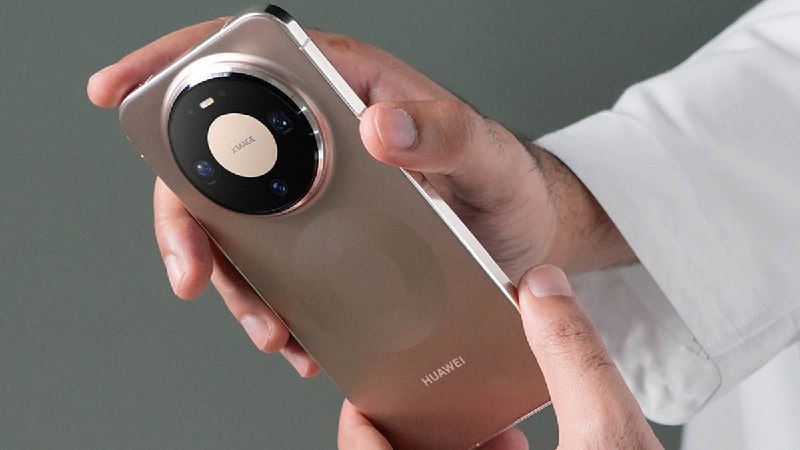
Huawei Mate 80's Kirin 9030 Chip: Performance Takes Backseat to Supply Chain Strategy
The technology world continues to buzz about Huawei's upcoming Mate 80 and its Kirin 9030 series chipset, though the conversation has shifted from raw performance metrics to a more nuanced discussion about component sourcing and supply chain resilience. Recent revelations indicate that while the new chipset features Chinese-designed architecture, it still incorporates Samsung memory solutions, highlighting the complex reality of global semiconductor dependencies.
The Kirin 9030: More Than Just a Performance Upgrade
The Kirin 9030 series represents Huawei's latest attempt to reclaim its position in the premium smartphone market after facing significant supply chain constraints. While initial speculation focused on performance benchmarks and architectural improvements, the narrative has evolved to emphasize the strategic component choices that have made this chipset possible.
Industry analysts note that the Kirin 9030, while incorporating Huawei's proprietary design elements, demonstrates a pragmatic approach to component selection. The chipset reportedly balances Chinese innovation with select international components, a strategy that reflects both technological ambition and supply chain reality.
Samsung Memory Solutions in a Chinese Flagship
Perhaps the most surprising revelation about the Kirin 9030 is its incorporation of Samsung memory components. This detail has sparked considerable discussion within the tech community, given the intense geopolitical competition between Chinese and Korean tech giants.
The memory solutions in question are believed to include Samsung's advanced LPDDR5 RAM and UFS storage components. These components are critical for the chipset's operation, particularly for handling the high-speed data processing requirements of modern smartphones. Their inclusion suggests that despite Huawei's push toward self-sufficiency, certain specialized components remain unavailable from domestic suppliers.
This revelation challenges the narrative that Huawei has successfully decoupled its supply chain from foreign dependencies. Instead, it presents a more complex picture where the company has strategically identified which components can be sourced domestically and which still require international partnerships.
Supply Chain Realities in the Post-Sanctions Era
Huawei's journey since being added to the U.S. Entity List in 2019 has been a masterclass in supply chain adaptation. The company's ability to continue developing advanced chipsets like the Kirin 9030 demonstrates remarkable resilience, but the Samsung memory revelation underscores that complete technological decoupling remains an elusive goal.
The situation highlights several key realities of modern semiconductor manufacturing:
- Specialized components often require specialized manufacturing processes that may not be replicable across different geopolitical regions
- Certain IP and manufacturing technologies remain concentrated in specific countries and companies
- Even vertically integrated tech giants must navigate a globally distributed supply chain
Comparative Analysis: Kirin Chipset Evolution
The Kirin 9030 represents a significant milestone in Huawei's chipset development, but its component composition differs notably from previous generations:
| Chipset Generation | Primary Fabrication | Memory Components | Key Differentiator |
|---|---|---|---|
| Kirin 9000S (Mate 60) | SMIC 7nm | Predominantly Chinese | First post-sanctions flagship |
| Kirin 9010 (Mate 70) | SMIC 7nm+ EUV | Mixed domestic/foreign | Improved yield rates |
| Kirin 9030 (Mate 80) | SMIC 7nm++ | Chinese design with Samsung memory | Performance optimization |
Implications for the Global Tech Industry
The Kirin 9030's component composition serves as a case study in the ongoing technological decoupling between major economies. While Huawei has made remarkable progress in developing domestic alternatives for many components, the continued reliance on Samsung memory solutions demonstrates that complete technological sovereignty remains challenging even for a company with Huawei's resources and determination.
This situation has several broader implications:
- Supply chain resilience requires both diversification and strategic partnerships
- Specialized manufacturing capabilities take years to develop and perfect
- Geopolitical tensions are reshaping global technology distribution networks
- Innovation increasingly occurs within regional technology ecosystems rather than globally
Looking Ahead: The Future of Huawei's Chip Strategy
As Huawei continues to refine its chipset strategy, industry observers expect the company to gradually reduce its reliance on foreign components while maintaining performance parity with global competitors. The Kirin 9030 may represent an intermediate step in this journey, balancing immediate market needs with long-term technological independence.
The company's reported investments in domestic memory technology and semiconductor manufacturing suggest that future iterations of the Kirin chipset may increasingly incorporate Chinese-designed alternatives to Samsung components. However, the timeline for achieving complete component independence remains uncertain.
For the Mate 80 series, the practical implications of the Kirin 9030's component mix are likely minimal for end-users. The device is expected to deliver competitive performance and features, maintaining Huawei's reputation for premium smartphone experiences. The real significance lies in what the chipset reveals about the evolving nature of global technology supply chains and the strategies employed by companies navigating unprecedented geopolitical pressures.
As the tech industry continues to evolve in an increasingly fragmented geopolitical landscape, the Kirin 9030 may be remembered not just for its technical specifications, but as a symbol of the complex interdependence that continues to define global semiconductor manufacturing despite efforts toward technological decoupling.
Huawei Mate 80's Kirin 9030 series chip is still buzzing around, not for its major performance improvements but for its necessary specifications, which include Samsung memory solutions. Besides the Chinese components, it looks like Huawei devices still rely on foreign tech parts to some extent. https://www.huaweicentral.com/huawei-mate-80s-kirin-9030-uses-chinese-samsung-memory/ Huawei Mate 80's Kirin 9030 series chip is still buzzing around, not for its major performance improvements but for its necessary specifications, which include Samsung memory solutions. Besides the Chinese components, it looks like Huawei devices still rely on foreign tech parts to some extent. https://www.huaweicentral.com/huawei-mate-80s-kirin-9030-uses-chinese-samsung-memory/


