 TechOffice
Samsung Display's RGB OLEDoS Breakthrough Poised to Transform Future XR Headsets
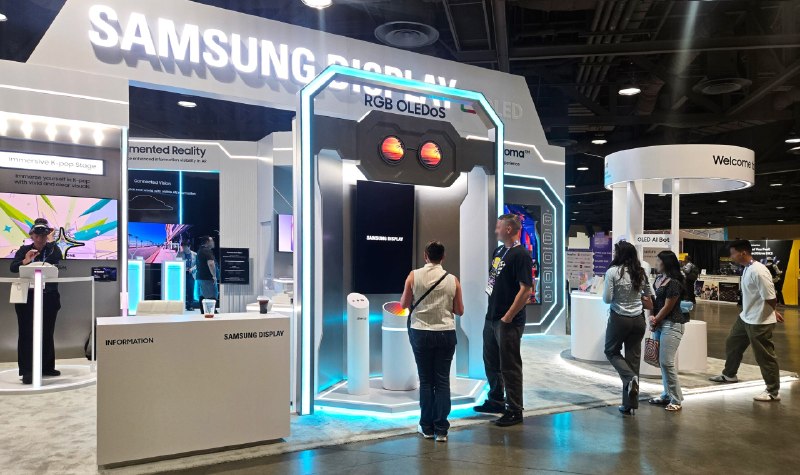
Samsung Display's Revolutionary RGB OLEDoS Technology Poised to Transform Future XR Headsets
Introduction: The Next Frontier in Display Technology
The extended reality (XR) landscape is on the brink of a significant transformation with Samsung Display's development of RGB OLEDoS (OLED on Silicon) technology. This breakthrough promises to address some of the most persistent challenges facing current virtual reality (VR), augmented reality (AR), and mixed reality (MR) headsets, including display quality, form factor limitations, and power consumption. As major tech companies continue to invest heavily in the metaverse and immersive experiences, advancements in display technology have become critical to delivering the next generation of compelling XR devices.
Samsung Display, a world leader in innovative display solutions, has reportedly achieved a significant milestone with its RGB OLEDoS technology. This development could potentially set new standards for visual fidelity in XR headsets, addressing key limitations that have hindered mainstream adoption of these devices.
Understanding RGB OLEDoS: Technical Breakdown
OLEDoS technology combines the superior image quality of OLED displays with the processing capabilities of silicon backplanes. Unlike traditional OLED displays that use glass substrates, OLEDoS utilizes silicon, which enables higher pixel density and faster response times. The RGB variant specifically refers to the subpixel arrangement, which uses individual red, green, and blue subpixels for each pixel, as opposed to the PenTile arrangement commonly used in many OLED displays.
This RGB configuration offers several advantages over existing display technologies used in XR headsets, including micro-OLED and micro-LCD panels. The key differentiator lies in the ability to achieve higher resolutions with smaller pixel sizes while maintaining brightness and color accuracy.
Technical Specifications and Advantages
Samsung's RGB OLEDoS technology reportedly features impressive specifications that could revolutionize the XR display experience:
- Significantly higher pixel density compared to existing micro-OLED displays
- Improved brightness levels, crucial for AR applications in various lighting conditions
- Faster refresh rates, reducing motion blur and enabling more responsive experiences
- Enhanced color accuracy and wider color gamut
- Reduced power consumption while maintaining or improving brightness
The silicon backplane integration allows for more sophisticated on-panel processing, which can reduce the computational load on the XR headset's main processor. This architectural innovation not only improves performance but also contributes to potential power savings and thermal management improvements.
Impact on XR Headsets: Performance Enhancements
The implementation of RGB OLEDoS technology in XR headsets would represent a significant leap forward in display technology, addressing several critical limitations of current devices.
Display Quality Improvements
One of the most significant advantages of RGB OLEDoS is its potential to deliver substantially higher resolutions in a compact form factor. Current high-end XR headsets like the Meta Quest Pro and Apple Vision Pro already offer impressive displays, but Samsung's technology could push the boundaries even further.
The improved pixel density would result in a more immersive experience with reduced "screen door effect," where individual pixels become visible at close distances. This would be particularly beneficial for VR applications where users' eyes are positioned mere centimeters from the display panels.
Additionally, the RGB subpixel arrangement typically provides better color reproduction compared to PenTile layouts, resulting in more vibrant and accurate visuals. This enhancement would be especially valuable for applications requiring precise color differentiation, such as design, medical visualization, and entertainment.
Form Factor and Comfort Benefits
Higher pixel density in RGB OLEDoS displays would allow manufacturers to maintain or even increase screen sizes while reducing the overall thickness of the display modules. This advancement could lead to lighter and more comfortable XR headsets, addressing one of the primary barriers to prolonged use of these devices.
The technology's potential for improved brightness and efficiency would also enable the development of more optically efficient lens systems, potentially reducing the bulkiness of current XR headset designs. This could make extended wear more comfortable and encourage longer sessions without discomfort.
Power Efficiency and Battery Life
Power consumption remains a significant challenge for XR devices, particularly for standalone headsets that don't rely on external power sources. Samsung's RGB OLEDoS technology reportedly offers improved efficiency, which could translate to longer battery life or allow for smaller battery packs without compromising usage time.
The on-panel processing capabilities enabled by the silicon backplane could further reduce power consumption by offloading certain computational tasks from the main processor. This architectural optimization would be particularly beneficial for standalone XR devices, where battery life is a critical factor in user satisfaction.
Market Implications and Competitive Landscape
Samsung Display's advancement in RGB OLEDoS technology positions the company as a potential leader in the rapidly growing XR display market. With major players like Apple, Meta, and Microsoft heavily investing in XR technologies, display quality has become a key differentiator in an increasingly competitive landscape.
Currently, micro-OLED displays dominate the high-end XR headset market, with companies like Sony supplying panels for devices like the Apple Vision Pro. Samsung's RGB OLEDoS technology could challenge this dominance by offering superior specifications and potentially more cost-effective manufacturing at scale.
The development also underscores Samsung's broader strategy to diversify beyond traditional smartphone displays and establish a strong presence in emerging display applications. By investing in specialized technologies for XR, automotive, and IoT applications, Samsung aims to reduce its dependence on the volatile smartphone market.
Future Outlook: When and Where We'll See RGB OLEDoS
While specific timelines for commercial availability of RGB OLEDoS displays remain unclear, industry analysts suggest that Samsung could begin limited production as early as 2024, with wider adoption potentially occurring in 2025. The technology would likely first appear in premium XR headsets before gradually making its way to more affordable devices.
Several factors will influence the adoption timeline, including manufacturing challenges, cost considerations, and the development of compatible optical systems. However, Samsung's demonstrated expertise in display manufacturing and its established relationships with major device manufacturers suggest a relatively smooth path to market.
Potential first adopters of this technology could include Samsung's own XR products, as well as devices from other manufacturers seeking to differentiate their offerings in an increasingly crowded market. Companies developing standalone VR headsets, AR glasses, and mixed reality devices would particularly benefit from the enhanced display quality and power efficiency offered by RGB OLEDoS.
Conclusion: A New Era for Extended Reality Experiences
Samsung Display's RGB OLEDoS technology represents a significant advancement in display technology that could fundamentally improve the XR user experience. By addressing key limitations of current displays—including resolution, brightness, power consumption, and form factor constraints—this breakthrough has the potential to accelerate the adoption of XR devices and unlock new possibilities for applications across various industries.
As the metaverse continues to evolve and immersive computing becomes more integrated into daily life, display technologies that can deliver high-fidelity visual experiences in compact, efficient form factors will be essential. Samsung's RGB OLEDoS appears poised to meet these demands, potentially setting new standards for XR displays and driving innovation across the industry.
The development underscores the critical role of display technology in shaping the future of extended reality and highlights Samsung's commitment to pushing the boundaries of what's possible in visual experiences. As we look toward a future where digital and physical worlds increasingly merge, advancements like RGB OLEDoS will play a crucial role in making these experiences more compelling, accessible, and enjoyable for users worldwide.
RGB OLEDoS vs. Current XR Display Technologies
| Feature | RGB OLEDoS (Samsung) | Micro-OLED | Micro-LCD |
|---|---|---|---|
| Pixel Density | Very High (3,000+ PPI) | High (1,000-2,000 PPI) | Moderate (800-1,500 PPI) |
| Color Accuracy | Excellent (RGB subpixels) | Good (RGB or PenTile) | Moderate (RGB stripe) |
| Brightness | High (improved efficiency) | Moderate | High |
| Power Consumption | Low (optimized efficiency) | Moderate | High |
| Response Time | Very Fast (µs range) | Fast (µs range) | Moderate (ms range) |
| Form Factor | Thinner, lighter | Thin, moderate weight | Bulkier, heavier |
Samsung Display's New RGB OLEDoS Tech Could Make Future XR Headsets Even Better https://ift.tt/JvS0WAK Samsung Display's New RGB OLEDoS Tech Could Make Future XR Headsets Even Better https://ift.tt/JvS0WAK


