 TechOffice
iphone
🔥 36 Visits
After 19 Years: Smartphones Finally Get Separate Alarm Volume Control
# iOS Finally Introduces Independent Alarm Volume Control After 19 Years, Along with Lock Screen Enhancements and macOS Improvements
## Introduction
After nearly two decades of using a unified volume control system, Apple has finally implemented one of the most requested features in iOS history: the ability to adjust alarm volume independently from other system sounds. This long-awaited change, coming with the latest iOS update, represents a significant evolution in user experience design. Alongside this fundamental improvement, Apple has introduced several other enhancements including oversized widgets, compact clock options on the lock screen, and expanded iPhone Mirroring capabilities in macOS. These updates collectively demonstrate Apple's ongoing commitment to refining the user experience based on decades of user feedback.
## The Volume Control Revolution: A 19-Year Journey
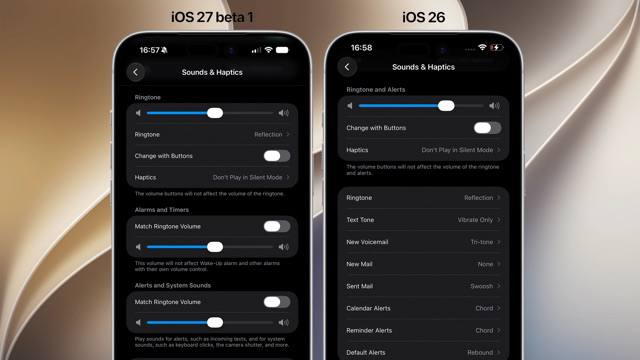
For 19 years, iOS users have been limited to a single volume slider that controlled all system sounds uniformly. This meant that adjusting the volume for media playback would also affect alarm loudness, creating a common frustration for users who wanted their alarms to be heard clearly without needing to remember to adjust system volume each night.
The new volume control system introduces separate sliders for distinct sound categories:
This granular control represents a significant shift in iOS audio management. Users can now, for example, set their alarms to maximum volume while keeping notification sounds at a moderate level, or vice versa. The implementation maintains the simplicity of the original volume control while adding the flexibility that power users have long requested.
## Lock Screen Enhancements: Widgets and Clock Options
The iOS update introduces notable improvements to the lock screen experience, focusing on customization and at-a-glance information access. Two key enhancements stand out:
### Oversized Widgets
Apple has expanded widget capabilities on the lock screen, introducing oversized widgets that provide more information at a glance. These larger widgets can display extended content from apps without requiring users to unlock their devices or open applications. This enhancement is particularly useful for productivity-focused users who want to see more information without additional steps.
The implementation maintains the aesthetic coherence of iOS while significantly improving the utility of the lock screen as an information hub. Users can now customize their lock screens with larger versions of their most-used widgets, creating a more personalized and efficient experience.
### Compact Clock Options
In a nod to users who prefer minimalism or those with visual impairments, Apple has introduced very small clock options for the lock screen. These compact clock designs maintain functionality while reducing visual footprint, allowing for more space for widgets or other lock screen elements.
The new clock options demonstrate Apple's attention to diverse user needs and preferences. By offering both oversized widgets and minimal clock designs, the update provides flexibility across different use cases and aesthetic preferences.
## macOS Improvements: Expanded iPhone Mirroring
The companion update to macOS brings significant enhancements to iPhone Mirroring, a feature that allows users to control their iPhone from their Mac. The most notable improvement is the introduction of a wider window for iPhone Mirroring, providing users with a more expansive view of their iPhone interface on their Mac.
This expansion improves the usability of iPhone Mirroring, particularly for tasks that benefit from additional screen real estate. The wider window makes it easier to interact with iPhone applications, view content, and perform tasks that would be cumbersome on the smaller iPhone screen.
The iPhone Mirroring feature continues Apple's commitment to seamless integration between its ecosystem devices, allowing users to work more efficiently across their iPhone, iPad, and Mac. The expanded window represents a refinement of this integration, addressing user feedback and improving the overall experience.
## The Significance of These Updates
The introduction of independent volume controls, particularly for alarms, highlights Apple's willingness to address long-standing user requests. After 19 years of unified volume management, this change demonstrates Apple's ongoing evolution in responding to user needs while maintaining the simplicity and elegance of its interface design.
These updates collectively reflect broader trends in Apple's product development:
1. **Granular Control**: The shift from unified to separate volume controls represents Apple's recognition that users increasingly desire more granular control over their device experiences.
2. **Customization**: The expanded widget options and clock designs continue Apple's trend toward greater personalization, allowing users to tailor their devices to their specific needs and preferences.
3. **Ecosystem Integration**: The iPhone Mirroring improvements reinforce Apple's commitment to creating a seamless experience across its devices, recognizing that users often work with multiple Apple products simultaneously.
4. **Accessibility**: The inclusion of both oversized widgets and compact clock options demonstrates Apple's continued focus on accessibility, ensuring that iOS and macOS can accommodate users with diverse needs.
## Looking Forward
These updates, while significant, represent incremental improvements rather than revolutionary changes. They suggest that Apple is focusing on refining existing features based on user feedback rather than introducing entirely new functionality. This approach aligns with Apple's recent product development strategy, which emphasizes optimization and enhancement of established features.
As Apple continues to develop its operating systems, users can likely expect further refinements to volume controls, additional lock screen customization options, and expanded integration between iOS and macOS. The company's willingness to address a 19-year-old user request with the volume control change suggests that Apple remains responsive to long-standing user needs, even if it takes time to implement solutions.
## Conclusion
The latest iOS and macOS updates bring meaningful improvements to user experience, with the independent volume control for alarms standing out as the most significant change after 19 years of unified sound management. Alongside this fundamental enhancement, the expanded widget options, compact clock designs, and wider iPhone Mirroring window in macOS demonstrate Apple's ongoing commitment to refining its operating systems based on user feedback.
These updates collectively represent Apple's dedication to creating intuitive, flexible, and personalized user experiences while maintaining the simplicity and elegance that have defined the company's products for decades. As users begin to incorporate these changes into their daily routines, they likely will wonder what took so long for some of these seemingly obvious improvements, particularly the independent alarm volume control that has been requested since the early days of iOS.
⏱️ It took 19 years to be able to adjust alarm volume separately from notifications iOS 🍎 finally lets you control alarm volume independently from other sounds. Until now, iOS used a single volume slider for everything. Now there are separate sliders: one for ringtones, one for alarms and timers, and one for notifications and system sounds. iOS 🍎 also brings oversized widgets and very small clock options on the lock screen, while macOS 27 gets a wider window for iPhone Mirroring. #iOS @DailyApple ⏱️ It took 19 years to be able to adjust alarm volume separately from notifications iOS 🍎 finally lets you control alarm volume independently from other sounds. Until now, iOS used a single volume slider for everything. Now there are separate sliders: one for ringtones, one for alarms and timers, and one for notifications and system sounds. iOS 🍎 also brings oversized widgets and very small clock options on the lock screen, while macOS 27 gets a wider window for iPhone Mirroring. #iOS @DailyApple
| Sound Category | Control Method | Common Use Cases |
|---|---|---|
| Ringtones | Dedicated slider | Phone call alerts |
| Alarms & Timers | Dedicated slider | Morning alarms, cooking timers |
| Notifications & System Sounds | Dedicated slider | Message alerts, system feedback |
⏱️ It took 19 years to be able to adjust alarm volume separately from notifications iOS 🍎 finally lets you control alarm volume independently from other sounds. Until now, iOS used a single volume slider for everything. Now there are separate sliders: one for ringtones, one for alarms and timers, and one for notifications and system sounds. iOS 🍎 also brings oversized widgets and very small clock options on the lock screen, while macOS 27 gets a wider window for iPhone Mirroring. #iOS @DailyApple ⏱️ It took 19 years to be able to adjust alarm volume separately from notifications iOS 🍎 finally lets you control alarm volume independently from other sounds. Until now, iOS used a single volume slider for everything. Now there are separate sliders: one for ringtones, one for alarms and timers, and one for notifications and system sounds. iOS 🍎 also brings oversized widgets and very small clock options on the lock screen, while macOS 27 gets a wider window for iPhone Mirroring. #iOS @DailyApple


