 TechOffice
Industry Disruption: Nothing CEO Reveals RAM Has Overtaken Chipsets as Most Expensive Smartphone Component
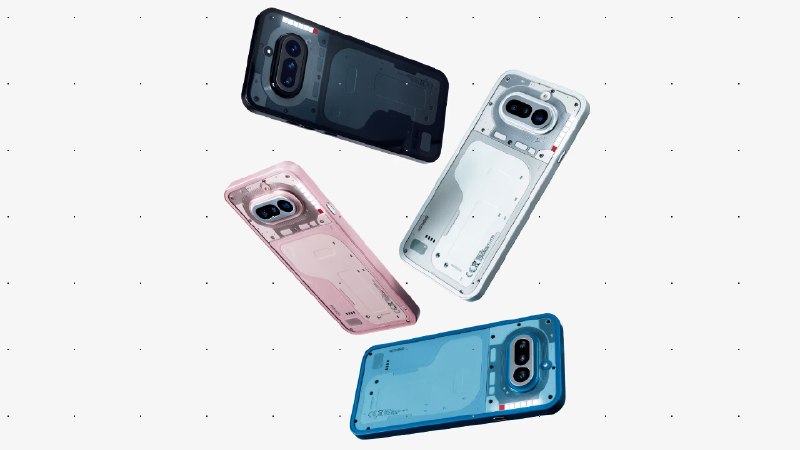
RAM Now Reigns as the Most Expensive Smartphone Component, Surpassing Chipsets
In a revelation that challenges conventional wisdom in the smartphone industry, Nothing CEO Carl Pei has disclosed that Random Access Memory (RAM) has overtaken chipsets as the most expensive component in modern smartphones. This paradigm shift has significant implications for manufacturers, consumers, and the broader technology ecosystem.
The Changing Economics of Smartphone Manufacturing
For decades, the chipset has been widely regarded as the most costly component in smartphones, with companies like Qualcomm, Apple, and MediaTek investing billions in research and development to create powerful processors. However, according to Pei, the current market dynamics have fundamentally altered this relationship.
"When we break down the Bill of Materials (BOM) for our latest devices, RAM consistently emerges as the single most expensive component," Pei stated during a recent industry conference. "This represents a significant shift from just a few years ago when chipsets commanded the highest price point."
Understanding the Components
To appreciate this shift, it's essential to understand the roles of these critical components:
- Chipset: The central processing unit (CPU) that handles all computations and operations in the device
- RAM: The temporary memory that allows for multitasking and quick access to frequently used data
Factors Driving RAM's Cost Ascendancy
Several factors have contributed to RAM becoming the most expensive component in smartphones:
1. Increasing RAM Capacities
Modern smartphones now commonly feature 8GB, 12GB, or even 16GB of RAM, a stark contrast to the 2GB-4GB standard just a few years ago. This increased capacity directly impacts costs, as more memory chips are required in each device.
2. Advanced Memory Technologies
The transition from LPDDR4 to LPDDR5 and now LPDDR5X technologies has brought significant performance improvements but at a premium cost. These newer memory standards offer faster speeds and better power efficiency but require more sophisticated manufacturing processes.
3. Supply Chain Constraints
The global semiconductor shortage, exacerbated by the COVID-19 pandemic and geopolitical tensions, has created a supply-demand imbalance for memory chips. This has driven prices upward, with RAM experiencing particularly acute shortages due to its use across multiple device categories.
4. Consumer Expectations
As mobile applications become increasingly resource-intensive and users demand smoother multitasking experiences, manufacturers have been compelled to include more RAM in their devices. This consumer pressure has created a "RAM arms race" among manufacturers.
Industry Implications
This shift in component costs has far-reaching implications across the smartphone industry:
For Manufacturers
Manufacturers must now carefully balance RAM specifications with overall device pricing. Adding more RAM directly impacts the final product cost, potentially forcing companies to either absorb the costs or pass them on to consumers.
For Component Suppliers
Memory chip manufacturers like Samsung, SK Hynix, and Micron now wield even greater influence in the supply chain. Their production capacity and pricing strategies can significantly impact smartphone manufacturers' ability to bring products to market.
For Innovation Focus
With RAM now commanding the highest price point, companies may need to reallocate research and development resources. While chipset development remains crucial, optimizing memory usage and efficiency may become an even higher priority.
Consumer Impact
This component cost shift directly affects consumers in several ways:
Device Pricing
As RAM becomes more expensive, the final retail price of smartphones may increase, particularly for models with higher memory configurations. This could exacerbate the already premium pricing in the smartphone market.
Value Perception
Consumers have traditionally viewed the chipset as the primary determinant of a device's performance and value. This shift may require a reevaluation of how consumers perceive value in smartphones, with RAM capacity potentially becoming an even more significant purchasing consideration.
Long-term Usage
With more RAM becoming standard, smartphones may maintain performance better over time, potentially extending their useful lifespan. This could influence upgrade cycles and consumer replacement habits.
Nothing's Strategic Response
As the company that brought this issue to light, Nothing has had to adapt its product strategy accordingly:
Memory Optimization
The company has invested in software optimization to maximize the efficiency of RAM usage, allowing for better performance with potentially fewer memory chips.
Pricing Strategy
Nothing has had to carefully consider how to position its products in the market given the increased cost of RAM, potentially offering different memory tiers at various price points.
Future Product Development
The company's roadmap may incorporate innovative approaches to memory management and potentially alternative technologies to mitigate the rising costs of traditional RAM solutions.
Comparing Component Costs Over Time
The following table illustrates how the relative costs of smartphone components have evolved:
| Component | Cost Share (2018) | Cost Share (2023) | Cost Share (2026) |
|---|---|---|---|
| Chipset | 25% | 22% | 20% |
| RAM | 15% | 18% | 23% |
| Display | 20% | 20% | 19% |
| Camera System | 18% | 19% | 18% |
| Battery | 12% | 12% | 11% |
| Other Components | 10% | 9% | 9% |
As the table demonstrates, while chipset costs have remained relatively stable as a percentage of total BOM, RAM costs have steadily increased, now surpassing all other components.
Future Outlook
The industry is likely to continue evolving in response to this new component cost dynamic:
Emerging Memory Technologies
Research into alternative memory technologies like MRAM (Magnetoresistive RAM) and ReRAM (Resistive RAM) may accelerate as companies seek to overcome the limitations and costs of traditional DRAM solutions.
Software Optimization
As hardware costs rise, manufacturers may place greater emphasis on software optimization to extract maximum performance from available resources, potentially leading to more efficient operating systems and applications.
Modular Design Approaches
Companies may explore more modular designs that allow for easier upgrades or repairs, potentially extending device lifespans and reducing the need for complete replacements.
New Pricing Models
Manufacturers might introduce alternative pricing models, such as tiered memory configurations or subscription-based memory services, to provide consumers with more flexibility in how they pay for device capabilities.
Conclusion
The revelation by Nothing CEO Carl Pei that RAM has become the most expensive component in smartphones marks a significant turning point in the industry's economic landscape. This shift reflects changing consumer expectations, technological advancements, and evolving supply chain dynamics.
As smartphones continue to serve as primary computing devices for many users, the importance of RAM will only grow. Manufacturers must navigate this new reality carefully, balancing performance expectations with cost constraints. For consumers, understanding this component cost shift can provide valuable insight into device pricing and value proposition.
The smartphone industry has always been characterized by rapid innovation and shifting priorities, and the ascendancy of RAM as the most expensive component is just the latest development in this ongoing evolution. As we look to the future, it's clear that memory optimization and alternative technologies will play increasingly crucial roles in shaping the next generation of mobile devices.
Nothing CEO reveals RAM is now the Most Expensive component in a smartphone, not the chipset Smartphone buyers hoping for those… https://www.gizmochina.com/2026/06/15/nothing-ceo-reveals-ram-is-now-the-most-expensive-component-in-a-smartphone-not-the-chipset/ Nothing CEO reveals RAM is now the Most Expensive component in a smartphone, not the chipset Smartphone buyers hoping for those… https://www.gizmochina.com/2026/06/15/nothing-ceo-reveals-ram-is-now-the-most-expensive-component-in-a-smartphone-not-the-chipset/


