 TechOffice
Brightness Wars: Why HONOR's 10,000nit Phone Is Overkill Despite 15,000nit Displays
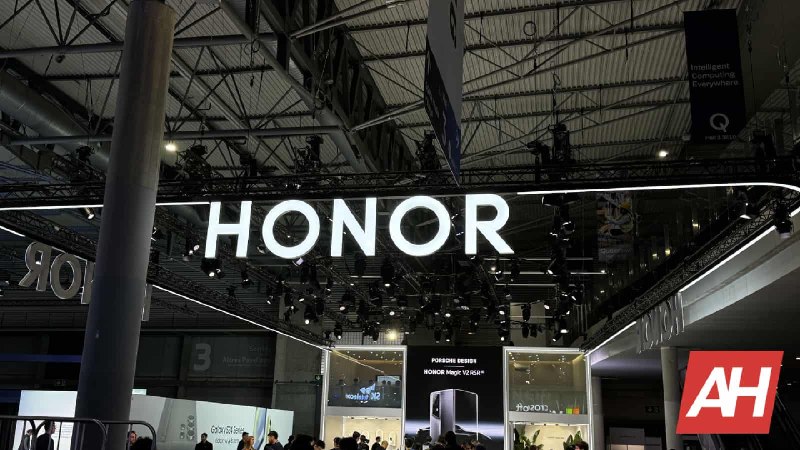
The Brightness Battle: Are 10,000-nit Phone Displays Really Necessary?
In the ever-evolving world of smartphone technology, display manufacturers are constantly pushing boundaries to deliver more vibrant, brighter, and more energy-efficient screens. Recent rumors suggest that HONOR is preparing to launch a smartphone with a staggering 10,000-nit display, a claim that has sparked intense debate among tech enthusiasts and industry experts. Having personally experienced a 15,000-nit display, I can provide unique insights into whether such extreme brightness levels are truly beneficial or simply marketing gimmicks in the realm of pocket-sized devices.
Understanding Brightness Measurements: What Are Nits?
Before diving into the specifics of ultra-high brightness displays, it's essential to understand what we're actually measuring. A "nit" (or candela per square meter) is a unit of luminance, representing the intensity of light emitted from a surface per unit area. For context:
- A typical smartphone display ranges from 500 to 1,200 nits
- High-end flagship phones typically peak at 1,500 to 2,000 nits
- Professional monitors usually range from 300 to 600 nits
- The sun at noon measures approximately 1.6 billion nits
The human eye can perceive light levels from about 1 nit (in complete darkness) to around 10,000 nits (direct sunlight). However, our eyes' sensitivity to light changes dramatically depending on the viewing environment.
Table: Typical Brightness Levels Across Different Devices
| Device Type | Typical Brightness Range (nits) | Peak Brightness (nits) |
|---|---|---|
| Basic Smartphones | 300-500 | 600-800 |
| Mid-range Smartphones | 500-800 | 900-1,200 |
| Flagship Smartphones | 800-1,200 | 1,500-2,000 |
| Professional Monitors | 300-600 | 1,000-1,500 |
| HONOR Rumored Phone | Estimated 800-1,200 | 10,000 (rumored) |
| 15,000-nit Display (experienced) | 1,000-3,000 | 15,000 |
Experiencing a 15,000-nit Display Firsthand
Earlier this year, I had the opportunity to witness a professional-grade 15,000-nit display at a technology exhibition. This wasn't a smartphone screen but a specialized display designed for outdoor digital signage and industrial applications. The experience was nothing short of overwhelming.
What struck me most wasn't just the sheer brightness, but how such extreme luminance changes the viewing experience. In a completely dark room, the display was painfully bright to look at directly. However, when exposed to direct sunlight, the screen remained perfectly visible—a feat impossible for any consumer device currently on the market.
Upon closer examination, I noticed that the 15,000-nits measurement represented the absolute peak brightness in a tiny portion of the screen. Most content was displayed at much lower brightness levels (typically below 1,000 nits), with only small highlights reaching the extreme peak values. This is a crucial distinction that often gets lost in marketing materials.
HONOR's Rumored 10,000-nit Smartphone
The tech rumor mill has been buzzing with speculation that HONOR is developing a smartphone with a 10,000-nit display, which would make it the brightest consumer device ever created. If true, this would represent a fivefold increase over current flagship displays.
Industry sources suggest that HONOR might be utilizing Samsung's latest display technology, possibly featuring a dual-layer brightness enhancement approach similar to what we've seen in recent Samsung TVs. This technology combines a standard LCD layer with a specialized micro-LED layer that can produce extreme brightness for highlights while maintaining normal brightness for regular content.
Technical Challenges of Ultra-High Brightness in Smartphones
Implementing such extreme brightness levels in a smartphone form factor presents significant technical challenges:
- Power consumption: Generating 10,000 nits requires substantially more energy than current displays
- Heat management: High brightness generates more heat, requiring advanced cooling solutions
- Battery life: The trade-off between brightness and battery longevity is critical
- Display longevity: Sustained high brightness could potentially reduce display lifespan
- Eye comfort: Such brightness levels can cause eye strain in normal indoor environments
The Practicality of Extreme Brightness in Smartphones
While the technical achievement of a 10,000-nit display is impressive, the practical benefits for everyday smartphone use are questionable. Here's why:
Table: Brightness vs. Practical Utility
| Brightness Level | Practical Utility | Typical Use Cases |
|---|---|---|
| 300-500 nits | Sufficient for indoor use | Office, home, dimly lit environments |
| 600-800 nits | Good for most conditions | Bright indoor spaces, overcast days |
| 1,000-1,500 nits | Ideal for varied conditions | Sunny outdoors, bright environments |
| 2,000-3,000 nits | Exceptional visibility | Direct sunlight, extreme conditions |
| 5,000+ nits | Diminishing returns | Niche professional applications |
Most smartphone users spend the majority of their time in environments where 800-1,200 nits is more than adequate. Even on the brightest sunny days, displays with 1,500-2,000 nits remain perfectly visible. The jump to 10,000 nits represents a level of brightness that exceeds what the human eye can comfortably perceive in most situations.
The Marketing vs. Reality of Brightness Specifications
It's important to distinguish between peak brightness and sustained brightness. Many manufacturers advertise peak brightness values that can only be achieved in tiny portions of the screen with specific content. In reality, most content is displayed at much lower brightness levels.
Additionally, the human eye's perception of brightness follows a logarithmic rather than linear scale. This means that the perceived difference between 500 and 1,000 nits is much greater than the difference between 5,000 and 10,000 nits. After a certain point, increases in brightness become increasingly imperceptible to the average user.
Energy Efficiency and Battery Life Considerations
Brightness has a direct impact on battery consumption. Display technology has made significant strides in energy efficiency, but extreme brightness levels negate many of these gains:
- A 10,000-nit display could consume 3-5 times more power than a 2,000-nit display at full brightness
- Sustained high brightness would dramatically reduce battery life
- Manufacturers would likely need to implement aggressive brightness management to preserve battery
- The cooling requirements for such a display could add bulk and weight to the device
These factors could result in a smartphone that delivers exceptional brightness but compromises on other important aspects like battery life, thermal performance, and overall user experience.
Alternative Approaches to Display Visibility
Instead of pursuing ever-higher brightness levels, manufacturers could focus on other technologies that improve visibility in challenging conditions:
- Advanced anti-reflective coatings that reduce glare
- Improved color accuracy and contrast ratios
- Adaptive brightness that intelligently adjusts to specific conditions
- Enhanced outdoor modes that optimize content for bright environments
- Transparent OLED technology that could potentially reduce reflection
The Future of Smartphone Displays: Beyond Brightness
While brightness is an important display characteristic, it represents only one aspect of the user experience. The future of smartphone displays will likely focus on a more balanced approach that includes:
- Improved energy efficiency at all brightness levels
- Better color accuracy and wider dynamic ranges
- Reduced power consumption through advanced materials
- Flexible and form-fitting display technologies
- Better integration with AR and VR applications
As display technology continues to evolve, we may see innovations that make screens more visible without resorting to extreme brightness levels. These could include advanced materials that reflect less light, improved pixel designs, or new display technologies that haven't yet been commercialized.
Conclusion: Is 10,000 nits Overkill for Smartphones?
After personally experiencing a 15,000-nit display and analyzing the practical implications of such extreme brightness levels in smartphones, I can confidently say that HONOR's rumored 10,000-nit phone would be overkill for virtually all users.
While the technical achievement is impressive, the real-world benefits are minimal compared to the potential drawbacks. Most users would never notice the difference between a 2,000-nit display and a 10,000-nit display in their daily use. The extreme brightness would primarily benefit a tiny fraction of users who regularly use their phones in direct sunlight—a scenario where most people would likely seek shade rather than squint at an excessively bright screen.
As consumers, we should demand displays that offer excellent visibility across all conditions while maintaining battery life and overall performance. Rather than chasing increasingly impractical brightness numbers, manufacturers should focus on delivering balanced, efficient, and enjoyable display experiences that enhance the overall smartphone experience.
The future of smartphone displays lies not in ever-increasing brightness, but in smarter, more efficient technologies that deliver excellent visibility without compromising other essential aspects of the user experience.
I've Seen a 15,000nit Display in Person, and HONOR's rumored 10,000nit Phone Is Still Overkill https://ift.tt/KMJu6SD I've Seen a 15,000nit Display in Person, and HONOR's rumored 10,000nit Phone Is Still Overkill https://ift.tt/KMJu6SD


