 TechOffice
Samsung Maintains Global Smartphone Leadership in Q1 2026
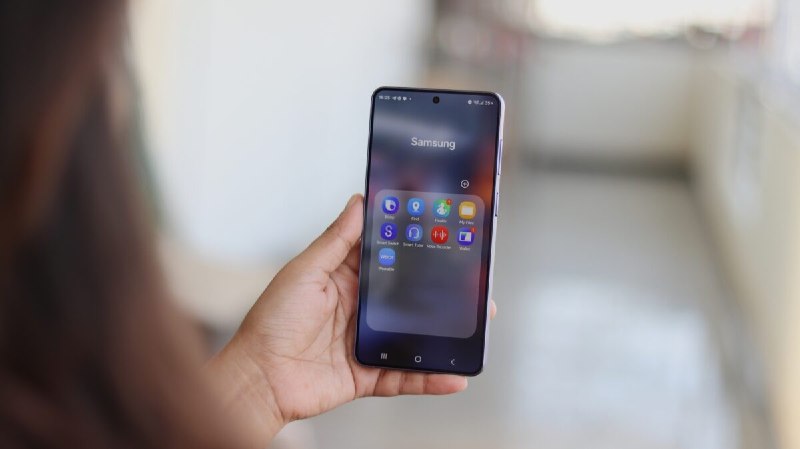
Samsung Maintains Global Leadership in Smartphone Market with Strong Q1 2026 Performance
In a testament to its enduring market dominance, Samsung Electronics has successfully retained its position as the world's leading smartphone manufacturer during the first quarter of 2026. The South Korean tech giant continues to outpace its competitors despite an increasingly crowded and competitive global market.
The Q1 2026 results mark another significant milestone for Samsung, which has strategically navigated industry challenges through innovation, diverse product offerings, and robust global distribution networks. The company's ability to maintain market leadership comes at a time when the smartphone industry is experiencing unprecedented transformation with emerging technologies and shifting consumer preferences.
Market Share and Performance Overview
According to the latest industry data, Samsung captured approximately 22.3% of the global smartphone market share in Q1 2026, shipping an estimated 52.6 million units worldwide. This represents a slight increase from the 21.8% market share the company held during the same period in 2025, demonstrating consistent growth despite market saturation.
| Manufacturer | Q1 2026 Market Share | Q1 2025 Market Share | Year-over-Year Change |
|---|---|---|---|
| Samsung | 22.3% | 21.8% | +0.5% |
| Apple | 18.7% | 19.2% | -0.5% |
| Xiaomi | 13.5% | 12.8% | +0.7% |
| Oppo | 10.2% | 10.5% | -0.3% |
| Vivo | 9.1% | 9.3% | -0.2% |
Regional Performance Analysis
Samsung's performance varied across different global regions, with particularly strong results in Europe and its home market of South Korea. In Europe, Samsung maintained approximately 35% market share, benefiting from its broad portfolio ranging from premium foldables to budget-friendly options.
In the crucial North American market, Samsung captured 28% of smartphone sales, trailing only Apple but significantly outperforming other Android manufacturers. The company's success in this region has been attributed to its strategic partnerships with carriers and strong marketing initiatives for its Galaxy S series and foldable devices.
Asia presented a mixed picture for Samsung, with the company leading in markets like South Korea (65% market share) and India (20% market share), but facing stronger competition from local brands in Southeast Asia. In China, Samsung's market share remained modest at approximately 3%, reflecting the intense competition from domestic manufacturers.
Product Strategy and Innovation Success
Samsung's market leadership can be attributed to its diversified product strategy and continuous innovation. The company's Galaxy S series flagship devices accounted for approximately 35% of its total smartphone sales in Q1 2026, while its foldable lineup, including the Galaxy Z Fold and Z Flip series, contributed significantly to premium sales.
The Galaxy Z Fold 6, launched in early 2026, has been particularly successful, with shipments exceeding 3.5 million units in Q1 alone. This represents a 40% increase compared to the Galaxy Z Fold 5 during its launch quarter, indicating growing consumer acceptance of foldable technology.
Mid-range devices like the Galaxy A series have continued to drive volume sales, especially in emerging markets. The Galaxy A55 and A35 models have been particularly successful, combining competitive specifications with attractive price points.
Competitive Landscape and Market Dynamics
While Samsung maintains its top position, the competitive landscape remains fiercely contested. Apple continues to be Samsung's closest competitor, particularly in the premium segment where both companies command significant market share. Apple's Q1 2026 performance was slightly affected by supply chain constraints for its iPhone 16 series.
Chinese manufacturers Xiaomi, Oppo, and Vivo have continued to gain market share through aggressive pricing and rapid innovation. Xiaomi's expansion into Europe and Latin America has been particularly noteworthy, helping the company secure third place in the global rankings.
Emerging brands from India and other emerging markets have also gained traction in their home regions, putting pressure on established players like Samsung in mid-range and budget segments.
Future Outlook and Strategic Initiatives
Looking ahead to the remainder of 2026, Samsung is expected to face both challenges and opportunities. The company is reportedly preparing to launch its Galaxy S25 series in the second half of the year, with anticipated advancements in AI integration, camera technology, and battery performance.
Samsung is also doubling down on its foldable phone strategy, with industry insiders suggesting the company may introduce a more affordable foldable model to expand its addressable market. Additionally, the company is investing heavily in its software ecosystem, including One UI and Samsung services, to increase user retention and ecosystem lock-in.
As the smartphone market approaches maturity, Samsung's ability to maintain its leadership will depend on its capacity to innovate beyond hardware specifications. The company's increasing focus on AI-powered features, sustainability initiatives, and seamless integration across devices will be crucial factors in its future success.
Despite facing intense competition, Samsung's Q1 2026 performance demonstrates the company's resilience and strategic positioning. With a balanced portfolio spanning all market segments and a commitment to innovation, Samsung appears well-positioned to maintain its leadership in the dynamic smartphone industry.
Samsung beats everyone to remain top phone producer in Q1 2026: https://www.sammobile.com/news/samsung-beats-everyone-to-remain-top-phone-producer-in-q1-2026/?utm_source=telegram Samsung beats everyone to remain top phone producer in Q1 2026: https://www.sammobile.com/news/samsung-beats-everyone-to-remain-top-phone-producer-in-q1-2026/?utm_source=telegram


