 TechOffice
Exciting First Look at HyperOS 4 Homescreen Unveiled! 🔥
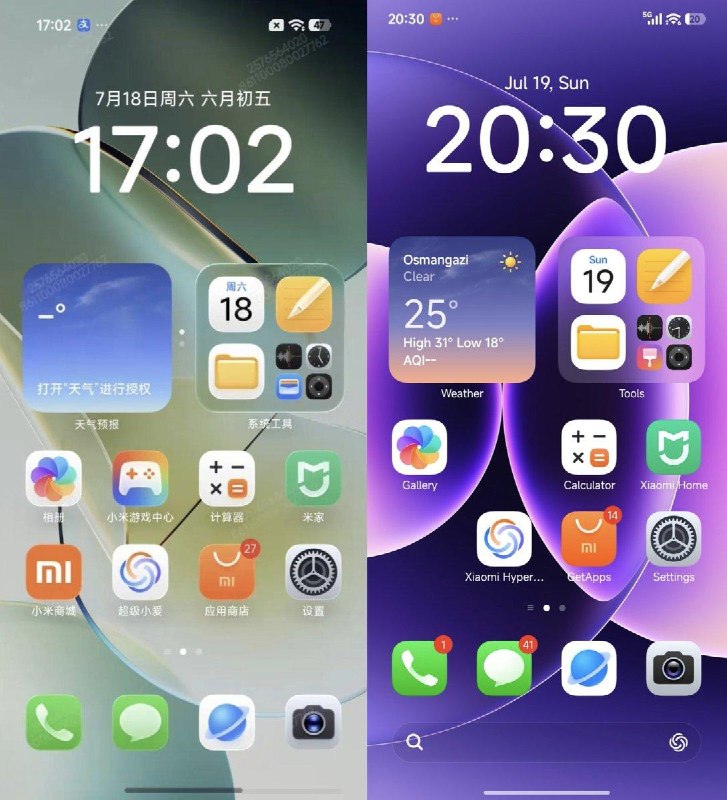
Unveiling HyperOS 4: A Comprehensive Look at the New Homescreen Design
The tech world is buzzing with excitement as the first glimpse of HyperOS 4's homescreen has made its way into public view. This latest iteration from Xiaomi promises a blend of aesthetic appeal and functional enhancement, showcasing several key updates that set it apart from its predecessor, HyperOS 3.1. Below, we explore the notable features and changes within this fresh design.
Key Features of HyperOS 4 Homescreen
- Liquid Glass Effects: HyperOS 4 introduces a striking new visual element: liquid glass effects applied to folders. These effects are characterized by a refined level of refraction that offers a dynamic viewing experience.
- 2.5D App Icons: The design philosophy has taken a leap forward with the inclusion of all-new 2.5D app icons. This subtle dimensionality adds depth, making the user interface more engaging.
- Thicker Status Bar Icons: The status bar icons have undergone a redesign, now appearing thicker, which enhances their visibility and overall user experience.
- Shorter Gesture Bar: The gesture bar has been streamlined, leading to a more efficient use of screen real estate while maintaining easy accessibility.
A Comparative Look: HyperOS 4 vs. HyperOS 3.1
To fully appreciate the enhancements that HyperOS 4 brings to the table, it's essential to analyze how it measures against the earlier version, HyperOS 3.1. Below is a side-by-side comparison of key features and design elements:
| Feature | HyperOS 4 | HyperOS 3.1 |
|---|---|---|
| Folder Effects | Liquid Glass with Proper Refraction | Standard Flat Design |
| App Icons | New 2.5D Design | Traditional 2D Icons |
| Status Bar Icons | Thicker for Improved Visibility | Standard Thickness |
| Gesture Bar Design | Shorter & More Functional | Standard Length |
The enhancements seen in HyperOS 4 demonstrate a commitment to not just modernizing aesthetics, but also improving user interaction and functionality. The new features, especially the liquid glass effects and 2.5D icons, illustrate Xiaomi's desire to lead in visual innovation while ensuring that usability remains at the forefront of their design philosophy.
Conclusion
With the emergence of HyperOS 4, Xiaomi has paved the way for an engaging user interface that combines spectacular visual elements with enhanced functionality. As more users begin to experience the new homescreen, it will be interesting to see how these changes impact everyday usage and whether they resonate positively within the wider tech community.
The innovations characterized by HyperOS 4 signify a pivotal moment in Xiaomi’s software journey, reflecting a willingness to adapt and evolve in a fiercely competitive environment.
The First look of HyperOS 4 Homescreen just Emerges 🔥 ✅ New Liquid Glass Effects applied to Folders with Proper Refraction ✅ All new 2.5D App Icons ✅ Thicker Status Bar Icons & Shorter Gesture Bar Design HyperOS 4 vs HyperOS 3.1 Homescreen Side-by-side: ❤️ @XiaomiHSU The First look of HyperOS 4 Homescreen just Emerges 🔥 ✅ New Liquid Glass Effects applied to Folders with Proper Refraction ✅ All new 2.5D App Icons ✅ Thicker Status Bar Icons & Shorter Gesture Bar Design HyperOS 4 vs HyperOS 3.1 Homescreen Side-by-side: ❤️ @XiaomiHSU


