 TechOffice
Samsung Begins Production of Displays for Apple's First Foldable iPhone
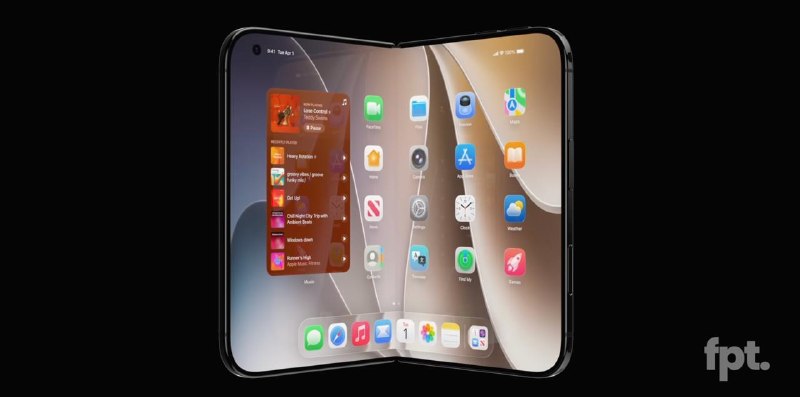
Samsung Begins Mass Production of OLED Panels for Apple's First Foldable iPhone
In a move that could potentially reshape the smartphone landscape, Samsung Display has reportedly commenced mass production of OLED modules for Apple's highly anticipated foldable iPhone. According to industry sources cited by The Elec, the South Korean display manufacturer has received official approval from Apple and is now producing the specialized displays at its Vietnam facility.
Historic Partnership Expansion
This development marks a significant expansion of the already substantial partnership between Apple and Samsung, which has spanned over a decade. While Samsung has long been a key supplier of OLED displays for Apple's iPhone lineup, this new agreement represents their first collaboration on foldable technology—a market segment that has gained considerable traction in recent years.
The exclusive three-year deal between the tech giants underscores Apple's commitment to entering the foldable smartphone space, a market currently dominated by Samsung's own Galaxy Z Fold and Flip series. By leveraging Samsung's expertise in foldable display technology, Apple aims to address the challenges that have historically plagued foldable devices while potentially setting new standards for the category.
Production Details and Specifications
Samsung's Vietnam facility has reportedly ramped up production to meet Apple's initial order of 3 million foldable display panels for delivery within the current year. The production yield has exceeded 80%, surpassing Apple's minimum threshold of 70%, which indicates a relatively smooth start to manufacturing despite the technical complexities involved.
The displays feature advanced CoE (Circuit on Encapsulation) and M16 OLED technologies, which promise to be thinner and more power-efficient than previous generations. These improvements are critical for addressing two of the most significant challenges in foldable devices: durability and battery life.
| Specification | Detail |
|---|---|
| Initial Order Quantity | 3 million panels |
| Production Yield | Exceeds 80% |
| Apple's Minimum Yield Requirement | 70% |
| Display Technology | CoE + M16 OLED |
| Exclusive Supply Period | 3 years |
The Foldable iPhone: Technical Challenges and Innovations
The development of a foldable iPhone presents numerous engineering challenges that Apple has been carefully navigating. Unlike traditional smartphones, foldable devices require displays that can withstand repeated bending without compromising image quality or structural integrity. The adoption of Samsung's CoE + M16 OLED technology suggests Apple is focusing on enhancing durability while maintaining the vibrant visual quality that iPhone users expect.
One of the most critical components of any foldable device is the hinge mechanism, which allows the device to fold and unfold smoothly while protecting the display from stress points. Industry analysts note that the hinge module remains the "wildcard" in the foldable iPhone's development, potentially affecting the final launch timeline. While a September debut is still within the realm of possibility, many experts consider late 2026 to be a more realistic timeframe for the device's market introduction.
Market Implications and Competitive Landscape
Apple's entry into the foldable smartphone market could potentially accelerate mainstream adoption of the form factor. Despite being available for several years, foldable phones have remained niche products, largely due to their premium pricing and durability concerns. However, Apple's history of bringing innovative technologies to the mainstream—such as with the original iPhone and Apple Watch—suggests the company could overcome these barriers.
The renders published by fpt. channel, which compile various leaks into a comprehensive visualization of the potential foldable iPhone, indicate that Apple may be pursuing a book-style foldable design rather than a flip form factor. This approach would align with industry rumors suggesting a device that unfolds to provide a tablet-like experience, potentially positioned as a replacement for the iPad mini in Apple's product lineup.
Strategic Significance for Apple and Samsung
For Apple, the foldable iPhone represents a significant opportunity to rejuvenate its smartphone business, which has faced increasing competition in recent years. The company has not introduced a truly revolutionary form factor since the iPhone X in 2017, and a foldable device could generate substantial consumer interest and premium pricing power.
Meanwhile, Samsung benefits from securing Apple as an exclusive customer for its foldable display technology, providing stable revenue and reinforcing its position as a leader in display innovation. The collaboration also allows Samsung to leverage its manufacturing expertise while potentially benefiting from Apple's design and software capabilities.
Consumer Expectations and Potential Pricing
If Apple follows its typical product positioning strategy, the foldable iPhone is expected to be positioned as a premium offering, potentially carrying a price point exceeding $2,000. This would place it at the higher end of the current foldable market, though Apple's brand strength and ecosystem integration could justify such a premium for many consumers.
Industry analysts anticipate that Apple will emphasize software optimization specifically designed for the foldable form factor, potentially including multitasking enhancements, new input methods, and unique applications that take advantage of the flexible display. The company's focus on user experience has been a key differentiator in the past, and this approach will likely continue with its foldable offering.
The Road Ahead: Challenges and Opportunities
While the commencement of mass production is a significant milestone, Apple and Samsung still face several challenges in bringing the foldable iPhone to market. Beyond the technical hurdles of display durability and hinge mechanisms, the companies must also address concerns about battery life, software optimization, and overall user experience in a form factor that remains relatively untested for mainstream adoption.
Additionally, Apple will need to consider how the foldable iPhone fits into its broader product ecosystem, particularly in relation to the iPad lineup. The company has traditionally maintained clear distinctions between its product categories, and a device that blurs the line between smartphone and tablet presents interesting strategic considerations.
Industry Impact and Future Outlook
The introduction of a foldable iPhone could have far-reaching implications for the smartphone industry. If successful, it might encourage other manufacturers to accelerate their own foldable device development, potentially leading to increased innovation and more competitive pricing in the segment.
Looking further ahead, the success of Apple's foldable offering could influence the company's future product development, potentially paving the way for foldable versions of other Apple devices such as iPads or even MacBooks. The technology could also enable new form factors that haven't yet been imagined, further expanding the boundaries of personal computing devices.
As production continues and we approach potential launch windows, industry observers and consumers alike will be watching closely to see how Apple approaches this new frontier in smartphone technology. The collaboration between Apple and Samsung on this project represents one of the most significant developments in the smartphone industry in recent years, and its outcome could shape the future of mobile computing for years to come.
😐 Samsung has started making displays for the foldable iPhone ☝️ Meanwhile the fpt. channel has published the highest-quality and most detailed renders shown above, compiling all the leaks in one place. 📰 According to The Elec, Samsung Display has received Apple's official approval and begun mass production of OLED modules for Apple's first foldable iPhone at its Vietnam facility. Key details: • Initial order: 3 million panels for delivery this year • Production yield exceeded 80% (Apple's threshold is 70%) • Samsung is Apple's exclusive supplier under a 3-year deal • Panels feature CoE + M16 OLED tech – thinner and more power-efficient 🔩 The remaining wildcard is the hinge module, which sources say could affect the final launch timeline. A September debut is still possible, but late 2026 is the safer bet. #rumors @iPhone 😐 Samsung has started making displays for the foldable iPhone ☝️ Meanwhile the fpt. channel has published the highest-quality and most detailed renders shown above, compiling all the leaks in one place. 📰 According to The Elec, Samsung Display has received Apple's official approval and begun mass production of OLED modules for Apple's first foldable iPhone at its Vietnam facility. Key details: • Initial order: 3 million panels for delivery this year • Production yield exceeded 80% (Apple's threshold is 70%) • Samsung is Apple's exclusive supplier under a 3-year deal • Panels feature CoE + M16 OLED tech – thinner and more power-efficient 🔩 The remaining wildcard is the hinge module, which sources say could affect the final launch timeline. A September debut is still possible, but late 2026 is the safer bet. #rumors @iPhone


