 TechOffice
Significant Transformation for Google in Europe: A New Era Begins
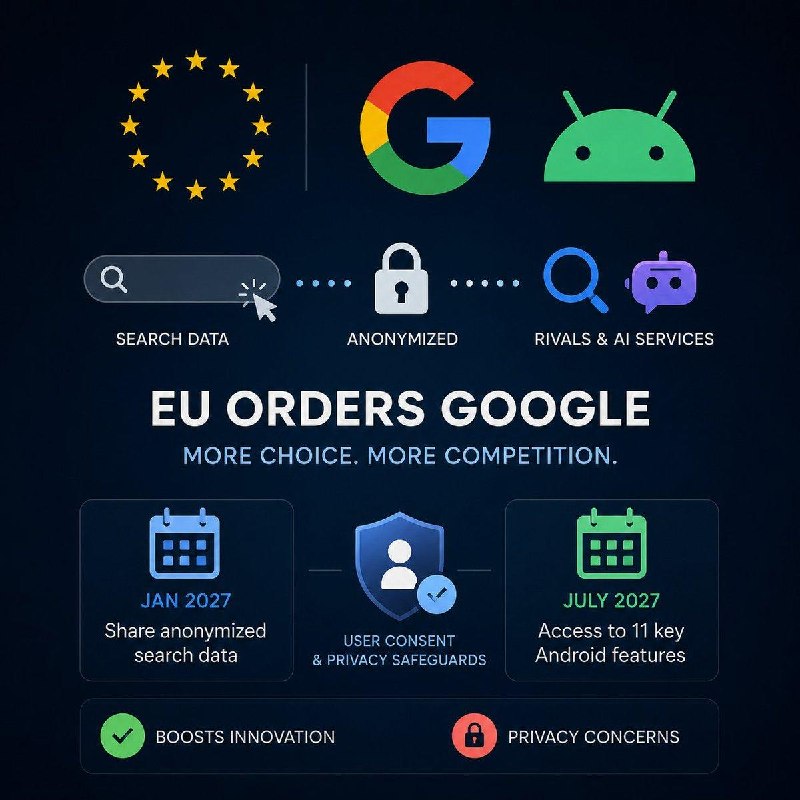
Significant Changes for Google in Europe Under the Digital Markets Act
The European Union (EU) has announced a sweeping mandate for Google, compelling the tech giant to open up key features of its Android operating system and share anonymized search data with competing search engines and artificial intelligence (AI) companies. This decision, enacted under the recently introduced Digital Markets Act (DMA), seeks to foster competition in the tech space and subsequently spur innovation.
Overview of Changes
Here are the essential changes that Google must implement:
- Anonymized Search Data Sharing: Starting January 2027, Google will be required to share anonymized search data, which is expected to enhance the capabilities of rival services.
- Access to Key Android Features: By July 2027, rival AI services will gain access to 11 essential features of the Android operating system.
- Specific APIs Included: The features being made available include Application Programming Interfaces (APIs) for hotword detection, various sensors, and on-device AI models.
- User Consent and Privacy Safeguards: Despite these changes, user consent and privacy protections will remain paramount, ensuring that user data is handled responsibly.
The Implications of the EU's Decision
The European Union asserts that these measures are crucial for ensuring a competitive marketplace. By granting access to fundamental components of the Android ecosystem and sharing data with competitors, the EU hopes to level the playing field, encouraging innovation from smaller companies that may have been at a disadvantage.
Google's Response
In response to the EU's directives, Google has expressed concerns that these requirements could jeopardize user privacy and security. The company argues that opening up the Android system may undermine the integrity of its ecosystem, potentially exposing users to various security vulnerabilities. Google remains committed to protecting consumer data and maintaining the security and privacy standards that have become synonymous with its brand.
Timeline for Implementation
The following table summarizes the key dates and components of the changes mandated by the EU:
| Change | Description | Effective Date |
|---|---|---|
| Anonymized Search Data Sharing | Google required to share search data with rivals | January 2027 |
| Access to Android Features | Rival AI services to gain access to 11 key APIs | July 2027 |
| APIs Included | Hotword detection, sensors, on-device AI models | July 2027 |
| User Consent and Privacy | Ongoing requirement for user consent and data protection | Ongoing |
Conclusion
The European Union's decision to enforce changes on Google marks a pivotal moment in the landscape of tech regulation. While the EU champions this initiative as a means to encourage competition and innovation, the repercussions of these new regulations will undoubtedly be closely scrutinized. As both sides weigh the implications of these changes, it remains to be seen how the future of the Android ecosystem will evolve in this new regulatory environment.
Big change for Google in Europe 🇪🇺 The EU has ordered Google to open key Android features and share anonymized Search data with rival search engines and AI companies under the Digital Markets Act. Here's what changes: • 🔍 Anonymized search data will be shared starting January 2027 • 🤖 Rival AI services will get access to 11 key Android features by July 2027 • 📱 Includes APIs for hotword detection, sensors, and on-device AI models • 🔒 User consent and privacy safeguards will still be required The EU says this will boost competition and innovation. Google argues it could weaken user privacy, security, and the Android ecosystem. ❤️ @techroma Big change for Google in Europe 🇪🇺 The EU has ordered Google to open key Android features and share anonymized Search data with rival search engines and AI companies under the Digital Markets Act. Here's what changes: • 🔍 Anonymized search data will be shared starting January 2027 • 🤖 Rival AI services will get access to 11 key Android features by July 2027 • 📱 Includes APIs for hotword detection, sensors, and on-device AI models • 🔒 User consent and privacy safeguards will still be required The EU says this will boost competition and innovation. Google argues it could weaken user privacy, security, and the Android ecosystem. ❤️ @techroma


