 TechOffice
China Smartphone Market Contracts in Q2, With Huawei and Apple Defying Industry Slump
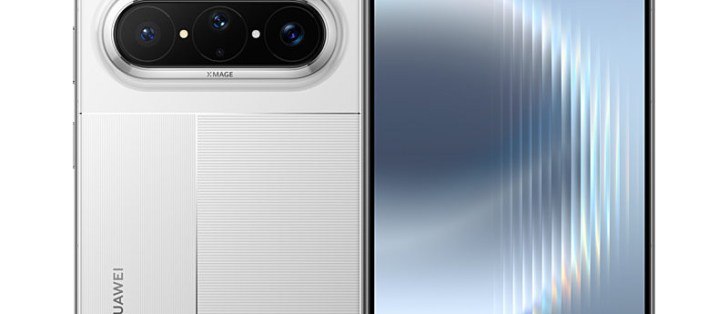
China Smartphone Market Contracts in Q2 2023, With Huawei and Apple Defying Industry Decline
The Chinese smartphone market experienced a significant contraction in the second quarter of 2023, continuing a trend of slowing consumer demand in the world's largest smartphone market. Despite this overall decline, industry giants Huawei and Apple managed to buck the trend, capturing market share from competitors as consumers gravitated toward premium brands during a period of economic uncertainty.
Market Overview: Continued Decline Amid Economic Challenges
China's smartphone market saw its fifth consecutive quarter of decline in Q2 2023, with total shipments falling by approximately 8.5% year-over-year. This contraction reflects broader economic challenges in China, including slower GDP growth, high unemployment rates, and reduced consumer confidence in discretionary spending.
The market has been struggling since late 2021, when regulatory crackdowns and supply chain disruptions first began to impact manufacturers. The ongoing recovery from COVID-19 restrictions has also contributed to the volatile market conditions, with consumer spending patterns shifting toward essential purchases rather than high-end electronics.
| Quarter | Total Shipments (Millions) | YoY Change | Market Status |
|---|---|---|---|
| Q2 2023 | 67.2 | -8.5% | Declining |
| Q1 2023 | 68.4 | -11.9% | Declining |
| Q4 2022 | 72.6 | -12.6% | Declining |
| Q3 2022 | 70.4 | -11.7% | Declining |
Huawei's Remarkable Recovery
Huawei emerged as the standout performer in Q2 2023, achieving an impressive 23% year-over-year growth in smartphone shipments. This remarkable recovery comes after years of stringent US sanctions that had severely limited the company's access to critical components and technologies.
The Chinese tech giant's resurgence can be attributed to several key factors:
- Successful development of domestic alternatives to previously imported components
- Strong brand loyalty among Chinese consumers
- Strategic focus on the premium segment with the P60 series
- Effective marketing highlighting technological independence
Huawei captured approximately 18.9% of the Chinese market in Q2, up from 15.3% in the same period last year. The company's renewed success has sent shockwaves through the industry, particularly for other Chinese brands that had been gaining market share during Huawei's restricted period.
Apple Maintains Premium Position
Apple continued to demonstrate its strength in the premium segment of the Chinese market, with shipments growing by 4.5% year-over-year despite the overall market contraction. The company maintained its position as the second-largest smartphone vendor in China, capturing approximately 17.3% of the market.
Apple's performance in China can be attributed to:
- Strong demand for the iPhone 14 series
- Brand loyalty among high-income consumers
- Effective ecosystem integration
- Strategic pricing and promotional activities
The company's ability to maintain premium pricing power while growing market share demonstrates the strength of its brand and ecosystem strategy in the Chinese market.
Chinese Brands Face Increased Competition
While Huawei and Apple gained market share, other Chinese brands faced significant challenges in Q2. Xiaomi, OPPO, and vivo all experienced double-digit declines in shipments as consumers increasingly polarized toward premium brands or more budget-friendly options.
| Brand | Q2 2023 Market Share | Q2 2022 Market Share | YoY Change |
|---|---|---|---|
| Huawei | 18.9% | 15.3% | +3.6% |
| Apple | 17.3% | 16.6% | +0.7% |
| Xiaomi | 12.7% | 16.8% | -4.1% |
| OPPO | 16.8% | 18.5% | -1.7% |
| vivo | 17.2% | 18.6% | -1.4% |
| Others | 17.1% | 12.2% | +4.9% |
Market Segmentation Trends
The Chinese smartphone market continues to polarize, with consumers increasingly choosing either premium devices from established brands or ultra-budget options. The mid-range segment has been particularly affected, with many consumers either trading up or down based on economic considerations.
Premium devices (priced above $600) accounted for 24% of the market in Q2, up from 21% in the same period last year. Meanwhile, budget devices (priced below $200) increased their share to 38%, up from 35% in Q2 2022. The mid-range segment ($200-$600) saw its share decline to 38%, down from 44% a year earlier.
Future Outlook
Industry analysts predict that the Chinese smartphone market will continue to face challenges in the second half of 2023, with modest growth not expected until 2024. However, the divergent performance of Huawei and Apple suggests that brand strength and ecosystem value will increasingly determine market success.
Huawei is expected to continue its recovery trajectory, particularly as the company expands its domestic supply chain capabilities. Meanwhile, Apple will likely maintain its premium positioning, though it may face increased competition from Huawei's resurgence.
For other Chinese manufacturers, the market environment remains challenging, with many expected to focus on innovation in specific segments or regions to maintain competitiveness. The ongoing development of the domestic Chinese semiconductor industry may also reshape the competitive landscape in the coming years.
As the Chinese smartphone market continues to evolve, the divergent performance of major players highlights the importance of brand positioning, supply chain resilience, and ecosystem strength in an increasingly competitive and volatile global market.
China smartphone market shrank in Q2, but Huawei and Apple bucked the trend https://ift.tt/mxipuO1 China smartphone market shrank in Q2, but Huawei and Apple bucked the trend https://ift.tt/mxipuO1


