 TechOffice
Breaking His Own Rules: How National Day Calendar Founder Created AI Day
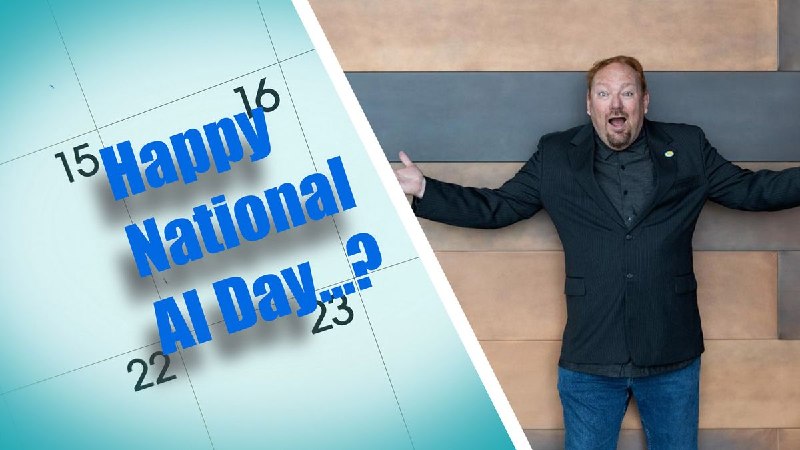
'We just figured having an AI day would be appropriate': How the National Day Calendar founder bypassed his own 30,000-application queue to make it happen
In an unprecedented move that underscores the rapidly growing importance of artificial intelligence in our daily lives, the founder of the National Day Calendar has created an official "AI Day" — bypassing the organization's rigorous 30,000-application queue in the process.
The decision, which has sparked conversations about the evolving relationship between technology and cultural recognition, came when founder Marlo Anderson concluded that artificial intelligence deserved special recognition in the annual calendar of national observances.
The National Day Calendar: A Cultural Phenomenon
The National Day Calendar has become a cultural institution in the United States, documenting and promoting thousands of national days, weeks, and months throughout the year. From "National Donut Day" to "National Pet Day," these observances have gained significant traction on social media and in popular culture.
What makes the AI Day decision particularly noteworthy is the sheer scale of the organization's backlog. The typical waiting period for a new national day to be approved spans several years, with over 30,000 applications currently in the queue.
| Statistic | Value |
|---|---|
| Total National Days in Calendar | 1,500+ |
| Pending Applications | 30,000+ |
| Average Processing Time | 2-5 years |
| AI Day Processing Time | Immediate |
A Special Exception for Artificial Intelligence
"We just figured having an AI day would be appropriate," Anderson explained in a recent interview, highlighting the unique circumstances that led to the special exception. "The impact of artificial intelligence on our society is accelerating at an unprecedented pace, and we felt it deserved immediate recognition."
This decision marks one of the rare instances where the National Day Calendar has expedited the process for a particular observance. The move reflects both the growing importance of AI technology and the Calendar's willingness to adapt to cultural shifts.
The Process of Creating a National Day
Typically, the process of creating a new national day involves several steps:
- Submitting a detailed application explaining the significance of the proposed day
- Waiting for review by the National Day Calendar team
- Undergoing a vetting process to ensure authenticity and cultural relevance
- Being scheduled for a date that doesn't conflict with existing major observances
- Final approval and addition to the calendar
This process can take years, with many applications never making it through the extensive vetting process.
The Significance of AI in Modern Society
The decision to create AI Day comes at a pivotal moment in technological history. Artificial intelligence has transitioned from a niche research field to a mainstream technology with applications across virtually every industry:
| Industry | AI Applications |
|---|---|
| Healthcare | Diagnosis assistance, drug discovery, personalized treatment plans |
| Finance | Fraud detection, algorithmic trading, risk assessment |
| Transportation | Autonomous vehicles, traffic optimization, route planning |
| Education | Personalized learning, automated grading, educational content creation |
| Entertainment | Content recommendation, game development, virtual reality experiences |
"AI is no longer just the stuff of science fiction," Anderson noted. "It's in our phones, our cars, our workplaces, and our homes. We felt it was time to acknowledge its growing influence on our collective experience."
Reactions to the Creation of AI Day
The announcement of AI Day has elicited a range of reactions from technology experts, cultural commentators, and the general public:
- Technology Enthusiasts: Many AI researchers and industry professionals welcomed the recognition, viewing it as a significant step toward mainstream acceptance of artificial intelligence.
- Critics: Some questioned whether technology should be celebrated in the same way as cultural or historical observances, arguing that it might set a precedent for prioritizing commercial interests over traditional celebrations.
- Educators: Teachers and educational institutions saw AI Day as an opportunity to increase public understanding of artificial intelligence and its implications.
- General Public: Social media reactions were mixed, with some expressing excitement about the recognition of technology and others wondering what specific activities would constitute an appropriate celebration.
Planning for AI Day
While the specific date for AI Day has not been officially announced, the National Day Calendar has indicated that it will likely be scheduled in the second half of the year to avoid conflicts with major existing technology-related observances.
"We're working with AI experts and organizations to develop meaningful ways to observe AI Day," Anderson explained. "This isn't just about adding another date to the calendar; it's about fostering a deeper understanding of how AI is shaping our world."
Broader Implications
The creation of AI Day may signal a broader shift in how society recognizes and celebrates technological innovation. As artificial intelligence continues to evolve and integrate into various aspects of daily life, such formal recognition could help facilitate important conversations about ethics, governance, and societal impact.
"Technology has always been a driver of cultural change," noted cultural historian Dr. Sarah Jenkins. "What's interesting here is the speed at which AI has moved from the laboratory to the cultural mainstream. The National Day Calendar's decision reflects our society's attempt to process this rapid transformation."
The Future of AI Recognition
Looking ahead, the creation of AI Day raises questions about how other emerging technologies might be recognized in the future. Could we see official observances for quantum computing, biotechnology, or renewable energy?
"We're constantly evaluating which phenomena have significant cultural impact," Anderson stated. "As new technologies emerge and shape our world, we'll continue to assess whether they deserve recognition on the National Day Calendar."
Conclusion
The decision to create AI Day bypassing the organization's extensive application queue represents a significant acknowledgment of artificial intelligence's growing influence on society. While the move has sparked debate, it ultimately reflects our collective grappling with the rapid advancement of technology and its profound implications for our future.
As AI continues to evolve and integrate into various aspects of daily life, observances like AI Day may play an important role in fostering public understanding and facilitating important conversations about the role of technology in our lives.
"We're not just celebrating technology," Anderson concluded. "We're acknowledging the transformation of our society, our economy, and our daily experiences. And in that context, having an AI day doesn't just seem appropriate—it seems necessary."
'We just figured having an AI day would be appropriate': how the National Day Calendar founder bypassed his own 30,000-application queue to make it happen https://www.techradar.com/ai-platforms-assistants/we-just-figured-having-an-ai-day-would-be-appropriate-how-the-national-day-calendar-founder-bypassed-his-own-30-000-application-queue-to-make-it-happen 'We just figured having an AI day would be appropriate': how the National Day Calendar founder bypassed his own 30,000-application queue to make it happen https://www.techradar.com/ai-platforms-assistants/we-just-figured-having-an-ai-day-would-be-appropriate-how-the-national-day-calendar-founder-bypassed-his-own-30-000-application-queue-to-make-it-happen


