 TechOffice
Samsung Health's AI Consent Sparks Outrage, Company Clarifies Misunderstanding
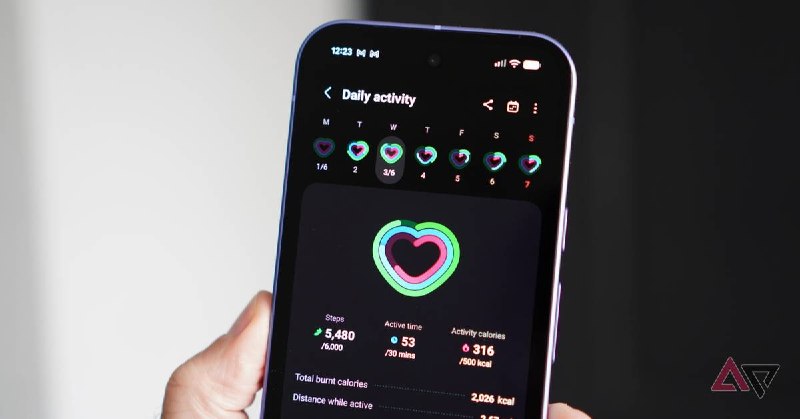
Samsung Health's AI Consent Controversy: Resolving the Misunderstanding
In the rapidly evolving landscape of digital health technology, user privacy concerns have taken center stage. Recent controversy surrounding Samsung Health's artificial intelligence (AI) consent process has sparked significant debate and confusion among users worldwide. What began as a widespread belief that declining AI consent would result in data deletion has now been clarified as a fundamental misunderstanding of the app's functionality and privacy controls.
The Background: Samsung Health and AI Integration
Samsung Health, a comprehensive health and wellness platform, has been integrating AI capabilities to enhance user experience and provide personalized health insights. These features aim to analyze user data patterns, offer health recommendations, and potentially detect anomalies that might require medical attention. The AI functionality represents a significant step forward in proactive healthcare management, leveraging the vast amounts of health data users voluntarily share with the application.
With increasing awareness about data privacy, Samsung implemented a consent process for users to decide whether they want their data to be used for AI analysis. This process was introduced in compliance with global privacy regulations including GDPR and CCPA, giving users more control over their personal information.
The Controversy: Misinterpretation of Consent Options
The controversy erupted when users began reporting that declining the AI consent option appeared to have no effect on their existing data within the Samsung Health app. This led to widespread speculation that Samsung was retaining user data regardless of consent preferences, sparking outrage among privacy advocates and concerned users.
Many users interpreted the consent interface as a binary choice between allowing AI analysis and having their data completely deleted from Samsung's systems. This misunderstanding was amplified by unclear communication from Samsung about what happens when users decline consent, leading to frustration and mistrust.
Clarification from Samsung: How the System Actually Works
Following the backlash, Samsung has clarified the actual functionality of the consent process. According to the company's explanation, declining AI consent does not trigger automatic data deletion for several important reasons:
- Data Retention for Service Functionality: Samsung Health needs to retain user data to provide the core services users have already been utilizing. Deleting all data would effectively erase the user's health history and app functionality.
- Separation of Data Use: The consent specifically pertains to using data for AI analysis, not to data storage itself. Users can continue to store their health data locally while opting out of AI-powered insights.
- Privacy by Design: Samsung maintains that user data is stored securely regardless of consent choice, with the AI option simply determining whether that data is analyzed for insights.
The company has emphasized that users who decline AI consent will not have their data used for training AI models or generating personalized insights through Samsung's AI systems.
Technical Breakdown: Understanding the Data Flow
To better understand the situation, it's essential to examine how Samsung Health handles user data in different scenarios. The following table illustrates the various data handling options available to users:
| User Action | Data Storage | AI Analysis | Personalized Insights |
|---|---|---|---|
| Accept AI Consent | ✓ Maintained | ✓ Enabled | ✓ Provided |
| Decline AI Consent | ✓ Maintained | ✓ Disabled | ✓ Disabled |
| Account Deletion | ✗ Deleted | ✗ Disabled | ✗ Disabled |
As demonstrated in the table, the AI consent option specifically controls whether data is analyzed for insights, not whether data is stored. Complete data removal requires account deletion, a separate process that can be initiated through Samsung's privacy controls.
Privacy Implications and User Rights
This controversy has highlighted several important aspects of digital health privacy:
- Transparency in Data Practices: Companies must provide clear, accessible information about how user data is used and what happens when certain options are selected or deselected.
- Granular Privacy Controls: Users increasingly demand fine-grained control over their data, including the ability to selectively opt out of specific features without losing access to core services.
- Education and Communication: There's a clear need for better user education about digital privacy settings and the implications of various consent options.
Health data represents some of the most sensitive personal information, and users have legitimate concerns about how this data is collected, stored, and utilized. Samsung's situation underscores the importance of clear communication about these processes.
Best Practices for Managing Health Data Privacy
For users concerned about their health data privacy, several best practices can help maintain control over personal information:
- Regular Privacy Audits: Periodically review app permissions and data sharing settings across all health and wellness applications.
- Understand Data Retention Policies: Familiarize yourself with how long companies retain your data and under what circumstances it might be deleted.
- Utilize Device Storage Options: Consider using device-local storage for highly sensitive health metrics when possible.
- Research Company Privacy Practices: Before using health apps, investigate the company's track record on privacy and data security.
- Exercise Deletion Rights: When appropriate, utilize the "right to be forgotten" provisions in privacy laws to request data deletion.
Industry Response and Future Directions
The Samsung Health controversy is part of a larger conversation about AI and privacy in health technology. Industry experts suggest that companies need to implement more intuitive privacy interfaces that clearly communicate the implications of user choices.
Looking forward, we can expect to see several developments in this space:
- More granular consent options that allow users to selectively share specific types of data for particular purposes
- Improved transparency reports that detail exactly how user data is used and protected
- Enhanced privacy-preserving technologies like federated learning that allow AI model training without centralizing sensitive data
- Standardized privacy interfaces across platforms to improve user understanding
Conclusion: Lessons from the Samsung Health Experience
The Samsung Health AI consent controversy, while ultimately stemming from a misunderstanding, serves as an important case study in digital privacy communication. It highlights the gap between user expectations and technical reality in health technology platforms.
For Samsung, this incident has likely reinforced the importance of clear communication about data handling practices. For users, it serves as a reminder to carefully read privacy policies and understand the full implications of consent options. For the broader industry, it underscores the need for continuous improvement in privacy interfaces and user education.
As health technology continues to advance with increasingly sophisticated AI capabilities, the relationship between data utility and privacy protection will remain a critical consideration. The Samsung Health experience demonstrates that even with the best intentions, technical complexity can lead to significant user confusion if not properly communicated and addressed.
Moving forward, both companies and users must work together to establish clearer privacy frameworks that respect user autonomy while enabling the innovative health insights that AI technology can provide. Only through this collaborative approach can we build trust in the digital health ecosystem that serves as an increasingly important component of modern healthcare.
Samsung Health's AI consent sparked outrage, but it turns out it was all just a misunderstanding https://www.androidpolice.com/samsung-health-ai-consent-decline-doesnt-delete-data/ Samsung Health's AI consent sparked outrage, but it turns out it was all just a misunderstanding https://www.androidpolice.com/samsung-health-ai-consent-decline-doesnt-delete-data/


