 TechOffice
Samsung Now Manufacturing Displays for Apple's First Foldable iPhone
Samsung Begins Mass Production of OLED Panels for Apple's First Foldable iPhone
In a significant development in the smartphone industry, Samsung Display has reportedly commenced mass production of OLED modules for Apple's highly anticipated first foldable iPhone. According to industry sources cited by The Elec, the South Korean display manufacturer has received official approval from Apple and is now manufacturing the critical display components at its Vietnam facility.
Production Details and Initial Order
The partnership marks a new chapter in the long-standing relationship between Apple and Samsung, with the latter serving as the exclusive supplier for Apple's inaugural foldable device. Initial reports indicate that Samsung has secured an order for 3 million OLED panels, with delivery expected to commence later this year.
A key factor in the approval process has been Samsung's impressive production yield, which reportedly exceeds 80%. This surpasses Apple's minimum threshold of 70%, indicating that the display technology has met the stringent quality standards expected from Apple products.
| Production Parameter | Samsung's Achievement | Apple's Requirement |
|---|---|---|
| Production Yield | 80%+ | 70% |
| Initial Order Volume | 3 million panels | Not specified |
| Production Timeline | Started mass production | Delivery this year |
Advanced Display Technology
The OLED panels destined for Apple's foldable iPhone feature Samsung's latest CoE (Cavity on Emitter) + M16 OLED technology. This advanced display technology promises to deliver several key advantages over current implementations:
- Thinner profile, essential for foldable devices
- Improved power efficiency, potentially extending battery life
- Better color reproduction and brightness
- Enhanced durability for repeated folding and unfolding
This technological advancement represents a significant step forward in display technology and could set new standards for the foldable smartphone market, which has been primarily led by Samsung's own Galaxy Z series.
Exclusive Supplier Agreement
Samsung's role extends beyond the initial production run, with reports indicating a three-year exclusive supply agreement. This long-term partnership suggests Apple's commitment to Samsung's display technology for its foldable device lineup, at least for the foreseeable future.
The exclusivity of this deal is particularly noteworthy given Apple's typical strategy of diversifying its supply chain to mitigate risks. However, the complexity and specialized nature of foldable display technology may have necessitated a more focused approach for this first-generation product.
Historical Context of Apple-Samsung Display Partnership
Samsung has been a key supplier for iPhone displays since the early days of the smartphone. Despite their intense competition in the smartphone market, the two companies have maintained a complex business relationship where Samsung supplies critical components to Apple, including displays, memory chips, and OLED panels for iPhone models.
This new agreement for foldable displays continues this tradition but marks Samsung's entry into a new product category for Apple. The successful implementation of these displays could further solidify Samsung's position as a leader in advanced display technology.
Design Renders and Leaked Information
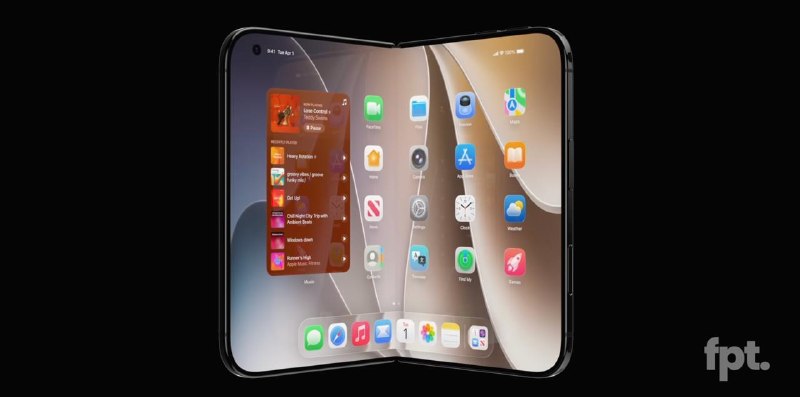
As development progresses, leaks and renders have begun to emerge, providing insights into what Apple's first foldable iPhone might look like. Notably, the fpt. channel has published what are described as the highest-quality and most detailed renders to date, compiling various leaks into a comprehensive visual representation.
While official specifications remain under wraps, the leaked renders suggest a design that may differ significantly from existing foldable smartphones. Industry observers have noted potential design elements that could align with Apple's minimalist aesthetic while incorporating the functionality of a foldable display.
| Feature | Expected Implementation | Industry Standard |
|---|---|---|
| Form Factor | Unknown (rumored book-style) | Primarily book-style or flip-style |
| Hinge Design | Critical development phase | |
| Display Size | Estimated 7-8 inches unfolded | 7.3-8 inches for premium models |
Launch Timeline and Challenges
Despite the progress in display production, several factors could influence the final launch timeline of Apple's foldable iPhone. Industry sources have identified the hinge module as a critical wildcard that could potentially delay the device's release.
The hinge mechanism is arguably the most complex component in a foldable smartphone, requiring precision engineering to ensure durability while maintaining a slim profile. Apple's reputation for premium build quality suggests that the company will not compromise on this critical aspect, potentially leading to additional development time.
Two potential launch windows have emerged:
- Optistic Scenario: A September debut, aligning with Apple's traditional iPhone launch timeline
- Conservative Scenario: Late 2026, which industry analysts consider a safer bet given the development challenges
Market Implications
The entry of Apple into the foldable smartphone market would represent a significant shift in the competitive landscape. Currently dominated by Samsung, with notable contributions from brands like Huawei, Xiaomi, and OPPO, the foldable segment could see substantial growth with Apple's involvement.
Industry analysts predict that Apple's foldable iPhone will likely command a premium price point, potentially exceeding $1,500 for the base model. This would position the device as a high-end offering, consistent with Apple's overall product strategy.
Consumer Reception and Market Potential
The success of Apple's foldable iPhone will likely depend on several factors, including price, durability, and practical utility. While early adopters have embraced foldable devices, mainstream adoption has been hampered by concerns about durability and the practical benefits over traditional smartphones.
Apple's entry could help overcome some of these barriers through its brand reputation, marketing prowess, and ecosystem integration. The seamless integration with existing Apple devices and services could provide compelling reasons for consumers to consider a foldable iPhone.
Conclusion
The commencement of mass production for OLED panels marks a significant milestone in the development of Apple's first foldable iPhone. With Samsung as the exclusive supplier and production yields exceeding expectations, the device appears to be progressing toward reality.
However, challenges remain, particularly concerning the hinge mechanism and potential launch timeline. Whether Apple aims for a September debut or a more conservative late 2026 release, the company's entry into the foldable market is expected to reshape the competitive landscape and potentially accelerate innovation across the industry.
As additional details emerge and development continues, consumers and industry observers alike will be watching closely to see how Apple approaches this new form factor, potentially bringing its signature design philosophy and user experience to the growing foldable smartphone segment.
😐 Samsung has started making displays for the foldable iPhone ☝️ Meanwhile the fpt. channel has published the highest-quality and most detailed renders shown above, compiling all the leaks in one place. 📰 According to The Elec, Samsung Display has received Apple's official approval and begun mass production of OLED modules for Apple's first foldable iPhone at its Vietnam facility. Key details: • Initial order: 3 million panels for delivery this year • Production yield exceeded 80% (Apple's threshold is 70%) • Samsung is Apple's exclusive supplier under a 3-year deal • Panels feature CoE + M16 OLED tech – thinner and more power-efficient 🔩 The remaining wildcard is the hinge module, which sources say could affect the final launch timeline. A September debut is still possible, but late 2026 is the safer bet. #rumors @iPhone 😐 Samsung has started making displays for the foldable iPhone ☝️ Meanwhile the fpt. channel has published the highest-quality and most detailed renders shown above, compiling all the leaks in one place. 📰 According to The Elec, Samsung Display has received Apple's official approval and begun mass production of OLED modules for Apple's first foldable iPhone at its Vietnam facility. Key details: • Initial order: 3 million panels for delivery this year • Production yield exceeded 80% (Apple's threshold is 70%) • Samsung is Apple's exclusive supplier under a 3-year deal • Panels feature CoE + M16 OLED tech – thinner and more power-efficient 🔩 The remaining wildcard is the hinge module, which sources say could affect the final launch timeline. A September debut is still possible, but late 2026 is the safer bet. #rumors @iPhone


