 TechOffice
Alarming New Android Malware Threatens to Take Control of Your Device
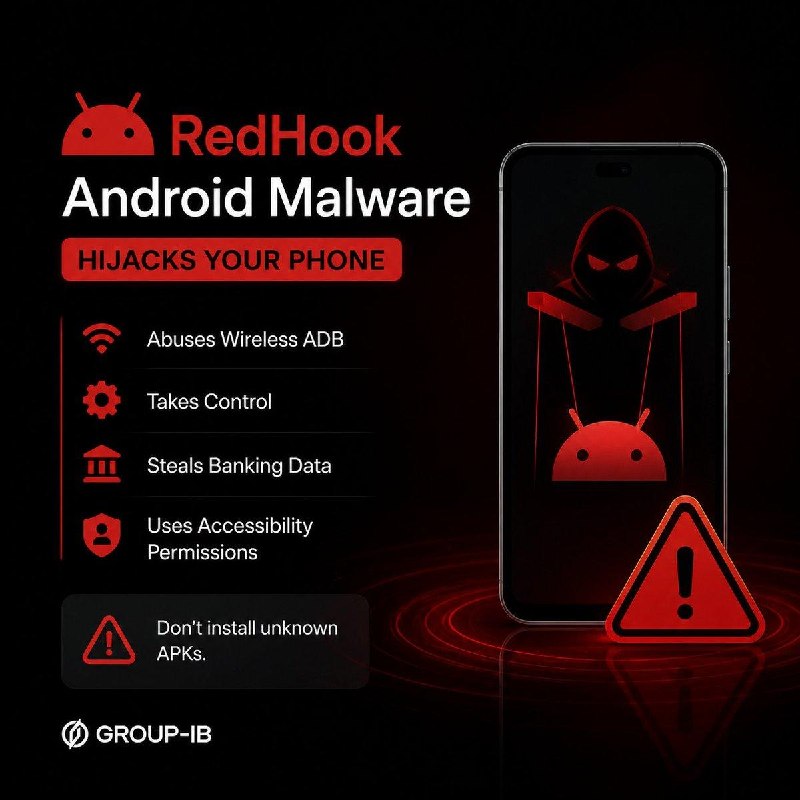
In-Depth Analysis of the New Android Malware: RedHook
In the landscape of cybersecurity, the emergence of advanced malware poses significant threats to personal and financial data. Recent reports from cybersecurity researchers have unveiled a formidable Android banking trojan known as RedHook. This sophisticated malware can essentially hijack users' smartphones and operate with alarming autonomy.
The Capabilities of RedHook
RedHook exhibits a range of alarming capabilities that alarm security experts:
- Enables Developer Options: RedHook can activate Developer Options without user consent.
- Turns on Wireless ADB Debugging: The malware can manipulate device settings to enable Wireless ADB Debugging.
- Pairs as an Authorized Computer: It can pair itself as a trusted device, allowing remote access.
- Gains Shell-Level Access: RedHook achieves deep control over the device, akin to root access.
- Remote Device Control: Users may find their phones being controlled remotely.
- Theft of Banking Data: The primary objective is to siphon off banking credentials, progressively draining users' accounts.
- Persistence Mechanism: Once infiltrated, RedHook remains dormant even if background processes are terminated.
No Root Access Required
One of the most concerning aspects of RedHook is that it does not necessitate rooting the device or employing a new Android exploit. Instead, it exploits existing vulnerabilities within the Android operating system:
- Wireless Debugging Feature: The malware takes advantage of the built-in Wireless Debugging feature to manipulate device settings.
- Accessibility Permissions: By leveraging these permissions, RedHook gains a higher level of control over the device's functionalities.
Modes of Propagation
This malware propagates primarily through fake APKs that masquerade as legitimate applications, particularly those belonging to banks or government entities. It has been observed targeting users in regions such as:
- Vietnam
- Indonesia
Precautionary Measures
As the threat landscape evolves, it becomes increasingly crucial for users to adopt best practices:
- Avoid Random APKs: Never install applications sent via calls, text messages, or unknown web links.
- Enhance Device Security: Regularly update your device and applications, and be vigilant about permission requests.
Conclusion
The emergence of advanced malware such as RedHook underscores the urgent need for heightened vigilance among Android users. As malware capabilities continue to evolve, users must remain informed and proactive in securing their devices. With vigilance, users can significantly reduce the risks associated with such malicious threats.
| Capability | Description |
|---|---|
| Enables Developer Options | Acts independently to turn on Developer Options |
| Wireless ADB Debugging | Manipulates settings to enable debugging features |
| Pairs as Authorized Computer | Conveniently connects for remote control |
| Shell-Level Access | Gains deep command over the device |
| Remote Control | Possibility of external operators controlling the phone |
| Banking Data Theft | Targets financial information to drain accounts |
| Persistence | Maintains operation despite service interruptions |
The evolving nature of Android malware like RedHook serves as a stark reminder of the necessity for robust cybersecurity awareness and practices among all mobile users.
NEW ANDROID MALWARE CAN LITERALLY HIJACK YOUR PHONE Cybersecurity researchers have discovered an upgraded Android banking trojan called RedHook, and this one is scary 😳 It can reportedly: • Enable Developer Options by itself • Turn on Wireless ADB Debugging • Pair itself as an authorized computer • Gain shell-level access • Control the phone remotely • Steal banking data and help drain accounts • Keep itself alive even after services are killed The craziest part? RedHook doesn't need to ROOT your phone or use a new Android exploit. It abuses Android's own Wireless Debugging feature and Accessibility permissions to take deeper control of the device. The malware spreads through fake APKs disguised as bank or government apps and has been observed targeting users in Vietnam and Indonesia. Never install random APKs sent through calls, texts or unknown links. Android malware is getting way too advanced ❤️ @techroma NEW ANDROID MALWARE CAN LITERALLY HIJACK YOUR PHONE Cybersecurity researchers have discovered an upgraded Android banking trojan called RedHook, and this one is scary 😳 It can reportedly: • Enable Developer Options by itself • Turn on Wireless ADB Debugging • Pair itself as an authorized computer • Gain shell-level access • Control the phone remotely • Steal banking data and help drain accounts • Keep itself alive even after services are killed The craziest part? RedHook doesn't need to ROOT your phone or use a new Android exploit. It abuses Android's own Wireless Debugging feature and Accessibility permissions to take deeper control of the device. The malware spreads through fake APKs disguised as bank or government apps and has been observed targeting users in Vietnam and Indonesia. Never install random APKs sent through calls, texts or unknown links. Android malware is getting way too advanced ❤️ @techroma


