 TechOffice
Xiaomi Adjusts Low-End Shipments Amidst Evolving Market Dynamics
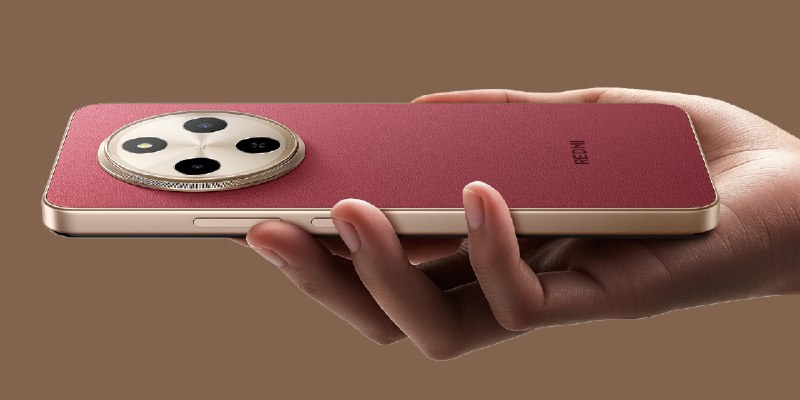
Xiaomi Adjusts Strategy Amid Declining Low-End Smartphone Shipments
The smartphone industry is experiencing a significant shift, particularly in the low-end market segment. As of Q2 2026, global smartphone shipments have decreased by 6.7% year-over-year, totaling 277.5 million units. This decline has compelled various manufacturers, including Xiaomi, to reassess their strategies as they navigate changing consumer preferences and rising operational costs.
Industry Overview: Declining Shipments and Rising Costs
In a competitive landscape where cost structures are evolving, Xiaomi has publicly stated that the recent drop in shipments is closely tied to the company’s strategic pivot towards higher price tiers. This shift is primarily influenced by surging memory costs, which have constrained the profitability of low-end smartphone production. As Xiaomi, alongside competitors like OPPO and Vivo, scales back its low-end supply, a notable impact is felt across the entire smartphone market.
| Market Performance Q2 2026 | Global Smartphone Shipments (Units) | Year-over-Year Change (%) |
|---|---|---|
| Overall Market | 277.5 Million | -6.7% |
| Xiaomi | Trimming Low-End Supply | N/A |
| Samsung | Growth | N/A |
| Apple | Growth | N/A |
| Huawei | Up 20.9% | +20.9% |
Strategic Shift towards Premium Segments
Xiaomi's decision to focus on higher price tiers aligns with recent consumer trends, where there has been a notable shift away from budget devices, particularly those priced under $200. This change has forced major players in the industry to reconsider their portfolio offerings. As a result, Xiaomi, along with rivals OPPO and Vivo, have made substantial adjustments to their low-end smartphone shipment strategies.
Impact on Market Competitors
The challenges faced by Xiaomi in the low-end segment are mirrored across the industry. Samsung and Apple have demonstrated resilience and growth, indicating a robust consumer demand for their mid-range and premium products. Meanwhile, Huawei's impressive 20.9% year-over-year growth signifies a strong recovery and competitive edge, likely benefiting from its varied product offerings that cater to different market needs.
- Samsung: Continues to grow by focusing on mid-range and premium categories.
- Apple: Shows stability with strong sales figures in higher-end segments.
- Huawei: Achieves notable growth in a challenging environment.
Future Outlook
The smartphone market is at a crossroads, with economic pressures and evolving consumer preferences rapidly reshaping the competitive landscape. Xiaomi’s strategic pivot suggests a proactive approach to safeguarding market share amidst declining low-end shipments. With memory costs projected to remain high, companies must innovate and diversify their product portfolios to align with market expectations.
As the industry continues to respond to these pressures, it will be essential for stakeholders to closely monitor shifts in consumer behavior, pricing strategies, and the competitive dynamics that will ultimately shape the future of smartphone manufacturing.
Xiaomi trims low-end shipments as market shifts. - Global Q2 2026 smartphone shipments down 6.7% YoY to 277.5M - Memory costs surge; Xiaomi ties decline to strategic shift toward higher price tiers - Samsung, Apple grow; Huawei up 20.9% YoY - Sub-$200 segment hit; Xiaomi, OPPO, vivo tighten low-end supply More Xiaomi trims low-end shipments as market shifts. - Global Q2 2026 smartphone shipments down 6.7% YoY to 277.5M - Memory costs surge; Xiaomi ties decline to strategic shift toward higher price tiers - Samsung, Apple grow; Huawei up 20.9% YoY - Sub-$200 segment hit; Xiaomi, OPPO, vivo tighten low-end supply More


