 TechOffice
Mastering Multi-Exposure Photography: Essential Terms, In-Camera Techniques, and Top Shooting Tips
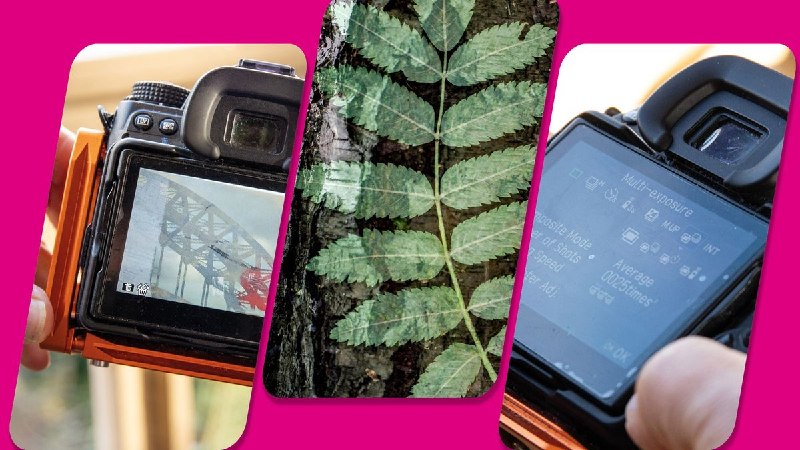
Understanding Multi-Exposure Photography: Key Terms Explained, Techniques, and Ideas
Multi-exposure photography is a fascinating technique that allows photographers to superimpose multiple images into a single frame, resulting in stunning visual storytelling. Whether you're looking to create atmospheric art or capture dynamic movement, multi-exposure can help you achieve artistic effects that traditional photography alone cannot. This article will delve into key terminology, in-camera techniques, and practical suggestions for subjects to shoot, empowering you to master this creative form of photography.
Key Terms Explained
Understanding the terminology associated with multi-exposure photography is crucial for any aspiring artist in this field. Here are some key terms:
- Exposure: The amount of light that reaches the camera sensor, determined by aperture, shutter speed, and ISO settings.
- Overlay: The process of placing one image on top of another, typically allowing for transparency settings to create a blend.
- Foreground and Background: Foreground refers to the subject closest to the camera, while background includes elements situated behind the subject.
- Blending Mode: Settings that determine how layers of images interact with each other; common modes include multiply, screen, and overlay.
In-Camera Techniques for Multi-Exposure Photography
With advancements in digital photography, many modern cameras offer built-in features for multi-exposure shots. The following techniques can help you utilize these features effectively:
- Multiple Exposure Mode: Activate this mode in your camera settings, which allows you to take several shots in succession and merge them.
- Layering Images: Plan your shots so that they complement each other. Experiment with different compositions by adjusting the angle or distance between subjects.
- Use of Light and Shadow: Consider the lighting conditions. High contrast can enhance the visual effect of the composite image.
- Preview and Adjust: More advanced cameras allow for a preview of combined images. Use this feature to adjust settings before finalizing the shot.
What to Shoot: Ideas for Multi-Exposure Photography
Choosing the right subject is essential for successful multi-exposure photography. Here are some ideas that can yield striking results:
- Landscapes: Combine different aspects of a landscape, such as mountains during sunset with a foreground of trees, to create an ethereal atmosphere.
- Portraits: Layer your portraits with environmental elements to tell a story about your subject's personality or background.
- Motion: Capture a moving subject, like a dancer or athlete, in multiple exposures to convey dynamism and energy.
- Abstracts: Use everyday objects or textures, like leaves or water, and overlay them creatively to generate abstract art.
Conclusion
Multi-exposure photography opens up a world of creative possibilities for photographers of all levels. By understanding the key terms, leveraging in-camera techniques, and exploring a variety of subjects, you can develop your style and create images that captivate and engage viewers. As you experiment with multi-exposure photography, remember that creativity knows no bounds—embrace your imagination and let your photographs tell a story.
Summary Table of Multi-Exposure Photography Aspects
| Aspect | Description |
|---|---|
| Key Terms | Exposure, Overlay, Foreground, Background, Blending Modes |
| In-Camera Techniques | Multiple Exposure Mode, Layering Images, Light and Shadow Use, Preview and Adjust |
| Subject Ideas | Landscapes, Portraits, Motion, Abstracts |
Understanding multi-exposure photography: key terms explained, in-camera techniques, what to shoot and more https://www.techradar.com/cameras/photography/how-to-master-multi-exposure-photography Understanding multi-exposure photography: key terms explained, in-camera techniques, what to shoot and more https://www.techradar.com/cameras/photography/how-to-master-multi-exposure-photography


