 TechOffice
Psychologists Unpack the Effects of Morning Stimulus on Our Brains
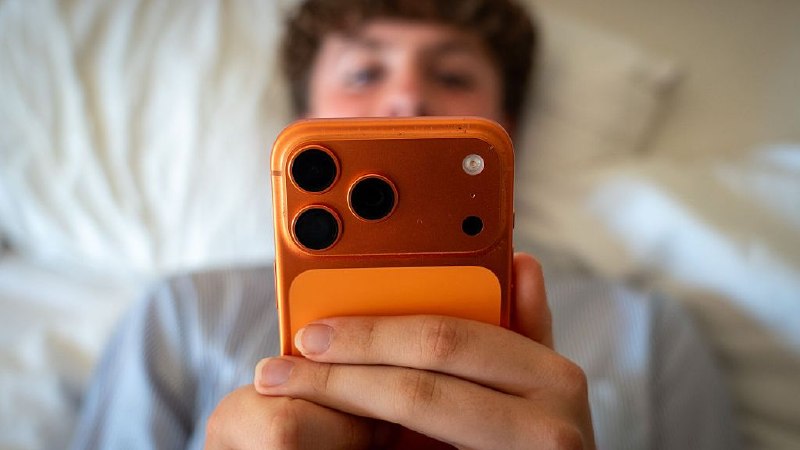
The Morning Ritual: The Allure of Early Smartphone Use
In an era where technology has become an extension of our human experience, the smartphone is often the first thing we reach for upon waking. Experts in psychology emphasize the implications of this behavior, suggesting that the human brain was not designed to handle such high levels of stimulation first thing in the morning. This article delves into the psychological reasons behind this pervasive habit and offers insights into how individuals can modify their morning routines to foster a more balanced start to the day.
The Immediate Attraction: Why We Reach for Our Phones
As soon as our eyes flutter open, many of us instinctively grab our smartphones. This compulsion stems from various psychological and environmental factors:
- Instant Gratification: Smartphones provide immediate access to a wealth of information and social interactions. Notifications about messages, emails, and social media updates can trigger a dopamine release, reinforcing the urge to check our devices.
- Habit Formation: Reaching for a phone upon waking can become a conditioned response. Over time, this habit solidifies as part of our morning routine, making it challenging to change.
- FOMO (Fear of Missing Out): The need to stay informed and connected can fuel anxiety about missing important news, updates, or social engagements, prompting an early phone check.
The Psychological Impact of Technology on Morning Routines
According to psychologists, the brain is wired to prefer gradual stimulation. The jarring experience of engaging with digital devices immediately after waking can negatively influence mood and cognitive function. Some effects include:
- Increased Stress Levels: Jumping into a stream of notifications can lead to heightened anxiety and stress, setting a negative tone for the rest of the day.
- Cognitive Overload: The influx of information can overwhelm the brain, hindering productivity and focus throughout the day.
- Sleep Cycle Disruption: Checking phones in the morning can hasten the end of the sleep cycle, negatively impacting rest and overall health.
Strategies to Break the Morning Phone Habit
While the pull of the smartphone is strong, individuals can take active measures to recalibrate their morning routines. Here are several strategies recommended by experts:
- Establish a No-Phone Policy: Create a personal rule to avoid phone use for the first 30 minutes after waking. This allows your mind to transition more naturally from sleep to wakefulness.
- Engage in Mindfulness: Activities like meditation, stretching, or even gentle exercise can ease the transition into the day without the disruption of technology.
- Set a Morning Routine: Design a structured routine that includes breakfast, reading, or journaling, prioritizing activities that nurture mental health and well-being.
- Utilize Sleep-Mode Features: If necessary, enable features that limit notifications during nighttime hours, allowing you to sleep better and wake up with less incentive to check your phone.
Conclusion: Charting a Healthier Path
The act of reaching for our smartphones first thing in the morning is backed by various psychological triggers that can lead to stress and diminished cognitive function. By understanding these underlying factors and actively working to create healthier morning habits, individuals can foster a more balanced and productive start to their day.
| Aspect | Negative Impact | Recommended Strategy |
|---|---|---|
| Instant Gratification | Increased anxiety levels | Establish a no-phone policy for 30 minutes |
| Habit Formation | Difficulty in breaking the cycle | Engage in mindfulness activities |
| Overload of Information | Reduced cognitive function | Implement a structured morning routine |
| Disruption of Sleep | Negative impact on health | Utilize sleep-mode features |
Implementing these strategies can lead to a healthier relationship with technology, enabling individuals to reclaim their mornings and prioritize mental wellness in a hyper-connected world.
‘Our brains were not necessarily meant to be this stimulated first thing in the morning’: psychologists explain why you reach for your phone as soon as you wake up — and what you can do to stop it https://www.techradar.com/phones/our-brains-were-not-necessarily-meant-to-be-this-stimulated-first-thing-in-the-morning-psychologists-explain-why-you-reach-for-your-phone-as-soon-as-you-wake-up-and-what-you-can-do-to-stop-it ‘Our brains were not necessarily meant to be this stimulated first thing in the morning’: psychologists explain why you reach for your phone as soon as you wake up — and what you can do to stop it https://www.techradar.com/phones/our-brains-were-not-necessarily-meant-to-be-this-stimulated-first-thing-in-the-morning-psychologists-explain-why-you-reach-for-your-phone-as-soon-as-you-wake-up-and-what-you-can-do-to-stop-it


