 TechOffice
Smart Home Insights: Embracing Simplicity with Traditional Switches
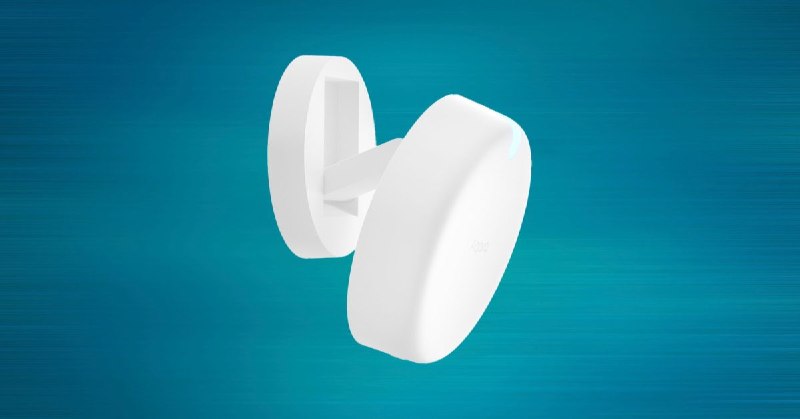
Smart Home Diary: The Case for Traditional Switches in a Smart Era
In an age dominated by technology, where homes are adorned with smart devices promising convenience, comfort, and efficiency, there lies an intriguing debate: Do we sometimes overlook the simplicity and reliability of traditional switches? This discourse delves into the benefits and drawbacks of smart home technology, emphasizing the value of “dumb” switches in contemporary living.
The Allure of Smart Technology
Smart home technology has dramatically transformed the way we interact with our living spaces. Smart switches, for instance, offer a myriad of features that enhance user experience:
- Remote Control: Smart switches allow homeowners to control lights from their smartphones or tablets, offering convenience, especially during those busy moments.
- Voice Activation: Many smart switches are compatible with voice assistants like Alexa, Google Assistant, and Siri, enabling hands-free control.
- Scheduling: Users can set schedules for lighting, improving energy efficiency and tailoring settings to align with daily routines.
- Integration: Smart switches can easily integrate into an existing smart home ecosystem, allowing for streamlined control over various devices.
| Feature | Smart Switches | Traditional Switches |
|---|---|---|
| Remote Control | Yes | No |
| Voice Activation | Yes | No |
| Scheduling | Yes | No |
| Reliability | Dependent on connectivity | Always functional |
The Drawbacks of Smart Technology
Despite the enticing benefits of smart devices, several downsides warrant consideration:
- Complexity: Setting up a smart home system can be challenging, especially for those less technically inclined. This complexity may lead to frustration and a steeper learning curve.
- Dependence on Wi-Fi: Smart devices rely on a stable internet connection. During outages or connectivity issues, access to controls can be compromised.
- Security Risks: As with any internet-connected device, smart switches can present vulnerabilities. Cybersecurity threats can become a concern if proper measures are not taken.
- Cost: The initial investment for smart devices can be significant, and ongoing maintenance or subscription fees may accrue.
The Enduring Value of Traditional Switches
In contrast, traditional light switches continue to hold significant appeal. Here are a few reasons why maintaining “dumb” switches might still be a smart choice:
- Reliability: Traditional switches operate independently of internet connectivity, ensuring they function effectively at all times.
- Ease of Use: Anyone familiar with electric switches can use them without a manual or app, making them universally accessible.
- Cost-Efficiency: The upfront and maintenance costs of traditional switches are significantly lower compared to their smart counterparts.
- Minimal Maintenance: “Dumb” switches require little to no upkeep, while smart devices often need firmware updates and troubleshooting.
Finding a Balance
In light of these considerations, the question emerges: how can homeowners balance the allure of smart technology with the inherent reliability of traditional switches? Some potential solutions include:
- Hybrid Systems: Utilizing a combination of smart and traditional switches allows homeowners to enjoy the benefits of both worlds, optimizing efficiency in specific areas while maintaining reliability in others.
- Strategic Placement: Smart switches can be installed in high-traffic areas like living rooms or kitchens where convenience is paramount, while traditional switches could be used in less frequented spaces.
- Smart Features with Traditional Functionality: Some manufacturers offer traditional-looking switches with smart capabilities, providing a stylish, reliable solution.
Conclusion
As the smart home market continues to expand, it’s essential to recognize that technology should cater to user needs and preferences rather than the other way around. While smart switches offer undeniable advantages in convenience and functionality, the durability and simplicity of traditional switches still hold relevance in our tech-centric lives. Homeowners must weigh these factors carefully, potentially opting for a blended approach that respects both tradition and innovation.
Smart Home Diary: Sometimes the smart thing is to live with dumb switches https://ift.tt/uXNIRCb Smart Home Diary: Sometimes the smart thing is to live with dumb switches https://ift.tt/uXNIRCb


