 TechOffice
Mastering the Art of Detection: Techniques to Identify Convincing AI Images, Deepfakes, and Scams
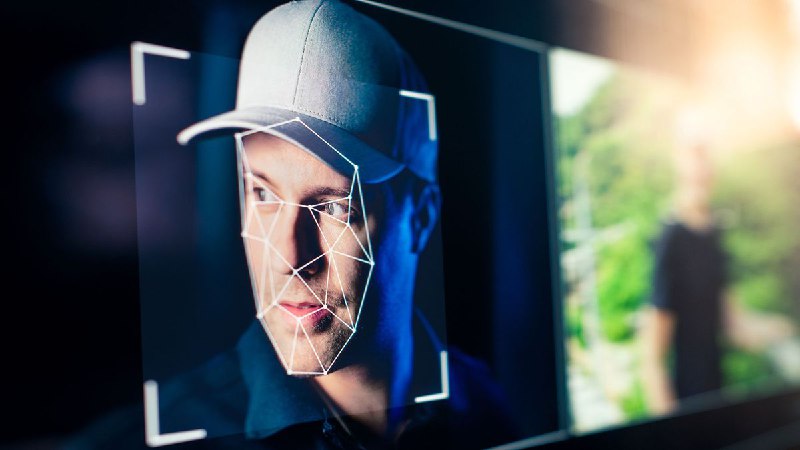
Still Think You Can Spot AI? A Comprehensive Guide to Identifying Convincing AI Images, Deepfakes, and Scams
As artificial intelligence (AI) technology continues to advance at an unprecedented pace, distinguishing between genuine content and AI-generated images or deepfakes has become increasingly challenging. This article offers a deep dive into identifying AI-manipulated media, what signs to look out for, and best practices to avoid falling victim to scams.
The Rise of AI in Media
The capability of AI to generate remarkably realistic images, videos, and audio has given rise to concerns about misinformation and deception. From hyper-realistic portraits created by AI algorithms to deepfakes that can manipulate video footage, recognizing AI-generated content is essential in today’s digital landscape.
Signs to Identify AI-Generated Content
Understanding the nuances of AI-generated media is crucial for both personal safety and societal trust. Below are some key indicators to help identify potentially artificial content:
- Unnatural Facial Features: AI-generated faces may exhibit asymmetrical features or lack distinct facial imperfections seen in human faces.
- Inconsistent Lighting: Light sources might not align naturally within an image, leading to odd shadows or light gradients.
- Poor Textures: Textures in AI-generated images can sometimes appear too smooth or lack the fine details found in real images.
- Disjointed Movement in Video: Deepfake videos may have glitches or awkward transitions that disrupt the flow of motion.
- Audio Sync Issues: In deepfake scenarios, the mouth movements might not correlate perfectly with the spoken audio.
Understanding Deepfakes
Deepfakes are AI-generated media that swap faces or alter individuals' appearances in videos. While they can be entertaining, their potential misuse in misinformation campaigns makes them a critical concern. Here are some advanced features of deepfakes to look out for:
- Unnatural Eye Movement: In deepfakes, eyes may not always follow the correct targets, leading to an unnatural appearance.
- Facial Parity with Context: Check if the facial expressions match the spoken content. Discrepancies can be a giveaway.
- Unrealistic Backgrounds: In many cases, the background may appear less realistic or suffer from distortion, especially in video content.
Common Scams Involving AI
As technology evolves, so do the tactics employed by scammers. Understanding the common scams that leverage AI can act as a preventive measure:
| Type of Scam | Description | Prevention Tip |
|---|---|---|
| Fake Influencer Promotions | Scammers use AI-generated personas to promote products, appearing real to unsuspecting customers. | Verify the influencer’s social media history and engagement levels. |
| Phishing Emails | AI-generated emails that mimic reputable companies to extract sensitive information. | Check the sender's email address and look for grammatical errors. |
| Counterfeit Customer Service | Using AI chatbots that simulate human interaction to con users out of personal data. | Always verify through official channels before sharing information. |
Best Practices for Spotting AI-Generated Media
To enhance your critical thinking and improve your identifying skills, incorporate the following practices into your daily routine:
- Stay Informed: Keep up-to-date with advancements in AI and familiarization with common deepfake techniques.
- Use Verification Tools: Leverage digital forensics tools designed to analyze and verify the authenticity of media.
- Cross-Authenticate Information: Whenever possible, confirm claims from multiple trustworthy sources.
- Practice Caution Online: Approach sensational content with skepticism, especially if it invokes strong emotional responses.
The Future of AI Media and Trust
The proliferation of AI-generated content will undoubtedly challenge our perception of reality and authenticity. As tools grow more sophisticated, so too must our understanding and vigilance. By employing the tips discussed and fostering a heightened awareness of the dangers posed by AI manipulation, we can better navigate the intricate digital landscape of our time.
In conclusion, being able to effectively spot AI-generated media is not merely a skill for the tech-savvy; it is an essential competency for anyone engaged in the digital world. The responsibility lies on each individual to remain informed and vigilant to safeguard against potential misinformation and deception.
Still think you can spot AI? Here’s how to catch more convincing AI images, deepfakes and scams https://www.techradar.com/ai-platforms-assistants/still-think-you-can-spot-ai-heres-how-to-catch-more-convincing-ai-images-deepfakes-and-scams Still think you can spot AI? Here’s how to catch more convincing AI images, deepfakes and scams https://www.techradar.com/ai-platforms-assistants/still-think-you-can-spot-ai-heres-how-to-catch-more-convincing-ai-images-deepfakes-and-scams


