 TechOffice
Fairphone Surpasses Nothing with Innovative Features, While Redmi Leads in Technical Specifications
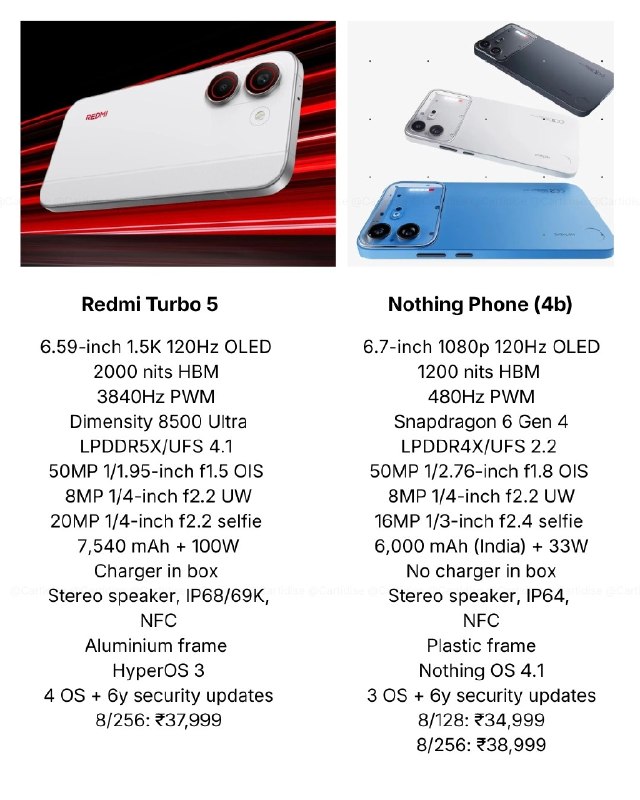
Three Approaches to Modern Smartphones: Fairphone's Substance, Nothing's Design, and Redmi's Value
The smartphone market has long been dominated by a few key players, but recent developments have shown that different brands are taking increasingly distinct approaches to capture consumer attention. A closer examination reveals that Fairphone has differentiated itself through meaningful features and sustainability, while Nothing has focused on distinctive design elements, and Redmi continues to dominate with specifications that offer exceptional value for money.
Understanding the Competitive Landscape
The smartphone industry has evolved beyond simple performance metrics into a complex ecosystem where design philosophy, ethical considerations, and value propositions all play crucial roles in determining a brand's success. The recent comparative performance of Fairphone, Nothing, and Redmi highlights these divergent strategies.
| Brand | Market Position | Primary Differentiator | Target Audience |
|---|---|---|---|
| Fairphone | Niche/Ethical | Sustainability & Repairability | Eco-conscious consumers |
| Nothing | Premium/Design-focused | Unique Aesthetics & Branding | Design enthusiasts |
| Redmi | Value/Performance | Specifications at Price | Budget-conscious buyers |
Fairphone's Substantive Approach
Fairphone has carved out a unique position in the market by prioritizing sustainability and ethical production over the latest technological gimmicks. The Dutch company's latest models showcase a commitment to:
- Modular Design: Components can be easily replaced, extending the phone's lifespan and reducing electronic waste
- Ethical Sourcing: Fairphone meticulously tracks the supply chain to ensure responsible mining practices
- Long-term Software Support: Extended OS updates compared to industry standards
- Repairability: Official repair programs and accessible parts for DIY repairs
While competitors chase the latest camera innovations or foldable displays, Fairphone focuses on building phones that last longer and have a lower environmental impact. This approach resonates with consumers increasingly concerned about sustainability and the true cost of disposable electronics.
Nothing's Design-First Philosophy
Nothing, founded by former OnePlus co-founder Carl Pei, has positioned itself as a design-forward brand with distinctive aesthetics and a transparent approach to development. The company's strategy includes:
- Transparent Back Panels: Signature design element that showcases internal components
- Unique Glyph Interface: LED lighting system for notifications and interactions
- Minimalist Aesthetic: Clean lines and distinctive color schemes
- Marketing-Driven Features: Elements that generate buzz but may not offer substantial utility
Nothing's approach has generated significant media attention and a devoted following, particularly among younger consumers drawn to the brand's distinctive visual identity and marketing. However, critics argue that the company sometimes prioritizes style over substance, with features that serve more as conversation starters than practical enhancements.
Redmi's Specification Domination
Xiaomi's Redmi brand has consistently delivered impressive specifications at budget-friendly price points, making high-end technology accessible to a broader audience. The brand's competitive advantages include:
- Performance Value: Flagship-level processors in mid-range devices
- Display Technology: High refresh rate screens that compete with premium offerings
- Camera Systems: Multiple camera setups with features typically found in more expensive devices
- Fast Charging: Rapid charging capabilities that match or exceed premium competitors
Redmi's success demonstrates that many consumers prioritize specifications and performance over design subtleties or brand prestige. By focusing on delivering the most technology for the lowest price, Redmi has captured significant market share, particularly in price-sensitive regions and among consumers who value functionality over form.
Comparative Analysis: Different Paths to Market Success
The divergent approaches of these three brands highlight different consumer priorities in the smartphone market:
| Aspect | Fairphone Approach | Nothing Approach | Redmi Approach |
|---|---|---|---|
| Innovation | Sustainable design & longevity | Aesthetic & experiential | Technical specifications |
| Value Proposition | Lower environmental impact | Unique design language | Maximum specs per dollar |
| Target Market | Ethically conscious consumers | Style-focused early adopters | Budget-conscious performance seekers |
| Long-term Strategy | Building sustainable electronics ecosystem | Creating distinctive brand identity | Democratizing technology |
Market Implications and Consumer Choice
The contrasting strategies of Fairphone, Nothing, and Redmi demonstrate that there is no single "right" approach to smartphone development. Each brand successfully targets different consumer segments with distinct priorities:
- Fairphone appeals to consumers who view their purchase as an ethical statement and are willing to compromise on cutting-edge features for sustainability
- Nothing attracts design enthusiasts and those who value brand identity and unique aesthetic elements in their technology
- Redmi serves pragmatic consumers who prioritize specifications and performance above all other considerations
This diversification of approaches ultimately benefits consumers, offering a range of options that align with different values and priorities. As the smartphone market matures, we can expect these distinct strategies to continue evolving, with each brand potentially incorporating elements from others to broaden their appeal.
Future Outlook
Looking ahead, these brands may continue to differentiate themselves while also responding to emerging trends:
- Fairphone may expand its modular ecosystem and potentially incorporate more cutting-edge technology while maintaining its sustainability focus
- Nothing might develop more substantive features to complement its distinctive design language and expand its product portfolio
- Redmi could face increasing pressure as premium brands extend their ranges downward, potentially requiring further innovation to maintain its value proposition
The smartphone market has matured to a point where consumers have clear choices based on their priorities, whether those are sustainability, design, or specifications. The success of these three distinct approaches suggests that the future of smartphones will likely continue to accommodate diverse philosophies rather than converging on a single dominant strategy.
Conclusion
The comparative performance of Fairphone, Nothing, and Redmi demonstrates that the smartphone market has evolved beyond a simple race for the highest specifications or most innovative features. Instead, these brands represent different approaches to meeting consumer needs, with Fairphone emphasizing sustainability and longevity, Nothing focusing on distinctive design and brand identity, and Redmi delivering maximum specifications at competitive prices.
As consumers become more discerning and diverse in their priorities, the smartphone market will likely continue to fragment, with brands carving out distinct positions based on their core values and target audiences. This diversification ultimately benefits consumers, offering a range of options that align with different ethical considerations, aesthetic preferences, and performance requirements.
The continued success of these three brands with different strategies suggests that the future of smartphones will be defined not by a single approach dominating the market, but by the ability of brands to clearly articulate and deliver on their unique value propositions to their specific target audiences.
Fairphone mogged Nothing for gimmiks while Redmi mogged in specs Fairphone mogged Nothing for gimmiks while Redmi mogged in specs


