 TechOffice
Supreme Court Mandates Warrant Requirement for Police Access to Phone Location Data
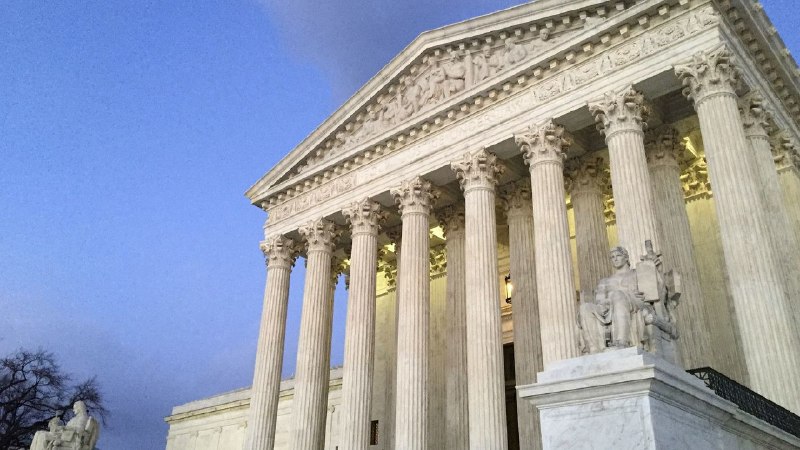
The Landmark Supreme Court Decision on Police Access to Phone Location Data
In a pivotal ruling, the Supreme Court has emphasized the necessity for law enforcement agencies to obtain a warrant prior to accessing individuals' phone location data. This decision marks a significant step in upholding citizens' privacy rights in the face of advancing technology.
The Context of the Ruling
The backdrop of this ruling stems from ongoing debates regarding digital privacy and the extent of government surveillance in the digital age. With the proliferation of smartphones, which have become ubiquitous in daily life, the ability of law enforcement to track an individual’s whereabouts through their devices has raised substantial ethical and legal concerns.
Key Aspects of the Ruling
- Privacy Rights: The decision fundamentally anchors on the Fourth Amendment, which guards against unreasonable searches and seizures. The Court affirmed that individuals possess a reasonable expectation of privacy when it comes to their location data.
- Warrant Requirement: The ruling mandates that police must secure a warrant, supported by probable cause, to access historical location data from smartphones. This ensures that such sensitive information is not accessed without proper judicial oversight.
- Implications for Law Enforcement: This ruling will likely alter the operational tactics of various law enforcement agencies, necessitating more rigorous protocols in obtaining warrants before leveraging location data in investigations.
The Impact of Technology on Privacy Rights
This decision highlights a broader conversation about the intersection of technology and privacy rights. As technology continues to evolve, the legal frameworks that govern its use must also adapt to safeguard individual freedoms.
The rising capabilities of smartphones have led to increasing reliance on location data by police, often justified by the need for expediency in investigations. However, this ruling signals a judicial acknowledgement that privacy should not be sacrificed at the altar of convenience.
Comparative Analysis of Privacy Laws
| Country | Warrant Requirement for Location Data | Legal Reference |
|---|---|---|
| United States | Yes | Fourth Amendment |
| Canada | Yes | Canadian Charter of Rights and Freedoms |
| United Kingdom | Yes | Regulation of Investigatory Powers Act |
| Germany | Yes | Basic Law for the Federal Republic of Germany |
| Australia | In some cases | Telecommunications (Interception and Access) Act |
Conclusion
This landmark ruling by the Supreme Court serves as a crucial reminder of the importance of balancing law enforcement interests with individual privacy rights. As technology continues to advance, legal frameworks must evolve to ensure that personal freedoms are respected, reinforcing the notion that the constitutional right to privacy remains a cornerstone of democracy.
The court's decision is likely to set a precedent that will influence future cases related to digital privacy, solidifying the notion that personal data is not only a tool for investigation but also an essential aspect of individual autonomy.
The Supreme Court just ruled that police need a warrant to use phone location data Read Full Article #SupremeCourt #PoliceWarrant #LocationData The Supreme Court just ruled that police need a warrant to use phone location data Read Full Article #SupremeCourt #PoliceWarrant #LocationData


