 TechOffice
Google Adjusts Android Backup Policy: New Storage Limits with Minimal Impact on Your Account
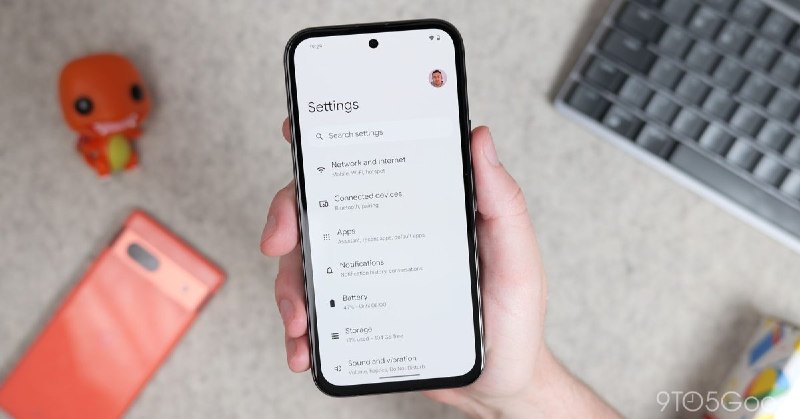
Significant Update: Android Backup Data Now Counts Towards Google Account Storage
In a noteworthy change for Android users, Google has announced that all backup data from Android devices will now count towards the overall storage limit of Google Accounts. While this modification might initially raise concerns regarding storage capacity, early indications suggest that the actual impact on users' available space may not be substantial.
Understanding the Background
For many years, Android users have relied on Google’s backup service to preserve crucial data, such as app information, device settings, and even SMS messages. Previously, this backup data enjoyed the advantage of being stored without impacting the user’s available Google Account storage. However, as Google continues to refine its services, the integration of backup data into the overall storage calculations marks a significant shift.
Details of the Update
The recent update communicates that all types of backup data will now contribute to the storage quota of Google Accounts, which also includes emails, Google Drive files, and documents stored in Google Photos. Nevertheless, Google has indicated that most users will find that their backup data consumes only a minor portion of their storage space.
What Types of Data Are Affected?
- App Data: Information from third-party applications will be included in the backup count.
- Device Settings: Settings configuration for the device will also now be counted.
- Text Messages: SMS messages saved through the backup service are affected as well.
- Call History: Previous call logs will also contribute to the storage calculations.
Potential Impact on Users
Given that many users may not have extensive datasets stored through the backup feature, the anticipated impact is expected to be minimal. Google has reassured users that, in practice, the bulk of backup data typically occupies a small fraction of storage space. As evidenced by user reports following the update, many accounts still maintain abundant available capacity even after accounting for backup data.
Storage Management Tips
To assist users in efficiently managing their Google Account storage, consider the following strategies:
- Regularly review and delete unnecessary files from Google Drive and Google Photos.
- Utilize Google One's storage management features to monitor space usage
- Evaluate backup settings to ensure that only essential data is retained.
Conclusion
This update signifies an important evolution in how Google integrates backup services within its ecosystem. While the inclusion of Android backup data in account storage calculations may initially seem daunting, the practical implications for most users are likely to be limited. By adopting proactive storage management techniques, users can continue to benefit from Android’s robust backup capabilities without the worry of running out of space.
| Data Type | Initial Storage Status | New Storage Status |
|---|---|---|
| App Data | Not counted | Counts towards Google Account storage |
| Device Settings | Not counted | Counts towards Google Account storage |
| Text Messages | Not counted | Counts towards Google Account storage |
| Call History | Not counted | Counts towards Google Account storage |
In summary, while users should remain vigilant about their available storage, the change in policy appears manageable, allowing for continued confidence in Google’s backup offerings.
All Android backup data now counts toward your Google Account storage, but it won’t take up much space Source: https://9to5google.com/2026/07/06/android-backup-data-update/ All Android backup data now counts toward your Google Account storage, but it won’t take up much space Source: https://9to5google.com/2026/07/06/android-backup-data-update/


