 TechOffice
Rising Memory Prices Could Hike Costs for Phones and Laptops
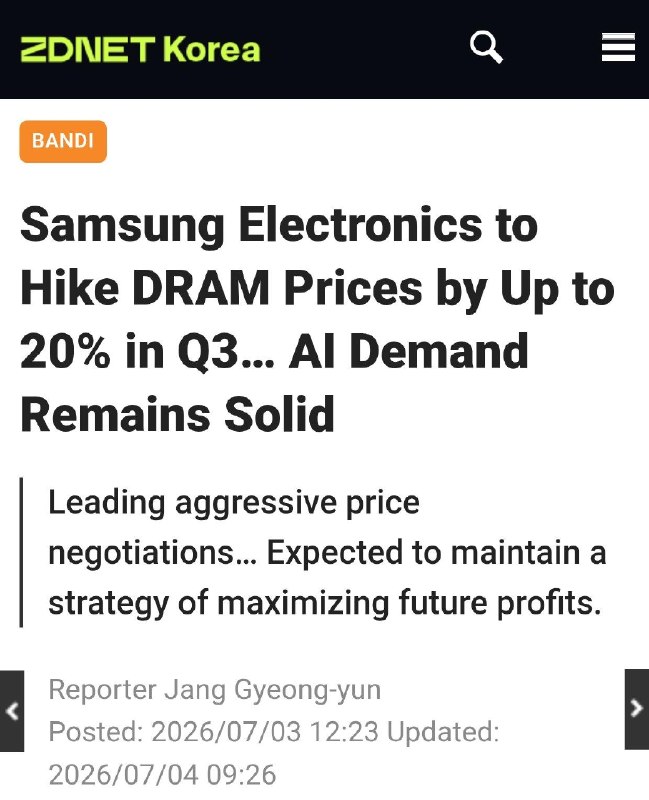
Economic Trends in DRAM Memory Prices: Implications for Consumer Electronics
In the dynamic landscape of technology, fluctuations in component pricing often ripple through the retail market, impacting consumers directly. Recent reports indicate that Samsung, one of the leading manufacturers of DRAM (Dynamic Random Access Memory), is poised to implement further price increases, potentially wholesale a rise of up to 20% for Q3 2026. This trend raises concerns surrounding the affordability of smartphones, laptops, and various electronic devices that depend on memory components.
Understanding the Recent Price Increases
The market for DRAM memory has experienced significant volatility throughout 2026, with sharp price increases recorded in the first half of the year. Below is a summary of the price hikes observed so far:
| Quarter | Price Increase (% Range) |
|---|---|
| Q1 2026 | 90-95% |
| Q2 2026 | 58-63% |
| Q3 2026 (Projected) | Up to 20% |
These staggering increases not only reflect the evolving supply and demand dynamics in the semiconductor market but also the overarching inflationary pressures affecting the global economy. As the cost of DRAM continues to escalate, manufacturers of consumer electronics must grapple with the possibility of passing on these expenses to end-users, which could lead to higher prices for smartphones, laptops, and a myriad of electronic devices.
The Role of Memory in Consumer Electronics
Memory modules, specifically DRAM, serve as critical components in modern devices, facilitating rapid data storage and retrieval processes necessary for optimal functionality. As technology continues to advance, the demand for higher capacity and faster memory has surged. With consumers increasingly seeking powerful devices capable of multitasking, gaming, and productivity tasks, the importance of DRAM cannot be overstated.
Potential Impact on Consumers
If the trajectory of rising memory prices persists, consumers may soon face steeper prices for their favorite gadgets. The following delineates potential implications:
- Increased Retail Prices: Manufacturers may increase the retail prices of smartphones and laptops to compensate for the heightened costs of components.
- Extended Product Lifecycle: Brands may opt to extend the lifespan of existing models instead of launching new devices, thereby attempting to mitigate price hikes.
- Consumer Choice Limitations: Higher costs could restrict consumer options, particularly in lower-priced segments of the market, as budgets tighten.
Conclusion
The anticipated 20% increase in DRAM memory prices by Samsung for Q3 2026 continues a troubling trend that could reshape the consumer electronics landscape. As memory constitutes a fundamental aspect of the technology that powers modern devices, ongoing price escalations bear watching. For consumers, the ramifications of these price adjustments could mean a reassessment of budget and purchasing strategies as they navigate an evolving market.
In conclusion, as the situation unfolds, stakeholders—from manufacturers to consumers—must remain vigilant and adaptable to these significant economic shifts within the memory industry.
❤️ @techroma
MEMORY PRICES KEEP GOING UP. PHONES AND LAPTOPS MAY GET MORE EXPENSIVE. Samsung is reportedly asking for another up to 20% increase in DRAM memory prices for Q3 2026. Price hikes so far this year: - Q1 2026: 90-95% - Q2 2026: 58-63% - Q3 2026: Up to 20% (expected) Memory is one of the most important parts used in smartphones, laptops and many other electronics. If memory prices keep rising, brands may eventually pass the extra cost on to buyers. ❤️ @techroma MEMORY PRICES KEEP GOING UP. PHONES AND LAPTOPS MAY GET MORE EXPENSIVE. Samsung is reportedly asking for another up to 20% increase in DRAM memory prices for Q3 2026. Price hikes so far this year: - Q1 2026: 90-95% - Q2 2026: 58-63% - Q3 2026: Up to 20% (expected) Memory is one of the most important parts used in smartphones, laptops and many other electronics. If memory prices keep rising, brands may eventually pass the extra cost on to buyers. ❤️ @techroma


