 TechOffice
Is This the End of OxygenOS as We Know It?
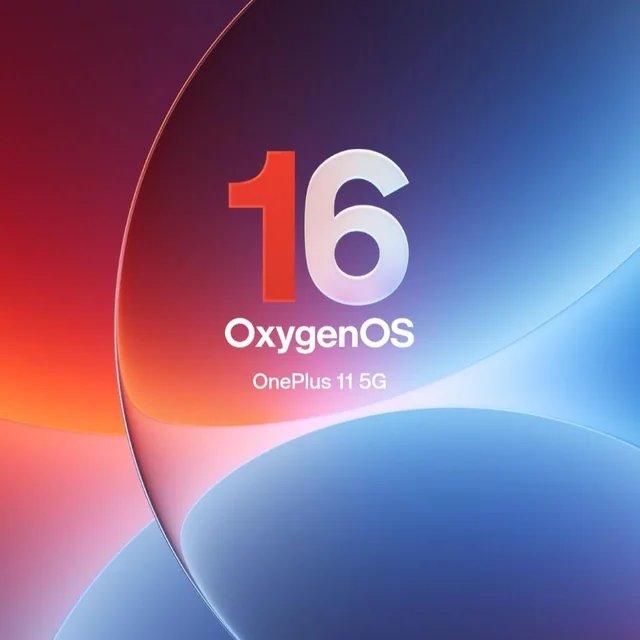
The Future of OxygenOS: A Unified Software Strategy for OnePlus, OPPO, and realme
The mobile technology landscape is often marked by rapid changes and significant strategic shifts, and recent reports suggest that OnePlus’s popular OxygenOS may be on the verge of retirement. This potential move is emblematic of a broader trend within the OPPO family of brands, which includes OPPO, OnePlus, and realme. The anticipated retirement of standalone operating systems like OxygenOS and realme UI could lead to a distinct convergence in user experience across these brands.
The Impending Retirement of OxygenOS and realme UI
According to credible sources, OPPO is considering the discontinuation of both OxygenOS and realme UI. This decision points to an effort to streamline the software experience for users across their various devices. By potentially merging these operating systems, OPPO aims to create a more cohesive and user-friendly ecosystem. Such a significant shift raises essential questions for current users of OxygenOS:
- What features will be retained in the new system?
- How will the merger affect system updates and performance?
- Will users see improvements in software stability and security?
A Unified Software Experience
The idea behind creating a singular interface that can be utilized across OnePlus, OPPO, and realme devices is primarily centered around improving performance and user satisfaction. As brands within the same parent company, creating a unified software experience can lead to:
- Enhanced integration of services and applications
- Faster deployment of updates across all devices
- More consistent user feedback and enhancements based on broad user experiences
User Sentiment: Will You Miss OxygenOS?
As speculation arises regarding the retirement of OxygenOS, current users have expressed mixed feelings. Many have come to appreciate the unique customization options, fluidity, and performance enhancements that OxygenOS has offered over competitors. This user sentiment is crucial as developers aim to address potential concerns about the transition:
- Will the new operating system offer similar customization features?
- How will privacy and user control be managed in the new unified system?
- Will legacy support for older devices be integrated into the new software?
Implication for the Industry
This move could resonate beyond the immediate consumer implications. By consolidating operating systems, OPPO could position itself to compete more effectively against market leaders in the mobile operating system arena. It reinforces a growing trend among smartphone manufacturers to harmonize user experiences across multiple product lines.
| Brand | Current OS | Potential Future OS |
|---|---|---|
| OnePlus | OxygenOS | Unified OS |
| OPPO | ColorOS | Unified OS |
| realme | realme UI | Unified OS |
Conclusion
The potential retirement of OxygenOS and realme UI signals a pivotal moment not just for OnePlus and OPPO, but also for the broader mobile ecosystem. While the prospect of a unified operating system presents initial concerns for existing users, it may ultimately lead to enhanced experiences and improved functionality across all devices. As the situation develops, the tech community will be keenly observing how OPPO navigates this ambitious strategy.
Will you miss OxygenOS? Only time will tell as users brace themselves for what could be a transformative shift in mobile software experience.
End of OxygenOS?😶 👉 OPPO may retire OxygenOS & realme UI 👉 OnePlus, OPPO & realme could share the same software experience Will you miss OxygenOS?🤔 Source: Smartprix ❤️ @techroma End of OxygenOS?😶 👉 OPPO may retire OxygenOS & realme UI 👉 OnePlus, OPPO & realme could share the same software experience Will you miss OxygenOS?🤔 Source: Smartprix ❤️ @techroma


