 TechOffice
The Future of Gaming: Sony's Strategy of Lump-Sum Payments and 'Ownership-less' Experiences
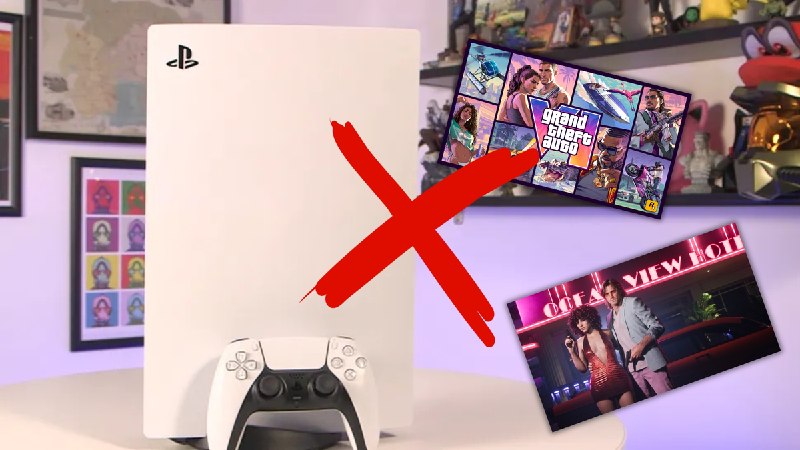
The Evolving Landscape of Gaming Ownership: Sony's New Approach
The gaming industry is experiencing a seismic shift in how players access and engage with games. Traditionally, ownership of a game meant purchasing a physical copy or a digital license, granting players the ability to play indefinitely. However, a new paradigm is emerging, catalyzed by industry giants such as Sony. This article delves into Sony's recent initiatives and what this means for the future of gaming ownership.
A Shift Towards Subscription Models
In recent years, the advent of subscription services has revolutionized the gaming experience. Sony, in particular, has made significant strides with its PlayStation Plus and PlayStation Now offerings, shifting the focus from total ownership to access-driven models. Players are increasingly finding value in paying a fixed monthly fee for a library of games rather than purchasing individual titles outright. This not only lowers the upfront cost for players but also introduces a more flexible approach to gaming.
The Concept of 'Owning Nothing'
With the transition toward subscription models, a pressing concern has emerged: the concept of "owning nothing." Under this new system, players effectively pay for access to a collection of games rather than owning any of the titles permanently. The implications of this shift are significant:
- Access Over Ownership: Players will prioritize the ability to play various games over owning any individual title. The focus shifts from purchasing a game to enjoying a service that provides a wide range of options.
- Potential Loss of Access: If a subscription service ceases or if a particular game is removed from the library, players could lose access to titles they enjoyed previously.
- Economic Models in Flux: Developers and publishers may need to adopt new economic models that align with subscription-based access, potentially leading to changes in pricing strategies and revenue sharing.
The Advantages of Subscription Services
Despite the drawbacks, subscription services offer numerous benefits that are hard to overlook:
- Diversification of Experiences: Gamers can explore a wide array of genres and titles, exposing themselves to games they might not have purchased otherwise.
- Reduced Financial Barrier: With lower entry costs, players can engage with more games, thereby increasing overall engagement and satisfaction within the gaming community.
- Frequent Updates and New Releases: Subscription services often provide access to new releases and regular updates to the library, keeping the gaming experience fresh.
Challenges and Considerations
As with any monumental shift, there are challenges to consider:
- Digital Rights Management (DRM): Players could face restrictions on how and when their games can be accessed, leading to potential frustrations.
- Quality vs. Quantity: Access to numerous games may lead to a situation where quantity trumps quality, with some titles suffering due to a lack of focus and development resources.
- Long-Term Sustainability: As the market adjusts to this new model, long-term sustainability for both publishers and gamers will be tested.
Table: Comparison of Traditional Ownership vs. Subscription Models
| Aspect | Traditional Ownership | Subscription Model |
|---|---|---|
| Cost | Lump-sum payment for each title | Recurring monthly fee for access |
| Ownership | Full ownership of purchased titles | No ownership, access rights only |
| Game Library | Limited to purchased titles | Vast library, varies with subscription |
| Access | Always accessible once purchased | Subject to service continuity and availability |
| Updates/New Releases | Manual updates or purchases | Automatic inclusion of new titles |
The Future is Now
Sony's strategic pivot towards subscription services marks a significant turning point in gaming's future. While players may grapple with the notion of "owning nothing," the new model promises to reshape not only how games are consumed, but also how they are developed and understood in an ever-evolving digital landscape. As the industry continues to adapt, it remains to be seen how players will respond in terms of engagement, loyalty, and satisfaction.
Conclusion
The trend initiated by Sony underscores a broader evolution within the gaming world — one that prioritizes accessibility and variety at the potential expense of personal ownership. As the industry moves forward into uncharted waters, stakeholders from gamers to developers must navigate these changes carefully to ensure that the future of gaming is not only enjoyable but sustainable for all involved.
In the future of gaming, you'll pay lump sums, and 'own nothing' — and that's exactly what Sony has just kickstarted https://www.techradar.com/gaming/playstation/in-the-future-of-gaming-youll-pay-lump-sums-and-own-nothing-and-thats-exactly-what-sony-has-just-kickstarted In the future of gaming, you'll pay lump sums, and 'own nothing' — and that's exactly what Sony has just kickstarted https://www.techradar.com/gaming/playstation/in-the-future-of-gaming-youll-pay-lump-sums-and-own-nothing-and-thats-exactly-what-sony-has-just-kickstarted


