 TechOffice
Huawei's Mate XT 2: The Evolution of Tri-Fold Technology with Promising New Features
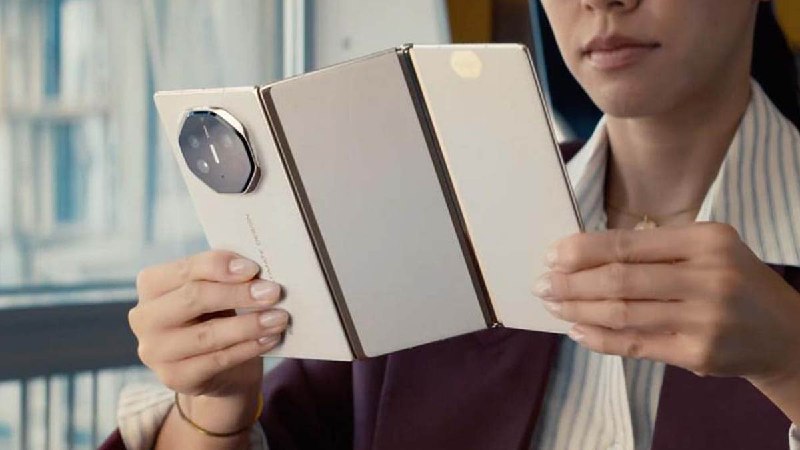
Huawei's Upcoming Mate XT 2: A Revolutionary Leap in Tri-Fold Technology
As the competition in the smartphone market heats up, Huawei is poised to make a significant impact with the introduction of its third tri-fold device, the Mate XT 2. This innovative smartphone is not just another addition to the lineup; it aims to enhance usability and functionality, particularly through a marked improvement in battery technology.
A Pioneering Approach to Battery Enhancement
Recent discussions on the popular social media platform Weibo indicate that Huawei is considering a substantial increase in the silicon content of its Mate XT 2's battery. This move is expected to yield a series of benefits, potentially revolutionizing the way users interact with foldable smartphones.
Silicon, known for its superior electrochemical properties, allows for the storage of more energy in a smaller footprint compared to traditional lithium-ion batteries. By increasing the silicon content, Huawei appears to be addressing one of the fundamental challenges faced by foldable devices: battery life.
Key Features Expected in Mate XT 2
- Tri-Fold Design: The Mate XT 2 will feature a unique tri-fold mechanism, allowing for a compact form factor without compromising screen size.
- Enhanced Battery Technology: With a focus on increasing silicon content, the battery is expected to provide longer usage times while maintaining a sleek design.
- Improved User Interface: Anticipated updates to Huawei’s software will enhance the user experience across the tri-fold display.
Why This Matters
The evolution of the smartphone market has been characterized by advancements in both hardware and software. As foldable devices become more mainstream, the need for robust battery performance is paramount. The dual challenges of managing space and providing sufficient power are at the forefront of device design, and Huawei appears set to tackle these head-on.
Comparative Analysis of Battery Technologies
| Battery Type | Energy Density (Wh/kg) | Typical Applications |
|---|---|---|
| Lithium-ion | 150-250 | Smartphones, Laptops |
| Silicon-enhanced Lithium-ion | 300-400 (projected) | Next-gen Smartphones, EVs |
The shift toward silicon-enhanced batteries illustrates a growing trend in technology aimed at achieving greater efficiency and performance. As the Mate XT 2 gears up for its launch, it is expected to set a new standard for mobile devices, emphasizing Huawei's commitment to innovation within the foldable smartphone segment.
Conclusion
In summary, the Huawei Mate XT 2 is shaping up to be a landmark device that could redefine the expectations for tri-fold smartphones. With a focus on expanding battery capacity through silicon enhancements, it stands to not only deliver cutting-edge technology but also a superior user experience. As we approach its official unveiling, industry watchers will be keen to assess how well this device meets the ever-growing demands of modern smartphone users.
Mate XT 2 will be the third Huawei tri-fold and to make it more meaningful, the company is planning a significant battery boost. A new Weibo post hints that the tech giant is considering increasing silicon content for its next triple-foldable's battery. https://www.huaweicentral.com/huawei-mate-xt-2-tri-fold-to-introduce-meaningful-battery-boost/ Mate XT 2 will be the third Huawei tri-fold and to make it more meaningful, the company is planning a significant battery boost. A new Weibo post hints that the tech giant is considering increasing silicon content for its next triple-foldable's battery. https://www.huaweicentral.com/huawei-mate-xt-2-tri-fold-to-introduce-meaningful-battery-boost/


