 TechOffice
Apple Faces New Privacy Scrutiny Over Personalized App Store Recommendations
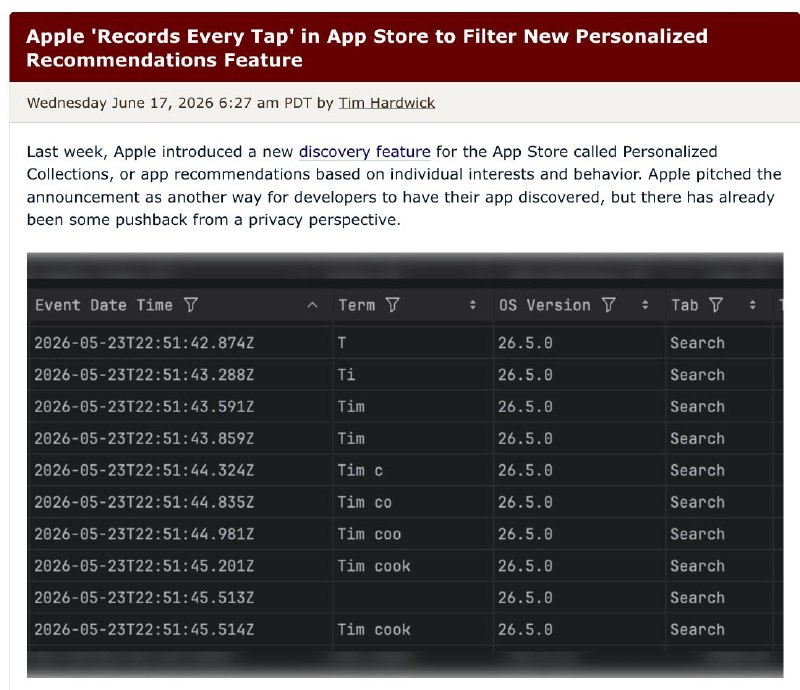
Apple Faces Criticism for App Store Data Collection Practices
Apple Inc., a technology giant renowned for its robust stance on user privacy, is embroiled in a fresh wave of criticism regarding its new personalized App Store recommendations feature. This latest functionality, designed to suggest applications based on individual user behavior, has raised significant concerns regarding its data collection practices, prompting questions about transparency and user consent.
The Mechanism Behind App Store Recommendations
The personalized App Store recommendations leverage intricate data analytics to cater to users’ preferences. Reports indicate that Apple collects extensive interaction data from users as they navigate the App Store. This includes:
- Every screen tap during the browsing experience
- The speed at which users type when searching for apps
- User navigation patterns and purchase behaviors
These measures are designed to enhance user experience by delivering highly tailored content. However, the implication of such extensive data collection is a double-edged sword that has led to significant outcry among privacy advocates.
Concerns Regarding Data Collection
The information suggesting that Apple collects this sensitive data surfaced when users accessed details through Apple’s privacy portal. Researchers highlighted that:
- This data collection mechanism is enabled by default for all users.
- There are no explicit options available for users to disable this feature.
Such practices have prompted widespread concerns about user consent and the extent to which users are informed about the data being collected—especially given Apple’s strong marketing narrative centered on protecting user privacy.
| Criticism | Implication |
|---|---|
| Default data collection | Users are automatically enrolled without explicit consent. |
| Lack of opt-out options | Users cannot easily decline data collection practices. |
| Contradiction to privacy branding | Challenges Apple’s image as a defender of user privacy. |
The Public Reaction
This revelation has sparked criticism not just from users, but also from industry experts and privacy advocates. Questions are emerging about the ethical implications of such expansive data collection practices, especially when juxtaposed against Apple’s longstanding narratives about safeguarding user information.
App Store users are expressing disappointment, feeling that their trust in Apple’s commitment to privacy is being compromised. The atmosphere is increasingly charged, as consumers now find themselves navigating a landscape where their behavioral data is being utilized to enhance service offerings—without their explicit knowledge or approval.
The Way Forward
In response to these developments, Apple may need to reassess its approach to user data collection and privacy. Potential steps could include:
- Implementing clearer methods for users to opt in or out of data collection features.
- Enhancing transparency around the data being collected and its intended use.
- Strengthening its communications to clarify the balance between personalization and privacy.
The company’s next moves will be critical in maintaining user trust while continuing to innovate within its App Store ecosystem. As regulatory bodies continue to scrutinize tech giants over privacy issues, Apple must navigate these challenges carefully to uphold its reputation as a leader in user privacy.
Conclusion
As this situation unfolds, Apple has an opportunity to reaffirm its commitment to privacy by making significant changes that prioritize user consent and transparency. Users demand not only impeccable products but also respect for their privacy—an expectation that Apple will need to address to maintain its competitive edge in the technology market.
🅰️ Apple is facing fresh privacy criticism over its new personalized App Store recommendations 🤔 The feature suggests apps based on user behavior, but reports reveal that Apple collects detailed App Store interaction data to power these recommendations — including every screen tap and even typing speed. The findings come from data users can request through Apple's privacy portal. 📰 According to researchers, this data collection is enabled by default and cannot be turned off, raising concerns about transparency and user consent. 🤨 The biggest criticism? Apple has built its brand around protecting user privacy, yet users aren't explicitly asked to opt in before this level of behavioral data is collected. @DailyApple 🅰️ Apple is facing fresh privacy criticism over its new personalized App Store recommendations 🤔 The feature suggests apps based on user behavior, but reports reveal that Apple collects detailed App Store interaction data to power these recommendations — including every screen tap and even typing speed. The findings come from data users can request through Apple's privacy portal. 📰 According to researchers, this data collection is enabled by default and cannot be turned off, raising concerns about transparency and user consent. 🤨 The biggest criticism? Apple has built its brand around protecting user privacy, yet users aren't explicitly asked to opt in before this level of behavioral data is collected. @DailyApple


