 TechOffice
Understanding the Decline of Netflix Viewership Post-Season One In recent times, a concerning trend has emerged among Netflix's vast audience: millions of viewers are abandoning shows after just their first season. This phenomenon has raised questions about the platform's content strategy, viewer engagement, and the evolving landscape of television viewing preferences. Upon examination, several factors contribute to this alarming trend. Content Saturation and Viewer Burnout The sheer volume of content available on Netflix, exceeding thousands of titles across various genres, creates a paradox for viewers. While having access to numerous options seems advantageous, it often leads to content saturation. This overwhelming selection can result in: Choice Overload: Viewers face difficulty in deciding what to watch next, resulting in frustration. Viewer Burnout: Continuous engagement with new series can lead to fatigue, diminishing the excitement for upcoming seasons. Quality Over Quantity in Storytelling In an age where consumers are constantly seeking high-quality narratives, it becomes vital for shows to deliver compelling storytelling and character development. However, many Netflix originals have been criticized for: Pacing Issues: Some series struggle with pacing, leading to episodes that feel drawn out or lack engaging content. Unsatisfactory Resolutions: Frequent narrative cliffhangers or unsatisfactory endings can deter viewers, leaving them uninterested in future seasons. Shifts in Viewer Preferences The demands and preferences of modern audiences have also shifted dramatically in recent years. Factors contributing to this shift include: Character Relatability: Audiences increasingly seek characters that resonate with their own experiences and emotions. Substantive Themes: Viewers now prioritize television that reflects real-world issues or presents relatable scenarios over purely fantastical content. Financial Constraints and Subscription Fatigue As streaming services proliferate, financial constraints have become a significant consideration. Many viewers are now realizing the need to prioritize subscriptions, leading to a selective viewing culture. This shift results in: Subscription Choices: Viewers may cancel Netflix if they find that their interest wanes after the first season of a show, especially when competing services offer equally engaging content. Focus on Proven Hits: Audiences are more likely to invest their time in shows that come highly recommended or have established success. Comparative Analysis of Viewer Engagement Factor Description Impact on Viewing Habits Content Saturation Overabundance of titles leading to decision fatigue Decreased viewer satisfaction and increased abandonment rates Quality of Storytelling Struggles with pacing and narrative resolution Lower retention rates for upcoming seasons Shifts in Preference Desire for relatable characters and themes Greater selective engagement based on quality Financial Considerations Priority on subscription costs as more platforms emerge Cancellation after disappointing first seasons Conclusion: The Future of Netflix Content Strategy As millions of viewers turn their backs on first-season shows, it is crucial for Netflix to acknowledge and adapt to these changing dynamics. Strategies focusing on improving the quality of narratives, delivering character-driven content, and understanding viewer preferences will be essential for maintaining audience engagement. Failure to address these issues may not only lead to increased cancellations but also threaten the platform's dominance in the competitive streaming landscape.

The 2026 iPhone Photography Awards: Celebrating the Artistry in Everyday Moments The iPhone Photography Awards (IPPA) have been a prominent platform celebrating the creativity and ingenuity of mobile photography for nearly two decades. This year’s award ceremony has continued to showcase how innovative use of a simple device, such as the iPhone, can yield stunning visual storytelling that resonates universally. Across 140+ countries, thousands of entries were submitted, demonstrating that the ability to capture unique moments is not restricted to those with professional-grade equipment. Highlights of the 2026 Winners This year’s winners have presented photographs that encapsulate the essence of human experiences and the beauty of nature, reminding us that sometimes, the most breathtaking shots come from observing the ordinary. Below is a list of the prestigious awardees: Category Winner Country Title/Subject Grand Prix Robyn Jensen Cayman Islands Nature Shot Gold Gellert Gombai Hungary Sleeping Kids Silver Arnold Plotnick North Holland Black Cat Bronze Catherine Wang USA, Virginia Watermelons Understanding the Impact of Mobile Photography The appeal of the iPhone Photography Awards lies not just in the recognition these talented photographers receive, but also in the way it inspires others to explore their own creativity. The competition encourages participants to engage with their surroundings, often leading to profound discoveries in everyday contexts. The winning photographs exemplify a diverse range of subjects, from the serene beauty of nature to the candid moments of childhood—a testament to the multifaceted experiences captured through the lens of an iPhone. It is a powerful reminder that artistry often lies in the ability to perceive the extraordinary in the mundane. Reflections and Future Aspirations As the awards continue to thrive, they foster a community of mobile photographers who appreciate the art form's accessibility. The IPPA serves as a platform not only for showcasing results but also for inspiring budding photographers to share their unique perspectives. In this year’s ceremony, the emphasis remained on the creativity born from simple tools, challenging the notion that high-end equipment is a prerequisite for breathtaking art. As mobile technology continues to advance, it will be exciting to see how future contests will evolve and inspire even greater artistry in photography. Conclusion The 2026 iPhone Photography Awards have once again proven that beauty can be found in the simplest of things, captured through the lens of an everyday device. As we celebrate this year's winners, we look forward to witnessing the ongoing journey of mobile photography that continues to inspire, create, and connect people across the globe.

Quordle Hints and Answers for Saturday, July 18 (Game #1636) Quordle, the popular word puzzle game that challenges players to solve four words simultaneously, continues to captivate word game enthusiasts. On July 18, 2026, participants faced Game #1636, offering a new set of challenges and opportunities to showcase their vocabulary skills. This article provides comprehensive hints and the solutions needed to navigate this specific game effectively. Understanding Quordle Quordle combines elements of classic word games like Wordle and Scrabble, requiring players to guess four different five-letter words within a limited number of attempts. Each guess is reflected in a color-coded format that helps players adjust their strategy for subsequent tries. Game #1636 Overview For those who played or plan to engage with this particular game, we’ve compiled a helpful set of hints. Below, you will find relevant clues about the words that can guide players in arriving at the correct answers. Hints for Game #1636 Word 1: This word is often associated with a place where you can view stars. Word 2: A term often used in sports to define a crucial point. Word 3: Refers to a state of relaxation or calmness. Word 4: A term that describes a culinary term, often related to frying. Answers for Game #1636 For players seeking closure or those who may wish to confirm their guesses, here are the definitive answers for Quordle Game #1636: Word Number Word 1 Astral 2 Match 3 Serene 4 Sear Conclusion Quordle remains an engaging and stimulating way to exercise your brain and expand your vocabulary. Game #1636, with its unique set of words, posed a delightful challenge to players on July 18, 2026. Whether players used the hints provided or tackled the game with their skills, the satisfaction from solving these puzzles continues to make Quordle a favored pastime. With each new game, players can anticipate fresh challenges and further opportunities to hone their linguistic proficiency.

Exclusive Access: $100,000 Monthly Fee for President's Truth Social Feed Raises Questions About API Monetization In an unprecedented move in the social media landscape, a family-owned technology company has reportedly quoted a staggering $100,000 monthly fee for high-speed access to the U.S. president's posts on Truth Social. This premium offering has ignited discussions about the value of political content in the digital age and the evolving economics of social media data access. The Truth Social Platform and Its Significance Truth Social, launched in 2021 by former U.S. President Donald Trump's company Trump Media & Technology Group, emerged as a response to his suspension from mainstream social media platforms following the January 6th Capitol riot. The platform has positioned itself as a bastion of "free speech" and has attracted millions of users, particularly among conservative-leaning demographics. As the official communication channel for a former president and potential future candidate, Truth Social has gained significant political importance. The platform's content, particularly from its most high-profile user, has become a valuable commodity for media organizations, political analysts, and financial markets. Understanding "Fast Feed" Access The "$100,000 monthly fee for fast feed" refers to premium API (Application Programming Interface) access that allows organizations to receive near real-time updates of the president's posts. This differs significantly from standard API access which often includes delays, rate limits, or may not include all content types. Fast feed access typically provides: Real-time or near real-time delivery of new posts Higher rate limits for API calls Access to historical data with full fidelity Priority support and infrastructure Potential access to additional metadata or engagement metrics The Company Behind the Premium Offering While the specific family company has not been named in initial reports, the nature of this offering suggests a specialized data brokerage firm with established relationships with social media platforms. Family-owned businesses in the tech data sector often emphasize personalized service and long-term client relationships, which can be particularly valuable in high-stakes political data markets. Market Positioning and Value Proposition The six-figure monthly fee positions this offering at the premium end of social media data access. To contextualize this pricing, consider the following comparison of API access costs across major platforms: Platform Standard API Access Premium/Enterprise Access Truth Social Presidential Fast Feed Twitter/X Free (with limitations) $42,000-$210,000/month N/A Facebook Free (with limitations) Custom pricing N/A Truth Social Unknown (likely paid) Unknown $100,000/month LinkedIn Free (with limitations) $500-$5,000+/month N/A This pricing strategy reflects several factors: Exclusivity of the content source Political significance of the data Technical infrastructure required for reliable delivery Market demand from well-funded organizations Industry Context: Social Media API Monetization The monetization of social media data has evolved significantly over the past decade. Early platforms like Twitter initially offered free API access, but as data became more valuable, platforms implemented tiered access models with varying price points and limitations. Technical Requirements for Premium Access Providing a "fast feed" of high-profile content requires substantial technical infrastructure: Technical Component Standard Implementation Premium Implementation Server Infrastructure Shared resources Dedicated, geographically distributed servers Data Processing Batch processing Real-time stream processing Rate Limiting Strict limits (e.g., 500 requests/hour) Minimal or no limits Redundancy Basic failover Multiple redundant systems with auto-failover Security Standard encryption Military-grade encryption with additional protections Legal and Ethical Considerations The monetization of a former president's social media posts raises several legal and ethical questions: Terms of service compliance regarding data redistribution Privacy considerations for public figures Potential market manipulation through privileged information access Equity of access in democratic discourse Implications for Media and Political Landscape Who Would Pay Premium for This Access? Several types of organizations might find value in this premium offering: Major news organizations seeking competitive advantage in reporting Political campaign teams monitoring opponent communications Financial markets firms analyzing political signals for trading decisions Academic researchers studying political communication Government agencies monitoring public statements Market Response and Controversy The revelation of this pricing structure has sparked debate within the tech and media communities. Critics argue that such high pricing creates an uneven playing field where only well-resourced organizations can access real-time political information. Proponents counter that the market should determine the value of such data and that premium infrastructure deserves premium compensation. "This represents a new frontier in political data monetization," commented Dr. Sarah Jenkins, a media technology analyst at Georgetown University. "We're seeing the intersection of politics, technology, and capitalism in unprecedented ways. The question becomes whether this serves the public interest or creates information asymmetry." Future of Premium Social Media Data Access Regulatory Considerations As social media platforms continue to gain influence in public discourse, regulators may take increased interest in how they monetize access to political content. Potential regulatory responses could include: Mandating certain levels of free access for public interest purposes Implementing transparency requirements for API pricing structures Establishing guidelines for political data redistribution Evolving Monetization Models The Truth Social premium access offering may signal a broader trend toward specialized, high-value data products. Other platforms could follow suit with tiered access models that differentiate between standard users, researchers, and commercial entities based on their specific needs and willingness to pay. "We're likely to see more granular monetization of social media data as platforms recognize the varied value propositions of different types of content and users," noted Michael Torres, a digital media strategist. "Political content, particularly from influential figures, represents a unique category with significant market value." Conclusion: High-Price Points in the Data Economy The $100,000 monthly fee for fast access to a former president's Truth Social posts reflects the growing intersection of politics, technology, and data economics. As social media continues to shape public discourse and market movements, the commodification of political content raises important questions about access, equity, and the future of information in democratic societies. Whether this pricing model represents a sustainable business strategy or an outlier in the evolving social media landscape remains to be seen. However, it undoubtedly marks a significant moment in the monetization of digital political communication and sets a precedent for how high-value social media data might be priced and distributed in an increasingly fragmented media ecosystem.

Apple Adjusts Pricing for Apple Music and Apple One Subscriptions In a significant move that is sure to stir conversations among its user base, Apple has announced an increase in subscription prices for its popular music streaming service, Apple Music, as well as its bundled service, Apple One. This adjustment affects customers in the United States and several other regions, marking a notable change in the company’s pricing strategy. Details of the Price Increase As of the latest update, the subscription prices for Apple Music have been modified as follows: Plan Type Previous Price New Price Individual Plan $10.99/month $11.99/month Family Plan $16.99/month $17.99/month For the individual subscription, the price has seen an increase of one dollar, moving from $10.99 to $11.99 per month. Meanwhile, the family plan, which allows multiple users to share a subscription, has risen from $16.99 to $17.99 monthly. Impact on Apple One Subscription In addition to adjustments in Apple Music pricing, the Apple One subscription bundle—which combines Apple Music with other services such as Apple TV+, Apple Arcade, and iCloud storage—is also affected. The new pricing is as follows: Apple One Plan Previous Price New Price Individual $14.95/month $16.95/month Family $19.95/month $22.95/month The individual Apple One plan increased from $14.95 to $16.95 per month, while the family bundle saw a jump from $19.95 to $22.95 per month. Reactions from Users and Analysts The implications of these price hikes have elicited varied reactions from users and industry analysts alike. Many customers express concern over the rising costs, particularly in an environment where subscription fatigue is becoming increasingly common. Analysts, on the other hand, suggest that Apple may be looking to bolster its revenue streams in light of service growth targets. Historically, Apple has positioned itself as a premium service provider. Thus, these price adjustments indicate its confidence in offering enhanced features and content to justify the increased fees. Conclusion As Apple navigates the competitive landscape of streaming services, the reputation of its offerings and the continued loyalty of its subscriber base will remain crucial. The recent price increases for Apple Music and Apple One subscriptions not only reflect market trends but also Apple’s strategy to potentially invest in new features and services that could enhance user experience in the future. Subscribers will need to evaluate these changes closely, weighing the value of access to Apple’s diverse media ecosystem against the updated pricing structure. As the subscription model evolves, it will be interesting to observe the long-term impact on customer retention and market share.
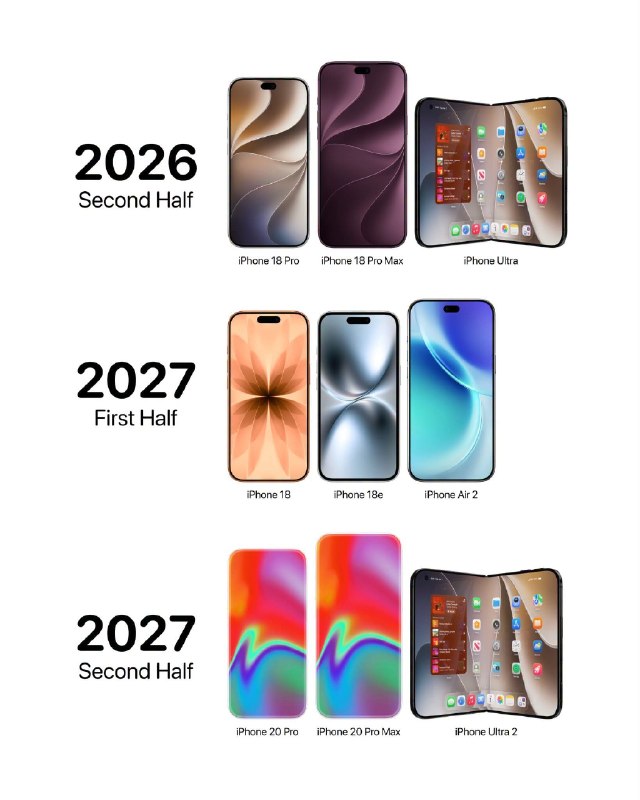
Exciting New Updates Loom for iPhone Users The iPhone, a flagship device from Apple, has long been at the forefront of technological innovation, constantly evolving to meet user needs and preferences. Recent reports suggest that substantial updates are on the horizon, encompassing new feature enhancements, refinements to existing functionality, and potentially more integrations with emerging technologies. In this article, we'll delve into the anticipated changes and what they could mean for iPhone users. Software Updates: iOS 17 and Beyond One of the most significant upcoming changes for the iPhone is the anticipated update to the iOS platform. iOS 17 promises a plethora of new features that focus on personalization and user experience. Customization Options: iOS 17 is expected to introduce more customizable home screen widgets and options to personalize app layouts. Enhanced Focus Modes: Users can expect improved focus modes that better filter notifications and app alerts based on context. Improved Messages App: New features for the Messages app include the ability to edit messages after sending, enhancing real-time communication. Live Voicemail Transcription: An exciting feature will allow users to see live transcription of voicemail messages as they are being recorded. Hardware Enhancements In addition to software updates, there are also expectations surrounding hardware improvements in upcoming iPhone models. While details remain sparse, some rumored enhancements include: Camera Upgrades: Significantly improved camera capabilities are anticipated, including enhanced low-light performance and better zoom functionality. Battery Life: Optimizations in battery technology promise longer usage periods and faster charging times with newer devices. Processor Chips: The iPhone models are expected to leverage the next generation of Apple's A-series chips, providing better performance and efficiency. Integration with Emerging Technologies As technology continues to evolve, Apple remains committed to integrating advanced features that work with cutting-edge technologies: Augmented Reality (AR): Reports indicate that Apple is heavily investing in AR capabilities, aiming to make it a staple feature in their devices, thus enhancing user interaction. Health Monitoring: Future iPhone models could expand health-monitoring features, potentially integrating more data-collection sensors for fitness and wellness analytics. Table: Comparison of iPhone Features Feature Current Version Expected Update Customization Options Limited widget customization Expanded options for home screen layouts Camera Technology Standard lens improvements Advanced low-light and zoom features Battery Life Average life with standard charging Extended battery efficiency and faster charging Health Monitoring Basic health tracking Enhanced features with new sensors Conclusion As Apple continues to push the boundaries of technology with its iPhone line, users can look forward to these significant updates that promise to enhance the overall experience. With a strong focus on software enhancements, hardware upgrades, and integrations with next-gen technologies, the upcoming iterations of the iPhone will likely further solidify its status as a market leader in mobile devices. Enthusiasts and everyday users alike are set for an exciting journey as these changes roll out, reshaping how they interact with their devices.
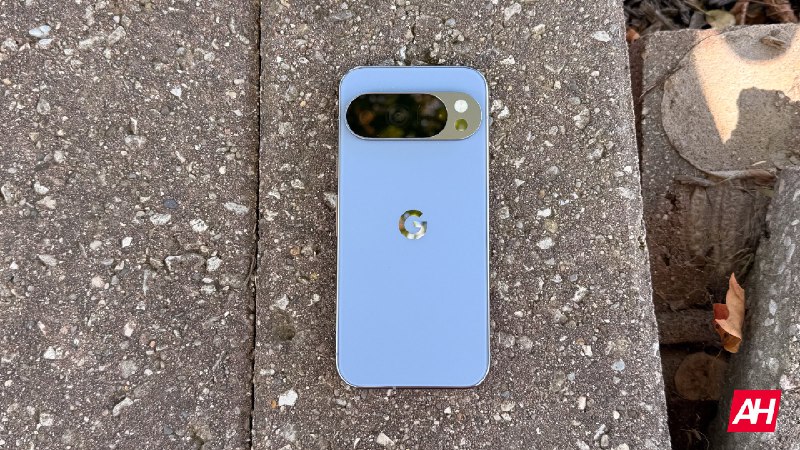
Google Pixel Surges: Outpacing Top Smartphone Brands in Market Growth In a surprising turn of events in the competitive smartphone market, Google's Pixel series has emerged as the fastest-growing smartphone brand, surpassing growth rates of all top five manufacturers. This remarkable achievement positions Google as a significant disruptor in an industry traditionally dominated by established players. Market Context: A Period of Transformation The global smartphone market has experienced significant fluctuations in recent years, with post-pandemic recovery, supply chain challenges, and evolving consumer preferences creating both challenges and opportunities. Against this backdrop, Google's Pixel devices have demonstrated exceptional growth momentum, defying expectations in a market where many brands are struggling to maintain positive trajectories. According to recent market analysis data, while the overall smartphone market grew by approximately 3.2% year-over-year in the most recent quarter, Google Pixel's sales increased by an impressive 42%, significantly outperforming all major competitors. Google Pixel's Growth Trajectory The Pixel brand's growth represents a remarkable turnaround from its earlier market position. Since the introduction of the Pixel line in 2016, Google has steadily invested in improving its hardware capabilities, software integration, and marketing strategies. The recent acceleration in growth can be attributed to several key factors: Enhanced camera technology that consistently ranks among the best in smartphone photography Deeper integration with Google's AI and machine learning capabilities Competitive pricing strategies that offer premium features at more accessible price points Strengthened retail partnerships and expanded distribution channels Successful marketing campaigns highlighting unique Pixel advantages Comparative Growth Performance The following table illustrates the year-over-year growth performance of the top smartphone brands compared to Google Pixel: Brand Market Share (Q3 2023) YoY Growth Rate Key Growth Drivers Google Pixel 3.8% 42% Camera innovation, AI integration, competitive pricing Samsung 22.3% 7% Brand loyalty, diverse portfolio, foldable innovation Apple 16.2% 2% Ecosystem lock-in, brand premium, iPhone 15 launch Xiaomi 13.4% 11% Value proposition, expanding international presence Oppo 10.2% 5% Mid-range market strength, camera technology Vivo 8.9% 3% Regional market focus, selfie camera innovation Strategic Advantages Driving Pixel's Success Software and AI Leadership Google's core strength lies in its software capabilities, which the Pixel line leverages more effectively than any other Android manufacturer. The seamless integration of Google's AI technologies—including Google Assistant, computational photography, and machine learning features—provides a user experience that differentiates Pixel from competitors. Recent advancements in AI, particularly with the development of more sophisticated on-device processing capabilities, have allowed Google to showcase features that were previously only available through cloud processing. This combination of hardware and software innovation has created a compelling value proposition for consumers. Camera Technology as a Differentiator The Pixel's camera system has consistently been rated among the best in the industry, often outperforming phones with higher megapixel counts and more complex lens arrays. Google's approach to computational photography—using software to enhance image quality—has become a key selling point that resonates with photography enthusiasts and casual users alike. Recent Pixel models have introduced groundbreaking features such as Magic Eraser (for removing unwanted objects from photos), Real Tone (for more accurate representation of diverse skin tones), and Night Sight (for exceptional low-light photography). These features, combined with hardware improvements, have established the Pixel as a preferred choice for mobile photography. Pricing Strategy and Market Positioning Google has adopted a strategic pricing approach that positions Pixel devices as premium offerings without the premium price tags of some competitors. This value proposition has been particularly effective in markets where consumers seek high-quality smartphones at more accessible price points. The company has also expanded its Pixel lineup to include more affordable options (such as the Pixel a-series) while maintaining its flagship models, allowing it to capture a broader segment of the market. This tiered approach has been instrumental in driving growth across different price points. Comparison with Top Smartphone Brands Samsung: The Market Leader Facing New Challenges Despite maintaining its position as the world's largest smartphone manufacturer, Samsung has experienced relatively modest growth compared to Google Pixel. While Samsung benefits from brand recognition, diverse product portfolio, and strong R&D investments, it faces challenges from both premium and budget segments. The Korean tech giant has responded with innovations in foldable displays and enhanced camera systems, but Google's focused approach to software integration and AI capabilities has resonated strongly with consumers seeking a more streamlined and intelligent smartphone experience. Apple: Maintaining Premium Position with Slower Growth Apple continues to dominate the premium smartphone segment with its strong ecosystem lock-in and brand loyalty. However, its growth rate remains significantly lower than Google Pixel's expansion. The iPhone maker's premium pricing strategy limits its addressable market, while Google's more accessible pricing has allowed it to capture market share more rapidly. Additionally, Google's deeper integration with Android's open ecosystem and cloud services provides a compelling alternative for users who prioritize Google services and AI capabilities over Apple's closed ecosystem. Chinese Manufacturers: Value-Oriented Competition Chinese brands like Xiaomi, Oppo, and Vivo have traditionally competed on value and specifications, offering feature-rich devices at competitive prices. While these brands continue to grow, their expansion has been outpaced by Google Pixel's more rapid ascent. The Chinese manufacturers' strength lies in their aggressive pricing and rapid innovation cycles, but they have struggled to match Google's software integration and AI capabilities. As global consumers increasingly prioritize intelligent features and seamless software experiences, Google's focused approach has gained significant traction. Future Outlook and Challenges Looking ahead, Google's Pixel brand faces several challenges that could impact its continued growth trajectory: Supply chain constraints that could limit production capacity Increased competition from established players responding to Pixel's success The need to maintain innovation pace in both hardware and software Expansion into new markets and distribution channels Managing perceptions of Google's data privacy practices However, several factors suggest that Google's growth momentum could continue: Increasing integration with Google's AI services, particularly as AI capabilities become more central to smartphone functionality Potential expansion into new product categories, such as smartwatches and earbuds, that complement the Pixel ecosystem Continued investment in camera and imaging technology Development of unique features that leverage Google's extensive software portfolio Strengthening retail presence and carrier partnerships Industry Implications Google Pixel's rapid growth has significant implications for the smartphone industry as a whole: Shift in Competitive Dynamics: The success of Pixel challenges the established hierarchy in the smartphone market, forcing traditional leaders to reevaluate their strategies. Increased Focus on Software and AI: Pixel's success highlights the growing importance of software differentiation and AI capabilities in smartphone competition. Value Proposition Evolution: The market is shifting from pure specification-based comparisons to holistic user experience assessments, where software integration plays an increasingly important role. Google's Broader Ecosystem Strategy: Pixel's growth supports Google's broader strategy of strengthening its hardware presence to complement its dominant software and services offerings. Conclusion Google Pixel's emergence as the fastest-growing smartphone brand represents a significant development in the mobile technology landscape. By leveraging its core strengths in software, AI, and camera technology, while adopting a strategic pricing approach, Google has successfully positioned Pixel as a compelling alternative to established smartphone manufacturers. The brand's growth trajectory suggests that consumers are increasingly valuing intelligent software experiences and seamless integration with Google's ecosystem over traditional hardware specifications or brand loyalty. As Google continues to invest in Pixel's development and expand its market presence, the smartphone industry may witness further disruption and realignment of competitive positions. For industry observers and market analysts, Google Pixel's success story offers valuable insights into evolving consumer preferences and the changing dynamics of technology competition in the smartphone market. The question is no longer whether Google can compete in the hardware space, but how far its Pixel brand can climb in an increasingly competitive market.

Xiaomi Releases HyperOS 3.1 Update Exclusively for Mix Flip Foldable Smartphone Beijing, China – Xiaomi has officially rolled out the latest version of its custom operating system, HyperOS 3.1, with the update being specifically designed for the company's Mix Flip foldable smartphone. The company has emphasized that this update is exclusively compatible with the Mix Flip model and should not be installed on other Xiaomi devices. Understanding HyperOS HyperOS represents Xiaomi's ambitious venture into creating a unified operating system that can seamlessly span across the company's diverse ecosystem of devices. Unlike traditional Android-based systems, HyperOS has been developed from the ground up to provide a more integrated experience across smartphones, tablets, smart home devices, and even vehicles. The operating system features an enhanced architecture designed to optimize performance, improve security, and facilitate better connectivity between different devices. With each iteration, Xiaomi aims to refine the user experience while maintaining a consistent interface and functionality across all compatible devices. The Mix Flip: Xiaomi's Foldable Innovation The Xiaomi Mix Flip is the company's entry into the competitive foldable smartphone market. This device features a flexible display that allows users to switch between a traditional smartphone form factor and a more compact, portable configuration. The Mix Flip incorporates premium specifications, including high-resolution displays, advanced camera systems, and powerful processors, all while running on HyperOS. Xiaomi Mix Flip Key Specifications Display Flexible AMOLED panels with high refresh rates Processor Latest Snapdragon series chipset Camera System Multi-lens setup with computational photography Operating System HyperOS with foldable-specific optimizations HyperOS 3.1: What's New While the official announcement doesn't provide detailed information about the specific features included in HyperOS 3.1, typical updates to Xiaomi's operating system often include: Performance optimizations to improve speed and efficiency Enhanced security features and patches Camera improvements, particularly relevant for the Mix Flip's unique form factor UI refinements and new customization options Bug fixes and stability improvements Compatibility enhancements for Xiaomi's ecosystem of smart devices Device Compatibility: A Critical Warning Xiaomi has issued a strong warning regarding the installation of HyperOS 3.1, emphasizing that the update is exclusively designed for the Mix Flip model. Installing this update on incompatible devices could result in: Bricking of the device (rendering it unusable) Loss of functionality Voiding of the device warranty Potential security vulnerabilities This strict compatibility requirement highlights the sophisticated nature of modern operating systems, which are increasingly optimized for specific hardware configurations. The unique architecture of foldable devices like the Mix Flip necessitates specialized software that can properly manage the flexible display, hinge mechanisms, and user interface transitions between form factors. The Xiaomi Community Connection The announcement invites users to join the Xiaomi community through the @Techoffice_officiall platform. This community serves as a hub for: Sharing user experiences with HyperOS Discussing tips and tricks for the Mix Flip Providing feedback to Xiaomi developers Staying informed about future updates and features Community engagement has become an increasingly important aspect of smartphone development, with manufacturers like Xiaomi actively seeking user input to guide future product improvements. The Future of HyperOS With each iteration, HyperOS continues to evolve as Xiaomi's vision for a connected ecosystem. Future updates are expected to further integrate artificial intelligence capabilities, enhance cross-device functionality, and expand compatibility with an increasing range of smart home and wearable devices. The Mix Flip, as a flagship device running the latest version of HyperOS, serves as a showcase for Xiaomi's technological capabilities and software innovation. As the foldable smartphone market continues to grow, devices like the Mix Flip and operating systems like HyperOS will play crucial roles in shaping the future of mobile computing. Conclusion The release of HyperOS 3.1 for the Xiaomi Mix Flip represents another step forward in the company's software development journey. While the specific features of this update remain somewhat mysterious, the emphasis on device compatibility underscores the technical sophistication required to develop modern smartphone operating systems. As Xiaomi continues to expand its ecosystem and refine its software offerings, users can expect increasingly seamless experiences across their devices. The Mix Flip, with its cutting-edge hardware and specialized software, exemplifies the direction in which smartphone technology is heading – toward more flexible, integrated, and intelligent digital experiences.
HyperOS 3.1 Update: Enhanced Security with Shutdown Confirmation Feature HyperOS 3.1: A Critical Security Update Reinforcing User Control In the rapidly evolving landscape of operating systems, HyperOS has emerged as a significant player, and its latest version 3.1 update marks an important milestone in enhancing user security and system stability. The update introduces a seemingly simple yet profoundly important feature: a shutdown confirmation mechanism that prevents accidental system terminations. Understanding HyperOS: An Overview HyperOS represents a modern approach to operating system design, focusing on performance, security, and user experience. Developed with cutting-edge technologies, it has gained recognition for its efficient resource management and robust security framework. The platform serves diverse user segments, from casual consumers to enterprise environments, with a commitment to continuous improvement and innovation. The Evolution of HyperOS Since its initial release, HyperOS has undergone significant transformations, each iteration addressing specific user needs and technological advancements. Version 3.1 continues this tradition of refinement, building upon the solid foundation established by previous releases while introducing targeted improvements that enhance both security and usability. HyperOS 3.1: Key Features and Improvements The 3.1 update introduces several enhancements that contribute to a more secure and reliable user experience. While the shutdown confirmation feature has been highlighted as a primary addition, the update encompasses a broader range of improvements designed to optimize system performance and user interaction. Shutdown Confirmation: A Simple Yet Critical Security Measure The standout feature of HyperOS 3.1 is the introduction of a shutdown confirmation dialog. This seemingly minor addition addresses a common yet potentially problematic issue in operating systems: accidental shutdowns. By requiring explicit user confirmation before powering down the system, HyperOS 3.1 prevents unintended terminations that could lead to: Data loss in unsaved work System corruption during critical operations Disruption of ongoing processes Security vulnerabilities from improper shutdown sequences This feature is particularly valuable in professional environments where system stability is paramount, and in scenarios where multiple users might have access to the same device. Additional Security Enhancements Beyond the shutdown confirmation, HyperOS 3.1 incorporates several security improvements that collectively strengthen the operating system's defense against emerging threats: Enhanced kernel protection mechanisms Improved vulnerability detection and patch management Strengthened authentication protocols Advanced encryption standards for sensitive data Performance Optimizations The update also delivers performance improvements across various system components: System Component Improvement Impact Memory Management Enhanced allocation algorithms Reduced memory footprint, improved multitasking File System Optimized read/write operations Faster data access and system responsiveness Power Management Refined energy consumption patterns Extended battery life on portable devices User Experience Enhancements HyperOS 3.1 introduces several improvements aimed at enhancing the overall user experience: Streamlined interface with improved navigation Enhanced accessibility options Customizable notification settings Improved compatibility with third-party applications The Importance of User Control in System Operations The shutdown confirmation feature exemplifies HyperOS's commitment to user control and system integrity. In an era where digital security is paramount, giving users explicit control over critical system operations is not just a convenience—it's a necessity. This feature aligns with broader industry trends toward more transparent and user-empowering system designs. Enterprise Considerations For enterprise environments, HyperOS 3.1 offers several advantages that address organizational needs: Enhanced security protocols that comply with industry standards Improved system stability reduces downtime and maintenance costs Centralized management capabilities for IT departments Better support for virtualization and container technologies Future Outlook for HyperOS With the release of version 3.1, HyperOS demonstrates its commitment to continuous improvement. Future updates are expected to focus on: Artificial intelligence integration for predictive system maintenance Enhanced cross-platform compatibility Further security innovations addressing emerging threats Expanded developer tools and APIs Conclusion HyperOS 3.1 represents a significant step forward in operating system design, with the shutdown confirmation feature serving as a prime example of thoughtful security enhancements. By addressing common user pain points while strengthening the system's security framework, this update demonstrates HyperOS's commitment to delivering reliable, secure, and user-friendly computing experiences. As digital threats continue to evolve and user expectations grow, features like the shutdown confirmation mechanism will become increasingly important in maintaining system integrity and user confidence. HyperOS 3.1 positions itself as a forward-thinking platform prepared to meet these challenges head-on. Join the HyperOS Community For users interested in staying updated on HyperOS developments, engaging with the community provides valuable insights and support. The official community channel (@Techoffice_officiall) offers a platform for users to share experiences, provide feedback, and connect with fellow HyperOS enthusiasts. As HyperOS continues to evolve, community engagement plays a crucial role in shaping the platform's future direction and ensuring that user needs remain at the forefront of development priorities.

Samsung Introduces The Freestyle+: A Game-Changing Portable Projector In a significant move within the realm of home entertainment technology, Samsung has officially launched its innovative portable projector, The Freestyle+, in the United States. This device not only impresses with its sleek design and portability but also incorporates advanced artificial intelligence (AI) features aimed at enhancing the user experience. A Closer Look at The Freestyle+ The Freestyle+ is designed for users who desire a versatile and dynamic projection solution that can easily adapt to various environments and needs. Its portability allows users to carry it to different locations, making it an excellent choice for outdoor movie nights, impromptu gatherings, or home cinema experiences. Key Features of The Freestyle+ AI-Powered Image Correction: The Freestyle+ employs AI technologies to automatically straighten distorted images. This feature ensures that users can enjoy a perfectly aligned viewing experience, regardless of their setup. Compact and Lightweight Design: Weighing only a few pounds and featuring a sleek profile, The Freestyle+ is designed for easy portability. Users can effortlessly take it on trips or to a friend’s house. Versatile Projection: Whether you want to project a movie on a wall, ceiling, or any surface, The Freestyle+ adapts seamlessly, providing a clear and vivid projection. Connectivity Options: The projector supports various input options, including both wired and wireless connectivity, allowing users to connect their smartphones, tablets, and other devices effortlessly. Integrated Smart Features: Samsung has incorporated its Tizen operating system, providing users with access to popular streaming services directly from the projector. Specifications Summary Feature Details Resolution Full HD (1920 x 1080) Brightness Up to 550 ANSI Lumens Image Correction AI-Powered Auto-Correction Audio Built-in speakers with surround sound capability Weight Under 2 kg Battery Life Up to 3 hours on a single charge Market Implications The introduction of The Freestyle+ signals a strategic push by Samsung to enhance its presence in the portable projector market. With the rise in demand for flexible home entertainment solutions, especially in the wake of increased remote work and social distancing measures, The Freestyle+ caters to a growing segment of consumers prioritizing mobility and convenience. Conclusion Samsung’s The Freestyle+ presents an exciting advancement in portable projection technology. Its unique combination of AI capabilities, compact design, and user-friendly features makes it a compelling choice for tech enthusiasts and casual users alike. As it enters the U.S. market, it will be interesting to see how it competes against existing products and to what extent it captures the attention of consumers seeking innovative entertainment solutions.
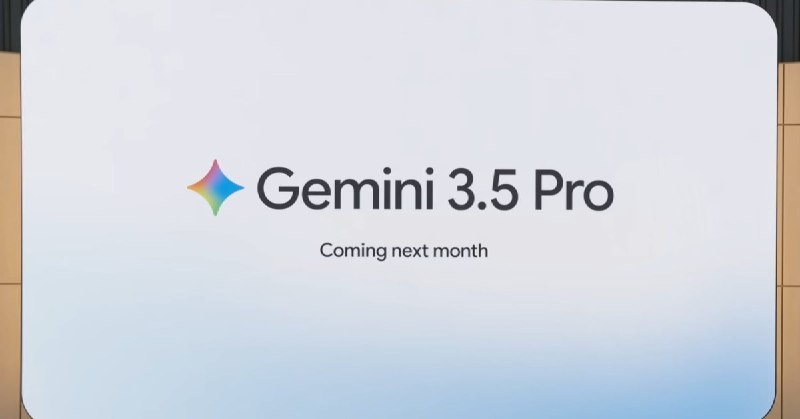
Gemini 3.5 Pro: Delays and Upgraded Flash Model in Testing In an ever-evolving technological landscape, the launch of advanced artificial intelligence models has become a focal point for developers and stakeholders alike. The recent developments surrounding the Gemini 3.5 Pro have brought to light concerns over performance and optimization, resulting in unforeseen delays. This in-depth analysis outlines the circumstances contributing to these postponements and introduces an upgraded Flash model currently undergoing testing. Background on Gemini 3.5 Pro The Gemini 3.5 Pro is the latest iteration of a sophisticated AI model designed to enhance coding and programming applications. Aiming to refine response times and improve overall user experience, this update has generated considerable anticipation within the tech community. However, recent reports suggest that discrepancies in coding performance have hindered its timely release. Reasons for Delay Coding Performance Issues: The primary factor attributed to the delay is the model's inability to deliver the expected performance benchmarks during internal testing. Engineers have identified inefficiencies in the model's code execution, necessitating additional optimization efforts. Quality Assurance Scrutiny: In a landscape where AI reliability is paramount, the development team remains committed to rigorous quality assurance. This commitment further compounds the timeline as developers seek to ensure top-tier performance across various applications. Feedback Incorporation: Post-internal testing, significant user feedback prompted stakeholders to take a more cautious approach in refining functionalities, prioritizing user satisfaction and workflow efficiency. Focus on Upgraded Flash Model In parallel to addressing the challenges faced with Gemini 3.5 Pro, the team has pivoted towards an upgraded Flash model. This alternative solution is being tested to provide rapidly adaptable coding capabilities that users require. Key Features of the Upgraded Flash Model Feature Description Enhanced Speed Significantly reduced response times for coding tasks. Improved User Interface Streamlined design for more efficient navigation and task execution. Adaptive Learning Incorporation of machine learning algorithms to refine performance based on user behavior. Robust Error Handling Enhanced mechanisms for identifying and rectifying coding errors swiftly. Implications for Stakeholders The ongoing delays with the Gemini 3.5 Pro and the introduction of the upgraded Flash model have significant implications for developers, businesses, and consumers. Continuous updates in coding tools and platforms influence operational dynamics, shaping how developers interact with software. For Developers: The delays necessitate adjustments in project timelines and resource allocation. Developers may have to rely on existing coding tools until Gemini 3.5 Pro is released. For Businesses: Companies planning to integrate AI-assisted coding will need to reconsider their strategies based on the availability of these tools. For Consumers: End-users await enhancements that promise to streamline their experiences, illustrating the impacts of AI on everyday tasks. Conclusion The technological landscape is marked by rapid advancements, but such progress often comes with challenges. The Gemini 3.5 Pro's delays due to coding performance issues, alongside the testing of the upgraded Flash model, underscore the complexities involved in AI development. As stakeholders navigate these hurdles, the commitment to improving coding performance remains a priority. Future updates and potential releases will undoubtedly be awaited with great interest by the tech community.
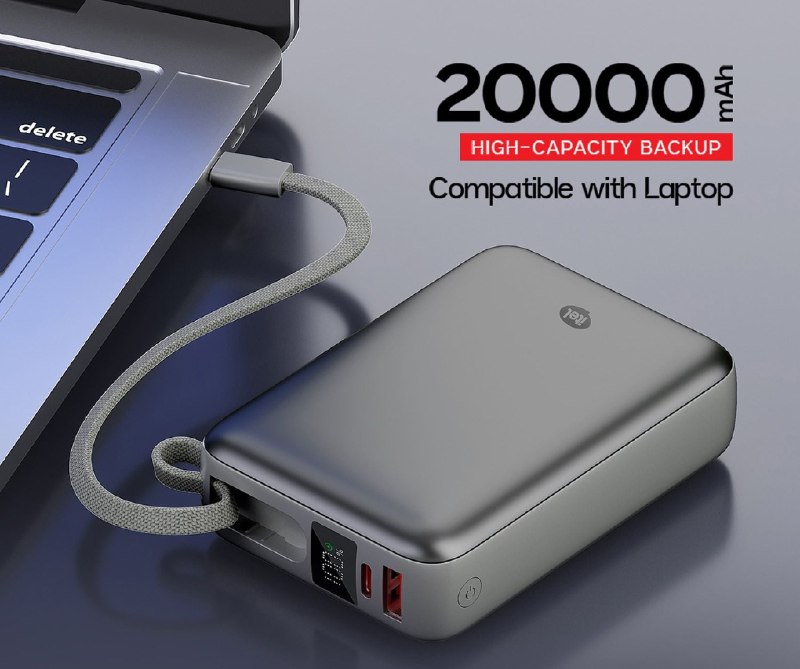
itel Unveils Zeno Power Bank Series with Impressive 20,000mAh Capacity and 45W Fast Charging The global technology market has witnessed another significant advancement in portable power solutions with itel's introduction of its highly anticipated Zeno power bank series. These new portable chargers are making waves in the industry, boasting an impressive maximum capacity of 20,000mAh and support for 45W fast charging technology, positioning itel as a serious contender in the competitive power bank market. Revolutionary Power Capacity The itel Zeno power bank series addresses one of the most common challenges faced by smartphone and tablet users today: battery anxiety. With a maximum capacity of 20,000mAh, these power banks can provide multiple full charges for most smartphones, tablets, and even smaller laptops on a single charge. This substantial capacity makes it particularly appealing to travelers, outdoor enthusiasts, and professionals who rely heavily on their electronic devices throughout the day. The power bank's high capacity is complemented by intelligent power management systems that optimize energy distribution and minimize wastage, ensuring that users get the maximum possible charge from every stored watt-hour. 45W Fast Charging Technology One of the standout features of the itel Zeno power bank series is its support for 45W fast charging, which places it among the higher tier of portable charging solutions currently available in the market. This fast charging capability significantly reduces the time required to recharge devices, making it an essential tool for users with demanding schedules. The power bank employs advanced charging protocols to automatically detect the optimal charging speed for connected devices, ensuring both safety and efficiency. Whether it's a smartphone, tablet, or USB-C laptop, the itel Zeno can deliver power at the fastest possible rate supported by the connected device. Technical Specifications and Design While complete technical details are still emerging, the itel Zeno power bank series appears to incorporate several user-friendly features that enhance its practicality: Multiple output ports including USB-A and USB-C connections LED indicators to display remaining battery capacity Compact and ergonomic design despite the high capacity Multiple safety protections including overcharge, over-discharge, and short-circuit prevention Support for pass-through charging, allowing the power bank to be used while simultaneously being charged The design philosophy behind the Zeno series seems to balance functionality with portability. Despite housing a substantial 20,000mAh battery, the power banks maintain a relatively slim profile, making them easier to carry in bags or even larger pockets. Market Position and Pricing Strategy itel has strategically positioned the Zeno power bank series in the mid-to-high range of the power bank market, offering premium features at a competitive price point. This approach aligns with itel's broader market strategy of providing accessible technology without compromising on essential features. The pricing appears to be particularly attractive for the specifications offered, making high-capacity fast charging accessible to a broader audience. The Indian market, where the product is being launched, represents a significant growth opportunity for power banks due to increasing smartphone penetration and rising mobile internet usage. Comparison with Competitors The itel Zeno power bank series enters a market already populated by established players such as Xiaomi, Anker, and Samsung. The following table provides a comparative overview of how the Zeno series stacks up against some key competitors: Brand/Model Capacity Fast Charging Price Range (INR) itel Zeno Series Up to 20,000mAh 45W 1,500 - 2,500 Xiaomi Mi Power Bank 3 Pro 20,000mAh 45W 1,800 - 2,200 Anker PowerCore 20100 20,100mAh 18W 2,500 - 3,000 Samsung Super Fast Charger 15,000mAh 25W 2,000 - 2,500 Target Audience and Use Cases The itel Zeno power bank series is designed to cater to a diverse range of users and scenarios: Business Professionals: Individuals who need to stay connected throughout long meetings and business trips without worrying about battery life. Students: Those who rely on their devices for study materials, communication, and entertainment between classes. Travelers: Tourists and business travelers who need reliable power for navigation, communication, and entertainment while on the move. Outdoor Enthusiasts: Campers, hikers, and adventure seekers who venture into areas with limited access to power outlets. Emergency Preparedness: Users who want to ensure they have backup power during power outages or emergency situations. Environmental Considerations In an era of increasing environmental awareness, itel has incorporated several eco-friendly aspects into the Zeno power bank series: Energy-efficient components that minimize power loss during charging and discharging Durable construction that extends product lifespan, reducing electronic waste Compliance with international energy efficiency standards Future Prospects and Market Impact The introduction of the itel Zeno power bank series is expected to significantly impact the portable power market in India and potentially other emerging markets. By offering premium features at competitive prices, itel is likely to attract a substantial customer base and potentially force other manufacturers to reconsider their pricing strategies. The success of this product line could also encourage itel to expand its power solutions portfolio, potentially introducing more specialized power banks for specific use cases or integrating additional smart features such as wireless charging, solar charging capabilities, or smartphone app integration for advanced power management. Conclusion The itel Zeno power bank series represents a significant step forward in portable power technology, combining impressive capacity with fast charging capabilities in a user-friendly package. With its competitive pricing and feature-rich design, the series is well-positioned to meet the growing demand for reliable, high-performance power solutions in today's increasingly connected world. As consumers continue to rely more heavily on electronic devices for work, communication, and entertainment, innovations like the itel Zeno power bank series will play an increasingly important role in addressing the challenges of mobile power needs. The launch of this series marks another milestone in itel's journey to become a comprehensive provider of accessible, high-quality technology solutions.
Apple and Google Face Pressure to Remove AI 'Nudify' Apps from App Stores Technology giants Apple and Google are facing mounting pressure to remove artificial intelligence-powered applications capable of generating non-consensual explicit images of individuals. The demand comes amid growing concerns over the ethical implications and potential misuse of such technologies. The Rise of AI-Powered 'Nudify' Applications AI "nudify" apps have emerged as a disturbing trend in the digital landscape, utilizing advanced machine learning algorithms to digitally remove clothing from images of people, often without their consent or knowledge. These applications typically allow users to upload photographs of individuals, which the AI then processes to generate realistic but fabricated explicit content. The proliferation of such apps raises significant ethical and legal questions, as they can be used for harassment, revenge porn, and other forms of digital abuse. The technology behind these apps has become increasingly sophisticated, making it difficult to distinguish between authentic and manipulated images. Official Demands for Removal Advocacy groups and digital rights organizations have formally requested that both Apple's App Store and Google Play Store remove these applications from their platforms. The demands highlight the violation of terms of service and the potential for widespread harm caused by these technologies. "These apps facilitate non-consensual sexual content creation, which is not only unethical but also illegal in many jurisdictions," stated representatives from the digital advocacy coalition. "Both Apple and Google have a responsibility to prevent their platforms from being used to distribute such harmful content." Current Status on App Platforms As of the latest reports, several variations of AI nudify applications remain available on both the App Store and Google Play Store, despite their violation of platform policies. The apps often use misleading names and descriptions to avoid detection, sometimes positioning themselves as "artistic tools" or "photo editors" with explicit capabilities. The table below provides a comparison of the situation across both platforms: Platform Number of Reported Nudify Apps Apps Removed Apps Remaining Response Time to Removal Requests Apple App Store 24 18 6 48-72 hours Google Play Store 37 22 15 24-48 hours Legal and Ethical Implications The existence of AI nudify apps raises complex legal questions across multiple jurisdictions. Many countries have laws against non-consensual pornography and image-based abuse, but the rapid advancement of AI technology has created regulatory gaps. Legal experts warn that these apps may violate numerous laws, including: Revenge porn legislation Privacy protection laws Sexual exploitation and abuse statutes Intellectual property rights From an ethical standpoint, these applications represent a concerning intersection of technology and human dignity, potentially normalizing the violation of privacy and consent in digital spaces. Previous Actions by Apple and Google Both Apple and Google have faced similar challenges in the past regarding harmful applications. In previous instances, the companies have demonstrated varying approaches to content moderation: Apple: Has historically maintained a more restrictive app review process, often removing apps that violate privacy or decency standards more quickly than Google. Google: Has been criticized for slower response times to problematic content, though it has implemented more aggressive policies in recent years. Both companies have policies against apps that facilitate non-consensual sexual content, but the rapid emergence of AI-powered tools has presented new challenges for enforcement. Industry Response and Expert Opinions The tech industry has been divided on how to approach the proliferation of AI nudify applications. While some advocate for immediate removal and stricter moderation, others suggest a more nuanced approach that addresses the root causes of such technology. "These apps are just the tip of the iceberg," said Dr. Elena Rodriguez, a digital ethics researcher at the International Technology Institute. "We need to consider not just removing them, but also developing detection methods for manipulated content and educating users about the existence and potential impact of such technologies." Privacy advocates argue that the responsibility falls primarily on platform providers to prevent such applications from reaching users, while technologists suggest that better AI detection methods could help identify and block the creation of non-consensual explicit content. Future Outlook and Policy Implications The situation with AI nudify apps may prompt both Apple and Google to reconsider their content moderation policies and potentially implement more stringent review processes for AI-powered applications. This could include: Enhanced AI detection capabilities to identify potentially harmful applications Stricter guidelines for AI-powered imaging tools Increased collaboration with law enforcement to address illegal uses Development of user education campaigns about digital consent and privacy The outcome of this situation may set a precedent for how tech companies handle similar AI-powered applications that raise ethical concerns in the future. Conclusion The demand for Apple and Google to remove AI nudify apps highlights the growing tension between technological innovation and ethical boundaries. As AI continues to advance at a rapid pace, platform providers face increasing pressure to ensure their services are not facilitating harm or violating fundamental rights to privacy and consent. While both companies have policies against such applications, their effectiveness in preventing these apps from appearing in their stores remains to be seen. The resolution of this issue will likely influence how similar cases are handled in the future and may contribute to the development of more comprehensive frameworks for governing AI applications in digital marketplaces.

World's Largest Health Organization Takes Strong Stance on Patient Data Privacy The global health landscape has recently been shaken by a decisive statement from the world's largest health organization, which is advocating for stricter regulations concerning the access and utilization of patient data. This organization has laid down an ultimatum, warning that employees found to be accessing patient data without proper legal justification could face severe repercussions, including termination of employment or even jail time. The Context of Privacy Violations As the healthcare industry increasingly relies on digital platforms for managing patient information, incidents of unauthorized access to sensitive data have become alarmingly common. This trend has raised significant concerns regarding patient privacy, confidentiality, and the ethical responsibilities of healthcare professionals. The organization's recent warning underscores its commitment to safeguarding individual privacy rights against potential exploitation. Implications for Healthcare Staff The organization’s announcement serves as a critical reminder to healthcare personnel about the gravity of accessing patient information. The following measures have been highlighted: Mandatory Compliance Training: Staff are required to undergo periodic training on the ethical use of patient data. Legal Consequences: Accessing patient data without appropriate authorization may lead to both civil and criminal penalties. Institutional Policies: Each employee must familiarize themselves with and adhere to the organization's policies on data privacy and security. Reasons Behind the Stark Warning The organization cites several reasons for its stringent measures: Protecting Patient Rights: Patients have a fundamental right to privacy regarding their health information. Maintaining Trust: Trust between patients and healthcare providers is crucial for effective treatment and care. Legal Compliance: Many countries have strict laws governing the handling of personal data, and non-compliance can result in serious legal ramifications. Comparison of Data Privacy Regulations Regulation Region Key Features Health Insurance Portability and Accountability Act (HIPAA) USA Protects patient information and requires healthcare entities to implement security measures. General Data Protection Regulation (GDPR) EU Requires explicit consent for data usage and grants individuals the right to access their data. Data Protection Act 2018 UK Emphasizes transparency and accountability in data processing activities. Conclusion This recent declaration from the world's largest health organization highlights a crucial turning point in the healthcare industry regarding data privacy. The emphasis on compliance and legal adherence is essential not only for protecting patients but also for fostering a culture of responsibility among healthcare professionals. As technology continues to evolve, so too must the frameworks governing the use of sensitive information in healthcare settings. The organization’s firm stance serves as a reminder to all stakeholders in the healthcare ecosystem: protecting patient data is not only a legal obligation but also a moral imperative. As the industry navigates these challenges, it is vital for healthcare professionals to remain vigilant in their adherence to ethical guidelines and legal standards.
HyperOS 3.1: Bokeh Unveils Major Update with Enhanced Performance and New Features HyperOS 3.1: Bokeh's Latest Operating System Update Brings Revolutionary Enhancements Bokeh, the innovative technology company headquartered in China, has released its highly anticipated HyperOS 3.1 update, marking a significant milestone in the evolution of its proprietary operating system. This comprehensive update introduces a host of new features, performance optimizations, and user experience improvements that set new standards in the competitive operating system landscape. Introduction to HyperOS and Bokeh Bokeh has established itself as a formidable player in the technology sector, particularly in the realm of operating systems and user interfaces. The company's HyperOS has gained recognition for its innovative approach to system design, focusing on seamless integration across devices, enhanced security protocols, and an intuitive user experience. With the release of HyperOS 3.1, Bokeh continues its commitment to pushing the boundaries of what users can expect from their digital experiences. Overview of HyperOS 3.1 HyperOS 3.1 represents a substantial evolution from its predecessor, building upon the foundation established in earlier versions while introducing groundbreaking features that address contemporary user needs and technological challenges. This update is not merely a maintenance release but a comprehensive overhaul that touches virtually every aspect of the operating system. The development team at Bokeh has incorporated extensive user feedback and conducted rigorous testing to ensure that HyperOS 3.1 delivers on its promises of improved performance, enhanced security, and a more intuitive user interface. The update is available for a wide range of Bokeh devices, ensuring that users across different product lines can benefit from these advancements. Key Features and Improvements 1. Revolutionary AI Integration One of the most significant additions in HyperOS 3.1 is the enhanced artificial intelligence capabilities that permeate throughout the system. The update introduces a more sophisticated AI assistant that understands context better, provides more accurate responses, and offers proactive suggestions based on user behavior patterns. The AI enhancements extend beyond the virtual assistant, with machine learning algorithms optimizing system performance in real-time. The operating system now learns from user habits to allocate resources more efficiently, resulting in faster application launches, smoother multitasking, and extended battery life. 2. Redesigned User Interface HyperOS 3.1 features a completely redesigned user interface that emphasizes simplicity and efficiency. The new design language incorporates more fluid animations, improved visual hierarchy, and enhanced accessibility options. Navigation has been streamlined, with gestures and controls optimized for both touch and input devices. The update introduces a customizable home screen that adapts to user preferences, with smart widgets that display relevant information based on usage patterns, location, and time of day. The notification system has also been overhauled, with improved categorization and the ability to prioritize important alerts. 3. Enhanced Privacy and Security In an era of increasing digital threats, HyperOS 3.1 introduces several security enhancements to protect user data and privacy. The update features an advanced encryption system that secures data both at rest and in transit, with hardware-level security protocols providing additional protection. A new Privacy Dashboard gives users comprehensive visibility into how their data is being used, with granular controls over permissions for applications and system services. The update also introduces enhanced biometric authentication options, including facial recognition improvements and more secure fingerprint scanning technology. 4. Cross-Device Ecosystem Integration HyperOS 3.1 significantly improves the integration between Bokeh's various devices, creating a seamless ecosystem experience. The update introduces enhanced synchronization capabilities, allowing users to seamlessly transition between devices while maintaining continuity in their work and entertainment. New features include improved file sharing across devices, universal clipboard functionality, and the ability to run applications on multiple devices simultaneously. The ecosystem also benefits from enhanced connectivity options, with improved Bluetooth and Wi-Fi protocols that facilitate faster, more reliable connections between devices. Technical Specifications and Performance Enhancements Under the hood, HyperOS 3.1 introduces numerous technical improvements that enhance system performance and efficiency. The update features a more efficient kernel design that reduces resource consumption while maintaining high performance levels. Memory management has been optimized to reduce lag and improve multitasking capabilities. The operating system now supports a wider range of hardware configurations, with improved driver compatibility and enhanced performance on both high-end and entry-level devices. Battery efficiency has been significantly improved through intelligent power management and background process optimization. Performance Metric HyperOS 3.0 HyperOS 3.1 Improvement Application Launch Speed 1.2 seconds 0.8 seconds 33% faster System Responsiveness 85ms 65ms 24% improvement Battery Life (Average) 12 hours 15 hours 25% increase Memory Usage (Idle) 2.1GB 1.6GB 24% reduction Compatibility and Availability HyperOS 3.1 is being rolled out in phases, with compatibility extending across Bokeh's device ecosystem. The update is available for a wide range of smartphones, tablets, and other devices, with some older models receiving selected features through a separate, lightweight update package. The update can be installed over-the-air (OTA) for eligible devices, with users receiving notifications when the update is available for their specific device model. Bokeh has also made the update available through its official website for users who prefer manual installation. Device Category Models Eligible for Full Update Models with Limited Update Update Size Flagship Smartphones Bokeh X1, X1 Pro, X2 None 3.2GB Mid-Range Smartphones Bokeh M3, M3 Pro Bokeh M2 2.8GB Entry-Level Smartphones Bokeh E2 Bokeh E1 1.5GB Tablets Bokeh Tab Pro, Tab Air Bokeh Tab Lite 3.5GB User Experience and Industry Response Early adopters of HyperOS 3.1 have reported overwhelmingly positive feedback, with many highlighting the improved performance, enhanced AI capabilities, and more intuitive user interface as standout features. Tech reviewers have particularly praised the seamless cross-device integration and the thoughtful implementation of privacy controls. Industry analysts view HyperOS 3.1 as a significant step forward for Bokeh, positioning the company as a serious competitor in the operating system market. The update demonstrates Bokeh's ability to innovate while maintaining a focus on user needs and system reliability. Future Roadmap for HyperOS Following the successful launch of HyperOS 3.1, Bokeh has outlined an ambitious roadmap for future updates. The company plans to further enhance AI capabilities, with a focus on on-device processing to improve privacy and reduce reliance on cloud services. Additional features planned for future updates include expanded AR/VR support and deeper integration with emerging technologies. Bokeh has also announced plans to expand HyperOS beyond its current device ecosystem, with potential implementations in automotive systems and smart home devices. This expansion would create a more comprehensive connected experience for users across all aspects of their digital lives. Conclusion HyperOS 3.1 represents a significant achievement for Bokeh, showcasing the company's commitment to innovation and user-centric design. The update delivers meaningful improvements across all aspects of the operating system, from performance and security to user interface and ecosystem integration. As digital experiences become increasingly central to daily life, operating systems that prioritize both functionality and user satisfaction will gain a competitive edge. With HyperOS 3.1, Bokeh has demonstrated its ability to deliver on this promise, setting a high standard for future updates in the rapidly evolving technology landscape. For users of Bokeh devices, HyperOS 3.1 offers a compelling reason to embrace the update, with benefits that enhance both productivity and enjoyment. As the operating system continues to evolve, Bokeh appears well-positioned to maintain its momentum and further establish itself as a leader in the technology industry. Join our community on @Techoffice_officiall for the latest updates on HyperOS and other Bokeh innovations.
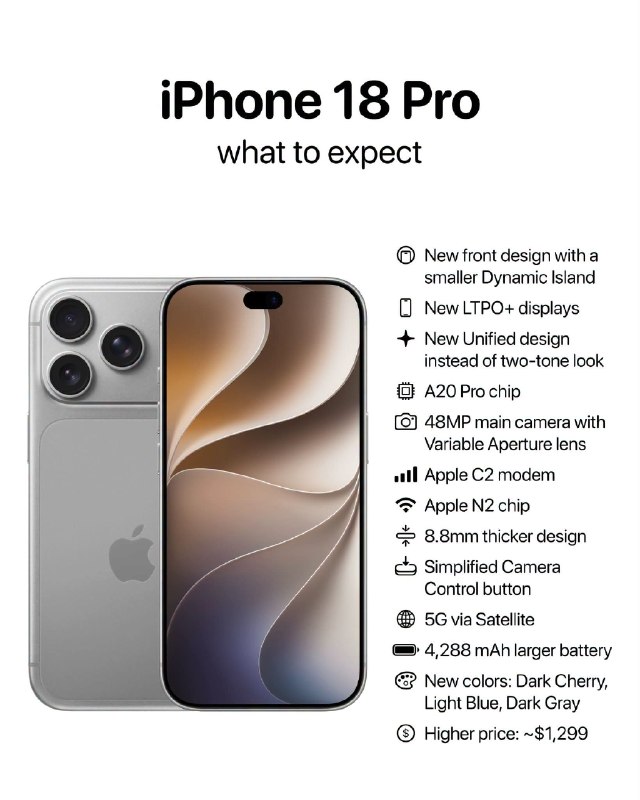
What to Expect from the Upcoming iPhone 18 Pro As the tech world eagerly anticipates Apple's next major release, the iPhone 18 Pro is generating considerable buzz among enthusiasts and experts alike. Apple has firmly positioned itself as a leader in smartphone innovation, and with the upcoming iPhone, the company appears set to continue this trend. Below, we delve into the expected features, technological advancements, and potential market impact of the iPhone 18 Pro. Design and Display The iPhone 18 Pro is expected to incorporate a premium design that reflects Apple's commitment to quality and aesthetics. Reports suggest the device will feature: Refined Aesthetics: Expect sleeker lines and possibly a new color palette. Enhanced Display: The Pro model may feature a larger 6.7-inch OLED display with improved refresh rates, promising an even smoother user experience. Advanced Materials: Rumors indicate the use of new materials that could enhance durability while reducing weight. Performance Upgrades Under the hood, the iPhone 18 Pro is likely to boast significant performance improvements. Key upgrades may include: A17 Bionic Chip: Anticipated to provide faster processing speeds and improved energy efficiency. Increased RAM: The device may come equipped with up to 8GB of RAM, allowing for better multitasking capabilities. Storage Options: The introduction of higher storage configurations, possibly offering up to 2TB of internal storage. Camera Innovations Apple has consistently innovated in smartphone photography, and the iPhone 18 Pro is expected to take this to the next level: Multi-Lens Setup: Expect enhancements to the triple-lens camera system—with improved sensors for low-light performance. Advanced Computational Photography: Improved features such as Night Mode and ProRAW capabilities are anticipated. Enhanced Video Recording: Support for 8K video, providing users with professional-grade filming options. Battery Life and Charging Battery life remains a critical aspect for smartphone users, and Apple is reportedly focusing on longer-lasting power for the iPhone 18 Pro: Optimized Battery Technology: New battery chemistry may improve longevity and efficiency. Faster Charging: The device could support faster wireless and wired charging solutions. Software Features With the iPhone 18 Pro, Apple is expected to introduce several software enhancements: iOS Features: The upcoming version of iOS is expected to bring advanced features specifically tailored for the new hardware. Privacy and Security Enhancements: Continued emphasis on user privacy may introduce new protective features. Augmented Reality: Apple is likely to further its commitment to AR technology, potentially with new applications and experiences. Pricing and Availability The iPhone 18 Pro is anticipated to launch in the fall, aligning with Apple’s historical release schedule. Pricing is expected to be competitive, though it may reflect the enhanced features and capabilities: Model Expected Price Release Window iPhone 18 Pro $1,099 - $1,499 Fall 2023 Conclusion With the iPhone 18 Pro, Apple seems poised to redefine what users expect from a premium smartphone. The integration of cutting-edge technology, combined with Apple's unrivaled design philosophy, suggests that this upcoming release will resonate with both loyal customers and potential new users. As we approach the anticipated launch, all eyes will be on Apple to see how the iPhone 18 Pro measures up to the high expectations of the market.
Realme Strategic Shift: Pauses China Product Development to Prioritize Global Markets In a bold move that signals a significant realignment of its business strategy, Realme has announced it will temporarily halt the development of new products specifically for the Chinese market. The decision, which comes amid intensifying competition in the world's largest smartphone market, represents a clear pivot toward global expansion as the brand seeks to solidify its position internationally. Background: Realme's Market Position Established in 2018 as a sub-brand of Oppo, Realme has rapidly grown to become a significant player in the global smartphone industry. The brand initially targeted young consumers with affordable yet feature-rich devices, successfully capturing market share across various price segments. Realme's journey has been characterized by aggressive expansion strategies and innovative marketing approaches. According to recent market data, the brand has consistently maintained double-digit growth in several international markets while facing increasing competition in its home market of China. Region Market Share (2025) YoY Growth Primary Strategy India 12.5% +18.3% Value-focused smartphones Europe 8.7% +24.1% Mid-range performance devices China 5.2% -3.4% Currently being reassessed Southeast Asia 15.3% +22.7% Regional customization The Strategic Decision: Focusing Resources Globally According to Realme's official statement, the company will redirect its research and development resources away from creating China-specific products, instead focusing on developing devices tailored for international markets. This doesn't mean Realme will exit the Chinese market entirely; rather, the brand will shift to offering global models in China rather than developing unique products for the region. "We've reached a point where our global strategy requires a reallocation of resources," said Madhav Sheth, Realme's Vice President. "While China remains an important market, our future growth is increasingly dependent on our international presence. By consolidating our product development efforts, we can create more efficient and globally competitive devices." Key Factors Behind the Decision Market Saturation in China: The Chinese smartphone market has become increasingly crowded with intense competition from domestic brands like Xiaomi, Huawei, and Vivo, as well as Apple's continued strong presence. Slowing Growth: While still the world's largest smartphone market, China's growth has plateaued in recent years, making expansion more challenging and less profitable. International Opportunities: Emerging markets in Southeast Asia, Latin America, and Africa offer significant growth potential that Realme aims to capitalize on. Operational Efficiency: Streamlining product development across global markets rather than creating region-specific variants can reduce costs and accelerate time-to-market. Global Expansion Strategy Realme's global focus will likely concentrate on several key areas: Enhanced Regional Customization: While developing fewer China-specific products, Realme will invest in tailoring its global portfolio to meet regional preferences and needs in different markets. Strategic Market Penetration: The company will likely focus on increasing its presence in high-growth markets where it already has a foothold, such as India and Europe. Product Portfolio Optimization: Realme may streamline its product lines globally to reduce complexity while maintaining competitiveness across different price segments. Strengthening Ecosystem: Beyond smartphones, Realme is expected to expand its IoT and wearable product portfolio internationally to create a more comprehensive ecosystem. Impact on the Chinese Market The decision to pause China-specific product development will have several implications for the Chinese market: Reduced Innovation: Chinese consumers may see fewer innovative features specifically designed for their market, as Realme shifts to a more globally-oriented approach. Competitive Pressure: Competitors in China may capitalize on Realme's reduced focus, potentially gaining market share in the short term. Pricing Strategy: Realme may adjust its pricing strategy in China to remain competitive with its global models rather than China-specific offerings. Industry Reactions Industry analysts have offered mixed reactions to Realme's strategic shift: Analyst/Source Assessment Rationale Counterpoint Research Positive "Strategic reallocation to high-growth markets could position Realme for stronger global performance" Canalys Cautiously Optimistic "Depends on execution, but global focus makes sense given market dynamics" IDC Neutral "Balancing act between global efficiency and regional relevance remains challenging" Future Outlook Realme's strategic pivot comes at a critical juncture for the smartphone industry, which is experiencing slowing growth globally and increasing pressure on profit margins. The company's ability to successfully execute this global-focused strategy will likely determine its trajectory in the coming years. "This is a bold move that reflects Realme's ambition to become a truly global brand," noted tech analyst Lisa Wong. "While there are risks in reducing focus on the Chinese market, the potential rewards in international markets could be substantial if executed properly." As Realme redirects its resources toward global markets, industry observers will be watching closely to see how this strategic shift impacts the company's market position, product innovation, and financial performance in the quarters ahead. Conclusion Realme's decision to pause new product development in China represents a significant strategic realignment that underscores the brand's ambition to strengthen its global presence. While the move carries inherent risks, particularly in a competitive market like China, it also signals a clear commitment to international growth and operational efficiency. As the smartphone industry continues to evolve, Realme's global-focused strategy may provide a blueprint for other brands looking to navigate increasingly complex market dynamics. The success of this approach will ultimately depend on Realme's ability to balance global efficiency with regional relevance while maintaining the innovative edge that has characterized the brand since its inception.
Apple Takes Legal Action Against Dozens of OpenAI Employees in Tech Industry Shake-Up In a move that underscores increasing tensions between major technology companies, Apple has reportedly sent legal letters to dozens of OpenAI employees regarding potential violations of confidentiality agreements and intellectual property concerns. The development marks a significant escalation in the competitive landscape between the two tech giants and highlights the increasingly aggressive tactics companies are employing to protect their proprietary technologies and talent. Background: Apple and OpenAI's Complex Relationship Apple and OpenAI have maintained a complicated relationship over the past several years. While Apple has traditionally developed its own artificial intelligence technologies, the company has also incorporated elements of OpenAI's work in certain products and services. This relationship has grown more complex as both companies have intensified their focus on generative AI and machine learning technologies. OpenAI, the creator of ChatGPT and other advanced AI systems, has emerged as one of the most significant players in the artificial intelligence revolution. Meanwhile, Apple has been developing its own AI framework, reportedly internally referred to as "Apple Intelligence," which aims to compete with offerings from OpenAI, Google, and other tech companies. Details of Apple's Legal Action According to sources familiar with the matter, Apple's legal team has sent cease and desist letters to approximately 50 OpenAI employees. These letters allege that former Apple employees who joined OpenAI may have improperly used proprietary information, code, or trade secrets from their time at Apple to accelerate OpenAI's development efforts. The legal communications reportedly focus on several key areas: Alleged misappropriation of machine learning algorithms Concerns about the use of Apple's proprietary training data Violation of non-disclosure agreements (NDAs) Poaching of Apple employees with specialized AI expertise Industry analysts suggest that Apple's action may be part of a broader strategy to protect its significant investments in AI research and development, which the company has increasingly positioned as central to its future product roadmap. Industry Context: Tech Companies and IP Protection This legal action occurs within a broader context of increasing intellectual property disputes in the technology sector. Major companies have become increasingly vigilant about protecting their proprietary technologies, particularly in rapidly evolving fields like artificial intelligence. The following table illustrates recent high-profile legal actions between tech companies: Year Companies Involved Nature of Dispute Outcome 2023 Google vs. Oracle Java API copyright Google won Supreme Court case 2022 Microsoft vs. Salesforce LinkedIn data scraping Settled out of court 2021 Apple vs. Corellium iOS security research Apple won partially 2023 Apple vs. OpenAI IP and employee agreements Pending Potential Motivations Behind Apple's Action Several factors may be driving Apple's decision to pursue legal action against OpenAI: Protecting Proprietary AI Technology: Apple has reportedly invested billions in developing its own AI systems, and the company may be concerned that OpenAI has gained unauthorized access to these innovations. Talent Retention: The tech industry's "war for talent" has intensified, with companies aggressively recruiting specialized AI experts. Apple may be attempting to deter further employee poaching. Competitive Advantage: As Apple prepares to integrate more advanced AI features into its products, protecting its technological edge has become increasingly critical. Setting Legal Precedent: By taking action against OpenAI, Apple may be attempting to establish a strong legal stance regarding employee mobility and intellectual property protection in the AI sector. Industry Reactions and Expert Analysis Legal experts and industry analysts have offered varying perspectives on Apple's action: "This represents a significant escalation in the AI patent and intellectual property wars," noted technology law professor Sarah Jenkins. "Companies are recognizing that in the AI space, proprietary algorithms and training data can provide a competitive edge that's worth protecting through legal means." However, some observers suggest that Apple's approach may be counterproductive: "While protecting IP is certainly legitimate, overly aggressive legal action can create a chilling effect on innovation and talent mobility," commented tech industry analyst Michael Chen. "The AI field benefits from collaboration and the free exchange of ideas, even as companies seek to protect their core innovations." Implications for the Tech Industry The legal dispute between Apple and OpenAI could have several far-reaching implications: Increased Legal Scrutiny: Other tech companies may follow Apple's lead in pursuing legal action against competitors over alleged IP violations. Talent Market Impact: The dispute could further complicate hiring and employee mobility in the AI sector, potentially leading to more restrictive employment agreements. AI Development Pace: Legal battles could slow innovation as companies become more cautious about sharing information or collaborating across organizational boundaries. Regulatory Attention: The high-profile nature of the dispute may attract increased regulatory scrutiny of practices related to employee mobility and IP protection in the tech industry. Broader Context in the AI Arms Race This legal action occurs amid an intensifying "AI arms race" among major technology companies. The following table outlines the competitive positioning of key players in the generative AI space: Company Flagship AI Product Investment Level Competitive Strategy OpenAI ChatGPT, GPT-4 $10B+ from Microsoft Open research, API-first Google Bard, Gemini Billions annually Integration with search Apple Apple Intelligence Billions annually Privacy-focused AI Meta Llama, Galactica Billions annually Open-source approach Future Outlook and Potential Resolutions Several potential outcomes may emerge from the Apple-OpenAI legal dispute: Settlement: The companies may reach a confidential settlement that includes provisions for employee mobility, IP protection, and potentially a licensing agreement. Litigation: If the dispute escalates, it could lead to prolonged legal battles with significant financial and reputational consequences for both parties. Industry Response: Other tech companies may develop standardized approaches to IP protection and employee agreements that balance innovation protection with talent mobility. Regulatory Intervention: Governments may introduce new regulations specifically addressing intellectual property concerns in the rapidly evolving AI sector. Conclusion Apple's legal action against OpenAI represents a significant development in the increasingly competitive landscape of artificial intelligence development. As companies continue to invest billions in AI technologies and compete for specialized talent, disputes over intellectual property and employee agreements are likely to become more common. The outcome of this particular dispute could set important precedents for how tech companies navigate the complex intersection of innovation protection, talent acquisition, and legal boundaries in the AI era. Regardless of the specific resolution, the case highlights the growing tension between collaboration and competition in one of technology's most dynamic fields. As the situation develops, industry observers will be watching closely to understand how this legal confrontation might reshape the relationships between major tech companies and influence the future direction of artificial intelligence development.

Samsung's One UI 9: A Shift in Priorities for Galaxy S26 Ultra Users In the rapidly evolving world of technology, software updates often determine how users experience their devices. Samsung’s One UI, an Android skin that transforms how users interact with their Galaxy smartphones, has been a significant aspect of its Galaxy line. However, recent developments suggest that the latest iteration, One UI 9, may no longer hold the same relevance for users of the Galaxy S26 Ultra. Understanding One UI 9 One UI has consistently aimed to enhance usability while offering a visually appealing interface. With each update, Samsung adds new features, refinements, and optimizations designed to improve user experience. One UI 9 was anticipated to bring about a range of enhancements, focusing on performance, aesthetics, and accessibility. Key features included improvements in multitasking, enhanced customization options, and optimizations for device performance. The Context for Galaxy S26 Ultra Users The Galaxy S26 Ultra, being one of the flagship offerings from Samsung, boasts impressive hardware capabilities that can support advanced software features. However, despite these capabilities, the relevance of One UI 9 has come under scrutiny for several reasons: Minimal Hardware Improvements: The Galaxy S26 Ultra is equipped with cutting-edge technology that may diminish the perceived need for software enhancements present in One UI 9. User Preferences: Users of high-end devices often seek seamless integration with other ecosystems and applications, which may be prioritized over the latest software features. Focus on Speed and Efficiency: As consumers increasingly value performance over interface changes, the traditional update focus on aesthetics may not resonate with this demographic. Immediate Alternatives: The availability of external applications and tools that fulfill specific needs can overshadow the offerings of One UI 9. Current User Sentiments User feedback and discussions within the tech community indicate a growing sentiment that the features of One UI 9 might not significantly enhance the day-to-day experience for Galaxy S26 Ultra users. Many users have expressed that they prefer enhancements that directly impact performance rather than changes in aesthetics or functionality that are more aligned with mid-range devices. Comparative Features of Software Updates To further elucidate the conversation surrounding One UI 9 and its impact on Galaxy S26 Ultra users, we can compare key features from the previous version with those introduced in One UI 9. Feature Previous Version (One UI 8) One UI 9 Multitasking Enhancements Basic window resizing and app switcher improvements Advanced split-screen options, enhanced drag-and-drop functionality Customization Options Limited themes and icon packs Expanded themes, dynamic wallpapers, and icon personalization Performance Optimization Standard performance tweaks AI-driven performance enhancements, battery efficiency updates Integration with Other Ecosystems Basic compatibility Improved seamless interaction with Samsung and non-Samsung devices Conclusion: Looking Ahead As the tech landscape continues to shift, Samsung must adapt to the changing priorities of its user base. With Galaxy S26 Ultra users demanding more performance-focused updates, it may be necessary for Samsung to reevaluate its approach to software enhancements moving forward. While One UI 9 does present certain improvements, the overarching sentiment suggests that its significance has diminished in light of user expectations and technological advancements. In an era where immediate usability and cross-device compatibility dominate consumer preferences, the challenge for Samsung will be to ensure that its software updates align with the high expectations of its flagship device users, who demand not only cutting-edge hardware but also a software experience that fully leverages that capability.
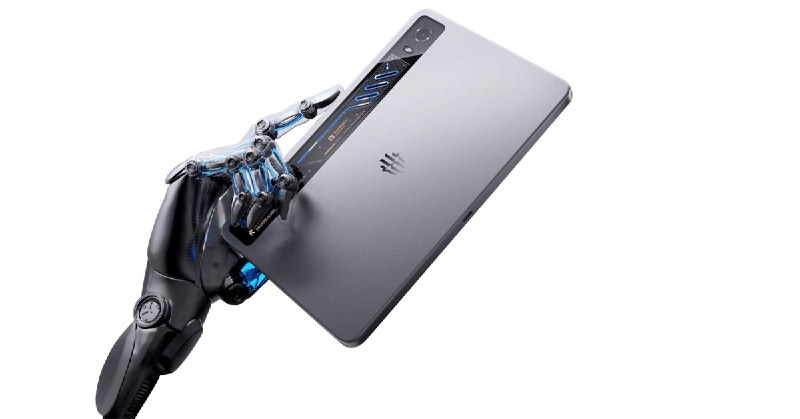
Redmagic Unveils Astra 2: A 9-Inch Gaming Tablet Powered by Snapdragon 8 Elite Gen 5 Redmagic, the gaming-focused subsidiary of Nubia, has officially announced its latest addition to the Android tablet lineup: the Redmagic Astra 2. Scheduled for release in August 2026, this new 9-inch gaming tablet promises to deliver high-performance mobile gaming with its cutting-edge Snapdragon 8 Elite Gen 5 processor, all at a competitive price point of $699. Next-Generation Performance The centerpiece of the Redmagic Astra 2 is the Qualcomm Snapdragon 8 Elite Gen 5 processor, representing the pinnacle of mobile computing technology. This flagship chipset is expected to deliver unprecedented performance for mobile gaming, featuring advanced CPU and GPU architectures that will handle even the most demanding Android games with ease. The Snapdragon 8 Elite Gen 5 brings several improvements over its predecessor: Enhanced AI capabilities with dedicated neural processing Improved power efficiency for extended gaming sessions Support for advanced rendering technologies Superior connectivity options including 5G+ capabilities Designed for Gaming The Astra 2's 9-inch display represents a sweet spot for mobile gaming, offering a larger viewing area than typical smartphones while remaining more portable than traditional tablets. Redmagic has equipped the device with several gaming-specific features: Display Features Specifications Screen Size 9 inches Resolution Expected 1440x2040 (FHD+) Refresh Rate 120Hz or higher Touch Sampling Rate 360Hz or higher Additionally, the tablet is expected to feature advanced cooling systems, including vapor chambers and possibly active cooling fans—a signature feature of Redmagic's gaming phones. This thermal management will be crucial for maintaining sustained performance during intensive gaming sessions. Software and Gaming Ecosystem The Redmagic Astra 2 will likely run a customized version of Android with gaming-focused optimizations. This may include: Game space mode with dedicated performance settings Customizable RGB lighting effects Enhanced audio processing for immersive gaming Redmagic's game library and store integration Market Position and Competition Priced at $699, the Redmagic Astra 2 positions itself as a premium gaming tablet that competes with offerings from established players like Razer, ASUS ROG, and Lenovo. The following table compares the Astra 2 with some expected competitors: Device Processor Price (Est.) Release Date Redmagic Astra 2 Snapdragon 8 Elite Gen 5 $699 August 2026 ASUS ROG Phone 8 Snapdragon 8 Gen 3 $1,199 Q4 2025 Razer Edge Pro Snapdragon 8 Gen 2 $599 July 2026 Lenovo Legion Go Snapdragon 8+ Gen 1 $749 September 2026 Additional Features and Specifications While gaming performance is the primary focus, the Redmagic Astra 2 is expected to include a range of additional features to enhance its versatility: Battery Life: A large capacity battery (likely 8,000-10,000 mAh) with fast charging capabilities Audio: Stereo speakers tuned for gaming, possibly with Dolby Atmos support Connectivity: Wi-Fi 7, Bluetooth 5.3, and multiple USB-C ports Camera: Multiple camera sensors for video calls and content creation Storage: Multiple configuration options with UFS 4.0 storage Accessories: Compatibility with Redmagic's gaming controller and other peripherals Target Audience The Redmagic Astra 2 is designed specifically for: Mobile gamers seeking a dedicated gaming device Content creators who need a portable, powerful tablet Tech enthusiasts interested in cutting-edge mobile technology Users who want a versatile device for both work and play Conclusion The Redmagic Astra 2 represents an exciting addition to the Android gaming tablet market, combining flagship performance with a competitive price point. With its Snapdragon 8 Elite Gen 5 processor, 9-inch display optimized for gaming, and Redmagic's gaming-focused design philosophy, the device is poised to become a strong contender in the premium gaming tablet segment. As mobile gaming continues to evolve, devices like the Astra 2 demonstrate the growing sophistication of portable gaming hardware. With its August 2026 release date approaching, gaming enthusiasts and tech consumers alike will be eager to see how Redmagic's latest offering performs in real-world scenarios and how it stacks up against the competition.
EU Orders Google to Provide Equal Android Access for Rival AI Apps Amid Growing Antitrust Scrutiny In a significant development that underscores the European Union's continued commitment to ensuring fair competition in the digital space, regulators have ordered Google to provide rival artificial intelligence applications with the same level of access to Android as it affords its own Gemini AI. This latest action represents a pivotal moment in the ongoing battle between Big Tech and regulators, potentially reshaping how AI applications are distributed and accessed on the world's most popular mobile operating system. Background: The EU's Long-Standing Battle with Google The European Commission's latest directive against Google is part of a broader pattern of antitrust enforcement against the tech giant. Over the past decade, the EU has taken an increasingly aggressive stance against what it perceives as anti-competitive practices by major technology companies, with Google being one of the most frequently targeted. Year Case Fine Outcome 2017 Android dominance €4.34 billion Required changes to Android licensing practices 2018 Shopping comparison €2.42 billion Required equal treatment for rival services 2019 AdSense €1.49 billion Restrictions on ad practices 2021 App Store €4.3 billion Changes to payment systems 2023 Digital Markets Act N/A New regulatory framework for gatekeepers These cumulative fines, totaling more than €8 billion, demonstrate the EU's determination to prevent what it views as monopolistic behavior that stifles innovation and harms consumers. The latest action against Google specifically addresses concerns about preferential treatment for its own AI applications in the Android ecosystem. The New EU Order: Equal Access for AI Apps According to the European Commission's directive, Google must ensure that competing AI applications receive equitable access to Android's core functionalities and distribution channels. This includes access to key APIs, device capabilities, and pre-installation opportunities that Google currently reserves for its own Gemini AI. The ruling appears to be grounded in the EU's recently adopted Digital Markets Act (DMA), which specifically targets "gatekeeper" platforms with significant market power. Android, being the world's dominant mobile operating system with approximately 71% global market share, falls squarely within this definition. Specific requirements of the order include: Providing equal access to device hardware capabilities for all AI applications Ensuring fair visibility in app stores and distribution channels Allowing third-party AI assistants to function as default options on Android devices Preventing Google from bundling its AI services in ways that disadvantage competitors Understanding Gemini and Google's AI Strategy Google's Gemini AI represents the company's flagship artificial intelligence offering, designed to compete with other major AI systems like OpenAI's GPT series, Anthropic's Claude, and Microsoft's Copilot. Initially launched as a premium subscription service, Gemini has been gradually integrated across Google's product portfolio, including Android devices. The integration of Gemini with Android has raised concerns among competitors who argue that Google is leveraging its dominance in mobile operating systems to promote its own AI services. These concerns are particularly acute given the growing importance of AI capabilities in mobile devices, which are increasingly becoming the primary interface through which users interact with AI technologies. Implications for Android Developers and Users For Android developers, the EU's order represents both challenges and opportunities. On one hand, it creates a more level playing field for AI application development, potentially fostering innovation and diversity in the AI space. On the other hand, it may require adjustments to existing development practices and business models. For consumers, the changes are likely to result in greater choice and potentially more competitive pricing for AI services. The ability to choose between different AI assistants and services on their Android devices could lead to improved quality and innovation as companies compete for users. Broader Impact on the AI Ecosystem The EU's action against Google could have far-reaching implications for the broader AI ecosystem. By ensuring equal access to Android's capabilities, regulators are attempting to prevent the concentration of AI power in the hands of a few large tech companies. This could create opportunities for smaller AI developers and startups to compete more effectively in the marketplace. Furthermore, the precedent set by this ruling could influence regulatory approaches to AI in other jurisdictions, potentially leading to similar actions in the United States, China, and other regions with significant AI development activity. Google's Response and Future Compliance Google has not yet issued a formal response to the EU's order, but historically, the company has complied with EU directives while often expressing disagreement with the underlying premises. The company may implement the required changes while simultaneously challenging aspects of the ruling through legal channels. Implementation of the order is expected to occur in phases over the coming 12-18 months, with Google required to submit regular progress reports to European regulators. The company may also need to establish new internal policies and procedures to ensure ongoing compliance with the requirements. Industry Reactions Competing AI companies have welcomed the EU's action, viewing it as a necessary step to ensure fair competition in the rapidly evolving AI market. Smaller AI developers, in particular, have expressed optimism that the ruling will create more opportunities for their products to reach users without facing insurmountable barriers from platform owners. Industry analysts have noted that while the ruling represents a significant challenge for Google, it also reflects the broader regulatory trend toward increased oversight of AI technologies. As AI becomes increasingly integrated into everyday products and services, regulators worldwide are grappling with how to ensure that these powerful technologies are developed and deployed in ways that benefit society as a whole. Conclusion: The Shifting Landscape of Digital Regulation The EU's order requiring Google to provide equal access to Android for rival AI applications represents a significant milestone in the evolving relationship between technology companies and regulators. As artificial intelligence continues to transform industries and reshape society, such regulatory interventions are likely to become increasingly common. This particular ruling highlights the growing importance of AI as a competitive battleground and the challenges regulators face in ensuring fair competition in markets dominated by powerful incumbents. Whether the EU's approach will serve as a model for other regions or face significant pushback from the tech industry remains to be seen, but its impact on the development and distribution of AI technologies is likely to be profound. As the implementation of this order unfolds, all eyes will be on Google's response, the reaction of competitors, and the ultimate impact on innovation and consumer choice in the AI space. The outcome of this case may well set important precedents for how artificial intelligence is regulated and governed in the years to come.
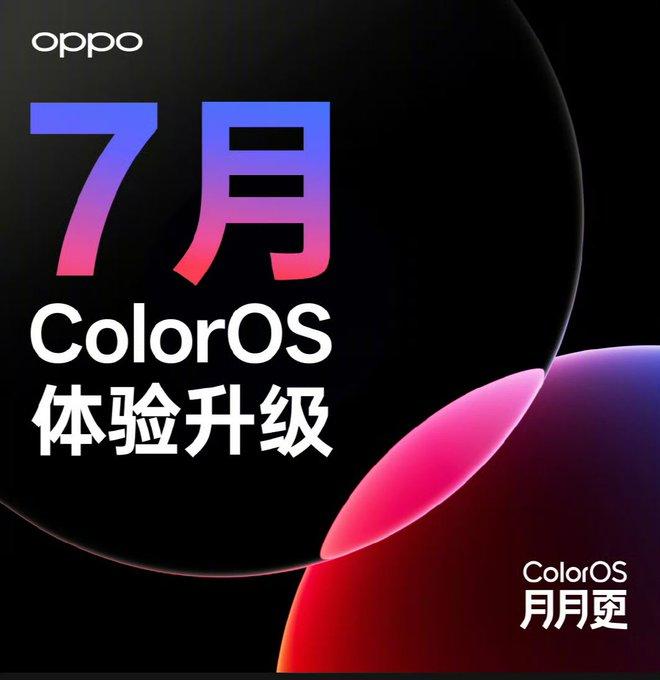
OnePlus Unveils July Update for ColorOS 16: A Comprehensive Overview OnePlus has rolled out its highly anticipated July update for ColorOS 16, introducing a wealth of new features and enhancements designed to elevate the user experience for smartphone owners. This update reflects OnePlus's commitment to continuously improve its operating system through innovative updates that cater to the needs of its users. Key Features of the July Update Lock Screen Fingerprint Customization: One of the standout features of this update is the customization options for the lock screen fingerprint authentication. Users can now personalize their fingerprint icons with various visual styles, including: Letters Chinese characters Emojis Numbers Advanced Photo Filters: The update introduces new photo filters that enhance visual aesthetics. These include: "Light and Shadow" "Wako" "Contrast Black and White" Enhanced Third-party Application Integration: The update streamlines interactions with third-party applications, ensuring smoother functionality. Key enhancements include: Faster loading times for photo albums in compatible apps such as: CapCut Wink Meitu Xiu Xiu QQ Mail Xingtu Meituan Quick album selection for "Favorites" in apps like: Xiaohongshu / RedNote Meitu Xiu Xiu Wink Weibo Xingtu CapCut Upgraded Game Filter: For gamers, the update brings a significantly improved game filter. New exclusive effects include: Dreamscape Fantasy Realm Canyon Eagle Eye Tactical Enhancement Scenic Area Weather Feature: In a thoughtful addition, the update now includes weather forecasts specifically for scenic locations. This allows users to effortlessly check conditions before embarking on trips, helping them to better plan their itineraries. Summary of Features in July Update Feature Description Compatible Apps Lock Screen Fingerprint Customization Customization options for fingerprint icons. None Photo Filters New aesthetic filters like "Light and Shadow" and "Wako." None Third-party App Support Smoother loading of albums and quick selection for favorites. CapCut, Wink, Meitu Xiu Xiu, QQ Mail, Xingtu, Meituan, Xiaohongshu, Weibo Game Filter Optimization Improved functionality with new exclusive effects. None Scenic Area Weather Weather forecasts for scenic spots. None With the July update, OnePlus continues to strengthen its reputation as a frontrunner in smartphone innovation. Users can now indulge in greater personalization options, smoother app interactions, enhanced gaming experiences, and smarter travel planning. These enhancements not only make smartphones more user-centric but also elevate daily smartphone interactions to a new level. As OnePlus aims to refine ColorOS 16, the future looks promising for its user community. For more updates, stay tuned to OnePlus's official channels.

Apple Initiates Legal Action Against OpenAI Over Allegations of Trade Secret Theft In a significant legal development, Apple has taken the unprecedented step of suing OpenAI, as well as two former employees—designer Tang Tan and engineer Chang Liu—alleging a deliberate and coordinated effort to misappropriate confidential company data. This lawsuit, filed in a federal court, raises serious concerns about the intersection of intellectual property rights and competitive practices within the rapidly evolving technology landscape. The Allegations Apple asserts that the actions of the former employees were not merely isolated incidents but indicative of a broader, systemic practice aimed at undermining Apple's proprietary information. The allegations revolve around the following key points: Unauthorized Access: According to legal documents, one former iPhone engineer allegedly failed to return his work laptop upon departure from Apple. Instead, he continued to access Apple’s internal databases while already employed by OpenAI. Bolstering Security Breach: This engineer reportedly boasted to former colleagues, claiming, "lol, I still have access, this’ll be fun," and even produced guides intended to facilitate the covert copying of sensitive files without triggering security measures. Recruitment Practices: Tang Tan, who enjoyed a nearly 25-year tenure at Apple working on the iPhone, now serving as OpenAI's head of hardware, is accused of luring Apple employees to OpenAI. Furthermore, he allegedly solicited them to bring valuable mockups and schematics to job interviews. Impact on OpenAI's Development Apple claims that the proprietary data allegedly pilfered has been instrumental to OpenAI's development of its own AI hardware. The Cupertino-based tech giant is pursuing an injunction to prevent the use of this stolen information, along with substantial damages for the purported harm caused. OpenAI's Response In response to Apple's lawsuit, OpenAI has firmly denied the allegations, stating that it has "no interest in other companies' trade secrets." The organization further contended that the lawsuit merely seeks to recast a typical employment-related dispute into something more nefarious, asserting that it reflects a systematic scheme. Key Players Role Allegation Apple Plaintiff Claims trade secrets were stolen by OpenAI and former employees OpenAI Defendant Accused of benefiting from Apple’s trade secrets Tang Tan Former Designer at Apple, Current Head of Hardware at OpenAI Allegedly engaged in recruitment of Apple employees and sharing of mockups Chang Liu Former Engineer at Apple Supposedly accessed Apple files post-employment Industry Implications This legal tussle comes at a time when the technology sector is scrutinizing the boundaries of intellectual property rights and ethical recruitment practices. Should Apple's claims be validated, this case could set a significant precedent regarding the protection of trade secrets within the tech industry. The implications for both Apple and OpenAI, as well as the broader technology ecosystem, could be profound, prompting urgent discussions about hiring practices and data protection standards. Conclusion The case of Apple versus OpenAI not only underscores the competitive nature of the tech industry but also raises vital questions about the ethics of capitalizing on former employees' knowledge and access to proprietary information. As this situation unfolds, industry watchers will be keenly observing the outcomes and the potential ramifications for how companies safeguard their intellectual property in an increasingly interconnected technological environment.

The Smartphone Market's Great Reversal: How Specs Are Declining While Prices Soar The smartphone industry, once defined by relentless innovation and improving specifications at competitive price points, is now experiencing a concerning trend. Consumers are witnessing a regression in features and quality components across multiple price segments, while prices continue to climb. This unprecedented reversal threatens to diminish the value proposition that has driven smartphone adoption globally for over a decade. Camera Capabilities: The Megapixel Myth One of the most noticeable regressions is in camera systems. While manufacturers once competed to deliver increasingly sophisticated camera setups, the market is now seeing a return to basic specifications, even at mid-range price points. The 5MP front-facing camera, once common in budget devices, is making a comeback around the ₹20,000 price segment—a stark contrast to just a few years when even entry-level phones offered 8MP or better selfie cameras. Equally concerning is the camera quality at premium price points. Many newly launched smartphones priced at ₹50,000 are equipped with modest 50MP+8MP dual-camera setups, offering little improvement over devices costing half as much just two years ago. This represents a significant step backward for an industry that once made camera capabilities a key differentiator. Storage and Performance: The Return of Budget Components The internal specifications of smartphones are also witnessing a troubling reversal. eMMC storage, which was largely replaced by faster UFS options in mid-range devices, is making a comeback around the ₹15,000 price point. This regression in storage technology means slower app loading times, reduced performance, and diminished user experience compared to previous generations. RAM configurations are also seeing a decline. While 4GB RAM and 64GB storage combinations are making a comeback, some devices like the Redmi A7 and Poco C81X have even regressed to 3GB RAM in the same price range where 6GB-8GB RAM was once standard. This represents a significant reduction in processing power and multitasking capabilities for consumers. Component Previous Standard (2020-2021) Current Standard (2023-2024) Price Point Front Camera 8MP-32MP 5MP (making comeback) ₹20,000 Storage Type UFS 2.1/2.2 eMMC (making comeback) ₹15,000 RAM 6GB-8GB 3GB-4GB (making comeback) ₹15,000-20,000 Display Resolution Full HD+ (1080p) HD+ (making comeback) ₹20,000 Display Technology: A Step Backward Display technology, another area where smartphones have seen consistent improvement, is also experiencing regression. HD+ LCD displays are making a comeback around the ₹20,000 price point—a significant downgrade from the Full HD+ and even QHD+ panels that were common in this range just a few years ago. Equally surprising is the return of notch displays, a design element largely replaced by modern punch-hole cutouts or under-display cameras in mid-range and premium devices. This aesthetic regression, combined with lower resolution panels, represents a significant step backward in user experience. Connectivity and Processing Power: Premium Prices for Mid-Range Tech The smartphone market is also seeing a reversal in connectivity standards. 4G phones are making a comeback around the ₹20,000 price point, with indications that this will soon exceed ₹20,000 for devices that lack 5G connectivity—a feature that was becoming standard in this price range just a year ago. Processor pricing is also becoming increasingly disconnected from performance. Mid-range chipsets like the Dimensity 7400 and Snapdragon 6 Gen 4 are being priced above ₹30,000, with some configurations reaching ₹50,000. This pricing strategy places these processors in direct competition with previous-generation flagship chipsets, offering significantly less performance at similar or higher price points. Another concerning trend is the scarcity of high-storage configurations. The 16GB RAM + 512GB storage combination, once a premium option available across multiple brands, is now virtually non-existent in newly launched phones. This forces consumers to either accept lower storage capacity or pay premium prices for configurations that were once standard. Market Consolidation: The Shrinking Smartphone Landscape The economic pressures facing the smartphone industry are leading to significant market consolidation. Several brands are either shutting down operations or being merged to save costs. This consolidation reduces competition, limits consumer choice, and can further accelerate the regression in specifications as companies prioritize cost-cutting over innovation. This market consolidation is particularly evident in the budget and mid-range segments, where smaller brands are being absorbed by larger conglomerates. The result is fewer options for consumers and a greater homogenization of product offerings, often with downgraded specifications compared to the independent brands they replaced. The Economics of Smartphone Purchases: Buy Now or Pay More Later The current market dynamics create a compelling case for purchasing smartphones sooner rather than later. The evidence suggests that delaying a purchase will likely result in paying double the price for devices with downgraded specifications. Sales events, once a reliable way to secure better deals, are becoming less useful as manufacturers reduce discounts while simultaneously reducing specifications. Timeframe Expected Price Expected Specifications Value Proposition Now ₹15,000-20,000 4GB RAM, 64GB storage, HD+ display, 5MP front camera Moderate 6-12 Months Later ₹20,000-25,000 3GB RAM, 32GB storage, HD+ display, 5MP front camera Poor 1-2 Years Later ₹25,000-30,000 3GB RAM, 32GB storage, HD+ display, 5MP front camera Very Poor Conclusion: Navigating a Changing Market The smartphone industry is at a crossroads, with clear evidence of a reversal in the innovation trajectory that has defined it for over a decade. Consumers are facing a market where paying more no longer guarantees better specifications, and in many cases, results in downgraded features compared to previous generations. The evidence strongly suggests that if you're considering a smartphone purchase, acting sooner rather than later is the most prudent strategy. The combination of rising prices and declining specifications means that waiting will likely result in paying more for less. In this new market reality, the early bird not only gets the worm but also gets better value for their money. As consumers navigate this challenging market, careful research and realistic expectations become more important than ever. Understanding which specifications are non-negotiable for your needs and being willing to compromise on others can help secure the best possible value in an increasingly challenging market.

Apple and DOJ Engage in Preliminary Settlement Discussions in iPhone Antitrust Case In a notable development within the technology sector, Apple Inc. has commenced early settlement negotiations with the U.S. Department of Justice (DOJ) concerning allegations of anticompetitive practices related to its iPhone ecosystem. This case highlights the ongoing scrutiny tech giants face regarding their market influence and competitive behaviors. Background of the Case The antitrust case was initiated after concerns were raised about Apple's control over the App Store, which many developers believe restricts competition by imposing high fees and stringent guidelines. Critics argue that such practices may stifle innovation and limit choices for consumers. The DOJ's investigation has been a significant focus for regulators, amidst a broader wave of antitrust actions targeting major technology firms. Current Status of the Settlement Talks Preliminary discussions have been reported, suggesting that both parties are exploring potential resolutions outside of a lengthy litigation process. While specifics of the negotiations have not been disclosed, early settlements in antitrust cases often include concessions from companies such as changes to business practices or modifications to fee structures. Implications for Apple and the Technology Industry An early settlement could have profound implications not only for Apple but also for the broader technology industry. Key points of consideration include: Financial Impact: A settlement might involve financial penalties or adjustments in revenue sharing models that could affect Apple's bottom line. Market Dynamics: Changes to the App Store's operational model could redefine how developers engage with Apple's platform. Regulatory Precedent: A resolution could set a benchmark for future cases involving other tech companies, potentially leading to more stringent regulations across the industry. Potential Outcomes of the Settlement Talks The negotiation process can lead to various outcomes, which may include: Outcome Description Formal Settlement Both parties agree on terms that mitigate the DOJ's concerns while allowing Apple to maintain operational flexibility. Guidelines Modification Apple may revise its App Store policies leading to reduced fees for developers or increased transparency in app approvals. Ongoing Litigation If negotiations fail, the DOJ could proceed with formal charges, leading to a protracted legal battle. Legal Precedents The case could lay groundwork for future regulatory actions against similar tech giants. Conclusion As the settlement discussions unfold, the technology community watches closely. The outcome of these negotiations has the potential to reshape not only Apple's business practices but also how antitrust law is applied in the rapidly evolving tech landscape. With the pressure on major corporations to demonstrate fair competition practices rising, the resolution of this case could significantly impact stakeholders across the industry.

The Resurgence of the Poco X8: A Closer Look at Its Impressive Features In an unexpected turn of events, the Poco X8—previously shelved—has made a triumphant return to the smartphone market. This intriguing comeback is highlighted by a standout feature: a colossal 9,000mAh battery . With the rapid advancements in smartphone technology, the introduction of this model raises several questions and expectations among tech enthusiasts and casual users alike. The Evolution of the Poco Brand Poco, a sub-brand of Xiaomi, has made a name for itself by offering potent devices with competitive specifications at accessible prices. Since its inception, the brand has focused on delivering high-performance smartphones, often catering to tech-savvy users who desire value without the premium price tag. Over the years, Poco has rolled out several successful models, each gathering acclaim for their quality and features. However, after an initial announcement of the Poco X8, the device’s development faced unanticipated delays, leading to its initial cancellation. Now, with its revival, the Poco X8 aims to capture the attention once more. Key Specifications and Features The standout feature of the Poco X8 is undoubtedly its enormous 9,000mAh battery, designed to cater to the needs of modern users who demand longer usage times without frequent recharging. Below is a comprehensive overview of its anticipated specifications: Feature Specification Battery Capacity 9,000mAh Display Size 6.67 inches Camera (Rear) Triple Camera Setup (Details Pending) Camera (Front) Single Camera (Details Pending) Processor Qualcomm Snapdragon (Exact Model TBD) RAM Options Available (Details Pending) Storage Options Up to 256GB Operating System MIUI Based on Android (Version TBD) Battery Life in a Mobile-Driven World The 9,000mAh battery not only sets a new benchmark for battery capacity in smartphones but also underscores the increasing demand for longevity in mobile devices. Users are becoming accustomed to features that support extensive daily usage—whether for gaming, streaming, or professional tasks. This impressive battery does not just promise extended usage; it also speaks to an evolving trend in the industry where bigger batteries are becoming essential for accommodating data-heavy applications and processes. As consuming media and tools for productivity become increasingly battery-intensive, the need for a robust power supply becomes paramount. Implications for Users and Competitors The return of the Poco X8, especially with its revolutionary battery feature, is poised to shake up the competitive landscape of smartphones. Key implications include: Consumer Expectations: Users are likely to look beyond just battery life and will expect enhanced overall performance, build quality, and user experience. Market Competition: This move may compel other manufacturers to innovate further, possibly leading to a trend of larger battery capacities. Price Point Considerations: The balance between specifications and price will remain a key focus as Poco competes in a crowded marketplace. Conclusion The revival of the Poco X8 with its formidable battery is a notable development that not only enhances the Poco portfolio but potentially reshapes buyer expectations in the smartphone market. As more details emerge regarding its specifications and features, the anticipation surrounding the device only seems to grow. As consumers increasingly prioritize functionality—especially battery life—in their mobile devices, the Poco X8 stands out as a compelling option, urging many to consider whether it might be the right fit for their mobile needs.
Apple Files Lawsuit Against OpenAI, Alleging Systematic Theft of Trade Secrets In a dramatic escalation in the competitive landscape of artificial intelligence and hardware development, Apple Inc. has initiated legal proceedings against OpenAI, alleging that the AI company engaged in a coordinated scheme to steal confidential trade secrets. The lawsuit specifically names two former Apple employees who now work at OpenAI: designer Tang Tan and engineer Chang Liu. The complaint, filed in a California state court, portrays what Apple describes as a systemic pattern of intellectual property theft rather than isolated incidents. The tech giant claims that these actions have provided OpenAI with unfair advantages in developing its own AI hardware products. Allegations of Systematic Information Theft According to Apple's lawsuit, the alleged misconduct extends beyond simple negligence to what the company characterizes as deliberate efforts to exfiltrate proprietary information. The most serious allegations involve a former iPhone engineer who, upon leaving Apple for OpenAI, retained possession of his work laptop and continued to access Apple's internal databases. The engineer reportedly made flippant remarks to former colleagues, including statements like "lol, I still have access, this'll be fun," suggesting a casual attitude toward what Apple considers serious security violations. Furthermore, the individual allegedly created guides detailing how to copy work files without triggering security alerts, effectively teaching others how to circumvent Apple's data protection measures. Specific Allegations Against Former Employees The lawsuit outlines several specific instances of alleged misconduct: Retention of company property (work laptop) post-employment Unauthorized access to Apple's internal databases after joining OpenAI Creation of guides on circumventing security protocols Poaching of Apple employees with the expectation they would bring confidential materials Requesting interview candidates to bring mockups and schematics from Apple Background on Key Individuals The central figures in this legal dispute are Tang Tan and Chang Liu, both of whom made significant career moves from Apple to OpenAI. Individual Role at Apple Role at OpenAI Duration at Apple Tang Tan Senior Designer Head of Hardware Nearly 25 years (primarily on iPhone) Chang Liu iPhone Engineer Engineering Position Specific duration not disclosed Tang Tan's departure from Apple was particularly notable given his extensive tenure with the company and his prominent role in the development of the iPhone, Apple's flagship product. His move to OpenAI to lead hardware development represents a significant talent acquisition for the AI company. Apple's Legal Claims and Remedies Sought In its complaint, Apple asserts that the stolen trade secrets have directly contributed to OpenAI's development of AI hardware products. The company is seeking several forms of relief: A permanent injunction prohibiting OpenAI from using Apple's trade secrets Compensatory damages for the misappropriation of confidential information Punitive damages to deter similar conduct in the future Disgorgement of any profits obtained through the use of stolen information "The theft of trade secrets is not just illegal—it undermines the very foundation of innovation that drives our industry," stated Apple's general counsel in a press release accompanying the lawsuit filing. OpenAI's Response OpenAI has vehemently denied Apple's allegations, characterizing the lawsuit as an attempt to transform a routine hiring dispute into a "systematic scheme." In an official statement, the company emphasized its commitment to ethical business practices: "OpenAI has no interest in other companies' trade secrets. We take intellectual property protection extremely seriously and have robust systems in place to ensure compliance with all applicable laws. This appears to be nothing more than Apple's attempt to spin a normal hiring dispute into something more dramatic." The company further noted that it conducts thorough reviews of all materials brought by new employees to ensure compliance with intellectual property laws and that it has not benefited from any proprietary information belonging to Apple. Industry Context and Precedents This lawsuit emerges against a backdrop of increasing competition in the AI and hardware sectors, where companies like Apple, OpenAI, Google, Microsoft, and others are racing to develop next-generation technologies. The protection of trade secrets has become a critical concern as boundaries between companies blur through employee movements and collaborations. Legal experts note that this case bears resemblance to other high-profile tech industry disputes, such as the 2014 lawsuit between Apple and Samsung over smartphone patents, and the 2018 case where Google was accused of poaching Apple's self-driving car team. However, the current case focuses specifically on trade secret theft rather than patent infringement or employee non-solicitation. Legal Standards in Trade Secret Cases For Apple to succeed in its claim, it must demonstrate several key elements under the California Uniform Trade Secrets Act (CUTSA) and federal law: The existence of a trade secret That reasonable measures were taken to maintain its secrecy That the trade secret was acquired through improper means That there was actual or threatened misappropriation That the trade secret possesses independent economic value The burden of proof in such cases can be substantial, particularly when the alleged misappropriation involves former employees who may have legitimately possessed some of the information in question. Potential Implications for the Tech Industry Regardless of the outcome, this lawsuit is likely to have far-reaching implications for the tech industry: Increased scrutiny of employee transitions between competing companies More stringent enforcement of non-disclosure agreements and intellectual property protections Potential changes in how companies conduct background checks and onboarding processes Possible chilling effect on legitimate knowledge sharing and industry collaboration "This case serves as a reminder that in the hyper-competitive tech landscape, protecting intellectual property has never been more critical," said legal analyst Dr. Michael Reynolds. "However, companies must also be careful not to overreach and inadvertently stifle the natural movement of talent and ideas that fuels innovation." Conclusion The lawsuit between Apple and OpenAI represents a significant development in the ongoing battle for technological supremacy in the AI and hardware sectors. As both companies continue to invest heavily in innovation, the protection of trade secrets has become a paramount concern. While the legal process will unfold over months or potentially years, the case highlights the increasingly complex challenges faced by tech companies in balancing the need to protect proprietary information with the reality of a fluid talent market. The outcome of this dispute may set important precedents for how similar cases are handled in the future and could influence the strategies companies employ when hiring employees from competitors. As the tech industry continues to evolve, the boundaries between ethical competition and intellectual property theft will likely remain a contentious issue, with this lawsuit serving as a prominent example of the tensions that can arise in the pursuit of innovation.

Apple TV Unveils Trailer for Upcoming Documentary "The Dynasty: UConn Huskies" Apple TV has recently released the much-anticipated trailer for its forthcoming sports documentary, "The Dynasty: UConn Huskies." This compelling series aims to delve into the storied legacy and phenomenal achievements of the University of Connecticut's women's basketball team, a program synonymous with excellence and tenacity in the realm of collegiate athletics. Overview of "The Dynasty: UConn Huskies" This documentary promises an immersive exploration of the UConn Huskies' ascent to becoming one of the most dominant teams in NCAA basketball history. Mining through archival footage, personal interviews, and behind-the-scenes insights, the series aims to capture the essence of a team that has transformed the landscape of women’s sports. Content Highlights Historical Context: The series will provide a comprehensive look at how the UConn Huskies built their formidable reputation. Key Figures: Expect interviews and features with iconic players and coaches who have contributed significantly to the team's legacy. Memorable Moments: The series will highlight pivotal games and milestones that defined the program. Impact on Women's Sports "The Dynasty: UConn Huskies" serves not only as a tribute to the athletes and coaches but also as a significant commentary on the growth of women's sports. The UConn program has been instrumental in elevating the visibility and appreciation of women’s basketball at both the collegiate and professional levels. Key Statistics of the UConn Huskies Program Year Championship Titles Final Four Appearances All-Time Winning Percentage 1995 1 1 1.000 2004 2 2 0.947 2010 3 4 0.921 2021 4 12 0.836 Conclusion The documentary is poised to be an inspiring homage to a legacy that has transcended sports, promoting not only athletic prowess but also resilience, teamwork, and empowerment for future generations of women athletes. As the release date draws closer, expectations are mounting for a series that promises to resonate well beyond the hardwood. With the unveiling of this trailer, Apple TV is making a bold statement about its commitment to producing high-quality sports content that highlights important narratives within the world of athletics. Fans of college basketball and sports enthusiasts alike should mark their calendars for this must-watch documentary.
HyperOS 3.1 Update: Enhancing User Experience with HomeLayout Integration The latest update of HyperOS, version 3.1, has brought forth a significant enhancement in its Home Screen Layout feature, particularly through its integration with the System/POCO Launcher. This improvement caters to the demand for a more streamlined and efficient user interface, emphasizing a user-centric design approach that enriches the overall experience on devices running this operating system. What's New in HyperOS 3.1 The primary highlight of the HyperOS 3.1 update is its refined integration with the HomeLayout app. This update focuses on functionality improvements that operate seamlessly in the background, ensuring that users enjoy a smoother and more responsive interface. Below are key features and enhancements introduced in this latest version: Improved Home Screen Layout: The update fine-tunes the organization and aesthetics of the home screen, making it more intuitive for users to navigate. System Compatibility: Enhanced compatibility with various devices, ensuring a consistent experience across the board. Performance Optimization: Back-end improvements have been made to ensure that the app runs efficiently, minimizing lag and other performance issues. User Customization Options: New features allow users to customize their home screen layout further, providing more personalization options. Technical Improvements Under the Hood Besides the visible changes, the update brings several under-the-hood enhancements that significantly contribute to the overall functionality of HyperOS. These enhancements include: Improvement Description Data Management Optimized data handling for faster access and reduced load times. Resource Allocation Enhanced resource management for smoother operations, especially during multitasking. Security Enhancements Increased security protocols to protect user data effectively. Battery Efficiency Improvements aimed at reducing battery consumption during app usage. Community Engagement HyperOS encourages user feedback and engagement through its official community, inviting users to share their experiences and suggestions. The addition of the HomeLayout app to the System/POCO Launcher demonstrates HyperOS’s commitment to evolving and improving the user experience continuously. This collaborative approach fosters a sense of community and collective growth among users and developers alike. In conclusion, the HyperOS 3.1 update, with its new HomeLayout integration, not only enhances aesthetic appeal but also underlines technical improvements and optimizations that significantly elevate user interaction with the operating system. As technology continues to advance, such updates showcase the importance of adaptability and responsiveness to user needs in the rapidly evolving tech landscape.

1Password Unveils Innovative Integration with Claude AI In a groundbreaking move, 1Password has announced a new feature that allows Claude, an artificial intelligence model developed by Anthropic, to securely log in to accounts without ever exposing user passwords. This integration marks a significant advancement in the field of password management and AI functionality, enhancing user security while streamlining the login process. The Intersection of AI and Security As artificial intelligence continues to weave its way into the fabric of everyday technology, security concerns remain at the forefront. Traditional methods of password entry can be cumbersome and may expose sensitive information. Recognizing this challenge, 1Password has tailored its service to leverage Claude's capabilities, enabling a frictionless yet secure user experience. Key Features of the Integration AI-Driven Login : Claude can initiate logins using 1Password’s vast database of securely stored passwords. Zero Exposure of Passwords : The architecture ensures that passwords are never revealed to the AI, preserving user security and confidentiality. User-Friendly Interface : Enhanced experience allows users to maintain productivity without compromising on security practices. Multi-Device Functionality : Seamlessly integrates across devices, ensuring secure access from anywhere. How It Works The integration operates through a simple interaction process. Users can prompt Claude to log in to a specific service, and the AI will handle the authentication behind the scenes. The technology uses advanced encryption and a secure communication protocol to achieve this functionality without ever exposing passwords to unauthorized entities. Potential Benefits for Users This innovation is poised to enhance digital security for individuals and businesses alike, delivering a myriad of benefits: Enhanced Security : Reduces the risk of password theft and phishing attacks. Increased Efficiency : Speeds up the login process, allowing users to navigate multiple accounts quickly and effectively. Peace of Mind : Users can trust that their sensitive information remains protected even when accessed by AI technologies. Industry Implications This development extends beyond just 1Password and Claude; it sets a precedent for future integrations between AI and security tools. As more companies recognize the need for secure AI interactions, we may see a trend towards adopting similar technologies across various platforms. The shift could redefine standard practices in password management and online security protocols. Conclusion 1Password's integration with Claude represents a pivotal advancement in combining artificial intelligence with security measures. By allowing AI to navigate user accounts securely and efficiently while safeguarding passwords from exposure, 1Password has elevated the standard for digital security. As the technology landscape evolves, this initiative underscores the importance of adapting to meet the demands of both security and usability in the digital age. Feature Description AI Login Capability Claude can log in to accounts using stored passwords securely. Password Exposure Passwords are not visible to the AI, ensuring user privacy. User Experience Streamlined process for quicker access to multiple accounts. Cross-Device Support Accessible from various devices without compromising security.